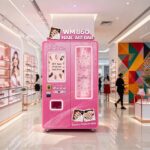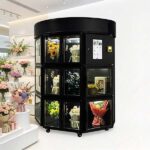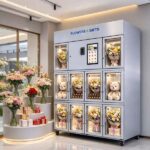


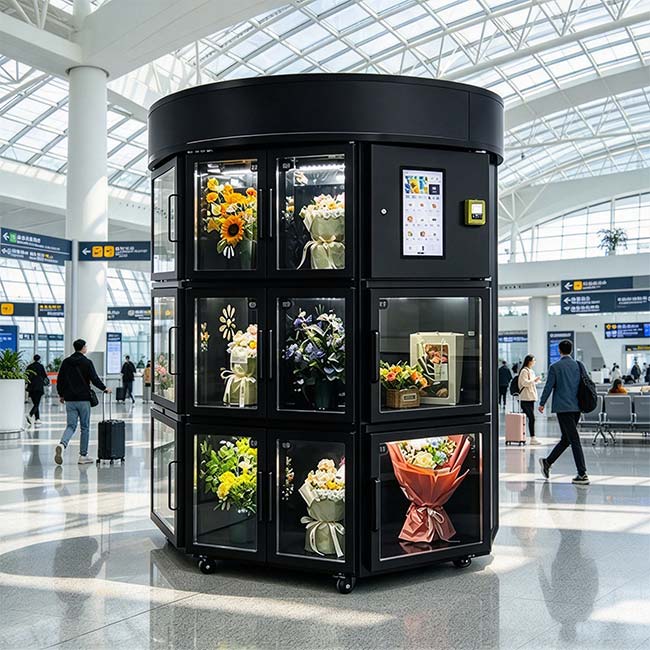
You walk into a hotel lobby, a hospital waiting room, or a transit hub, and you see something that makes you stop — a bouquet of fresh flowers sitting in a sleek machine, ready to buy. You might not have planned to buy flowers, but seeing them there changes your mind. That impulse moment is exactly what a flower vending machine capitalizes on.
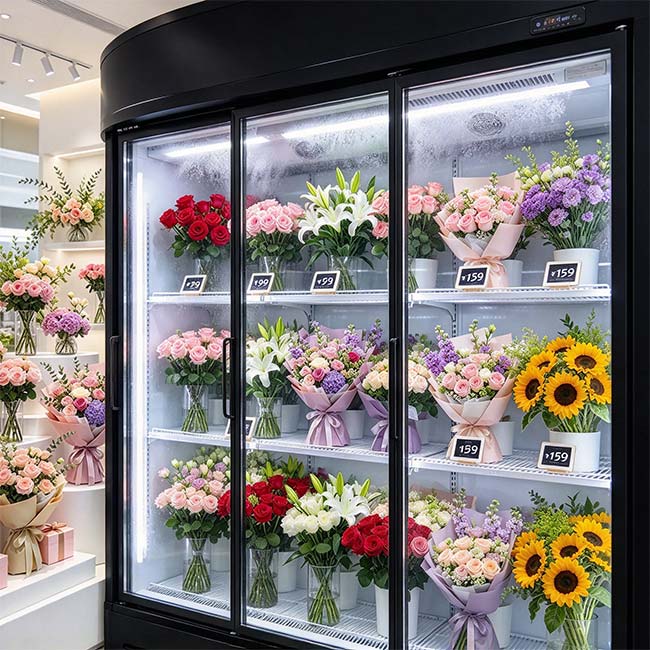
A flower vending machine USA is a refrigerated self-serve unit that dispenses fresh-cut flowers 24/7 without requiring staff. The model has grown rapidly across the United States since 2020, driven by rising demand for contactless transactions, urban gifting culture, and the profitability of unattended retail. Whether you are a first-time operator or exploring this as a side business, this guide covers everything you need to know — from startup costs and location strategy to ROI timelines and the machines available today.
How Much Money Can a Flower Vending Machine Make?
The revenue potential of a flower vending machine depends heavily on placement, but real-world operators report strong numbers. A machine placed in a high-footfall location such as an airport terminal, upscale apartment lobby, or medical center can sell between 15 and 40 bouquets per day. At an average retail price of $12 to $25 per bouquet, that translates to $180 to $1,000 in daily revenue, or roughly $5,400 to $30,000 per month before expenses.
Expenses include the cost of flowers, packaging, machine payments or leasing, location fees, and restocking labor. In most cases, flower costs run between $3 and $6 per bouquet depending on the type and season. If you buy in bulk from wholesale suppliers, that cost drops further. Location fees typically range from $200 to $800 per month for premium spaces, though some operators negotiate revenue-sharing agreements instead of fixed rent.
When you run the numbers, a well-located machine paying $400 per month in location fees with $4 per bouquet in product costs and selling 25 bouquets daily at $18 each generates approximately $4,500 per month in revenue, $300 in product costs, and around $3,800 in gross profit. After factoring in restocking time and maintenance, net monthly profit of $2,500 to $3,500 is achievable within the first year.
If you want to understand the broader economics of vending operations beyond flowers, reading about How Much Can a Vending Machine Make? A 2025 Profitability Guide gives you additional context on revenue models across different vending categories.
What Does a Flower Vending Machine Cost to Start?
Starting a flower vending machine business in the United States requires an initial investment that varies based on the equipment you choose. A quality refrigerated flower vending machine typically costs between $4,500 and $8,000 per unit when purchased new from a reputable manufacturer. Imported units from China can range from $3,000 to $6,000, but importing involves additional costs for shipping, customs, and potential compliance checks.
Beyond the machine itself, budget for your first inventory of flowers and packaging. A standard order of 200 to 500 bouquets in various styles costs approximately $600 to $2,500 depending on flower type and season. Packaging materials — cellophane wrappers, ribbons, and protective sleeves — add another $100 to $300. You should also set aside $200 to $500 for essential accessories like a basic toolkit, spare parts kit, and cleaning supplies.
Location acquisition is another variable cost. Some sites require a deposit or first-month payment upfront, while others operate on a revenue-share basis with no upfront fee. If you lease a kiosk space in a mall or transit center, expect to pay a security deposit equal to one month’s projected rent. For details on how location costs work across the vending industry, Do Vending Machine Owners Pay for Locations? The Complete Guide breaks down the different models operators encounter.
The total startup cost for one flower vending machine in the USA typically falls between $5,500 and $10,000, including the machine, initial inventory, accessories, and location deposit. With that investment, most operators see a full return within 3 to 6 months if the machine is placed in a high-traffic location and maintained properly.
To understand the full cost picture before committing, How Much Does a Vending Machine Cost in the USA? 2026 Pricing & Hidden Costs Explained covers every line item you should budget for, including those costs that are easy to overlook.
Best Locations for Flower Vending Machines in the USA
Location is the single most important factor in whether your flower vending machine succeeds. The wrong location can turn a promising business into a loss, while the right location can make even a modest machine highly profitable. Here are the most proven locations for flower vending machines across the United States:
- Airports and transit hubs — Travelers looking for last-minute gifts or treats create strong impulse buying. Orlando International, Denver International, and LaGuardia have seen consistent flower vending demand.
- Hospitals and medical centers — Patients, visitors, and staff frequently need flowers for get-well wishes. These locations operate 24/7, matching the machine’s availability perfectly.
- Hotel lobbies and conference centers — Business travelers and event attendees often need flowers on short notice. A hotel lobby machine captures both spontaneous buyers and pre-planned orders.
- Upscale apartment complexes and condos — Residents appreciate the convenience of fresh flowers without visiting a store. Premium buildings with concierge services are ideal partners.
- Shopping malls and retail plazas — High foot traffic and a shopping mindset make malls excellent for impulse floral purchases, especially around holidays.
- University campuses and corporate offices — Students and employees buy flowers for occasions, celebrations, and condolences throughout the year.
When evaluating a location, look for at least 2,000 to 5,000 people passing by daily. Check whether the space is well-lit and visible from main walkways. A machine hidden in a corner behind a pillar will underperform one placed near an entrance or elevator bank, even if foot traffic is similar.
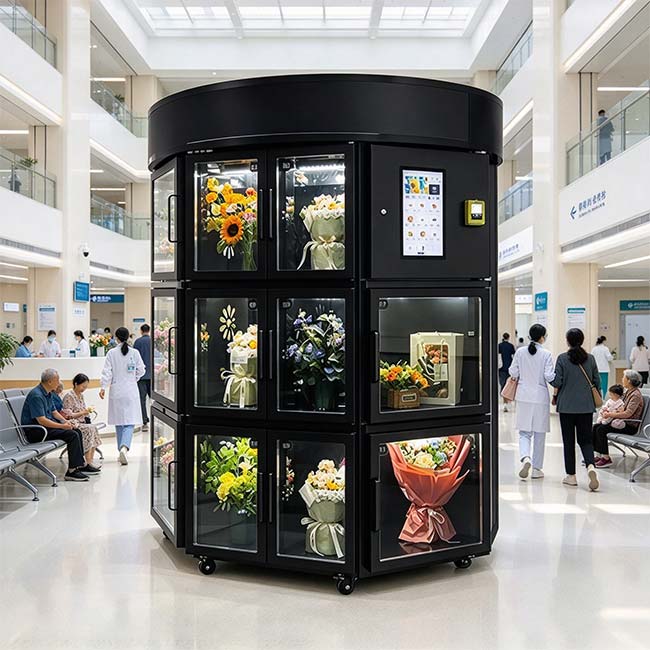
Holiday periods dramatically boost flower vending revenue. Valentine’s Day, Mother’s Day, Christmas, and weddings drive 3 to 5 times the normal daily sales. Stocking extra inventory ahead of these dates and pricing slightly higher during peak demand can significantly increase annual profitability. For a deeper look at profitability across the vending industry, How profitable is a vending business? Real ROI & Guide provides a comprehensive framework for evaluating any vending category.
Flower Vending Machine vs. Other Vending Categories
Flower vending sits in a unique position among vending machine categories. Unlike snack or beverage machines, flowers are perishable and require temperature control. This means higher operational complexity but also higher margins and less direct competition in many markets.
Flower vending machines typically sell at $12 to $25 per unit with product costs of $3 to $6, giving gross margins of 50% to 75%. Compare that to snack vending, where margins average 40% to 50%, or water vending at 60% to 70%. The flower category offers some of the highest margins in unattended retail, which is why established operators often expand into multiple categories.
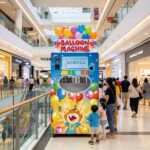
If you are considering diversifying your vending portfolio, balloon vending is a complementary category. Balloon machines share many of the same location advantages as flower machines — high foot traffic, impulse buying, and low restocking frequency. Balloon Vending Machines in 2026: Where to Find Them, What They Cost, and Who Sells Them covers the balloon machine market in detail, including pricing and popular placement strategies.
Here is a comparison of the key vending categories relevant to a flower vending startup:
| Category | Machine Cost (USD) | Avg. Margin | Perishability | Competition Level |
|---|---|---|---|---|
| Flower vending | $4,500 – $8,000 | 50% – 75% | High | Low to medium |
| Snack vending | $2,500 – $5,000 | 40% – 50% | None | High |
| Balloon vending | $3,000 – $5,000 | 55% – 70% | None | Low |
| Phone case printing | $5,000 – $7,500 | 60% – 80% | None | Very low |
| Cotton candy vending | $4,000 – $6,500 | 55% – 65% | Medium | Low |
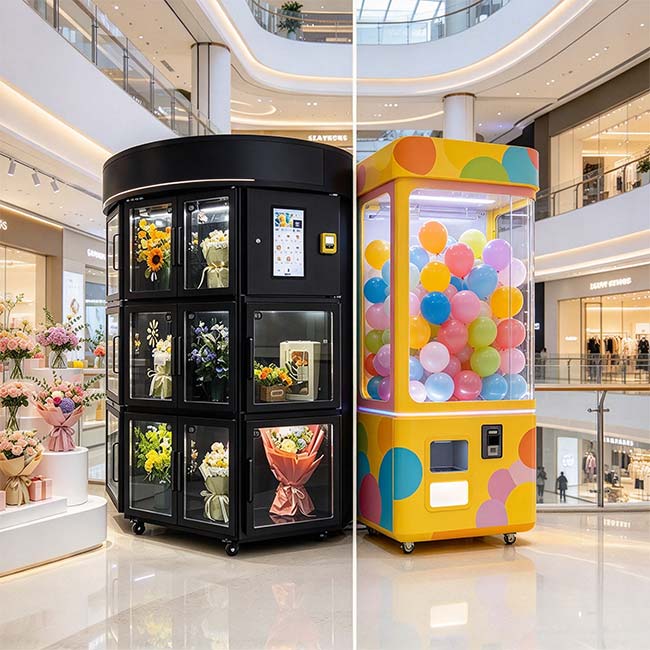
The flower vending category stands out for its combination of high margins and low competition. While snack and soda machines are everywhere, a well-placed flower machine can face zero direct competition in a given building or corridor. That advantage comes with the responsibility of managing flower freshness and replacement schedules carefully.
Is Buying Directly from a China Manufacturer the Right Move?
Many US-based vending operators consider purchasing machines directly from Chinese manufacturers to reduce upfront costs. This approach can save 20% to 40% compared to buying from a US distributor, but it comes with trade-offs that are worth understanding before you commit.
Direct import pricing for a refrigerated flower vending machine typically ranges from $3,000 to $5,500 FOB, compared to $5,000 to $8,000 for the same specifications from a domestic supplier. However, you need to factor in ocean freight ($800 to $2,000 per unit depending on volume), US customs duties (typically 0% to 10% for vending machines), and any compliance certifications required for sale in the United States.
The biggest risk with direct imports is after-sales support. When a machine breaks down three months after installation, having a manufacturer overseas who responds in a different time zone and ships replacement parts via air freight can mean days or weeks of downtime. That downtime directly translates to lost revenue, especially for perishable products like flowers.
Before purchasing from an international manufacturer, verify their certification portfolio thoroughly. CE, UKCA, RoHS, and other international standards matter not just for customs clearance but for the safety and reliability of the equipment in your hands. What to Check Before Buying a Vending Machine Directly from a China Manufacturer walks through the specific verification steps that protect your investment.
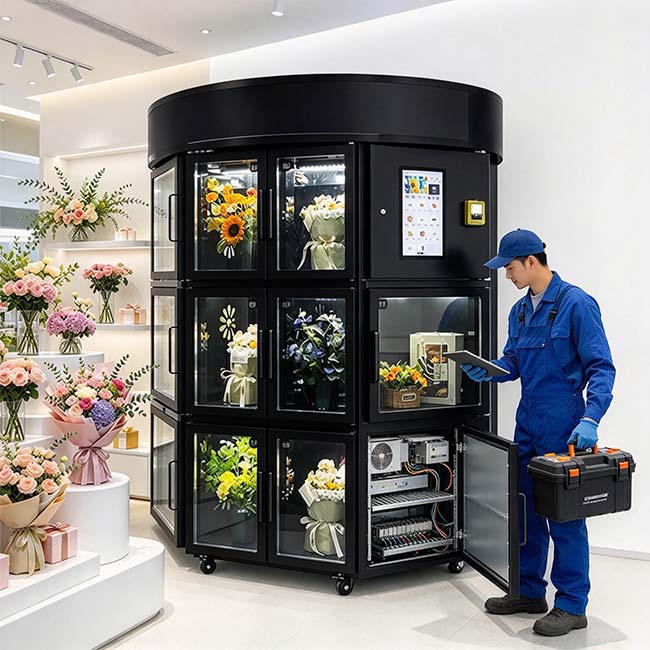
For operators who want a balance between cost savings and reliable support, working with a manufacturer that ships from a US warehouse or offers domestic after-sales service is often the smarter choice. The extra cost per machine is frequently offset by faster parts delivery and local technical support.
Operational Realities: What Running a Flower Vending Machine Actually Looks Like
Running a flower vending machine is not entirely hands-off, and anyone who tells you otherwise is overselling the business. Here is what daily and weekly operations actually involve:
Daily tasks include checking the machine’s temperature display, inspecting flowers for wilting or damage, and noting which SKUs are selling fastest. Most operators spend 10 to 15 minutes per machine per day on these checks, often done remotely through IoT monitoring software.
Weekly tasks involve restocking flowers, which typically takes 30 to 45 minutes per machine depending on sales volume and how much inventory is carried. You will also rotate stock, removing any flowers that did not sell and replacing them with fresh arrangements. Packaging materials need monitoring and replenishment on a similar schedule.
Monthly tasks include deep cleaning the machine interior, checking mechanical components like the dispensing arm and cooling system, reviewing sales data for trends, and communicating with your location host about performance. Most modern machines provide monthly reports through cloud-based dashboards that track revenue, unit sales, and low-stock alerts.
The biggest operational challenge is spoilage management. Flowers have a natural lifespan of 5 to 14 days depending on the type and storage temperature. A machine set to 2 to 8 degrees Celsius extends freshness significantly, but no machine can prevent spoilage entirely. Smart operators keep a flexible mix of long-lasting flowers like roses and carnations alongside shorter-lived options, adjusting based on season and demand patterns.
Understanding whether vending machine ownership is genuinely worth your time and money requires honest evaluation. Is Owning a Vending Machine Profitable? A 2025 Business Analysis examines the real numbers across different scenarios so you can make an informed decision before investing.
Profitability Overview: Real Numbers from a Multi-Unit Operator
One operator in the Southeast United States deployed three flower vending machines across a hospital system and two hotel properties within their first year. Here is the actual financial picture from their first 12 months of operation:
| Metric | Machine 1 (Hospital) | Machine 2 (Hotel A) | Machine 3 (Hotel B) | Total |
|---|---|---|---|---|
| Initial machine cost | $6,200 | $6,200 | $6,200 | $18,600 |
| Location fee/month | $450 | $350 | $350 | $1,150 |
| Avg. daily sales | 22 bouquets | 18 bouquets | 15 bouquets | 55 bouquets |
| Avg. price per bouquet | $18 | $16 | $16 | — |
| Monthly revenue | $11,880 | $8,640 | $7,200 | $27,720 |
| Monthly product cost | $1,320 | $960 | $800 | $3,080 |
| Monthly gross profit | $10,110 | $7,330 | $6,050 | $23,490 |
| Monthly net profit (after location) | $9,660 | $6,980 | $5,700 | $22,340 |
| Paid-back period | ~3.5 months | ~4 months | ||
This operator’s machines paid for themselves within 3 to 4 months and generated consistent monthly cash flow thereafter. The hospital location performed best due to 24/7 foot traffic and a captive audience of visitors seeking gifts. The hotel locations benefited from guests needing flowers for celebrations or condolences with limited alternative options nearby.
Not every operator achieves these numbers, and placement quality varies significantly. But the data shows that a single well-placed flower vending machine can reach break-even within 4 to 6 months, and a small fleet of 2 to 3 machines can generate substantial monthly income within the first year. For more perspective on the business side, Is Selling Vending Machines Profitable? A 2025 Deep Dive explores profitability from the manufacturer and distributor angle as well.
Choosing the Right Flower Vending Machine: Key Features to Look For
Not all flower vending machines are built equally. When evaluating equipment for your flower vending machine USA setup, focus on these critical features:
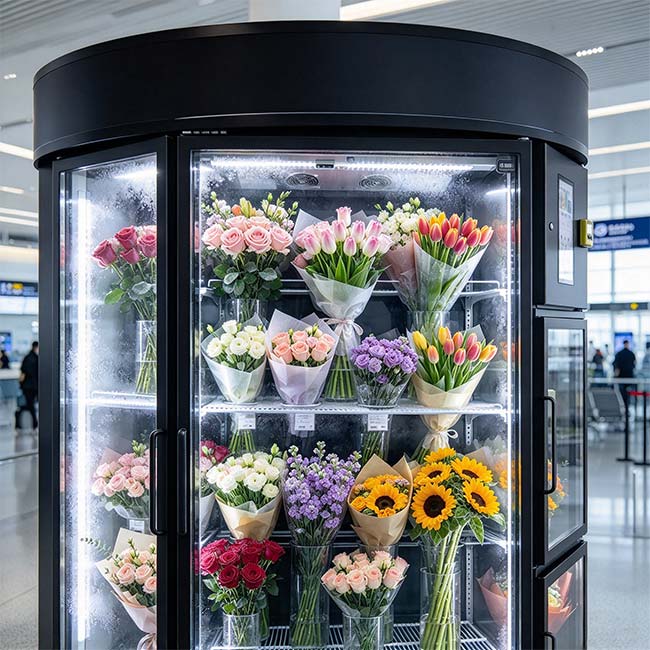
- Refrigeration system — Look for machines with adjustable temperature control between 2°C and 8°C. Consistent cooling is non-negotiable for flower freshness. Units with dual-zone cooling allow you to store different flower types at slightly different temperatures.
- Capacity and SKU flexibility — A good machine holds between 50 and 120 bouquets depending on size. Multiple rows and adjustable shelving let you accommodate different bouquet sizes, from single-stem purchases to large centerpiece arrangements.
- IoT and remote monitoring — Cloud-connected machines send real-time alerts for temperature deviations, low inventory, and payment system errors. This feature reduces the need for physical checks and helps you respond to issues before customers encounter problems.
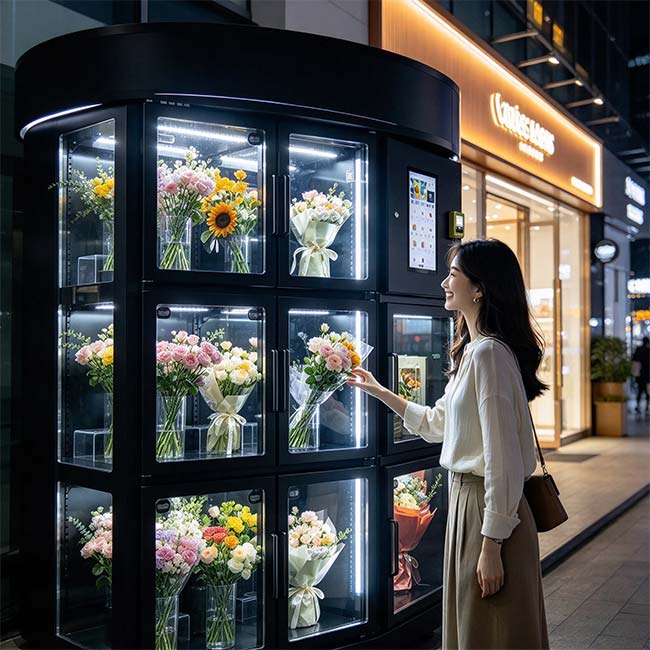
- Contactless payment — QR code scanning, NFC, and credit card readers are standard expectations in the US market. Machines without cashless payment options lose a significant portion of potential sales, especially among younger demographics.
- LED lighting and visibility — Bright, even LED lighting makes flowers look attractive and helps the machine stand out in dimly lit lobbies and corridors. A well-lit machine drives impulse purchases.
- Warranty and parts availability — A minimum 1-year warranty on all mechanical and electrical components is standard. Ask about parts availability and whether the manufacturer ships spare components in the original packaging.
Frequently Asked Questions
How long do flowers last in a vending machine?
Flowers in a properly refrigerated vending machine typically last between 7 and 14 days, depending on the flower type. Roses and carnations tend to last the longest, while lilies and peonies have a shorter shelf life. The machine’s temperature control between 2°C and 8°C significantly extends freshness compared to room-temperature storage. Operators should remove and replace flowers that show signs of wilting before they reach customers.
Do flower vending machines need special permits?
Requirements vary by city and state. Most US municipalities do not require a specific vending permit for flower machines, but you may need a general business license and a sales tax permit. Some buildings and properties require a vendor agreement or insurance certificate before allowing a machine on-site. Check with your local city clerk’s office and the property manager for specific requirements.
Can I operate a flower vending machine without experience?
Yes. Flower vending is one of the more accessible vending categories because the core skills — restocking, cleaning, and monitoring sales — are straightforward to learn. Most manufacturers provide setup instructions, video tutorials, and technical support to help new operators get started. Understanding basic financial tracking and location negotiation will serve you well in the early months.
What is the best flower vending machine for the US market?
The best machine balances refrigeration performance, capacity, IoT connectivity, and after-sales support. Machines in the $4,500 to $7,000 range from established manufacturers typically offer the best value for US operators. Look for units with CE and UL certification, cloud-based monitoring, and a warranty that covers parts and labor. Companies like Wider Matrix have shipped over 3,000 vending machines to more than 130 countries since 2016, offering machines with 1-year warranties, lifetime technical support, and 24/7 engineering assistance.
How much profit can I expect from one flower vending machine?
A single well-placed flower vending machine can generate $2,000 to $4,000 in net monthly profit after accounting for product costs, location fees, and restocking time. Performance depends primarily on location quality, flower mix, and operational consistency. Machines in airports and hospitals tend to perform at the higher end of this range, while lower-traffic suburban locations may see more modest returns.
Do I need to restock my flower vending machine every day?
Most operators restock 3 to 5 times per week depending on sales volume. High-traffic locations may require daily restocking, especially during peak seasons. The restocking process involves removing old flowers, cleaning the display area, loading fresh bouquets, and updating the inventory count in the machine’s software. Many operators combine restocking runs for multiple machines in the same geographic area to maximize efficiency.
What payment methods do flower vending machines accept in the USA?
Modern flower vending machines in the US accept cash, credit and debit cards, contactless payments (NFC), and mobile wallets through QR code scanning. Some machines also support app-based payments and loyalty programs. Offering multiple payment options is essential — machines that only accept cash lose a growing share of customers who prefer digital payment methods.
Can I customize the machine’s appearance and branding?
Most manufacturers offer customization options including custom LED panels, branded graphics wraps, and tailored software interfaces. You can add your company logo, adjust the color scheme to match your brand, and configure the touchscreen interface to display your messaging. Some manufacturers also allow custom packaging and bouquet arrangement styles to differentiate your machines in the market.
How does Wider Matrix support flower vending machine operators?
Wider Matrix provides a 1-year warranty on all machines, lifetime technical support through a 24/7 three-shift engineering team, and free air shipment of non-human-damage replacement parts. Each machine ships with a tools and spare parts kit, and the company offers installation training, deployment planning, operational training, and ROI calculation reports. Their machines are certified to CE, UKCA, RoHS, and other international standards, and they have exported over 3,000 units to 130+ countries since 2016.
More on Vending Business Topics
- Automatic Mobile Cover Printing Machine: The Complete Guide to Starting Your Custom Phone Case Business
- Print Your Own Phone Case Vending Machine: The Ultimate 2026 Business Guide
- Are Flower Vending Machines Profitable? 6 Real Records
- Flower Vending Machine Singapore: Best Locations in 2026
- Flower Cotton Candy Vending Machine: What It Costs to Run
Get Your Personalized ROI Analysis & Expert Guidance
Whether you are placing your first flower vending machine or expanding an existing portfolio, success comes down to the right location, the right machine, and a partner who understands the business inside and out. Every operator’s situation is different — your target market, available capital, and growth goals will shape the best path forward.
Wider Matrix has been developing vending machine solutions since 2016, exporting over 3,000 units to 130+ countries across North America, Europe, the Middle East, Southeast Asia, and Australia. Beyond supplying equipment, the team provides deployment planning, operational training, and detailed ROI calculation reports to help you make confident decisions.
Contact us today to receive:
- A free customized ROI analysis based on your target location and budget
- Real customer case studies and reference contacts from the US market
- Detailed machine specifications and a competitive quote within 24 hours
- Information on installation support, training, and ongoing technical assistance
No obligation, no pressure — just honest guidance from a team that has helped operators build profitable vending businesses worldwide. Visit widermatrix.com to learn more or reach out directly to start the conversation.