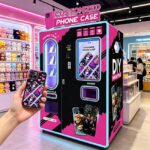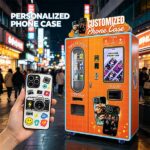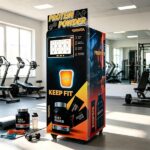


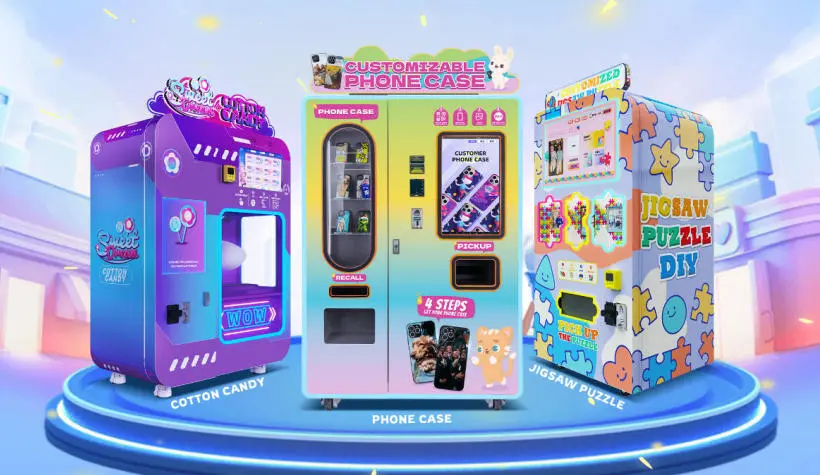
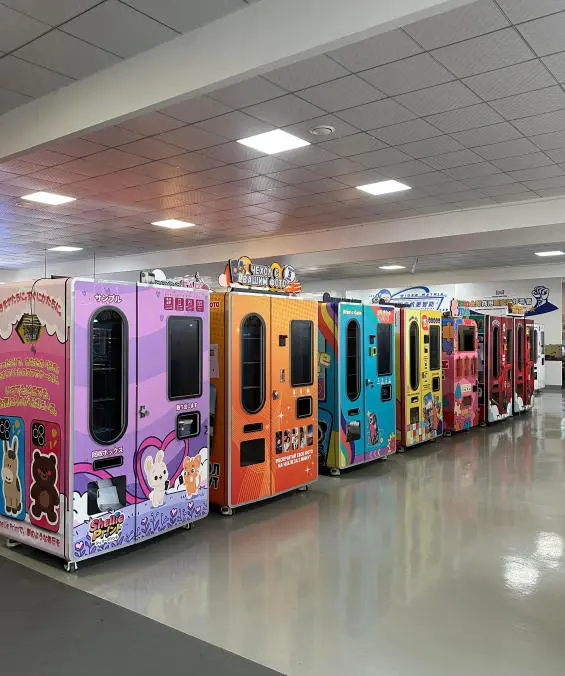
A new vending machine in the USA typically costs between $3,000 and $12,000, though high-end models with advanced technology can run up to $20,000 or more. These machines are commonly placed in office break rooms, college campuses, hospitals, and retail stores, operating 24/7 to generate passive income through cashless and card payments. The wide price range depends on the machine type—from basic snack and soda venders to specialized units like pizza or phone case printers—and whether you buy new, used, or opt for a lease.
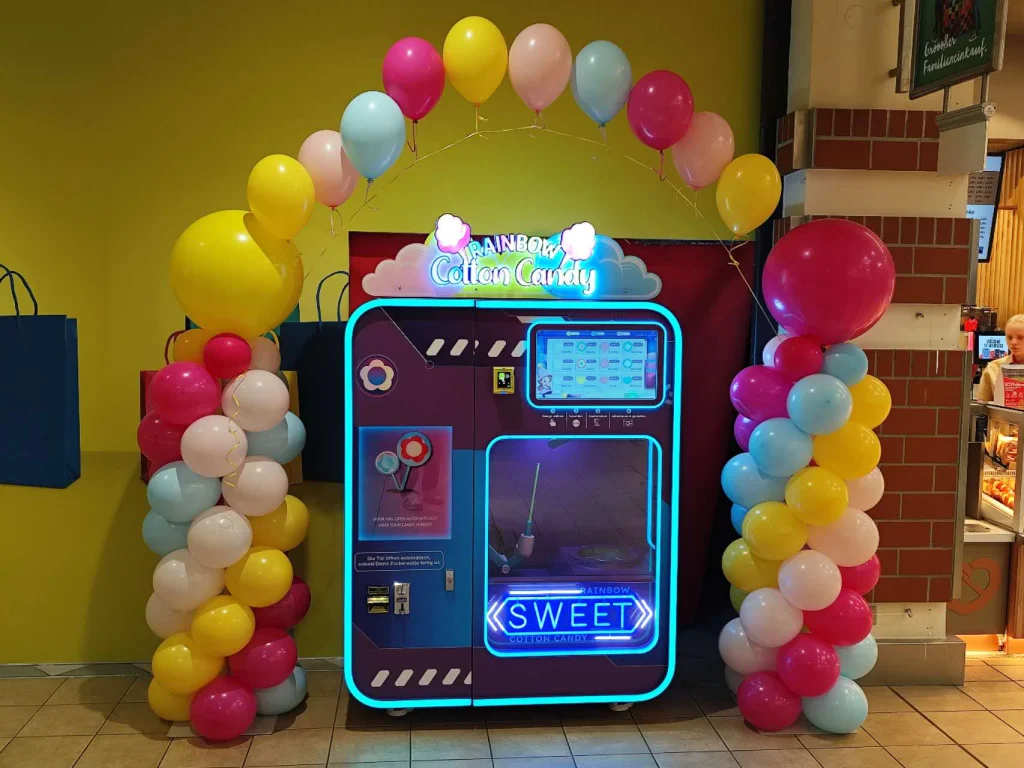
But here’s the thing: the purchase price is just the beginning. You’ve got to think about the total investment—installation, inventory, payment systems, and ongoing maintenance. And honestly, that’s where most first-timers get tripped up.
Let’s break down what you’re actually paying for.
New vs. Used: The Real Cost Difference
You might be tempted to grab a used machine for $1,500 and call it a day. I get it—who doesn’t love a bargain? But here’s what nobody tells you: used machines often come with hidden costs.
A used vending machine might save you 40-60% upfront, but you’ll likely face:
- More frequent breakdowns (repair bills add up fast)
- Older technology that doesn’t support modern payment systems
- Higher energy consumption (those old compressors are thirsty)
- Limited warranty or no support at all
New machines, on the other hand, come with warranties, the latest tech, and energy efficiency. Plus, they look better—and in this business, appearance matters. Customers trust a sleek, modern machine over a beat-up relic.
So while you might pay $7,000 for a new combo machine versus $3,000 for a used one, the new machine often pays for itself in fewer headaches alone.
💡 Money-Saving Tip: If you’re on a budget, look for refurbished machines from reputable dealers—they’re inspected and often come with a limited warranty, giving you the best of both worlds.
Machine Types and Their Price Tags
Not all vending machines are created equal. Here’s a quick look at what different types cost:
| Machine Type | New Price Range | Used Price Range | Best For |
|---|---|---|---|
| Basic Snack Machine | $3,000 – $5,000 | $1,500 – $3,000 | Offices, small break rooms |
| Soda/Drink Machine | $3,500 – $6,000 | $1,800 – $3,500 | Schools, gyms, lobbies |
| Combo (Snack + Drink) | $5,000 – $9,000 | $2,500 – $5,000 | Small locations, high-traffic spots |
| Specialty (Pizza, Phone Case, etc.) | $5,000 – $20,000+ | $2,000 – $10,000 | Niche markets, unique locations |
Notice how specialty machines jump in price? That’s because they’re designed for specific products—like a pizza vending machine that cooks fresh pies in 3 minutes. These machines require more complex engineering, but they also command higher margins.
Beyond the Machine: Hidden Costs You Can’t Ignore
Look, the machine itself is only half the story. Here’s what else you’re paying for:
Installation and Delivery — Shipping a 800-pound machine isn’t cheap. Expect to pay $200-$500 for delivery within your state, more if it’s coming from across the country.
Payment Systems — Modern customers expect to pay with cards and phones. A card reader setup (like Nayax or Cantaloupe) costs $300-$800 per machine, plus monthly processing fees.
Inventory — Your first stock-up will cost $500-$2,000 depending on machine size. And you’ll need to reinvest that money every time you restock.
Location Commission — If you’re placing your machine in someone else’s business, they’ll want a cut—typically 10-20% of sales.
Maintenance — Budget $300-$600 per year for repairs and routine servicing. More if you’re not handy.
So that $5,000 machine? Your real first-year investment is closer to $7,000-$9,000.
💡 Critical Info: Always negotiate location commission before signing a contract. Some locations ask for 25%—that can eat your profit margin before you even start.
Financing Options: Leasing vs. Buying
Not everyone has $7,000 burning a hole in their pocket. That’s where financing comes in.
Leasing — You pay $100-$300 per month for the machine. No upfront cost, but you never own it. Good for testing the waters, but long-term, you’ll pay more.
Equipment Loans — Many banks and online lenders offer vending machine loans. Interest rates range from 6-15%. If you’re buying multiple machines, this can make sense.
Rent-to-Own — Some suppliers offer this hybrid model. You pay monthly for 2-3 years, then the machine is yours. It’s a middle ground that works for a lot of folks.
Personally, I’d recommend buying outright if you can. The monthly savings from not having a lease payment go straight to your bottom line.
How to Choose a Reliable Supplier
Here’s where things get real. The vending machine market is full of options—and plenty of them are mediocre at best.
When you’re evaluating suppliers, look for:
- International certifications — CE, UKCA, RoHS, and BRC certifications aren’t just fancy stickers. They mean the machine meets safety and quality standards.
- Industry experience — How long have they been at this? A company that’s been in the game since 2016, like Wider Matrix, has seen the market evolve and knows what works.
- Global track record — If a supplier has exported thousands of machines to 130+ countries, that’s a good sign. We’ve moved over 3,000 machines globally as of late 2024, and that experience shows in product reliability.
- Customization capabilities — Can they tweak the machine for your specific needs? Software, hardware, branding—a good supplier offers flexibility.
- After-sales support — What happens when something breaks? Do they have a support team? Are parts available?
Don’t just go with the cheapest option. A machine that breaks down every month will cost you more in lost sales and repair fees than a quality machine that costs a bit more upfront.
💡 Practical Advice: Ask potential suppliers for client references and machine photos from real locations. If they hesitate, that’s a red flag.
Frequently Asked Questions
Can I make money with one vending machine?
Yes, but it depends on location. A well-placed machine in a high-traffic area can generate $300-$800 per month in profit. Single machines are a good entry point, but scaling to 5-10 machines is where real money happens.
How much does it cost to start a vending machine business?
A realistic starting budget is $5,000-$15,000. This covers one new machine, initial inventory, payment system, delivery, and permits. You can start cheaper with a used machine, but expect more maintenance.
Are vending machines profitable in 2026?
Absolutely. The US vending market continues to grow, driven by cashless payments and demand for convenience. Profit margins typically range from 10-25% per sale. Specialty machines (pizza, phone cases) can see even higher margins.
What’s the best location for a vending machine?
High-traffic areas with captive audiences: office buildings, hospitals, colleges, factories, and transportation hubs. The key is foot traffic combined with limited food options nearby.
Do I need a license to operate a vending machine?
Most states require a business license and sales tax permit. Some cities also require a vending machine permit. Check with your local city hall—requirements vary widely.
How long does a vending machine last?
A quality machine lasts 10-15 years with proper maintenance. Cheaper machines may only last 5-7 years. That’s why investing in quality upfront makes financial sense.
Can I customize a vending machine for my brand?
Yes. Many suppliers, including Wider Matrix, offer custom wraps, branded interfaces, and tailored product configurations. This is especially useful if you’re placing machines in your own business locations.
What payment systems do modern vending machines use?
Most new machines support credit/debit cards, Apple Pay, Google Pay, and even cryptocurrency. Cashless payments now account for over 60% of vending transactions in the US.
Expert Insight
“In the vending machine industry, equipment stability and supply chain management are keys to success. We’ve seen many entrepreneurs struggle with frequent repairs due to low-quality equipment, ultimately affecting profitability. Choosing suppliers with international certifications and comprehensive after-sales service may cost more initially, but significantly reduces operating costs in the long run. The vending business is about consistency—if your machine works reliably, your customers keep coming back.”
— Mark Chen, Vending Industry Consultant with 12 Years of Experience
Your Next Move
So here’s the bottom line: a vending machine in the USA costs anywhere from $3,000 to $20,000+ depending on what you buy and how you buy it. But the real question isn’t just the price—it’s the value.
If you’re serious about starting a vending business, do your homework. Look at total costs, not just machine prices. Talk to multiple suppliers. And don’t be afraid to ask tough questions about warranties, support, and customization.
Whether you’re buying your first machine or expanding a fleet, making informed choices now saves you money—and headaches—down the road.
For more detailed breakdowns, check out our complete vending machine investment guide and our 2025 pricing guide for specific models.