




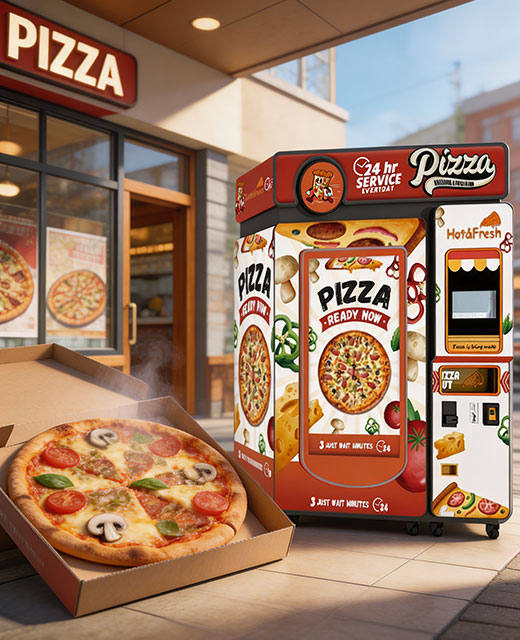
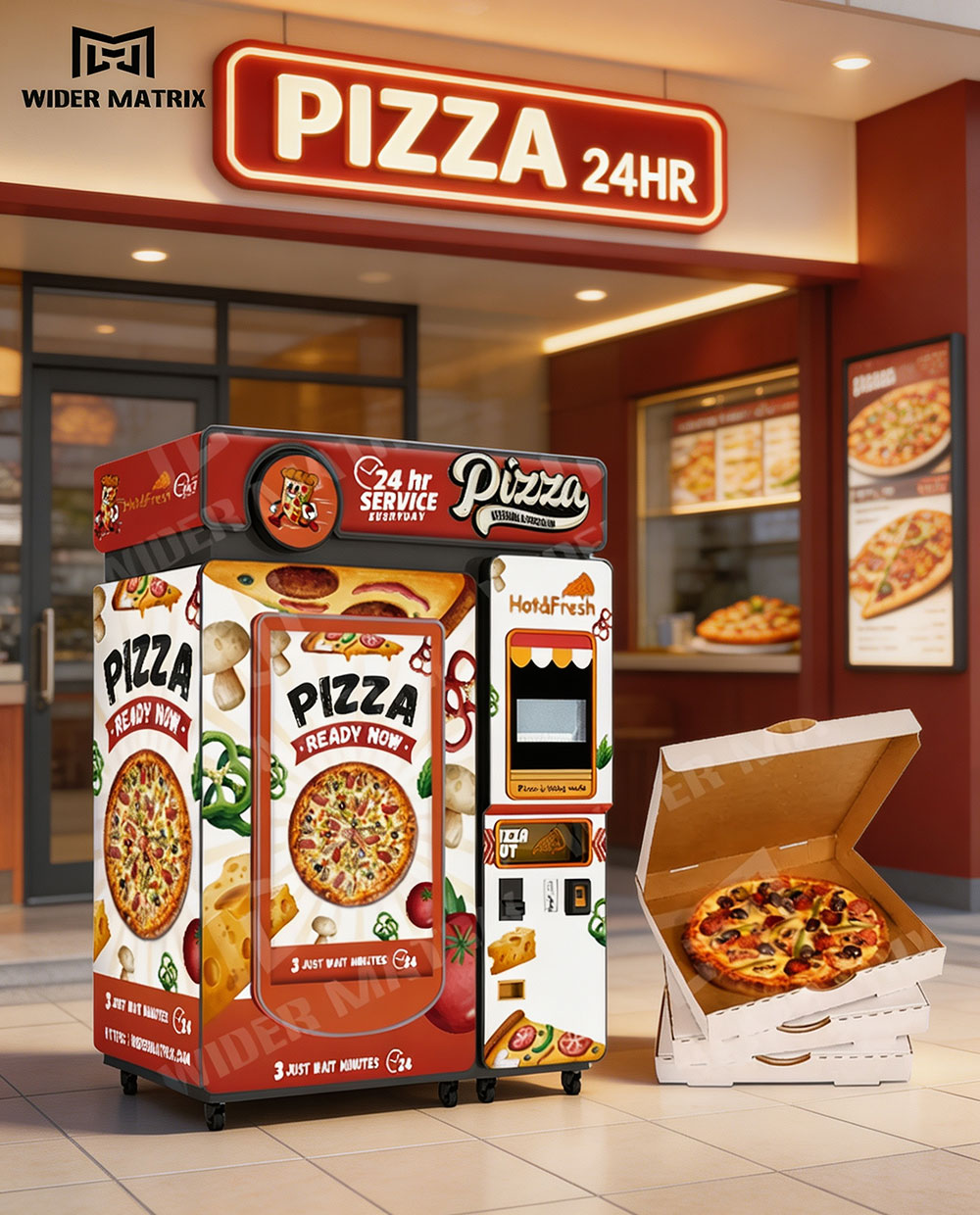
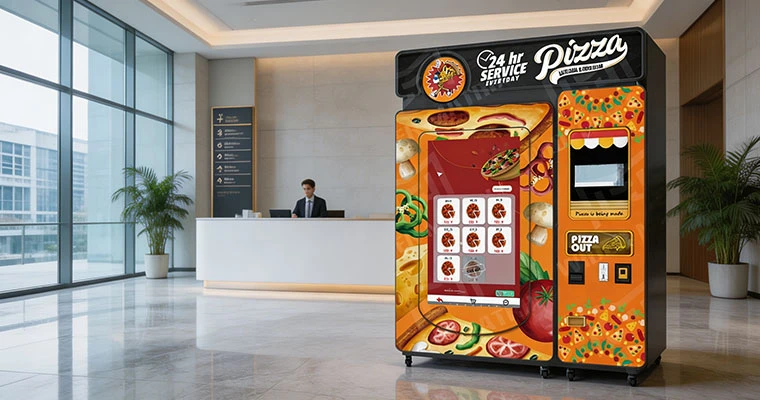
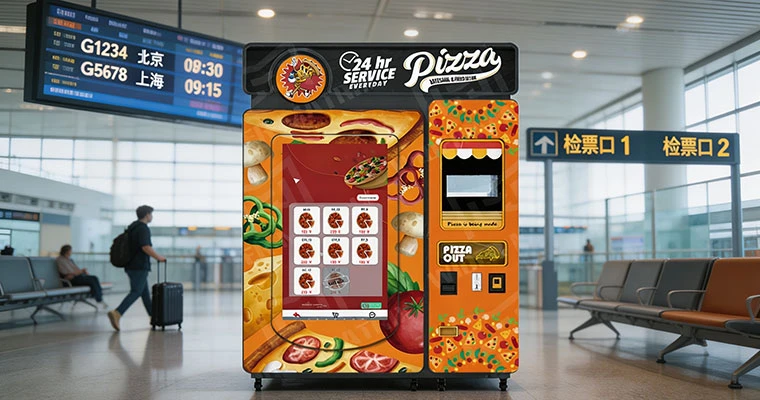
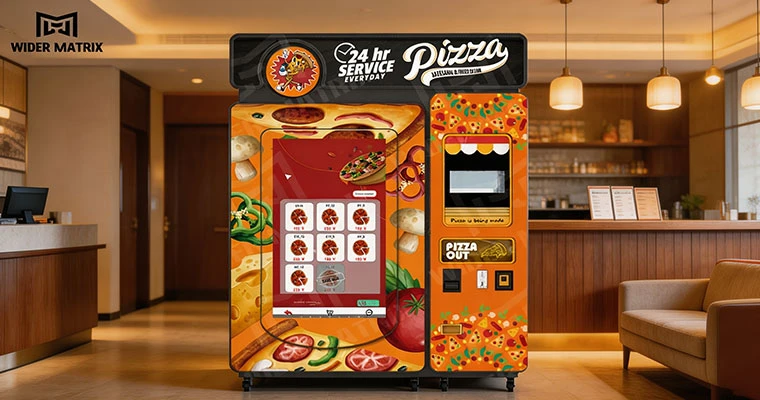
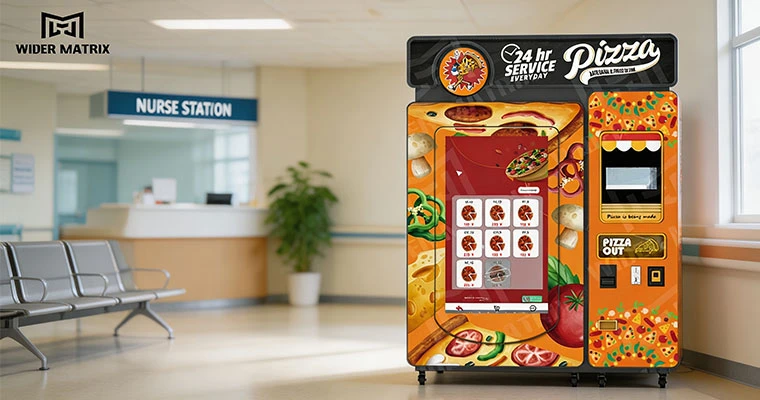
The WM660 Pizza Vending Machine: What We Learned Selling It to Universities, Hotels and Train Stations Worldwide
Pizza is the world's most popular food — a $200+ billion global market. For decades it required a kitchen with a chef. The WM660 changes that. Here is what we learned building it.
Why We Built the WM660
We have been in vending for years. The WM660 was born from a simple observation: everyone loves pizza, but getting it at 2 AM requires a delivery driver or a 24-hour kitchen. The solution was a machine that stores, bakes and dispenses pizza on its own — 24/7, no staff needed.
The real engineering challenge was the heating system. A pizza is not a snack — it is a meal. It needs even heating from edge to center, a crisp crust, and properly melted cheese. We tested hot air, infrared, microwave and combinations of all three. The WM660 uses precisely controlled hot air circulation. The WM660+ adds microwave for even faster, more consistent results.
That decision — offering two temperature models — is what makes the WM660 series viable for every supply chain. A convenience store with daily deliveries can use refrigerated. A remote highway rest stop can use frozen with 180+ day shelf life.
Refrigerated vs Frozen — Which Model to Choose
The WM660 (refrigerated, 0°C–10°C) is ideal for locations with frequent restocking — urban convenience stores, office buildings, university cafeterias. Pizzas stay fresh for days and the hot air heating produces excellent results.
The WM660+ (frozen, 10°C ~ -21°C) is the choice for remote locations, highway service stations, or any site where restocking is infrequent. Frozen storage means 180+ days of shelf life. The microwave + hot air composite heating bakes faster and more evenly — a premium experience that justifies the higher price point.
One of our university customers in the UK tested both. The refrigerated WM660 in the main cafeteria sees 50+ pizzas daily. The WM660+ in a remote dormitory building serves 30 pizzas daily with restocking just once a week. Both are profitable — the model choice depends entirely on your supply chain rhythm.
What a Pizza Actually Costs to Serve
The WM660 pizza vending machine price starts at $8,250 factory-direct. But the real story is the margin. A 12-inch pizza costs about $1.50 to $2.50 in ingredients — dough, sauce, cheese, toppings. Add a pizza box (about $0.35–$0.40 in bulk), and your total cost per pizza is around $2.00–$3.00. Retail price: $8 to $15.
That is a gross margin of 75% or more. At a conservative $8 per pizza and 40 pizzas a day, the machine generates about $9,600 per month in revenue. Most operators recover their investment in 3 to 6 months.
One of our customers placed a WM660 in a busy train station in Germany. At €10 per pizza and 60 pizzas a day, the machine paid for itself in under 8 weeks. After that, it was pure profit.
Where the WM660 Earns the Most
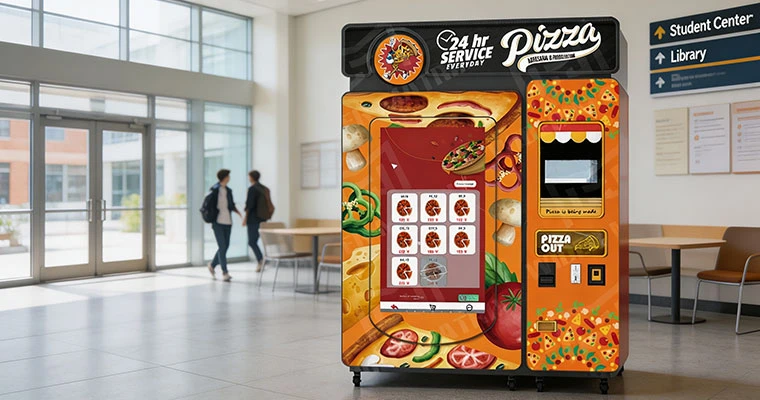
The best locations fall into three categories. Universities and colleges are the obvious first choice — students need food at all hours, and pizza is universally loved. The WM660 lets campuses offer hot pizza 24/7 without staffing a kitchen.
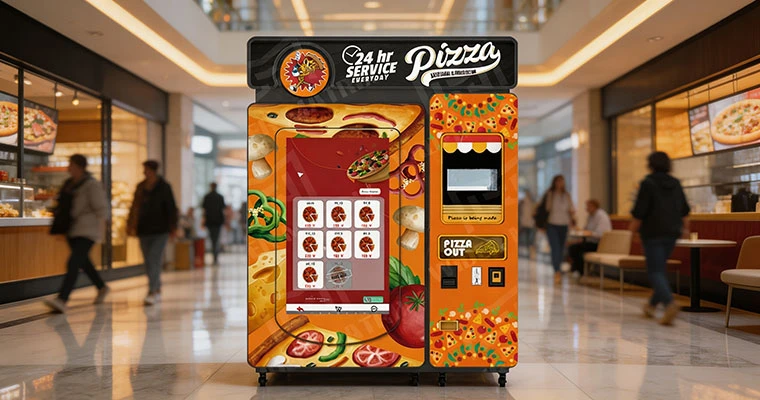
Transportation hubs — train stations, airports, bus terminals — are the second. Travelers are time-pressed and willing to pay for speed and convenience. A 120-second pizza is a compelling offer when you have 15 minutes before your train.
The third is hotels and office buildings. Late-night guests, employees working overtime — these are captive audiences who will pay a premium for hot, fresh pizza without leaving the building. One hotel chain in Japan reported that their WM660 generated more revenue per square foot than any other amenity in the lobby.
What to Ask Before You Buy a Pizza Vending Machine
If you are comparing pizza vending machines for sale, ask these questions.
What temperature range does it support? Refrigerated or frozen — can it match your supply chain? How fast is the bake cycle? If it takes more than 2 minutes, customers walk away. What is the capacity? 72 boxes means less frequent restocking.
What certifications does it carry? The WM660 has CE, ISO 9001 and RoHS. What happens when a part wears out? We ship spares worldwide and provide 24/7 remote support. Does it support remote management? Our cloud dashboard and mobile app let you monitor every machine from anywhere. These are the questions that separate a real manufacturer from a drop-shipper.