




Flower Cotton Candy Vending Machine: What It Costs to Run
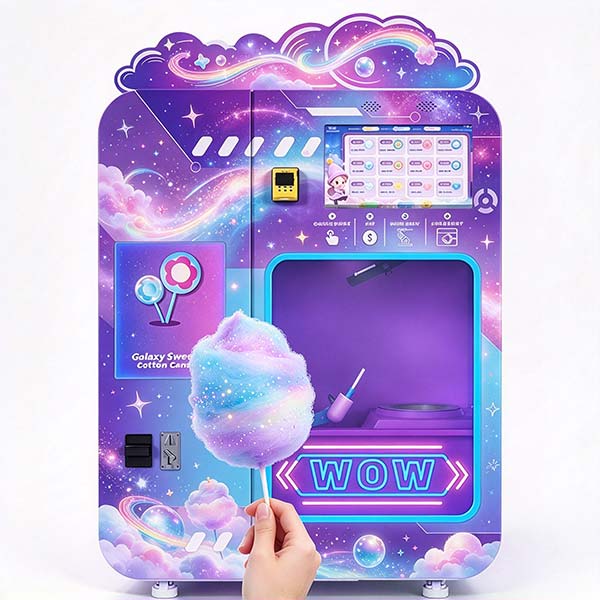
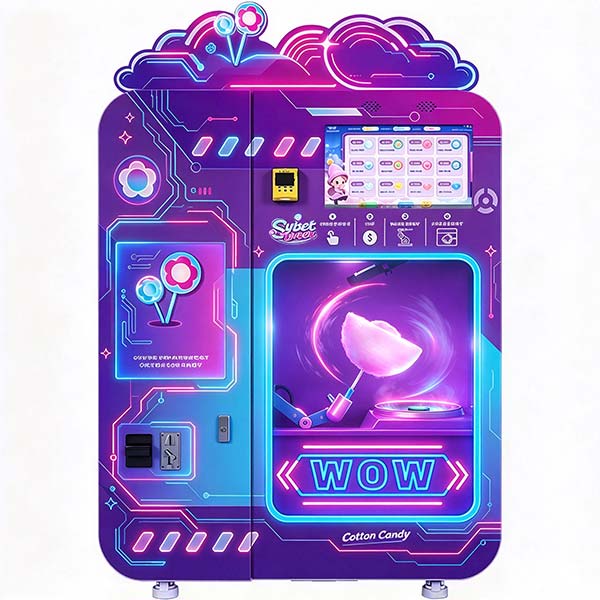
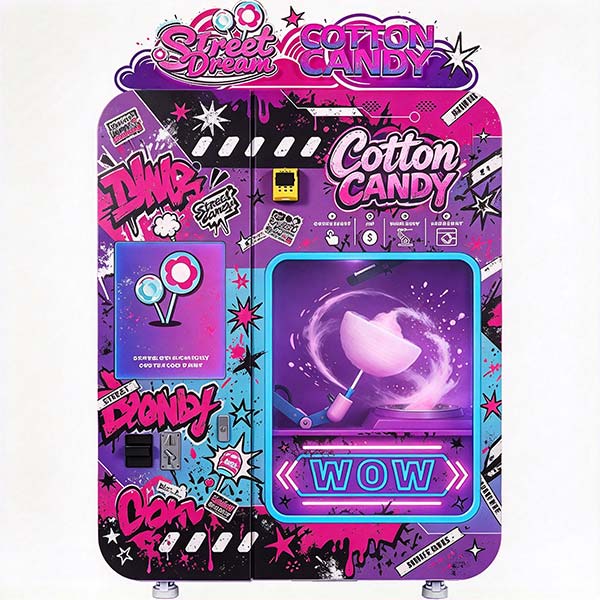
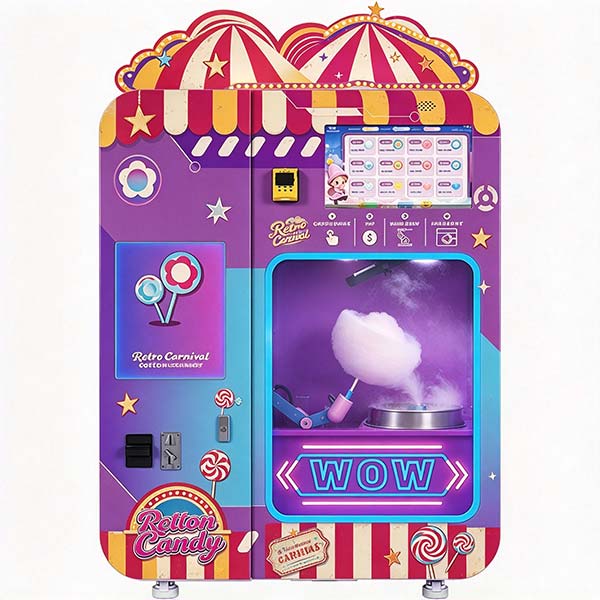
Every project is unique — tell us your needs and we'll provide a tailored solution.
- 🍭 54+ cotton candy designs, constantly updated
- 🌍 Shipped to 130+ countries worldwide
- 🤝 Dedicated account manager for your project
- 💰 Contact us for the latest promotional pricing
Our partners typically recover their investment within 2–4 months. Start earning from day one with a proven, low-maintenance cotton candy vending solution.
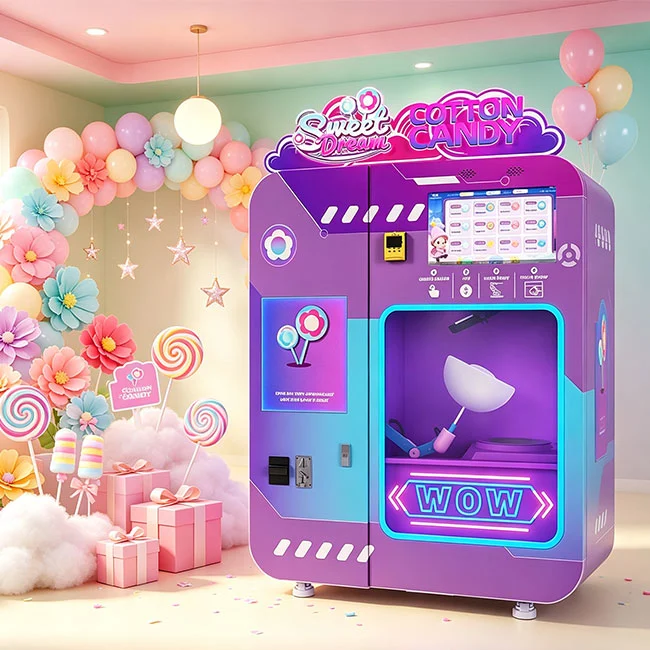
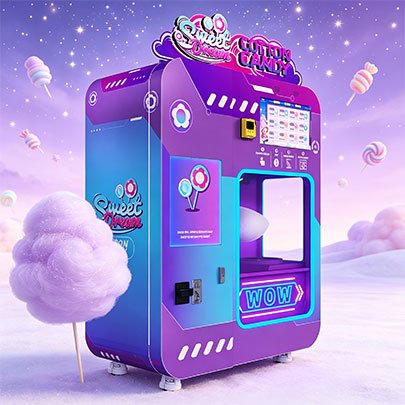
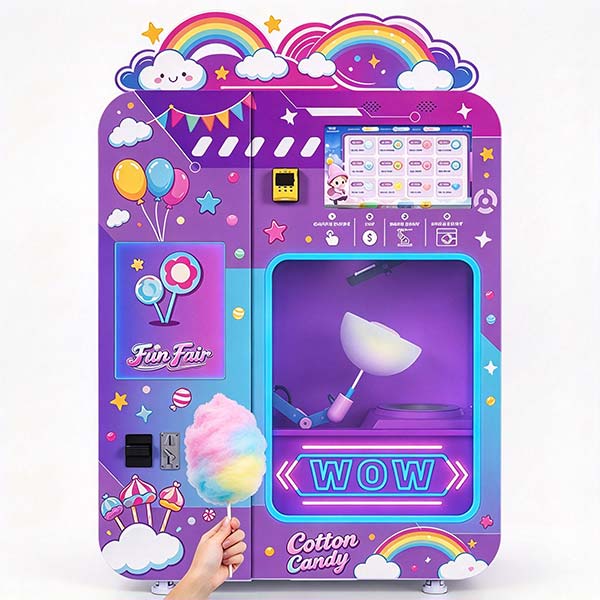
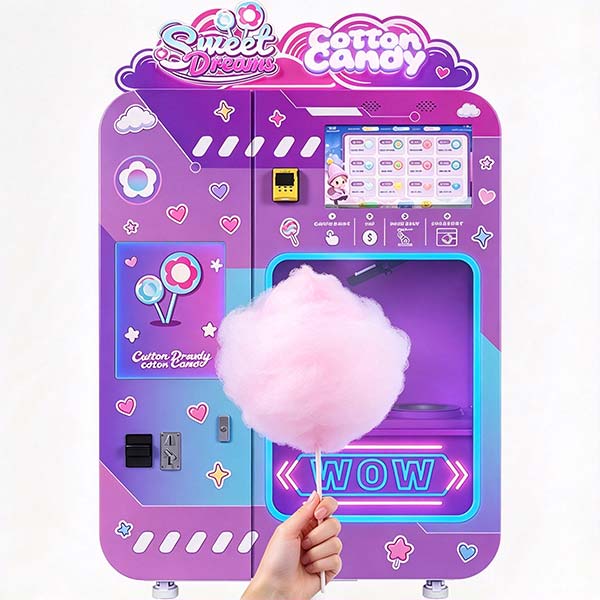
A girl in a mall walks up to a machine with a bright screen, taps a flower on the display, and holds her phone against the payment terminal. Behind the glass, a robotic arm dips into a sugar tank, the burner heats the granule sugar, and a non-stick knife winds the threads into a flower shape. The pickup window stays locked while the machine works. When the candy is finished, the lock releases, she takes the flower off the stick, and the machine resets for the next customer. Nobody made it for her, and nobody had to stand there and watch.
That is a flower cotton candy vending machine. It is part snack machine and part small robot, and it turns 28-30 grams of sugar into a shaped cotton candy in front of the customer. If you are pricing a flower cotton candy vending machine for a mall, a theme park, a cinema, or any site where families gather, the questions that decide the purchase are usually the same: does it hold up, what does a serving cost, can it run on its own, and who fixes it when something goes wrong. Those are the questions this piece answers, using the published specifications of the three factory models rather than sales talk.
What is a flower cotton candy vending machine?
A flower cotton candy vending machine is a self-service unit that makes cotton candy on demand in fixed shapes, with the flower as the signature pattern. The customer picks a shape on a touch screen, pays, and waits while the machine spins sugar into that shape on a paper stick. What comes out is fresh cotton candy made seconds earlier, not a bag pulled off a shelf.
That difference matters more than it sounds. Pre-packed cotton candy sits sealed in a bag and slowly loses the texture that makes people buy it. Cotton candy made in front of the customer is at its best in the first minute, and the process itself is the show: sugar threads winding around a stick, visible through the window while the machine works. People stop to watch, and people who stop to watch often buy one.
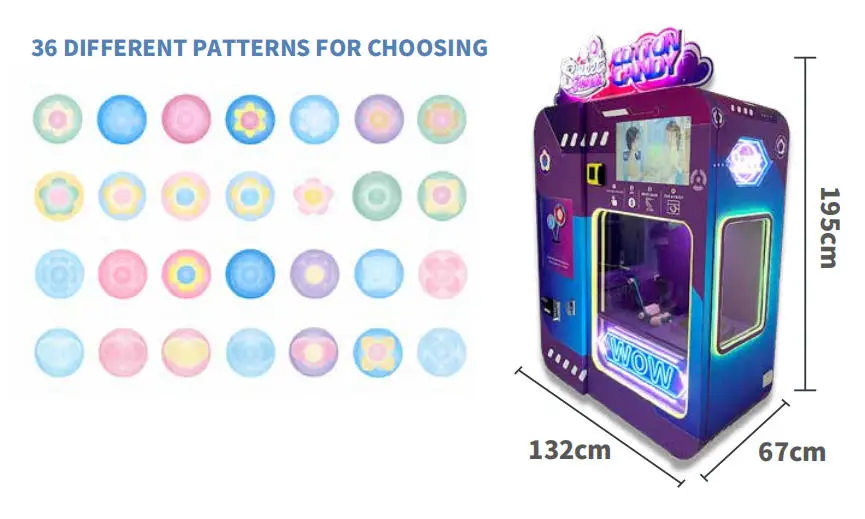
Wider Matrix builds three models: the WM980, the WM980+, and the WM668 for outdoor use. They share the same core design. Each one measures 132 × 195 × 67 cm, weighs 300 kg, draws 500 W on standby and up to 3,000 W during production, accepts coins, banknotes, credit cards, and NFC payments, uses 28-30 g of sugar per candy, and holds a library of 36 designs that keeps growing through over-the-air updates.
The reason this category exists at all is the staffed counter. A traditional cotton candy stand needs a person to spin every serving, which means wages, shifts, and a machine that sits idle whenever the stand is closed. The vending version moves the spinning into the cabinet and leaves the person with a restocking visit. That trade is the whole pitch, and it works best in places where foot traffic arrives at hours no employee wants to work.
The payment stack is worth a note for anyone comparing machines. Coins, banknotes, credit cards, and NFC cover essentially every customer who walks up, which matters more than it sounds: a machine that misses one payment method loses the sale to the queue behind it. For the owner, card and NFC payments also arrive with a digital record attached, which makes commission deals with venues and daily reconciliation far simpler than counting a cash box.
Buyers for these machines fall into a few groups. Location operators, such as malls, theme parks, and entertainment centers, buy them as an extra service for visitors. Vending operators buy them as a route, sometimes two or three machines at a time. Event companies buy them for seasonal and festival work, where the wheels and the quick setup matter. Distributors and importers buy them for markets where the category is still new. If you are one of those buyers, the rest of this piece is organized the way a purchase decision actually runs.
How the machine turns sugar into a flower
The whole process takes four steps, and the customer only does two of them. Every flower cotton candy vending machine on this platform runs the same sequence.
- Choose the style. The customer picks one of the 36 patterns on the touch screen. Flowers are the popular choice, but the library also holds mushrooms, hearts, clouds, and more.
- Pay. Coins, banknotes, credit cards, and NFC phone payments all work, so nobody needs cash and nobody needs to download an app.
- Wait for the machine to work. The burner heats the sugar, a four-degree-of-freedom robotic arm handles the stick, and a non-stick shaping knife winds the threads into the chosen shape.
- Collect. A magnetic door lock keeps the pickup window closed while production runs. When the candy is finished, the lock releases and the customer takes it.
Watch a machine run a full cycle before you buy one from any supplier. The tell is in the middle of the process, where sugar leaves the tank and meets the spinner. On a well-built machine, the flow is steady, the arm moves smoothly between positions, and the shaping knife lifts the finished candy cleanly off. On a poorly built one, you see sugar spit, uneven winding, and candy that collapses on the way to the pickup window.
The burner deserves a word because it is the part that decides how long a machine lasts. On this family it runs an auto-cleaning and humidifying cycle, which burns off sugar residue instead of letting it build up. Sugar that cakes onto a burner is the usual reason a cheap machine stops making clean cotton candy after a few months, and it is the reason a machine that looked like a bargain in month one becomes a repair bill in month six.
While the customer waits, the advertising display screen plays content. You can load your own video over USB, which turns the wait into ad space for the location or for a second product nearby. The screen runs in multiple languages, which helps in tourist areas where the same machine serves a dozen nationalities in an afternoon.
A few things are worth noticing during that wait. The machine holds the pickup window closed with the magnetic lock until the candy is done, so nobody reaches into a moving arm. The stick is handled by the arm rather than by the customer, which removes the part of the process that used to need trained hands. And the whole cycle is quiet enough to sit in a mall corridor without becoming a nuisance, because the burner is a heating element rather than a loud spinner.
For the location, that combination is the point. The customer experience is a screen, a payment, a short wait, and a treat, with no employee in the loop. The owner experience is a dashboard, a refill schedule, and a support line. Everything else happens inside the cabinet.
Why the flower patterns sell the machine
People buy with their eyes first. A row of cotton candy in flower shapes, each one a different color, does more selling than any sign bolted to the side of the machine. Children point at the flower, and the decision is made before the parent has read a word.
The shape also photographs well. Cotton candy is a visual product, and a flower-shaped piece gets shared in a way a plain cloud of sugar does not. That matters for a location because it turns one purchase into exposure every time someone posts a photo, and the flower is the shape people actually photograph. A flower cotton candy machine earns part of its keep simply by being the thing in the photo.
When you compare machines from different suppliers, the pattern library is one of the few numbers you can check on the spot. Ask how many designs a flower cotton candy vending machine holds and how new ones arrive. On the WM980 family the answer is 36 designs, including flower shapes, and the library expands with system updates pushed out over the air, so a machine bought today can offer patterns that did not exist when it left the factory.
The library also gives the location a way to refresh the offer without buying new hardware. A machine that gains a few new shapes each year keeps the display interesting for regular visitors, and regulars are where a stable site makes most of its money.
The six sugar colors matter here too, because they let the same flower shape appear in six different looks. A location can run a single color for a season, rotate colors weekly, or match the machine to a holiday. None of that needs a technician, since the color is simply the sugar loaded into the tank, and switching between the six flavors is a stocking decision rather than a settings change.
WM980, WM980+, or WM668: which one fits your site
All three models make the same 36 patterns from the same 28-30 g of sugar, on the same software platform. The cotton candy vending machine price question comes down to three numbers: US$4,800 for the WM980, US$4,999 for the WM980+, and US$5,299 for the WM668. The differences between them sit in the cabinet and the tanks.
| WM980 | WM980+ | WM668 | |
|---|---|---|---|
| Sugar tanks | 4 × 2 kg, upgrade to 4 × 3 kg for US$200 | 4 × 3 kg | 6 × 2 kg |
| Cabinet | Standard cabinet | Improved metal cabinet with ambient ring light strip | Elevated rainproof roof with high-brightness outdoor screen |
| Built for | Indoor placements | Indoor placements that want a stronger look | Outdoor and semi-outdoor sites |
| Price, 1 unit | US$4,800 | US$4,999 | US$5,299 |
The WM980 is the volume model and the usual first choice for an indoor site. Its four 2 kg tanks hold 8 kg of sugar in total, which works out to somewhere between 265 and 285 candies before a refill at 28-30 g per candy. If the location wants a brighter presence, the WM980+ adds an ambient ring light strip and a stronger metal cabinet for US$199 more than the base model, and its 4 × 3 kg tanks stretch a full load to roughly 400 candies.
The WM668 is the one to look at when the machine will sit under open sky. The elevated roof, the rainproof body, and the high-brightness screen are built for sun and weather, and its six 2 kg tanks hold 12 kg of sugar, or roughly 400 to 430 candies, which means fewer refill trips on a site that is a long walk from the stockroom.
Each flower cotton candy vending machine in this family runs on the same platform, so the parts, the sugar, and the sticks are interchangeable. That matters when you buy a second machine a year later: your staff already know the routine, your spare parts still fit, and your pricing and language settings carry over.
Choosing between them is simpler than the spec sheet suggests. If the site is indoors and the budget matters, take the WM980. If the site is indoors and the venue cares about how the machine looks next to its other fit-out, the WM980+ answers that for US$199 more. If the machine will see rain, sun, or an open-air queue line, take the WM668 and do not argue with the weather. A busy site that runs through sugar faster than expected can add the 3 kg tank upgrade to the WM980 later for US$200, so the tank decision does not have to be final on day one.
Full details for each unit: the fully automatic cotton candy vending machine WM980, the WM980 Plus cotton candy vending machine, and the outdoor cotton candy vending machine WM668.
What a serving costs you in sugar and sticks
Two consumables keep the machine running: cotton candy sugar and paper sticks. Everything else is electricity and the occasional wipe-down.
Each candy uses 28-30 g of sugar. Wider Matrix sells the sugar by the bag, and the per-bag price drops as the order grows: US$3.25 a bag at 96 bags, US$3.00 at 480 bags, US$2.85 at 1,008 bags, and US$2.75 at 2,004 bags. The sugar is made for this job, with 1.2-1.7 mm granules, six colors, no powder residue, and six flavors: milk, banana, strawberry, blueberry, apple, and grape. Regular table sugar does not spin the same way, and using it is a quick route to a jammed machine, so this is the one consumable where substitution is a false economy.
Paper sticks are cheap, and they add up if you ignore the volume tiers: US$0.050 each at 2,000 pieces, US$0.045 at 10,000, US$0.040 at 20,000, and US$0.038 past 100,000. The standard stick is 10 mm across and 300 mm long, and you can print your own pattern on it from 10,000 pieces, which some locations use for branding or a season theme.
On power, the machine sips rather than drinks. It draws 500 W on standby and up to 3,000 W only while a candy is being made, so the electricity cost of a machine that sells a few dozen pieces a day stays small. The full power draw lasts seconds per serving, not hours. A machine that idles for a full day at the standby figure uses about 12 kWh in 24 hours, plus the short production bursts, and local electricity prices decide what that means in money.
Put the numbers together and the per-serving picture is simple: a stick at four to five cents, a measured scoop of sugar, and a short burst of power. The two consumables for any flower cotton candy vending machine are sugar and sticks, and both have published volume tiers, so a growing site sees its unit cost fall as its order size grows. For a fuller look at running costs, see the professional cotton candy machine price breakdown and how much you can make with a cotton candy machine.
A worked example makes the arithmetic concrete. A site selling 50 pieces a day uses roughly 1.5 kg of sugar a day, or about 45 kg a month, and about 50 sticks a day. At the 10,000-piece stick tier, sticks alone cost a little over US$2 a day. Sugar volume depends on how the bags are packed, so the honest way to budget it is to match the monthly sugar need against the bag tiers and pick the tier that lands closest without over-ordering. None of these numbers tell you whether a site will sell 50 pieces a day, and no machine can promise that. What they do tell you is how cheaply each piece is made once the customers show up.
On ordering rhythm, the practical advice is to size the first sugar order against expected daily sales rather than buying the smallest tier, because the middle tiers cut the per-bag price by a noticeable margin. If you tell us roughly how many pieces a day the site should sell, we can help you pick the order size that makes sense.
Where these machines earn their floor space
The machine needs roughly 1.3 m of width and 2 m of depth, weighs 300 kg, and wants a level floor near a power outlet. Beyond that, the placement decides everything. A flower cotton candy vending machine does its best work where families wait, walk, or gather with time to spare.
Shopping malls are the classic fit, especially along the cinema corridor or the edge of the food court, where people already have treats on their mind. Theme parks, zoos, and aquariums do well because a flower-shaped cotton candy fits the shape of a day out, and children ask for it by name. Museums and family entertainment centers work when the machine sits along the main walking route rather than in a back corner. Holiday markets and seasonal events can produce strong short bursts, though they need a plan for moving the machine in and out; the WM980 has easy-lock wheels for exactly that.
Two points from placements that have actually run. First, sightlines beat signage: a machine visible from twenty meters away sells better than one hidden behind a column with an arrow pointing at it. Second, the making process is the advertisement, so keep the window clear and let people watch the flower take shape.
It also pays to think about who owns the floor space. Some venues charge a flat monthly fee, some take a commission per sale, and some provide the space free in exchange for the attraction. All three arrangements exist, and the cloud platform makes commission deals easy to verify, because the sales record sits in the same dashboard you check from your phone.
Restocking is the other practical question. A busy site will want the sugar tanks topped up and sticks refilled on a set schedule, so pick a location your staff can reach in a couple of minutes without crossing the whole venue. And while a 300 kg machine is not something anyone walks away with, it is still worth placing it where staff pass regularly, since a machine that gets wiped down and restocked on time keeps selling long after the novelty fades.
One environmental point that new operators learn the hard way: cotton candy is sugar, and sugar behaves. Keep the machine out of direct sun and away from heat sources, because a hot cabinet turns a good pattern into a slumped one before the customer reaches the pickup window. Indoors this rarely needs thought. Outdoors, or in a glass atrium that cooks in the afternoon, it is the difference between a machine that holds its shape and one that produces something closer to a cloud.
For a deeper dive, read the best locations for cotton candy vending machines in the USA, where to place a cotton candy vending machine for maximum profit, and the wider question of where to put vending machines.
Can it really run without staff?
Yes, with the usual honest caveats. Running a flower cotton candy vending machine without staff comes down to three habits, and the machine handles the rest. It is built for 24-hour unattended operation. Payment covers coins, banknotes, credit cards, and NFC, so there is no cashier to schedule. A magnetic door lock stops anyone opening the window mid-production. The cloud control system lets you check sales, adjust prices, and see machine status from a phone or laptop, including alarm notifications, and the interface switches languages, which helps in tourist areas.
What you actually do day to day is small: glance at the sugar level, top up the four tanks when they run low, refill the stick holder, empty the cash box if you take banknotes, and wipe the outside. The burner’s auto-cleaning cycle handles the worst of the internal residue. Software updates and new patterns arrive over the air, so nobody needs to drive to the site to install them.
Cash handling deserves a sentence of its own, because it is the part new operators underestimate. If the site takes banknotes, someone has to empty the box on a schedule and reconcile it against the dashboard. If the site is card and NFC only, the machine collects for itself and the owner just watches the numbers come in. Most busy indoor sites eventually drift toward the second arrangement, because it removes the daily cash run altogether.
The dashboard is also where small problems surface before they become downtime. Machine status, production cycles, and alarm notifications all sit in the same view as the sales numbers, so an operator running three machines across two cities can see which one needs attention without driving to either. That view is the difference between managing a route and guessing at one.
That is the honest version of unattended. The machine does the making, but a human still owns the restocking, and the sites that treat the machine as a small daily routine rather than a set-and-forget box are the ones that keep it selling. Wider Matrix backs the machines with round-the-clock customer and technical support, and when something does go wrong, the first step is usually a remote check over the cloud platform rather than a site visit.
Buying or renting for your placement
Renting has a place. If you are testing a location for a season, running a two-week event, or unsure whether cotton candy sells in your market at all, a rental lets you find out without US$4,800 on the line.
For a permanent indoor placement, the math usually favors buying. A flower cotton candy vending machine bought outright stops generating cost the day it is paid for. Rental fees repeat every month forever, and at some point the total passes the purchase price of the machine, after which every additional month is pure cost with nothing owned at the end. Ownership also means the machine’s sales are yours, the patterns and prices are yours to set, and the asset stays on your books.
There is a middle path worth knowing about. Some operators rent for one season at a site they are unsure of, then buy once the sales record proves the location. Because the machines run on one platform, moving from a rented unit to an owned one later does not mean retraining staff or reworking the consumables, so the test season is not wasted work.
Ownership also leaves you with something at the end. A machine that has run well for three years still has value, either as a working unit at a new site or as a trade-in toward a newer model, while a rental agreement leaves nothing behind once it ends. For a buyer thinking in years rather than months, that difference belongs in the comparison.
There is a fuller comparison in whether renting a cotton candy machine is cheaper than buying. One more point in favor of buying when you plan to scale: prices step down as quantity grows, with tiers at 3-5, 6-9, and 10 or more units, so a second and third machine cost less than the first.
Licenses and local rules
Cotton candy is food, and food rules differ by city and country. In many places, selling it from a machine means a food vendor permit, a health inspection of the site, and a record of what the machine touches: the sugar spec, the stick, the shaping knife, and the pickup door. Some locations also want the machine’s certification documents on file before they will sign a placement agreement.
None of this is unusual, and none of it is a reason to avoid the category, but it is worth sorting out before the machine ships rather than after it arrives. The rules vary too much for any single answer here, so the practical step is to call your local health authority or check with the venue, and to ask for the machine’s certification paperwork at the same time. The machines carry CE and RoHS certificates, which most permit offices want to see, and the factory team can supply the specification sheets your application needs.
Venue agreements are a separate layer from government rules. A mall or theme park will usually want its own paperwork: insurance, a placement agreement, and sometimes a commission structure. None of that is specific to cotton candy machines, and any location that already hosts vending units will have a process for it. The useful move is to start both conversations at the same time, government and venue, because the slower of the two sets your opening date.
One detail that helps in practice: keep the sugar spec sheet with the machine’s file. Inspectors tend to ask what the machine dispenses and what touches it, and having the 1.2-1.7 mm granule size, the six flavors, and the stick dimensions written down turns a long conversation into a short one. For a longer walkthrough, see whether you need a license to sell cotton candy.
What to check before you buy any cotton candy machine
Commercial cotton candy machine shopping is full of spec sheets that look identical at a glance. These are the checks that separate a machine you will still run in three years from one that becomes an expensive box in a corner. Before you buy a flower cotton candy vending machine from any supplier, ask the same list:
- Pattern library: how many designs, and do new ones arrive over the air? Thirty-six on the WM980 family, with updates pushed remotely.
- Burner design: does it auto-clean and humidify, or does sugar cake on until someone scrapes it off by hand?
- Shaping knife: non-stick material or bare metal? The knife shapes every single candy the machine sells.
- Robotic arm: how many degrees of freedom? Four on the WM980, which is what lets it change shapes cleanly.
- Sugar spec: 1.2-1.7 mm granules. A machine tuned for the wrong granule size jams, and the warranty conversation turns into an argument. Read whether you can use regular sugar in a cotton candy machine before you plan your consumables.
- Payment stack: coin, banknote, credit card, and NFC, with a cash box you can actually reach and empty.
- Cloud platform: can you see sales, change prices, and push updates from your phone, or does every change need a technician on site?
- Door safety: a magnetic lock that holds the pickup window shut while production runs.
- Warranty and parts: Wider Matrix offers one year of warranty plus lifetime support. Ask any supplier how fast a spare burner ships to your country and who pays the freight.
- Factory or trader: who builds the machine, who answers the phone when it breaks at 9 p.m., and whose name is on the invoice?
If you want the long version, what to look for when buying a cotton candy machine covers each point in depth, and where to buy the most reliable cotton candy machine is a good second read before you shortlist suppliers.
One request that separates serious suppliers from the rest: ask for a video of the machine running a full cycle, shot at the pickup window rather than at a marketing angle. A supplier with a working machine will send one the same day. The video shows the things a spec sheet hides, including how cleanly the arm moves, how the candy releases from the knife, and how the window behaves when the lock opens.
Getting the machine to your site and running it in
The machine ships from the factory in Guangzhou. At 300 kg it needs a pallet jack and a level floor, not a staircase and two volunteers, so plan the delivery route into the building before the truck arrives. Once it is in position, the startup sequence is short: plug it in, fill the sugar tanks, load the sticks, and run one test candy to confirm the pattern comes out clean.
Language, prices, and pattern settings are configured remotely through the cloud platform, so a normal setup does not require an engineer on site. First-time operators get a walkthrough from the factory team, and the daily routine is simple enough that most locations train a staff member in an afternoon. Keep the support contact handy for the first week, and keep an eye on the burner and the shaping knife, since those two parts do the work and are the ones worth a spare of.
If you are shipping to a market with its own electrical and import rules, raise both early. The machine’s power figures are 500 W on standby and 3,000 W during production, which your electrician can plan around, and the factory handles the export paperwork that comes with a 300 kg machine. Machines have shipped to more than 130 countries, so most destinations have been done before.
The first week is mostly watching. Keep an eye on how the first test candy comes out, how the first real customers react to the screen, and which pattern gets picked most. That last one is worth writing down, because it tells you which sugar color to stock heaviest, and the answer is almost always the flower.
On spare parts, the sensible setup for a single machine is to keep the support contact and the warranty documents close and let the factory hold the stock, since a burner or shaping knife ships faster from Guangzhou than it sits in your storeroom. Operators running three or more machines usually keep one burner and one shaping knife on hand, because a dead part at one site is a day of lost sales while a replacement is in transit. Either way, the wear parts are known in advance, which is the advantage of buying a machine with a published component list.
Why buyers come straight to the factory
The manufacturer behind these machines is Wider Matrix, and it builds them in Panyu, Guangzhou. The company has been making vending machines since 2016, with more than 3,000 machines shipped to over 130 countries and an engineering team of more than 50 people. It exhibits at trade shows across Europe, the Middle East, Southeast Asia, and North America, which is where a lot of first-time buyers meet the machines in person. The people who answer your questions about the burner are usually in the same building as the people who designed it.
Buying a flower cotton candy vending machine direct from the factory changes the practical details. Tier pricing starts at three units. Customization runs from machine graphics to stick printing, with a 10,000-piece minimum on custom sticks, and the factory supports both OEM and ODM work for buyers who want their own branding on the cabinet. Language settings can be configured before the machine ships, so the screen greets customers in the right language on day one. And because the machines are built for export, the documentation your customs broker and permit office ask for comes from the factory rather than through three intermediaries.
The support story is the part that matters at month seven, when something beeps at a site two time zones away. One year of warranty plus lifetime support, round-the-clock technical help, and remote diagnosis through the cloud platform mean the first fix is often a software push rather than a flight.
The rest of the line, if one site needs more than cotton candy
Many locations end up running more than one machine, and the same platform family covers the usual pairings. The popcorn vending machine WM680 starts at US$1,800, makes a 40 g cup in about 120 seconds, and holds 140 cups plus 5.6 kg of kernels, which makes it an easy second product for a cinema or a mall. The ice cream vending machine WM550 starts at US$5,799, holds 28 L, dispenses a cup in 15 seconds, and can produce up to 300 cups per batch, which suits warmer climates and long summer seasons.
The line also includes the balloon vending machine WM688 at US$3,200 with a 360-balloon capacity, the phone case printing machine WM880, the nail printer WM860, the protein shake machine WM186, the jigsaw puzzle machine WM520+, and the smoothie machine WM666. Pairing a cotton candy unit with a popcorn or ice cream unit in the same footprint lets one restocking visit cover two products, which is usually how multi-machine sites start.
That is usually how a cotton candy vending machine business grows in practice: one machine proves the site, a second machine proves the route, and the platform shared across the line keeps the operating routine the same as the fleet expands.
For comparisons, see the guide to automatic popcorn vending machines and the ice cream vending machine price guide. If you are weighing the whole category, whether a cotton candy vending machine is profitable and starting a vending machine business are the two reads that come next.
Get a quotation for your site
Pricing a flower cotton candy vending machine for your site starts with four details: the country, the type of venue, the floor space you have, and how many units you are planning. Send those over and we will come back with pricing, shipping options, the documentation your permit office needs, and a straight answer about whether the location is likely to work. If you are comparing two or more units, tell us the quantity, because the tier pricing changes the picture quickly.
If you are still early in the process, the useful first message is smaller than you think. Tell us the venue type and the country, and we will tell you which model fits, what the machine needs in floor space and power, and what the permit process usually looks like there. That conversation costs nothing and saves the mistake of buying the wrong cabinet for the site.
Questions about a specific machine, a specific sugar order, or a specific site are welcome too. The fastest way to a useful answer is to describe the placement and let us tell you what we have seen work in similar spots.
Note: Product specifications, pricing, and configurations are subject to change as we continuously improve our technology. Contact our sales team for the latest pricing, promotions, and a custom quote.
Specifications
| Model | WM980 |
| Dimensions | 132cm × 195cm × 67cm |
| Power | 500W (Standby) / 3000W (Processing) |
| Net Weight | 300 KG |
| Voltage | 220V / 110V (Optional) |
| Payment Methods | Coin / Cash / Credit Card / NFC |
| Sugar Consumption | 28–30g per cotton candy |
| Cotton Candy Designs | 36 designs and keeping updated |
| Remote Management | Supports cloud monitoring and management |
Product Certificates
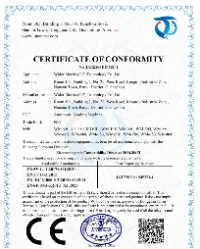
CE
JAT2209011545EC-1
2022.09 – 2027.09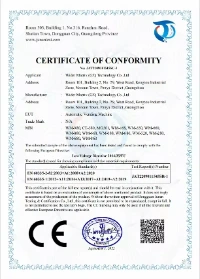
CE
JAT2209011545SC-1
2022.09 – 2027.09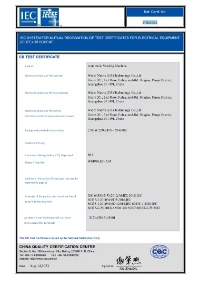
CB
CN61098
2023.08 – 2028.08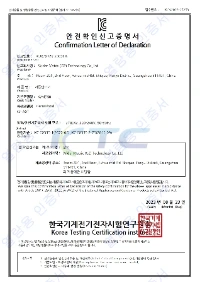
KC
XU070729-23001A
2023.08 – 2028.08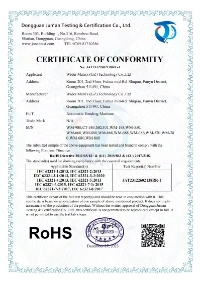
RoHS
JAT23122602138RC-1
2023.12 – 2028.12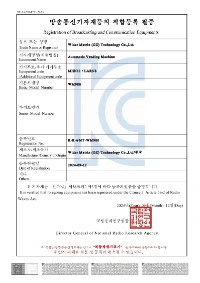
KC
R-R-wMT-WM980
2024.09 – 2029.09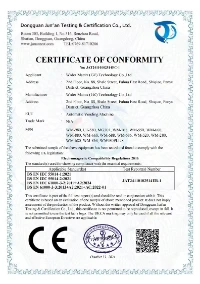
UKCA
JAT24110102514EC-1
2024.10 – 2029.10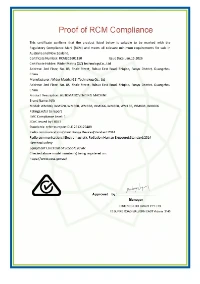
RCM
RCM202601150
2026.01 – 2031.01Company Introduction
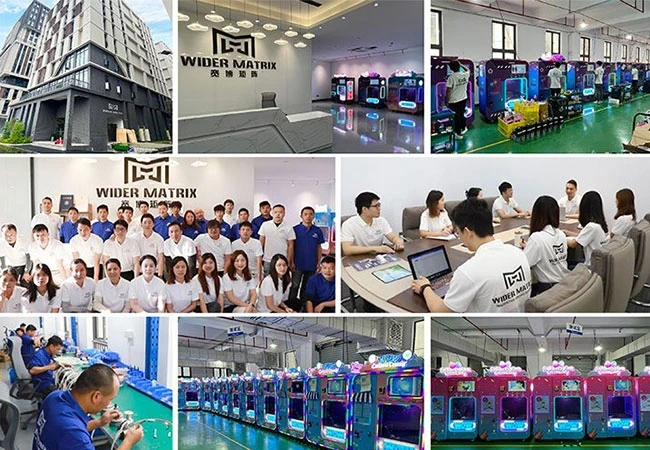
Wider Matrix (Guangzhou) Technology Co., Ltd. is a scientific and technological enterprise that attaches importance to R&D and user experience. We started to research and develop automated vending solutions in 2016, and achieved a leading position in the field of interactive vending machines.
In 2019, we manufactured the first automatic cotton candy vending machine. After years of refinement and rigorous testing, our machines now operate successfully in more than 130 countries including the United States, Canada, Europe, Southeast Asia, Australia, and Israel.
All machines support remote cloud management, which has the advantages of easy operation, convenient maintenance and high operating efficiency.
Exclusive Services
Overseas Support Service
Local transfer warehouse support, ensuring your operational stability.
Custom Design
We offer machine appearance customization, branding, and large-scale custom packaging services.
Initial Tools & Spare Parts Kit
Machine comes with complementary tools and spare parts kit, including initial consumables package for early operations.
Functional Customization & Software Optimization
Custom functionality based on client needs, including hardware and software optimization updates.
Lifetime Technical Support & Updates
We provide lifetime technical support and software update services for all customers.
Frequently Asked Questions
How much does a flower cotton candy vending machine cost?
Can a flower cotton candy vending machine run 24 hours a day without staff?
How many patterns can it make?
Can I use regular sugar in a cotton candy vending machine?
What does it cost to keep one running?
Where is the best place to put one?
Do I need a license to sell cotton candy from a vending machine?
Is it better to buy or rent a flower cotton candy vending machine?
User Reviews
The cotton candy vending machine from Widermatrix has been an incredible addition to our theme park. Visitors are amazed by the automated process and variety of designs. The machine operates flawlessly even during peak hours, and the cloud management system makes monitoring and maintenance incredibly simple.
I installed three cotton candy machines in my shopping malls, and they've been running perfectly for over four months. The 54 different candy designs are a huge hit with customers of all ages. Sugar consumption is exactly as advertised, and the remote monitoring system allows me to check inventory levels without visiting each location.
As a first-time business owner, the cotton candy vending machine has exceeded my expectations. The colorful designs attract crowds at my family entertainment center, and children are mesmerized watching the automated process. The payment system accepts all methods as advertised, and technical support has been outstanding.
The cotton candy vending machine has revolutionized our carnival business. Setup was straightforward, and the machine began generating profits from day one. The variety of candy designs keeps customers coming back to try new patterns. Perfect investment for event businesses.
Our cotton candy vending machine achieved ROI within just five months! The 300kg machine is surprisingly easy to maintain despite heavy daily use. We love how the machine creates perfect cotton candy designs consistently, and our customers are always delighted by the experience.
I operate several food courts and decided to add cotton candy machines to diversify offerings. The WM980 model has been phenomenal — customers are fascinated by the automated process and unique designs. The machines have become such attractions that we've ordered five more for our newest locations.
Excellent cotton candy machine, though installation took longer than expected due to its size. Once operational, performance has been outstanding. The 54 different candy designs are a huge hit with our customers. Sugar consumption is efficient at 28-30g per candy. Technical support was very responsive.
Our university cafeteria installed this cotton candy machine six months ago, and it's been a massive success. Students are fascinated by the automated process and artistic designs. Even during rush periods, the machine handles high demand without issues. The power efficiency is impressive — only 500W on standby as advertised.
As the owner of a candy store chain, adding this cotton candy machine was the best decision I've made. It's become the centerpiece attraction in our flagship store. The machine creates beautiful cotton candy art that customers photograph and share on social media, bringing in new customers daily.
We've been running this cotton candy vending machine at an amusement park for 8 months now. Zero breakdowns, consistent quality, and the cloud management system is a game-changer for multi-location operators. The 54 design options keep kids (and adults!) coming back. Highly recommend Widermatrix.
Why Choose Us
Why Operators Choose WiderMatrix
See how we compare to the industry average
| Feature | WiderMatrix | Industry Average |
|---|---|---|
| Machine Lifespan | ✓ 2× longer than standard machines | Standard lifespan |
| Maintenance | ✓ Ultra-low cost + remote diagnostics & alerts | High maintenance cost |
| Build Quality | ✓ Premium materials + patented technology | Standard manufacturing |
| Certifications | ✓ CE, ASTM, FSC, UKCA, RoHS (7+) | 1–2 certifications |
| Technical Support | ✓ 24/7 dedicated team + video guidance | Email only |
| AI Management Platform | ✓ Real-time monitoring, analytics & remote control | Basic / no dashboard |
| Software Updates | ✓ OTA lifetime free updates | Paid upgrades |
| Warranty | ✓ 1 year (no part return required) | 3–6 months |
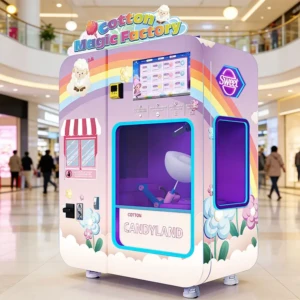
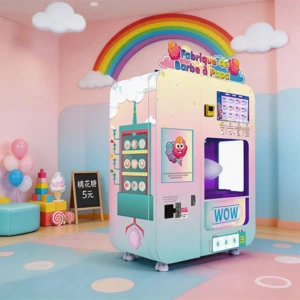
Latest Articles
 NEW
NEW
Are Flower Vending Machines Profitable? 6 Real Records
A profitability answer built on real records from our own customers rather than estimates. It sets out six...
Oct 13, 2026 NEW
NEW
Flower Vending Machine Singapore: Best Locations in 2026
A practical guide to placing a refrigerated flower vending machine in Singapore. It covers the eight location types...
Oct 13, 2026 NEW
NEW
Fully Automatic Ice Cream Machine: Specs, Cost, Setup
A plain walkthrough of what a fully automatic ice cream machine does in daily use, the three Wider...
Oct 13, 2026Popular Picks
 HOT
HOT
Flower Cotton Candy Vending Machine – The 2026 Buyers Guide to ROI & Suppliers
Imagine a vending machine that doesn’t just dispense a product, but creates a small, magical spectacle. A robotic...
Mar 19, 2026 HOT
HOT
Smart Vending Machines: The Ultimate Guide to Automated Retail Innovation
The vending machine has evolved far beyond simple snacks and sodas. Today’s smart vending machines represent a technological...
Oct 31, 2025 HOT
HOT
Vending Machine Cost: The Ultimate 2025 Investment Guide
Considering a vending machine business but unsure about the initial investment? Understanding vending machine cost is the crucial...
Nov 05, 2025