

What We Learned Selling Nail Printer Vending Machines to Salons Across 30 Countries
We shipped our first nail printer vending machine three years ago to a small salon in Bangkok. Since then we have sold hundreds more — and learned exactly what makes a nail printer actually earn money, and what makes one collect dust.
Why We Built the WM860
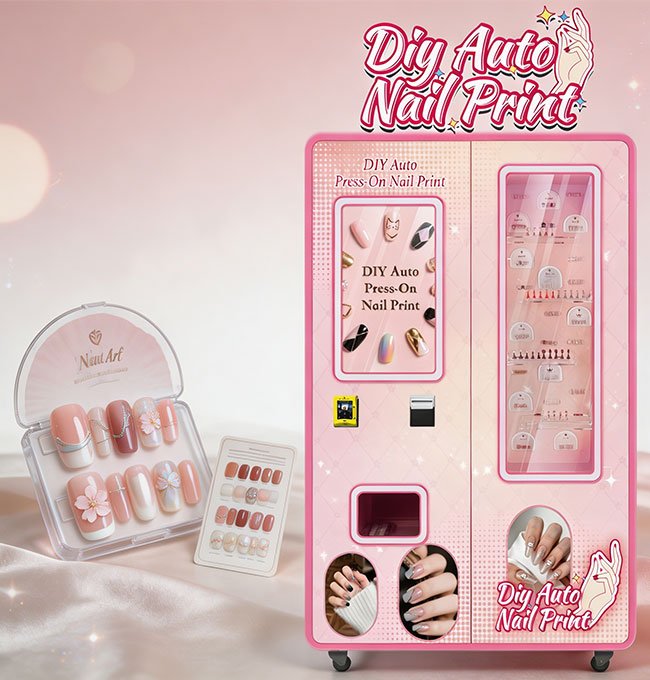
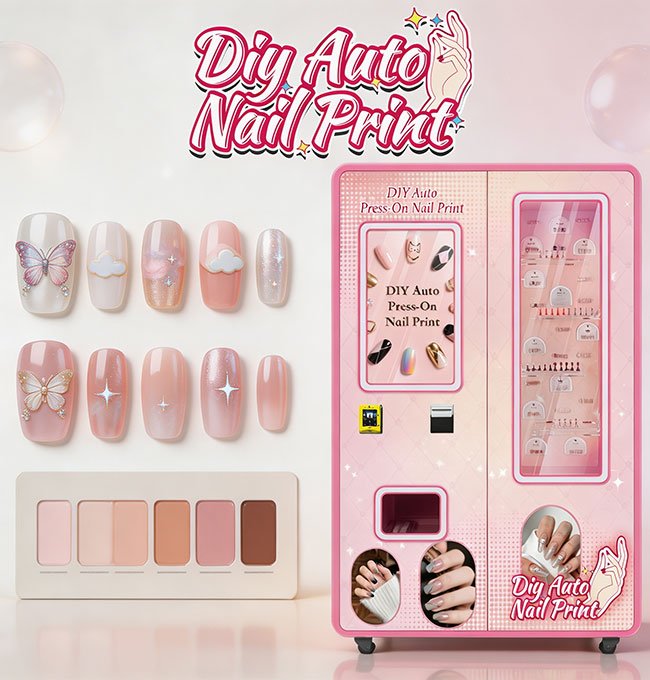
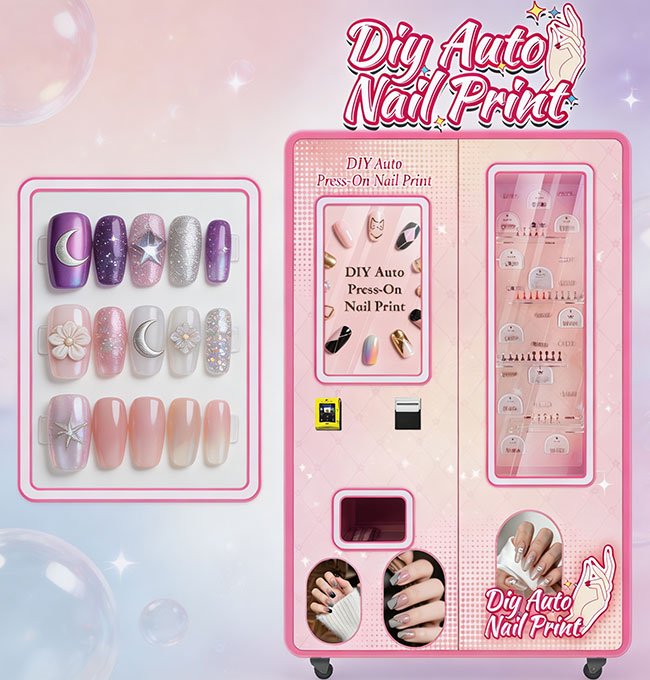
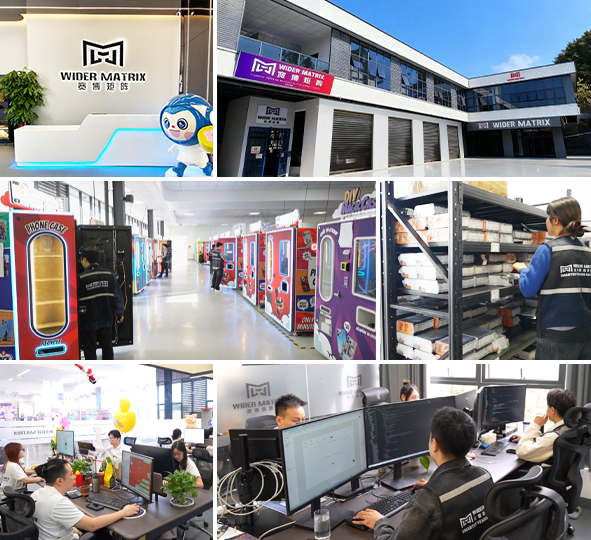
Before WiderMatrix made nail printers, we made phone case machines. Cotton candy machines. Protein shake machines. The same factory floor, the same engineers, the same approach: build a machine that runs all day without a technician on standby. The nail printer was harder. You are not just dispensing a product — you are manufacturing it inside a 1.5-square-meter cabinet. The printhead has to hit 600 dots per inch on a curved nail surface. The ink has to cure in 30 seconds, not 30 minutes. And it has to do this 200 times a day without jamming, smudging, or drifting. We spent 14 months on the printhead alignment alone. That is not marketing fluff — that is the reason our machines stay running while cheaper units sit broken in the corner of a mall.
IMT vs Traditional Nail Art — What Actually Matters
IMT stands for the printing approach — ink directly onto the nail surface, cured with UV-LED. A traditional nail artist spends an hour on a set. A WM860 spends five minutes. The difference is not just speed. It is consistency. A salon owner in Dubai told us her biggest problem was not finding customers — it was finding nail artists who showed up on time and did consistent work. The machine does not call in sick. It does not have a bad day. Every pair comes out the same. That is why she bought three more.
What It Actually Costs to Run a Nail Printer Vending Machine
People ask about the nail printer machine price first. Fair question. The WM860 starts at $5,800. But the number you should care about is what happens after you plug it in. A pair of plain wearable nails costs about a dollar. A set of pre-designed cat-eye nails costs about $1.50. Add a 30-cent tool kit. Retail price in a mall: anywhere from $8 to $15, depending on the market. That is a gross margin above 80 percent. Most of our customers break even in two weeks. The fastest we have seen is five days — a kiosk in a Bangkok shopping center that averaged 200 orders a day during a holiday promotion.
Who Is Buying These Machines — and Why
We sell to three types of customers. The first is nail salon owners who want to add a revenue stream without hiring another manicurist. The second is entrepreneurs — people who spot an empty corner in a mall or airport and want to fill it with a machine that pays for itself in two weeks. The third is franchise operators who place 10 or 20 units across a region and manage them all from a single dashboard. The common thread is that none of them are vending machine experts. They are business people who see that a fingernail printer vending machine earns more per square foot than almost any other retail format. And they are right.
What to Ask Before You Buy a Nail Printer Vending Machine
If you are comparing nail printing vending machines for sale, here is what we tell every customer to ask: Who makes the printhead? (Ours is an industrial F1080 UV head — not a repurposed desktop printer part.) How fast does the ink cure? (If it takes more than 30 seconds, your customers will walk away.) Can customers upload their own designs? (The WM860 does this via Wi-Fi — no app required.) How many machines do you have running in the field right now? (We can show you.) These questions separate a real manufacturer from a reseller with a brochure. Ask them. We can answer all of them.