

You’ve bought or are about to buy your first vending machine. Now comes the hardest part: finding a spot where people will actually buy from it. Put it in the wrong place and you’re burning cash on restock trips that net nothing. Get the location right and the machine practically pays for itself.
The short answer to where can i put a vending machine is: anywhere with a captive audience of 50+ people daily who have limited food or product options and are willing to pay a convenience premium. The best spots share three things in common—high foot traffic, low competition, and a host who values the revenue share you offer.
What Makes a Vending Machine Location Profitable
Not every busy place is a good vending spot. A shopping mall corridor with ten competing snack machines is busy, but your slice of the pie is tiny. A small auto repair shop with twelve mechanics and no cafeteria is quiet, but every one of them will buy a cold drink and a snack during their lunch break.
Successful placement comes down to understanding your customer profile. Who will be standing in front of your machine? What do they need? How much are they willing to pay? The answers to those questions determine everything—from which products you stock to whether the location survives past month three.
If you want a systematic way to evaluate any location before signing a lease, check out our guide on How to Find Locations for Vending Machines: The Ultimate 2026 Guide to Profitable Placement. It covers the evaluation framework we use with our own clients across 130+ countries.
Top 12 Vending Machine Locations by Profitability
1. Corporations and Office Buildings
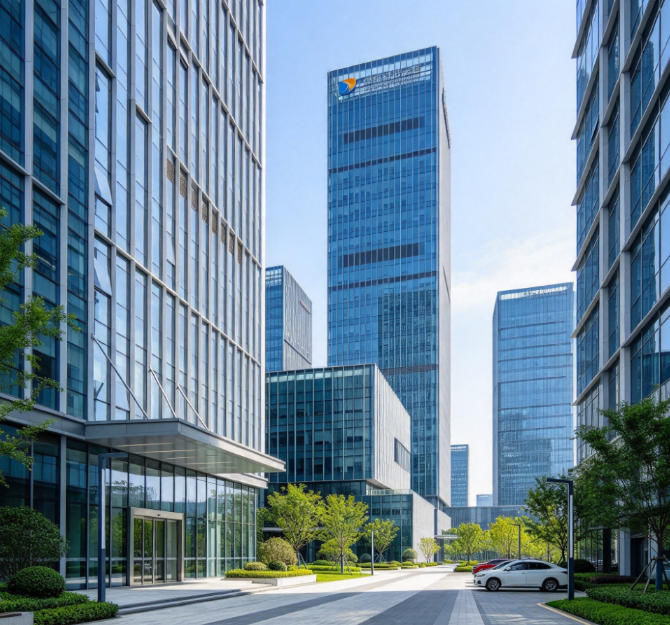
Office buildings are the bread and butter of vending. Employees work there eight to ten hours a day, they can’t easily leave for lunch, and they will buy from a machine rather than trek to a nearby café. The key is targeting buildings with 50 or more workers. A floor with 20 people won’t support a machine; a floor with 200 people will support three.
Office locations tend to sell more coffee, energy drinks, and protein snacks during weekday mornings, and chips and candy in the afternoon slump. Negotiating a revenue-share deal—typically 10 to 20 percent of gross sales—gives the property owner incentive to keep your machine accessible and well-stocked.
2. Hospitals and Medical Centers
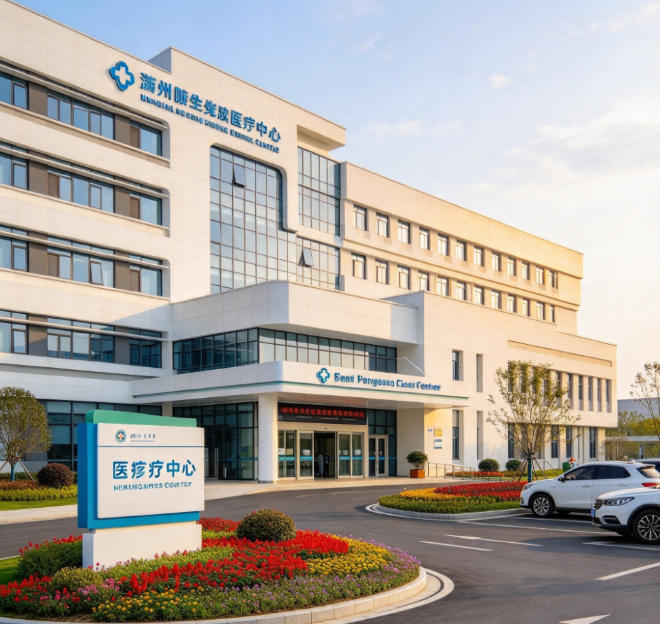
Hospitals have one of the most captive audiences in vending. Staff work long shifts, visitors wait for hours, and food options inside or near the building are often expensive and limited. A well-placed machine in a waiting area, staff lounge, or emergency department corridor can generate steady sales seven days a week, including nights and weekends.
The hospital environment also favors certain products: packaged snacks that don’t require refrigeration, bottled water, cough drops and throat lozenges, phone chargers, and comfort items. Understanding what patients and visitors actually need—not just what sells at a gas station—separates a good hospital location from a great one.
For more on evaluating traffic patterns in high-traffic environments like hospitals, see High Traffic Vending Machine Locations: How to Choose.
3. Warehouses and Manufacturing Facilities
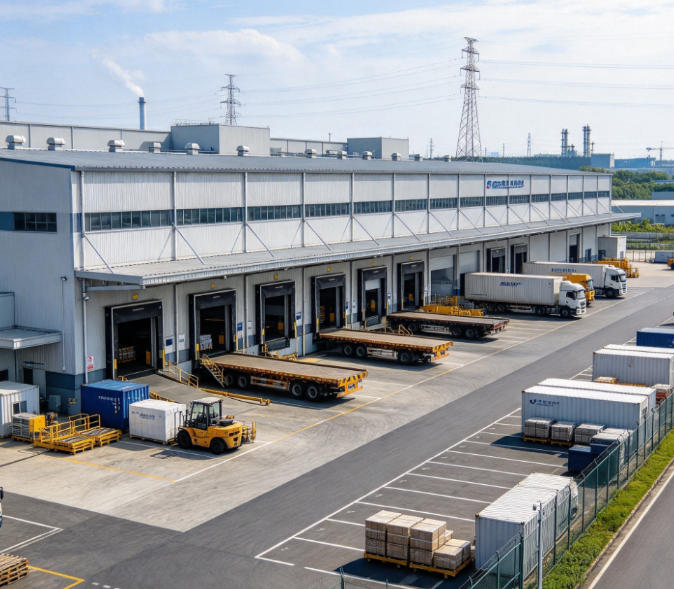
Blue-collar workers in warehouses and factories share the same constraints as office workers—they’re on site for long shifts with limited break options. But their product preferences skew differently: larger snack portions, cold beverages, energy drinks, and hearty foods that sustain physical labor. A machine stocked with these items in a warehouse break room will move product consistently.
Many warehouse operators are open to vending because it’s a frictionless perk for their workers. You bring the machine, the products, and the maintenance. They provide power and space. Revenue sharing keeps the relationship mutually beneficial.
4. Gyms and Fitness Centers
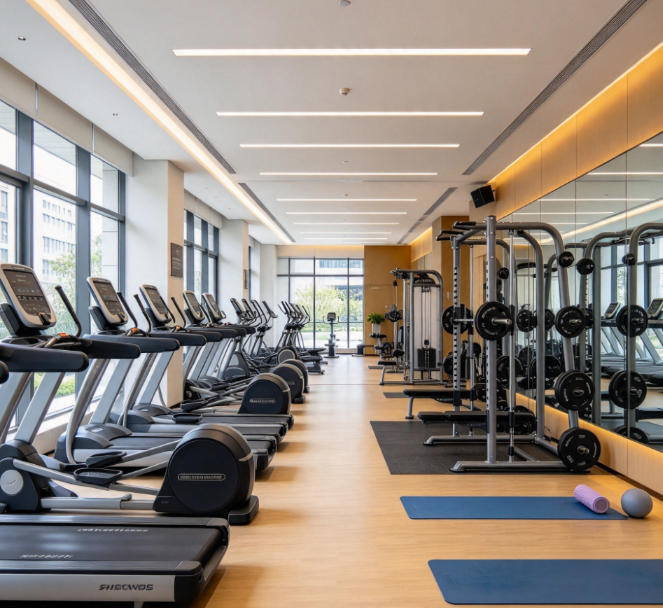
Gyms are one of the most underserved vending markets. Members spend an hour or more working out, they sweat and get thirsty, and post-workout nutrition is top of mind. A protein-focused vending solution—like the Where to Place Vending Machines for Maximum Profit in 2026 guide highlights—can turn a gym locker room into a reliable revenue stream.
The WM186 protein milkshake vending machine is purpose-built for this environment. At a direct factory price of US$4,150 (US$5,200 Save $1,050!), it produces a fresh shake in 60 seconds with seven powder hoppers for whey, plant protein, mass gainer, BCAA, creatine, and pre-workout blends. Operating costs are roughly US$1.20 per cup, with retail pricing between US$3 and US$8, giving you a 60 to 75 percent margin.
A Miami gym operator reported an average of 45 shakes per day, translating to over US$5,800 in monthly profit with a payback period of just three months. That kind of return is achievable when the machine sits in a high-traffic gym with members who are already thinking about nutrition.
5. Schools and Universities
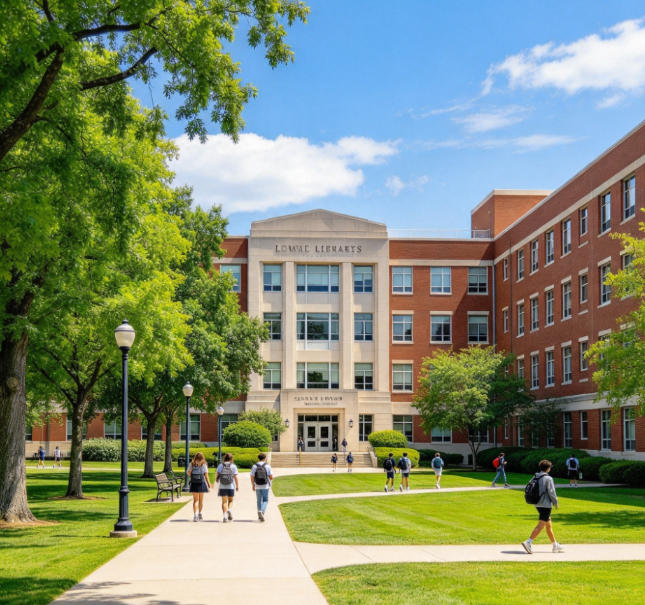
p>Schools present a unique opportunity, but also a unique set of restrictions. Many districts have contracts with large beverage companies that exclusivity clauses, which can block independent vending operators. Before pursuing a school location, verify whether an exclusivity agreement already exists.
Where no exclusivity blocks the way, schools offer a dense, predictable audience. Students move between classes throughout the day, creating natural peak moments at lockers, cafeterias, and student unions. University campuses are particularly attractive because adult students have more purchasing freedom and the campus environment supports all-day machine placement.
6. Car Repair Shops and Auto Dealerships
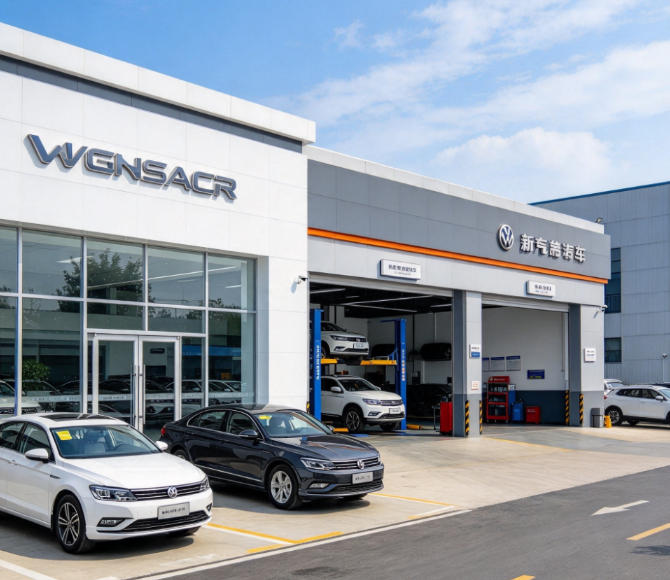
This is the kind of location most new operators overlook. A mechanic shop with six to twelve technicians is a small place, but those technicians are stuck there for eight to ten hours, and the owner often doesn’t have time to run to a store. A snack and drink machine in the waiting area or break room solves a real problem—and the shop owner sees the value immediately.
The customer base here is loyal and repeat-driven. Once they know there’s a cold drink and a decent snack waiting for them, they’ll buy from your machine every shift. Word of mouth among the crew spreads fast, and so does consistent sales volume.
Discover more practical placement advice in Vending Machine for High Traffic Location: Where to Put It.
7. Hotels and Hostels
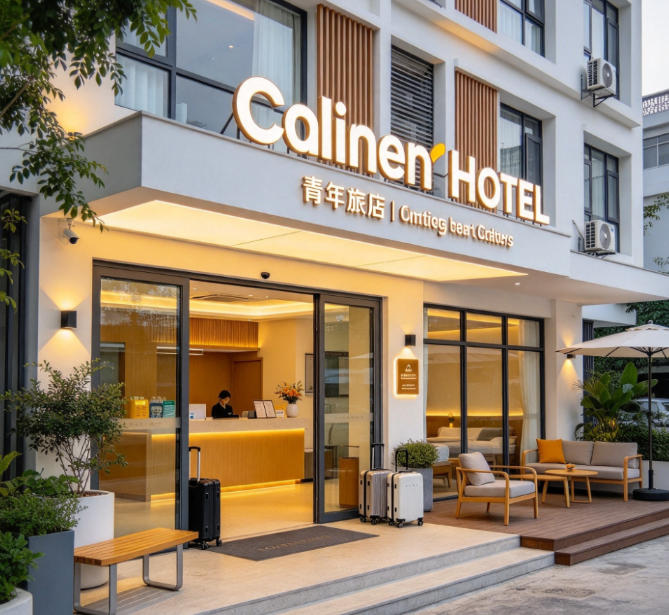
Hotel guests who arrive late or want a late-night snack face limited options. A vending machine in the lobby or near the elevator solves that problem and gives the hotel a revenue stream without adding staff. Mid-range and budget hotels are especially receptive because they lack full-service dining but still serve guests who want convenience.
Product selection matters here. Travel-sized snacks, energy bars, bottled water, phone accessories, and travel essentials tend to outperform full-size candy bars. Guests are willing to pay a slight premium for something they can grab without leaving the building.
8. Apartment Complexes and Residential Communities
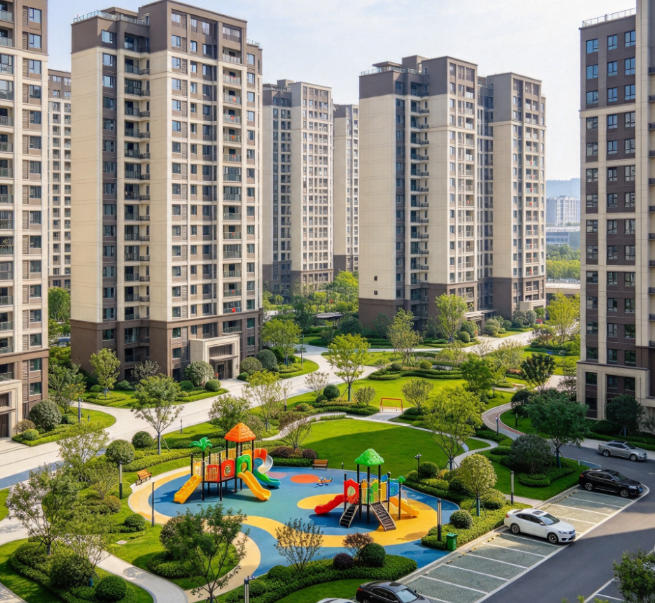
Multi-unit residential buildings with 50 or more units are strong candidates. Residents who work long hours come home tired and don’t want to drive to a store. A machine in the leasing office, mail room, or community center catches that demand.
The key is getting the property manager on board. Frame it as an amenity upgrade for residents, not just a revenue deal for yourself. A well-placed residential machine generates lower daily volume than a factory floor, but the volume is consistent and the operational costs are minimal since restocking happens once or twice a week.
9. Barbershops and Salon Suites
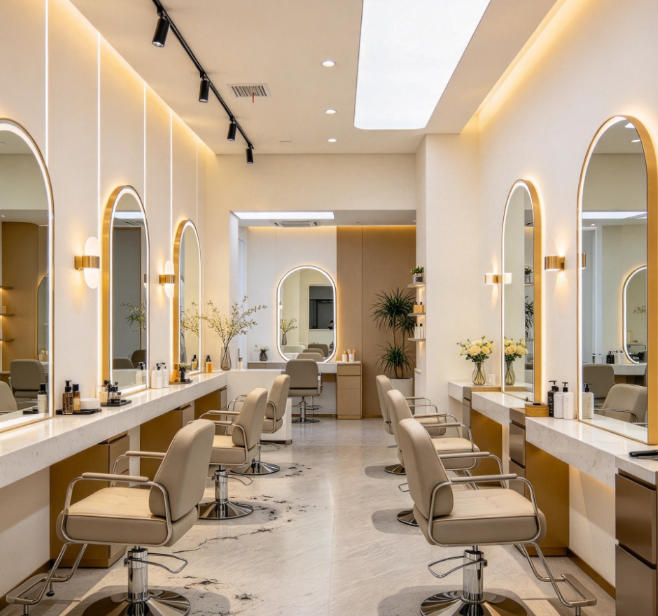
Barbershops and salon suites are micro-communities with a captive waiting audience. Clients sit for an hour or more, often with friends, and they’re bored and thirsty. A small machine in the waiting area adds convenience and gives the business owner a cut of the profits.
This is a low-volume but high-margin segment. You won’t move hundreds of units per day, but the overhead is near zero, the placement is easy to secure, and the relationship with the shop owner tends to last for years.
10. Game Rooms, Arcades, and Entertainment Venues
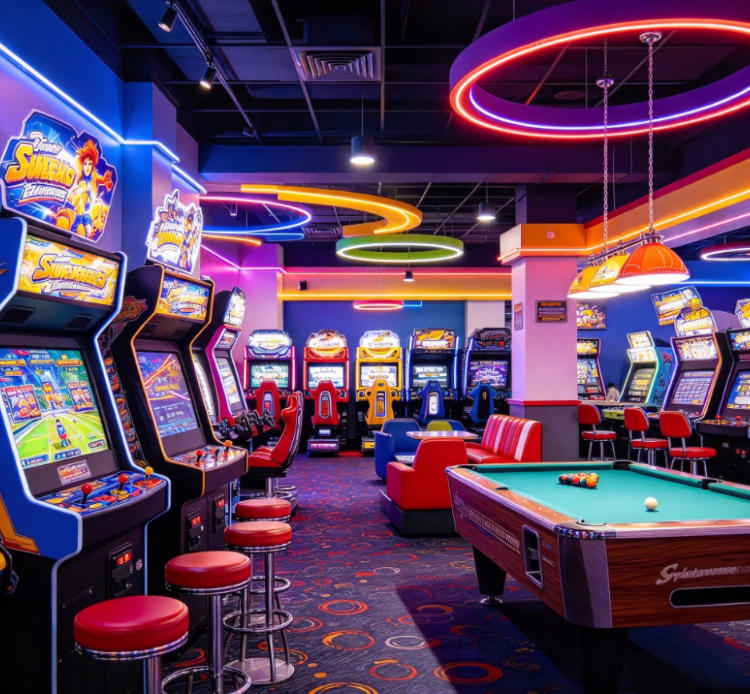
Entertainment venues are natural vending matches. People who spend two to four hours playing arcade games, bowling, or watching sports want snacks and drinks without breaking their session. The ambient lighting and noise make a lit, buzzing vending machine a focal point that draws attention.
These locations also benefit from impulse purchasing. A customer who came to play games didn’t plan to buy a snack—but when they see the machine right next to the counter, the decision takes two seconds.
11. Construction Sites (Temporary Placements)
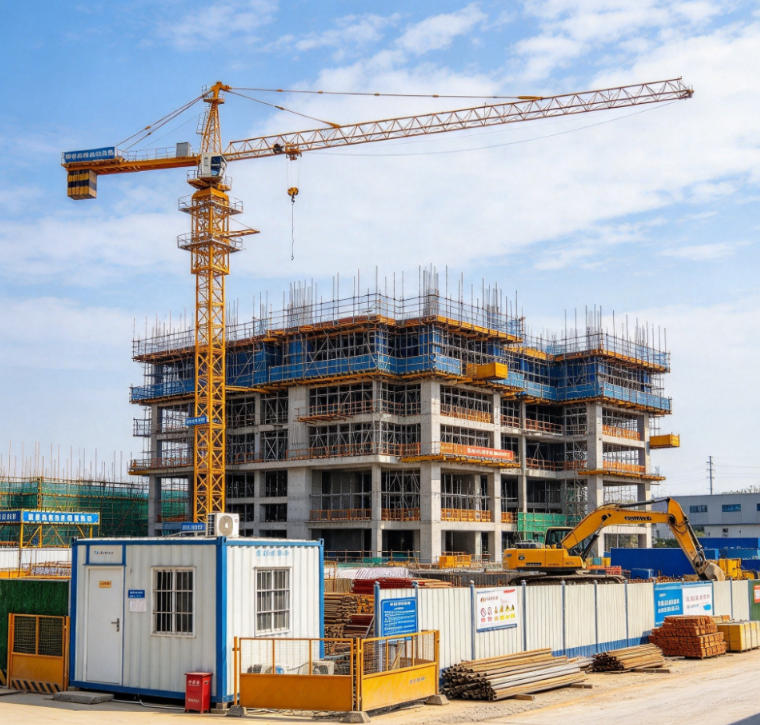
Construction sites are temporary by nature, but that’s an advantage for testing. A portable machine placed at an active build site can generate strong sales for three to six months while the project runs. When the crew moves on, you relocate the machine to the next site.
Mobile machines like smartphone case vending or custom puzzle machines work particularly well here because they don’t require permanent electrical hookups. The Where is the Best Place to Put a Vending Machine? The Ultimate 2025 Guide covers mobile placement strategies in detail.
12. Laundromats and Dry Cleaners
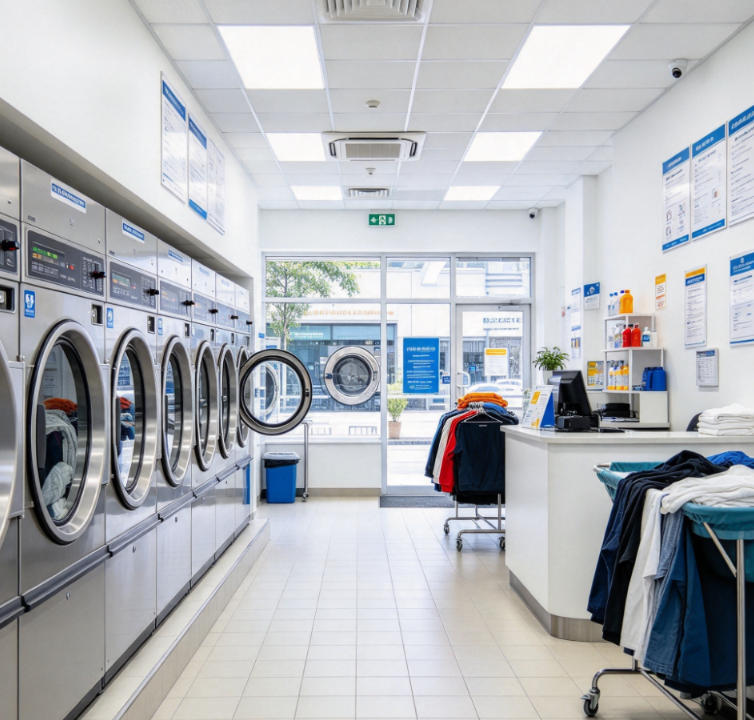
Laundromat customers have 30 to 60 minutes of waiting time. That’s enough time to browse a machine, buy a drink, and settle in with a phone or book. These locations are small, quiet, and overlooked by most vending operators—which means less competition and higher per-machine revenue for the ones who do show up.
How to Evaluate and Secure a Location
Step 1: Walk the Site Yourself
No amount of online research replaces walking the proposed location. Count people. Watch where they pause, where they look bored, where they complain about having nothing to buy. The best machine locations are obvious once you’ve spent fifteen minutes observing the flow of traffic.
Track peak hours. A location that’s busy only on weekdays between 9 AM and 5 PM is very different from one that sees consistent traffic around the clock. Your product mix should reflect those patterns.
Step 2: Calculate the Numbers Before You Pitch
Before you approach a business owner, have rough numbers ready. How many people pass by per hour? What percentage might buy? What’s a realistic daily sale estimate? Business owners hear pitch after pitch. Walking in with specific, reasonable projections makes you look like a professional, not a hobbyist.
Step 3: Lead With Value, Not Revenue Share
The most effective pitch focuses on what the machine does for the host, not what the host gets from you. “This machine gives your employees free access to cold drinks and snacks during their breaks” lands better than “I’ll give you 15 percent of sales.”
Revenue share is the negotiation lever, not the opening argument. Establish the value first, then discuss the split.
Step 4: Get It in Writing
A handshake deal leaves you vulnerable. A simple written agreement covering placement duration, revenue share percentage, utility responsibility, and termination terms protects both parties and gives you the stability to invest in restocking and maintenance.
Investment and Return Analysis by Machine Type
Choosing the right machine for your target location is as important as the location itself. Below is a comparison of our most popular vending machine models with their current promotional pricing and estimated returns.
| Machine Model | Original Price | Current Price | Save | Best For | Estimated Monthly Profit |
|---|---|---|---|---|---|
| WM186 Protein Milkshake | US$4,150 | Save $1,050 | Gyms, fitness centers | US$4,000–6,000 | |
| WM880 Smartphone Case | US$5,999 | Save $1,501 | Malls, airports, hotels | US$3,000–5,000 | |
| WM880 (F1080 version) | US$4,999 | Save $1,251 | Offices, campuses | US$2,500–4,500 | |
| WM520 Custom Puzzle | US$5,550 | Save $1,750 | Malls, events, fairs | US$2,000–4,000 | |
| WM980 Plus Cotton Candy | US$4,999 | Save $1,701 | Parks, arcades, malls | US$2,500–4,500 | |
| WM668 Cotton Candy | US$5,299 | Save $1,001 | Family venues, arcades | US$2,000–3,500 | |
| WM550 Ice Cream | US$5,799 | Save $1,901 | Beaches, parks, malls | US$3,000–5,500 | |
| WM550+ Ice Cream | US$6,799 | Save $1,901 | High-traffic family venues | US$3,500–6,000 | |
| WM680 Popcorn | US$1,800 | Save $8,080 | Cinemas, fairs, arcades | US$1,500–3,000 | |
| WM688 Balloon | US$3,200 | Save $800 | Parks, events, malls | US$1,500–3,000 | |
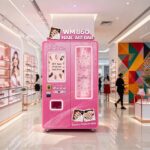
| WM860 Nail Printer | US$5,800 | Save $1,450 | Malls, beauty districts | US$4,000–7,000 | |
| WM660 Pizza | US$7,800 | Save $5,000 | Airports, stadiums | US$5,000–9,000 | |
| WM888 Fries | US$1,800 | Save $8,000 | Stadiums, campuses, fairs | US$8,000–12,000 |
Let’s look at two real-world examples to see how these numbers play out on the ground.
Case Study 1: Protein Milkshake Machine at a Miami Gym
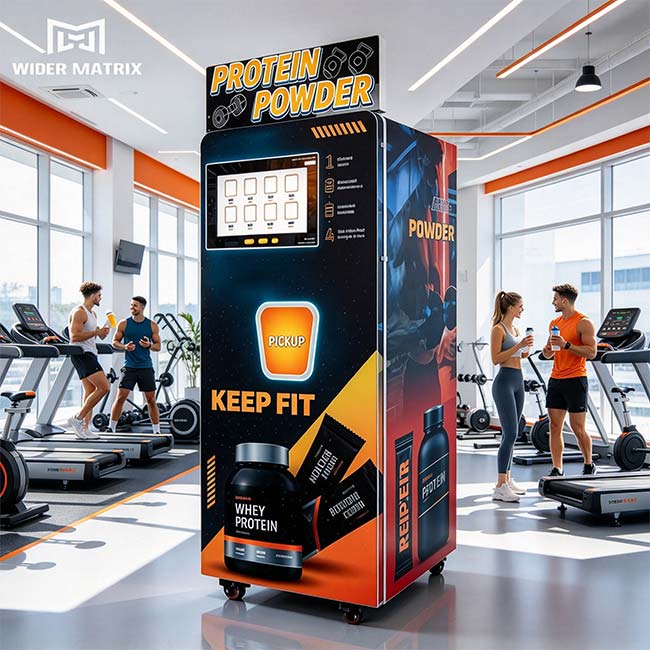
A gym owner in Miami installed a WM186 protein milkshake machine in the locker room area. The machine cost US$4,150. Material cost per shake averages US$1.20, and the retail price is US$5 per cup. The gym attracts a steady flow of members throughout the day, with peak sales during morning and evening workout hours.
Within the first month, the machine averaged 45 shakes per day. That’s US$225 in daily revenue, US$6,750 per month. After subtracting material costs (45 cups × US$1.20 = US$54 per day, US$1,620 per month) and a modest electricity estimate of US$150 per month, the net profit was approximately US$5,800 per month. The machine paid for itself in about three months and continued generating strong returns.
Case Study 2: Smartphone Case Machine at a Shopping Mall
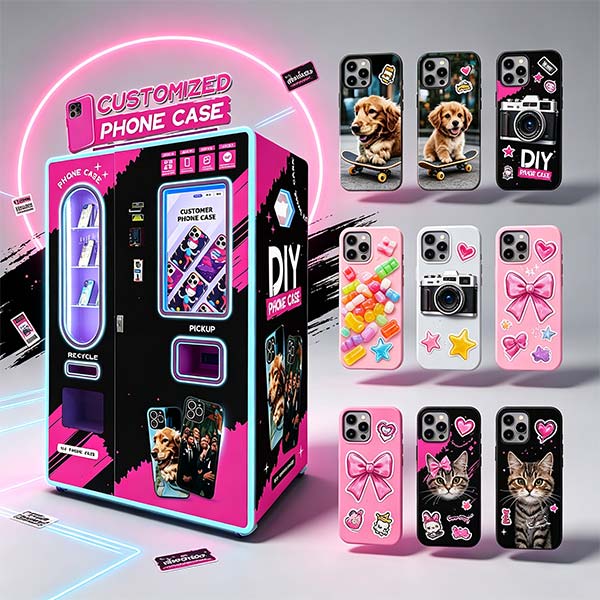
An operator placed a WM880 smartphone case machine in a mid-size shopping mall corridor near the main food court. The machine cost US$5,999 (i1600u1 version). TPU+PC cases cost US$1.30 per unit when purchased in bulk (1,000 units), and retail prices range from US$8 to US$15 depending on design and phone model.
The mall sees heavy weekend traffic and moderate weekday flow. The operator reported an average of 20 cases sold per day during peak weekends and 8 to 10 on weekdays. Taking a blended average of 14 cases per day at US$10 retail, daily revenue is US$140, or US$4,200 per month. After material costs (14 × US$1.30 = US$18.20 per day) and a US$200 monthly location fee, net profit comes to approximately US$3,600 per month. The machine paid for itself in under two months.
Common Mistakes That Kill Vending Machine Locations
Even experienced operators make the same errors when selecting locations. Knowing what to avoid is just as important as knowing what to pursue.
- Picking a location based on foot traffic alone. A busy train station concourse sounds perfect until you discover there are already eight snack machines within ten feet. Traffic without a lack of alternatives doesn’t help you.
- Ignoring the host’s perspective. If your machine takes up floor space that the host could use for something else, or if it creates noise and congestion, they’ll find a reason to remove it. Design your pitch around the host’s needs, not just your sales projections.
- Underestimating restocking frequency. A high-traffic location demands frequent restocking. If you can’t commit to visiting the machine two or three times per week, you’ll run empty and lose customers to the next machine down the hall.
- Signing a long-term lease without a trial period. Always negotiate a three-month trial before committing to a six- or twelve-month agreement. If the machine doesn’t move product in ninety days, you need an exit clause.
- Not verifying utility access. Some locations claim to have power outlets, but the circuit is shared with heavy equipment that trips the breaker. Confirm amperage requirements and outlet availability before delivery.
Finding the right spot requires a structured approach. Our comprehensive resource Where to Put Vending Machines: The Ultimate Guide to Profitable Locations walks through the full decision framework, from initial scouting to contract negotiation.
Legal and Operational Considerations
Permits and Licensing
Vending machine regulations vary by city, county, and state. Some jurisdictions require a food handler’s permit, a mobile vendor license, or a specific vending machine certificate. Before placing a machine, check with your local health department and business licensing office. Running an unlicensed operation can result in fines that exceed a year’s profit from the machine.
Insurance
General liability insurance is standard practice and often required by the location host. A policy covering product liability, equipment damage, and customer injury typically costs between US$500 and US$1,500 annually, depending on coverage level and location. This is a small cost compared to the risk of an uninsured incident.
Contract Essentials
A solid placement agreement should address: exclusive or non-exclusive rights to the location, revenue share percentage and payment schedule, who provides electricity and water, who handles maintenance and restocking, term length and renewal terms, and conditions for early termination by either party.
How Wider Matrix Supports Your Vending Journey
Wider Matrix (gz) Technology Co., Ltd. has been developing vending machine solutions since 2016. We’ve exported over 3,000 units to 130+ countries, including the US, Canada, European nations, the Middle East, Southeast Asia, and Australia. Every machine we produce carries CE, UKCA, RoHS, KC, BRC, Kosher, and HALAL certification.
We offer a one-year standard warranty, lifetime technical support, and free air-shipped replacement parts for non-human damage. Each machine ships with tools and spare parts in the package, and we provide step-by-step installation videos on YouTube. Our engineering team operates on a three-shift schedule for 24/7 support, and we also offer installation training, deployment planning, operations training, and customized ROI calculation reports.
Whether you’re placing your first machine in a gym or deploying a fleet across multiple cities, How to Find a Location to Put a Vending Machine: The Ultimate Guide is a good starting point for understanding the full placement process from scouting to contract signing.
Frequently Asked Questions
How many people per day do I need for a vending machine to be profitable?
Aim for at least 50 people passing within arm’s reach of the machine daily. That’s the minimum threshold where consistent sales become likely. Locations with 200 to 500 people daily tend to produce strong returns, especially when there’s limited competition nearby. The exact number depends on your product mix, pricing, and how captive the audience is.
What products sell best in different locations?
Gyms sell protein shakes, energy drinks, and recovery snacks. Offices sell coffee, bottled water, and protein bars. Hospitals sell packaged snacks, throat lozenges, phone chargers, and travel-sized essentials. Car repair shops sell cold drinks, chips, and candy. Match your product selection to what your specific audience actually wants, not what you think they should want.
Do I need a license to operate a vending machine business?
Requirements vary by jurisdiction. Most areas require a general business license and possibly a food handler’s permit if you’re selling consumables. Check with your city or county clerk’s office and local health department before placing your first machine. Operating without the required permits can result in fines and forced removal.
How much does it cost to start a vending machine business?
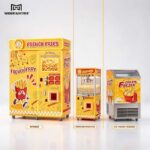
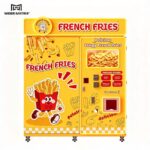
A single used snack and drink machine can cost US$2,000 to US$4,000. A new standard machine runs US$3,000 to US$8,000 depending on features. Specialty machines like the WM888 fries vendor are available at promotional pricing (US$1,800, US$9,800 Save $8,000), while premium models like the WM660 pizza machine start at US$7,800 (US$12,800 Save $5,000). Initial product inventory typically costs US$200 to US$500 per machine. Factor in insurance, licensing, and transportation for a realistic startup budget.
Can I place a vending machine in a location without paying rent?
Some hosts will allow free placement in exchange for a lower revenue share or simply as a courtesy to their customers. These arrangements exist, but they’re uncommon for high-traffic locations. Most hosts expect either a flat monthly rent (US$50 to US$300) or a revenue share (10 to 20 percent). Offering a revenue share is usually more attractive to the host because it aligns your success with theirs.
Does Wider Matrix provide installation and training support?
Yes. Every Wider Matrix machine ships with the necessary tools and spare parts. We provide detailed installation videos on YouTube, and our 24/7 engineering team supports setup via phone and video call. We also offer on-site installation training, deployment planning, operations training, and customized ROI calculation reports for serious operators.
What warranty does Wider Matrix offer on its vending machines?
All Wider Matrix machines come with a one-year standard warranty and lifetime technical support. Non-human-damage replacement parts are shipped by air at our expense. If a component fails within the warranty period, our team guides you through the repair or sends a replacement part directly.
More to Explore
- Automatic Mobile Cover Printing Machine: The Complete Guide to Starting Your Custom Phone Case Business
- Print Your Own Phone Case Vending Machine: The Ultimate 2026 Business Guide
- Are Flower Vending Machines Profitable? 6 Real Records
- Flower Vending Machine Singapore: Best Locations in 2026
- Flower Cotton Candy Vending Machine: What It Costs to Run
Get Your Personalized ROI Analysis and Location Strategy
Choosing the right location and machine combination is the single most important decision in building a profitable vending business. The difference between a machine that pays for itself in two months and one that sits idle for two years often comes down to where you place it and who you place it with.
Wider Matrix has spent over eight years refining vending machine technology and helping operators succeed across 130+ countries. Beyond the hardware, we provide deployment planning, operations training, and detailed ROI reports tailored to your specific location and market.
Contact us today to receive:
- A free customized ROI analysis based on your target location and machine choice
- Real customer case studies from operators in your region
- Detailed pricing and availability for any machine model
- A placement strategy review from our experienced team
There’s no obligation to purchase. Reach out at widermatrix.com or message our team directly, and we’ll walk you through the options that fit your goals and budget.