



If you run a gym or a fitness venue, what matters is whether the machine pays for itself and who you buy it from. A protein shake vending machine turns powder into a $3 to $8 cup in roughly a minute without a single staff member touching it. The WM186 from Wider Matrix holds seven powders, serves over 60 cups an hour, and retails a shake for more than it costs to stock. Send us your location, your member count, and your opening hours, and we will tell you what a realistic daily cup count looks like and what the machine would cost with shipping to your door.
The short answer: a protein shake vending machine is a sealed mixing system with a payment terminal bolted onto it. You load protein powder into hoppers, the machine keeps chilled water on board, a customer picks a drink on a touchscreen and pays, and about a minute later they pick up a freshly mixed shake in a sealed cup. No blender, no scoop, no one standing behind a counter.
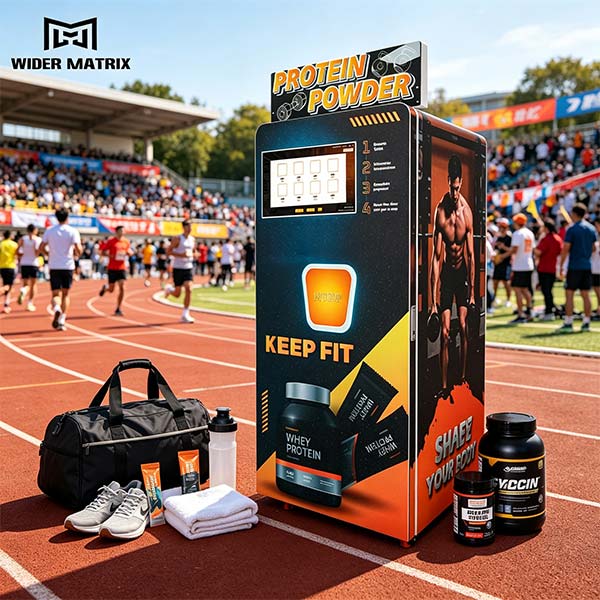
A protein shake vending machine built for commercial use runs at 60 seconds per cup and holds up to 60 cups an hour at peak. The unit most gym operators end up asking about is the WM186 from Wider Matrix: 7 hoppers, three temperature zones, a 21.5 inch touchscreen. The mechanics are worth understanding, partly so you can tell a well-built machine from a cheap one when the quotes land side by side.
What happens between paying and picking up the cup
The customer taps through a menu, chooses a powder, picks cold, room temperature, or hot, and pays. That whole interaction takes under 30 seconds on the 21.5 inch screen. After that the machine works on its own.
A dosing mechanism drops one measured serving of powder from the selected hopper. The cup drops from its stack into position. Water is added at the temperature the customer chose. Then the mixing happens, and this is the part worth understanding before you compare machines.
Older shake machines mix powder and water inside the machine and push the finished drink out through a tube. Residue builds up in that line, and if the powder does not dissolve cleanly you get clumps sitting at the bottom of the cup. The WM186 mixes inside the cup instead. Powder goes straight into the disposable cup, water goes in on top, and the mixing happens there. Powder never travels through a shared pipe, so there is nothing to clog and no carryover of flavor from the last customer’s drink.
After each cup the machine runs an automatic high-temperature clean. That one function is why a machine can sit unattended in a gym from open to close without anyone wiping it down between sales.
Seven hoppers and three temperature zones
The WM186 carries seven hoppers, each holding 4 liters of powder. That is more variety than most operators use at launch, but it gives you room to grow. The slots are set up for whey protein, plant-based protein, mass gainer, BCAA, creatine, and pre-workout, with the seventh left open for any brand you want to run, including your own label.
Three separate temperature zones mean the same machine can serve a cold shake after a workout, a room temperature drink, or a hot protein drink in winter. Competitors in this price range usually stop at two or three hoppers and a single temperature, which is fine if you only ever want to sell one flavor, and limiting if you do not. If you want to see how whey shake machines get specified for gyms, that breakdown covers the same ground in more detail.
What the customer actually does
From the customer side there is nothing complicated. They walk up, browse the menu, adjust the powder or sweetness if they want, pay, and wait about a minute. Payment is handled the way people already pay for everything else: credit and debit cards, Apple Pay, Google Pay, NFC, WeChat Pay, Alipay, and Nayax or Pax terminals. Behind the scenes the machine speaks MDB, which is the universal protocol for vending payment hardware, so you are not locked into one processor.
Because the whole loop is automated, the machine runs 24 hours a day without staff. A gym that closes at 10pm still sells shakes at 2am to the late crowd, and a hotel fitness center sells them at 6am before anyone at the front desk has clocked in.
Where a protein shake vending machine earns its keep
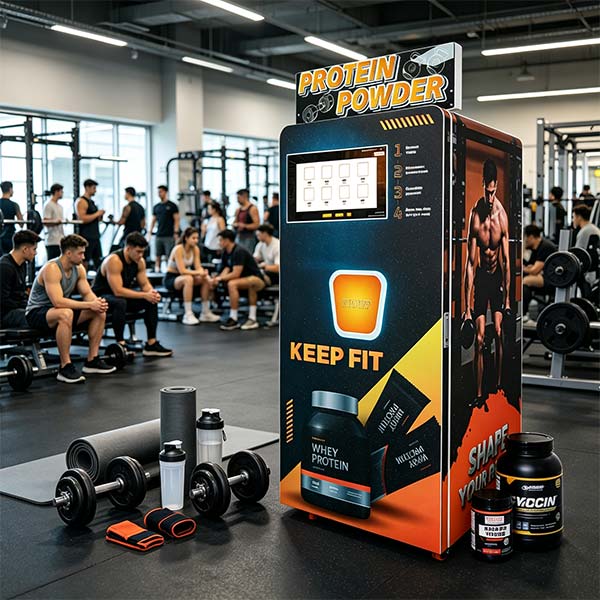
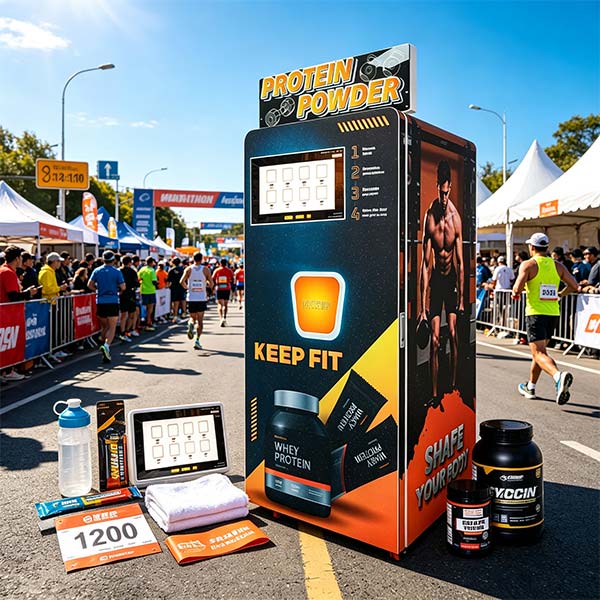
Location decides whether a protein shake vending machine is a good idea. The units work best where people already train and already buy supplements: commercial gyms with 500 or more members, university sports centers, corporate fitness rooms, hotel gyms, and sports complexes that fill up on event days. A single commercial gym typically moves 40 or more cups a day. A university sports center can hit 80 cups on a busy day. Sports complexes on event days can push 60 cups at $6 to $8 each.
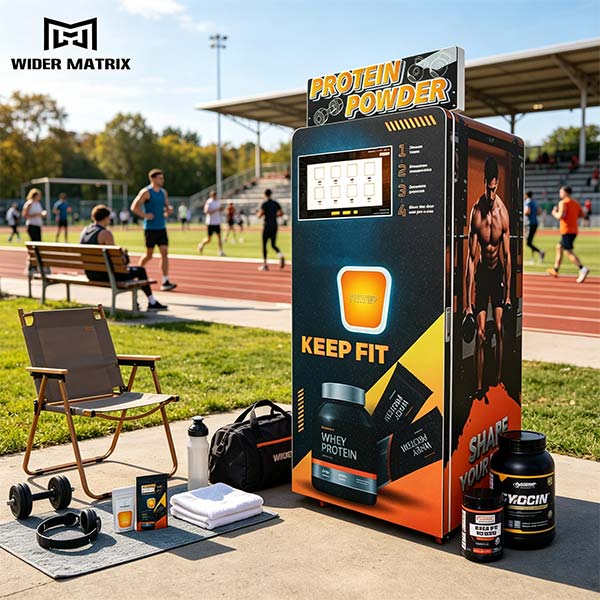
CrossFit boxes and boxing clubs are a slightly different case. They often want co-branding, which means the machine carries the club’s logo and its own branded powder on the menu. That is a customization question rather than a hardware one, and it is covered in the write-up on running a self-service protein shake vending machine in fitness venues.
Do the numbers actually work?
The WM186 is US$4,150 factory direct. A cup retails for US$3 to US$8, and the powder cost per cup runs US$0.80 to US$1.50, averaging around US$1.20. Gross margin lands between 60% and 75%, and payback usually falls somewhere in the one to three month range depending on foot traffic.
The projections look like this at different volumes:
| Daily cups | Price per cup | Monthly revenue | Monthly profit | Payback |
| 15 | $4.00 | $1,350 | $1,125 | ~3 months |
| 30 | $5.00 | $3,600 | $2,880 | ~1 month |
| 50 | $5.00 | $6,000 | $4,800 | ~1 month |
| 80 | $6.00 | $12,000 | $9,600 | under 1 month |
A mid-size gym in Miami is a useful real example. Around 45 cups a day at $5.50, powder cost $1.20, which works out to roughly $193 a day and over $5,800 a month in profit at a 78% gross margin. That machine paid for itself in about three months.
Projections are projections, so treat them as a range and not a promise. If you want a closer read on what the WM186 costs and whether it pays off in a gym setting, or an operator’s honest account of what a gym machine actually earns in a year, both are worth reading before you place an order.
What to check before you buy
Hoppers and temperature zones get all the attention, but the features that decide whether a machine survives year three are the boring ones. Automatic cleaning is near the top of the list, because a machine that needs manual cleaning between cups turns into a job nobody wants. Self-diagnosis matters too: the WM186 watches its own components and pushes a fault warning to your phone and to the after-sales team before the machine goes down, not after a customer complains.
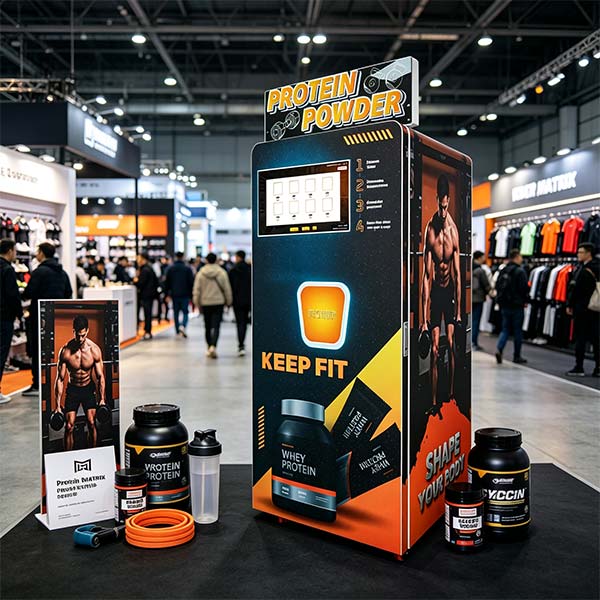
Remote management is the other one that pays off at scale. Through the IoT cloud you can watch sales, inventory levels, and equipment health for a whole fleet from one screen, and the system is built to manage 50 or more machines centrally. You can also push new recipes and promotions over the air with OTA updates instead of sending someone to the site. The cloud management on the WM186 is where most of the day-to-day operational savings come from once you own more than a couple of units, and the same automation is what makes an unattended post-workout nutrition kiosk viable in a venue with no staff on site.
Buying direct from the manufacturer
Wider Matrix is the factory, not a trading company. The company has been building vending equipment since 2016 out of Guangzhou, with 15 years of experience across the team, more than 3,000 units shipped, and machines running in over 130 countries. There are 50-plus engineers on staff, which is the reason custom work is possible rather than an afterthought.
For a buyer, that setup answers a few questions up front. You are dealing with the people who build the machine, so the price is factory direct and there is no middleman markup. OEM and ODM work is standard, which covers your logo, colors, and recipes if you want the machine to carry your brand. The warranty is one year with lifetime technical support behind it, and the response time is within 24 hours. If you are weighing suppliers, this look at what to expect from a protein vending machine manufacturer in China will help you compare, and if you want the wider market view of who manufactures protein vending machines, that covers the alternatives honestly.
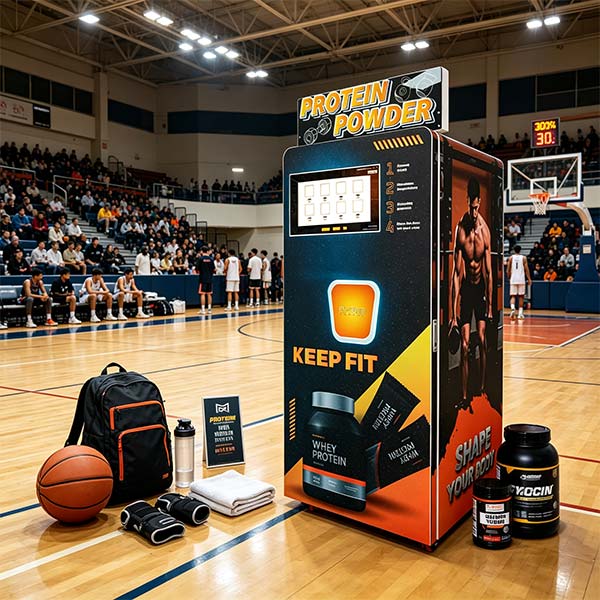
Shipping is global. The machine has been installed across Asia, Europe, North America, and the Middle East, and it ships the same way to established markets like the US or newer ones such as a protein shake vending machine in Singapore. If your country is not on a list anywhere, ask, because the odds are someone is already running one nearby.
Common questions from buyers
How long does it take to make one shake?
About 60 seconds per cup. The customer’s part, browsing and paying, takes under 30 seconds on the touchscreen.
How many cups can it serve in an hour?
Over 60 cups an hour at peak, which is well above what a typical single gym will ever demand.
Can it use my own protein brand?
Yes. Six hoppers are set up for standard powders and the seventh is open for any brand, including a private label. The machine will dispense whatever you load as long as the powder flows.
Does it need a staff member to run it?
No. It is built for 24/7 unattended operation, and the automatic high-temperature cleaning after each cup is what makes that workable.
Which payment methods does it take?
Credit and debit cards, Apple Pay, Google Pay, NFC, WeChat Pay, Alipay, and Nayax or Pax terminals, all over the universal MDB protocol.
Can I manage several machines at once?
Yes. The IoT cloud platform tracks sales, inventory, and machine health remotely, and it is designed to run 50 or more units from a single dashboard.
How much does the machine cost?
US$4,150 factory direct. Consumables run $0.80 to $1.50 per cup, and cups sell for $3 to $8. Seasonal and bulk-order discounts are available, so ask for a quotation if you are buying more than one.
What is the warranty and support?
One year of warranty plus lifetime technical support, with a response time within 24 hours.
Can I customize the machine for my brand?
Yes. OEM and ODM support covers custom logos, colors, and recipes, and new recipes can be pushed to the machine remotely over OTA updates.
Will it work in my country?
The machine is CE certified and has been installed in over 130 countries. Power and payment details vary by region, so tell us where it is going and we will confirm the right configuration.
Work out the numbers for your location
Whether a protein shake vending machine is worth it comes down to how many people walk past it every day and what they are willing to pay. Send Wider Matrix your location type, daily foot traffic or member count, and your opening hours. You will get back a realistic cup-count estimate, the expected margin, and a full quotation with shipping to your address. If you would rather see the machine in operation first, ask for the current customer references closest to your market and talk to an operator who is already running one.