


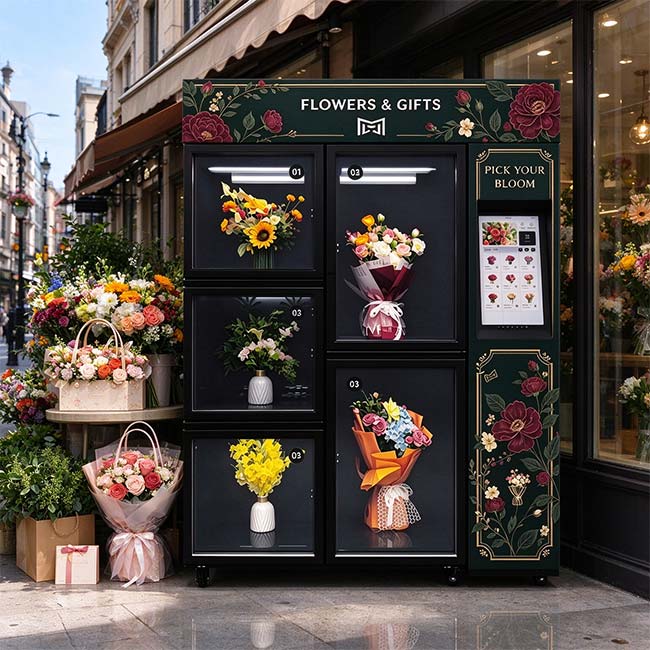
Every year, more people notice refrigerated flower machines popping up in malls, hospitals, and hotel lobbies. The honest answer to whether a flower vending machine is a good investment is: yes, but only under the right conditions. A machine placed in a steady foot traffic spot with a reliable restocking routine can turn a profit within a year. The same machine on a quiet corner can quietly eat money in spoiled flowers and rent.
This guide walks through the costs, realistic monthly profit, hidden operating expenses, and the location mistakes that turn a promising concept into a money pit. If you want additional operator records, the Are Flower Vending Machines Profitable? 6 Real Records article is a useful starting point.
What a flower vending machine actually costs to set up
Manufacturer pricing for a new machine is only part of the total. You also need delivery, site preparation, initial flower stock, permits, and a few months of working capital. Here is a planning stack for a single mid-size machine.
| Cost item | Typical range |
|---|---|
| New flower vending machine | $3,000 to $6,500 |
| Shipping and customs | $400 to $2,000 |
| Installation, power and network setup | $200 to $800 |
| Initial flower stock and wrapping | $300 to $700 |
| Location deposit or first month fee | $0 to $1,000 |
| Licenses and permits | $50 to $600 |
| Insurance and payment reader setup | $100 to $400 |
Most single-unit operators start with $4,000 to $10,000 in total setup costs. A larger 24 slot unit costs more and needs more stock, so budget accordingly.
Need more detail on machine pricing? The How Much Is a Flower Vending Machine? 2026 Cost and ROI Guide breaks down pricing by model and options.
How much revenue and profit can a flower vending machine generate?
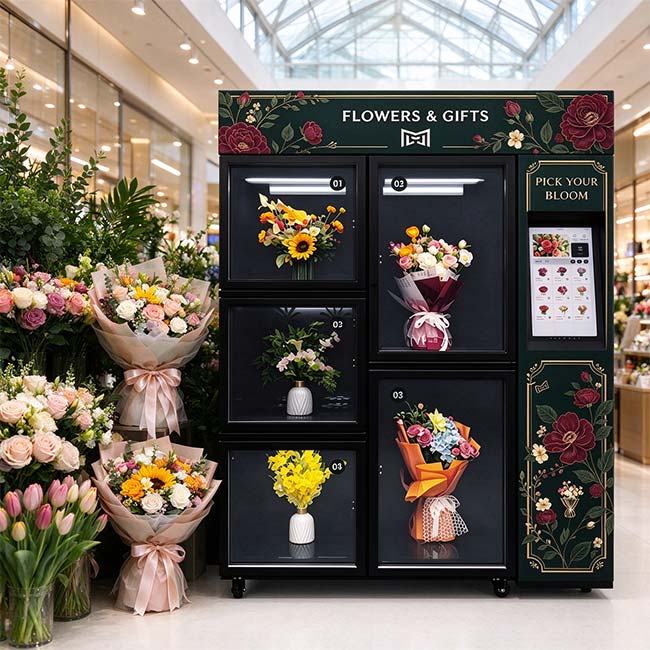
Revenue depends on how many people walk past the machine, how many buy, and what price they accept. A $15 bouquet with a $6 cost gives a healthy gross profit of $9, but not all stocked bouquets sell. Spoilage, card fees, rent, electricity, and restocking time all come out of that number.
Use the three scenarios below as planning figures, not promises. They assume an average retail price, a wholesale bouquet cost, and a fixed monthly cost stack that includes rent, utilities, and a small maintenance reserve.
| Location archetype | Bouquets per day | Average price | Monthly gross profit | Monthly fixed costs | Typical monthly net | Payback on a $5,000 machine |
|---|---|---|---|---|---|---|
| Hospital entrance or busy transit point | 8 to 12 | $18 to $22 | $2,600 to $3,800 | $900 | $1,700 to $2,900 | 2 to 5 months |
| Mid-traffic mall spot near the food court | 5 to 8 | $20 to $25 | $1,700 to $2,900 | $1,100 | $600 to $1,800 | 4 to 12 months |
| Office building with low foot traffic | 2 to 4 | $15 to $18 | $600 to $1,200 | $700 | -$100 to $500 | 12+ months or never |
The biggest variable in that range is site selection. A high traffic hospital site can recover the machine cost in a few months, while a low traffic office site might never pay back. Start by counting actual passersby, not by trusting a shopping center manager’s estimate.
The margin math no one puts in the brochure
A vendor might quote 60 to 70 percent gross margins. That margin only counts the cost of the flowers and wrapping. The real calculation includes spoilage, payment processing, maintenance, rent, electricity, and your own labor for restocking.
Here is a rough per-bouquet picture at a $20 retail price in a steady location:
| Line item | Amount |
|---|---|
| Retail price | $20.00 |
| Wholesale flowers and wrapping | -$6.00 |
| Spoilage allowance (about 15% of stocked bouquets) | -$1.00 |
| Payment processing fee | -$0.50 |
| Gross profit per sold bouquet | $12.50 |
Then the fixed monthly costs split across every bouquet sold. If you sell 6 bouquets a day, that is 180 sold bouquets a month. A $900 fixed cost stack works out to $5 per bouquet. So the net profit per bouquet is closer to $7.50, about 38 percent of the retail price.
Why location is the entire game
Most operators who fail picked a spot because it was cheap or available, not because they counted actual passersby. Site selection should happen before you buy a machine, not after.
Spend a week counting foot traffic at the proposed spot. Count at three different times of day, on both a weekday and a weekend. You want to know how many people walk within two meters of the machine, and what percentage look like they are passing with empty hands rather than pushing a shopping cart or rushing to a train.
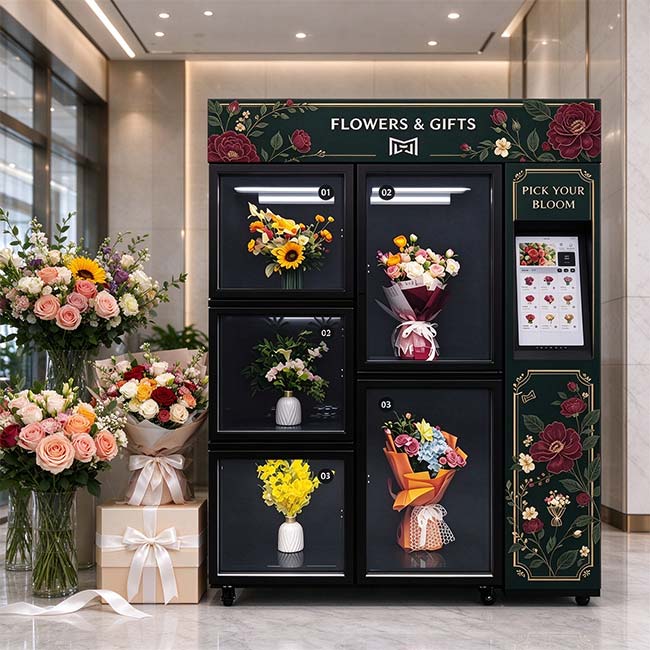
Also check the competitive map. A machine within 100 meters of a well-run flower shop has a harder time. Customers can see and touch fresh flowers in the shop, and the shop usually wins for planned purchases. Your machine wins the impulse and after-hours sales, so you need a location where those impulses happen.
For country specific placement ideas, see the Flower Vending Machine USA: The Complete 2026 Startup Guide and the Flower Vending Machine Singapore: Best Locations in 2026 guide.
The operating side: restocking, freshness, and seasonality
Flowers are perishable. A good machine keeps the cabinet at 2 to 25 degrees Celsius, which is the same range florist cool rooms use. Even then, cut flowers look tired after five to seven days. Plan for one to three restock visits per week, depending on sales and season.
A restock visit takes 30 to 60 minutes: remove unsold and aging bouquets, clean the shelves, load fresh stock, and log inventory in the machine software. If you cannot visit that often, lower the number of slots or find a local flower supplier who can restock for a fee.
Seasonal demand is extreme. Valentine’s Day and Mother’s Day can sell out a machine in a day. The slow weeks after those peaks will leave you throwing away stock if you overbuy. Learn the local gifting calendar and adjust order quantities, not just for holidays but also for proms, graduation, and local wedding seasons.
Use dynamic markdowns on bouquets that have sat for three days. A discounted $12 bouquet beats a rotted $20 bouquet. Some operators drop prices automatically through the software, and that simple habit protects margins better than any other operating change.
What to check before you sign a placement agreement
- Foot traffic data: ask for real counts or collect your own for a week.
- Lease length and exit clause: avoid a long term on an untested spot.
- Fixed rent vs commission: a commission deal is safer when you start.
- Power supply and internet reliability.
- Insurance and local vending permits.
- Distance to your flower supplier and how late they can deliver.
Flower vending machine vs other small retail bets
| Format | Upfront cost | Operating complexity | Payback range | Biggest risk |
|---|---|---|---|---|
| Flower vending machine | $4,000 to $10,000 | Medium, weekly restocking | 3 to 18 months | Spoilage and weak locations |
| Snack or drink vending | $3,000 to $9,000 | Low | 12 to 24 months | Low margins per item |
| Traditional flower shop | $50,000 to $150,000 | High, staff required | 24 to 48 months | Fixed costs and labor |
| Flower cart or kiosk | $5,000 to $20,000 | High, staff required | 6 to 18 months | Weather and staffing |
A flower vending machine fits best as a satellite channel for an existing florist or as a first step into micro retail for someone who likes operations. It is rarely the cheapest way to make money, but it is one of the few formats that can sell after midnight.
When a flower vending machine loses money
Several patterns push the monthly result below zero:
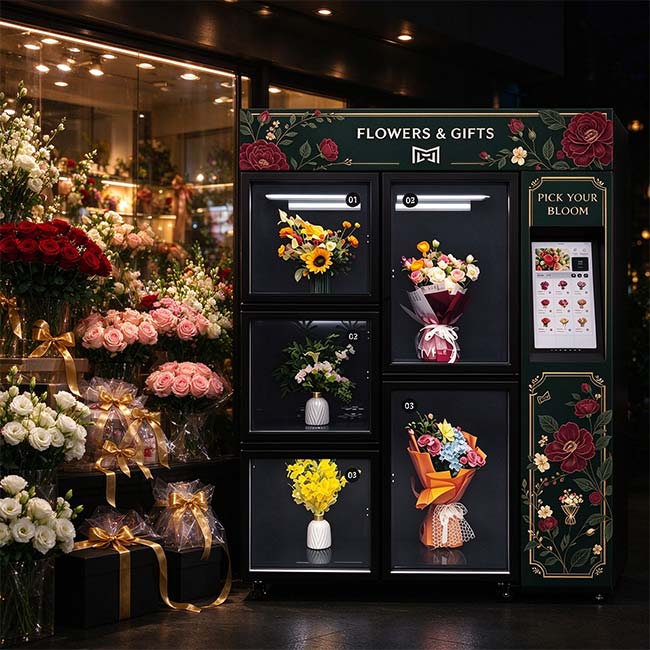
- An empty or dying location: no foot traffic means no sales, and flowers rot.
- Restocking delays: a machine with wilted flowers loses repeat buyers fast.
- High rent or commission: anything above about 20 percent of gross revenue makes the math very tight.
- Mechanical downtime: a broken cooling unit can ruin a full load of flowers in one night.
- No adjustment for season: overordering before a slow week is the fastest way to waste cash.
If the site cannot support at least 4 to 5 sales per day on average, the monthly fixed costs will outweigh the gross profit. Pass on that placement no matter how cheap the machine is.
What to look for when buying a flower vending machine
The machine itself matters less than the site, but the right hardware makes the operation easier. Built-in cooling, individual locked compartments, a clear touchscreen, and remote monitoring should be standard.
Wider Matrix offers a range of flower vending machines with 5 to 24 slots, a 2 to 25 degrees Celsius freshness zone, and per-slot sales tracking through a phone app. The machines hold cut flowers in good condition for five to seven days between restocks. As a factory direct manufacturer, Wider Matrix has exported more than 3,000 machines to over 130 countries since 2016, with certifications including CE, FCC, RoHS, SGS, and ISO 9001. Reference pricing for the flower vending line is $3,000 to $6,500 per unit depending on model and slot count.
You can compare models and request a quote on the flower vending machine product page. For a deeper look at what to inspect before purchase, the Where Can I Buy a Flower Vending Machine? A 2026 Buyer’s Guide covers it. A quick price and spec overview is also available in the Flower Vending Machine to Buy: 2026 Price, Specs and ROI Guide.
How to test the idea before going all in
You do not need to buy a machine tomorrow. Try these steps first:
- Find a location that accepts a short pilot placement.
- Lease a small 5 slot machine instead of a 24 slot one.
- Track sales, spoilage, and your restocking time for two months.
- Walk away if the numbers do not work.
A pilot placement with a commission deal lets you learn the real daily sales count and the real spoilage rate for a much lower cost than a bad multi-year contract.
Final verdict: should you invest?
A flower vending machine is a good investment if you have a site with consistent impulse traffic, a restock schedule you can keep, and enough cash to survive a slow first quarter. It is a poor investment if your plan is to place a machine somewhere and wait for money to appear. The machine rewards operators who treat it like a perishable good business, not a passive vending play.
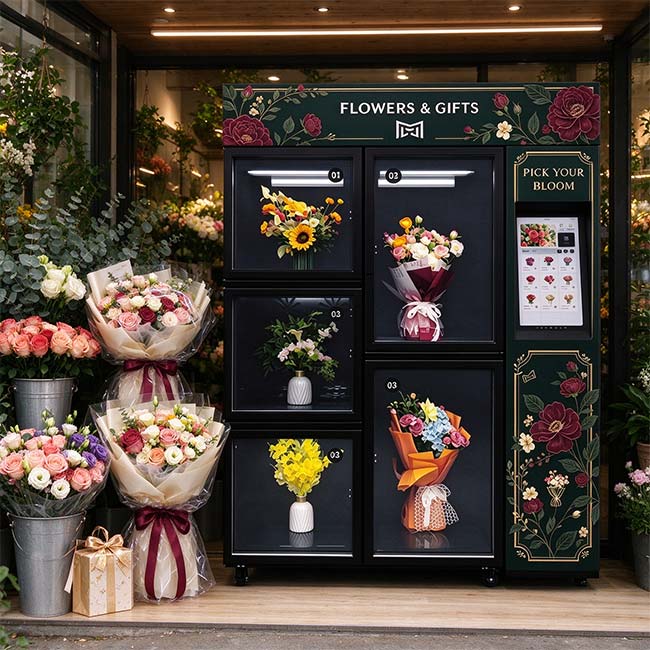
If you want to see operator-reported numbers before deciding, start with the Are Flower Vending Machines Profitable? 6 Real Records guide.
FAQ
How much does a flower vending machine cost?
A new machine from Wider Matrix is priced from $3,000 to $6,500 depending on the model and number of slots. Add shipping, installation, initial stock, and permits, and the total setup cost usually lands between $4,000 and $10,000 for a single unit.
How much profit does a flower vending machine make per month?
In a steady mid traffic location, a single machine can net $600 to $2,900 per month after operating costs. Low traffic locations may only make $0 to $500, and some lose money every month.
How long does it take to pay back a flower vending machine?
Payback ranges from a few months in a strong hospital or transit spot to 12 months or more in an average one. Some placements never pay back. Treat the payback estimate in any brochure as a best case scenario and stress test it with your own foot traffic count.
Do flowers stay fresh in a vending machine?
Yes, when the machine has built-in cooling at 2 to 25 degrees Celsius and is restocked on a regular schedule. Cut flowers typically stay display ready for five to seven days. Warm temperatures, poor airflow, and missed restocks shorten that window.
Do I need a license to operate a flower vending machine?
Rules vary by city and venue type. Most locations require a business license, a sales tax permit, and the venue owner’s signed agreement. Check local zoning rules before signing anything.
Should I buy a new or used flower vending machine?
Used machines cost less but can come with worn cooling systems and outdated payment modules. If you go used, test the cooling system, the compartment locks, and the touchscreen before paying. New machines come with a warranty and current payment support, which matters for card and mobile payments.
Can I run a flower vending machine while keeping my day job?
Yes, if the machine is close to where you live or work and the restock visit takes about an hour. The machine does the selling, but someone must remove unsold flowers, clean the shelves, and load fresh stock on a steady schedule. Most owners visit one to three times a week.