


What to Look for When Buying a Phone Case Printing Machine (2026)
Every project is unique — tell us your needs and we'll provide a tailored solution.
- 📋 Custom specs, branding & color options available
- 🌍 Shipped to 130+ countries worldwide
- 🤝 Dedicated account manager for your project
- 💰 Contact us for the latest promotional pricing
Our partners typically recover their investment within 2–4 months. Start earning from day one with a proven, low-maintenance vending solution.
Don’t pick a phone case printer from a demo video and a spec sheet. What actually decides whether you make money is three things: the cases you’ll really print, the volume you can really sell, and who answers when the machine breaks. Skip to the part most buyers never do — get the supplier to print your planned blank case, with their recommended ink and pretreatment, and let it sit for 24 hours. Then tape-pull it, bend it, rub it, splash it with water and hand oil, and leave it under UV. Check the real printable area, whether the jig fits your case, and the registration drift over ten cases in a row — past 1mm and you’ll be dealing with complaints. Ask about white-ink circulation, varnish curing, and how the ICC, RIP, and file workflow hold up on a real order. Run quality mode, count good units per hour, and add up the true cost per case: blank, ink, labor, maintenance, depreciation, and scrap. Get everything in writing — printhead warranty, shipping, local tech support, training, spare parts, and whether you’re locked into their consumables. Don’t skip the dull stuff either: voltage, power draw, door width, floor load, ventilation, and CE, RoHS, and UKCA compliance. If you’re starting small, prove demand with a heat press or outsource before you buy. An all-in-one vending machine only makes sense for truly unattended retail, and even then you need to confirm the model’s stock and site requirements. Buying from China means a factory visit and inspection. A sample test and an honest look at real cost and after-sales support is the cheapest insurance you can buy.
A phone case printing machine looks simple in a demo video. Then the blanks arrive, the first real order includes a dark case and a curved edge, and the print starts to peel. The short answer: buy for the cases you will actually print, the volume you can sell, and the support you can reach after the first nozzle clog. Test adhesion and jig fit on a sample before you pay.
Start with the case, not the printer
Every printing method has a favorite surface. UV ink bonds well to many rigid plastics and some TPU blends, but it can fail on silicone, soft vinyl, and untreated leather. The machine spec sheet will not tell you whether your exact blank works. A sample print will.
Ask the vendor to print on the blank you plan to sell, with the ink and pretreatment they recommend. Then let it sit for 24 hours and run the tests later in this guide. If the vendor only shows glossy promotional cases, ask why.
Here is how the common case materials behave in production:
| Case material | What usually goes wrong | What to test |
|---|---|---|
| Rigid PC | Ink chips at edges if cure or pretreatment is weak | Tape pull and coin scratch after 24 hours |
| TPU | Flex cracks and adhesion loss when the case bends | Bend the case 20 times, then tape pull |
| Silicone | Low surface energy, so ink can rub off | Rub with alcohol and thumb, then tape pull |
| Leather or textured | Ink sits on peaks and misses recesses | Look at texture under raking light, then abrasion test |
| Clear or glass | White ink opacity and yellowing show fast | Check white density over a dark background and color shift after UV exposure |
Silicone is a separate problem. The surface energy is low, so standard UV ink may rub off unless the blank is primed or the ink system is made for it. If silicone is part of your plan, read the silicone phone case printing machine guide before you shortlist machines.
The main machine types and who they suit
Most buyers are choosing between a UV flatbed, a sublimation setup, a heat transfer system, screen printing, or an integrated vending machine. Each has a different cost curve and a different best customer.
| Machine type | How it prints | Best for | Limits to check |
|---|---|---|---|
| UV flatbed or direct-to-object | Prints UV ink directly onto the case | Short runs, one-off photos, rigid and TPU cases | Jig cost, daily maintenance, ink cost |
| Sublimation with heat press | Prints on coated blanks with heat and pressure | Low entry cost, all-over wraps on coated cases | Coating limits, not for silicone, fade risk |
| Heat transfer or DTF | Prints a film, then presses it onto the case | Low-cost multi-color work | Hand feel, durability, labor per case |
| Screen printing | Pushes ink through a screen | High volume with simple designs | Setup per color, poor for photos |
| Hydro dipping or vacuum sublimation | Wraps a pattern over a 3D shape | Full coverage patterns on curved cases | Consumables, setup time, not photo-real custom |
| Integrated vending machine | Prints and dispenses in one self-service unit | Unattended retail in malls, airports, campuses | Model range, footprint, higher upfront cost |
If you are comparing models, the field-tested picks for 2026 are a useful cross-check.
Print area and jig fit: where bad purchases show up first
Print area is the number buyers check. Jig fit is the number that decides whether the machine makes money. A printer with a large bed can still waste time if the case jig is loose, if the camera cutout drifts, or if the case thickness varies from batch to batch.
Ask for the printable area on the case, not on paper. Then ask for the maximum case thickness and the tolerance. For a vending machine, ask how many phone models the internal case inventory covers and how the machine handles new models after launch.
Run a simple alignment test. Print ten cases in a row, measure the border on all four sides, and check the camera and button cutouts. A drift of more than 1 mm across a run will show up as complaints. If you plan to customize the machine for a brand or a specific case shape, the checks in customize phone case machine: what to check before you buy will save a lot of back-and-forth.
Resolution, white ink, and varnish: read the print, not the brochure
Resolution is easy to market and hard to judge alone. A 1200 dpi print with thin white ink looks worse than a lower-resolution print with good white coverage and a clean varnish. Ask for a sample that includes a face, a dark background behind a clear case, small text, and a smooth gradient.
White ink is the first thing to check on clear or dark cases. It needs circulation, or the pigment settles and the print turns patchy. Varnish is the second. It changes the feel and adds scuff resistance. If the vendor cannot explain how white ink is circulated and how varnish is cured, keep looking.
Color management matters too. A machine without an ICC profile for your ink and blank will make every new case a guessing game. Ask whether the RIP software is included, whether profiles are provided, and whether you can build your own.
Adhesion and durability: four tests to run before you buy
Do not rely on a fingernail scratch in the showroom. Print a sample, wait a day, and run these tests on the exact case and ink you plan to use.
- Tape pull. Score a 1 mm grid through the print, press a strip of tape over it, and pull. If ink lifts with the tape, the bond is weak.
- Bend test. For TPU, bend the case 20 times along the edge. Look for cracks or whitening in the print.
- Abrasion test. Rub the print with an eraser or a coin 50 times. A print that scuffs through in normal handling will come back as a return.
- Water and hand oil. Soak the case in water for 24 hours, dry it, then rub with hand lotion or oil and repeat the tape pull. This catches cure and adhesion problems that a dry demo hides.
If the case will sit in a sunny window or a car, add a UV fade check. Put one sample in direct sun for two weeks and compare it with a control kept in a drawer. The difference will tell you more than a color swatch.
Speed, throughput, and cost per case
Print speed is usually quoted in a mode you will not use for saleable work. Ask for cases per hour in the quality mode you need, including loading, curing, and inspection. Then build a cost per case instead of comparing machine prices.
The formula is simple: blank + ink + direct labor + maintenance + machine depreciation + reject cost, divided by saleable cases. Add rent, power, and owner time after that. Here is a planning example with hypothetical numbers. Replace them with your quotes.
| Cost line | 300 cases produced | 1,000 cases produced |
|---|---|---|
| Blanks at US$1.50 each | US$450 | US$1,500 |
| Ink at US$0.35 per case | US$105 | US$350 |
| Direct labor at US$0.40 per case | US$120 | US$400 |
| Maintenance at US$0.10 per case | US$30 | US$100 |
| Machine depreciation, US$6,000 over 36 months | US$167 | US$167 |
| Total monthly cost | US$872 | US$2,517 |
| Saleable cases after 5% reject | 285 | 950 |
| Cost per saleable case | US$3.06 | US$2.65 |
The same machine can look expensive at 300 cases a month and cheap at 1,000. If your volume is low, a heat press or a desktop UV unit may be the better financial fit. If your volume is high and the design mix is stable, an industrial flatbed or an integrated vending unit can earn its space. For a deeper breakdown of machine quotes and what drives them, see phone case printing machine price: what you actually pay for a business-ready system.
Software, RIP, and the file workflow you will actually use
The machine is only half the system. The other half is the path from customer file to print. A good workflow includes a template for each phone model, a preview that shows the camera cutout, a RIP that handles white ink and varnish, and a way to reprint a job without rebuilding it from scratch.
Ask for a live demo with your own file. Bring a photo with skin tones, a logo with small type, and a dark image for a clear case. Watch how the operator handles scaling, cropping, and color. If the software needs a technician for every new phone model, that is a hidden cost.
For a vending machine, the customer-facing flow matters as much as the RIP. The user should be able to scan a code, pick a model, upload a photo, see a preview, pay, and collect the case without staff. Ask how the machine handles a bad photo, a failed print, and a refund. The ultimate guide to phone case printing machines covers more of the software comparison points.
Maintenance and the defects that eat your margin
Printers fail in patterns. If you know the pattern, you can plan for it. Ask for the maintenance schedule in writing and a list of spare parts you should keep on hand.
| Symptom | Likely cause | First check |
|---|---|---|
| Banding in the print | Clogged nozzle or feed issue | Nozzle check, clean, align |
| White ink separation | Pigment settled because ink was not circulated | Daily shake or circulation routine |
| Ink pooling on curved edges | Too much ink or wrong print mode | Reduce ink, adjust head gap, use an edge jig |
| Print peels at corners | Poor pretreatment or weak cure | Clean, prime, cure, then tape test |
| Color shift between jobs | Profile issue or ink batch change | Re-profile and check ink lot |
| Case misfeed | Jig wear or wrong blank thickness | Measure thickness and replace the jig |
A daily nozzle check and a weekly clean of the capping station prevent most banding. White ink needs a circulation routine, and the print head needs a proper cap and humidification when the machine sits idle. If the vendor cannot explain what happens after a weekend shutdown, the machine may not suit a one-person shop.
Space, power, ventilation, and compliance
Measure the door, the hallway, and the floor before you measure the machine. A unit that fits the room may not fit the lift or the doorway. Check the floor load if the machine goes on an upper floor.
Ask for the voltage, amperage, and whether the machine needs a dedicated circuit. UV curing and heated beds draw power, and a shared circuit can trip during a job. Ventilation matters for the ink and cleaning solvents. A small shop may need an extractor or a filtered enclosure.
Compliance is market-specific. In the EU, look for CE and RoHS. In the UK, UKCA may apply. In the US, check the electrical listing your insurer expects. Ask for the certificate for the exact model and voltage you are buying, not a generic company certificate.
Warranty, training, and support: questions that expose weak vendors
A one-year warranty is common. The details decide whether it helps. Ask these questions before you pay:
- What is covered, and what is excluded? Print heads are often excluded or prorated.
- Who pays shipping for warranty parts, and how long does a part take to arrive?
- Is there a local technician, or is support video-only?
- How many hours of training are included, and who does the training?
- Which spare parts should I stock on day one?
- How often are software and firmware updates released?
- Can I buy consumables from another supplier, or is the ink locked to the vendor?
- Will you send a sample print on my blank before I order?
Walk away from a vendor who will not send a sample, who cannot name a local service partner, or who sells proprietary ink with no published yield. A cheap machine with no support becomes expensive when it is down during your busiest week.
When an integrated phone case vending machine makes more sense
A standalone printer fits a shop with staff, custom orders, and shipping. An integrated vending machine fits a different job: unattended retail in a mall, airport, campus, or tourist spot where the customer designs and buys in one visit.
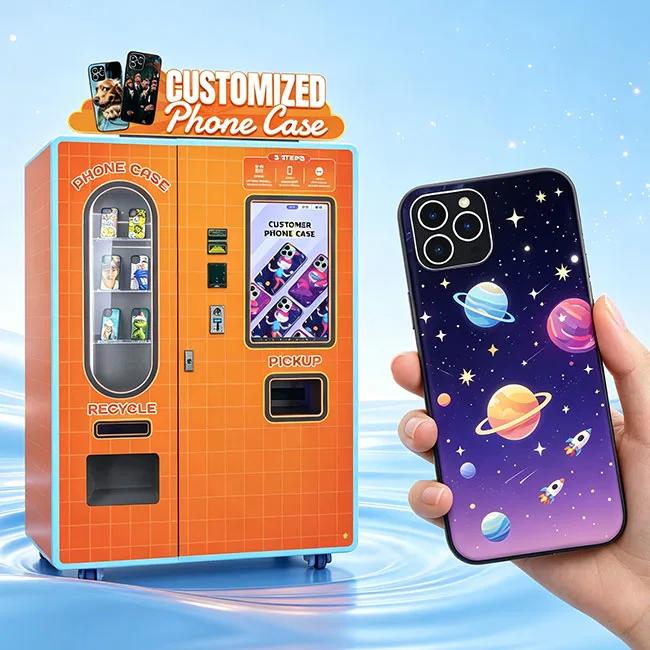
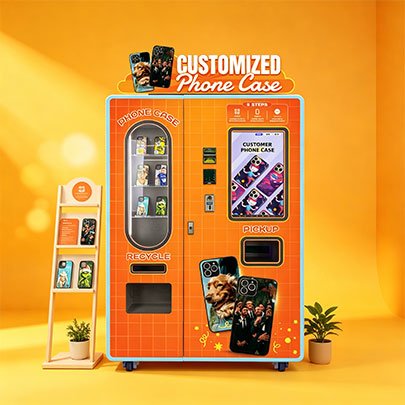
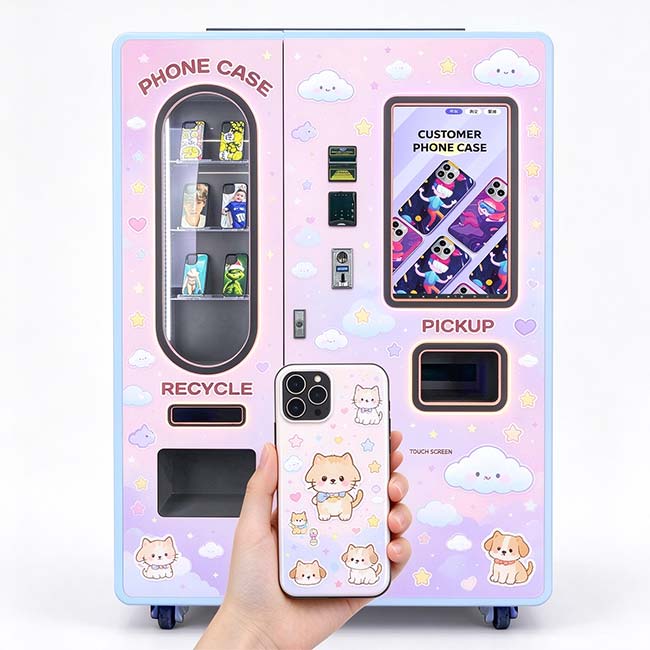
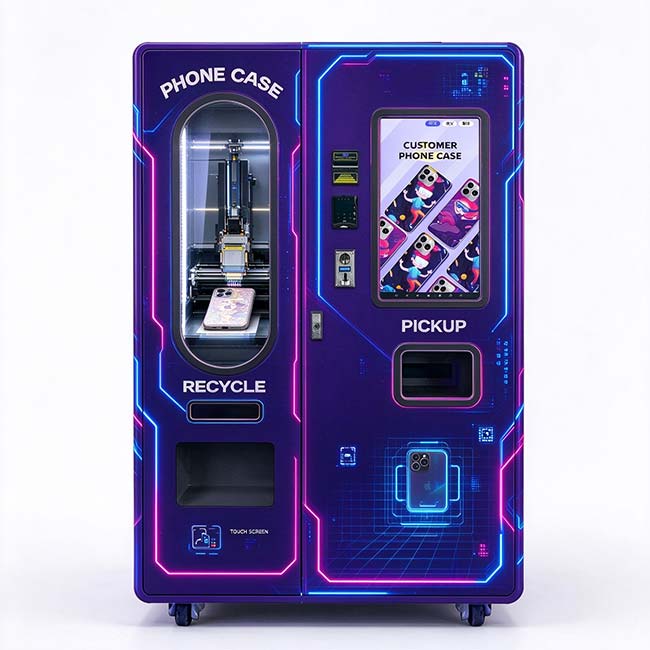
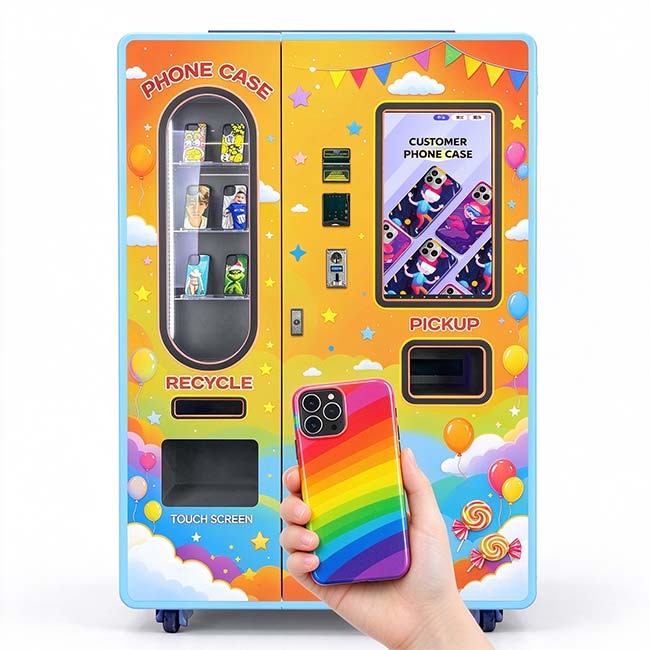
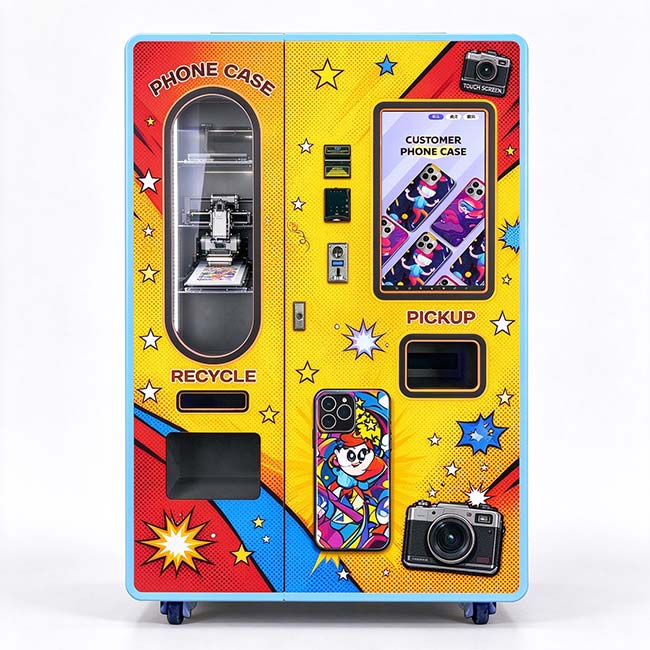
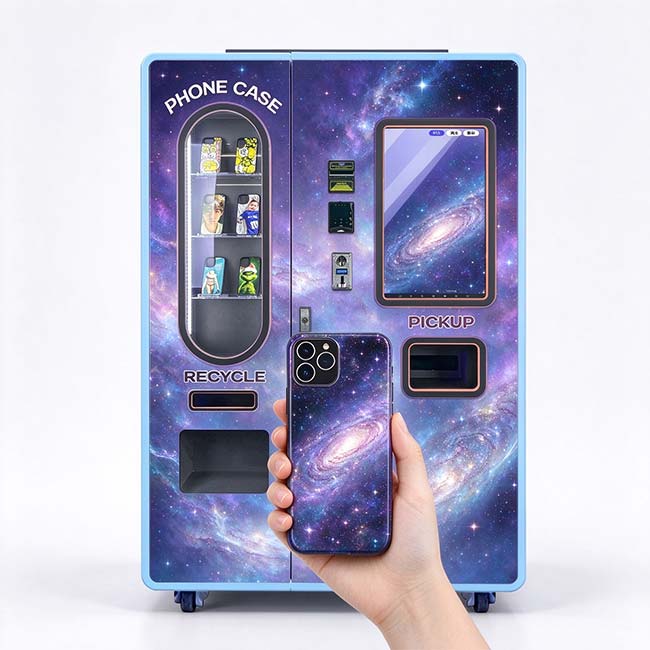
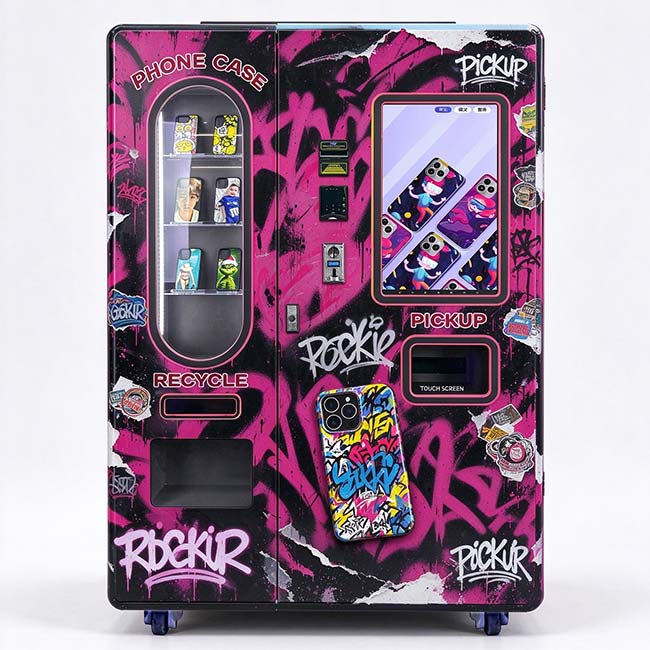
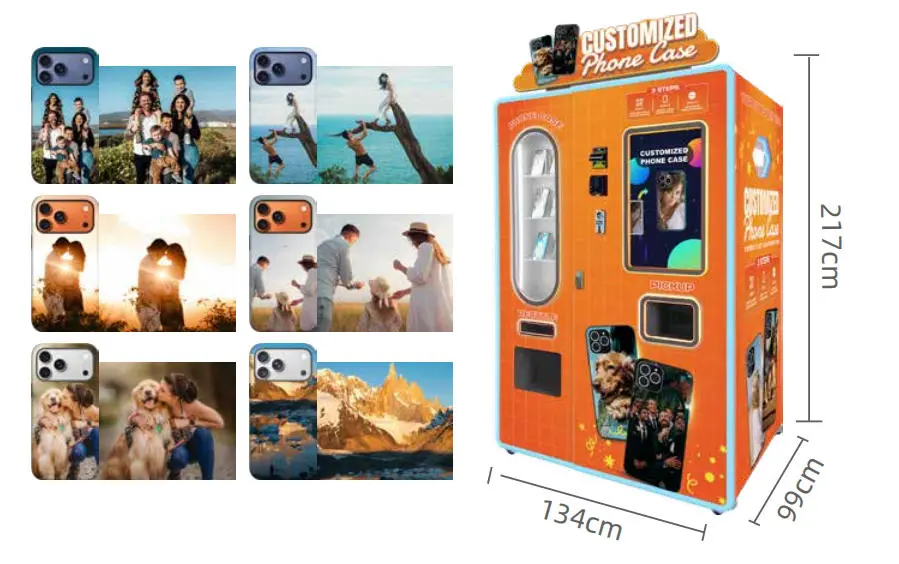
The WM880 from Wider Matrix is an example of that second model. Customers scan a code, pick a phone model, upload a photo, pay, and collect a printed TPU plus PC case in about 1-3 minutes. It is built for self-service, so the case inventory, print head, and payment system sit in one cabinet.
| WM880 specification | Detail |
|---|---|
| Model | Phone Case Vending Machine WM880 |
| Power | 110V-220V, 410W |
| Dimensions | 1340 x 990 x 2170 mm |
| Weight | 380 kg |
| Ink capacity | 2000 ml |
| Case storage | 1020 to 1025 cases |
| Case material | TPU + PC |
| Print heads | Epson F1080, i1600-U1, or i3200-U1HD |
| Payment | Coin, cash, credit card, NFC, QR |
| Reference price | US$4,999 for the F1080 version; US$5,999 for the i1600 version |
The F1080 version is listed at US$4,999 per unit, and the i1600 version is listed at US$5,999 per unit. Both support the same case storage range and payment options. Wider Matrix has exported 3,000+ machines to 130+ countries since 2016, and the WM880 carries CE, RoHS, PSE, CCC, and ISO credentials. For orders of multiple units, contact our team for a personalized quote with volume discounts.
This machine is a poor fit if you need a wide flatbed for tablets, hand-stitched leather, or very low-volume specialty blanks. It is also not a substitute for a print operator who can fix color and artwork problems. It works best as a retail format with a printer inside.
Budget tiers and payback without fantasy math
Machine prices vary by region, print width, ink set, and support. Use these bands for planning, then get a written quote with shipping, duties, installation, and training included.
| Budget band | What it usually buys | Best for | Watch |
|---|---|---|---|
| Under US$5,000 | Heat press, transfer setup, or entry desktop UV | Hobby, market stall, first tests | Consumable cost, durability, jig quality |
| US$5,000 to US$15,000 | Mid-range UV flatbed or integrated vending | Small shop, kiosk, mall unit | Print area, support, ink yield |
| US$15,000 and up | Production UV flatbed | Higher volume, multi-shift work | Footprint, power, service contract |
Payback is easier to calculate than vendors make it sound. Take your selling price, subtract the variable cost per case, and you have gross profit per case. Divide the machine price by monthly gross profit to get a rough payback in months. A US$6,000 machine that earns US$12 gross profit per case needs 500 cases to cover the machine before fixed costs. At 100 cases a month, that is five months. At 300 cases a month, it is under two months.
If the volume is not there, a cheaper machine will not fix it. A more expensive machine will not fix it either. Test demand with a small heat press or an outsourced printer before you buy a production unit.
A pre-purchase checklist you can take to a demo
Bring your own files and your own blanks. Ask for at least 20 prints so you can see consistency, not a single hero sample.
- Print your artwork on the exact case you plan to sell.
- Measure print area, border, and cutout alignment on ten cases.
- Run tape pull, bend, abrasion, and water tests after 24 hours.
- Time a full job from file open to cured case.
- Ask for the maintenance schedule and spare parts list.
- Get the warranty terms in writing, including print head coverage.
- Confirm voltage, amperage, footprint, weight, and ventilation needs.
- Ask for two customer references in your region.
If you are sourcing from China, add a factory audit and a sample shipment to the list. The guide to buying a phone case printing machine from China covers the paperwork and inspection steps.
The bottom line
A phone case printing machine is a production tool, not a decoration for your shop. The right machine fits your blanks, prints at a quality you can sell, and has support you can reach when it stops. Test the sample, price the running cost, and check the warranty before you pay.
If you want a self-service retail format, look at an integrated vending machine and confirm the case model range and site requirements. If you want custom work and material flexibility, a standalone UV flatbed is usually the better fit. Either way, the sample test is the cheapest insurance you can buy.
Note: Product specifications, pricing, and configurations are subject to change as we continuously improve our technology. Contact our sales team for the latest pricing, promotions, and a custom quote.
Specifications
| Model | WM880 |
| Device Dimensions | 134cm × 99cm × 220cm |
| Device Weight | 220 KG |
| Power | 410W |
| Voltage | 220V / 110V (Optional) |
| Payment Methods | Coin / Cash / Credit Card / NFC / WeChat / Alipay |
| Printing Technology | 6-color UV printing |
| Printing Resolution | 1440 DPI |
| Printing Speed | 2–3 minutes / piece |
| Supported Phone Models | 96 mainstream models |
| Case Storage Capacity | 300–500 pieces |
| Display Screen | 27-inch touch display, supports video ad rotation |
| Remote Management | Supports cloud monitoring and management |
Product Certificates
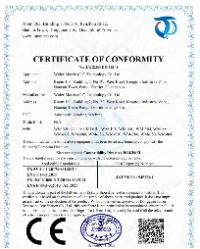
CE
JAT2209011545EC-1
2022.09 – 2027.09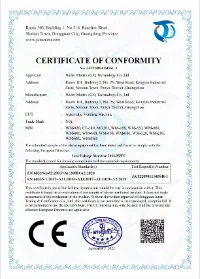
CE
JAT2209011545SC-1
2022.09 – 2027.09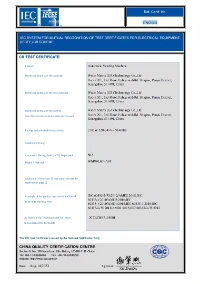
CB
CN61098
2023.08 – 2028.08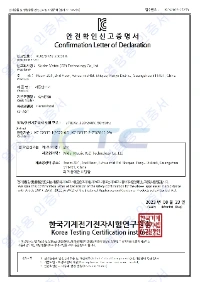
KC
XU070729-23001A
2023.08 – 2028.08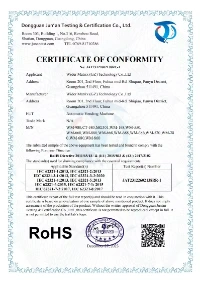
RoHS
JAT23122602138RC-1
2023.12 – 2028.12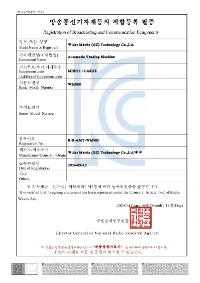
KC
R-R-wMT-WM980
2024.09 – 2029.09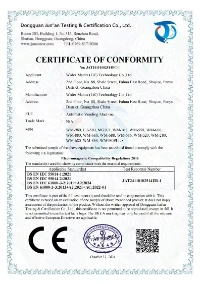
UKCA
JAT24110102514EC-1
2024.10 – 2029.10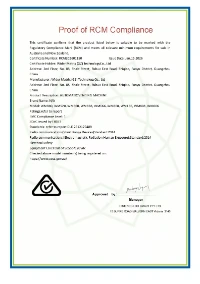
RCM
RCM202601150
2026.01 – 2031.01Company Introduction
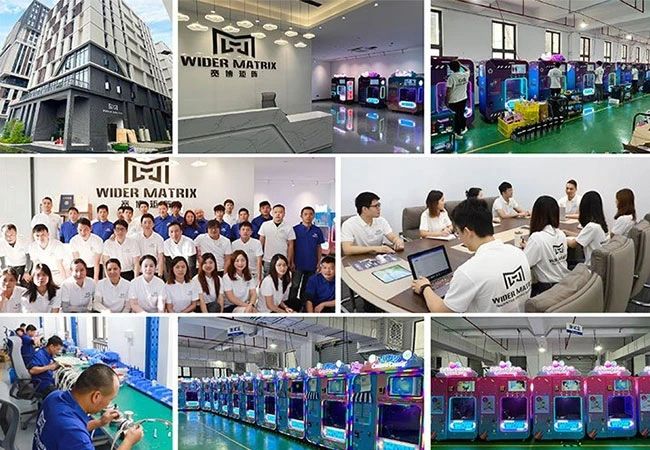
Wider Matrix (Guangzhou) Technology Co., Ltd. is a scientific and technological enterprise that attaches importance to R&D and user experience. We started to research and develop vending machines in 2016, and achieved a leading position in the field of unattended vending machines.
In 2019, we manufactured the first automatic cotton candy vending machine. After testing in domestic market, refining our product for years, the performance of our machines are stable enough and reach the standard for export finally. Till now, our machine has been exported to more than 130 countries.
All machines support remote control, which has the advantages of easy operation, convenient maintenance and high operating efficiency.
Exclusive Services
Overseas Support Service
Local transfer warehouse support, ensuring your operational stability.
Custom Design
We offer machine appearance customization, branding, and large-scale custom packaging services.
Initial Tools & Spare Parts Kit
Machine comes with complementary tools and spare parts kit, including initial consumables package.
Functional Customization & Software Optimization
Custom functionality based on client needs, including hardware and software optimization updates.
Lifetime Technical Support & Updates
We provide lifetime technical support and software update services for all customers.
Frequently Asked Questions
How much does a phone case printing machine cost?
Can I print on silicone phone cases?
Do I need white ink?
How many cases can a machine print per hour?
What warranty should I expect?
Can one machine print every phone model?
Is a vending machine better than a standalone printer?
What certifications matter?
User Reviews
Widermatrix has been so great to work with especially Taylor. Taylor sends pictures and testimonials and data to help the decision process. Once decided the process is smooth and Taylor sends updates with pictures and videos of YOUR phone case vending machine along the way. The claims are real, this automated phone case dispenser is half paid back on my initial invest just after 2 months!
I bought two phone case vending machines, and they have been in operation for over three months and are very stable. The smartphone accessory kiosks have excellent reliability and require minimal maintenance.
This is my first time running a phone case vending machine business and it looks great. The automatic mobile accessory dispenser attracts many customers in my shopping mall location.
We ordered 5 units for our chain of convenience stores across Japan. The build quality is impressive and the custom branding option is a huge plus. Each machine was delivered with our logo perfectly printed. ROI has been excellent so far.
Great machine overall! The printing quality is sharp and the touch screen is very responsive. Only minor issue was the initial WiFi setup took a bit of time, but the support team helped us through it quickly. Would recommend.
Running this machine at a university campus has been a game changer. Students love the instant phone case printing feature. The payment system accepts everything — cards, QR codes, even coins. Very flexible for different markets.
I was skeptical at first but the machine exceeded my expectations. The print speed is fast (about 40 seconds per case) and the quality is comparable to professional printing shops. Already planning to order 3 more units.
Perfect for event venues! We placed ours at a concert hall and it generates consistent revenue. The remote monitoring via the app is fantastic — I can check sales and inventory from my phone anywhere in the world.
Good machine with solid build quality. The steel frame feels durable and the tempered glass front looks premium. Shipping took about 3 weeks to Australia which was reasonable. Customer support is responsive and helpful.
We've been operating this machine for 6 months now at a tourist spot in Dubai. Zero downtime, consistent print quality, and the payment system handles multiple currencies seamlessly. Best investment we've made this year.
Why Choose Us
Why Operators Choose WiderMatrix
See how we compare to the industry average
| Feature | WiderMatrix | Industry Average |
|---|---|---|
| Machine Lifespan | ✓ 2× longer than standard machines | Standard lifespan |
| Maintenance | ✓ Ultra-low cost + remote diagnostics & alerts | High maintenance cost |
| Build Quality | ✓ Premium materials + patented technology | Standard manufacturing |
| Certifications | ✓ CE, UKCA, RoHS, KC, PSE, ISO, FDA (7+) | 1–2 certifications |
| Technical Support | ✓ 24/7 dedicated team + video guidance | Email only |
| AI Management Platform | ✓ Real-time monitoring, analytics & remote control | Basic / no dashboard |
| Software Updates | ✓ OTA lifetime free updates | Paid upgrades |
| Warranty | ✓ 1 year (no part return required) | 3–6 months |


Latest Articles
 NEW
Flower Vending Machine Made in China: 2026 Sourcing Guide for Buyers
Buying a flower vending machine made in China can lower the unit cost compared with many European or...
Oct 30, 2026 NEW
Commercial Cotton Candy Machine for Sale in the USA: 2026 Price and Buyer Guide
If you are shopping for a commercial cotton candy machine for sale in the USA, the price spread...
Oct 30, 2026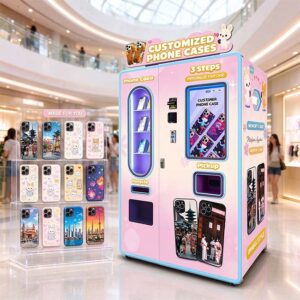 NEW
How Much Does a Phone Case Vending Machine Cost in the UK? 2026 Prices
Buying a phone case vending machine in the UK is a capital purchase, and the sticker price rarely...
Oct 30, 2026Popular Picks
 HOT
What Products Sell Best in Vending Machines? The 2026 Data-Driven Profit Guide
For current and aspiring vending machine operators, the question “What products sell best in vending machines?” is the...
Mar 26, 2026 HOT
Cotton Candy Maker Vending Machine Price in USA: The Ultimate 2025 Buyer’s Guide
For entrepreneurs, venue owners, and investors looking to capitalize on the sweet treat market, understanding the cotton candy...
Dec 16, 2025 HOT
how much does a phone case vending machine cost – The 2026 Investors Guide to Real Pricing & ROI
If you’re researching “how much does a phone case vending machine cost,” you’re likely in the planning phase...
Mar 24, 2026