



Silicone Phone Case Printing Machine: Real Talk on What Works, What Doesn’t, and Why It Matters
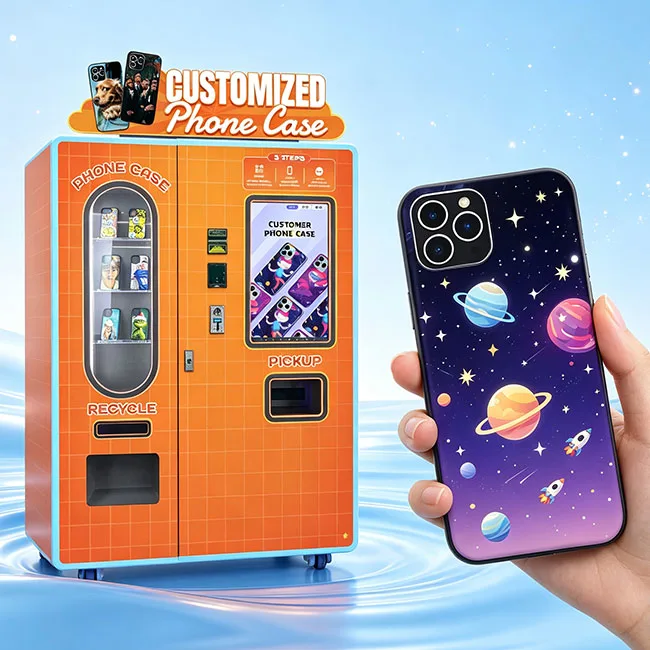
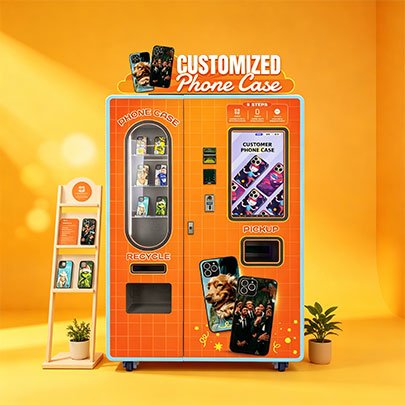
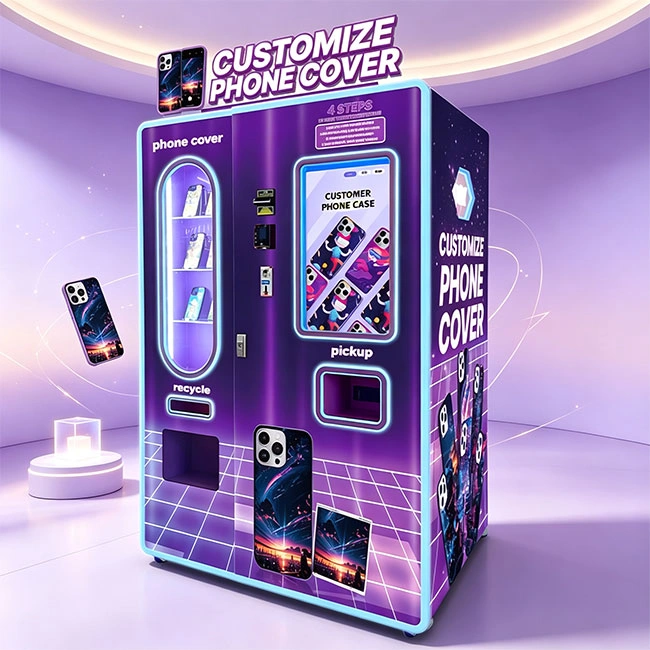
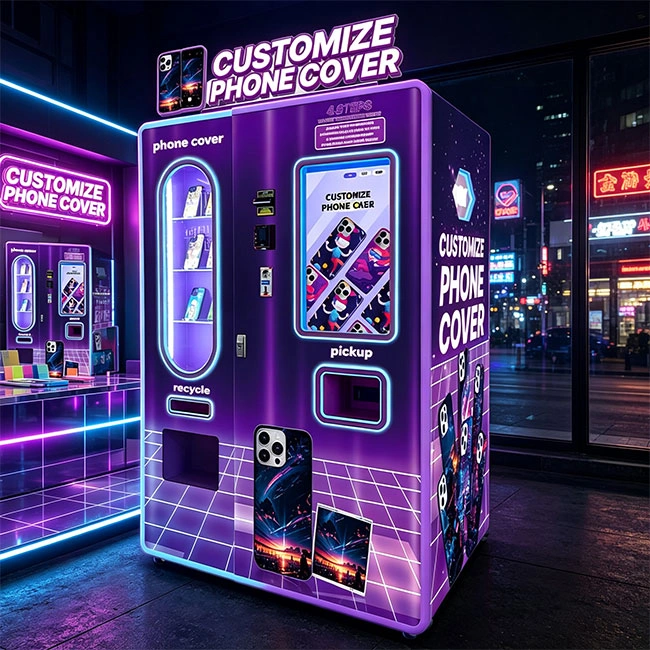
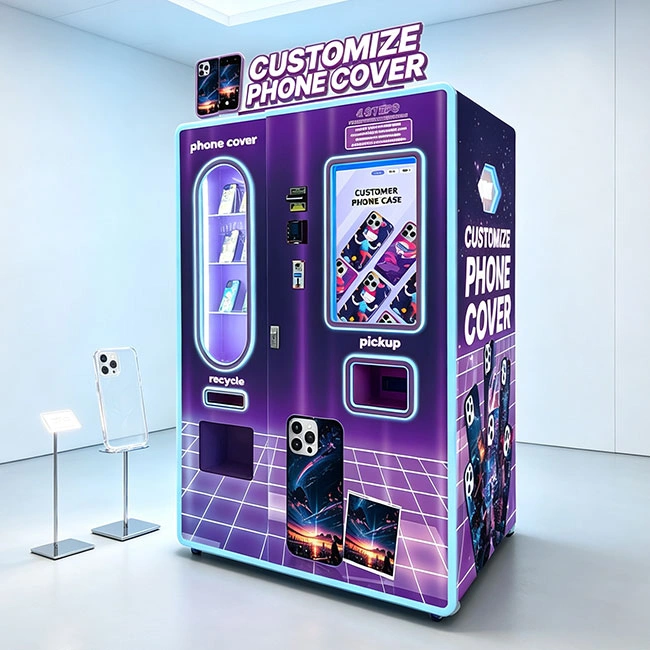
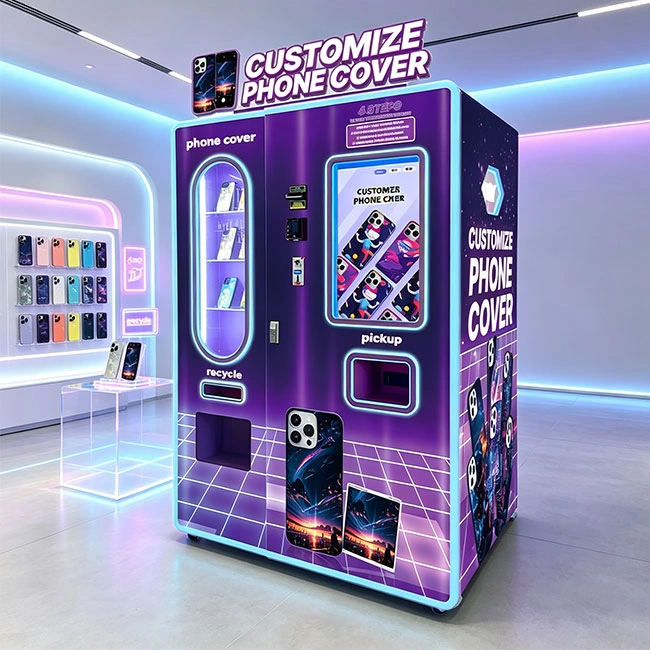
Every project is unique — tell us your needs and we'll provide a tailored solution.
- 📋 Custom specs, branding & color options available
- 🌍 Shipped to 130+ countries worldwide
- 🤝 Dedicated account manager for your project
- 💰 Contact us for the latest promotional pricing
Our partners typically recover their investment within 2–4 months. Start earning from day one with a proven, low-maintenance vending solution.
If you’ve ever tried printing on a silicone phone case, you already know the frustration. The ink beads up. It cracks after a week. The surface feels greasy no matter how much you prep it. I’ve seen operators in Bangkok throw away hundreds of cases because the UV ink just wouldn’t stick. Silicone is a nightmare for adhesion, and most printing machines on the market won’t handle it properly out of the box.
That’s where a silicone phone case printing machine changes the game. But not all machines are built the same. Some use cheap print heads that clog within months. Others rely on generic UV ink that peels off the first time a customer drops their phone. Over the past decade, our team at Wider Matrix has installed over 3,000 vending machines across 130 countries. We’ve tested silicone printing in humid malls in Singapore, dusty plazas in Dubai, and freezing train stations in Canada. Here’s what actually works.
Why Silicone Is a Printing Nightmare (and How to Fix It)
Silicone phone cases are popular because they’re soft, grippy, and protective. But from a printing perspective, they’re terrible. The material is non-porous and has low surface energy. Standard UV ink sits on top like water on waxed glass. It won’t bond. That’s why many operators end up with cases that look great for a day, then flake off after a week of pocket wear.
The solution isn’t a magic ink or a special coating you apply by hand. It’s a combination of two things: flexible white ink and a properly tuned UV curing system. Our Mobile phone case automation machine uses Epson industrial-grade print heads that lay down a thin, flexible white base layer before the color inks. This base layer chemically bonds to the silicone surface. The color ink then bonds to the white layer. It’s not a hack—it’s engineered adhesion.
Key Specs That Matter for Silicone Printing
When you’re evaluating a silicone phone case printing machine, skip the marketing fluff and look at these three things:
| Feature | Why It Matters | Wider Matrix Approach |
|---|---|---|
| Print Head Type | Cheap heads wear out fast with white ink (which is thicker and more abrasive) | Epson i3200 / F1080 industrial heads — rated for high-volume white ink use |
| Ink Flexibility | Standard UV ink cracks on silicone when bent or twisted | Proprietary flexible UV ink set — stretches with the case |
| UV Curing Power | Weak LEDs leave ink tacky or under-cured, leading to peeling | Dual-zone LED array with adjustable power per layer |
I’ve seen operators try to save money by buying cheaper machines with generic print heads. Within six months, they’re replacing heads at $400 a pop and dealing with constant clogging. The upfront saving evaporates fast.
Real-World Performance: What to Expect
We installed a WM880+ i3200 at a tourist kiosk in Osaka last year. The operator was printing silicone cases for local phone models—mostly iPhone and Samsung. In the first month, he had a 12% rejection rate. Cases would print fine, but after a day in a customer’s bag, the edges would lift. We flew a technician out, adjusted the UV power curve, and switched to our flexible white ink. Rejection rate dropped to under 2%. That machine has printed over 8,000 cases since without a single print head replacement.
That’s the difference between a machine designed for silicone versus one that’s been adapted for it. Our Phone Case Vending Machine Osaka: Your Ultimate Guide to On-Demand Customization covers that deployment in more detail.
Common Mistakes Operators Make with Silicone Printing
After watching hundreds of operators set up their first silicone phone case printing machine, I can tell you the three most common errors:
- Skipping the primer step. Some machines require a manual primer spray. If you forget it, the ink won’t stick. Our machines don’t need primer—the white ink formulation handles it—but if you’re using a different brand, check the manual twice.
- Using the wrong case profile. Silicone cases vary in thickness and texture. A case from one supplier might be 0.3mm thicker than another. That changes the print gap. If your machine doesn’t auto-detect case height, you’ll get blurry prints. Our machines use a laser sensor to measure each case before printing.
- Ignoring humidity. Silicone absorbs moisture from the air. In tropical climates, cases left out overnight can become slightly damp. That moisture turns to steam under UV light, creating bubbles in the ink. Store cases in a sealed container with silica gel packs. It’s cheap insurance.
Beyond the Machine: The Ecosystem Matters
Printing on silicone is only half the battle. You also need a reliable supply chain for cases, a payment system that works in your market, and a software backend that doesn’t crash on a Saturday afternoon. That’s why we build our machines as part of a complete system, not a standalone printer. Our AWS cloud backend handles OTA updates, inventory tracking, and remote diagnostics. If a print head starts showing signs of wear, we get an alert before it fails. The operator gets a notification to schedule maintenance.
We’ve also integrated with local payment processors in over 40 countries. Whether you need Nayax, ICT, or a simple coin validator, we can configure it. For operators in Latin America, we’ve done extensive work with local bill acceptors. Our Vending Machine Peru: The Ultimate Guide to Market Opportunities & Profitable Solutions goes into the specifics of setting up in that region.
Is a Silicone Phone Case Printing Machine Right for Your Business?
Honestly? It depends. If you’re targeting high-traffic tourist areas, shopping malls, or events where people want instant customization, yes. The margin on a silicone case printed on demand is solid—you’re selling a $2.50 case for $15 to $25. But if you’re planning to put a machine in a low-footfall location, the math doesn’t work. You need at least 20-60 prints per day to break even on a $6,299 machine within 2-6 months.
We’ve seen operators crush it in places like Suntec City in Singapore, where foot traffic is massive. Our Phone Case Vending Machine Suntec: Your Ultimate Guide to Instant Customization breaks down the numbers for that specific location.
On the flip side, I’ve had to tell clients that a phone case machine isn’t the right fit. If your venue is a small coffee shop with 50 customers a day, you’re better off with a cotton candy or popcorn machine. Higher volume, lower ticket price, but faster turns. We make those too—our Choosing the Right Vending Machine Manufacturer: The Ultimate 2025 Guide helps match the machine to the location.
Technical Support: The Hidden Factor
When a silicone phone case printing machine goes down, it’s not like a soda machine breaking. You can’t just call a local repair guy. You need someone who understands print heads, UV curing, and ink chemistry. That’s why we offer 24/7 video support and OTA firmware updates. If a machine in São Paulo has a software glitch, our team can fix it remotely from Guangzhou. If a print head needs replacement, we ship it overnight and walk the operator through the swap via video call.
We’ve also built a library of troubleshooting guides for common issues. Our What Are Common Problems with Popcorn Machines? A Comprehensive Troubleshooting Guide is for a different product line, but the philosophy is the same: give operators the knowledge to fix small problems themselves, and step in for the big ones.
What About the Competition?
There are cheaper silicone phone case printing machines out there. Some from Chinese manufacturers you’ve never heard of. Others from European brands that cost three times as much. The cheap ones use consumer-grade print heads and generic ink. They’ll work for a few months, then you’ll be fighting clogs and peeling prints. The expensive ones are overkill for most operators—they’re built for industrial production lines, not retail vending.
We sit in the middle. Our machines start at $5,299 for the WM880 F1080 and go up to $6,979 for the WM880+ i3200. That’s not cheap, but it’s fair for a machine that will run for years with proper maintenance. And we don’t lock you into proprietary consumables. Our cases are standard TPU+PC at $1.50 per unit, and UV ink sets run $100 to $160. You can source them from us or buy compatible ones elsewhere. We’re not in the business of holding you hostage on refills.
Start with the Right Foundation
A silicone phone case printing machine can be a fantastic revenue generator, but only if you understand the material, the technology, and the business model. Don’t buy a machine based on a YouTube video where someone prints one perfect case in a clean room. Ask about failure rates. Ask about ink adhesion on curved edges. Ask about support in your time zone.
We’ve been at this since 2016. We’ve deployed machines in 130 countries. We’ve seen what works and what doesn’t. If you’re serious about starting a phone case vending business, Wider Matrix Smart Vending Machines is the place to start. Contact our team for a personalized quote. We’ll help you pick the right model, configure it for your market, and get it profitable.
And if silicone printing isn’t the right move for your location, we’ll tell you that too. That’s what a decade of experience buys—honest advice.
Note: Product specifications, pricing, and configurations are subject to change as we continuously improve our technology. Contact our sales team for the latest pricing, promotions, and a custom quote.
Specifications
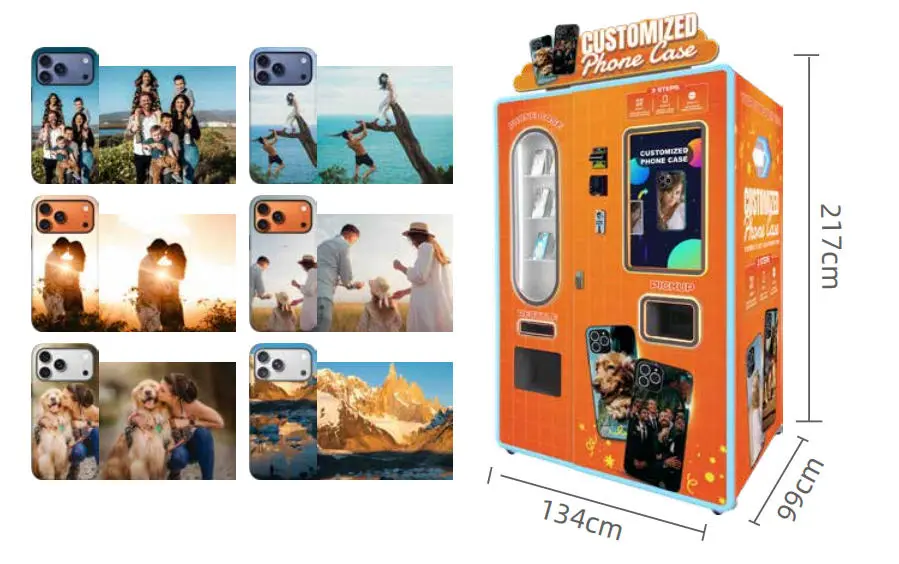
| Model | WM880 |
| Device Dimensions | 134cm × 99cm × 220cm |
| Device Weight | 220 KG |
| Power | 410W |
| Voltage | 220V / 110V (Optional) |
| Payment Methods | Coin / Cash / Credit Card / NFC / WeChat / Alipay |
| Printing Technology | 6-color UV printing |
| Printing Resolution | 1440 DPI |
| Printing Speed | 2–3 minutes / piece |
| Supported Phone Models | 96 mainstream models |
| Case Storage Capacity | 300–500 pieces |
| Display Screen | 27-inch touch display, supports video ad rotation |
| Remote Management | Supports cloud monitoring and management |
Product Certificates
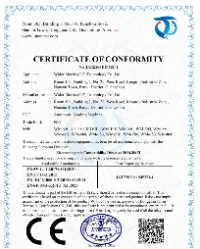
CE
JAT2209011545EC-1
2022.09 – 2027.09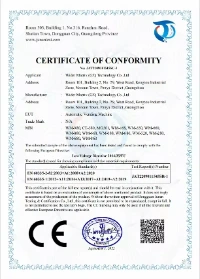
CE
JAT2209011545SC-1
2022.09 – 2027.09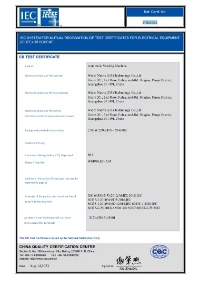
CB
CN61098
2023.08 – 2028.08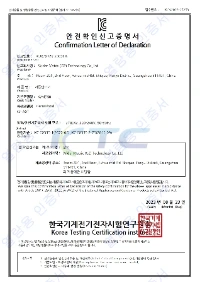
KC
XU070729-23001A
2023.08 – 2028.08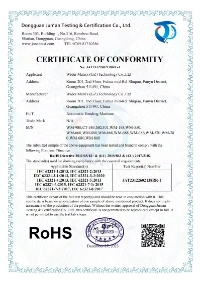
RoHS
JAT23122602138RC-1
2023.12 – 2028.12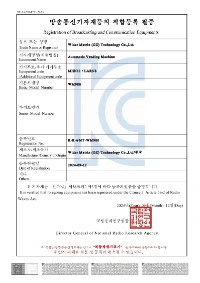
KC
R-R-wMT-WM980
2024.09 – 2029.09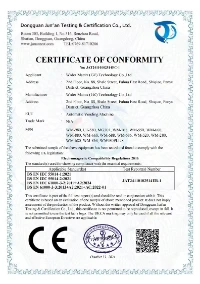
UKCA
JAT24110102514EC-1
2024.10 – 2029.10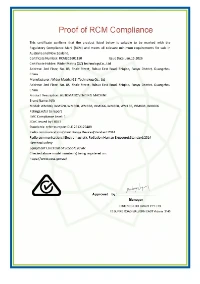
RCM
RCM202601150
2026.01 – 2031.01Company Introduction
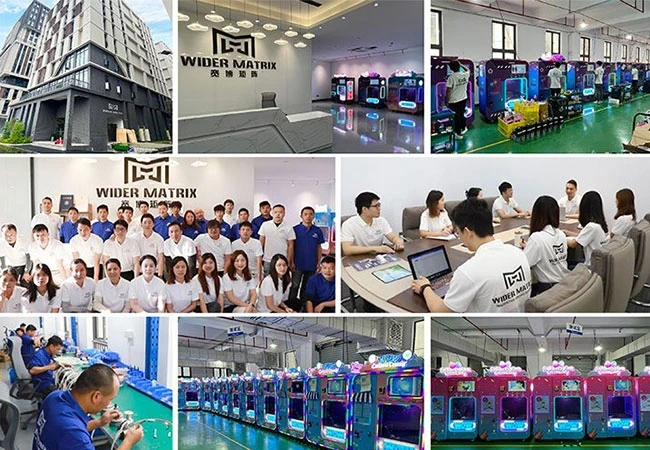
Wider Matrix (Guangzhou) Technology Co., Ltd. is a scientific and technological enterprise that attaches importance to R&D and user experience. We started to research and develop vending machines in 2016, and achieved a leading position in the field of unattended vending machines.
In 2019, we manufactured the first automatic cotton candy vending machine. After testing in domestic market, refining our product for years, the performance of our machines are stable enough and reach the standard for export finally. Till now, our machine has been exported to more than 130 countries.
All machines support remote control, which has the advantages of easy operation, convenient maintenance and high operating efficiency.
Exclusive Services
Overseas Support Service
Local transfer warehouse support, ensuring your operational stability.
Custom Design
We offer machine appearance customization, branding, and large-scale custom packaging services.
Initial Tools & Spare Parts Kit
Machine comes with complementary tools and spare parts kit, including initial consumables package.
Functional Customization & Software Optimization
Custom functionality based on client needs, including hardware and software optimization updates.
Lifetime Technical Support & Updates
We provide lifetime technical support and software update services for all customers.
Frequently Asked Questions
Can any UV printer print on silicone phone cases?
How long does a printed silicone case last?
What's the profit margin on a printed silicone phone case?
Do I need special software to design the prints?
What certifications does the machine need for different countries?
Can I use the machine for other products besides phone cases?
User Reviews
Widermatrix has been so great to work with especially Taylor. Taylor sends pictures and testimonials and data to help the decision process. Once decided the process is smooth and Taylor sends updates with pictures and videos of YOUR phone case vending machine along the way. The claims are real, this automated phone case dispenser is half paid back on my initial invest just after 2 months!
I bought two phone case vending machines, and they have been in operation for over three months and are very stable. The smartphone accessory kiosks have excellent reliability and require minimal maintenance.
This is my first time running a phone case vending machine business and it looks great. The automatic mobile accessory dispenser attracts many customers in my shopping mall location.
We ordered 5 units for our chain of convenience stores across Japan. The build quality is impressive and the custom branding option is a huge plus. Each machine was delivered with our logo perfectly printed. ROI has been excellent so far.
Great machine overall! The printing quality is sharp and the touch screen is very responsive. Only minor issue was the initial WiFi setup took a bit of time, but the support team helped us through it quickly. Would recommend.
Running this machine at a university campus has been a game changer. Students love the instant phone case printing feature. The payment system accepts everything — cards, QR codes, even coins. Very flexible for different markets.
I was skeptical at first but the machine exceeded my expectations. The print speed is fast (about 40 seconds per case) and the quality is comparable to professional printing shops. Already planning to order 3 more units.
Perfect for event venues! We placed ours at a concert hall and it generates consistent revenue. The remote monitoring via the app is fantastic — I can check sales and inventory from my phone anywhere in the world.
Good machine with solid build quality. The steel frame feels durable and the tempered glass front looks premium. Shipping took about 3 weeks to Australia which was reasonable. Customer support is responsive and helpful.
We've been operating this machine for 6 months now at a tourist spot in Dubai. Zero downtime, consistent print quality, and the payment system handles multiple currencies seamlessly. Best investment we've made this year.
Why Choose Us
Why Operators Choose WiderMatrix
See how we compare to the industry average
| Feature | WiderMatrix | Industry Average |
|---|---|---|
| Machine Lifespan | ✓ 2× longer than standard machines | Standard lifespan |
| Maintenance | ✓ Ultra-low cost + remote diagnostics & alerts | High maintenance cost |
| Build Quality | ✓ Premium materials + patented technology | Standard manufacturing |
| Certifications | ✓ CE, UKCA, RoHS, KC, PSE, ISO, FDA (7+) | 1–2 certifications |
| Technical Support | ✓ 24/7 dedicated team + video guidance | Email only |
| AI Management Platform | ✓ Real-time monitoring, analytics & remote control | Basic / no dashboard |
| Software Updates | ✓ OTA lifetime free updates | Paid upgrades |
| Warranty | ✓ 1 year (no part return required) | 3–6 months |

Latest Articles
 NEW
NEW
Smart Vending Machine Net Profit Per Machine Per Month: Real Data for 2026
Anyone looking at a vending machine route eventually lands on the same question: after paying for the machine,...
Oct 19, 2026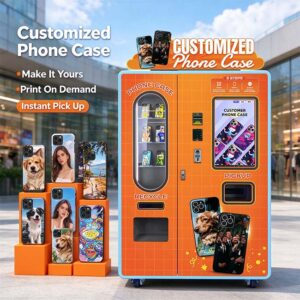 NEW
NEW
Phone Case Vending Machine Wholesale Price: Full 2026 Cost Breakdown
This guide explains what sits behind those numbers, what makes one quote cheaper or more expensive than another,...
Oct 19, 2026 NEW
NEW
Flower Vending Machine to Buy: 2026 Price, Specs & ROI Guide
Flower vending machines are no longer a curiosity you see at an airport and forget. They are becoming...
Oct 19, 2026Popular Picks
 HOT
HOT
Ready to Pack for the Czech Republic
Today is a good day that we are going to send out our package for the Czech Republic....
May 20, 2022 HOT
HOT
Shipping out to America!
These 3 machines will arrive in the USA one month later. Hopefully, it will bring back bulk orders...
May 19, 2022 HOT
HOT
Shipping to America again!
– What is the suggested operation mode?1. Normally our clients buy 2~3 cotton candy vending machines to put in malls...
Jun 13, 2022