


If you run a gym, rec centre, or office tower in Canada and you are tired of watching people leave to buy shakes somewhere else, this guide gives you the numbers in Canadian dollars: machine price, monthly profit, payback time, and the import steps people forget until the machine is already on a ship. Read it, then send Wider Matrix a message through the contact page for a factory direct quote with shipping to your province. It takes two minutes and there is no obligation.
In the middle of January I sat in a strip-mall gym outside Toronto while the owner showed me the empty corner behind his front desk. “People ask for protein shakes every single day,” he said. “And every day I tell them the same thing: the blender broke, or the staff went home, or go buy a tub and mix it in the parking lot.” He had priced out hiring someone to run a shake bar. Then he priced out renting space for a juice counter. Then he found a protein shake vending machine and asked me to tell him whether it made sense in Canada, not California, not Texas. Canada has its own math.
That conversation is this article. You will get the real price of the Wider Matrix WM186 in Canadian dollars, what a unit can earn in a month, which locations pay for themselves fastest, and the import details that trip people up after they have already paid a deposit. No fluff, no hype words. Just the numbers you need to decide.
What a protein shake vending machine actually does
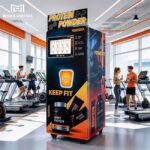
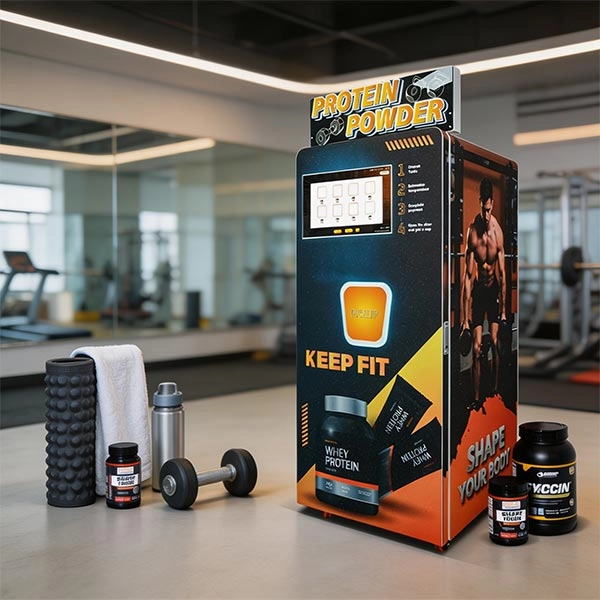
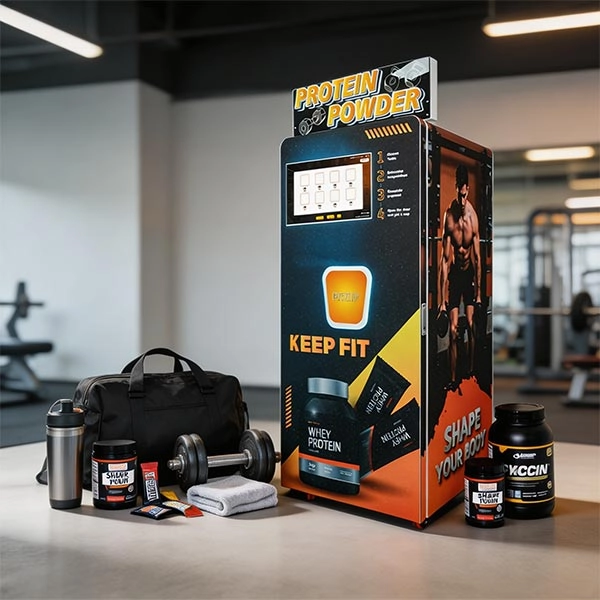
If you have never seen one, a protein shake vending machine is a self-contained kiosk that mixes a fresh shake into a cup on demand. A customer walks up, picks a powder, picks a temperature, taps a card or phone, and about sixty seconds later takes a cup that was mixed inside the machine. No staff, no blender to clean, no expired stock sitting on a shelf for months.
The unit Wider Matrix builds, the WM186, holds seven powder hoppers with four litres each, so one machine can sell whey, plant-based protein, mass gainer, BCAA, creatine, pre-workout, and a custom powder of your choice from the same box. The touchscreen is 21.5 inches and the whole transaction, from browsing to paying, takes under thirty seconds. A customer who has used a modern coffee machine can use this without instructions.
Why Canada is a better market than most people assume
People hear “vending machine” and picture a snack rack in a US gas station. Canada is different, and mostly in the machine’s favor.
Winter is the big one. From November to March, nobody wants to stand in a parking lot waiting for a supplement shop to open. But people still train. Gyms in Canada run packed classes in January and February, and the walk back to the car is cold, so a shake sold inside the building at 7 PM on a Tuesday beats a trip anywhere else. The WM186 also has three temperature zones, cold, room temperature, and hot, so the same machine sells iced shakes in July and hot protein drinks in January. Operators in cold climates tell me the hot zone alone moves units through winter.
Canadian gym culture helps too. Big chains and independent 24-hour gyms both leave their doors open around the clock, and front-desk staff are not always there to serve food. A machine that takes NFC taps, credit and debit cards, Apple Pay, Google Pay, WeChat Pay, and Alipay removes the cash problem entirely. Canadians tap for everything, and the machine’s payment stack, built on Nayax and Pax with the universal MDB protocol, matches how people here already pay.
What a protein shake vending machine costs in Canada
Here is the number people search for and rarely get straight: a protein shake vending machine costs US$4,150 factory direct from Wider Matrix. At the exchange rates of this writing, that lands around CAD$5,700 before shipping, and you should budget extra for freight, customs clearance, and provincial sales tax where it applies. GST and HST treatment varies by province, so run the import through an accountant before you commit.
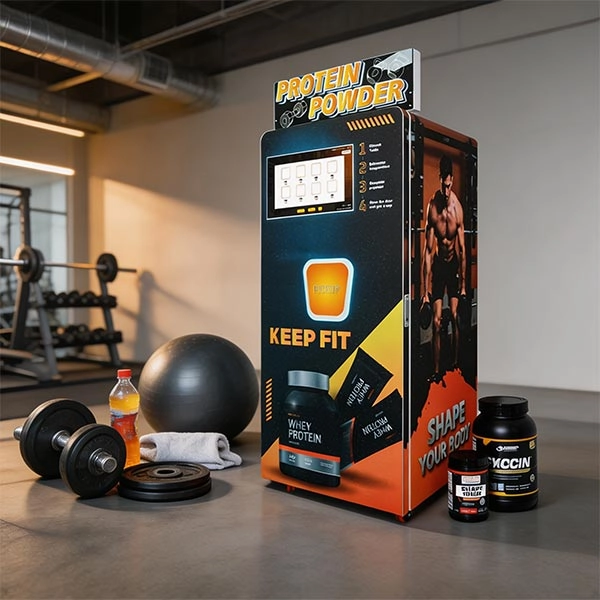
Is that expensive? Compare it to the alternatives. A staffed smoothie counter costs you rent, wages, insurance, and training before the first cup sells. This machine runs unattended 24/7, cleans itself after every cup, and reports its own sales and inventory over the cloud. If you want a broader look at what machines generally run in Canada, read our guide on how much a vending machine usually costs, and if you want a shipping estimate for your province, message Wider Matrix directly. They quote export orders every week and can tell you exactly what the landed cost looks like for a Canadian address.
One honest warning before the profit math: the US$4,150 price is factory direct, which is the whole point of buying from a manufacturer. Resellers who import a unit and add markup routinely quote US$7,000 or more for the same machine. Keep that number in your head when someone sends you a quote.
What it earns once it is running
Now the part everyone actually cares about. The WM186’s gross margin lands between 60 and 75 percent, and the payback period Wider Matrix publishes is one to three months. Here is the math table they use, with the machine priced at US$4,150:
| Daily sales | Price per cup | Daily revenue | Daily profit | Monthly revenue | Payback |
|---|---|---|---|---|---|
| 15 cups | $4.00 | $60 | $45 | $1,350 | About 3 months |
| 30 cups | $5.00 | $150 | $120 | $3,600 | About 1 month |
| 50 cups | $5.00 | $250 | $200 | $6,000 | Under 1 month |
| 80 cups | $6.00 | $480 | $400 | $12,000 | Under 1 month |
Cup pricing depends on your market, but the consumable cost per cup runs US$0.80 to US$1.50, around US$1.20 on average, and typical retail prices sit at US$3.00 to US$8.00 per cup. In Canadian dollars that works out to roughly CAD$4 to CAD$11 on the shelf with material costs around CAD$1.10 to CAD$2.00 a cup. A commercial gym with 500 or more members sells 40 or more cups a day on average. That is not a fantasy number, it is what the venue data shows.
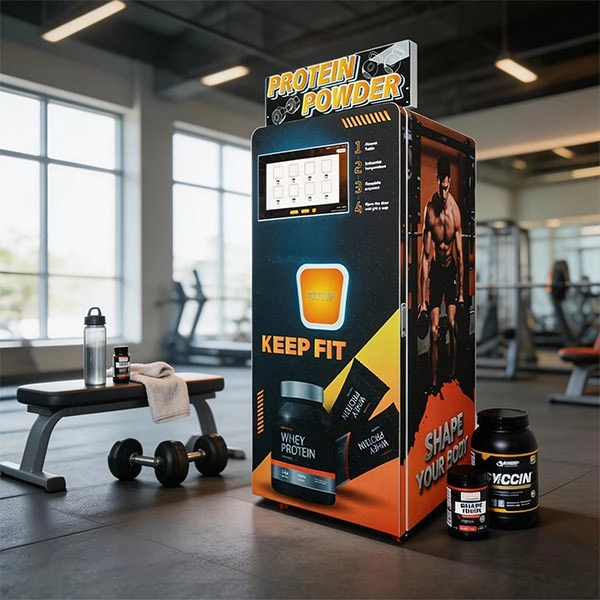
Wider Matrix also publishes a real operating case from a mid-size gym in Miami: 45 cups a day at US$5.50 retail, US$1.20 material cost, US$193 in daily profit, about US$5,800 a month, a 78 percent gross margin, and full payback in three months. A similar gym in Vancouver or Calgary will not sell fewer shakes because of the maple syrup jokes, and if you want to check the underlying economics of vending as a business, our breakdown on how profitable vending machines actually are goes deeper.
Where these machines earn the most in Canada
Location decides everything. The machine is the same; the traffic is not. Based on the venue data Wider Matrix tracks across its installations, here is what different Canadian-style locations tend to do:
- Commercial gyms with 500+ members: 40+ cups a day, the safest bet in the country.
- University sports centres: 80+ cups a day at peak. Campus rec buildings in Canada are full from 6 AM to midnight, and students are the heaviest supplement buyers there are.
- Corporate fitness centres: lower volume, higher pricing, and nobody argues about a $7 shake on a company wellness budget.
- Hotel fitness centres: steady 24/7 revenue with almost zero competition in the building.
- Sports complexes and hockey arenas: 60+ cups on game and event days, and parents will pay US$6 to US$8 a cup without blinking.
- CrossFit and boxing clubs: lower raw volume but the strongest brand fit, and Wider Matrix can co-label the machine with the club’s logo and recipes.
If you want a full process for scouting spots, our guide on how to find locations for vending machines walks through foot-traffic checks and landlord agreements, and it applies to Canada without changes. Self-service food machines are catching on across the country, and Canadian buyers weighing other categories can start with our self-service ice cream vending machine guide for Canada.
What you actually get with the WM186
Since you are likely comparing machines, here is what separates the WM186 from a repurposed drink dispenser. Wider Matrix built it specifically for protein powder, which is harder than it sounds. Powder clumps, pipes contaminate, and portions drift. Their patented in-cup mixing injects the powder directly into the disposable cup, so there is no pipe to foul and no clumping between servings. After every cup, the machine runs an automatic high-temperature self-cleaning cycle, which is the difference between a machine that passes a health inspection and one that does not.
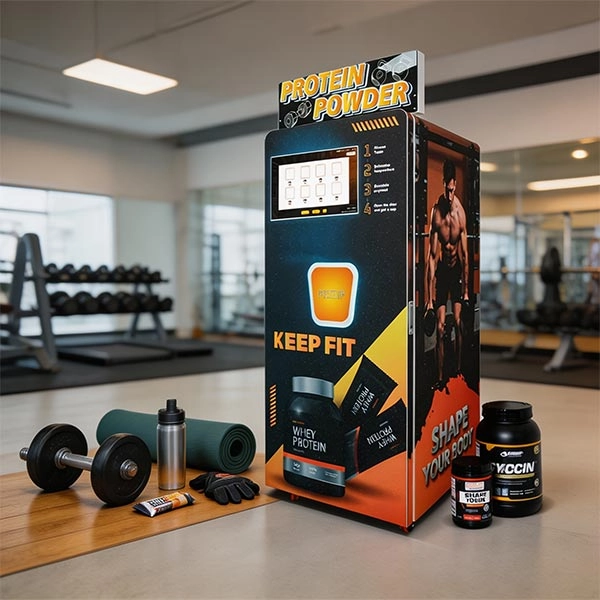
Operationally, the unit is designed to be run from a phone. The IoT cloud management lets one operator watch sales, inventory, and equipment health across 50 or more machines from a single dashboard. Faults trigger automatic self-diagnosis alerts to your phone and to the Wider Matrix after-sales team before a customer ever sees an error screen. Recipes and promotions can be pushed over the air, so changing your menu in January does not require a technician visit. The machine is CE certified and built for 24/7 unattended operation.
If you want the full breakdown of the WM186, including what it costs and how it works in a gym setting, we wrote a dedicated guide on the WM186 for gyms, and if you are comparing Chinese manufacturers, our article on what to look for in a protein vending machine manufacturer is worth reading before you wire any money.
The Canadian details nobody warns you about
Most of the guides you will find online are written for American buyers, so here are the Canada-specific things that actually come up:
Voltage.
Canada runs 120V/60Hz at the wall. Chinese-built machines often default to 220V, so confirm the 120V version when you order. Wider Matrix exports to North America regularly and knows exactly which configuration your province needs, but you have to ask for it, not assume it.
French-language interface.
If your machine sits in Quebec or serves a bilingual clientele, the touchscreen needs to be in French. Because the WM186’s content is fully customizable and updatable over the air, Wider Matrix can set the interface up for French markets when you order. Again, ask before you buy.
Interac and tap.
Canadian customers will not carry cash for this. The machine already handles NFC, cards, Apple Pay, and Google Pay through Nayax and Pax, so Interac tap works out of the box.
Winter placement.
Keep the machine indoors. A machine bolted to an unheated loading dock will not thank you. Inside a gym lobby or rec-centre hallway it runs year round, and the hot temperature zone becomes your winter best-seller.
Provincial sales tax.
Alberta has no PST, Ontario has HST, Quebec has its own rules. Price your cups after tax, not before, or your margin math drifts. A local accountant can settle this in an afternoon.
Buy from the manufacturer, not a middleman
If you have read this far, you already know the biggest cost mistake: buying through a reseller. Wider Matrix is the factory, which is why the WM186 is US$4,150 and not US$7,000. Buying direct also means your warranty, spare parts, and after-sales support run through the people who built the machine, and for a piece of equipment that will sit in a lobby for years, that matters more than the logo on the quote.
Wider Matrix is a vending machine manufacturer with its own factory, and you can check the company’s background on their about page. If you are new to importing from China, their guide on finding a reliable vending machine manufacturer in China explains exactly what to verify, from certifications to payment terms.
FAQ
How much does a protein shake vending machine cost in Canada?
The Wider Matrix WM186 costs US$4,150 factory direct, roughly CAD$5,700 at current exchange rates before shipping and import costs. Resellers often charge US$7,000 or more for the same machine, so ask for a factory direct quote with shipping to your province.
Is a protein shake vending machine profitable in Canada?
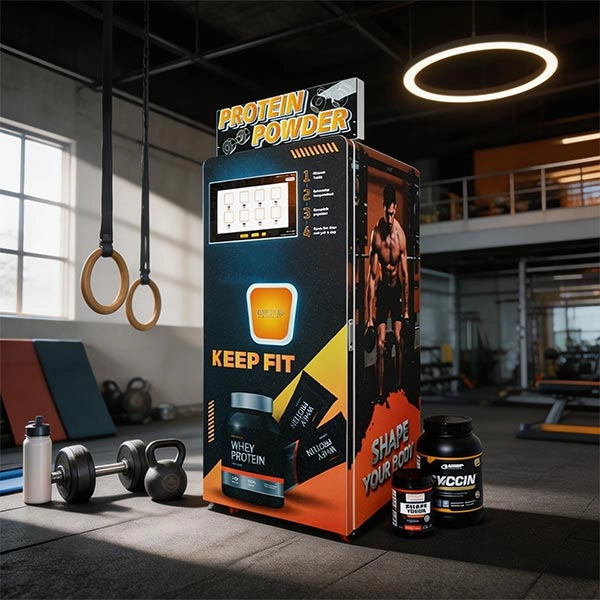
Gross margins run 60 to 75 percent with payback typically between one and three months. A commercial gym with 500+ members averages 40+ cups a day, and a published operating case shows a mid-size gym clearing about US$5,800 a month after material costs.
Does the machine work in Canadian winters?
Yes, when placed indoors. The WM186 has three temperature zones, cold, room temperature, and hot, so it sells cold shakes in summer and hot protein drinks in winter. Keep it in a heated lobby or hallway, not on an unheated dock.
Can customers pay with Interac, credit cards, or Apple Pay?
Yes. The machine accepts NFC tap, credit and debit cards, Apple Pay, Google Pay, WeChat Pay, and Alipay through Nayax and Pax, with the universal MDB protocol for future payment upgrades.
What powders can I sell from one machine?
Seven hoppers hold four litres each, so you can run whey, plant-based protein, mass gainer, BCAA, creatine, pre-workout, and one custom powder of your choice, including your own branded blend.
Can the touchscreen be set to French for Quebec?
Yes. The interface content is fully customizable and can be updated over the air, so Wider Matrix can configure the machine for French markets when you place the order.
How do I get a shipping quote for Canada?
Message Wider Matrix through the contact page with your province and venue type. They export to North America regularly and can give you a landed-cost estimate including freight and customs guidance.
Ready to run the numbers for your location?
You now have the price, the profit math, the placement strategy, and the import checklist. The only number left is the one for your specific building, your foot traffic, and your province’s taxes, and that is a conversation, not an article. Send Wider Matrix a message through the contact page, tell them what kind of venue you have and where, and ask for a factory direct quote with shipping to Canada. While you wait, their guide on starting a protein vending machine business covers the operating side, and US-based readers comparing their own market can start with our protein shake vending machine guide for the USA. The machine pays for itself in months when the location is right. The question is only whether your location is right, and that is easy to find out.