


Most guides tell you vending machines are a goldmine. This one shows you the math that actually decides whether you make money: real machine costs, real margins, and real payback periods from a manufacturer that has shipped to 130+ countries. Read it now, and when you are ready to talk numbers, send us your location and foot-traffic estimate. We will reply within 1 hours with a machines-and-profit projection built for your market.
That question gets asked a lot, and the honest answer is not a straight yes or no. It depends on the machine, the location, and whether you treat it like a business or like a lottery ticket. People who lose money in vending usually lose it the same way: they buy a machine before they know the numbers, and they put it in a spot that never gets traffic. People who make money tend to do the opposite.
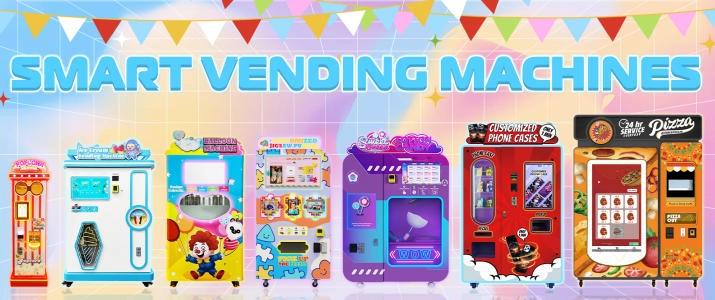
I work at Wider Matrix. We manufacture nine different types of vending machines and ship them to operators in more than 130 countries. That puts me in a useful position. I see the actual sales data, the margins, and the payback periods, not the marketing brochures. So in this article I am going to give you the honest breakdown for 2026, machine by machine, with real prices and real profit math instead of guesswork. If you want the deep dive on specific models, Wider Matrix has published operator guides for ice cream machines and cotton candy machines that go into the daily numbers.
Let me start with the summary so you have the answer before the details. Yes, owning a vending machine can be profitable in 2026, but the profit range is wide. Some operators clear their machine cost in two months. Others are still paying it off two years later. The difference is not luck. It is location fit, margin math, and a rule that most new operators ignore.
What the profit numbers actually look like in 2026
Profit in vending is not what you charge versus what the machine costs. It is what you charge minus the consumables, minus the location agreement, minus the time you spend restocking and fixing things. Most people only count the machine price and then wonder why the real number is lower.
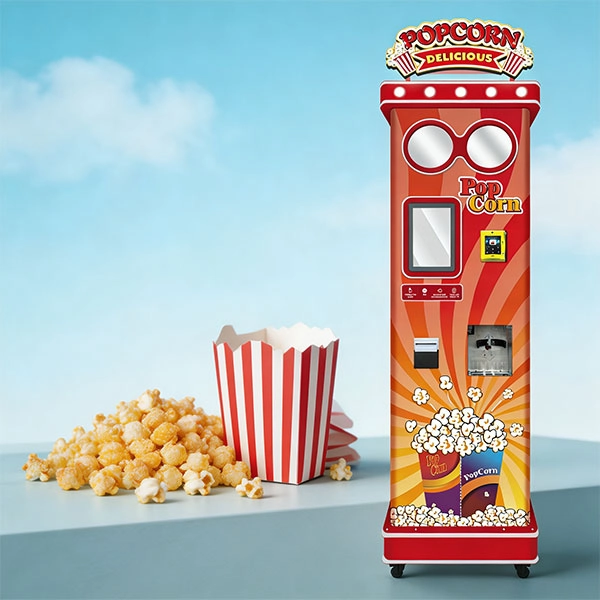
Here is where the range shows up. Our popcorn machine starts at $1,800. Buy that, put it in a busy cinema lobby, sell cups at $3, and the gross margin per cup is high because a 40-gram serving costs very little to make. That machine can pay back its cost in a few months if the location delivers. Put the same machine in a quiet office break room and it sits there for years.
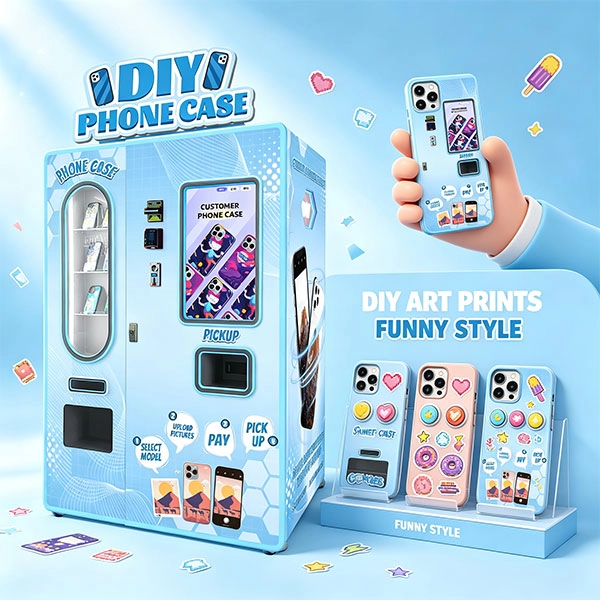
The higher-priced machines reward you differently. A phone case printing machine at around $5,999 is a bigger bet, but the margin per sale is much larger. A custom-printed phone case sells for $15 to $35 and costs a fraction of that in materials. So one machine in the right mall can generate more profit than three cheap machines in the wrong places.
That is the core idea you need to hold onto: the machine cost matters less than the margin per sale and how many sales the location can sustain.
Nine machine types and their profit reality for 2026
Wider Matrix builds the machine types below. I will give you the starting price, the realistic margin per sale, and the kind of location where each one tends to earn.
| Machine | Model | Starting price | Typical per-sale price | Where it earns best |
|---|---|---|---|---|
| Popcorn | WM680 | $1,800 | $2-4 | Cinemas, malls, stations |
| Balloon | WM688 | $3,200 | $2-5 | Zoos, family venues |
| Cotton candy | WM980 | $4,800 | $2-5 | Parks, events, malls |
| Protein shake | WM186 | $4,150 | $4-8 | Gyms, fitness centers |
| Ice cream | WM550 | $5,799 | $3-6 | Malls, tourist spots |
| Phone case | WM880 | $4,999 | $15-35 | Malls, high-footfall retail |
| Nail printer | WM860 | $5,800 | $10-25 | Malls, salons |
| Puzzle | WM520 | $5,550 | $15-30 | Toy stores, tourist areas |
| Pizza | WM660 | $8,250 | $7-12 | Transport hubs, 24-hr areas |
Notice the pattern. The machines with higher per-sale prices generally need less daily volume to break even, which matters if you cannot guarantee a massive crowd. The cheap machines need high volume because each sale earns so little.
The margin almost nobody checks before buying
Here is the rule that separates profitable operators from the rest: calculate the margin per sale before you buy, not after. New operators tend to look at the machine price and the sales price and stop there. The margin is what actually pays for everything.
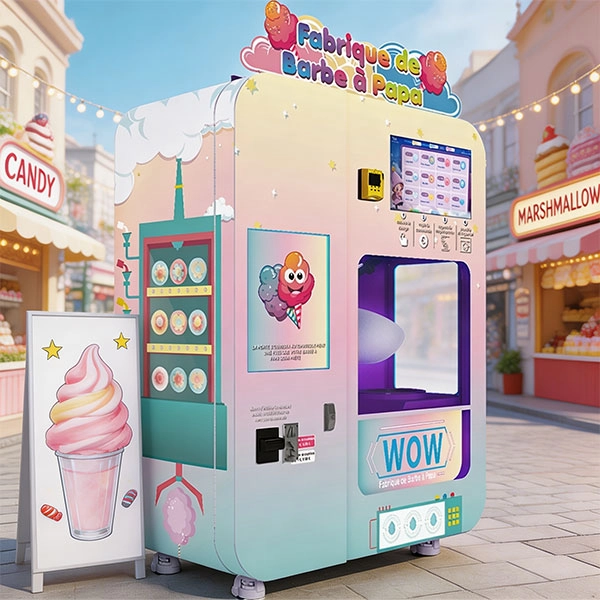
Let me use the cotton candy machine as an example. A candy sells for $2 to $5. The sugar and stick cost well under a dollar per candy, especially when you buy sugar in volume. Wider Matrix sells cotton candy sugar from about $3.25 a bag down to $2.75 a bag depending on quantity, and each candy uses 28 to 30 grams. That leaves a gross margin of 80 to 95 percent per sale on the product itself.
That is a healthy number. But notice the word gross. I have not subtracted the venue’s revenue share, which is common, or your restocking time. In a mall you might give up 15 to 30 percent of revenue. That cuts into the margin fast. A machine that looks great on paper can turn average once you add the venue cut and your own labor.
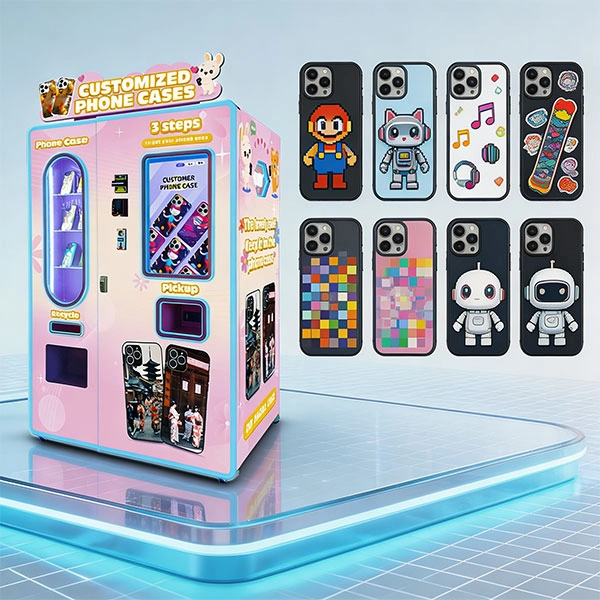
For custom-printed items the margin story is even better but the complexity is higher. Our phone case machine produces a case with strong profit per unit because personalization is worth a premium. The catch is the machine needs regular ink and plate maintenance, and the customer takes time to print, so throughput per hour is lower than a popcorn machine. You trade pure volume for higher value per sale.
Before you invest, run this simple math: expected sales per day, times margin per sale, minus venue share, minus consumables, minus your time. That number is your daily profit. If it does not clear the monthly machine payment plus your hourly rate, the machine is not profitable no matter how good the margin looks.
How location decides whether it earns
The best machine in the world will not save a bad location. Foot traffic is the single biggest variable in vending profitability, and it is the one thing you cannot fix after you sign the agreement.
The locations that tend to perform in 2026 are the ones where people already spend money and have time to wait. Mall food courts, cinema lobbies, amusement parks, gym reception areas, and transport hubs. These are places where the customer is already in spending mode and standing around. Compare that to a quiet hallway where people walk through at speed and never stop.
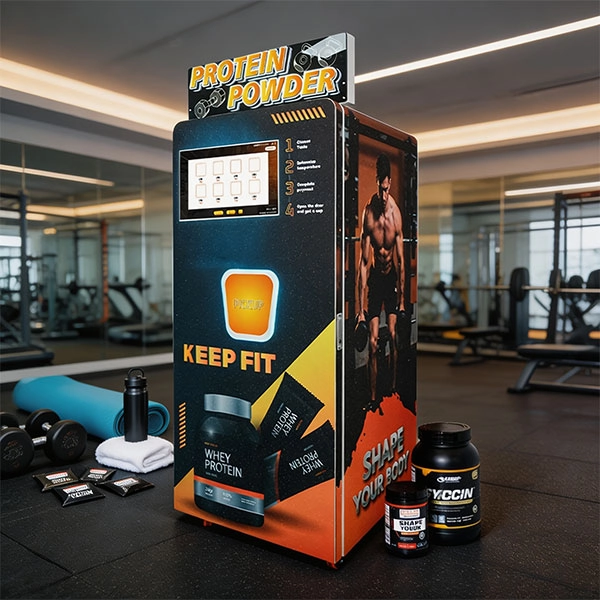
Audience match matters as much as volume. A protein shake machine does well outside a gym because the people there care about protein. Put it in a cinema lobby and the crowd has different priorities. A cotton candy machine sings outside an amusement park because families with kids are a captive audience, but the same machine in an office building will sit silent.
You also need the venue to support the machine physically. Ice cream units pull 3000W and pizza machines up to 8500W. Those need dedicated circuits. I have heard from operators who placed a pizza machine only to discover the venue’s shared circuit tripped every time the kitchen used a microwave. That is a profitability killer that has nothing to do with the machine itself.
When you talk to a venue, arrive with a one-page proposal: a photo of the machine, your revenue-share offer, and a maintenance plan. Venue managers respond to operators who look prepared. If you want guidance on finding a reliable partner, our guide to choosing a vending machine supplier covers what to check.
Restocking, upkeep, and the hidden cost of time
Vending is not the passive income the YouTube videos promise. You can get it down to a few hours a week, but only after you build systems. Early on you are driving to locations, refilling consumables, checking the payment system, and wiping down the machine.
For most of our machines a single restock takes 15 to 30 minutes. A busy cotton candy unit in a mall might need attention twice a week. A protein shake machine in a smaller gym might go a week. The IoT dashboard on every Wider Matrix machine lets you check sales and inventory remotely, so you visit when the data says you should, not on a guess.
Consumables are a real recurring cost that surprises first-time operators. Popcorn cups cost about $0.10 to $0.12 each and you go through them fast. Ice cream cups run similar. Balloons and sticks for the balloon machine drop from $0.30 each to $0.10 each as you buy more. The margin you calculated earlier has to absorb all of this, so buy consumables at the volume breaks to protect your profit.
The machines that print or dispense custom products need more care. A phone case printer uses ink and needs occasional print-head attention. A nail printer cures each set with UV and needs the ink system monitored. These higher-maintenance machines earn more per sale, so the extra time is often worth it. But understand the trade before you commit.
Insurance and taxes: the business side nobody mentions
Profitability goes beyond a simple revenue minus costs equation. You also need to think about insurance, taxes, and how you structure the business. Many operators skip these and then get surprised.
Business insurance for a vending operation is usually modest. You are covering liability if someone gets hurt near the machine or the machine damages property. Some venue agreements require the operator to carry it, so check your contract. The cost is small relative to the machine, but it belongs in your math.
How you pay tax on vending income depends on where you live and how the business is registered. Cash or card? Most modern machines run cashless, which means the payments flow through a processor and are traceable. That is good for accounting but it means you cannot hide income, so plan your taxes accordingly. Our machines support card, NFC, Apple Pay, Google Pay, WeChat, Alipay, and QR payment, and they connect through standard MDB protocol to processors like Nayax and Pax.
If you register the business properly from the start, you can deduct the machine depreciation, consumables, fuel for restocking trips, and venue fees. That makes the taxable profit lower than the gross revenue, which is a real advantage if you keep records.
Scaling to more than one machine
Most profitable operators do not stop at one machine. They scale, but they scale carefully. The habit that works best is clustering. Place several machines in the same geographic area so one restocking trip covers multiple units. That turns a cost center into an efficient route.
Operators who grow successfully also standardize. They use the same consumable supplier, the same payment processor, and the same restocking checklist everywhere. That removes the chaos of managing several different supply chains and lets the IoT dashboard tell them which machine needs attention today.
Some operators specialize in one machine type across many locations. Others run a mixed fleet. Both models work. The operator who fails is the one who adds machines faster than they can reliably service them, because a machine that is out of stock or broken is a machine that is losing money.
If you want the numbers on which machine types tend to earn most, our piece on the most profitable vending machine types goes deeper into the data behind the comparisons below.
Is it profitable in 2026?
Yes, owning a vending machine can be a profitable business in 2026, and the numbers above show the range. But profitable is a target you hit with math and location selection, not a guarantee you get by buying a machine.
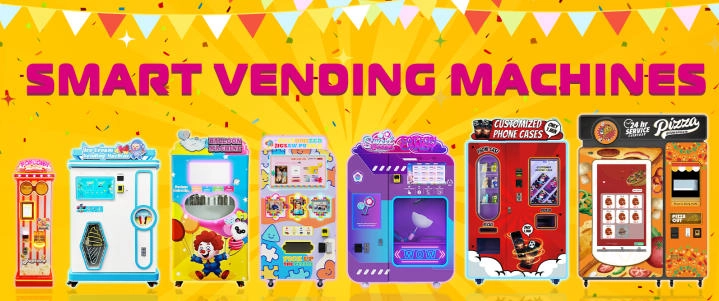
The profitable operators I have worked with share the same habits. They do the margin math before they buy. They lock down a location with real foot traffic before they commit. They buy consumables at volume. They track remote sales data instead of guessing. They scale one machine at a time. None of that is complicated, but all of it is where the profit actually comes from.
The unprofitable operators skip those steps and then blame the industry. In 2026 the vending business favors the prepared. If you do the work, the machines can do the selling.
If you want to check the math for your own situation, Wider Matrix will build you a profit projection. Send us your target location and expected foot traffic, and we will come back with the machine options, the consumable costs, and the payback estimate for your market. You can also read how much operators actually make to see the range before you commit.
Frequently Asked Questions
Is owning a vending machine profitable in 2026?
It can be, with payback anywhere from two months to over a year depending on machine type and location. The profitable range comes from high-margin machines in high-foot-traffic spots. Low-volume machines in weak locations lose money.
How much money can one vending machine make?
It varies by machine and location. A cotton candy machine doing solid mall volume can generate strong monthly profit after costs. A protein shake machine selling 15 cups a day at $4 each creates meaningful gross profit before venue share. High-margin custom printers like phone case machines can earn more per sale at lower volume.
What is the profit margin on a vending machine?
Gross product margins can reach 80 to 95 percent on items like cotton candy and custom-printed products. Net profit is lower once you subtract venue revenue share, consumables, restocking time, and the occasional repair. Most viable operations work on a healthy net margin after all costs.
How much does it cost to start a vending machine business?
Wider Matrix machines run from $1,800 to $9,600 depending on the model, plus several hundred dollars in initial consumables and location costs. A realistic start-up budget is $2,500 to $10,000 for the first machine, with most operators landing between $4,000 and $6,000.
Which vending machine is most profitable?
Custom-printed products like phone cases and nail prints carry the highest margins per sale, while higher-volume snack machines need bigger crowds. The most profitable choice depends on your location’s foot traffic and what the audience will buy. Wider Matrix can walk you through which model matches your site before you commit.
Do vending machines pay a revenue share to the venue?
Often yes. A mall or venue commonly takes 15 to 30 percent of revenue as a placement fee. You have to factor that into the profit math or it will quietly cut your margins.
Can I run a vending machine business part-time?
Yes. With remote IoT monitoring and a simple restocking routine, one or two machines can be managed in a few hours a week. It gets easier once you standardize the process and cluster machines geographically.