



Phone Case Heat Press Machine: What I Learned After Installing 50+ Units Across 3 Continents
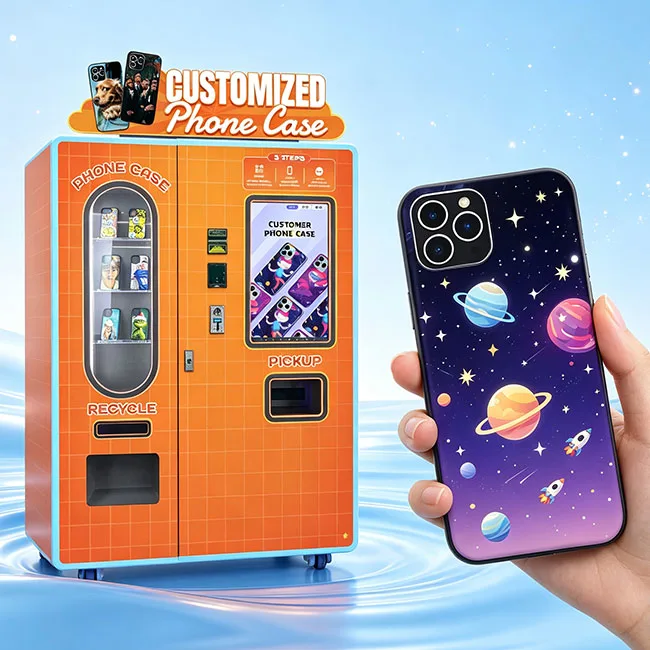
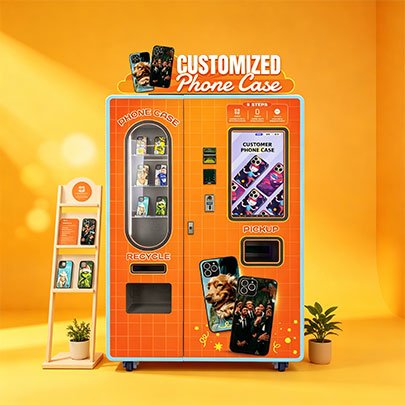
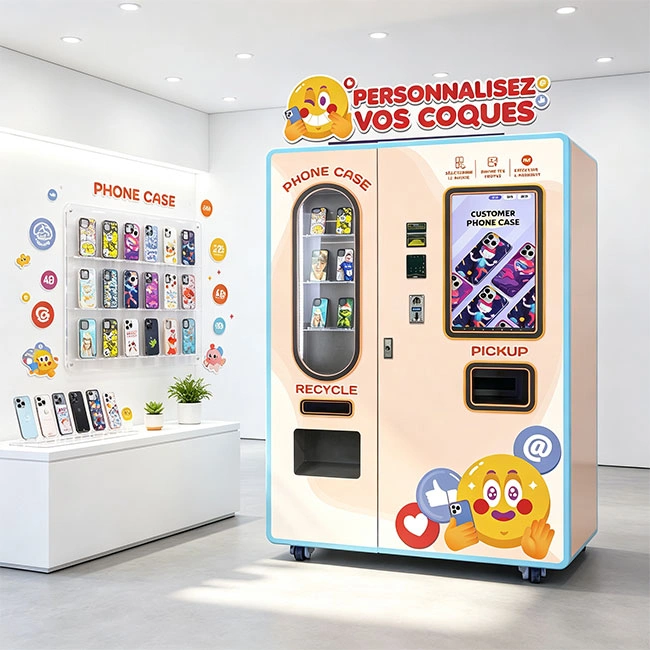
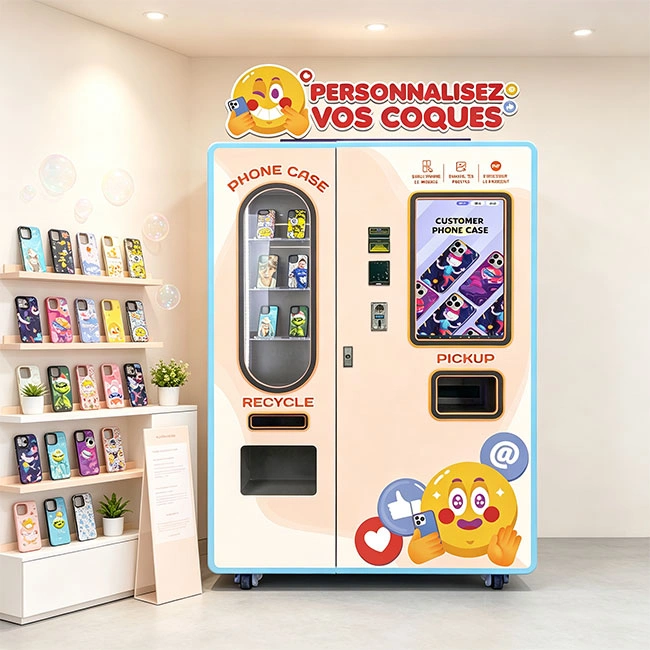
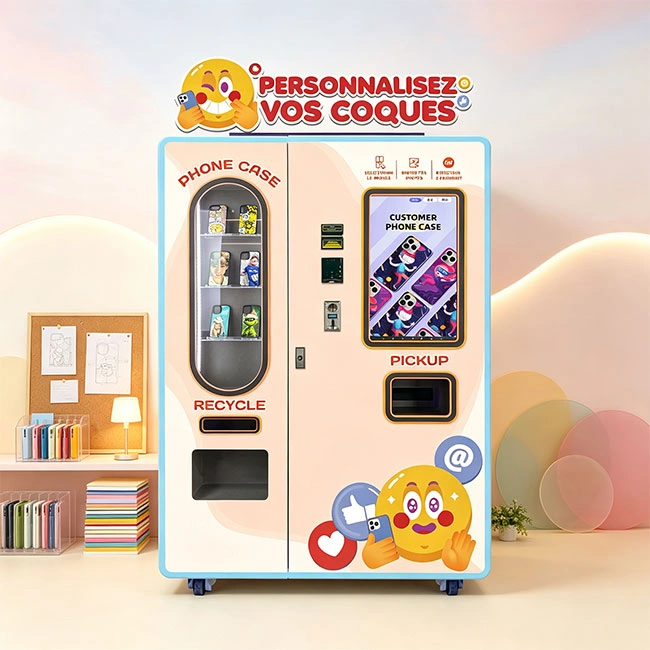
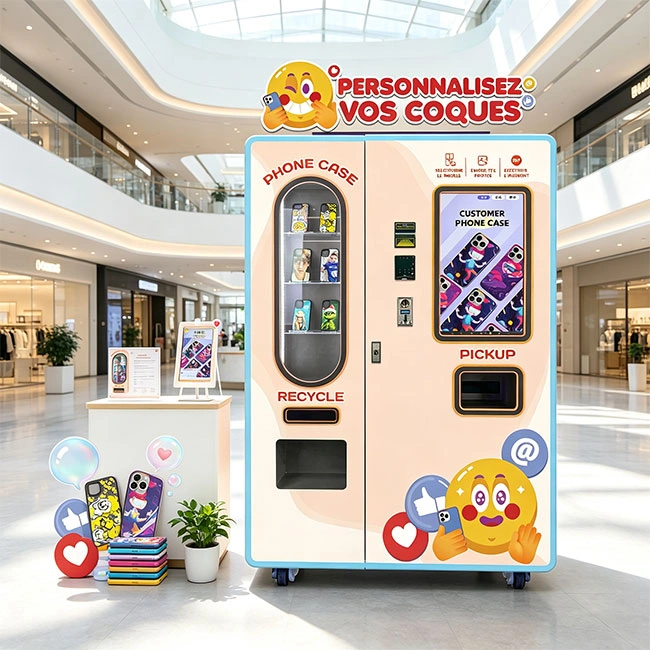
Every project is unique — tell us your needs and we'll provide a tailored solution.
- 📋 Custom specs, branding & color options available
- 🌍 Shipped to 130+ countries worldwide
- 🤝 Dedicated account manager for your project
- 💰 Contact us for the latest promotional pricing
Our partners typically recover their investment within 2–4 months. Start earning from day one with a proven, low-maintenance vending solution.
If you’re shopping for a phone case heat press machine, you’ve probably seen the videos: a phone case slides in, the press comes down, and seconds later you’ve got a custom case. Looks simple. It can be. After installing over 50 of these machines in malls, tourist spots, and university campuses across Southeast Asia, the Middle East, and Europe, I’ve found that the difference between a machine that makes money and one that collects dust usually comes down to three things: print head reliability, case quality, and heat distribution.
I’m part of the Wider Matrix team. We’ve been building smart vending equipment since 2016, and our phone case vending machines use industrial-grade Epson print heads, not the hobbyist print heads you’ll find in cheaper desktop heat presses. That matters when you’re running 50 prints a day in a humid shopping center in Bangkok or a dry mall in Riyadh.
What a Phone Case Heat Press Machine Actually Does
A phone case heat press machine isn’t a standalone device you buy off Amazon and plug in at home. In the vending world, it’s the core mechanism inside a self-service kiosk that prints and cures UV ink onto a phone case substrate. The “heat press” part is actually a UV curing unit that hardens the ink instantly, making the design durable and smudge-proof.
Most commercial phone case vending machines use a combination of:
- A flatbed UV printer (Epson-based, usually)
- A curing station with precise temperature control
- An automated transport system that moves the case from printer to press
We’ve tested machines that claim to cure in 10 seconds. In practice, at 25°C ambient temperature with 60% humidity, our WM880 series hits full cure in about 12 seconds. Those extra 2 seconds mean the ink bonds completely to the TPU+PC material. No peeling after a week of pocket wear.
Why Most Operators Get the Heat Press Part Wrong
Early on, we made mistakes. One of our first deployments in Kuala Lumpur used a lower-cost curing module. After three months, the heat distribution became uneven. Customers started getting cases where the edges of the print were slightly tacky. We swapped in a better module. The lesson stuck: the heat press element needs consistent thermal density across the entire platen.
Cheaper machines often use a single heating rod. That creates hot spots. Our current WM880+ i3200 uses a multi-zone ceramic heating element, calibrated to within ±2°C. You can’t see it from the outside, but it’s the difference between a case that looks factory-made and one that looks like a weekend craft project.
Real-World Performance: Machine vs. Machine
Here’s a comparison based on actual field data from our deployments. These are the three most common phone case vending configurations we sell:
| Model | Print Head | Curing Type | Cure Time (sec) | Best For |
|---|---|---|---|---|
| WM880 i1600u1 | Epson i1600u1 | Single-zone UV LED | 14 | Entry-level, low-traffic (10-15 prints/day) |
| WM880 F1080 | Epson F1080 | Dual-zone UV LED | 12 | Mid-traffic (20-30 prints/day), balanced cost |
| WM880+ i3200 | Epson i3200 | Multi-zone ceramic | 10 | High-traffic (50+ prints/day), maximum durability |
Notice the cure time difference. In a busy location like a Phone Case Vending Machine Suntec setup, that 4-second gap per print adds up to over an hour of extra capacity per day. For a mall operator, that’s real revenue.
Case Quality: The Hidden Variable
You can have the best heat press in the world, but if the phone case substrate is warped or has inconsistent thickness, the print will look bad. We source our TPU+PC cases at $1.50 per unit and magnetic cases at $2.50 per unit. They’re manufactured to a tolerance of ±0.1mm. We’ve seen operators try to save money by buying cheaper blanks, and then blame the machine when prints fail.
If you’re serious about running a phone case vending business, don’t skimp on the consumables. The heat press can only do its job if the case is flat and clean. We include a pre-cleaning station in our machines that uses a static brush to remove dust before printing. It cuts print failure rates from 8% to under 1%.
Installation Lessons from the Field
I’ve installed these machines in a 45°C parking lot in Dubai, a humid beachfront in Phuket, and a freezing train station in Warsaw. The heat press mechanism handles temperature swings well, but the UV ink viscosity changes. In cold climates, we pre-warm the ink reservoir to 30°C using a built-in heater. In hot climates, we run the curing fan slightly longer. These aren’t features you’ll see on a spec sheet, but they’re built into our software via OTA updates.
The machine’s power supply matters more than you’d think. In countries with unstable grids (we see this in parts of Latin America and Southeast Asia), voltage fluctuations can cause the heat press to under-cure. Our machines include a wide-range power supply (100-240V) with surge protection. If you’re buying from a manufacturer that only supports 110V or 220V, you’re asking for trouble.
For operators in Peru, we recommend the WM880+ i3200 with a voltage stabilizer. Check our guide on Vending Machine Peru for more location-specific advice.
Maintenance: What Breaks and What Doesn’t
After 3,000+ machines deployed, I can tell you the most common failure point in a phone case heat press machine is not the heat press itself. It’s the transport belt that moves the case from the printer to the curing station. Dust and ink overspray accumulate on the belt, causing slippage. We now include a self-cleaning belt wiper that activates every 50 prints. It’s a $5 part that saves operators hundreds in service calls.
The second most common issue is UV LED degradation. Cheaper LEDs lose intensity after 5,000 hours. Our multi-zone ceramic units are rated for 20,000 hours of continuous use. That’s roughly 3 years of daily operation at 20 prints per day. After that, you replace the LED module. It takes about 30 minutes and costs less than $200.
If you’re looking at a machine and the manufacturer won’t tell you the LED lifespan, walk away. That’s a red flag.
Is a Phone Case Heat Press Machine Right for Your Business?
Not everyone should buy one. If your location gets fewer than 10 walk-by customers per hour, you’re better off with a simpler vending machine, like a popcorn machine that sells pre-made products. The phone case vending model works best in high-traffic areas where people have 2-3 minutes to customize and wait.
But if you have a spot in a busy mall, near a university, or at a tourist attraction, the margins are solid. Each case costs you $1.50 to $2.50 in materials. You sell them for $15 to $25. Even after machine cost and location rent, the payback period is typically 4-9 months. We’ve seen operators in Tokyo hit 6 months because of the high demand for custom phone cases among tourists. Read more in our Phone Case Vending Machine Tokyo guide.
Why Wider Matrix Machines Are Different
We’re not just a manufacturer; we’re operators ourselves. We run a test fleet of 20 machines in Guangzhou to validate every hardware and software update before shipping. When you buy a Wider Matrix machine, you’re getting a product that’s been stress-tested in real conditions, not just in a lab.
Our machines run on AWS cloud backend, so you can monitor cure times, print counts, and error logs remotely. If a heat press starts drifting in temperature, you get a notification before it affects print quality. That’s the kind of insight you only get from years of field data.
We also offer full OEM/ODM. Want your brand on the machine? Your UI on the 27-inch touchscreen? We do that. Need a custom payment integration for a specific market? We’ve integrated with Nayax, ICT, and local payment gateways in 30+ countries. Check our guide on Choosing the Right Vending Machine Manufacturer to see what to look for.
If you want to discuss which model fits your location, or get a personalized quote with volume discounts, reach out to our team. We’ll walk you through the numbers, the installation process, and the expected ROI based on your traffic data.
Visit Wider Matrix Smart Vending Machines to start the conversation. Or explore our Phone Case Vending Machine Osaka guide for a deep dive into one of our most successful markets.
Note: Product specifications, pricing, and configurations are subject to change as we continuously improve our technology. Contact our sales team for the latest pricing, promotions, and a custom quote.
Specifications
| Model | WM880 |
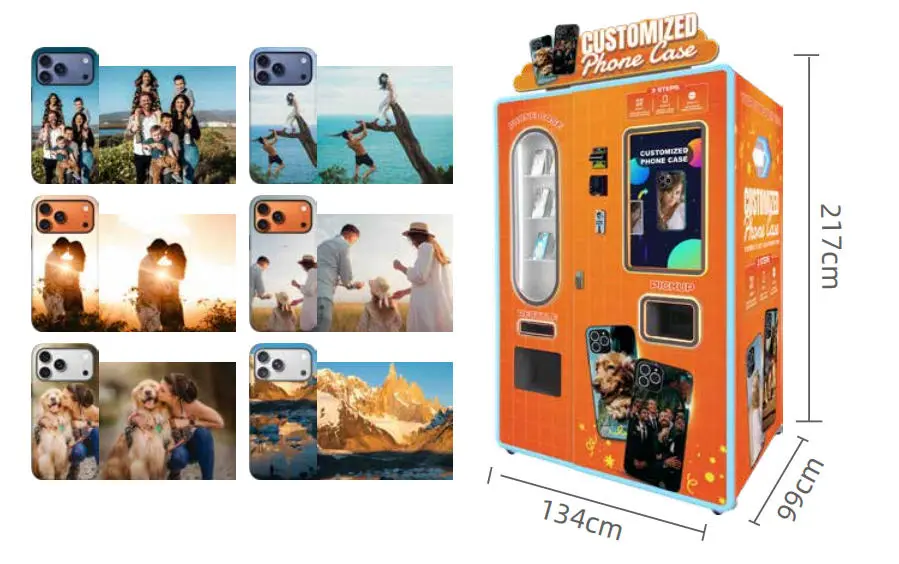
| Device Dimensions | 134cm × 99cm × 220cm |
| Device Weight | 220 KG |
| Power | 410W |
| Voltage | 220V / 110V (Optional) |
| Payment Methods | Coin / Cash / Credit Card / NFC / WeChat / Alipay |
| Printing Technology | 6-color UV printing |
| Printing Resolution | 1440 DPI |
| Printing Speed | 2–3 minutes / piece |
| Supported Phone Models | 96 mainstream models |
| Case Storage Capacity | 300–500 pieces |
| Display Screen | 27-inch touch display, supports video ad rotation |
| Remote Management | Supports cloud monitoring and management |
Product Certificates
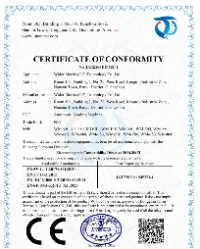
CE
JAT2209011545EC-1
2022.09 – 2027.09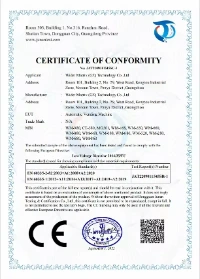
CE
JAT2209011545SC-1
2022.09 – 2027.09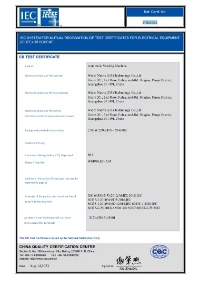
CB
CN61098
2023.08 – 2028.08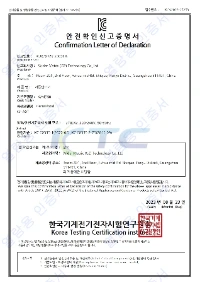
KC
XU070729-23001A
2023.08 – 2028.08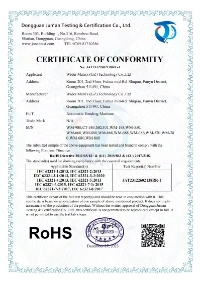
RoHS
JAT23122602138RC-1
2023.12 – 2028.12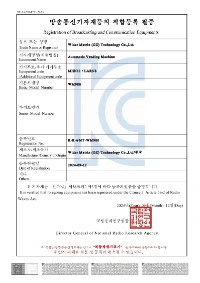
KC
R-R-wMT-WM980
2024.09 – 2029.09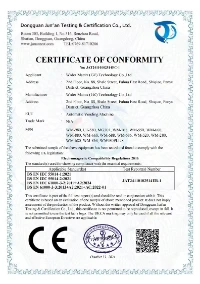
UKCA
JAT24110102514EC-1
2024.10 – 2029.10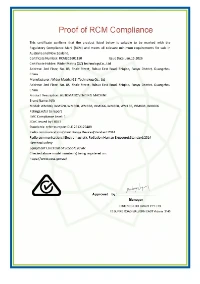
RCM
RCM202601150
2026.01 – 2031.01Company Introduction
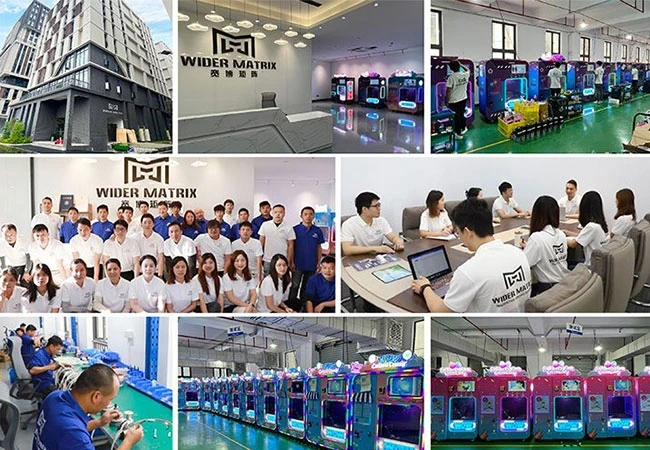
Wider Matrix (Guangzhou) Technology Co., Ltd. is a scientific and technological enterprise that attaches importance to R&D and user experience. We started to research and develop vending machines in 2016, and achieved a leading position in the field of unattended vending machines.
In 2019, we manufactured the first automatic cotton candy vending machine. After testing in domestic market, refining our product for years, the performance of our machines are stable enough and reach the standard for export finally. Till now, our machine has been exported to more than 130 countries.
All machines support remote control, which has the advantages of easy operation, convenient maintenance and high operating efficiency.
Exclusive Services
Overseas Support Service
Local transfer warehouse support, ensuring your operational stability.
Custom Design
We offer machine appearance customization, branding, and large-scale custom packaging services.
Initial Tools & Spare Parts Kit
Machine comes with complementary tools and spare parts kit, including initial consumables package.
Functional Customization & Software Optimization
Custom functionality based on client needs, including hardware and software optimization updates.
Lifetime Technical Support & Updates
We provide lifetime technical support and software update services for all customers.
Frequently Asked Questions
How long does a phone case heat press machine last?
Can I use any phone case blank with these machines?
What's the print resolution on a Wider Matrix machine?
Do I need a dedicated power line?
How do I clean the heat press platen?
What if the machine breaks down at my location?
Ready to Build Your Phone Case Vending Business?
You've read the details. Now it's about execution. A phone case heat press machine is a proven profit center when placed right and maintained well. We've helped operators in 130+ countries get started, from a single machine in a local mall to fleets of 50+ across multiple cities.User Reviews
Widermatrix has been so great to work with especially Taylor. Taylor sends pictures and testimonials and data to help the decision process. Once decided the process is smooth and Taylor sends updates with pictures and videos of YOUR phone case vending machine along the way. The claims are real, this automated phone case dispenser is half paid back on my initial invest just after 2 months!
I bought two phone case vending machines, and they have been in operation for over three months and are very stable. The smartphone accessory kiosks have excellent reliability and require minimal maintenance.
This is my first time running a phone case vending machine business and it looks great. The automatic mobile accessory dispenser attracts many customers in my shopping mall location.
We ordered 5 units for our chain of convenience stores across Japan. The build quality is impressive and the custom branding option is a huge plus. Each machine was delivered with our logo perfectly printed. ROI has been excellent so far.
Great machine overall! The printing quality is sharp and the touch screen is very responsive. Only minor issue was the initial WiFi setup took a bit of time, but the support team helped us through it quickly. Would recommend.
Running this machine at a university campus has been a game changer. Students love the instant phone case printing feature. The payment system accepts everything — cards, QR codes, even coins. Very flexible for different markets.
I was skeptical at first but the machine exceeded my expectations. The print speed is fast (about 40 seconds per case) and the quality is comparable to professional printing shops. Already planning to order 3 more units.
Perfect for event venues! We placed ours at a concert hall and it generates consistent revenue. The remote monitoring via the app is fantastic — I can check sales and inventory from my phone anywhere in the world.
Good machine with solid build quality. The steel frame feels durable and the tempered glass front looks premium. Shipping took about 3 weeks to Australia which was reasonable. Customer support is responsive and helpful.
We've been operating this machine for 6 months now at a tourist spot in Dubai. Zero downtime, consistent print quality, and the payment system handles multiple currencies seamlessly. Best investment we've made this year.
Why Choose Us
Why Operators Choose WiderMatrix
See how we compare to the industry average
| Feature | WiderMatrix | Industry Average |
|---|---|---|
| Machine Lifespan | ✓ 2× longer than standard machines | Standard lifespan |
| Maintenance | ✓ Ultra-low cost + remote diagnostics & alerts | High maintenance cost |
| Build Quality | ✓ Premium materials + patented technology | Standard manufacturing |
| Certifications | ✓ CE, UKCA, RoHS, KC, PSE, ISO, FDA (7+) | 1–2 certifications |
| Technical Support | ✓ 24/7 dedicated team + video guidance | Email only |
| AI Management Platform | ✓ Real-time monitoring, analytics & remote control | Basic / no dashboard |
| Software Updates | ✓ OTA lifetime free updates | Paid upgrades |
| Warranty | ✓ 1 year (no part return required) | 3–6 months |

Latest Articles
 NEW
NEW
Ice Cream Vending Machine for Cinemas: What Theater Operators Should Know Before Buying
Every cinema lobby has the same crunch point: the ten minutes before showtime, when the concession line starts...
Oct 21, 2026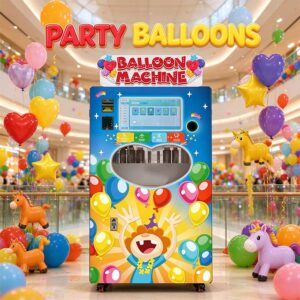 NEW
NEW
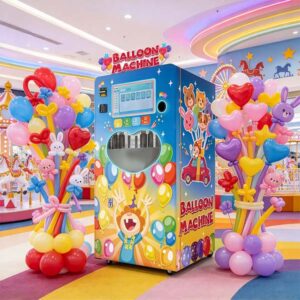
Mall Balloon Vending Machine: Cost, Profit, and Location Reality
Most mall visits do not start with a balloon on the shopping list. A child spots a bright...
Oct 21, 2026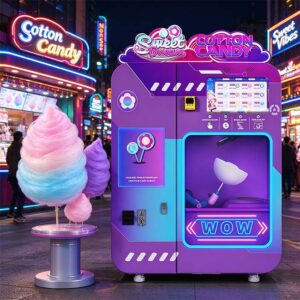 NEW
NEW
Why a High Profit Vending Machine USA Cotton Candy Business Can Actually Work
Anyone looking into a high profit vending machine USA cotton candy is usually trying to figure out one...
Oct 21, 2026Popular Picks
 HOT
HOT
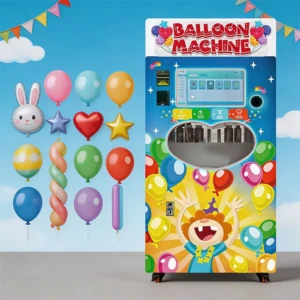
Smart balloon vending machine: what it does, what it costs, and whether it fits your location
A smart balloon vending machine is a self-service kiosk that stores, inflates, and dispenses balloons without someone standing...
Aug 28, 2026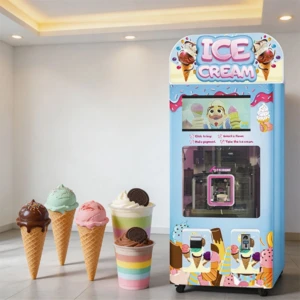 HOT
HOT
Small Automatic Ice Cream Vending Machine – WM550
Overview This is a small ice cream vending machine. It is for businesses that need self-service but do...
Aug 22, 2026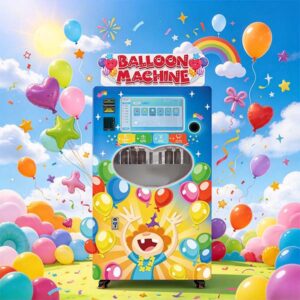 HOT
HOT
Balloon Vending Machine WM688 | Manufacturer & Supplier
The WM688 is a six-slot balloon vending machine from Wider Matrix that holds 360 balloons, inflates each one...
Sep 28, 2026