



The first step is not buying a machine. It is finding a place where a particular group of people has a reason to buy what you plan to sell. Once you have a possible site, you need the owner’s approval, a workable financial arrangement, the correct equipment, and a clear plan for service.
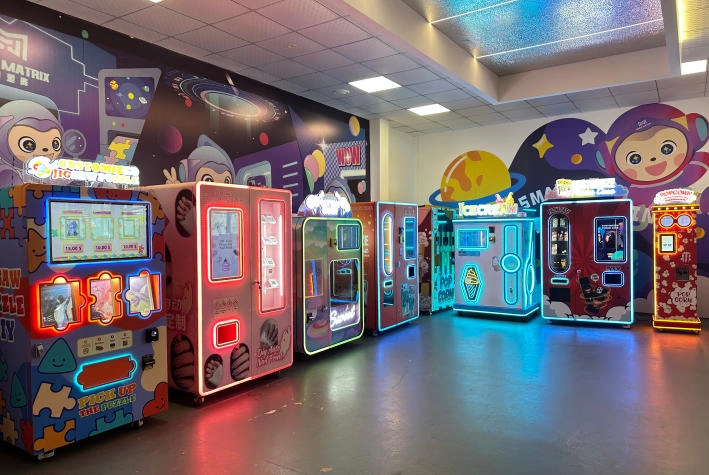
This guide walks through how to put a vending machine in a business, public-facing venue, gym, office, apartment building, or other location without skipping the parts that usually cause problems later.
Begin with the customer and the location
People often search for a vending machine supplier before they have secured a location. That reverses the order of the decision. A machine designed for protein drinks has different requirements from one selling snacks, phone accessories, fresh food, or customized products. The right model depends on the audience, the available space, the opening hours, and how frequently someone can refill it.
Is it a members-only gym, a factory with three shifts, a student residence, a hotel lobby, a shopping center, or a busy waiting area? Then ask what people already buy there and what is inconvenient to obtain after nearby stores close.
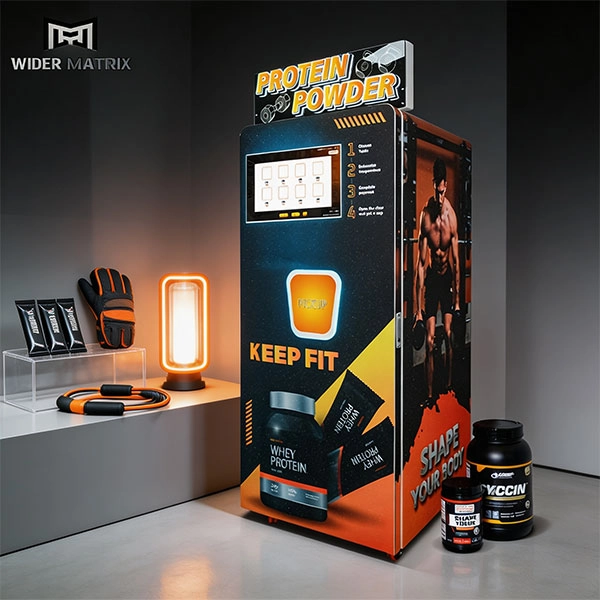
Common vending locations include:
- Gyms, fitness clubs, and sports centers
- Factories, warehouses, offices, and staff break rooms
- Apartment buildings, student housing, and residential complexes
- Hotels, hostels, hospitals, and care facilities
- Shopping centers, cinemas, arcades, and family entertainment venues
- Schools, colleges, and university campuses, where procurement rules allow it
- Transport stations and other places where people wait
A location does not need enormous foot traffic to work. A smaller site with the same people returning every day may be more valuable than a busy corridor where nobody stops. A vending machine earns from relevant traffic, not from every person who happens to walk past.
How to judge a potential vending machine location
Visit the site before making a forecast. Look at it during the hours when the machine would operate, not only when the property manager is available. Observe the morning rush, lunch period, evening traffic, and at least one quieter period. Notice where people wait, where they gather, and where they already spend money.
Pay attention to details that are easy to overlook:
- Can people see the machine from the entrance or the main path?
- Will customers have room to stand in front of it without blocking a door or corridor?
- Is the proposed position well lit and covered by existing security measures?
- Is there a suitable electrical outlet close enough for a safe installation?
- Will Wi-Fi or cellular service work reliably at that point?
- Can you reach the cabinet for stocking without disturbing staff or customers?
- Is a café, shop, or competing vending machine already serving the same need?
- Will the site remain accessible during the hours when demand is strongest?
Ask the property contact for traffic figures, but do not treat an estimate as proof of demand. A site may have 1,000 visitors a day and still sell poorly if the audience is rushing through or already has better options. A gym with 250 members may perform better if members finish workouts in the same area where the machine is placed.
Speak to the person who can actually approve the placement
When someone asks, “how do I go about putting a vending machine somewhere?”, the practical answer usually starts with the property owner or an authorized manager. A receptionist may welcome the idea but have no authority to approve commercial equipment. In a shopping center or multi-tenant building, the decision may belong to the landlord, facilities department, or property management company.
Prepare a short proposal before making contact. It should answer five questions:
- What will the machine sell?
- Where would you like to place it?
- Who will refill, clean, and repair it?
- How will customers pay and receive help if there is a problem?
- What will the property receive in return?
Property owners tend to focus on appearance, safety, disruption, and responsibility. Tell them how often you expect to visit, what happens when the machine stops working, who handles a payment complaint, and how quickly you will remove the equipment if the trial does not work. If the machine will carry the property’s branding, mention that as part of the proposal.
Do not spend money on equipment based on a verbal promise. A written vending machine placement agreement should identify the exact area, the agreement period, access arrangements, rent or sales commission, electricity and internet responsibilities, insurance, damage, maintenance, and the process for ending the arrangement.
Choose rent, commission, or a trial arrangement
There are several ways to structure a deal with a site owner. Fixed rent gives the property predictable income, while a percentage of sales reduces the operator’s risk when demand is still uncertain. Some owners prefer a minimum monthly payment plus a smaller commission. Others will agree to a short trial before deciding on a longer contract.
For a first location, a trial period can be useful when both sides are making assumptions. Put the review date in writing. Agree on what will be measured, whether the machine can be moved to another part of the property, and what happens if sales are below the agreed target.
Run the numbers using your weaker sales estimate. If the placement is profitable only during the best possible month, the rent is too high or the site is not ready. Include the cost of inventory, payment processing, travel, insurance, repairs, connectivity, electricity, shipping, and the time required to maintain the machine. Revenue is not the same as operating profit.
Check permits and site rules before ordering
The rules depend on what the machine dispenses and where it operates. Packaged snacks, bottled drinks, fresh meals, hot beverages, supplements, cosmetics, and phone accessories may fall under different requirements. A private property owner may also have approval rules that are separate from local government licensing.
Before placing an order, ask the relevant local authority about:
- Business registration and sales tax
- Vending, trade, or street-trading permits
- Food safety inspections and cleaning records
- Ingredient, allergen, or nutritional information
- Electrical inspection and public liability insurance
- Accessibility, fire exits, and clearance around the cabinet
- Signage, advertising, and branding restrictions
- Special rules for supplements, medicines, alcohol, or age-restricted goods
A machine manufacturer can supply electrical documents, product specifications, and other technical paperwork. It cannot obtain every permit for your business or decide which local health rules apply. Confirm those points before committing to a site or importing equipment.
Match the machine to the reason people will buy
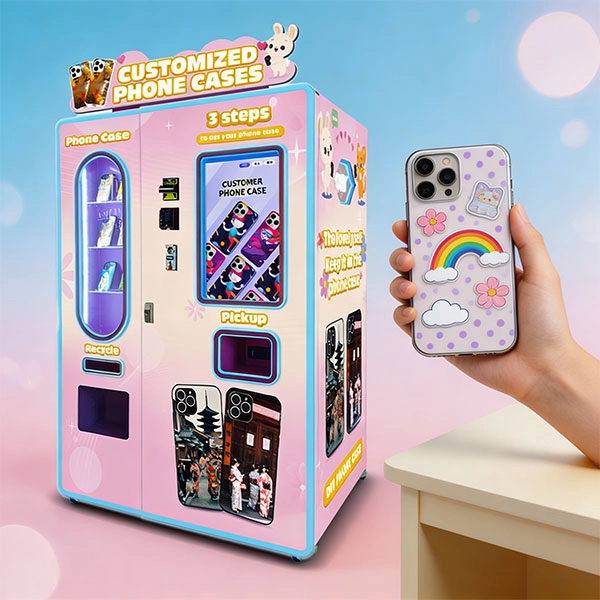
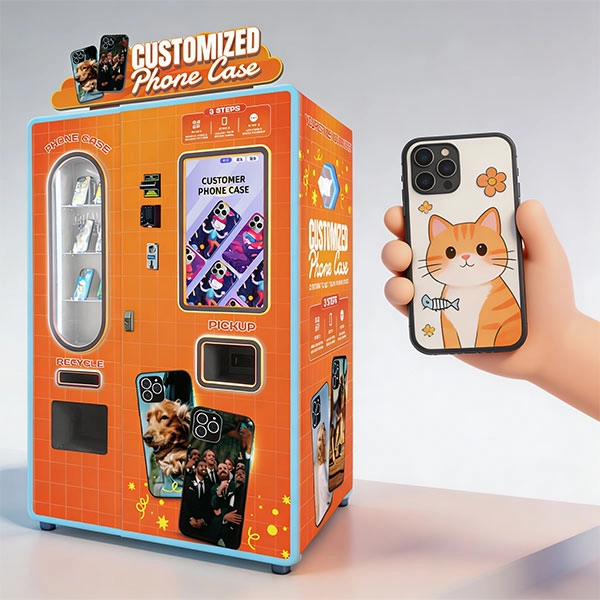
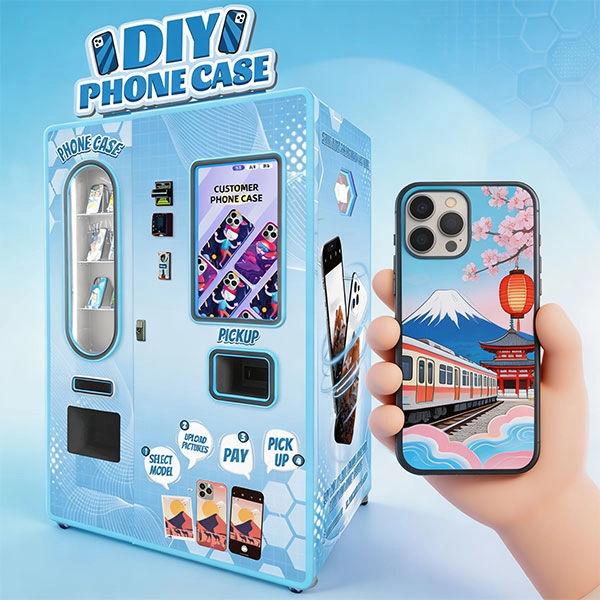
A strong vending machine placement solves a small problem at the moment it occurs. Gym members may want a protein shake immediately after training. Office workers may want coffee or a snack without leaving the building. Hotel guests may need toiletries late at night. A visitor at a shopping center may need a replacement phone case after breaking the one they brought.
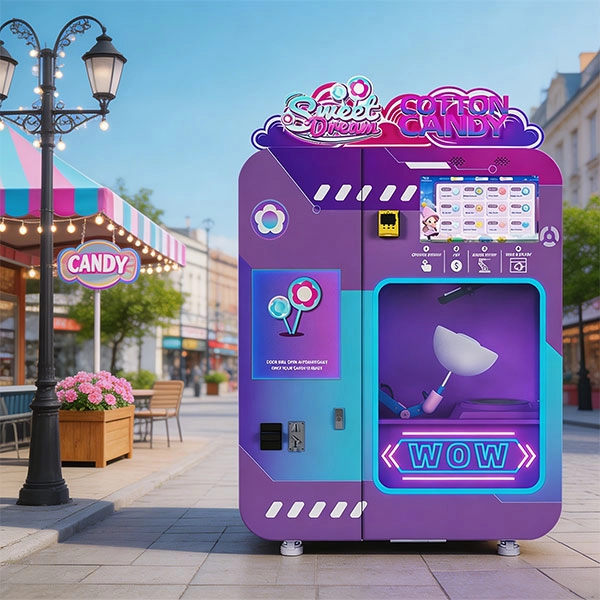
Keep the opening selection focused. A machine does not become more appealing simply because every slot contains a different product. Begin with the items most closely connected to the location, then review sales and stockouts before expanding the range.
Wider Matrix offers multiple types of automated vending equipment, so it makes sense to decide the location and product category before choosing a model. You can review the vending machine product range to compare equipment categories, but the final recommendation should be based on your audience, cabinet position, payment requirements, and expected service routine.
Estimate sales from observable behavior
There is no reliable way to calculate sales from foot traffic alone. A better starting point is the number of people who are likely to need the product, how often they visit, and whether the machine is placed at the moment of purchase.
Use a simple working model:
Potential transactions = relevant visitors × realistic purchase rate
Suppose a private gym sees 300 member visits per day. That does not mean 300 potential buyers, and it certainly does not justify assuming that half will purchase. Consider how many members finish training near the proposed location, whether they already carry a drink, what the price will be, and whether the machine is available when the gym is open.
Prepare three versions of the forecast: a cautious case, a likely case, and a strong case. Then subtract all operating costs from each one. At a minimum, include:
- Wholesale product or ingredient cost
- Cups, lids, bags, labels, or other packaging
- Payment processing and software fees
- Property rent or sales commission
- Travel and labor for stocking and cleaning
- Electricity, connectivity, insurance, and routine repairs
- Freight, installation, taxes, and initial inventory
This exercise tells you how many sales the machine must generate to cover its costs. It also gives you a sensible limit for the commission you offer the property owner.
Ask a supplier for a location-specific quotation
Once the site looks promising, contact manufacturers with useful information rather than only asking for a machine price. Wider Matrix can discuss machine categories, payment integration, OEM and ODM branding, and deployment requirements, but the quality of the recommendation depends on the details you provide.
Include:
- Country, city, and type of property
- Indoor or outdoor placement
- Photos, measurements, and a basic floor plan
- Available voltage and outlet position
- Wi-Fi or cellular connectivity
- Daily traffic, peak hours, and opening hours
- Products, brands, and price range you have in mind
- Preferred payment methods
- Number of machines, branding needs, and target delivery date
Ask what the quotation includes. Payment hardware, shipping, customs charges, software access, installation guidance, spare parts, warranty service, and remote monitoring may be priced separately. Ask how faults are diagnosed, how replacement parts are supplied, and who provides technical support after delivery.
Wider Matrix describes its equipment as factory-direct and supports customized projects. That can be useful when a hotel group, gym chain, retailer, or property company wants a consistent appearance across several sites. For a broader supplier comparison, this guide to choosing a vending machine manufacturer covers production capability, warranty, delivery, and support questions worth asking.
Use the first 30 to 90 days as a test
The installation date is not the end of the decision. It is the beginning of the evidence-gathering period. During the first month, record daily sales, product choices, failed payments, stockouts, customer complaints, and the time spent on each service visit.
Test every payment method before promoting the machine. Make sure the cabinet does not obstruct a walkway, the instructions are easy to follow, and customers can find a contact number when something goes wrong. Ask the property staff whether the machine causes congestion or whether people fail to notice it.
Change one variable at a time. A price adjustment, a different product, better signage, or a small move may improve sales. If you change all of them together, the results will not tell you what worked.
For a group of machines, remote monitoring can reduce unnecessary visits by showing stock levels, sales, and alerts from one dashboard. Wider Matrix’s vending machine blog includes further information about equipment categories and operating considerations.
Turn the location into a clear inquiry
A supplier can respond more accurately to a real site brief than to a general question such as “How much does a vending machine cost?” Use a message like this:
“I am evaluating a vending machine installation at [type of property] in [city and country]. The site receives approximately [number] relevant visitors per day and is open from [hours]. The proposed position is [indoor/outdoor], with [voltage] power and [Wi-Fi/cellular] connectivity. I plan to sell [product category] at approximately [price range]. Please recommend suitable models and provide delivered pricing, dimensions, payment options, warranty, installation requirements, and lead time.”
Attach photographs and measurements if you have them. If the proposed site is still under discussion, say so. A supplier can then help you identify the information that still needs to be confirmed instead of assuming the installation is ready.
Frequently asked questions about vending machine placement
Do I need permission to put a vending machine in a business?
Yes. Obtain written approval from the property owner or an authorized manager. The agreement should cover the machine’s position, access, rent or commission, electricity, maintenance, insurance, and removal.
Can I put a vending machine on a public sidewalk?
Not usually without permission. Public land may require a vending or street-trading permit, insurance, electrical approval, and compliance with accessibility rules. Ask the relevant local authority before making plans.
How do I find businesses that allow vending machines?
Contact businesses with repeat visitors and limited convenient retail, such as gyms, factories, offices, hotels, student housing, entertainment venues, and private residential buildings. Explain what you will sell and how the property benefits.
What is the best place to put a vending machine?
The best location is where a defined audience repeatedly needs the product and has enough time to purchase it. Visibility, security, access hours, power, connectivity, and nearby competition all matter.
How much space does a vending machine need?
Check the model’s cabinet dimensions, customer clearance, service clearance, delivery route, and outlet position. The placement must also keep corridors, exits, doors, and accessible routes clear.
Should I pay rent or share revenue with the property owner?
Both arrangements are common. Fixed rent is predictable for the property but riskier for the operator. Revenue sharing reduces the initial risk but lowers the margin on every transaction. A trial period can help establish fair terms.
Do vending machines need Wi-Fi?
Many modern machines use Wi-Fi or cellular service for cashless payments, remote monitoring, alerts, and software updates. Confirm the exact connectivity requirements with the manufacturer.
Who restocks and repairs the machine?
The placement agreement should specify this. In most arrangements, the vending operator manages inventory, cleaning, maintenance, payment issues, and customer support.
How long should I test a new vending machine location?
A 30-to-90-day trial usually provides a useful first indication, depending on the product and traffic pattern. Review sales, stockouts, service time, customer feedback, and all site costs before extending the agreement.
Can Wider Matrix help choose equipment for a location?
Wider Matrix can review the product category, environment, customization needs, payment system, and deployment plan when preparing a quotation. Provide the site details, photographs, expected demand, and target market so the recommendation reflects the installation.
Before you place the order
- Confirm who owns or controls the proposed space.
- Obtain written permission and agree on commercial terms.
- Check local licensing, tax, food, electrical, and accessibility requirements.
- Match the product to the people who use the site.
- Prepare cautious, expected, and strong sales estimates.
- Confirm power, connectivity, delivery access, and customer clearance.
- Ask the supplier what is included in the delivered quotation.
- Assign responsibility for stocking, cleaning, repairs, and customer support.
- Set a trial period and decide how its success will be measured.
If you already have a possible site, gather its photos, dimensions, traffic pattern, opening hours, and product idea before requesting a quote. That gives Wider Matrix or another qualified supplier enough information to discuss a suitable machine, the likely installation requirements, and a realistic next step.