


You’ve seen the potential: a flexible, cash-flowing business with low overhead. You’re excited about launching your own vending machine venture, especially with the innovative trends emerging for 2026. But then, the reality hits. How much capital do you really need to get started? Are the online estimates still accurate for the coming year? The uncertainty around initial investment can be the single biggest hurdle stopping aspiring entrepreneurs from taking the leap.
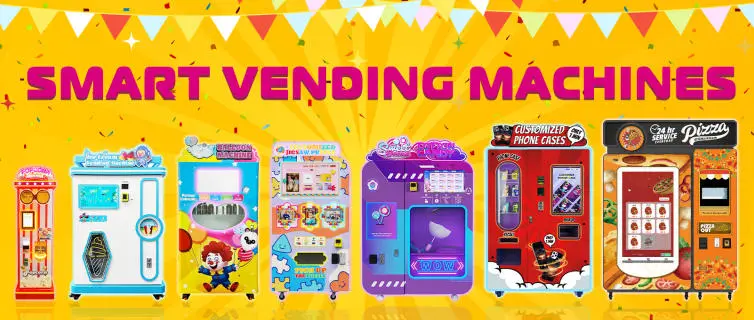
Planning your vending machine business startup costs for 2026 requires a forward-looking approach. It’s not just about the price of a machine; it’s about understanding the total investment for a modern, profitable operation. This guide breaks down every cost component—from the latest smart machines and inventory to location fees and digital payment integrations—giving you a clear, actionable financial blueprint to launch successfully in 2026.
Breaking Down Your 2026 Vending Machine Startup Budget
The startup costs for a vending business are more modular than you might think. You can start small with a single machine or scale your initial investment for a faster return. Here’s a detailed breakdown of what to budget for.
1. The Machine Itself: Your Core Capital Investment
This is your largest upfront cost, and prices vary dramatically based on technology, capacity, and product type. For 2026, the trend is moving towards specialized, high-margin, and interactive machines that offer unique products.
- Traditional Snack/Drink Machines: $3,000 – $6,000 for a quality used or new basic model.
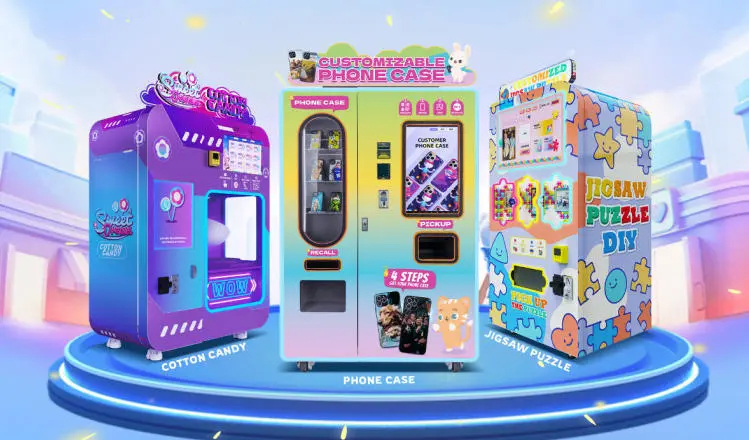
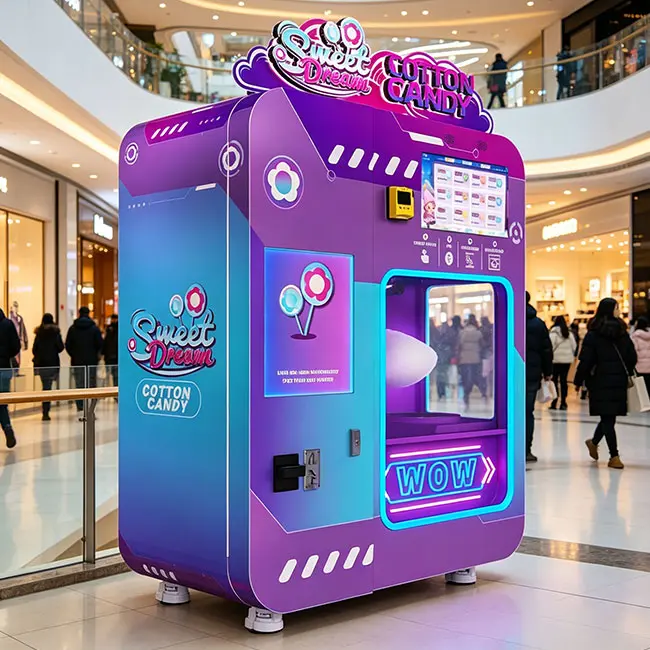
- Specialty & Interactive Vending Machines: $8,000 – $20,000+. These include advanced models like fully automatic cotton candy vending machines or phone case printing vending machines, which command higher prices per sale.
2. Beyond the Machine: Operational & Ancillary Costs
To avoid surprises, factor in these essential expenses from day one:
- Initial Inventory Stocking: $200 – $500 per machine.
- Location Placement Fees/Commissions: 10-25% of gross sales or a flat monthly fee. Always negotiate.
- Business Licenses & Insurance: $500 – $1,500 annually, depending on your region and scale.
- Transportation & Installation: $200 – $800 if you need professional help moving heavy equipment.
- Technology & Software: Budget for telemetry systems (remote monitoring) and cashless payment processors, which are becoming standard.
Investment Return (ROI) Analysis: How Quickly Can You Profit?
The key to a successful vending business in 2026 is choosing the right product-mix with strong profit margins. Let’s compare a traditional snack machine with a high-margin specialty machine.
| Cost/Revenue Factor | Traditional Snack Machine | Specialty Machine (e.g., Custom Phone Case) |
|---|---|---|
| Average Machine Cost | $4,500 | $12,000 |
| Cost per Unit Sold | $0.80 | $2.50 (blank case + materials) |
| Selling Price | $2.50 | $20.00 |
| Gross Profit per Sale | $1.70 | $17.50 |
| Sales Needed for ROI | ~2,647 sales | ~686 sales |
| Time to ROI (at 3 sales/day) | ~2.5 years | ~7.6 months |
| Time to ROI (at 5 sales/day) | ~1.5 years | ~4.6 months |
As shown, while the initial investment in a specialty machine is higher, the dramatically higher profit margin per transaction can lead to a return on investment in under 8 months with moderate sales volume. This makes innovative vending solutions a compelling choice for 2026. For deeper insights, explore our analysis on cotton candy machine profitability.
Real-World Success: A 2024 Case Study
Understanding the theory is one thing; seeing it in practice is another. Let’s look at how an entrepreneur implemented a modern vending solution.
Client: A franchisee operating in a large Midwestern U.S. shopping mall.
Challenge: Needed a high-engagement, impulse-buy product to complement existing retail, with a clear ROI under 12 months.
Solution: After evaluating options, they installed a fully automatic customize phone case vending machine from Wider Matrix in a high-foot-traffic corridor.
Results (First 6 Months):
- Average Sales: 6-8 custom phone cases per day.
- Average Transaction Value: $22.
- Gross Revenue: Over $26,000.
- Net Profit (after costs): Approximately $18,200.
- ROI Achieved: In 5.5 months. The machine paid for itself and became a pure profit generator well within the target timeframe.
This case highlights how aligning a innovative product with the right location can rapidly recoup your 2026 vending machine business startup costs.
Why Your 2026 Supplier Choice Matters: The Wider Matrix Advantage
As you plan for 2026, partnering with a reliable, innovative manufacturer is crucial. Wider Matrix (gz) Technology Co., Ltd. stands out by focusing on the future of vending. Since 2016, their team has combined automation expertise with direct supply chain experience, exporting over 3,000 certified machines (CE, UKCA, etc.) globally.
They don’t just sell machines; they provide custom software and hardware solutions tailored to client needs. Whether you’re interested in the engaging commercial cotton candy vending machines or the tech-forward cell phone case vending machine, their focus is on creating high-quality, profitable turnkey solutions that minimize your operational hassle and maximize your return. Explore their full range of vending machines to find the perfect fit for your 2026 business plan.
Frequently Asked Questions (FAQs): Vending Machine Business Startup Costs 2026
1. What is the total average startup cost for a vending machine business in 2026?
For a single-machine operation with a modern specialty machine (like cotton candy or custom phone cases), expect a total startup cost between $13,000 and $25,000. This includes the machine, initial inventory, licensing, insurance, and placement fees. A traditional snack/drink route with multiple basic machines can start from $10,000.
2. Can I really get a return on investment in 1-3 months?
While a rapid payback is achievable, many operators are now seeing a full return on investment in 1-3 months when the machine is placed in a prime high-traffic location with strong footfall. This is especially realistic for high-margin products like customized phone cases or cotton candy. A more conservative target in good locations remains 2-4 months, but top-performing sites frequently deliver payback in as little as 4–8 weeks. Our profit guide for cotton candy machines details realistic revenue scenarios that apply across similar automated vending businesses.
3. What are the hidden costs I might not be considering?
Commonly overlooked costs include: cashless payment processing fees (2-4%), routine maintenance and cleaning supplies, cost of fuel for route servicing, software subscription fees for machine telemetry, and funds reserved for repairing vandalism or technical issues.
4. How do I find good locations for my machines?
Start by identifying places with high dwell time and impulse-buy potential: malls, movie theaters, hospitals, universities, and large office complexes. Be prepared to offer the location owner a commission (10-25% of sales) and present a professional proposal highlighting the benefits to their clients or employees.
5. Is financing available for vending machines?
Yes. Many equipment suppliers offer leasing or financing plans. Traditional business loans or SBA loans are also an option. Financing can help preserve cash flow but will add interest to your overall startup costs.
6. What makes Wider Matrix’s vending machines a good investment for 2026?
Wider Matrix designs machines for the future of retail. Their focus on full automation, user-friendly customization, and reliable telemetry reduces labor costs and downtime. With international certifications and a proven export record, they offer durable, innovative solutions—like their cotton candy factory machines or phone case maker equipment—designed to capture high margins and deliver a faster ROI in the evolving 2026 market.
7. Should I buy new or used vending machines?
For 2026, new machines are often recommended, especially for specialty products. They come with warranties, modern cashless payment systems, and energy-efficient components. Used machines can save money upfront but may lack critical modern features and could incur higher maintenance costs.
Related Topics for Your Vending Business Research
- How Much Can You Make with a Cotton Candy Machine? A 2025 Profit Guide
- Phone Case Machine Maker: The Ultimate Guide to Manufacturing & Customization Equipment
- Commercial Cotton Candy Vending Machines: The Ultimate Guide
- Fully Automatic Customize Phone Case Vending Machine
- Browse All Wider Matrix Vending Machines
Conclusion: Your Path to Vending Success in 2026
Accurately planning your vending machine business startup costs for 2026 is the first critical step toward building a resilient and profitable enterprise. The landscape is shifting towards interactive, high-margin specialty vending, which, while requiring a higher initial investment, offers a significantly accelerated path to profitability. By carefully budgeting for all cost components, selecting a machine that aligns with strong consumer trends, and securing prime locations, you can position your business for rapid growth.
Partnering with an experienced and innovative manufacturer like Wider Matrix can provide you with the reliable, cutting-edge technology and support needed to navigate this exciting market. Their focus on creating profitable, turnkey vending solutions directly addresses the core goal of every entrepreneur: minimizing risk and maximizing return on investment as you launch your venture in 2026 and beyond.