


Every gym, university, and office building has the same gap. People want a fresh smoothie after a workout or between meetings, but there is no counter, no staff, and no time to wait in line. A smoothie vending machine fills that gap. The customer browses the screen, picks a recipe, pays, and walks away with a freshly made cup in about a minute. No blender, no staff, no cleanup at the end of the day. That is the whole pitch for a smoothie vending machine, and it is why the format keeps spreading into fitness and campus locations.
This article is written for someone who is ready to buy a smoothie vending machine and wants the real numbers before they commit. I will go through what the machine actually does, what it costs to buy and run, how the profit math works, and the buying checklist that separates a good purchase from a regret. I have spent years around automated vending equipment, and I have watched these machines do well in gyms and campuses and also watched them sit idle in the wrong spot. The machine is proven. The planning is what decides whether you make money.
What a smoothie vending machine actually does
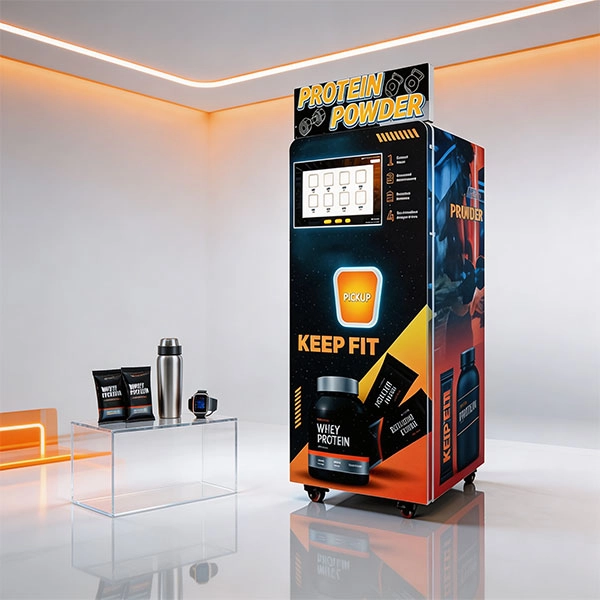
People picture a machine that pours a pre made drink from a tank. The machines that work do not work that way. They make a fresh cup on demand. The customer browses the touchscreen, picks a recipe, customizes it, and pays. The machine injects the powder directly into a disposable cup, mixes it, and drops the finished cup out. The whole cycle runs about sixty seconds from payment to pickup, which is what makes a smoothie vending machine a fit for a busy gym floor.
Take the Wider Matrix WM186 as the concrete example, because it is the model most buyers ask about. It uses a patented in cup mixing system, which means the powder goes straight into the cup instead of through pipes. That is a real difference, because it means no pipe contamination and no clumping. The machine has seven powder hoppers, each holding 4 liters, and three temperature zones for cold, room temperature, and hot drinks. The touchscreen is 21.5 inches, and the customer operation time is under thirty seconds for browsing, customizing, and paying.
The machine is fully automatic and runs 24 hours a day with nobody on site. It has an IoT cloud management system, so you can watch sales, inventory, and equipment health remotely, and manage more than fifty machines from one screen. It also has a smart self diagnosis system that pushes fault alerts to your phone and to the after sales team, and it supports OTA remote updates so new recipes and promotions can be pushed without a site visit.
Why people are buying these machines now
Smoothies have always sold well, but the labor around them has gotten expensive. A smoothie bar needs a blender, a person to run it, and a person to clean up. Minimum wage keeps climbing, and finding someone willing to work a shift at a gym or a campus is harder than it used to be. A machine that makes a cup every minute with nobody behind it changes the math on a spreadsheet.
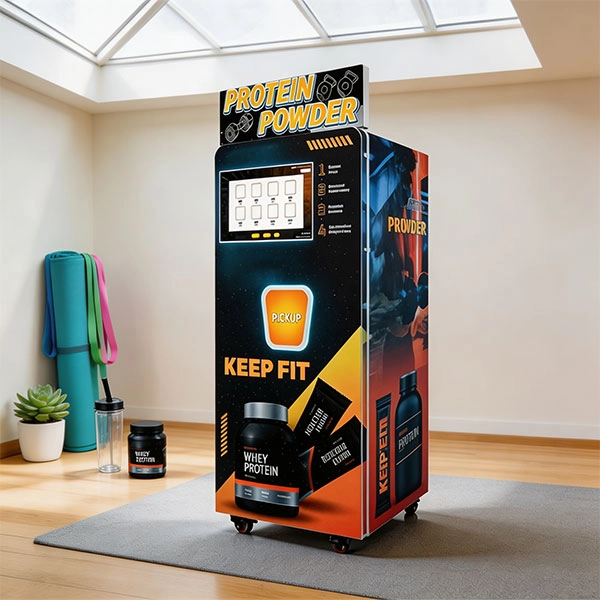
The other shift is the health trend. People are more focused on protein, greens, and clean ingredients than they were a few years ago. A machine that makes a fresh cup on demand fits that, because the customer sees the powder go in and the cup come out. That transparency builds trust, and it is a big reason these machines work in gyms.
If you want the broader picture on how automated retail is moving, the smart vending machine trend is worth reading. The short version is that the market keeps rewarding machines that remove a human step without removing the experience.
What it costs to buy
Let me give you the numbers straight, because pricing is where buyers get confused. The Wider Matrix WM186 is US$4,150 factory direct. That is the machine price, and it is a meaningful number because it is lower than most people expect for a machine that makes fresh drinks. Wider Matrix also runs seasonal discounts and bulk order discounts, so the number can move depending on when you buy and how many units you order. For a buyer comparing a smoothie vending machine for sale, the machine price is only part of the picture, because the powder, the cups, and the location all add to the total.
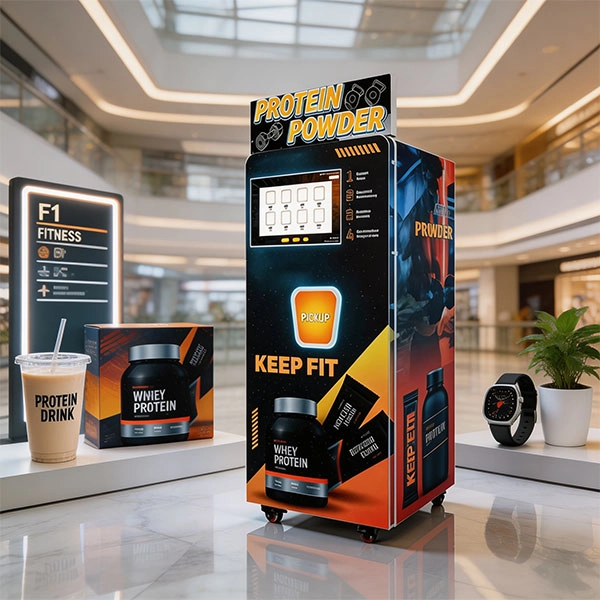
The retail price per cup is US$3.00 to US$8.00, and the consumable cost per cup is US$0.80 to US$1.50, with an average around US$1.20. That spread between the retail price and the consumable cost is where the margin lives, and it is why the payback is so short compared to a traditional smoothie bar.
For a fuller breakdown of what these machines run, the vending machine cost guide and the how much does a vending machine cost guide cover the models and the cost ranges in more detail.
What it costs to run
The running costs are where the margin lives, and they are low. The main consumable is the powder. The WM186 has seven hoppers, and you can fill them with whey protein, plant based protein, mass gainer, BCAA, creatine, pre workout, or any brand you choose. That flexibility is a real advantage, because you can tailor the menu to the location. A gym wants protein and pre workout. A campus wants a broader menu. A hotel wants premium options.
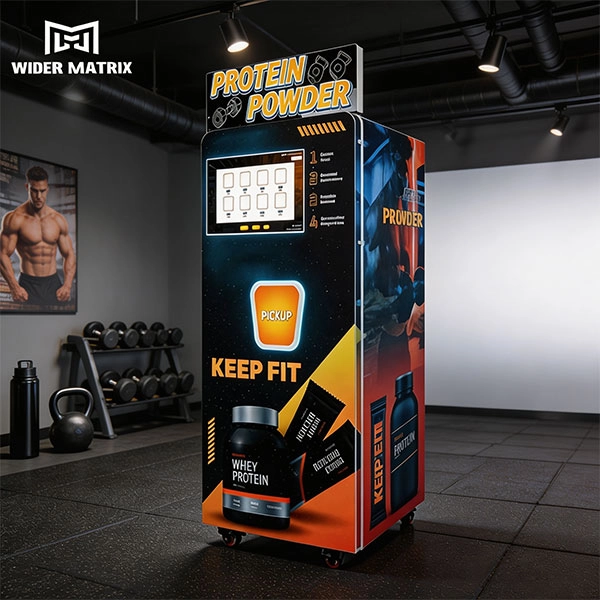
The other consumable is the cup. The machine uses disposable cups, and the patented in cup mixing means the powder goes straight into the cup with no pipe contamination. The machine also runs an automatic high temperature cleaning cycle after each cup, which keeps the machine clean and reduces the risk of a bad tasting drink.
So the consumable cost per cup is roughly US$0.80 to US$1.50, with an average around US$1.20. If you sell a cup for US$5, the gross margin is around 75 percent. That is the number that makes the whole business work.
How much money it can make
I am careful with profit claims, because a lot of what you read online is inflated. Here is a realistic way to think about it. If the machine sells thirty cups a day at US$5 each, that is US$150 in gross sales. Take out the consumables at roughly US$1.20 per cup, and you are left with about US$114 a day before rent and electricity. Over a thirty day month that is around US$3,400 in gross margin. Rent for a good gym or campus spot might run US$200 to US$800 a month depending on the market. Electricity for a machine that makes a cup every minute is a real cost but not a huge one.
Thirty cups a day is not a heroic number. A well placed machine in a busy gym can do more, especially around peak workout hours. A university sports center can hit 80 cups a day at peak. A slow location might do ten. The difference between those two outcomes is almost entirely the location, which is why I keep coming back to it.
For a deeper look at the revenue side, the how much can a vending machine make guide and the are vending machines profitable analysis run the scenarios with more detail.
Where to put it
Location is the whole game, and I will be blunt about it. The machine is a tool. It makes money only when it sits where people already want a smoothie. The best spots are places with steady foot traffic and a captive audience that has time to wait a minute.
Gyms are the obvious one, because the customer is already in a health mindset and a post workout smoothie is a natural buy. A commercial gym with 500 or more members can sell 40 cups a day. University sports centers are strong, especially at peak times. Corporate fitness centers work well with premium pricing. Hotel fitness centers offer 24 hour revenue. Sports complexes can sell 60 cups on event days at US$6 to US$8 a cup. CrossFit and boxing clubs are a newer play, since they can co label the brand.
If you are deciding between locations, the where to put vending machines guide and the 171 best vending machine locations list walk through the traffic patterns and the lease terms that matter. The short rule I give every operator is this: pick a place where people already buy smoothies, not a place where you hope to create the habit.
What to check before you buy
Buying a smoothie vending machine is a capital purchase, and you should treat it like one. Here are the things I tell every buyer to verify before sending money.
First, check the power requirements against the location. The WM186 needs a clean power source, and it has three temperature zones, so it draws power for the cold and hot zones. Confirm the location has the electrical service before you sign a lease, not after.
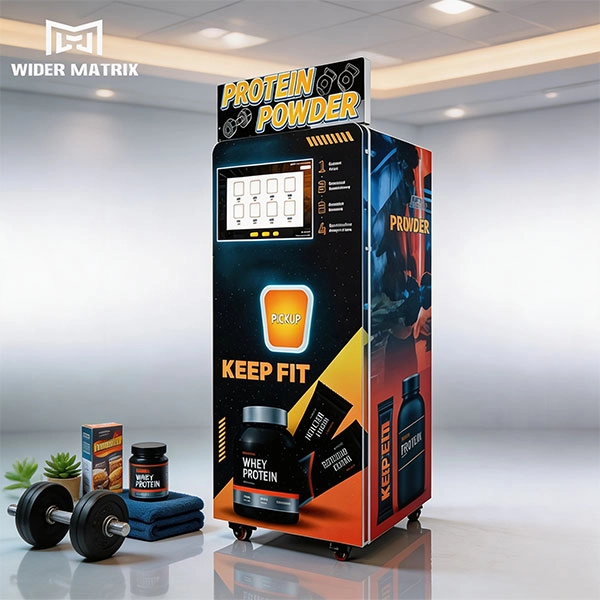
Second, check the footprint and the doorways. The machine has to get into the building, through the door, and into the spot. If you are putting it in a gym or a campus, check the loading dock and the elevator. This sounds obvious, and it is the mistake I see most often.
Third, check the powder supply. The machine is tuned for specific powder types, and the seven hoppers give you flexibility, but you still need a reliable source for the powder and the cups. A machine that runs out of powder in the middle of a weekend is a machine that loses money.
Fourth, check the service and parts situation. A machine that breaks down is a machine that loses money. Ask the manufacturer about the warranty, spare parts, and how fast a replacement part ships. This is where buying from a real manufacturer matters, and the choosing the right vending machine manufacturer guide is worth reading before you commit.
Why Wider Matrix for a buyer
Wider Matrix builds these machines and ships them to operators around the world. The company has shipped more than 3,000 units to over 130 countries since 2016, and the engineering team is more than 50 people. When you buy from Wider Matrix, you buy from the factory in Guangzhou, not from a reseller, which matters for two reasons. The first is price, because there is no middleman markup. The second is support, because the people who built the machine are the people you talk to when something needs attention. The warranty is one year with lifetime support, and global shipping is included.
The company also makes the broader vending line, so if you are building a fleet, you can standardize on one supplier across smoothie, cotton candy, ice cream, popcorn, and phone case machines. That is a real advantage when you are managing multiple locations and you want one support contact and one set of spare parts.
If you want to see how the same placement logic applies to another drink machine, the ice cream vending machine for sale guide covers a similar machine in the same kind of location. For the sourcing side, the China vending machine manufacturers and suppliers guide explains how factory direct buying works and what to watch for.
Common questions about buying a smoothie vending machine
How much does a smoothie vending machine cost?
The Wider Matrix WM186 is US$4,150 factory direct. Seasonal discounts and bulk order discounts are available. Shipping, installation, and any electrical work at the location are separate costs.
How long does it take to make one cup?
About sixty seconds from payment to pickup. The machine injects the powder directly into a disposable cup, mixes it, and drops the finished cup out.
How many recipes can it make?
The machine has seven powder hoppers, and you can fill them with whey protein, plant based protein, mass gainer, BCAA, creatine, pre workout, or any brand you choose. The menu is customizable to the location.
Does it make hot drinks too?
Yes. The machine has three temperature zones for cold, room temperature, and hot drinks, so it can serve a range of beverages.
What payment methods does it accept?
The machine accepts Nayax, Pax, credit and debit card, Apple Pay, Google Pay, WeChat Pay, Alipay, NFC, and it supports the universal MDB protocol.
How much does it cost to run?
The consumable cost per cup is roughly US$0.80 to US$1.50, with an average around US$1.20. If you sell a cup for US$5, the gross margin is around 75 percent.
Is a smoothie vending machine profitable?
It depends almost entirely on location. A well placed machine selling thirty cups a day at US$5 each can clear a few thousand dollars a month in gross margin before rent and electricity. A slow location can lose money. The location decision matters more than the machine.
Does it need staff to operate?
No. The machine is fully automatic and runs 24 hours a day with nobody on site. It has an IoT cloud management system for remote monitoring and a smart self diagnosis system that pushes fault alerts.
What is the best location for a smoothie vending machine?
Gyms, university sports centers, corporate fitness centers, hotel fitness centers, and sports complexes are the strongest. The rule is to put the machine where people already buy smoothies, not where you hope to create the habit.
Can I buy directly from the manufacturer?
Yes. Wider Matrix is the factory, so you buy direct without a reseller markup, and you deal with the people who built the machine for support and spare parts. The warranty is one year with lifetime support.
Final word
A smoothie vending machine is a solid business tool when the numbers line up. The machine is proven, the margin on a cup is around 75 percent, and the labor savings are real. The operators who make money with these units do the homework on the location, the power, and the powder supply before they buy. The ones who lose money skip that homework and blame the machine.
If you are ready to buy a smoothie vending machine, the next step is to talk to Wider Matrix directly about your location, your power situation, and the model that fits. They can walk you through the WM186, the pricing, and the powder options, and give you a shipping and support plan. Send them your location details and your expected traffic, and they will tell you straight whether the numbers work.