



How to Find Current Puzzle Vending Machines, Prices, and Suppliers (2026 Guide)
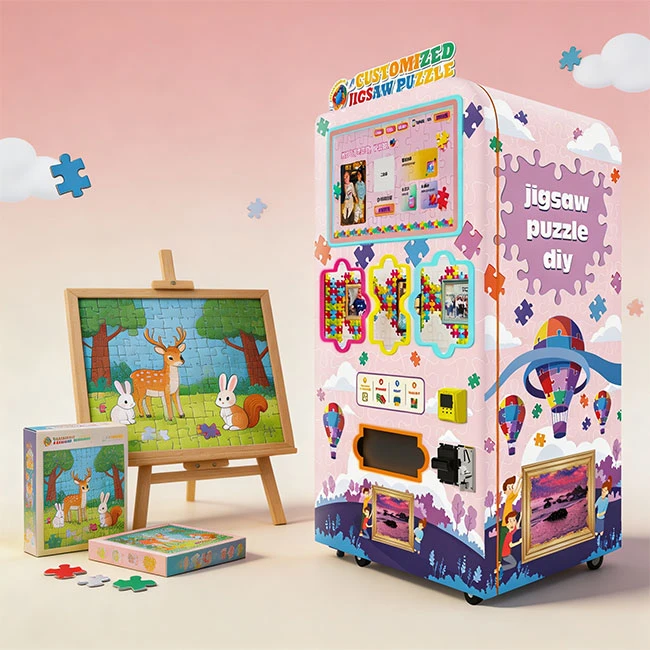
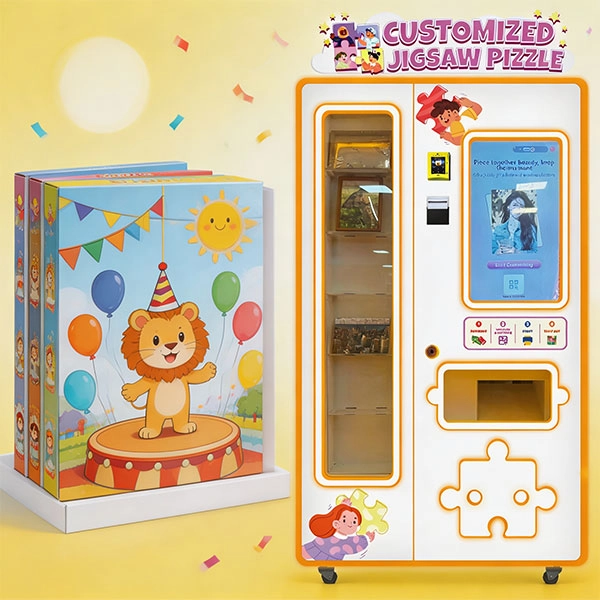
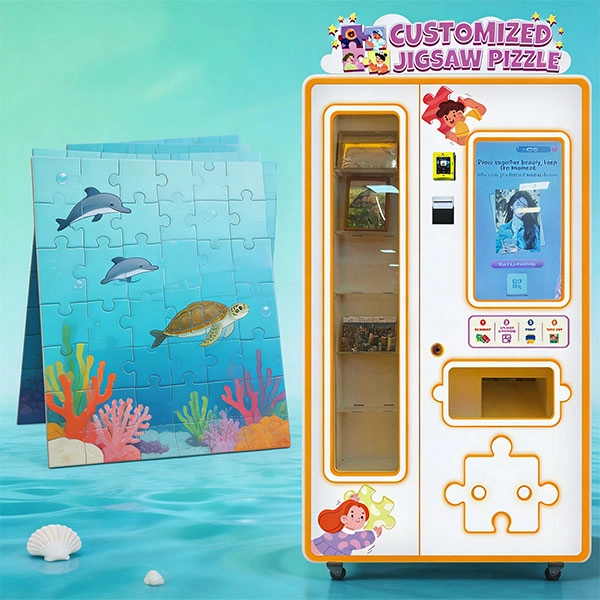
Every project is unique — tell us your needs and we'll provide a tailored solution.
- 🧩 Hundreds of puzzle designs, seasonally updated
- 🌍 Shipped to 130+ countries worldwide
- 🤝 Dedicated account manager for your project
- 💰 Contact us for the latest promotional pricing
Our partners typically recover their investment within 2–4 months. Start earning from day one with a proven, low-maintenance puzzle vending solution.
I spent four months last year looking for a jigsaw puzzle vending machine that wouldn’t turn into a maintenance nightmare. What I found was a market full of mismatched information. Some suppliers quoted $3,000. Others wanted $12,000 for what looked like the same machine. A few wouldn’t even send a spec sheet without a signed NDA. It was a mess.
If you’re going through the same thing right now, this article is for you. I’m going to walk through what these machines actually cost in 2026, who the serious suppliers are, and whether the numbers make sense. No fluff. Just what I learned the hard way.
What a puzzle vending machine actually does
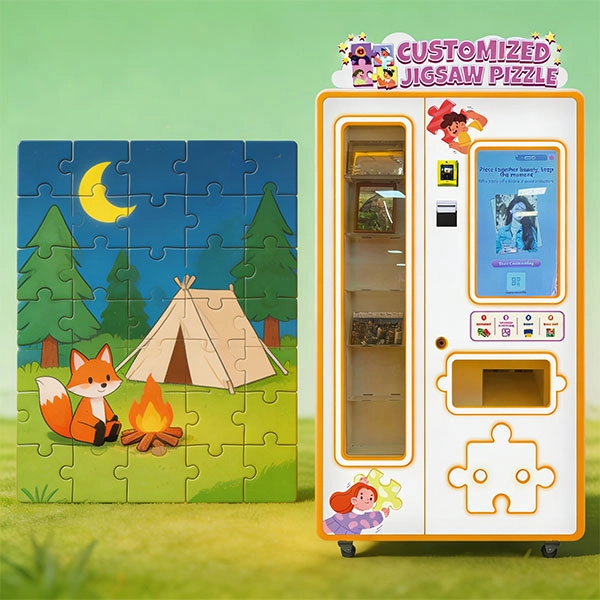
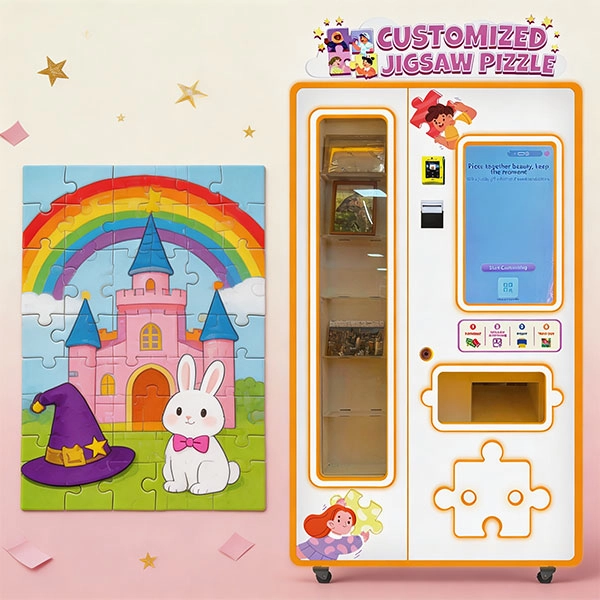
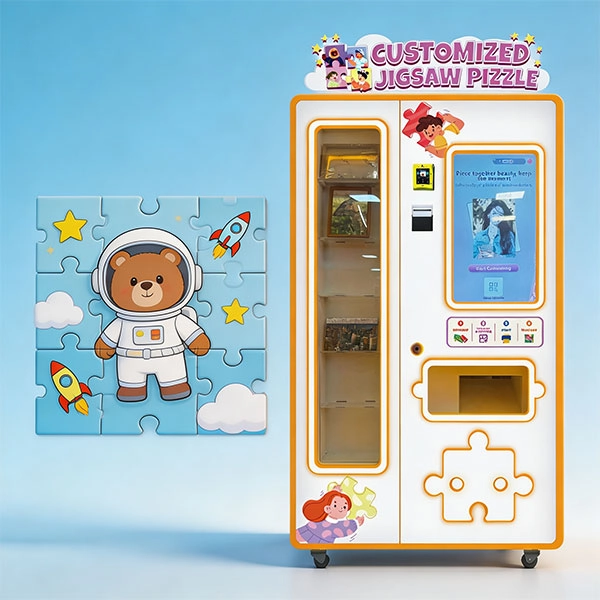
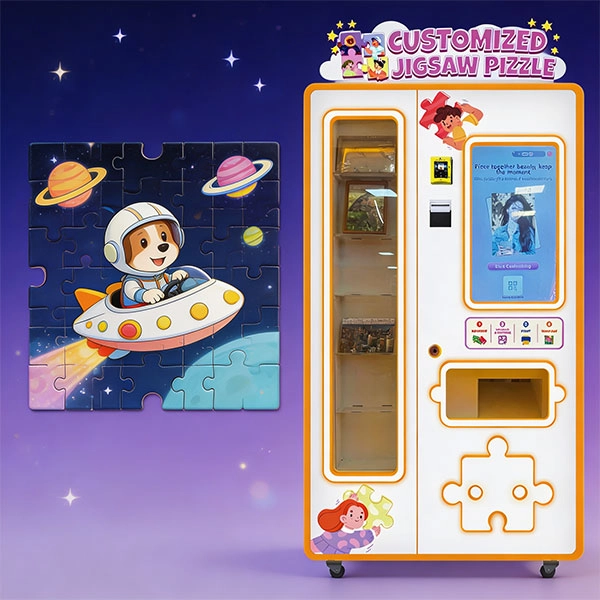
A puzzle vending machine WM520 is not like a snack vending machine. It doesn’t dispense pre-made products. It prints custom jigsaw puzzles on the spot, right there in front of the customer. Someone walks up, uploads a photo from their phone, pays, and about three minutes later they have a puzzle with their own image on it.
The machine handles everything: printing, cutting, and dispensing. Most units run on 220V (some support 110V), draw about 245W at full load, and weigh around 370 kilograms. For reference, that’s roughly the weight of a large commercial refrigerator. You’re not going to move it around by yourself.
The print quality matters more than you’d think. A machine with four colors (CMYK) can produce decent puzzles. A six-color setup (CMYK plus light cyan and light magenta) gets you noticeably better color accuracy, especially on skin tones and gradients. If you’re selling puzzles with people’s wedding photos or pet portraits on them, the six-color difference shows up fast in customer complaints or compliments.
Some machines print on wood. Others use paper stock, specifically German blue card stock, which produces a cleaner cut and a more traditional puzzle feel. Paper puzzles also cost less to produce, which we’ll get to in a minute.
What puzzle vending machines cost right now
Here’s the honest range as of mid-2026. Entry-level units with basic four-color printing and wooden puzzle output start around $5,500. Machines with six-color printing, AI image optimization, and paper puzzle capability run about $5,500 to $6,000 for small orders, with better pricing on volume. The jigsaw puzzle making machine price can swing by a couple thousand dollars depending on whether you’re buying one unit or ten.
Those numbers are just the machine. You also need to budget for:
- Consumables. Puzzle blanks run $0.80 to $1.20 per piece depending on quantity. Ink sets cost $100 to $160 depending on the print head type. Photo frames, if you offer them, add another $1.20 to $1.80 per unit.
- Shipping. A 370-kilogram machine doesn’t ship cheap. Expect $400 and up depending on where you are.
- Import duties and taxes. This varies by country, but figure 5% to 15% of the machine cost as a starting point.
- Location rent. This is the big one. Rent can eat 30% to 40% of your total first-year costs. More on this later.
All in, plan on $10,000 to $20,000 to get one machine placed and stocked for the first few months. That’s not a toy investment. It’s a real business expense that needs real revenue to justify.
If you’re comparing options, Wider Matrix has two generations worth looking at. The Jigsaw Puzzle Vending Machine (WM520) Gen 1 runs the XP600 print head with four colors on wooden puzzles, priced at $5,550. The WM520+ (Gen 2) upgrades to the F1080 six-color print head, prints on German blue card stock, adds a 27-inch touchscreen, and includes AI image optimization. It’s priced at $5,500 for small orders, which is actually less than the older model for better hardware. The Gen 2 also adds photo frame vending. The machine holds 140 frames across two styles, which opens up a whole second revenue stream from the same footprint.
Where to find suppliers (and what to watch for)
Most best puzzle making machine manufacturers are in China. That’s where the printing technology, the component supply chain, and the assembly expertise live. There are a few European and American distributors, but they’re almost always reselling Chinese-made equipment with a markup.
When you’re choosing the right vending machine manufacturer, here’s what separates the serious ones from the rest:
First, ask for a spec sheet with exact numbers. Not “high resolution.” The actual DPI. Not “fast printing.” The time per sheet. A real manufacturer will tell you 1748 × 2480 dpi and 3 minutes per sheet. A reseller or a low-quality factory will give you vague answers and hope you don’t notice.
Second, ask about remote monitoring. The better machines come with cloud-based management systems. You can check inventory, see transaction logs, and get maintenance alerts from your phone. Wider Matrix calls theirs SRRS. Without this, you’re driving to your machine every time you want to know if it’s running low on paper or ink.
Third, payment systems. You want a machine that supports Nayax for card payments, plus banknotes and coins. Some machines also support QR code payment, which is becoming standard in a lot of markets. Don’t buy a machine that only takes cash. You’ll leave money on the table.
Fourth, look at where they’ve shipped before. If a choosing the right vending machine supplier has units running in the US, Germany, France, the UK, Canada, Australia, Poland, Israel, and a dozen other countries, they’ve dealt with different voltage standards, customs paperwork, and regional compliance requirements. That experience matters when something goes wrong with your shipment.
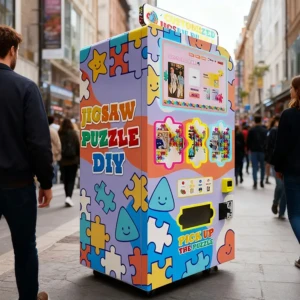
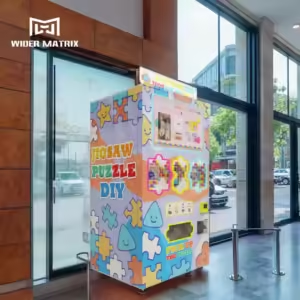
Wider Matrix is one of the manufacturers that ships globally. Their customized jigsaw puzzle vending machine WM520 has been delivered to operators across North America, Europe, the Middle East, and Southeast Asia. They also offer OEM and ODM customization. You can get the machine wrapped in your own branding, your own UI language, and your own color scheme. If you’re building a vending machine brand rather than just running one machine, that matters.
Are vending machines still profitable in 2026?
yes, if you treat it like a business and not a passive income fantasy. The people who lose money are the ones who buy a machine, stick it in a low-traffic corner, and never check on it. The people who do well pick good locations, keep the machine stocked, and track their numbers.
I’ve written about are vending machines profitable in more detail before, but the short version is that the industry is not oversaturated. The vending machine market in the US alone was worth over $40 billion in 2024, and the smart vending machines segment is growing faster than traditional snack and drink machines. Custom products, interactive screens, and on-demand manufacturing are pulling in customers who’d never give a regular vending machine a second look.
Puzzle vending machines fit into this trend. They’re not selling a commodity. They’re selling a personalized experience. Someone walks up, puts their kid’s drawing on a puzzle, and walks away with something they can’t buy on Amazon. That’s a different value proposition than a bag of chips.
What is the most profitable vending machine item right now?
If you ask around, the most profitable vending machine item is almost always something custom. Snacks and drinks have thin margins. You’re competing with every convenience store and gas station within walking distance. Custom products don’t have that problem. Nobody else in the mall sells a 208-piece puzzle with your dog’s face on it.
Here’s a real breakdown. A jigsaw puzzle printer machine produces a puzzle for about $1.00 in materials (paper blank plus ink). You sell it for $9.90 to $20.00 depending on location and demand. That’s an 89% to 95% gross margin on each sale. Even after rent, maintenance, and payment processing fees, you’re looking at strong net margins.
Compare that to a soda machine where you might make $0.50 per can on a good day. A puzzle machine only needs to sell 5 to 10 puzzles a day to cover its costs. Everything above that is profit. In a high-traffic location like a tourist attraction, a shopping mall, or a busy family entertainment center, 10 to 15 sales a day is realistic.
Photo frames add another layer. Wider Matrix’s WM520+ holds 140 frames. You buy them for about $1.40 each in bulk, sell them for $5 to $8 as an add-on, and suddenly your average transaction value jumps by 30% to 50%. Most customers who buy a custom puzzle want a frame to put it in. The machine just asks them at checkout.
How many machines do you need to make $100k?
I get this question a lot. The answer depends on location, but the math is straightforward. A single well-placed puzzle vending machine doing 10 sales a day at $12 per puzzle brings in about $3,600 a month in gross revenue. Subtract rent (maybe $800), consumables (about $300), and a small buffer for maintenance, and you’re netting around $2,000 to $2,500 a month per machine.
At that rate, you’d need about 4 machines to hit $100k in annual profit. If you can push to 15 sales a day or bump your average price to $15, you can get there with 3 machines. The breakdown is covered in detail in how many vending machines do you need to make $100k.
The hard part isn’t the math. It’s finding four good locations and keeping four machines running. One machine is a side hustle. Four is a job. The people who scale successfully are the ones who treat it that way from the start.
Do you need an LLC to run a vending machine?
Not legally required in most places, but you’d be making a mistake not to set one up. An LLC separates your personal assets from your business liabilities. If someone trips over your machine’s power cord and decides to sue, they go after the LLC, not your house. The filing fee is a few hundred dollars in most states. Compared to the vending machine cost you’re already paying, it’s a rounding error.
You’ll also need to check local permits. Some cities require a vending license. Some locations (malls, airports) have their own paperwork. None of this is complicated, but it takes time. Budget a month before your machine arrives to get the legal stuff sorted.
A closer look at the Wider Matrix WM520 series
Since I’ve been talking about Wider Matrix throughout this article, here are the two machines side by side so you can decide which one fits your situation.
The WM520 (Gen 1) is the original. It uses an XP600 print head, four CMYK colors, and prints on wooden puzzles. The resolution is 5760 × 1440 dpi, which is solid for wood. It prints in about 3 minutes per sheet. The machine dimensions are 1100 × 970 × 1950 mm. It holds 208 puzzles and 600 A5 blanks in the inkwell. It runs on the SRRS cloud monitoring system. Price: $5,550 for 1 to 5 units.
The WM520+ (Gen 2) is the current version. It has the F1080 print head with six colors (CMYK plus light cyan and light magenta), prints on German blue card stock, and hits 1748 × 2480 dpi. The six-color setup gives you noticeably better color accuracy. It also adds AI image optimization. The machine auto-adjusts contrast, sharpness, and color balance before printing. The screen is a 27-inch touchscreen, up from the standard display on the Gen 1. Dimensions are 970 × 1100 × 2200 mm. Same 3-minute print time, same 208-puzzle capacity, but it adds 140 photo frames across two styles. It also has predictive maintenance built into the SRRS cloud system. Price: $5,500 for 1 to 5 units.
Yes, the Gen 2 is cheaper than the Gen 1. Wider Matrix has been optimizing their supply chain and the F1080 print head has come down in cost. The upgrade is a no-brainer unless you specifically need wooden puzzles for your market.
Payment options on both generations include Nayax for card payments, banknote acceptors, coin acceptors, and QR code support. Both machines run on 220V standard with 110V available as an option. Both draw 245W max. Both weigh 370 kilograms.
For consumables, the Gen 2 uses UV hard ink at $160 per set (six cartridges). Puzzle blanks on German blue card stock start at $1.20 each for 1,000 pieces and drop to $1.00 at 10,000 pieces. Photo frames run $1.80 each for small orders and $1.50 in bulk. The Gen 1 uses pigment ink at $100 per set (six bottles of 500ml each). Wooden puzzle blanks are priced similarly to the paper ones.
Real numbers: what a WM520+ can earn
Wider Matrix publishes an ROI breakdown based on 10 puzzles per day at $9.90 to $20.00 per puzzle. Here’s how it plays out over a year at a real location:
You start with about $10,200 in upfront costs: $5,500 for the machine, $3,000 for initial consumables, $400 for shipping, $800 for taxes and duties, and your first month’s rent. The machine ramps up over the first few months as people discover it. By month three, you’re doing around $2,200 in sales against $800 in costs. By month five or six, you’re breaking even. By December, you’re looking at about $4,200 in monthly sales with $800 in costs, and your total investment is paid off with a 59% return on top.
Those numbers assume a decent but not amazing location. In a busy tourist area or a popular mall, 15 to 20 sales a day is achievable. At 20 sales a day at $15 each, you’re looking at $9,000 a month in gross revenue. Even with higher rent, the math works.
The one thing that decides everything is the location. A puzzle machine in a quiet laundromat might sell 3 puzzles a day. The same machine in a busy family entertainment center or a museum gift shop corridor might sell 30. If you’re starting a vending machine business, spend twice as much time on location scouting as you spend on machine research. It matters more.
How to get started without making expensive mistakes
If I were starting over today, here’s what I’d do differently:
First, pick your machine before you pick your location.
Know the dimensions, the power requirements, and the noise level. The WM520+ is 970 × 1100 × 2200 mm. That’s a footprint of about 1 square meter. Make sure the location you’re eyeing has space for that, plus enough clearance for people to stand in front of it.
Second, order samples.
Any serious manufacturer will send you a printed puzzle sample. Look at the color accuracy, the cut quality, and the paper stock. If they won’t send a sample, walk away.
Third, negotiate the shipping.
Freight costs for a 370-kilogram machine vary wildly depending on whether you’re shipping to a port or to a residential address with a lift gate. Get a door-to-door quote, not a port-to-port quote.
Fourth, line up your location before the machine arrives. A machine sitting in your garage is a machine losing money. Talk to mall management, entertainment centers, tourist attractions, and even hotel lobbies. Some will want a cut of revenue. Others will charge a flat monthly rent. How much do vending machines cost in total is as much about location fees as it is about hardware.
Fifth, test your pricing. Start at $12.99 for a puzzle and $7.99 for a frame. Track sales for two weeks. If you’re selling out, raise prices. If you’re getting lookers but no buyers, adjust. The machine lets you change prices remotely through the cloud system, so you’re not stuck with your first guess.
If you want to make money selling jigsaw puzzles through a vending model, you need to think about it differently than traditional retail. You’re not competing with puzzle stores. You’re competing with impulse purchases. The customer didn’t walk into the mall planning to buy a puzzle. They saw the machine, got curious, and spent 5 minutes making something. That’s the behavior you’re designing for. Bright screen, clear instructions, and output that’s fast enough nobody walks away. Price it like a fun splurge, not a considered purchase.
The jigsaw puzzle market has been growing steadily since 2020, and the custom segment is the fastest-growing part of it. People don’t just want puzzles. They want puzzles with their own photos, their own art, their own memories. A vending machine that prints those on demand is tapping into something that mass-produced puzzles can’t compete with.
Where to go from here
If you’ve read this far, you’re probably serious about getting a puzzle vending machine. Here’s the practical next step:
Go to the Wider Matrix website and look at the puzzle vending machine WM520 product page. Request a quote, ask for a printed sample, and get a shipping estimate to your location. While you’re waiting for the sample, start scouting locations. Walk through malls, entertainment centers, and tourist spots near you. Count foot traffic. Look at what other vending machines are already there and what they charge.
Wider Matrix has been shipping these machines globally for years. They’ve sent units to the US, UK, Germany, France, Canada, Australia, Poland, Israel, India, and a long list of other countries. They do OEM and ODM work, so if you want the machine wrapped in your brand with your colors and your UI language, they can do that. Their contact page has the details.
The selling jigsaw puzzles profitable question has a clear answer if you do the work. It’s not a magic money printer. It’s a real business with real numbers. But the numbers are better than most vending categories, and the custom angle means you’re not in a price war with every other machine on the block. If you’re going to put money into a vending machine this year, a puzzle printer is one of the better bets available.
One last thing. If you’re comparing suppliers, ask each one whether they have a best jigsaw puzzle maker reputation with their existing customers. Ask for references. Ask to see photos of machines running in the field, not just in a showroom. A supplier who can show you real machines in real locations with real transaction data is worth more than a cheaper quote from a factory you can’t verify.
Good luck. If you have questions about the Wider Matrix machines, their team is responsive on the contact form. I’ve found them straightforward to deal with, and their spec sheets are honest about what the machines can and can’t do. That’s rarer than it should be in this industry.
Note: Product specifications, pricing, and configurations are subject to change as we continuously improve our technology. Contact our sales team for the latest pricing, promotions, and a custom quote.
Specifications
| Model | WM520 |
| Dimensions | 100cm × 79cm × 175cm |
| Maximum Power | 245W |
| Net Weight | 240 KG |
| Voltage | 220V / 110V (Optional) |
| Payment Methods | Coin / Cash / Credit Card / NFC |
| Water Tank Capacity | 2000ml |
| Display | Video & Poster Advertising |
| Remote Management | Supports cloud monitoring and management |
Product Certificates
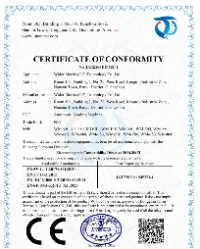
CE
JAT2209011545EC-1
2022.09 – 2027.09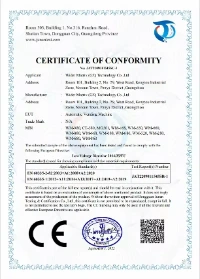
CE
JAT2209011545SC-1
2022.09 – 2027.09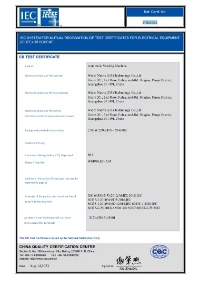
CB
CN61098
2023.08 – 2028.08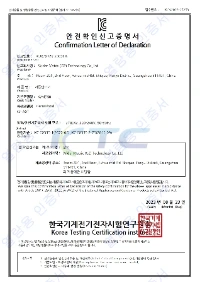
KC
XU070729-23001A
2023.08 – 2028.08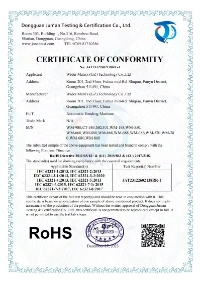
RoHS
JAT23122602138RC-1
2023.12 – 2028.12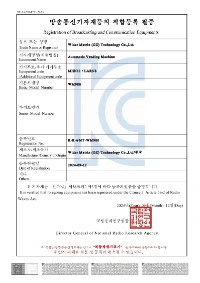
KC
R-R-wMT-WM980
2024.09 – 2029.09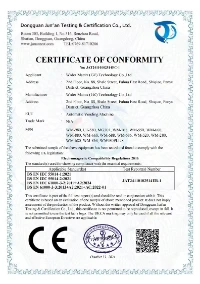
UKCA
JAT24110102514EC-1
2024.10 – 2029.10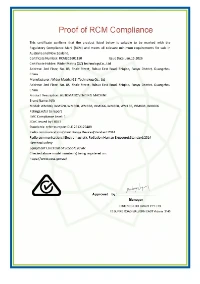
RCM
RCM202601150
2026.01 – 2031.01Company Introduction
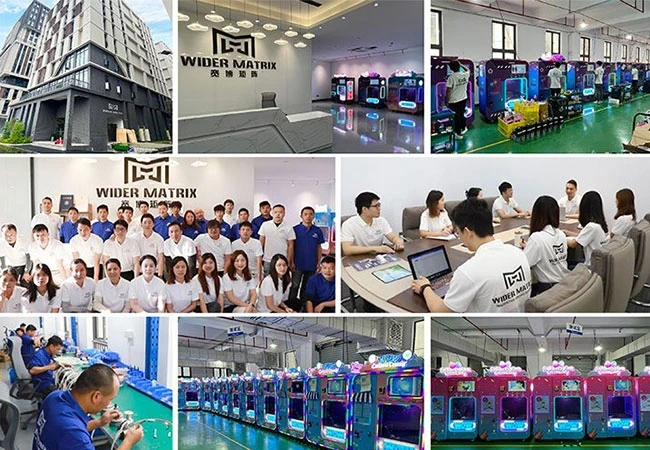
Wider Matrix (Guangzhou) Technology Co., Ltd. is a scientific and technological enterprise that attaches importance to R&D and user experience. We started to research and develop automated vending solutions in 2016, and achieved a leading position in the field of interactive vending machines.
With years of experience in automated retail technology, we've perfected our puzzle vending machines through rigorous testing and continuous innovation. Our commitment to quality and user experience has allowed us to expand globally, with our products now operating successfully in more than 130 countries including the United States, Canada, Europe, Southeast Asia, Australia, and Israel.
All machines support remote cloud management, which has the advantages of easy operation, convenient maintenance and high operating efficiency.
Exclusive Services
Overseas Support Service
Local transfer warehouse support, ensuring your operational stability.
Custom Design
We offer machine appearance customization, branding, and large-scale custom packaging services.
Initial Tools & Spare Parts Kit
Machine comes with complementary tools and spare parts kit, including initial consumables package for early operations.
Functional Customization & Software Optimization
Custom functionality based on client needs, including hardware and software optimization updates.
Lifetime Technical Support & Updates
We provide lifetime technical support and software update services for all customers.
Frequently Asked Questions
How much does a jigsaw puzzle vending machine cost?
What is the difference between the WM520 and the WM520+?
What are the ongoing costs for running a puzzle vending machine?
How profitable is a puzzle vending machine in a real location?
What should I check before choosing a puzzle vending machine supplier?
User Reviews
Widermatrix has been fantastic to work with. The puzzle vending machine arrived in perfect condition and has been operating smoothly for months. Our mall customers love the interactive experience and the machine generates consistent revenue with minimal maintenance.
I purchased two puzzle vending machines for my entertainment centers, and they have been in operation for over three months with excellent reliability. The cloud management system makes it easy to monitor sales and inventory remotely. The ROI has been impressive so far.
This is my first time running an automated retail business, and the puzzle vending machine has been the perfect starting point. Technical support is responsive, and the machine attracts many customers in my shopping mall location. The touchscreen interface is intuitive and the payment system works flawlessly.
The puzzle vending machine has been a game-changer for my business. Installation was easy, and the machine started generating revenue immediately. The remote management features allow me to monitor performance and update content without physically visiting the machine. Highly recommended.
After six months of operation, our puzzle vending machine has already paid for itself. The maintenance is minimal, and customer satisfaction is high. We particularly appreciate the seasonal puzzle options that keep the content fresh and relevant.
As a retailer with multiple locations, I was looking for ways to diversify my revenue streams. The puzzle vending machine has exceeded my expectations in terms of customer engagement and profitability. We've now ordered three more machines for our other locations.
Great machine overall, but took a bit longer than expected to get it up and running. Once installed, it has performed very well. The machine attracts a lot of attention in our family entertainment center, and customers love the variety of puzzle options.
We placed our puzzle vending machine in a university student center, and it's been incredibly popular. Students love the interactive features and the ability to create custom puzzles. The machine has required minimal maintenance despite heavy use.
As a gift shop owner, I was looking for unique products that would attract customers. The puzzle vending machine has become a major attraction in our store. Customers are fascinated by the technology, and many visit specifically to use the machine.
The puzzle vending machine has exceeded all our expectations. We installed it in a busy tourist area and the revenue has been outstanding. The machine is reliable, the puzzles are high quality, and the cloud management system makes monitoring effortless. Already planning to expand to more locations.
Why Choose Us
Why Operators Choose WiderMatrix
See how we compare to the industry average
| Feature | WiderMatrix | Industry Average |
|---|---|---|
| Machine Lifespan | ✓ 2× longer than standard machines | Standard lifespan |
| Maintenance | ✓ Ultra-low cost + remote diagnostics & alerts | High maintenance cost |
| Build Quality | ✓ Premium materials + patented technology | Standard manufacturing |
| Certifications | ✓ CE, UKCA, RoHS, KC, PSE, ISO (7+) | 1–2 certifications |
| Technical Support | ✓ 24/7 dedicated team + video guidance | Email only |
| AI Management Platform | ✓ Real-time monitoring, analytics & remote control | Basic / no dashboard |
| Software Updates | ✓ OTA lifetime free updates | Paid upgrades |
| Warranty | ✓ 1 year (no part return required) | 3–6 months |
Latest Articles
 NEW
NEW
Vending Machine Business Ideas for Beginners (Real Costs)
A practical comparison of nine vending machine setups for first-time operators, built around real factory prices, capacity, consumable...
Oct 10, 2026 NEW
NEW
French Fry Vending Machine USA: Costs, Rules, Reality
A practical buyer’s look at running a hot fry vending machine in the USA, built on the Wider...
Oct 09, 2026 NEW
NEW
Robotic smoothie vending machine price: the number and what moves it
One Wider Matrix WM666 lists at US$9,400.00, with per-unit pricing quoted separately for orders of two or more....
Oct 09, 2026Popular Picks
HOT
Vending Machine Business Ideas for Beginners (Real Costs)
A practical comparison of nine vending machine setups for first-time operators, built around real factory prices, capacity, consumable...
Oct 10, 2026 HOT
HOT
Ready to Pack for the Czech Republic
Today is a good day that we are going to send out our package for the Czech Republic....
May 20, 2022 HOT
HOT
Shipping out to America!
These 3 machines will arrive in the USA one month later. Hopefully, it will bring back bulk orders...
May 19, 2022