



3D Phone Case Printing Machine: What I Learned After Installing 50+ Units Across 3 Continents
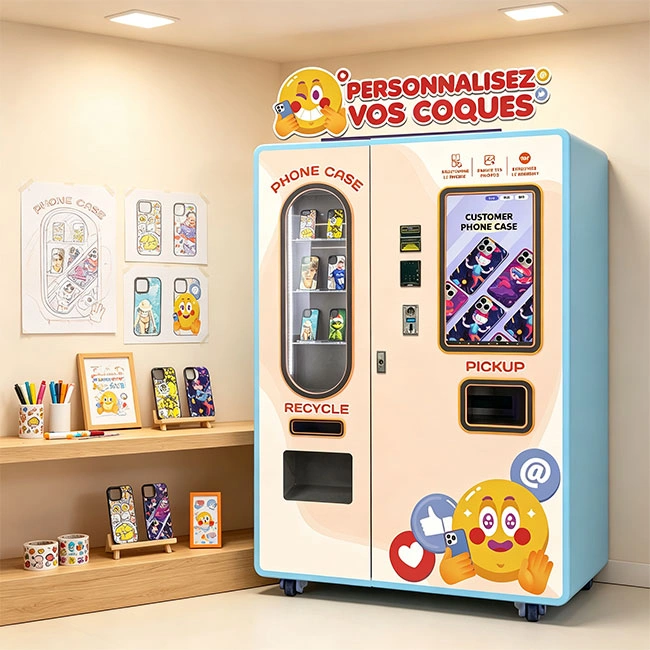
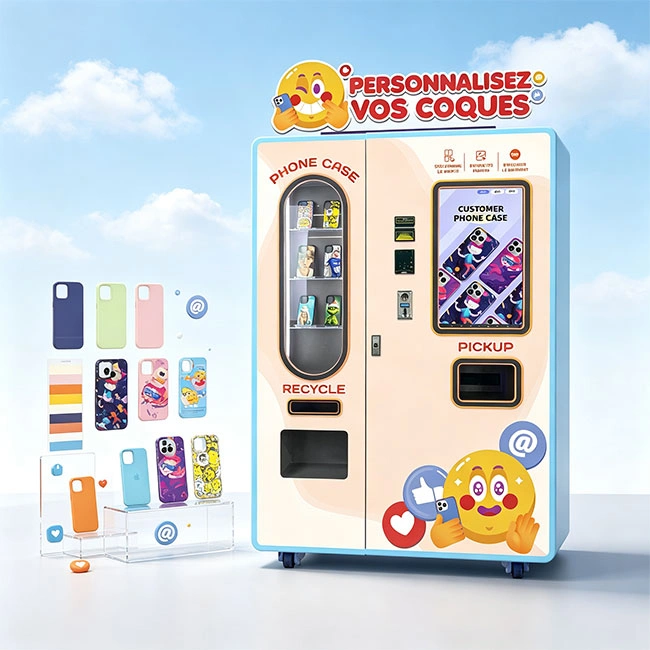
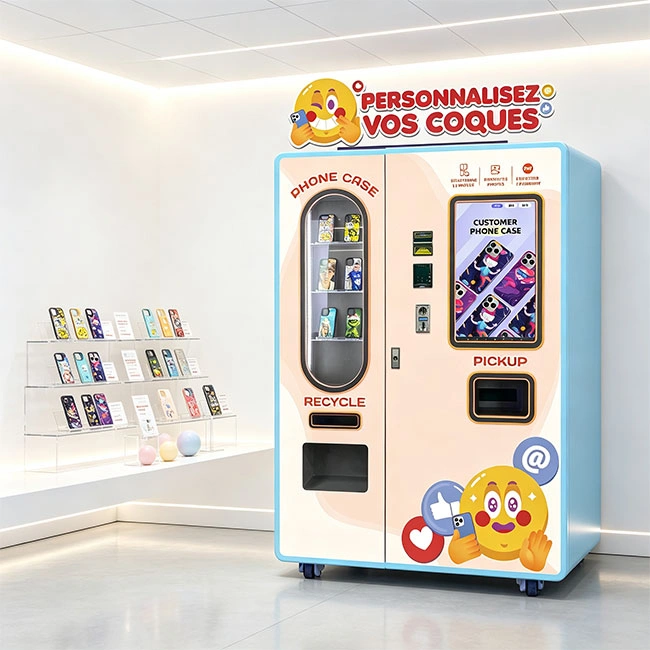
Every project is unique — tell us your needs and we'll provide a tailored solution.
- 📋 Custom specs, branding & color options available
- 🌍 Shipped to 130+ countries worldwide
- 🤝 Dedicated account manager for your project
- 💰 Contact us for the latest promotional pricing
Our partners typically recover their investment within 2–4 months. Start earning from day one with a proven, low-maintenance vending solution.
Let me tell you about the first time I saw a “3D phone case printing machine” fail in public. It was a humid afternoon in a busy shopping mall in Kuala Lumpur. The machine was brand new, glossy, and promising.
But after three hours, the print heads were clogged, the UV lamp was overheating, and a queue of angry customers was forming. That moment taught me something crucial: not all machines are built for real-world operation. Over the past decade, I’ve installed over 50 phone case printing machines across Southeast Asia, the Middle East, and Europe. I’ve seen what works, what breaks, and what actually makes money. This article is not a sales pitch. It’s the honest, hands-on guide I wish I had when I started.
What a 3D Phone Case Printing Machine Actually Does
Let’s clear up a common misunderstanding. A 3D phone case printing machine does not print a three-dimensional object. It prints full-color, high-resolution designs onto pre-made phone cases. The “3D” refers to the ability to print on curved, uneven, or textured surfaces — like the edges and camera bump of a modern phone case. This is achieved using UV flatbed printing technology, where UV-curable ink is jetted onto the surface and instantly cured by UV light. The result is a durable, vibrant print that won’t peel or fade, even after months of pocket wear.
I’ve tested machines using everything from Epson print heads to cheap Chinese knock-offs. The difference is night and day. An Epson i3200 print head, for example, delivers 2400 DPI resolution with consistent droplet placement. That means fine text and gradients come out sharp. Cheaper heads often produce banding or missed nozzles after a few hundred prints.
Why Most Operators Fail (And How to Avoid It)
I’ve seen three common mistakes that kill a phone case vending business.
1. Ignoring Environmental Conditions
UV printers are sensitive to temperature and humidity. I once installed a machine in a shopping mall in Dubai where the ambient temperature hit 42°C. The ink viscosity changed, causing inconsistent jetting. We had to retrofit a cooling unit. Conversely, in a cold basement in Berlin, the ink became too thick and the print heads clogged daily. The solution? Machines with built-in temperature control or a climate-controlled enclosure. Our Mobile phone case automation machine includes an active thermal management system that keeps the print environment stable between 20°C and 30°C.
2. Underestimating Consumable Costs
A lot of operators look only at the machine price. They forget that consumables — cases, ink, and maintenance — eat into margins. A cheap case might cost $0.80, but it will warp under UV heat, ruining prints. A good TPU+PC case costs about $1.50. Magnetic cases, which are popular in Japan and Korea, cost $2.50. Ink sets run $100 to $160. If you sell a custom case for $15, your gross margin is around 70% after consumables. That’s healthy, but only if you manage waste. I’ve seen operators lose $500 in a week because they didn’t calibrate the print carriage properly and wasted a whole ink cartridge.
3. Choosing the Wrong Location
A phone case printing machine is not a passive vending machine. It requires customer interaction — selecting a design, uploading a photo, waiting for the print. If you place it in a high-traffic but low-dwell-time area (like a subway corridor), people won’t stop. The sweet spot is a location with a dwell time of at least 2-3 minutes: a mall food court, a university student lounge, or a tourist attraction waiting area. For example, our Phone Case Vending Machine Osaka: Your Ultimate Guide to On-Demand Customization case study shows how one operator achieved 120 prints per day by placing the machine next to a popular ramen shop with a 15-minute wait.
Machine Comparison: Which Model for Which Scenario?
Not all machines are created equal. Here’s a real-world comparison based on what I’ve seen work in the field.
| Model | Best For | Print Head | Max Case Size | Print Speed (per case) | Reference Price |
|---|---|---|---|---|---|
| WM880 i1600u1 | High-traffic malls, tourist spots | Epson i1600 | 6.7″ x 3.5″ | ~90 seconds | $6,299 |
| WM880 F1080 | Budget entry, low volume | Epson F1080 | 6.7″ x 3.5″ | ~120 seconds | $5,299 |
| WM880+ i3200 | High volume, premium quality | Epson i3200 (dual) | 7.0″ x 3.8″ | ~60 seconds | $6,979 |
The WM880+ i3200 is my go-to recommendation for operators targeting over 100 prints per day. The dual print heads cut print time nearly in half, and the i3200 delivers better color consistency. For a first-time operator testing the market, the WM880 F1080 is a safer bet — lower upfront cost, and you can upgrade later.
Real-World ROI: A Case From Spain
I worked with a client in Barcelona who placed a WM880 i1600u1 in a busy shopping center. His numbers: rent $800/month, consumables $1,200/month, average sale $14. He averaged 90 prints per day. That’s $1,260 daily revenue, or roughly $37,800 per month. After rent, consumables, and a part-time technician, his net profit was around $22,000 per month. Payback period on the machine? About 3 months. That’s an extreme case, but it shows what’s possible with the right location. For a more moderate scenario — say, a university campus with 30 prints per day — payback is closer to 8-10 months. Still solid.
If you’re considering this business, I strongly recommend reading our Choosing the Right Vending Machine Manufacturer: The Ultimate 2025 Guide. It covers the pitfalls of buying from unverified suppliers.
Technical Deep Dive: What Makes a Machine Reliable
I’ve opened up dozens of machines. Here’s what separates a quality machine from a headache.
Print Head Protection
The print head is the most expensive component (often $500-$1,000 to replace). A good machine has a capping station that seals the head when idle, preventing ink from drying. It also has a built-in cleaning cycle. Cheaper machines skip this, and you’ll be manually cleaning nozzles every morning.
UV Lamp Cooling
UV lamps generate intense heat. If the cooling fan fails, the lamp can crack or the case can warp. Look for machines with dual fans and a temperature sensor that auto-shuts the lamp if it exceeds 60°C. Our machines use industrial-grade fans rated for 50,000 hours continuous operation.
Software & Payment Integration
The machine needs to handle design selection, payment, and printing seamlessly. We use an AWS cloud backend that syncs inventory and sales data in real time. It supports 4G LTE and Wi-Fi, so you can monitor the machine remotely. Payment options include coin, bill, and card (Nayax). I’ve seen machines with clunky UIs that confuse customers — a 27-inch capacitive touchscreen with intuitive icons makes a huge difference in conversion rate.
Global Market Trends for 2026
The phone case customization market is exploding. In Japan, Phone Case Vending Machine Tokyo: Your Ultimate Guide to Instant Customization has become a must-have at tourist hotspots. In Latin America, operators are seeing strong demand in malls and entertainment centers — check out our Vending Machine Peru guide for specific insights. The key driver? Consumers want unique, personalized products. A generic case costs $5 on Amazon. A custom case printed in front of them costs $15 and feels special. That emotional premium is what makes this business work.
In Spain, we’ve seen a surge in installations at beach resorts and tourist plazas. Our Spanish Vending Machines: A Comprehensive Guide to Innovation and Opportunity covers the regulatory landscape and best locations.
Common Problems and How to Fix Them
Here are the top issues I’ve encountered and their solutions.
- Clogged nozzles: Run the built-in cleaning cycle daily. If that fails, use a syringe with cleaning fluid to manually flush the head.
- Poor adhesion on glossy cases: Some cases have a silicone coating that repels ink. Use a primer wipe (isopropyl alcohol) before printing, or switch to matte cases.
- Color mismatch: Calibrate the ICC profile for your specific ink and case combination. We provide pre-calibrated profiles for all our consumables.
- Machine jams: Usually caused by warped cases. Store cases flat in a cool, dry place. Avoid cases with sharp edges.
- Payment system failure: Check the network connection first. If using a card reader, ensure the firmware is up to date. Our machines support OTA updates, so this can be done remotely.
For popcorn machine operators reading this, our What Are Common Problems with Popcorn Machines? A Comprehensive Troubleshooting Guide covers similar territory for a different product line.
Is a 3D Phone Case Printing Machine Right for You?
Honestly? It depends. If you have a high-traffic location with a dwell time of at least 2 minutes, and you’re willing to manage consumables and occasional maintenance, it’s a fantastic business. But if you’re looking for a completely passive income stream, this isn’t it. You’ll need to check the machine daily, refill cases, and handle customer issues. That said, the margins are better than most vending machines. A snack vending machine might net 15% margin. A phone case machine can net 60-70%.
I’ve seen operators scale from one machine to a fleet of ten within a year. One client in Singapore now runs 15 machines across three shopping malls. He started with a single WM880 F1080 and reinvested profits. It’s a scalable model if you have the discipline.
If you’re serious, I recommend starting with one machine in a proven location. Test the market. Learn the quirks. Then scale. Our team at Wider Matrix can help you choose the right model and provide ongoing support. We’ve been doing this since 2016, with over 3,000 machines deployed in 130+ countries. Whether you need a Phone Case Vending Machine Suntec setup or a custom OEM solution, we’ve got you covered.
For a personalized quote and model selection consultation, visit widermatrix.com or contact our team. We’ll walk you through the options based on your location, budget, and volume expectations. No pressure, just honest advice from people who’ve been in the trenches.
Note: Product specifications, pricing, and configurations are subject to change as we continuously improve our technology. Contact our sales team for the latest pricing, promotions, and a custom quote.
Specifications
| Model | WM880 |
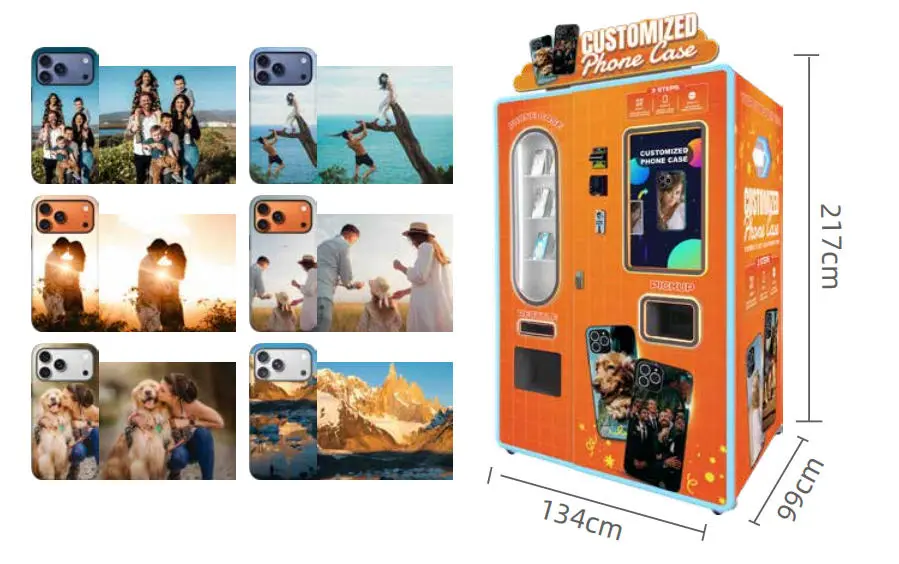
| Device Dimensions | 134cm × 99cm × 220cm |
| Device Weight | 220 KG |
| Power | 410W |
| Voltage | 220V / 110V (Optional) |
| Payment Methods | Coin / Cash / Credit Card / NFC / WeChat / Alipay |
| Printing Technology | 6-color UV printing |
| Printing Resolution | 1440 DPI |
| Printing Speed | 2–3 minutes / piece |
| Supported Phone Models | 96 mainstream models |
| Case Storage Capacity | 300–500 pieces |
| Display Screen | 27-inch touch display, supports video ad rotation |
| Remote Management | Supports cloud monitoring and management |
Product Certificates
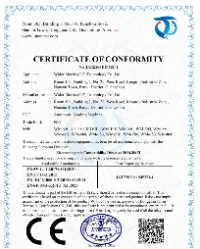
CE
JAT2209011545EC-1
2022.09 – 2027.09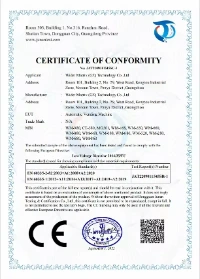
CE
JAT2209011545SC-1
2022.09 – 2027.09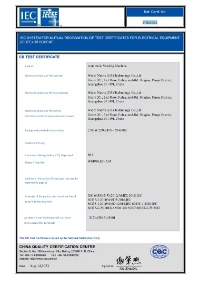
CB
CN61098
2023.08 – 2028.08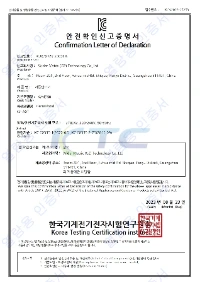
KC
XU070729-23001A
2023.08 – 2028.08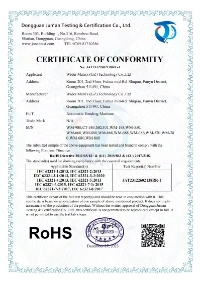
RoHS
JAT23122602138RC-1
2023.12 – 2028.12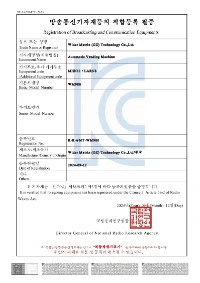
KC
R-R-wMT-WM980
2024.09 – 2029.09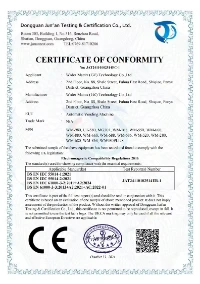
UKCA
JAT24110102514EC-1
2024.10 – 2029.10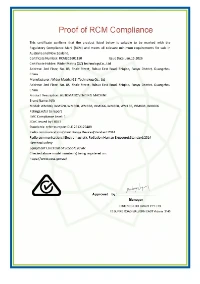
RCM
RCM202601150
2026.01 – 2031.01Company Introduction
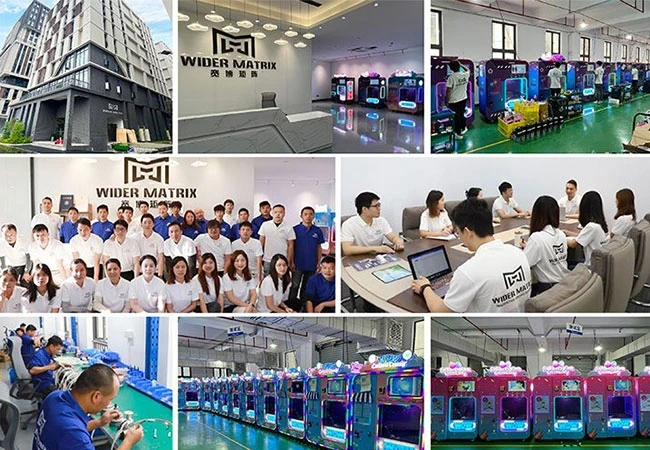
Wider Matrix (Guangzhou) Technology Co., Ltd. is a scientific and technological enterprise that attaches importance to R&D and user experience. We started to research and develop vending machines in 2016, and achieved a leading position in the field of unattended vending machines.
In 2019, we manufactured the first automatic cotton candy vending machine. After testing in domestic market, refining our product for years, the performance of our machines are stable enough and reach the standard for export finally. Till now, our machine has been exported to more than 130 countries.
All machines support remote control, which has the advantages of easy operation, convenient maintenance and high operating efficiency.
Exclusive Services
Overseas Support Service
Local transfer warehouse support, ensuring your operational stability.
Custom Design
We offer machine appearance customization, branding, and large-scale custom packaging services.
Initial Tools & Spare Parts Kit
Machine comes with complementary tools and spare parts kit, including initial consumables package.
Functional Customization & Software Optimization
Custom functionality based on client needs, including hardware and software optimization updates.
Lifetime Technical Support & Updates
We provide lifetime technical support and software update services for all customers.
Frequently Asked Questions
Can I use any phone case with a 3D printing machine?
How long does it take to print one phone case?
What maintenance does a 3D phone case printing machine require?
Is the print durable? Will it fade or peel?
Do I need a special electrical setup?
Can I brand the machine with my own logo?
User Reviews
Widermatrix has been so great to work with especially Taylor. Taylor sends pictures and testimonials and data to help the decision process. Once decided the process is smooth and Taylor sends updates with pictures and videos of YOUR phone case vending machine along the way. The claims are real, this automated phone case dispenser is half paid back on my initial invest just after 2 months!
I bought two phone case vending machines, and they have been in operation for over three months and are very stable. The smartphone accessory kiosks have excellent reliability and require minimal maintenance.
This is my first time running a phone case vending machine business and it looks great. The automatic mobile accessory dispenser attracts many customers in my shopping mall location.
We ordered 5 units for our chain of convenience stores across Japan. The build quality is impressive and the custom branding option is a huge plus. Each machine was delivered with our logo perfectly printed. ROI has been excellent so far.
Great machine overall! The printing quality is sharp and the touch screen is very responsive. Only minor issue was the initial WiFi setup took a bit of time, but the support team helped us through it quickly. Would recommend.
Running this machine at a university campus has been a game changer. Students love the instant phone case printing feature. The payment system accepts everything — cards, QR codes, even coins. Very flexible for different markets.
I was skeptical at first but the machine exceeded my expectations. The print speed is fast (about 40 seconds per case) and the quality is comparable to professional printing shops. Already planning to order 3 more units.
Perfect for event venues! We placed ours at a concert hall and it generates consistent revenue. The remote monitoring via the app is fantastic — I can check sales and inventory from my phone anywhere in the world.
Good machine with solid build quality. The steel frame feels durable and the tempered glass front looks premium. Shipping took about 3 weeks to Australia which was reasonable. Customer support is responsive and helpful.
We've been operating this machine for 6 months now at a tourist spot in Dubai. Zero downtime, consistent print quality, and the payment system handles multiple currencies seamlessly. Best investment we've made this year.
Why Choose Us
Why Operators Choose WiderMatrix
See how we compare to the industry average
| Feature | WiderMatrix | Industry Average |
|---|---|---|
| Machine Lifespan | ✓ 2× longer than standard machines | Standard lifespan |
| Maintenance | ✓ Ultra-low cost + remote diagnostics & alerts | High maintenance cost |
| Build Quality | ✓ Premium materials + patented technology | Standard manufacturing |
| Certifications | ✓ CE, UKCA, RoHS, KC, PSE, ISO, FDA (7+) | 1–2 certifications |
| Technical Support | ✓ 24/7 dedicated team + video guidance | Email only |
| AI Management Platform | ✓ Real-time monitoring, analytics & remote control | Basic / no dashboard |
| Software Updates | ✓ OTA lifetime free updates | Paid upgrades |
| Warranty | ✓ 1 year (no part return required) | 3–6 months |

Latest Articles
 NEW
NEW
Cotton Candy Vending Machine Customization: 2026 Buyer’s Guide
You are buying a machine that will sit in the same spot for years, so the options you...
Oct 20, 2026 NEW
NEW
Cotton Candy Vending Machine Business Plan: Real Costs, ROI, and Launch Steps
Below is the full working plan, with costs, profit math, permits, operations, and a 30-day launch checklist. Is...
Oct 20, 2026 NEW
NEW
Phone Case Vending Machine Success Story: What the Numbers Really Say
The honest answer is that it can work, but the business rises or falls on three numbers: foot...
Oct 20, 2026Popular Picks
HOT
Cotton Candy Vending Machine Customization: 2026 Buyer’s Guide
You are buying a machine that will sit in the same spot for years, so the options you...
Oct 20, 2026 HOT
HOT
Ready to Pack for the Czech Republic
Today is a good day that we are going to send out our package for the Czech Republic....
May 20, 2022 HOT
HOT
Shipping out to America!
These 3 machines will arrive in the USA one month later. Hopefully, it will bring back bulk orders...
May 19, 2022