








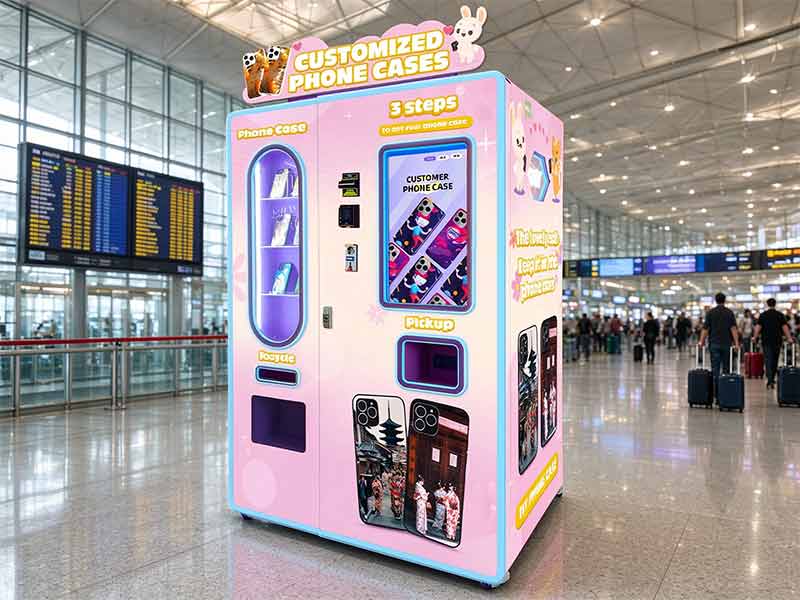
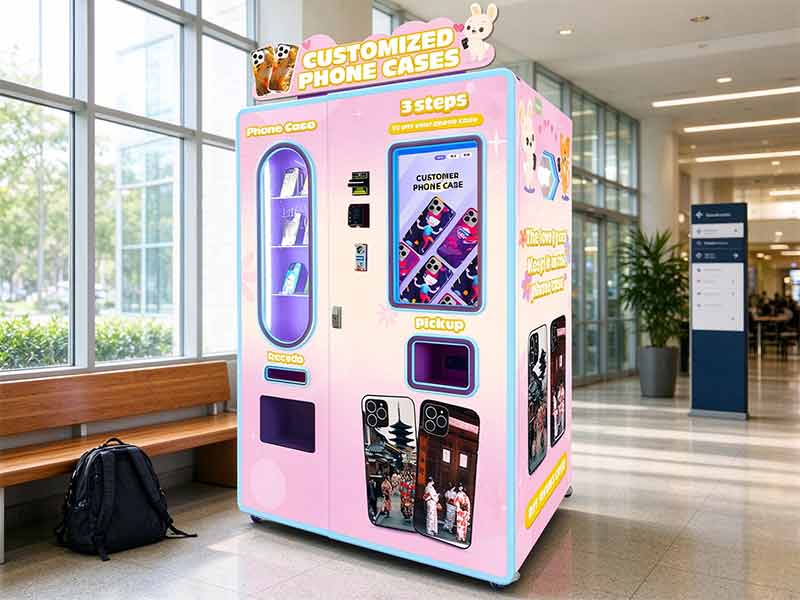
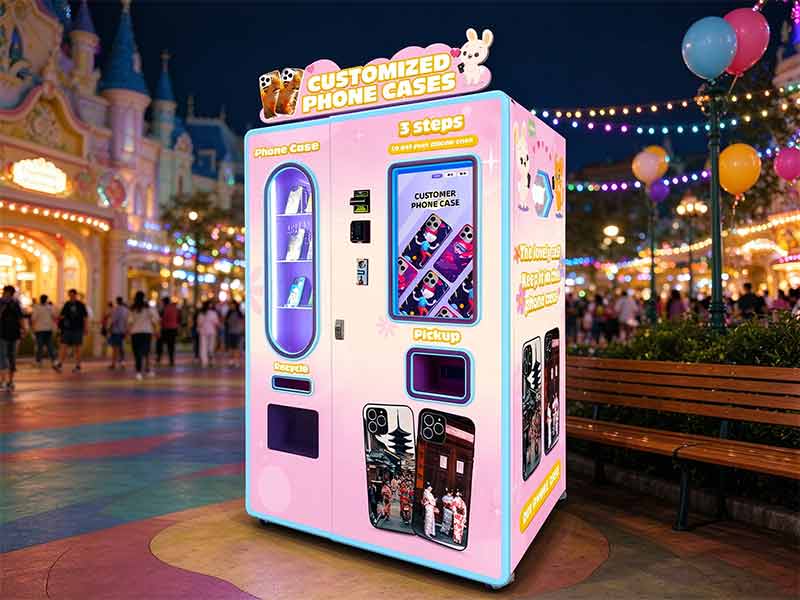
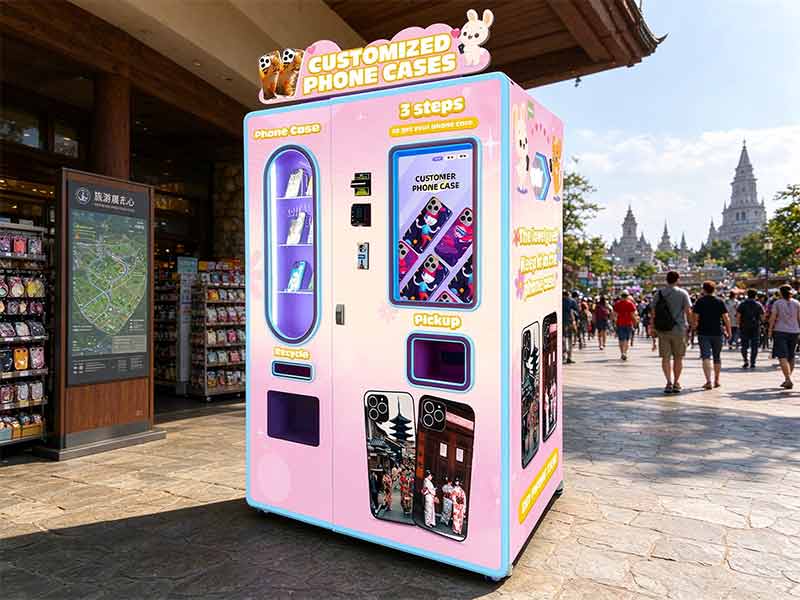
The Phone Case Printing Vending Machine, Explained by the Factory That Builds It
We build the WM880, so here's the unvarnished version: what the technology is, what it holds, why the economics work, and what to check before you buy any phone case printing machine.
1. Why a Vending Machine Beats a Print Shop for Phone Cases
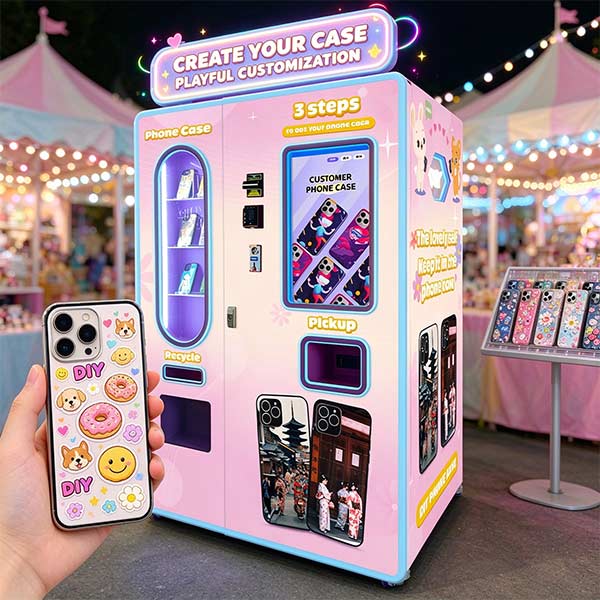
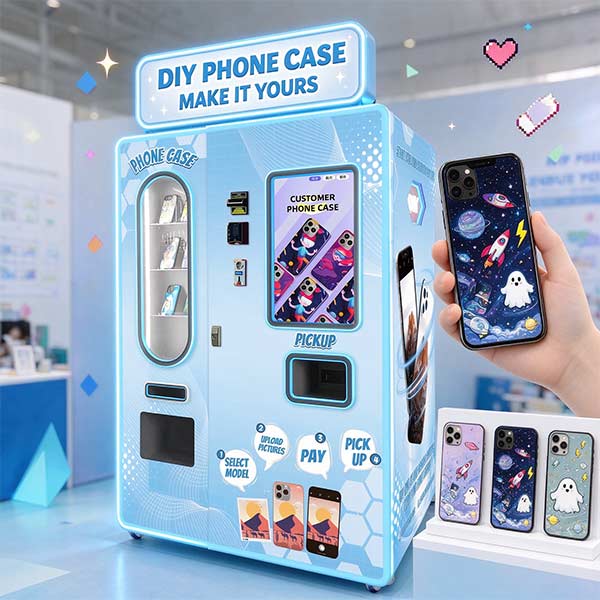
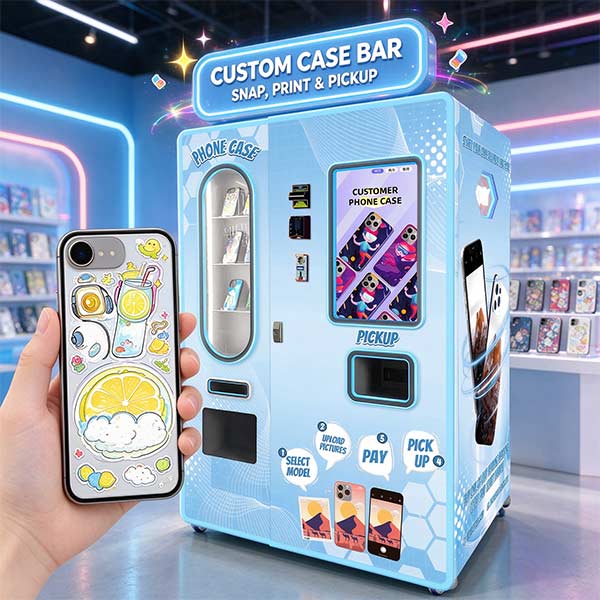
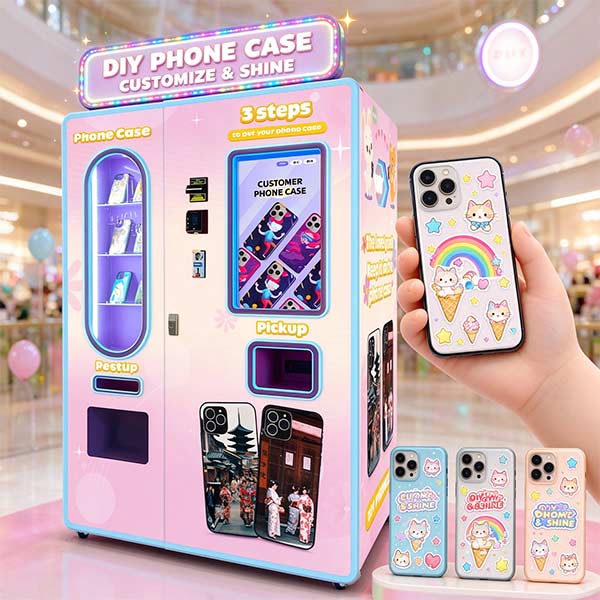
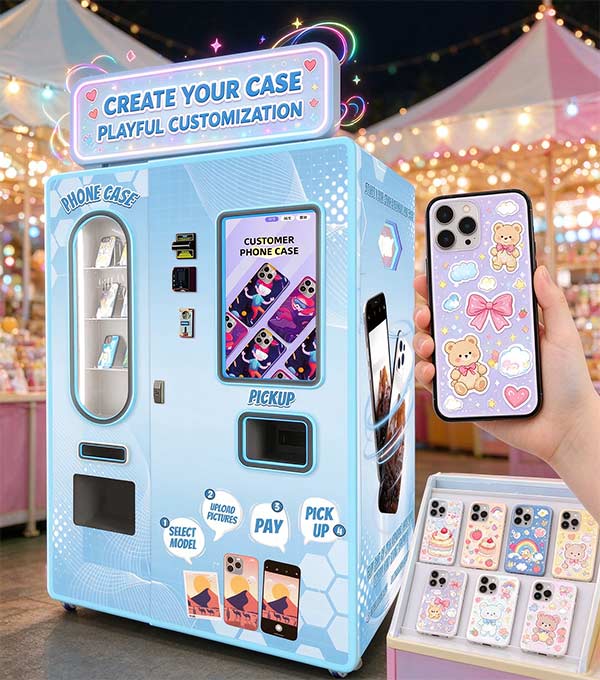
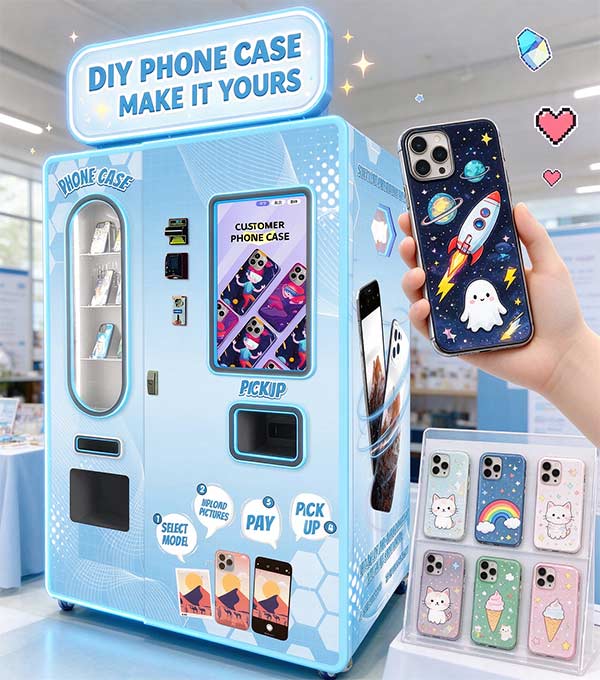
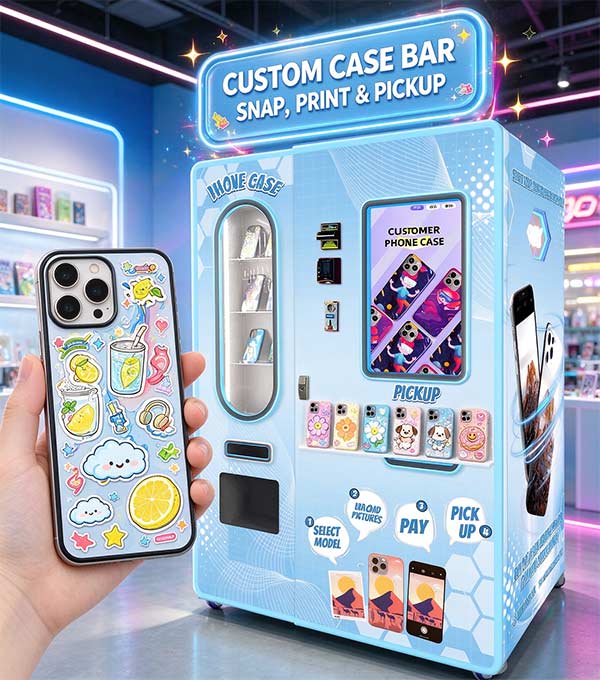
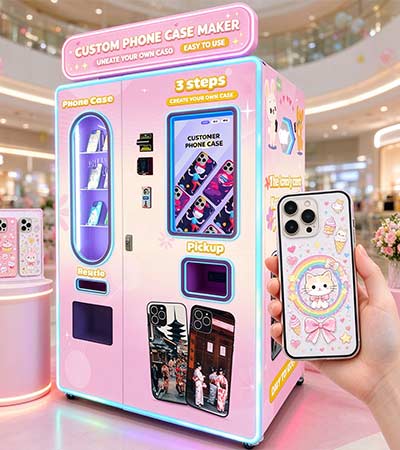
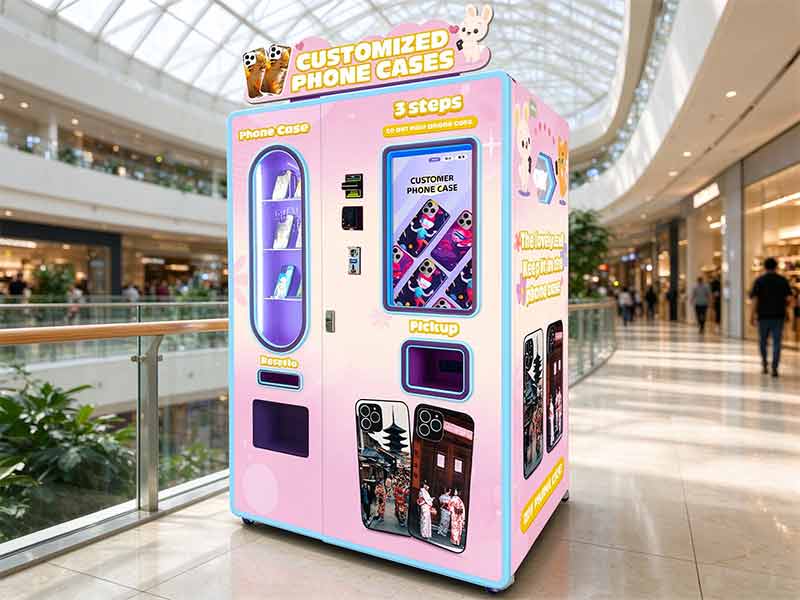
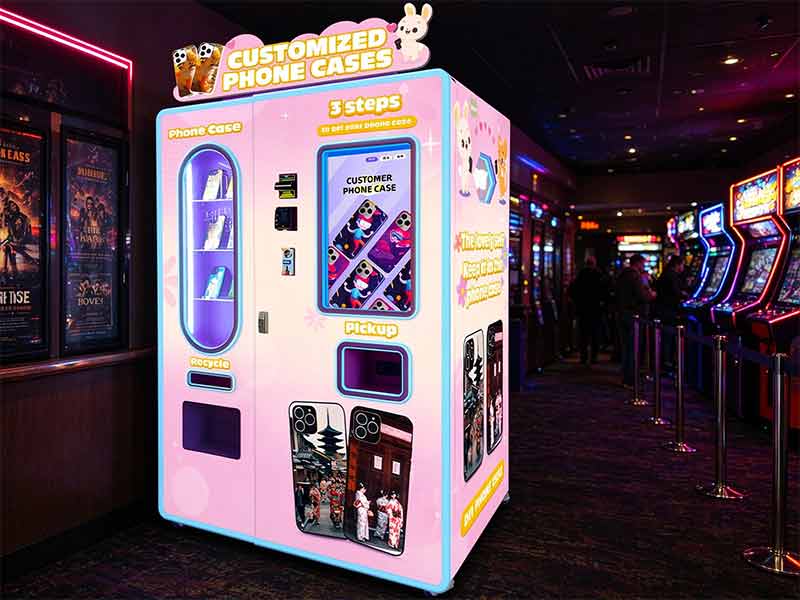
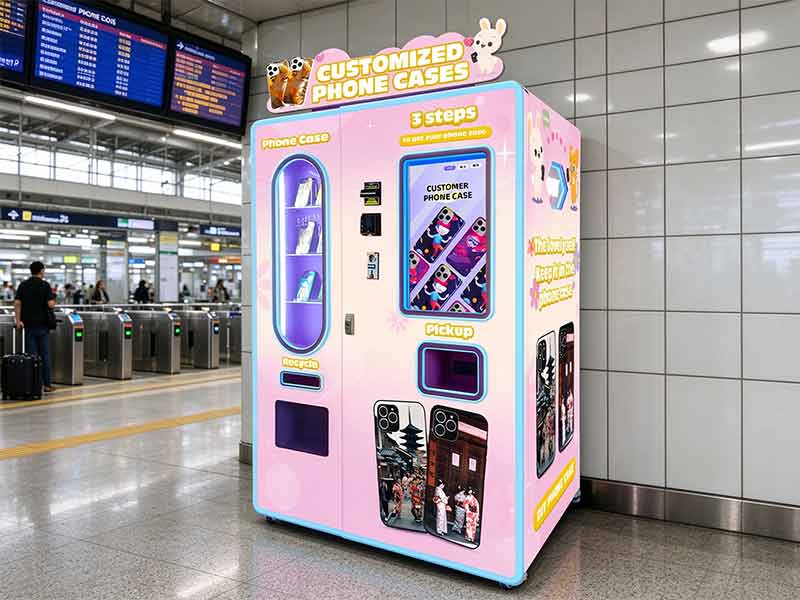
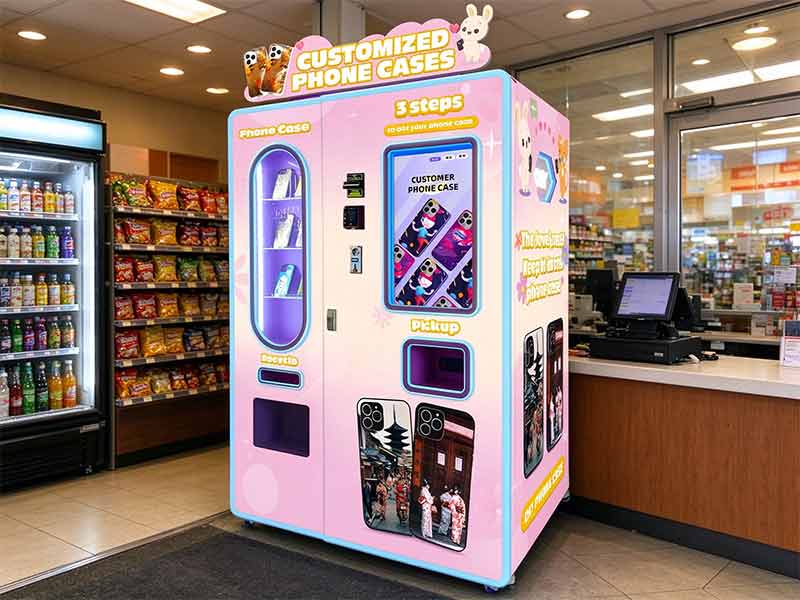
A print shop needs staff, rent hours and a queue. A phone case vending machine needs a socket and restocking visits. The product is identical — UV ink on a TPU + PC case — but the machine version delivers it in 1–3 minutes, at 3 a.m. if someone's phone case just died, with zero labor cost per sale. That's why operators pair them next to candy makers and photo kiosks: the same footprint, a much better margin.
2. The UV Printing Technology Inside
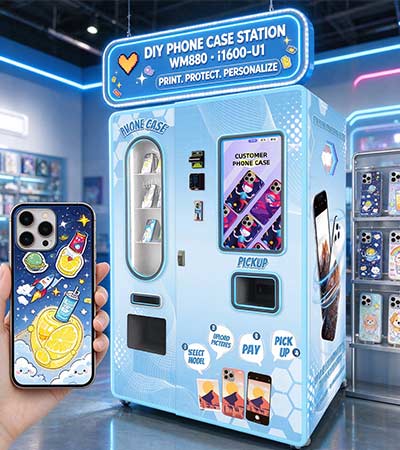
The WM880 uses Epson industrial UV print heads in three tiers: the F1080-A1 for photo-grade output, the i1600-U1 with 3× the speed and 4× the lifespan, and the i3200-U1HD as a lossless upgrade path (+US$680). Ink is 4- or 6-color UV hard ink from a 2,000 ml system, cured instantly under a UV lamp. AI-assisted positioning aligns the blank case so the print lands edge-to-edge with no white border — the single most asked-about detail we get, and the one that separates UV print machines from sticker printers.
3. What One Machine Holds
1,020–1,025 blank cases, pre-loaded by phone model for your market: iPhone 16, iPhone 15, iPhone 11, Samsung, Google Pixel, Xiaomi, Huawei, OPPO — TPU + PC with two lens-cover protection designs. Cases load flat, back-up, below a red-line indicator; a full restock takes 30–60 minutes. The optional US$200 inventory-identification camera watches per-slot stock remotely, so you know what to bring before you leave the house.
4. Why the Margins Are This High
The math is almost rude: a blank case costs US$1.10–1.30 at 8,000-piece volume, ink adds roughly US$0.30–0.90 per case, and the finished custom case sells for US$15–35. The customer is not buying plastic — they're buying a photo that exists on exactly one phone in the world. That emotional value is what an off-the-shelf case at US$5–15 can't charge for, and it's why this category clears 80%+ gross margin while candy and drink machines hover around 30–50%.
5. The Buyer's Checklist — 10 Points Before You Buy
1. Print head brand and model — insist on Epson UV, not a generic head. 2. Print speed per case — under 3 minutes keeps lines moving. 3. Case capacity — 1,000+ means 1–2 restocks per week, not daily. 4. Phone-model coverage for your market, configured before shipping. 5. Payment methods matched to your country (coin, cash, card, NFC, QR). 6. Ink cost per color set and expected cases-per-set. 7. Remote management — stock, sales and machine status on your phone. 8. Upgrade path — can the print head be swapped without replacing the cabinet? 9. Certifications for your market: CE, PSE, FCC or CCC. 10. After-sales in writing — response times, spare parts, engineer channel. WiderMatrix answers all ten on the WM880; hold every other vendor to the same list.