Ask anyone who runs a snack shop or a convenience store in Germany what eats into their margins, and labor costs come up first. Minimum wages keep climbing, shifts are hard to fill in many regions, and the summer rush never matches your staffing plan. That is exactly why more operators across the country are looking at an automated ice cream vending machine Germany instead of hiring another pair of hands behind the counter.
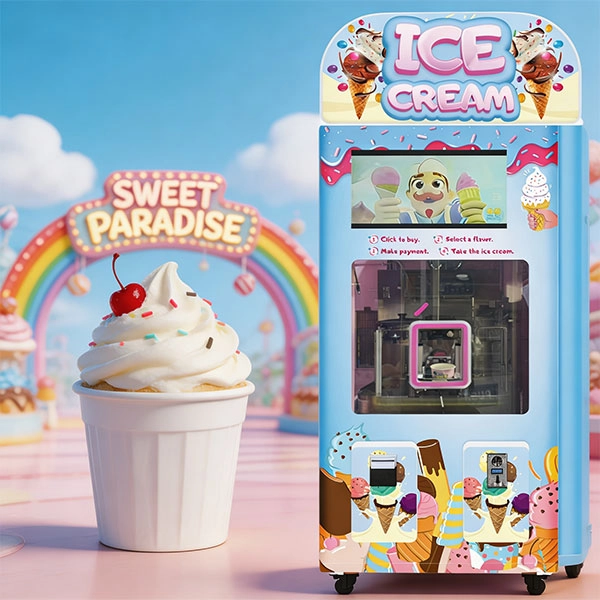
An automated ice cream vending machine Germany can sit in a train station, a shopping mall, a fitness club, or a university canteen and serve a finished cup of soft serve in about fifteen seconds. No scooper, no cashier, no refrigeration case to keep staffed. The machine handles the mixing, the freezing, the topping, and the payment itself. For a single operator or a small team, that changes the whole math of selling ice cream.
Wider Matrix has been building these machines since 2016, and we ship them to Germany and other European markets on a regular basis. We have watched the questions German buyers ask change over the years, from “will it survive a German summer” to “how fast can I break even on a busy station platform.” This guide answers those questions with real model specs, honest cost figures, and placement advice that fits how German locations actually work.
Why the German Market Keeps Growing for Automated Ice Cream
Germany is one of the largest and most organized food retail markets in Europe, and ice cream is a year-round category here, not a seasonal afterthought. Supermarkets, bakeries, and mobile stands all compete for the same customer. What an automated ice cream vending machine Germany offers is something none of those formats can match: a consistent product, available at any hour, with zero additional staff. Operators who have never bought an automated ice cream vending machine often assume the market here is too competitive to enter, but the data says otherwise.
Several trends have pushed operators toward automation in the German market:
- Staffing shortages in hospitality and retail hit smaller cities hardest, and ice cream stands are among the first to feel it.
- Energy and rent costs in high-traffic locations force businesses to maximize revenue per square meter.
- German consumers have gotten comfortable with self-service and card payments, which makes a touchscreen vending experience feel normal rather than novel.
- Food safety rules reward machines that keep the mix sealed and chilled inside a stainless steel cabinet.
None of this means the traditional ice cream shop is disappearing. It means the incremental demand, the late-night demand, and the demand in places where a shop would never make sense, is being captured by automated machines. For anyone evaluating the sourcing options for ice cream vending machines, understanding how the market behaves in Germany is the first step.
What a Modern Automated Ice Cream Vending Machine Actually Does
It is worth clearing up what sits inside these machines, because the term “vending machine” undersells the engineering. A serious automated ice cream vending machine Germany operator relies on is a compact food production line, not a candy dispenser. The difference between an automated ice cream vending machine and a traditional freezer unit is the difference between serving on demand and selling what is already melted.
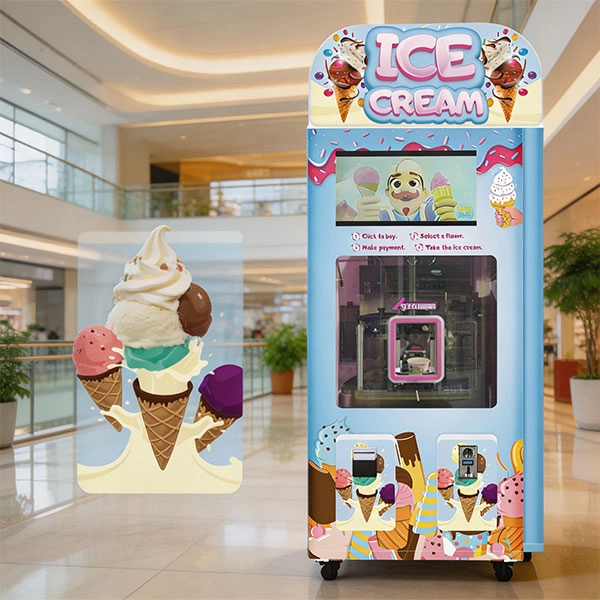
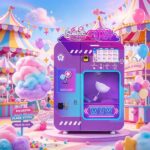
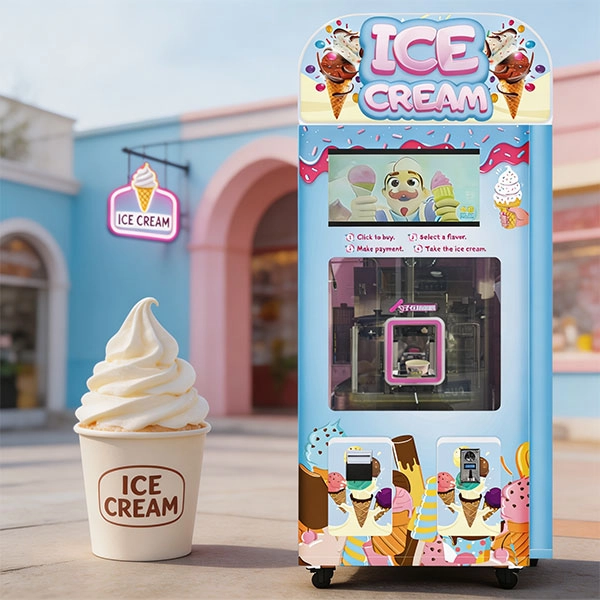
The Wider Matrix WM550 is a good example. The machine holds the liquid ice cream mix in a refrigerated tank, pumps it into a freezing cylinder, and dispenses a swirled cup in roughly fifteen seconds. It runs on 220V at 50Hz, which matches German mains supply directly, and it draws about 3000W during production. The footprint is 2270 x 930 x 950 mm, so it fits into a standard retail corner or beside an escalator.
The single-flavor WM550 carries one base ice cream recipe plus three fruit sauces and three small toppings, which gives customers nine possible combinations. The WM550+ adds a second flavor tank and a mixed flavor option, bringing the total to twenty-seven combinations. The machine accepts coins, cash, credit cards, and NFC payments, which covers every way a German customer is likely to pay, from the euro coins in their pocket to their phone’s wallet app.
A smaller option also exists for operators who do not have the floor space or the daily volume for the WM550. The compact machine measures 810 x 1260 x 1800 mm, weighs roughly 240 kg, and holds one milk base plus three fruit sauces and two toppings. It tops out at about 90 cups per filling cycle, which is plenty for a gym or an office building. You can read the full specification of the larger model on the WM550 product page.
Choosing the Right Machine Size for Your German Location
Machine selection comes down to foot traffic and space, and both vary a lot across German locations. A premium location on the main shopping street of Munich will justify the WM550+ with its wider flavor range. A quieter spot in a regional train station might start with the WM550 and upgrade later.
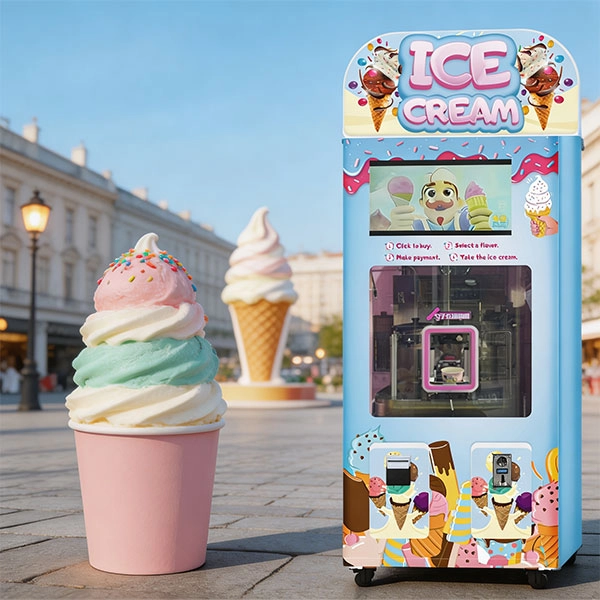
The WM550 is the workhorse for high-traffic spots. It holds up to 300 cups per batch in its 28-liter system, which means a single refill carries a busy location through a whole afternoon. Operators in summer-heavy locations usually schedule one mix refill in the morning and one at midday, and that is the whole daily workload.
The compact model is the entry point for lower-volume locations. At roughly 240 kg and with a 90-cup capacity, it suits offices, small gyms, and hotel lobbies where a full-size machine would be overkill. The lower price also lowers the risk profile for a first-time operator who wants to test the model before committing to a second machine.
One practical note for Germany specifically: check the doorway and the lift at your target location before you order. The WM550 weighs around 640 kg, so delivery planning matters. Wider Matrix can advise on this during the ordering process, and our team has shipped ice cream and snack machines to Germany before, including the logistics details that catch new importers off guard.
What the WM550 and WM550+ Cost and How to Read the Numbers
Price transparency is one of the reasons operators come back to Wider Matrix. The single-flavor WM550 is priced at USD 5,799 per unit. The WM550+ with three flavors comes in at USD 6,799. The compact machine starts at USD 4,400 for the first unit.
Consumables are where the ongoing costs sit, and the numbers are stable at wholesale volumes. Standard cups cost USD 0.12 each at 10,000 units and drop to USD 0.10 at 40,000 units. Smaller cups run USD 0.10 per unit from 1,000 to 4,900 cups and USD 0.08 at 5,000 and up. Spoons cost about USD 0.03 each at 10,000 units. If you want to see how those consumable costs compare against typical selling prices and gross margins, the ice cream vending machine price guide breaks the full calculation down.
A realistic single-cup selling price in Germany sits between EUR 2.50 and EUR 4.00 depending on the location. Even at the low end, the margin after cup, spoon, and mix cost is significant. At roughly 40 to 50 cups per day, a single WM550 covers its own monthly costs; above that level, it is generating profit. Operators who want a fuller breakdown of the revenue side should read the analysis of how profitable an ice cream machine really is.
Where Automated Ice Cream Machines Make Sense in Germany
Location is the difference between a machine that prints money and one that gathers dust. In Germany, the proven spots for an automated ice cream vending machine Germany operator follow a clear pattern. Before you sign a lease, walk the site at the exact hours you plan to run, because an automated ice cream vending machine only earns when the foot traffic is real:
- Train stations and S-Bahn hubs, where commuters want a treat on the way home and late trains leave platforms active until midnight.
- Shopping centers, where families pass the same corridor several times and impulse purchases are the norm.
- Fitness and sports facilities, where members buy a post-workout cup and the machine adds a service the club does not want to staff.
- Universities and campus buildings, where students are price-sensitive but frequency is high.
- Theme parks, pools, and family entertainment centers during the warm season.
- Gas stations and highway service areas on the Autobahn, where travelers stop at all hours.
The general principles of placement apply here just as they do elsewhere. The machine needs to be visible from the main flow of foot traffic, within a few meters of a power outlet, and somewhere a delivery person can reach for refills. For a deeper dive on placement strategy, the guide to the most profitable vending machine locations covers the thinking that applies in Germany as well.
Power, Space, and Setup Requirements in German Buildings
Operators often underestimate how little infrastructure these machines need, which is one of the main reasons the format spreads quickly. An automated ice cream vending machine only needs three things in place: power, floor space, and a restocking route. The WM550 needs a 220V/50Hz supply, which is the standard German mains voltage, and draws 3000W under load. A dedicated 16A circuit is the safe recommendation, though many German locations run it without issue on a standard wall socket.
Floor space is the bigger variable. The WM550 is 2270 mm tall, so ceiling height in older German cellars or low-ceiling retail spaces needs to be checked. The compact machine at 1800 mm fits under most standard ceilings without debate.
Heat output matters in summer. The machine rejects heat as it freezes, so the spot needs to breathe. Keeping the back panel clear of walls and other machines avoids overheating in a hot July when the machine is running at capacity. Water access is not required, which widens the range of usable locations significantly. A customized machine exported to Europe can also be adapted for local plug standards and voltage before it ships, so the electrical setup is solved on our side.
Compliance and Food Safety Considerations for Germany
Food safety is handled carefully in Germany, and operators should know where these machines stand before signing a location contract. The machine keeps the mix in a refrigerated stainless steel tank, dispenses each cup without human contact, and logs cleaning cycles. That design approach aligns with the hygiene expectations of German regulators.
Practical points to keep in mind:
- Use mix from suppliers that provide full ingredient documentation and shelf-life data.
- Follow the cleaning schedule the manufacturer specifies, and keep a simple log of cleaning dates.
- Confirm the machine carries CE marking, which Wider Matrix units do.
- Check with the local Gewerbeaufsichtsamt or the relevant district office about the specific permit requirements for a food vending operation in your state.
Regulations can differ between German states, so the last point matters. The questions are usually simple, but asking them early prevents an uncomfortable conversation after the machine is already installed. Operators weighing a direct purchase against other arrangements should also review the broader guide to vending machine brands, because certification paperwork and support quality vary widely.
How Fast an Ice Cream Machine Pays Back in Germany
Payback depends on location volume, and the honest answer is that it can be anywhere from a few months to about a year and a half. The variables are daily cup sales, average selling price, and whether the operator runs the machine themselves or pays a location fee.
To make the math concrete, take a WM550 at USD 5,799. At EUR 3.00 per cup and roughly 50 cups per day across the season, gross revenue runs about EUR 150 per day. Subtract mix, cup, spoon, and electricity, and the daily contribution is still substantial. Over a warm season of six months, the machine can return its purchase price and start earning. Even in a slower location doing 20 cups per day, the machine covers itself within a reasonable window.
The profit analysis of ice cream vending machines walks through the assumptions in detail, including what happens in the off-season. German operators often winterize the machine or move it indoors, and the machine’s sealed mix system makes that straightforward.
Buying from Wider Matrix: What Importing into Germany Involves
Wider Matrix manufactures the full range of ice cream vending machines in our own factory in Guangzhou, China. Buying direct from the manufacturer means the price you see is the factory price, with no distributor margin on top. It also means the people who designed the machine are the ones answering your support questions.
For German buyers, the process looks like this:
- Send your location details, expected traffic, and preferred machine size to Wider Matrix.
- Receive a quotation with the machine price, the cup and spoon consumable pricing, and shipping terms.
- Confirm electrical configuration for the German market.
- Pay the production deposit, and the machine enters the build queue.
- Coordinate sea freight and customs clearance, with documentation prepared by the Wider Matrix export team.
- Receive the machine, complete the commissioning checklist, and start serving.
Because we ship to Germany regularly, the export documentation and customs paperwork are routine for us. The machines we deliver to Europe follow the same procurement process described in our buyer’s guide, which lays out what to expect at each stage of a direct factory purchase.
Operational Costs Beyond the Machine Itself
The machine price is only part of the budget, and operators who ignore the rest end up with surprises. The daily consumables are the ice cream mix itself, cups, and spoons. Electricity is the other ongoing line item, and at 3000W the WM550 is comparable to a professional refrigerator or a small commercial oven.
Mixing in the operational cost picture changes the true cost of running a vending machine. Wider Matrix supplies cups and spoons at wholesale pricing, which removes one procurement headache. The mix itself can be sourced from any local dairy or ice cream mix supplier in Germany, which keeps the supply chain short and the logistics simple.
Cleaning takes about twenty minutes per week if done on schedule. The removable parts are designed to be washed in a standard commercial sink. Wider Matrix provides the cleaning protocol with the machine, and the remote management system can flag when a cleaning cycle is due.
Remote Management and the 24/7 Support Model
An automated machine is only as good as the team behind it when something breaks. Wider Matrix machines come with remote monitoring that tracks sales, mix levels, and machine health. If a German operator sees a sales dip on a Thursday afternoon, they can check the machine status from their phone before driving out.
That remote layer is also the base for our support model. When a customer reports an issue, the support team can often diagnose it remotely before a technician visits. This matters for a German operator running a machine a hundred kilometers from our European stock points, because a quick diagnosis saves a service trip.
The machines are designed for straightforward maintenance, with modular components that a local technician can service. Wider Matrix also holds spare parts inventory for the machines we have shipped, so common parts are ready to ship rather than built to order.
Seasonal Planning and Winter Strategy
Germany’s climate means the warm season carries the bulk of ice cream demand, but that does not mean the machine goes dark in winter. Operators run different strategies depending on their location. Indoor locations like malls, gyms, and universities sell through the winter at reduced volume. Outdoor locations get winterized, with the mix drained, the cabinet cleaned, and the machine covered or moved to storage. This is where buying an automated ice cream vending machine with a sealed mix system pays off, because winterizing takes hours instead of days.
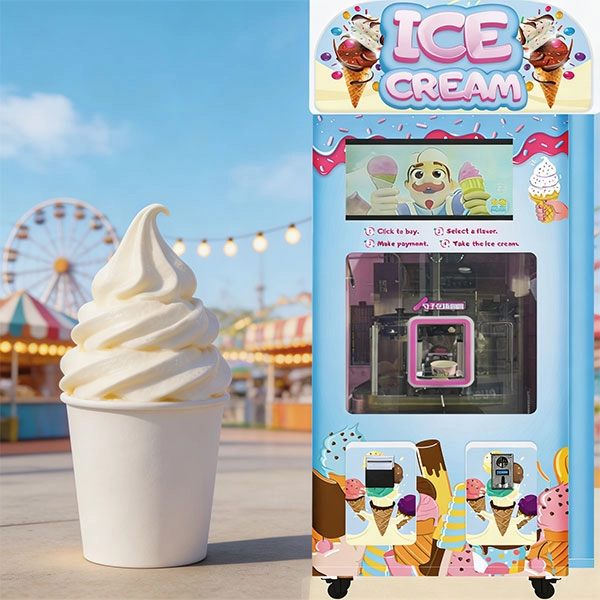
The WM550’s sealed mix system makes winterization a defined procedure rather than a guessing game. Wider Matrix provides the winterization checklist with the machine documentation. Some operators also switch to a warm food product in the same cabinet during winter months, though that depends on the model configuration ordered.
For an operator planning a single season first, the compact machine is the lower-risk entry. For an operator planning multiple locations across different regions of Germany, the WM550 and WM550+ scale better because the refill routine and the flavor range support higher volume. If you are new to the business side of this, the guide to starting a vending machine business in 2025 covers the operational questions that come up after the machine is delivered.
Why Operators Choose Wider Matrix Over Local Resellers
The direct-from-manufacturer model is not for everyone. Some buyers prefer a local reseller who can show a machine in person and offer a local service contract. For those who want the lowest unit cost and a direct line to the engineering team, buying an automated ice cream vending machine straight from the Wider Matrix factory is the pragmatic choice.
What Wider Matrix brings to the table specifically:
- A factory that designs and builds the machines in-house, so technical questions get real answers.
- Wholesale pricing on machines, cups, and spoons with no middleman markup.
- A track record of shipments to Germany and other European markets, including machines delivered to buyers across Europe.
- Documentation and export support that make the importing process routine.
- A remote monitoring platform that keeps operators informed between service visits.
Operators who want to compare Wider Matrix against other factories can use the guide to choosing the right vending machine manufacturer to understand what separates a serious factory from a reseller operation.
Frequently Asked Questions
Is an automated ice cream vending machine legal to operate in Germany?
Yes, as long as the machine meets food hygiene requirements and carries CE marking. The specific permits vary by state, so check with your local Gewerbeaufsichtsamt before installing. Wider Matrix machines are built with stainless steel food-contact surfaces and documented cleaning procedures.
How much does a German operator earn per cup after costs?
At a EUR 3.00 selling price, the margin after mix, cup, spoon, and electricity is typically over half the selling price. The exact figure depends on the mix cost you negotiate and your electricity tariff.
Can the machine take German card payments?
Yes. The WM550 accepts coins, cash, credit cards, and NFC payments. A German customer can pay with a Girocard or their phone wallet, which matches local payment habits.
What voltage do Wider Matrix machines use in Germany?
The WM550 runs on 220V/50Hz, which is standard German mains supply. Machines can be configured for other voltages before shipping if needed.
How long does delivery to Germany take?
Production typically takes a few weeks after the deposit, and sea freight to a German port adds roughly four to six weeks depending on the route. The Wider Matrix export team handles the documentation.
Do I need a water connection for the machine?
No. The machine operates on a sealed mix system, so no water supply or drainage is required. That keeps installation simple in locations without plumbing.
How many cups can the WM550 hold before refilling?
The 28-liter system supports up to 300 cups per batch. In practice, operators in busy locations refill once or twice per day during peak season.
Does Wider Matrix provide training for first-time operators?
Yes. The machine ships with a full operation and cleaning manual, and the remote support team walks new operators through commissioning and the first cleaning cycle.
Get Your Automated Ice Cream Vending Machine for the German Market
If you are planning an automated ice cream vending machine Germany location, the fastest way to move forward is to contact Wider Matrix directly with your project details. Whether you need one automated ice cream vending machine for a single station or a fleet for multiple cities, the planning starts the same way: with your location data. Tell us the city and the type of location, your expected daily traffic, and which machine size you are considering, and we will reply with a quotation that includes the machine price, consumable pricing, and shipping terms to your German port.
Wider Matrix has been manufacturing vending machines since 2016 and ships to Germany on a regular basis. We know the questions that matter, the paperwork that needs to be right, and the machines that hold up under real operating conditions. Send your location details and your expected traffic, and we will put together the equipment and consumable package that fits your numbers.