




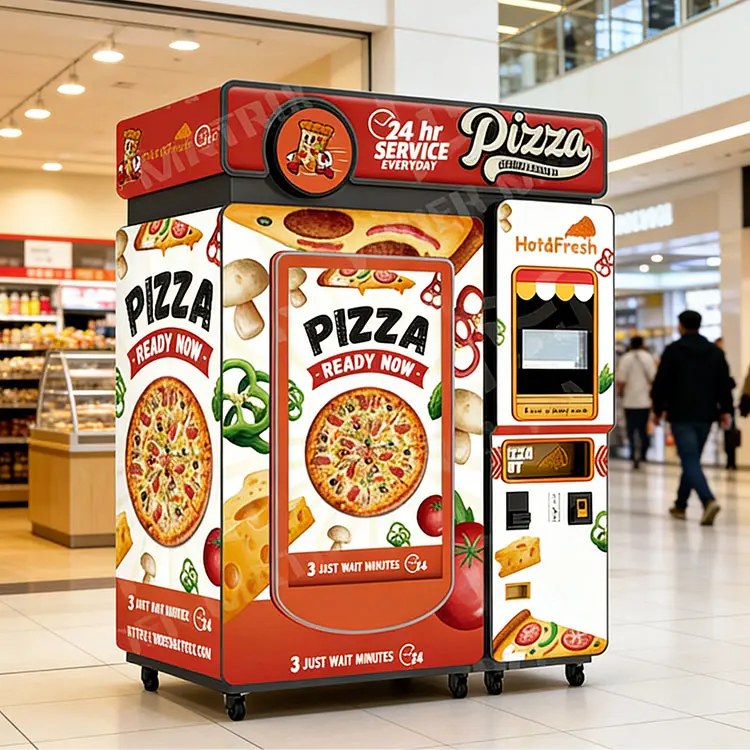
The vending machine industry is undergoing a gourmet revolution, and pizza vending machines are at the forefront. Offering hot, fresh pizza 24/7, this innovative business model taps into the massive demand for convenient, quality fast food. For entrepreneurs, franchising a pizza vending machine business presents a unique opportunity to enter the market with a proven system, brand recognition, and operational support. This comprehensive guide will walk you through the entire process, from initial research to launch, and explore the critical factors for success in this exciting sector.
Why Franchise a Pizza Vending Machine Business?
Starting any business from scratch involves significant risk and effort. Franchising mitigates much of this by providing a blueprint for success. In the context of pizza vending, a franchise offers:
- Proven Technology & Menu: You invest in a machine and process that has been tested and optimized for quality, speed, and reliability.
- Brand Power & Marketing: Leverage existing brand awareness and marketing campaigns to attract customers immediately.
- Operational Training & Support: Receive comprehensive training on machine maintenance, inventory management, and site operations.
- Supply Chain Advantages: Access to consistent, high-quality ingredients and machine parts at potentially lower costs through the franchisor’s network.
- Faster ROI: With a streamlined setup and operational model, you can reach profitability quicker than with an independent venture.
Step-by-Step Guide to Franchising Your Pizza Vending Business
Step 1: Conduct Thorough Market and Franchisor Research
Before committing, you must validate the opportunity. Research different pizza vending franchisors. Compare their business models—some may offer traditional franchises, while others operate on a licensing or “turnkey” model where you own and operate machines under their brand. Key factors to investigate include:
- Franchise Fees, Royalties, and Total Initial Investment
- Territory Rights and Exclusivity
- Machine Specifications and Technology (e.g., cooking time, capacity, payment systems)
- Ongoing Support Structure
- Existing Franchisee Reviews and Success Stories
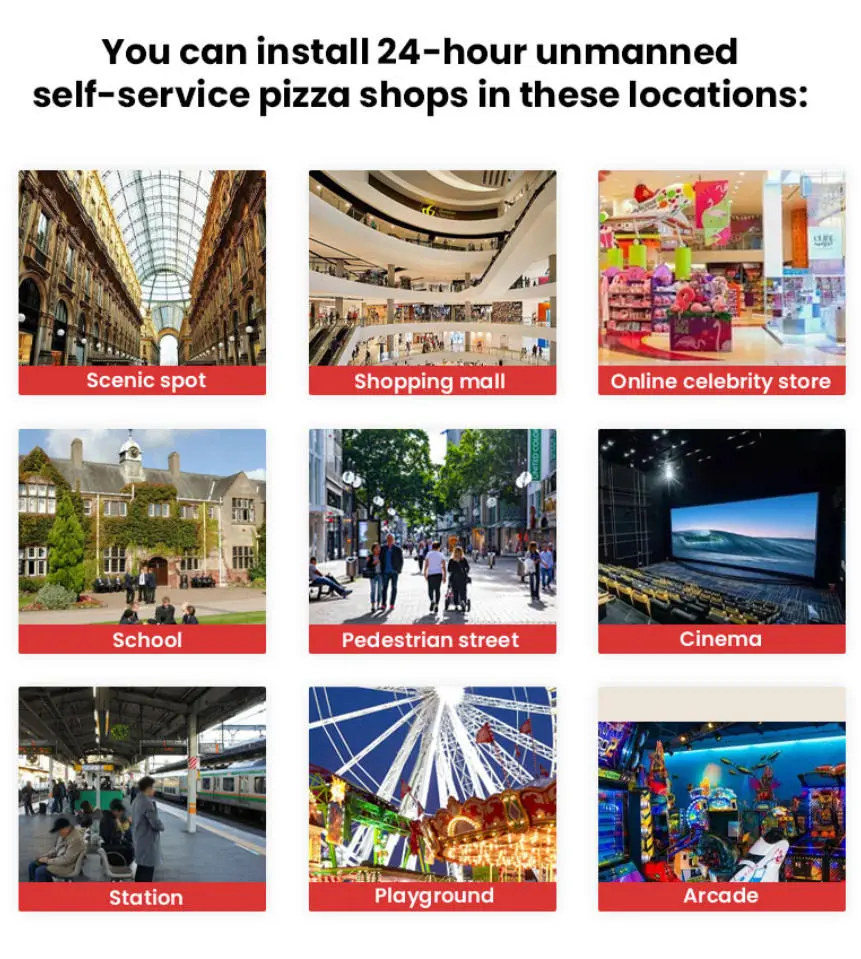
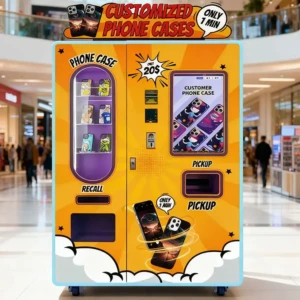
Simultaneously, analyze your target local market. Identify high-traffic locations like universities, office complexes, hospitals, and transportation hubs that lack 24/7 food options. Understanding local competition and consumer preferences is crucial. While exploring automated food solutions, you might also discover profitable niches like a Phone Case Printing Vending Machine for complementary revenue streams in similar locations.
Step 2: Evaluate the Financials and Create a Business Plan
A clear financial picture is non-negotiable. Request the Franchise Disclosure Document (FDD) from any serious franchisor. It details all fees, estimated startup costs, and financial performance representations. Typical costs include:
| Cost Category | Estimated Range | Notes |
|---|---|---|
| Initial Franchise/License Fee | $15,000 – $40,000 | One-time fee for brand and system access. |
| Pizza Vending Machine Cost | $7,000 – $15,000+ per unit | Varies by technology, capacity, and features. |
| Site Installation & Setup | $2,000 – $10,000 | Includes electrical, plumbing, and location permits. |
| Initial Inventory & Supplies | $1,500 – $3,000 | Pizza ingredients, packaging, cleaning materials. |
| Working Capital | $5,000 – $15,000 | For ongoing expenses before profitability. |
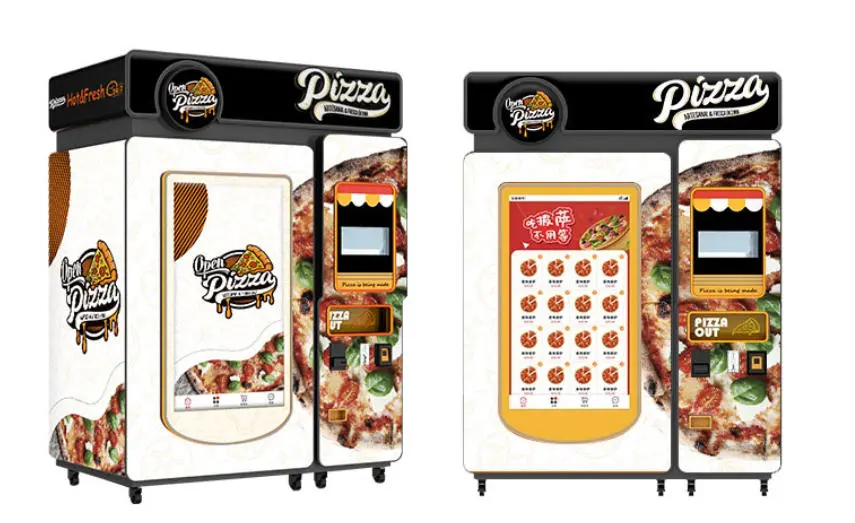
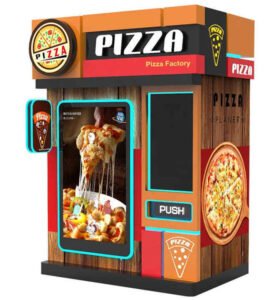
For instance, a high-capacity model like the WM660 Self-service Pizza Vending Machine offers an advanced solution. While its market value can be upwards of US$12,800, savvy entrepreneurs can find opportunities to acquire such technology at a significant discount, with promotional prices sometimes as low as US$7,800 for a fully-featured unit that can hold up to 60 pizzas, representing a substantial upfront saving.
Use this data to build a robust business plan, projecting your revenue based on location traffic, average sale price, and profit margins (often 30-50% net after food costs and royalties).
Step 3: Secure Financing and Legal Setup
With a solid plan, explore financing options: personal savings, Small Business Administration (SBA) loans, equipment financing, or investors. Once funded, work with a franchise attorney to review the franchise agreement. Then, formally establish your business entity (e.g., LLC), obtain an Employer Identification Number (EIN), and secure all necessary local business licenses and health department permits for food vending.
Step 4: Site Selection, Machine Acquisition, and Installation
This is the most critical operational step. Your franchisor will likely provide guidance on site selection. Secure a lease or placement agreement with a property manager. Then, proceed with acquiring your machines. While many franchisees purchase through their franchisor, some models allow you to source from approved suppliers.
Companies like Wider Matrix (Wider Matrix (gz) Technology Co., Ltd.) exemplify the technological expertise behind advanced vending solutions. As a technology-driven company with exports to over 130 countries, they specialize in R&D and customized software/hardware for automated retail. Their experience underscores the importance of partnering with equipment providers that offer reliability, international certifications (CE, UKCA, etc.), and robust after-sales support—key factors for a successful franchise operation. Exploring their range of vending machines can provide insights into the technological standards you should expect.
Coordinate installation, which involves ensuring proper power, internet connectivity for remote monitoring, and any necessary plumbing.
Step 5: Training, Launch, and Ongoing Management
Complete all franchisor training programs. Master the machine’s operation, maintenance routines, inventory management software, and customer service protocols. Develop a local launch marketing plan utilizing the franchisor’s materials. Once live, focus on daily management: restocking ingredients, performing cleaning cycles, monitoring sales data remotely, and providing excellent customer service to build a loyal clientele.
Key Success Factors for Your Pizza Vending Franchise
- Location is King: Consistently, the #1 determinant of success. Prioritize spots with high foot traffic, limited food competition, and a captive audience (e.g., night-shift workers, students).
- Product Quality & Consistency: The pizza must taste good, every single time. The franchisor’s recipe and ingredient supply chain are paramount here.
- Machine Reliability & Tech Support: Downtime is lost revenue. Choose a franchise with highly reliable equipment and 24/7 technical support. This is where partnering with established manufacturers adds immense value.
- Smart Operations: Use data from your machine’s IoT systems to optimize inventory, track popular items, and schedule preventive maintenance.
- Diversification: Consider complementing your pizza machines with other high-margin automated treats. For example, a Fully automatic cotton candy vending machine WM980 placed in a family entertainment zone can dramatically increase overall location profitability. Understanding the profit potential of such additions is key; resources like How Much Can You Make with a Cotton Candy Machine? can help with those calculations.
Frequently Asked Questions (FAQs)
1. How much does it cost to franchise a pizza vending machine business?
Total startup costs typically range from $30,000 to $80,000+, covering the franchise fee, one or more machines, site costs, initial inventory, and working capital. The largest variable is the number and type of machines you start with.
2. How profitable is a pizza vending machine?
Profitability varies by location, price point, and operational efficiency. Well-placed machines can achieve net profit margins between 30% and 50%. A single machine selling 15-20 pizzas per day at an average price of $10 can generate significant monthly revenue, leading to a potential ROI within 12-24 months.
3. What do I look for in a pizza vending machine franchisor?
Look for a strong brand, transparent financials in their FDD, comprehensive training, responsive ongoing support, a reliable and high-quality machine, and a track record of successful franchisees. Don’t hesitate to speak directly to existing operators.
4. Can I place my franchise machines anywhere?
No. Your franchise agreement will specify territory rights. Furthermore, each location must be approved by the franchisor and must meet specific criteria for foot traffic, accessibility, power, and comply with local health and zoning regulations.
5. What kind of maintenance do the machines require?
Daily cleaning and restocking are owner-operator tasks. Technical maintenance involves software updates, component checks, and repairs. A good franchise provides clear protocols and direct support for technical issues. For a perspective on maintenance in a similar field, see insights on Commercial Cotton Candy Vending Machines.
6. Does Wider Matrix offer franchise opportunities for their pizza vending machines?
Wider Matrix is primarily a technology manufacturer and solution provider, not a franchisor. They design and produce advanced vending machines, including pizza vending models like the WM660. Entrepreneurs or franchisors looking to launch or scale a pizza vending business often partner with Wider Matrix to acquire reliable, certified hardware and software. You would integrate their machines into your own franchise system or independent business plan. You can explore their Wider Matrix vending machines to understand the equipment standards available.
7. What are the biggest challenges in this business?
Key challenges include securing prime locations with affordable lease terms, managing food spoilage and inventory waste, ensuring constant machine uptime, and building initial customer awareness in a new location.
8. Is this a good business for passive income?
It is more accurately described as “semi-absentee.” While the machine operates 24/7, it requires daily restocking and cleaning, along with ongoing management for inventory ordering, cash collection, and maintenance coordination. It is not a completely hands-off investment.
Related Topics
- Is a Cotton Candy Machine a Good Investment?
- Phone Case Machine Manufacturing
- Guide to Cotton Candy Factory Machines
- Automatic Custom Phone Case Vending
- Cell Phone Case Vending Machine
Conclusion
Franchising a pizza vending machine business is a compelling entry point into the growing automated retail and food service industry. By following a structured process—thorough research, financial planning, strategic site selection, and partnering with a reputable franchisor and equipment provider—you can build a profitable and scalable venture. The success of your franchise will hinge on the synergy between a great location, reliable technology, and efficient operations. As you evaluate your options, remember that the quality of the equipment is foundational. Exploring solutions from established automation technology providers like Wider Matrix can give you a clear benchmark for the performance and reliability your business will need to thrive in the competitive landscape of unattended retail.


Comments
No comments yet. Be the first to comment!