



If you’re researching vending machines for malls with high foot traffic, you’ve likely encountered a common, yet costly, misconception: that foot traffic alone guarantees profitability. The prevailing advice often suggests simply placing a machine in a busy corridor and watching the revenue roll in. This oversimplification is why many first-time operators see disappointing returns. The truth is, a mall’s bustling environment presents a unique set of challenges and opportunities that require a more sophisticated, data-driven approach. Success hinges not just on where you place the machine, but on what you sell, how you sell it, and the underlying business model you choose.

This guide takes an analytical researcher’s perspective, moving from basic location selection to advanced operational calculus. We’ll dissect the core factors that separate high-performing mall vending operations from underperforming ones, addressing the critical concerns of competitive advantage, risk management, ease of operation, and ROI. By the end, you’ll have a framework for evaluating opportunities based on evidence, not just enthusiasm.
Deconstructing “High Foot Traffic”: It’s About Quality, Not Just Quantity
Before discussing machines, we must refine our understanding of the environment. Mall traffic is not monolithic. Industry analysis of successful deployments reveals several distinct traffic profiles:
- Transit Traffic: Shoppers moving purposefully between anchor stores. They are time-pressed and less likely to stop for a standard snack.
- Dwell Traffic: Visitors lingering in food courts, seating areas, or entertainment zones. This audience has time and is in a more receptive, leisure-oriented mindset.
- Destination Traffic: Patrons specifically visiting a cinema, arcade, or family entertainment center. They are primed for experiential purchases.
The most profitable vending concepts align with the psychology of the traffic, not just its volume. A machine selling standard soda might capture transit traffic, but one offering a unique, customized experience will consistently outperform in dwell and destination zones.
From Commodity to Experience: The Product Evolution for Modern Malls
The traditional soda-and-snack model faces intense competition from food courts and kiosks. The modern opportunity lies in products that offer convenience, novelty, or personalization that fixed retail cannot easily replicate.
The Experiential & Customization Niche
This category targets the desire for unique, Instagram-worthy, or personalized items. The business model shifts from selling a product to selling a moment or a memory.
- Personalized Phone Cases: A prime example of high-margin, low-time investment. Customers can select designs or upload photos to create a custom case in about a minute. For the operator, the consumables (cases) have a low unit cost, and the value proposition is high. Companies focusing on this niche, like those offering a Fully Automatic Customize Phone Case Vending Machine, have tapped into the constant demand for phone accessories with a personalized twist. The appeal in a mall is immediate gratification—shoppers can create a souvenir of their day.
- Custom Photo Puzzles: Similar to phone cases, this transforms a personal photo into a tangible product. It caters to gift shoppers and families, often commanding a significant price premium for the sentimental value. The operational model is comparable, requiring management of blank puzzle stock and printer materials.

The Freshly Prepared Food & Treat Niche
This addresses impulse buys and small indulgences with the added appeal of watching the product being made.
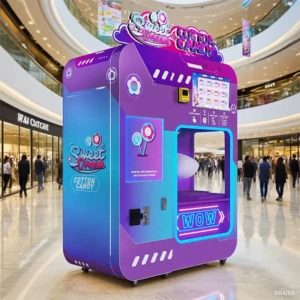
- Automatic Cotton Candy: A visually captivating product with universal appeal. A fully automatic cotton candy vending machine can produce a serving in 60-90 seconds, creating a spectacle that draws a crowd. The profit margins are substantial, as the raw material (sugar) cost is minimal compared to the selling price. For a detailed breakdown of potential earnings, analyses like How Much Can You Make with a Cotton Candy Machine? provide valuable data points.
- Fresh Popcorn: The aroma is a powerful draw. Automated popcorn machines offer flavor customization and consistent quality, perfect for areas near cinemas or family zones.
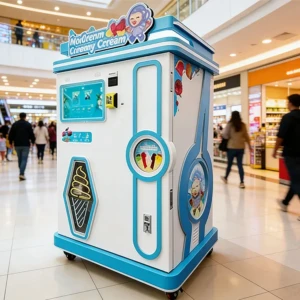
- Gourmet Ice Cream: A perennial favorite. Automated soft-serve or gelato machines with topping stations offer a customizable treat. The key consideration here is the higher maintenance and cleaning protocol required for dairy-based products.
The Investment Calculus: Pricing, ROI, and Risk Mitigation
Understanding the financial commitment is where analytical rigor is most critical. Let’s move beyond generic advice and into comparative evaluation.
Initial Investment and Value Comparison
The upfront cost of a vending machine varies dramatically based on its complexity. A basic snack machine might represent a lower entry point, while an automated food preparation machine is a more significant investment but offers higher margins and differentiation.
For instance, a sophisticated Cell Phone Case Vending Machine represents an investment that includes not just the hardware, but the integrated software for design selection and payment processing. When evaluating, consider the total package: a machine priced at around $6,500 often includes features like full smartphone compatibility, a secure dispensing system, and remote inventory tracking, which directly address ease of operation concerns. Similarly, a commercial-grade automatic cotton candy machine, with an investment starting from approximately $5,000, typically bundles the production unit, integrated payment systems, and initial consumables, providing a more turnkey solution.
| Machine Type | Typical Investment Range* | Key Value Drivers | Primary Risk Considerations |
|---|---|---|---|
| Custom Phone Case Machine | $6,000 – $8,000 | High margin consumables, low perishability, strong impulse appeal, software-driven. | Technology obsolescence (phone models), design library updates. |
| Automatic Cotton Candy Machine | $4,500 – $6,500 | Very high food cost margin, visual spectacle, fast service time. | Regular cleaning required, potential for stickiness/jam, sugar supply management. |
| Automatic Ice Cream Machine | $5,500 – $7,500 | Consistent year-round demand, premium pricing potential. | Strict daily cleaning/sanitation, refrigeration maintenance, perishable mix. |
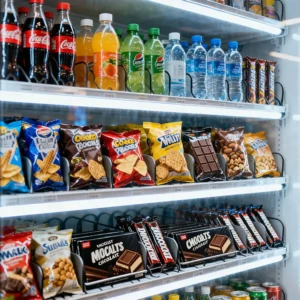
| Traditional Snack/Soda Combo | $3,000 – $5,000 | Lower entry cost, simple operation, broad appeal. | Lowest margins, highest competition (from other machines and retail), price sensitivity. |
| *Investment ranges are illustrative and can vary based on features, brand, and supplier. Always includes potential costs for shipping, installation, and initial stock. | |||
Profitability & ROI projections must be grounded in realistic mall data. A well-placed experiential machine can often achieve a faster break-even point (e.g., 6-12 months) than a commodity machine, despite the higher initial cost, due to its superior unit economics. For example, a phone case that costs the operator $1.30 can retail for $15-$25, representing a margin that far exceeds a bag of chips.
Mitigating Risk Through Supplier Evaluation
Your machine’s reliability is your business’s reliability. This makes supplier choice a critical risk management decision. Look beyond the brochure. Key verification points include:
- Global Track Record: A supplier with a history of international exports has proven their machines can operate in diverse environments. For example, a company like Wider Matrix cites deployment of over 3,000 units to 130+ countries since 2016, which serves as a proxy for product durability and international compliance.
- Certifications: Machines intended for public spaces and food service should hold relevant certifications (CE, UKCA for electronics; NSF, BRC, Halal/Kosher for food equipment). These are not just stickers; they are evidence of adherence to safety and quality standards.
- Support Structure: What does the warranty cover (1 year vs. 2 years is a significant difference)? Is there remote diagnostic support? How accessible are spare parts? A supplier with an established supply chain, like one that also manages consumables and accessories, is often better positioned to ensure your long-term operational continuity.
Operational Realities: The Day-to-Day Behind the Glossy Front
The ease of operation is what sustains profitability over time. Here’s what experienced operators report:
- Restocking & Cash Collection: Machines with IoT capabilities allow remote monitoring of inventory and cashless transaction totals, optimizing route planning for your staff. This is a major advantage over machines requiring physical checks.
- Daily Maintenance: Food machines require disciplined daily cleaning cycles (10-15 minutes). Non-food machines like phone case or puzzle printers primarily require replenishing blank stock and ensuring printers have ink/film.
- Technical Background: Modern machines are designed for operator simplicity. Training typically focuses on routine maintenance, restocking procedures, and basic troubleshooting via a manual or app. Complex repairs should be handled by the supplier’s technical support.
Securing the Prime Location: Negotiation Beyond Rent
Landlord negotiations are pivotal. Your proposal should be a business case, not just a request. Be prepared to discuss:
- Revenue Share vs. Fixed Rent: A percentage-of-sales model aligns your success with the mall’s and can be more attractive to landlords, especially for unproven concepts.
- Foot Traffic Data: Ask the mall management for traffic heat maps or peak time data to support your proposed location.
- Aesthetic Integration: Present how your machine’s design complements the mall’s decor. Modern, sleek machines are more likely to be approved.
- Insurance and Liability: Have proof of general liability insurance ready. For food machines, health department compliance plans are essential.
Frequently Asked Questions
1. How much can I realistically make with a mall vending machine?
Earnings vary wildly. A high-traffic, well-chosen experiential machine can generate $500-$2,000+ weekly in gross sales. Net profit depends on your cost of goods (often 10-20% for experiential, 30-50% for traditional snacks), rent/commission (15-25% of sales is common), and other overhead. The key is high margin and high transaction value.
2. What’s the biggest risk, and how can I reduce it?
The biggest risk is a poor product-location fit, leading to low sales that don’t cover fixed costs. Mitigate this by: 1) Conducting extended observation of your target spot, 2) Starting with a revenue-share lease to lower fixed overhead, and 3) Choosing a supplier that may offer pilot program flexibility or a clear warranty.
3. Do I need a technical background to operate these machines?
Generally, no. Modern machines are built for ease of use. Daily tasks involve restocking and cleaning. Comprehensive training and accessible technical support from your supplier are what you need. The complexity is managed by the machine’s software and the supplier’s back-end support.
4. How long does it take to break even on the investment?
With a strong concept in a good location, many operators aim for a 6- to 18-month break-even period. This timeline factors in the machine cost, installation, initial inventory, and location fees. Machines with higher margins (like customization or fresh treats) often reach this point faster than low-margin commodity machines.
5. What if the machine breaks down? What’s the support like?
This is a critical risk management question. Before buying, clarify the warranty period (look for at least 1-2 years on key components), the process for technical support (phone, remote diagnostics), and the availability of spare parts. Suppliers with a global presence often have more robust support networks.
6. Can I see real examples or talk to current operators?
Any reputable supplier should be able to provide case studies or, with permission, connect you with existing operators. For instance, a company like Wider Matrix, which has exported thousands of vending machines worldwide, can often reference deployments in similar mall environments. Always ask for references in a similar market or retail setting.
7. How do I handle payments and security?
Modern machines almost exclusively feature cashless systems (credit/debit cards, mobile wallets like Apple Pay/Google Pay). This eliminates cash handling security risks, reduces theft/vandalism appeal, and provides instant sales data. Ensure your chosen machine has reliable, PCI-compliant payment hardware integrated.
Related Topics for Further Reading
To deepen your research, consider these related guides:
- The Ultimate Guide to Cotton Candy Factory Vending Machines: Sweet Profits & Smart Solutions
- Phone Case Printing Vending Machine: The Future of On-Demand Customization
- The Ultimate Guide to iPhone Case Vending Machines: Innovation Meets Convenience
- Commercial Cotton Candy Vending Machines: The Ultimate Guide for Profitable Sweet Treats
- How Big Is the Jigsaw Puzzle Market? Size, Trends & Forecast (2024-2032)
Conclusion: Building a Data-Driven Vending Strategy
Selecting vending machines for malls with high foot traffic is an exercise in applied analytics. It requires moving beyond the surface-level metric of “people walking by” to a deeper analysis of customer psychology, product economics, and operational logistics. The most successful operators treat their machine not as a passive income box, but as a compact, automated retail store that requires a clear value proposition and smart management.
Your decision should be guided by a balance of ambition and diligence. Prioritize concepts that offer genuine differentiation and healthy margins. Vet suppliers on their proven track record, support infrastructure, and transparency—factors that directly impact your risk management and long-term ease of operation. Whether you explore solutions from global providers like Wider Matrix vending machines or other established manufacturers, the principles of due diligence remain the same.

Ultimately, the mall environment is a competitive retail theater. Your vending machine must earn its spot on that stage by offering an experience or solution that complements, rather than merely inhabits, the space. With the analytical framework outlined here, you are equipped to make an investment decision based on strategic insight, setting the foundation for a sustainable and profitable operation.
Make a Confident Decision with Zero Pressure
Investing in vending equipment is a significant decision. You need facts, not sales pitches.
Wider Matrix has supported 3,000+ entrepreneurs worldwide since 2016. Here’s how we reduce your risk:
- Verifiable Track Record – we’ll connect you with existing operators you can contact directly
- Transparent Warranty Terms – 2-year coverage with clear documentation
- Factory Transparency – schedule a visit to see our production and quality control
- Flexible Support – from single machines to full turnkey operations
No obligation. No pressure. Just expert guidance to help you decide if this is right for you. Start at widermatrix.com.

Comments
No comments yet. Be the first to comment!