


Have you seen the viral videos of sleek machines in Tokyo dispensing custom nail art in minutes and wondered, “Is this a profitable business I could run?” You’re not alone. The rise of nail vending machines in Tokyo’s trendy districts like Harajuku and Ginza has captured global attention, sparking curiosity about this innovative blend of beauty tech and automated retail. This guide goes beyond the social media hype to provide a comprehensive, data-driven analysis. We’ll explore the phenomenon, dissect the real business potential, and—most importantly—address the six critical concerns every savvy investor has when considering such an automated venture, from ROI and trust to after-sales support and competitive edge.
The Tokyo Nail Vending Machine Phenomenon
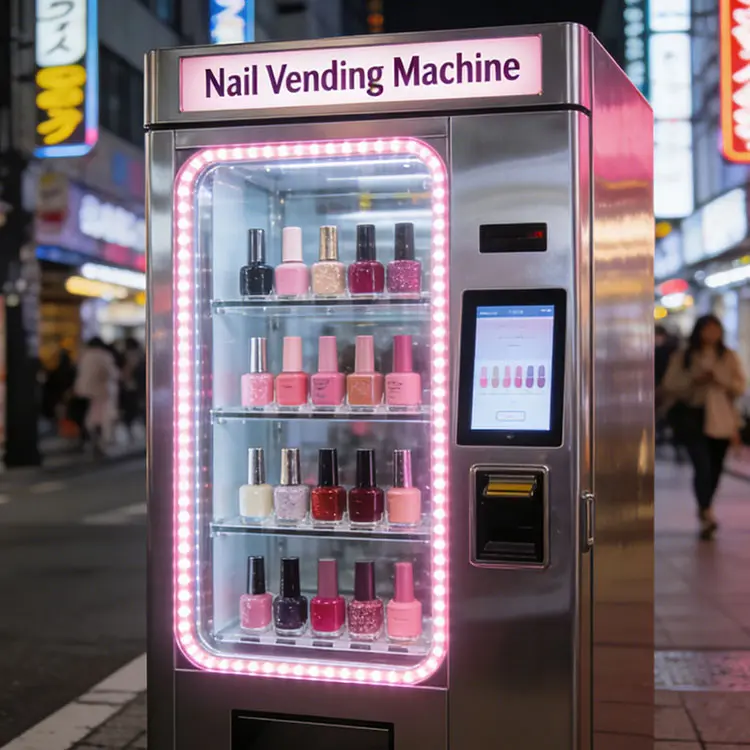
In a city famed for its cutting-edge vending machines, nail art dispensers represent the next evolution. These compact kiosks, often found in shopping malls, train stations, and entertainment districts, allow users to select a design, place their fingers under a printer, and receive a temporary nail sticker or wrap in about 5 minutes for roughly 500-800 yen ($3-$6). They cater to the demand for instant, affordable, and trendy beauty solutions.
Beyond the Trend: Evaluating the Business Case
While the concept is fascinating, its success hinges on several factors. Let’s address the core concerns that determine whether this is a passing fad or a sustainable business model.
Core Concern 1: Profitability & Realistic ROI
Can a nail vending machine actually make money? The answer depends heavily on location and operational efficiency.
- Revenue Streams: Primary income comes from per-use sales. Secondary revenue can include premium design unlocks or partnerships with beauty brands.
- Cost Factors: Key expenses include machine cost, consumables (nail sticker sheets, printer ink), location rental fees, and maintenance.
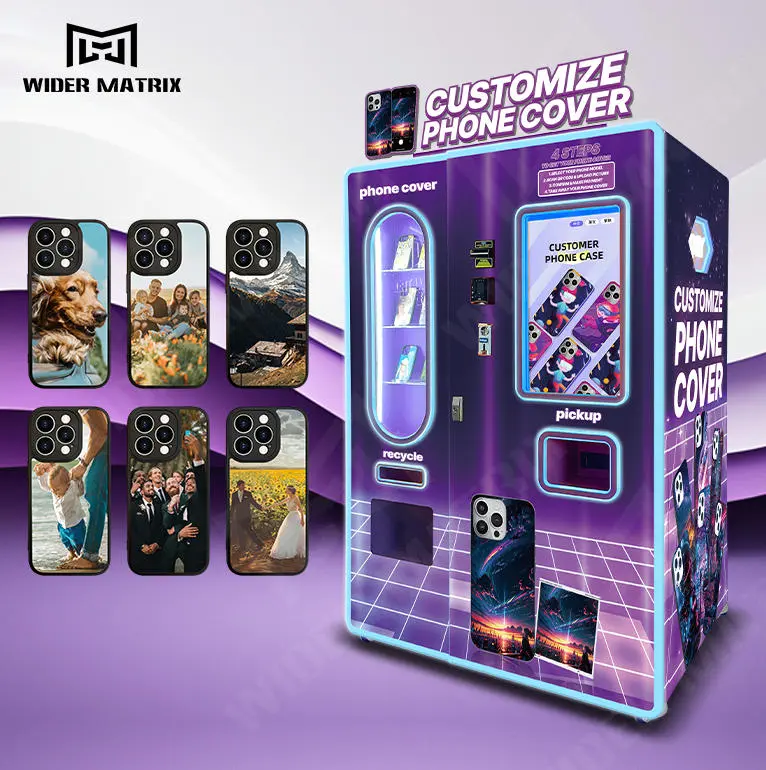
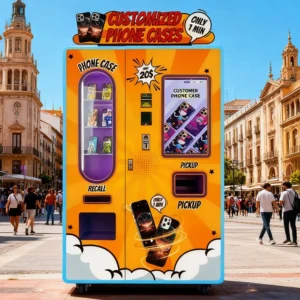
- Break-Even Analysis: Assuming a machine cost of $6,000-$9,000, a prime Tokyo location with 10-15 uses per day at $5 per use could see a break-even point in 12-18 months. This is comparable to other specialized vending ventures, such as a Phone Case Printing Vending Machine, which also leverages instant customization.
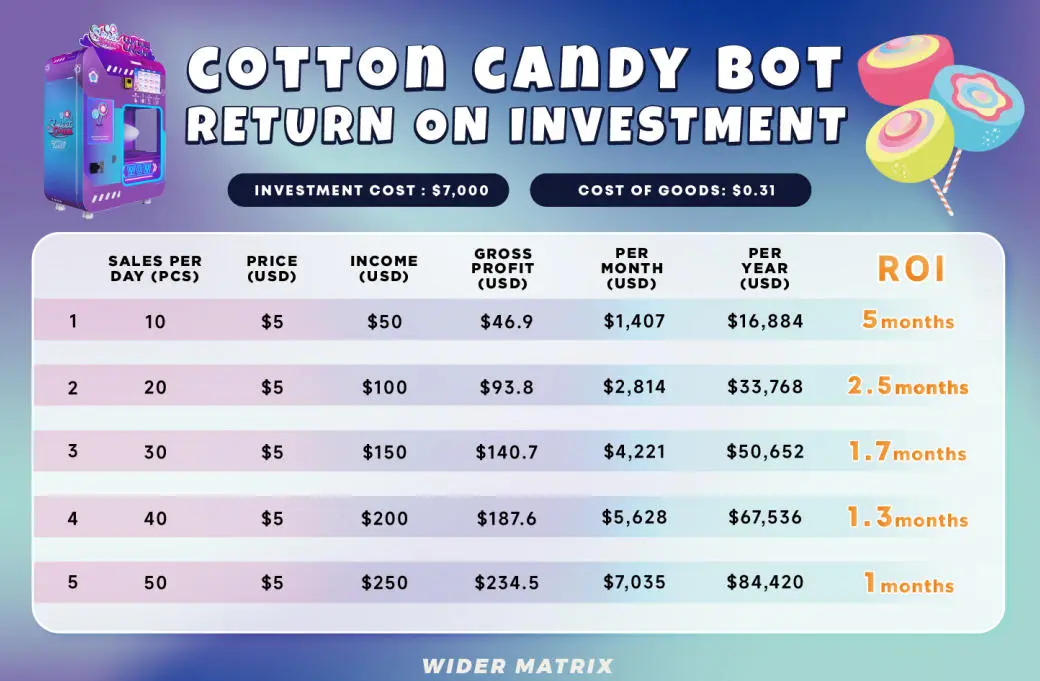
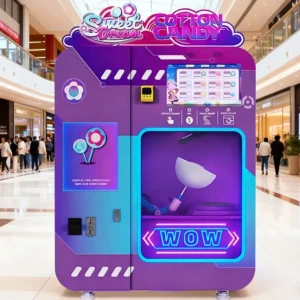
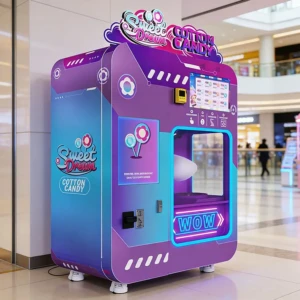
For perspective, other automated retail models show strong returns. For instance, a well-placed Fully automatic cotton candy vending machine WM980 can generate significant daily revenue in high-foot-traffic family venues, as detailed in our 2025 profit guide.
Core Concern 2: Trustworthiness & Avoiding Scams
The vending machine industry, like any other, has reputable manufacturers and less scrupulous operators. Protecting your investment starts with due diligence.
How to Verify a Supplier:
- Demand Verifiable Proof: Ask for specific addresses of installed machines you can visit (e.g., “We have a unit operating at XYZ Mall in Osaka”). A genuine company like Wider Matrix can provide a list of client references across over 130 countries.
- Factory Transparency: Reputable suppliers encourage factory tours or virtual live demos. Wider Matrix, for example, has a transparent production facility and holds international certifications (CE, UKCA, RoHS).
- Check for Real Content: Look for detailed customer video testimonials showing the machine in operation, not just stock footage.
Core Concern 3: After-Sales Support & Warranty
What happens when the printer jams or the touch screen fails? Reliable after-sales support is non-negotiable.
- Warranty Period: Look for a comprehensive warranty of at least 12-24 months on major components.
- Local/Regional Service: Does the supplier have technical partners or teams in your region? Global exporters like Wider Matrix maintain service networks to ensure prompt support.
- Parts Supply: Ensure the company has a stable supply chain for consumables and replacement parts. A sudden shortage of specific nail sticker cartridges can halt your business.
Core Concern 4: Ease of Operation & Maintenance
You don’t need to be a tech expert to run a successful machine. The right equipment is designed for simplicity.
Daily operations typically involve:
- Restocking nail sticker rolls and ink.
- Collecting cashless payments (automatically reconciled).
- Basic cleaning of the finger placement area.
- Monitoring sales data via a simple remote management app.
This user-friendly approach is similar to operating a Cell Phone Case Vending Machine, where the focus is on customer interaction, not complex machinery.
Core Concern 5: Competitive Advantages in a Niche Market
Why choose one machine or supplier over another? Here’s a comparison of key decision factors:
| Feature | Basic Machine | Advanced Machine (e.g., Wider Matrix Standard) |
|---|---|---|
| Design Library & Updates | Static, limited designs | Cloud-based, regularly updated trendy designs |
| Technology | Basic thermal printing | High-resolution printing for intricate art |
| Connectivity | Standalone | IoT-enabled for remote sales tracking & diagnostics |
| Support | Limited or email-only | Dedicated account manager & regional service network |
Core Concern 6: Risk Management & Flexible Options
Smart investors plan for contingencies. Reputable partners offer pathways to mitigate risk.
- Worst-Case Scenario Planning: What if the location underperforms? Some suppliers offer location assessment services to help you choose wisely.
- Purchase Flexibility: Ask about trial operations, installment payment plans, or leasing options to reduce upfront capital risk.
- Comprehensive Training: Ensure the supplier provides full operational and basic troubleshooting training, much like the support offered with a commercial cotton candy vending machine.
Expanding Your Automated Retail Portfolio
The principles of success for a nail vending machine apply to many other high-margin, automated retail concepts. Diversifying can spread risk and increase overall profitability. Consider these complementary machines:
- Fully Automatic Customize Phone Case Vending Machine: Taps into the massive demand for instant personalization.
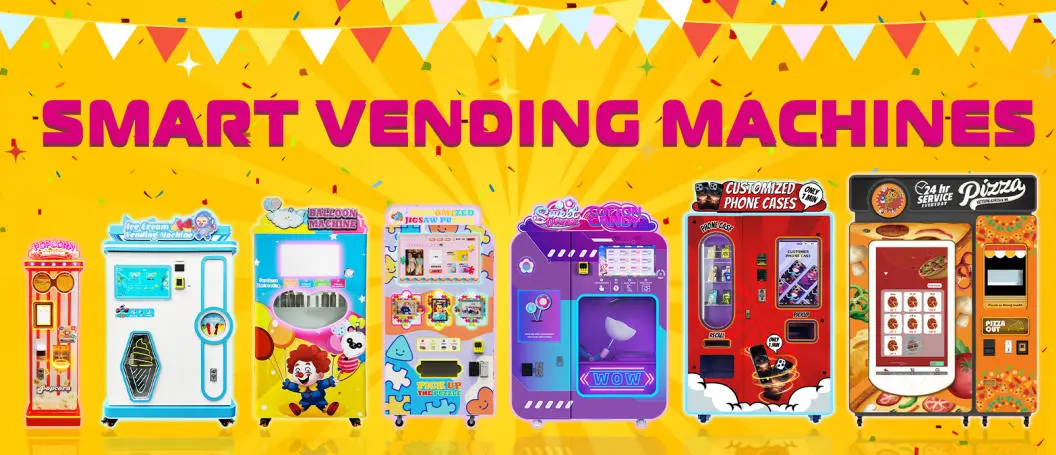
- Pizza or Ice Cream Vending Machines: Cater to food-on-the-go markets in transit hubs or campuses.
- Cotton Candy Factory Vending Machines: A proven crowd-pleaser in entertainment venues, with profitability analyzed in guides like Is a Cotton Candy Machine a Good Investment?
Frequently Asked Questions (FAQs)
1. How much does a nail vending machine cost?
Prices vary based on technology, print quality, and features. A reliable, commercial-grade machine typically ranges from $6,500 to $9,500. It’s crucial to compare the total value, including warranty, software, and support, not just the upfront price.
2. Where is the best place to install a nail vending machine?
High foot-traffic areas with a target demographic of teens and young adults are ideal. Think shopping malls, movie theater lobbies, university student unions, and popular tourist streets akin to Tokyo’s Takeshita Street.
3. How often do I need to restock supplies?
This depends entirely on usage. A busy machine might need nail sticker rolls and ink refills weekly, while a slower one may last a month. Remote monitoring systems help predict restocking needs.
4. What are the main technical problems that can occur?
Common issues include paper jams in the printer, touch screen calibration problems, or payment system errors. Choosing a machine with a modular design and accessible parts simplifies repairs.
5. How does Wider Matrix address the common concerns of new vending machine investors?
With 8+ years in automation and 3,000+ machines exported globally, Wider Matrix is built to address these core concerns directly. We provide verifiable customer references, a standard 2-year warranty with extended options, remote IoT monitoring to preempt issues, and comprehensive training. Our focus on R&D ensures our machines, from phone case makers to nail art units, are reliable and competitive, backed by a stable international supply chain for all consumables.
6. Can I customize the designs offered on the machine?
With advanced machines, yes. You can often upload seasonal or locally relevant designs via a cloud-based management portal, keeping your offering fresh and engaging.
Related Topics
- Beauty Tech Vending Machines
- Customized Retail Automation
- On-Demand Product Customization
- High-Profit Margin Vending Concepts
- IoT in Retail Vending
Conclusion
The nail vending machines of Tokyo are more than a quirky trend; they represent a viable niche in the booming automated retail sector. Success, however, depends on meticulous planning, a prime location, and—most critically—partnering with a trustworthy, experienced supplier who views your success as their own. By thoroughly addressing the six core concerns of profitability, trust, support, usability, competition, and risk, you can move forward with confidence.
Companies like Wider Matrix exemplify this partner approach. With a proven track record across 130+ countries, robust after-sales networks, and a commitment to innovation, they provide the technology and peace of mind needed to transform an interesting concept like a Tokyo-style nail vending machine into a solid business investment.
Ready to Explore Your Vending Machine Business Opportunity?
You’ve now seen the potential and understand the critical questions to ask. The next step is to get personalized, expert advice tailored to your specific market and goals.
At Wider Matrix, we’ve helped thousands of entrepreneurs and businesses globally to launch and scale their automated retail operations. Whether you’re drawn to the niche of nail art or other high-demand vending solutions, our team is here to provide the clarity you need.
Contact us today to access:
- A Free, Personalized ROI Analysis for your target location.
- Verifiable Customer References to hear directly from successful operators.
- Live Virtual or On-Site Factory Demos to see our quality and process firsthand.
- Flexible Consultation on the full range of Wider Matrix vending machines, from customization to consumables.
Take the next step with confidence: Visit our official website at https://widermatrix.com/ to request your free consultation or ROI calculator. No obligation, no pressure—just actionable insights from industry experts with over 8 years of global experience.

Comments
No comments yet. Be the first to comment!