




Jigsaw Puzzle Printer: What Actually Matters When You’re Buying for Production or Vending
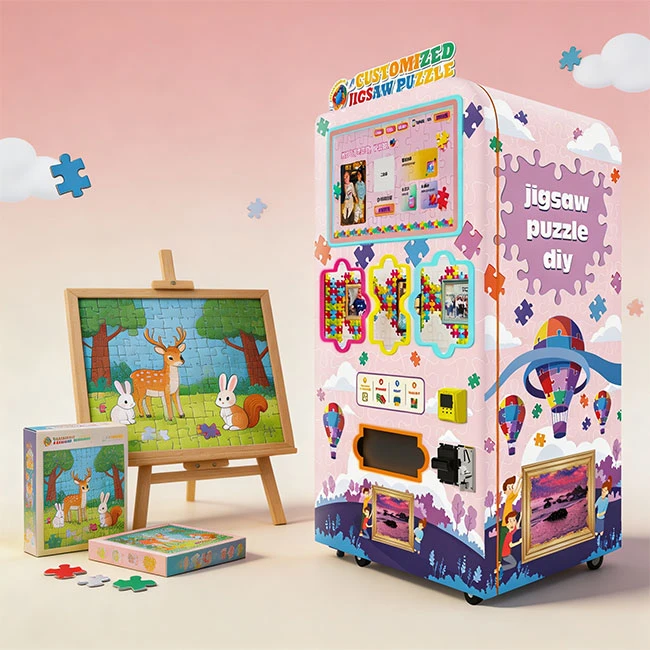
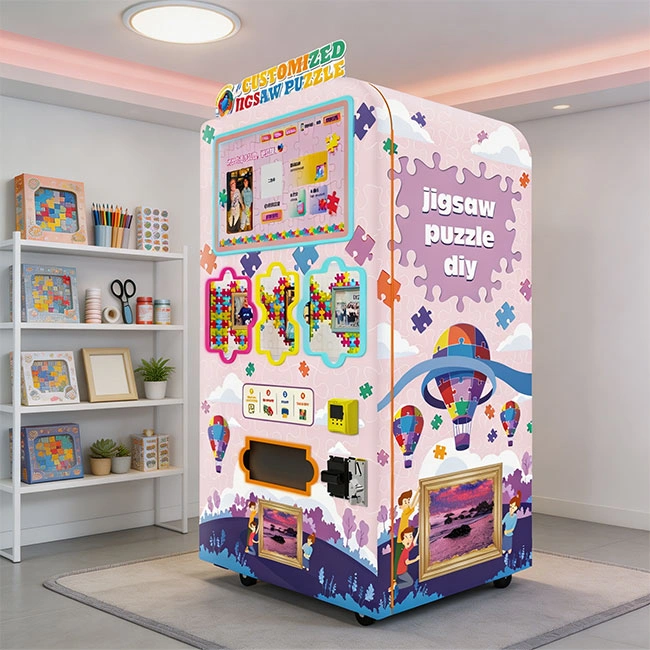
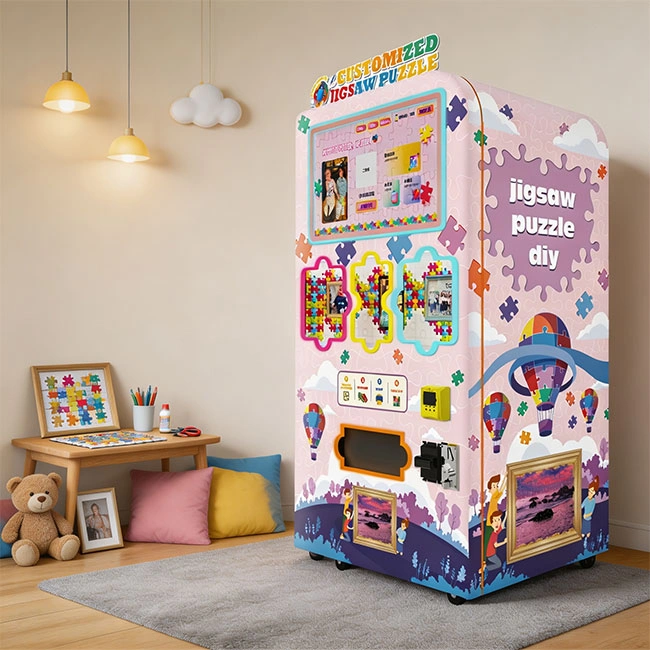
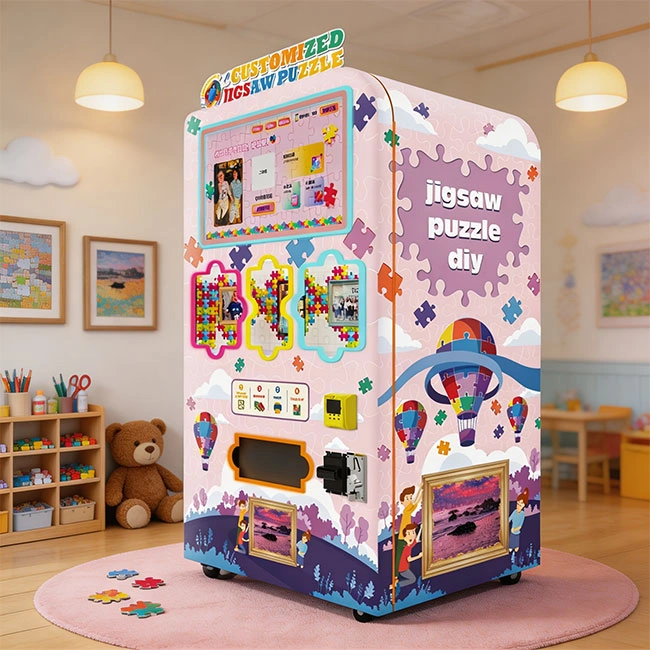
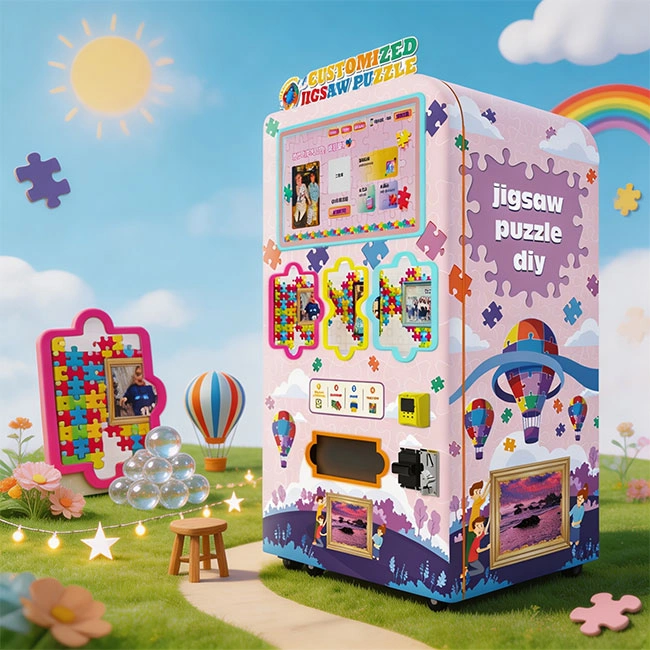
Every project is unique — tell us your needs and we'll provide a tailored solution.
- 🧩 Hundreds of puzzle designs, seasonally updated
- 🌍 Shipped to 130+ countries worldwide
- 🤝 Dedicated account manager for your project
- 💰 Contact us for the latest promotional pricing
Our partners typically recover their investment within 2–4 months. Start earning from day one with a proven, low-maintenance puzzle vending solution.
You’ve seen the videos: a UV printer lays down vibrant color on a flat sheet, a laser cutter carves the puzzle pieces, and out comes a finished jigsaw. Looks simple enough. But when you’re the one signing the purchase order and installing the machine in a mall kiosk or a production workshop, the real questions start stacking up. Which printer actually holds up under daily use? What’s the difference between a machine that prints 50 puzzles a day and one that struggles with 20? And is a combo unit—printer plus cutter—worth the premium, or are you better off with separate machines?
I’ve spent the last decade building and deploying smart vending equipment across 130+ countries. Our team at Wider Matrix has put hundreds of these setups through real-world stress tests: humid beachside arcades, dusty trade show floors, cold European plazas. This article isn’t a generic spec sheet. It’s what I wish every buyer knew before they wired the deposit.
What a Jigsaw Puzzle Printer Actually Does (And Doesn’t Do)
Let’s clear up a common confusion. A “jigsaw puzzle printer” isn’t a single magic box. It’s a system. Usually, it’s a flatbed UV printer that prints the image onto a rigid substrate—cardboard, wood, or acrylic—and then a separate cutting machine (or a laser cutter) that cuts the puzzle shapes. Some all-in-one units exist, but they’re rare and often compromise on print speed or cut precision.
The printer itself is the same technology used for phone cases, signage, and other flat items. The key difference? Jigsaw puzzles demand edge-to-edge coverage, consistent color on porous surfaces, and ink that bonds without peeling after the puzzle is assembled and disassembled a hundred times. Cheap printers with low-resolution heads (like 360 dpi) will leave visible banding on large puzzle surfaces. That’s a death sentence for a premium product.
We use Epson industrial-grade print heads in our jigsaw puzzle printer machine for a reason: they deliver 1440 dpi or higher, with micro-piezo technology that handles variable droplet sizes. That means smoother gradients and sharper text—critical when someone uploads a wedding photo or a pet portrait to a vending kiosk.
Three Scenarios Where the Machine Choice Changes Everything
1. The Mall Kiosk Operator: Speed vs. Foot Traffic
One of our clients in Dubai runs a custom puzzle vending machine in a busy shopping center. Customers upload photos via a 27-inch touchscreen, the machine prints and cuts the puzzle on-site, and they pick it up in about 12 minutes. For that model, we use the WM520+ Second-Gen (around $6,000). It’s compact, integrates a UV printer and a cutter in one chassis, and handles 100–500 piece puzzles. The bottleneck isn’t the printer—it’s the curing time. UV ink needs to cure fully before cutting, or the edges smear. Our system uses dual UV LED lamps that cure in under 3 seconds per pass. That’s the difference between a happy customer walking away and a refund request.
2. The Production Workshop: Volume and Consistency
Another client in Germany runs a small factory producing puzzles for local gift shops. They print 200+ puzzles per day, mostly 1000-piece formats on 3mm wood. They use a separate flatbed UV printer (the core print engine from our phone case printer line, actually—same print head, wider bed) and a separate laser cutter. Why separate? Because when the laser cutter needs maintenance, the printer keeps running. Downtime is revenue lost. Their ROI calculation: each puzzle sells for €18–25, material cost is about €3.50, and they clear €14 profit per unit. At 200 puzzles a day, that’s €2,800 daily margin. The machine paid for itself in 3 months.
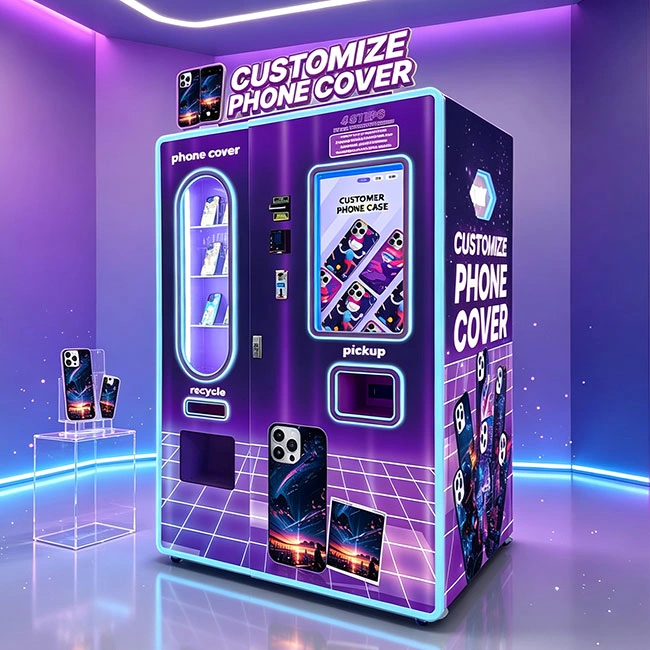
3. The Event Photobooth Add-On: Low Volume, High Novelty
Event rental companies love the idea of a puzzle printer as an upsell. A wedding guest uploads a photo, gets a 100-piece puzzle as a favor. The volume is low—maybe 30 puzzles per event—but the per-unit price can be $15–20. For this, a cheaper unit might work, but the catch is reliability. If the machine fails mid-event, you can’t just reboot and hope. You need a printer with a robust ink delivery system and a cutter that doesn’t jam on thin cardboard. Our WM520 Standard ($5,550) is a solid entry point here, but I’d honestly recommend renting a unit first before committing to purchase. Test it at three events. See how it handles different photo qualities (dark images, low contrast, selfies with busy backgrounds).
The Hidden Costs That Eat Your Margin
Most buyers focus on the machine price. That’s a mistake. Here’s what actually determines your profitability:
- Ink cost per puzzle: A full-color 500-piece puzzle (roughly 30x40cm) consumes about 3–5ml of UV ink. At $100–160 per liter set (CMYK+white), that’s $0.30–0.80 per puzzle. But if your printer wastes ink during purging cycles—common on cheaper models—that cost doubles.
- Substrate waste: Cardboard and wood aren’t cheap, and misprints happen. A good printer with precise registration (like our AI-based alignment system) can keep waste under 2%. A bad one? 10% or more.
- Maintenance downtime: UV printers need regular cleaning. If the print head clogs, you lose a day of production. Our China phone case printer manufacturing experience taught us that Epson heads, when paired with proper recirculation systems, can go 3–4 weeks between cleanings even in dusty environments. That’s not marketing—that’s field data from 3,000+ machines.
What to Look for in a Jigsaw Puzzle Printer (If You’re Buying in 2026)
Here’s a quick comparison based on what I’ve seen work and fail:
| Feature | Why It Matters | What to Avoid |
|---|---|---|
| Print head type | Epson i3200 or i1600 give 1440 dpi, consistent output | Ricoh Gen5 or older—prone to banding on large areas |
| UV curing system | Dual LED lamps, instant curing, no yellowing | Single lamp or mercury-based—slow cure, heat damage to substrate |
| Substrate handling | Vacuum table for warped boards, adjustable height for thickness up to 20mm | Roller feed systems—jams on stiff cardboard |
| Software integration | AI auto-crop, color correction, direct upload from phone | Proprietary software that can’t import common formats |
| Cutting method | Laser cutter (CO2) for wood/acrylic, or die-cut for cardboard | Cheap rotary blades—dull fast, inconsistent shapes |
A Reality Check on “Printing on Demand”
The dream is simple: customer uploads a photo, machine prints and cuts, you collect cash. The reality is that the most profitable operators don’t just sell puzzles—they sell an experience. The machine has to be fast enough that the customer doesn’t wander off. It has to be reliable enough that you don’t need a technician on standby. And the print quality has to be good enough that they’ll tell a friend.
I’ve seen operators fail because they bought a printer that couldn’t handle high-resolution images. The puzzles looked blurry, customers complained, and the machine sat idle. I’ve also seen operators succeed because they paired a quality printer with a smart vending interface—like our puzzle making machine that integrates payment, inventory tracking, and OTA updates. The technology is only half the equation. The other half is how you position it in the market.
Don’t Buy a Printer, Buy a System
A jigsaw puzzle printer is just one component. The real value comes from the entire ecosystem: reliable hardware, smart software, responsive support, and a business model that fits your market. We’ve been building these systems since 2016, and we’ve learned that the best investment is the one that balances upfront cost with long-term dependability.
If you’re serious about starting a custom puzzle business—whether it’s a vending machine in a mall or a production workshop—reach out to us at widermatrix.com. We’ll walk you through the options, share real client case studies, and help you calculate your potential returns. No pressure, just honest advice from people who’ve been on the floor with these machines.
Note: Product specifications, pricing, and configurations are subject to change as we continuously improve our technology. Contact our sales team for the latest pricing, promotions, and a custom quote.
Specifications
| Model | WM520 |
| Dimensions | 100cm × 79cm × 175cm |
| Maximum Power | 245W |
| Net Weight | 240 KG |
| Voltage | 220V / 110V (Optional) |
| Payment Methods | Coin / Cash / Credit Card / NFC |
| Water Tank Capacity | 2000ml |
| Display | Video & Poster Advertising |
| Remote Management | Supports cloud monitoring and management |
Product Certificates
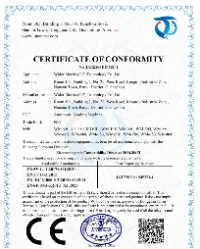
CE
JAT2209011545EC-1
2022.09 – 2027.09
CE
JAT2209011545SC-1
2022.09 – 2027.09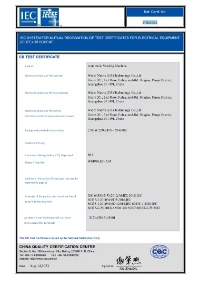
CB
CN61098
2023.08 – 2028.08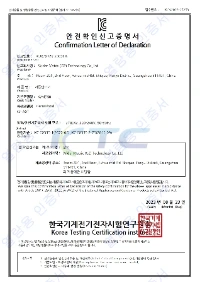
KC
XU070729-23001A
2023.08 – 2028.08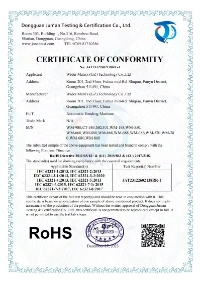
RoHS
JAT23122602138RC-1
2023.12 – 2028.12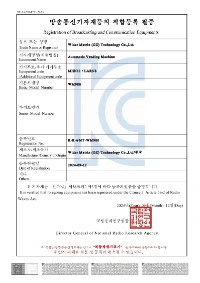
KC
R-R-wMT-WM980
2024.09 – 2029.09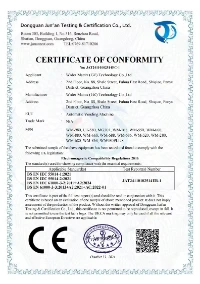
UKCA
JAT24110102514EC-1
2024.10 – 2029.10
RCM
RCM202601150
2026.01 – 2031.01Company Introduction
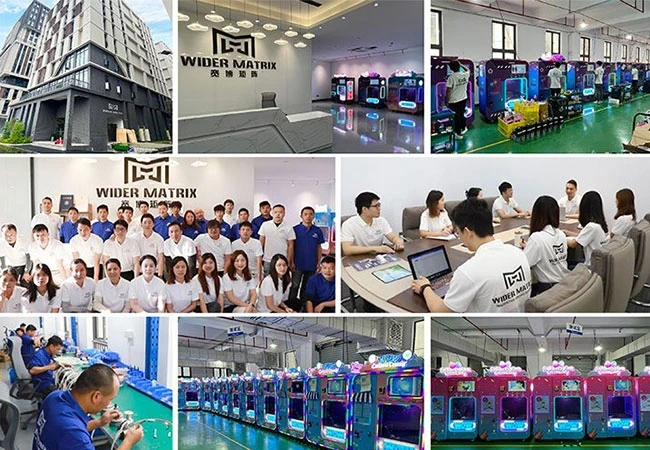
Wider Matrix (Guangzhou) Technology Co., Ltd. is a scientific and technological enterprise that attaches importance to R&D and user experience. We started to research and develop automated vending solutions in 2016, and achieved a leading position in the field of interactive vending machines.
With years of experience in automated retail technology, we've perfected our puzzle vending machines through rigorous testing and continuous innovation. Our commitment to quality and user experience has allowed us to expand globally, with our products now operating successfully in more than 130 countries including the United States, Canada, Europe, Southeast Asia, Australia, and Israel.
All machines support remote cloud management, which has the advantages of easy operation, convenient maintenance and high operating efficiency.
Exclusive Services
Overseas Support Service
Local transfer warehouse support, ensuring your operational stability.
Custom Design
We offer machine appearance customization, branding, and large-scale custom packaging services.
Initial Tools & Spare Parts Kit
Machine comes with complementary tools and spare parts kit, including initial consumables package for early operations.
Functional Customization & Software Optimization
Custom functionality based on client needs, including hardware and software optimization updates.
Lifetime Technical Support & Updates
We provide lifetime technical support and software update services for all customers.
Frequently Asked Questions
Can I use a regular inkjet printer to make jigsaw puzzles?
What’s the difference between a puzzle printer and a phone case printer?
How long does it take to print and cut a custom puzzle?
What materials can a jigsaw puzzle printer handle?
Do I need special software to design the puzzle cuts?
What’s the ROI on a puzzle vending machine?
User Reviews
Widermatrix has been fantastic to work with. The puzzle vending machine arrived in perfect condition and has been operating smoothly for months. Our mall customers love the interactive experience and the machine generates consistent revenue with minimal maintenance.
I purchased two puzzle vending machines for my entertainment centers, and they have been in operation for over three months with excellent reliability. The cloud management system makes it easy to monitor sales and inventory remotely. The ROI has been impressive so far.
This is my first time running an automated retail business, and the puzzle vending machine has been the perfect starting point. Technical support is responsive, and the machine attracts many customers in my shopping mall location. The touchscreen interface is intuitive and the payment system works flawlessly.
The puzzle vending machine has been a game-changer for my business. Installation was easy, and the machine started generating revenue immediately. The remote management features allow me to monitor performance and update content without physically visiting the machine. Highly recommended.
After six months of operation, our puzzle vending machine has already paid for itself. The maintenance is minimal, and customer satisfaction is high. We particularly appreciate the seasonal puzzle options that keep the content fresh and relevant.
As a retailer with multiple locations, I was looking for ways to diversify my revenue streams. The puzzle vending machine has exceeded my expectations in terms of customer engagement and profitability. We've now ordered three more machines for our other locations.
Great machine overall, but took a bit longer than expected to get it up and running. Once installed, it has performed very well. The machine attracts a lot of attention in our family entertainment center, and customers love the variety of puzzle options.
We placed our puzzle vending machine in a university student center, and it's been incredibly popular. Students love the interactive features and the ability to create custom puzzles. The machine has required minimal maintenance despite heavy use.
As a gift shop owner, I was looking for unique products that would attract customers. The puzzle vending machine has become a major attraction in our store. Customers are fascinated by the technology, and many visit specifically to use the machine.
The puzzle vending machine has exceeded all our expectations. We installed it in a busy tourist area and the revenue has been outstanding. The machine is reliable, the puzzles are high quality, and the cloud management system makes monitoring effortless. Already planning to expand to more locations.
Why Choose Us
Why Operators Choose WiderMatrix
See how we compare to the industry average
| Feature | WiderMatrix | Industry Average |
|---|---|---|
| Machine Lifespan | ✓ 2× longer than standard machines | Standard lifespan |
| Maintenance | ✓ Ultra-low cost + remote diagnostics & alerts | High maintenance cost |
| Build Quality | ✓ Premium materials + patented technology | Standard manufacturing |
| Certifications | ✓ CE, UKCA, RoHS, KC, PSE, ISO (7+) | 1–2 certifications |
| Technical Support | ✓ 24/7 dedicated team + video guidance | Email only |
| AI Management Platform | ✓ Real-time monitoring, analytics & remote control | Basic / no dashboard |
| Software Updates | ✓ OTA lifetime free updates | Paid upgrades |
| Warranty | ✓ 1 year (no part return required) | 3–6 months |
Latest Articles
 NEW
NEW
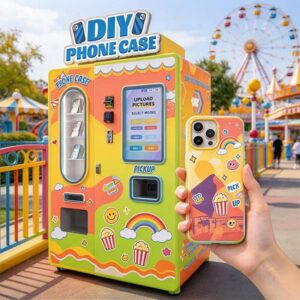
Phone Case Vending Machine with Custom Branding: Price Guide
A woman at a mall kiosk scans a QR code with her phone. On the screen she picks...
Oct 12, 2026 NEW
NEW
How Much to Purchase a Vending Machine? 2026 Price Guide
A buyer’s guide to vending machine pricing in 2026 with real factory prices for nine machine types, the...
Oct 12, 2026 NEW
NEW
High Traffic Vending Machine Locations: How to Choose
A practical guide to picking high traffic vending machine locations, covering the difference between walking traffic and buying...
Oct 12, 2026Popular Picks
HOT
Phone Case Vending Machine with Custom Branding: Price Guide
A woman at a mall kiosk scans a QR code with her phone. On the screen she picks...
Oct 12, 2026 HOT
HOT
Ready to Pack for the Czech Republic
Today is a good day that we are going to send out our package for the Czech Republic....
May 20, 2022 HOT
HOT
Shipping out to America!
These 3 machines will arrive in the USA one month later. Hopefully, it will bring back bulk orders...
May 19, 2022