




You’re not just looking for a supplier; you’re looking for a partner to build your business. The decision to source custom vending kiosks wholesale is a significant one, often representing a major investment and the foundation of a new revenue stream. The right wholesaler can be the catalyst for your success, while the wrong one can lead to operational headaches and financial strain. This guide moves beyond basic product listings to explore the strategic considerations, hidden costs, and partnership dynamics that define a truly successful relationship with a custom vending kiosk wholesaler.
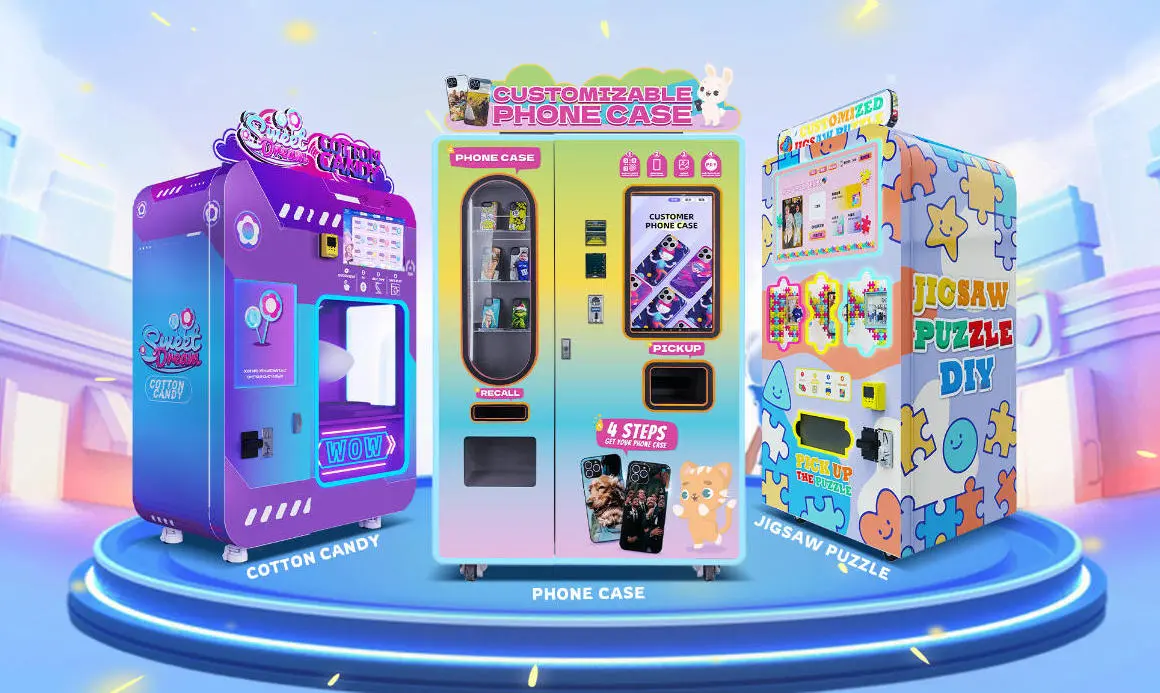
What “Custom” Really Means in Vending Kiosks
In the wholesale world, “custom” can range from superficial branding to fundamental hardware and software redesign. Understanding this spectrum is crucial to aligning your expectations with a supplier’s capabilities.
- Cosmetic Customization: This includes your logo, color scheme, and graphic wraps applied to a standard machine chassis. Most wholesalers offer this.
- Functional Modularity: The ability to choose from different payment systems (cash, card, QR, NFC), refrigeration units, or dispensing mechanisms to suit your product.
- Software & UI Customization: Tailoring the user interface, integrating loyalty programs, or connecting the machine’s data to your proprietary management dashboard.
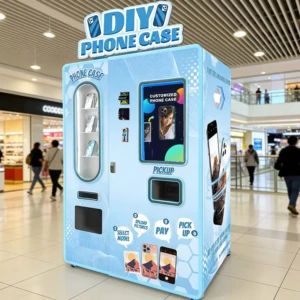
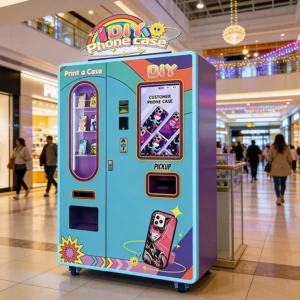
- Full OEM/ODM Development: Designing a kiosk from the ground up for a unique product, like an automated phone case printing vending machine that requires specialized printing and curing hardware. This is where deep engineering expertise, like that developed over 8+ years at companies such as Wider Matrix, becomes critical.
Your first question to any wholesaler should be: “What level of customization do you truly engineer in-house, and what do you outsource?” The answer directly impacts lead times, quality control, and your ability to get future support.
The Hidden Metrics of a Reliable Wholesaler
While price per unit is important, it’s a dangerous metric to prioritize alone. Savvy buyers evaluate wholesalers on less obvious but more telling criteria that speak to long-term viability and risk mitigation.
1. After-Sales Support as a Business Continuity Plan
The machine is installed. What happens on day 31 when a component fails? Quality wholesalers treat support not as a cost center but as a core product feature. Inquire about:
- Global Parts Logistics: Do they maintain regional warehouses for common parts? For a company like Wider Matrix, which has exported 3,000+ machines to 130+ countries, this network is essential for minimizing downtime.
- Technical Documentation: Are manuals, wiring diagrams, and error code lists comprehensive and available in your language?
- Remote Diagnostics: Can technicians remotely access machine software to diagnose issues, potentially solving problems without a service call?
2. Operational Complexity & The “Plug-and-Play” Promise
Some kiosks are simple to stock and maintain; others, like a fully automatic cotton candy vending machine, involve consumables (sugar, cones), cleaning cycles, and more moving parts. A trustworthy wholesaler will be transparent about:
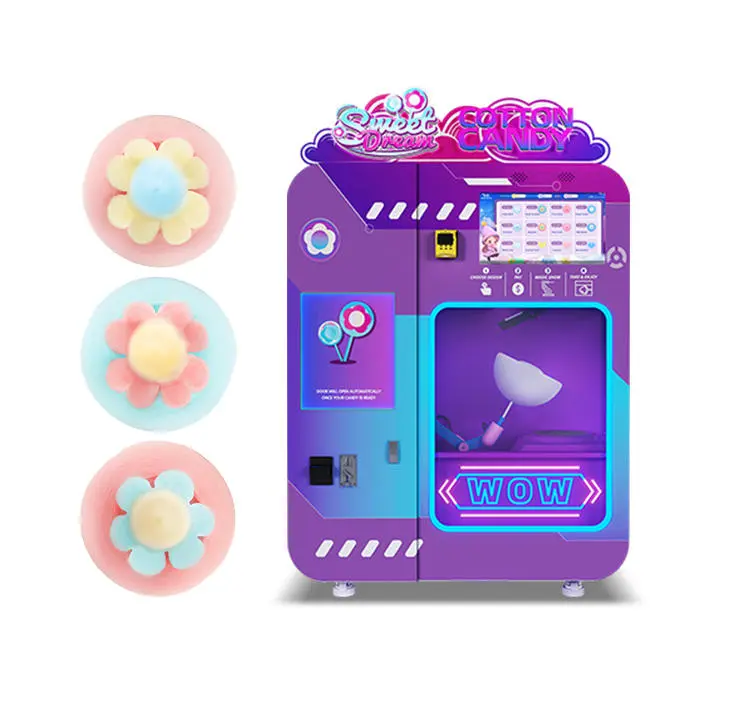
- Daily/Weekly Maintenance Routines: Required cleaning, calibration, and component checks.
- Staff Training Requirements: Will your location staff need 10 minutes or 2 hours of training?
- Consumable Supply Chain: Do they provide or recommend reliable sources for proprietary items (e.g., specific sugar blends, phone case blanks)?
Calculating Real ROI: The Total Cost of Partnership
Let’s move beyond sticker price. The true cost of your wholesale partnership includes:
| Cost Category | Considerations & Questions for Your Wholesaler |
|---|---|
| Upfront Investment | Unit cost, shipping, import duties, installation fees. Ask: “Is shipping DDP (Delivered Duty Paid)?” |
| Operational Costs | Power consumption, payment processing fees (if using their gateway), cost of goods sold, site commission. |
| Maintenance & Downtime | Cost of spare parts, service contracts, and the lost revenue when a machine is out of order. |
| Software & Updates | Are software updates free for the lifecycle of the hardware? Is there a subscription fee for the management platform? |
A wholesaler who helps you model this full picture—perhaps by sharing average maintenance costs or energy specs—is investing in your success. For instance, understanding the profit margins outlined in a guide to commercial cotton candy vending machines requires knowing both the machine’s efficiency and sugar yield.
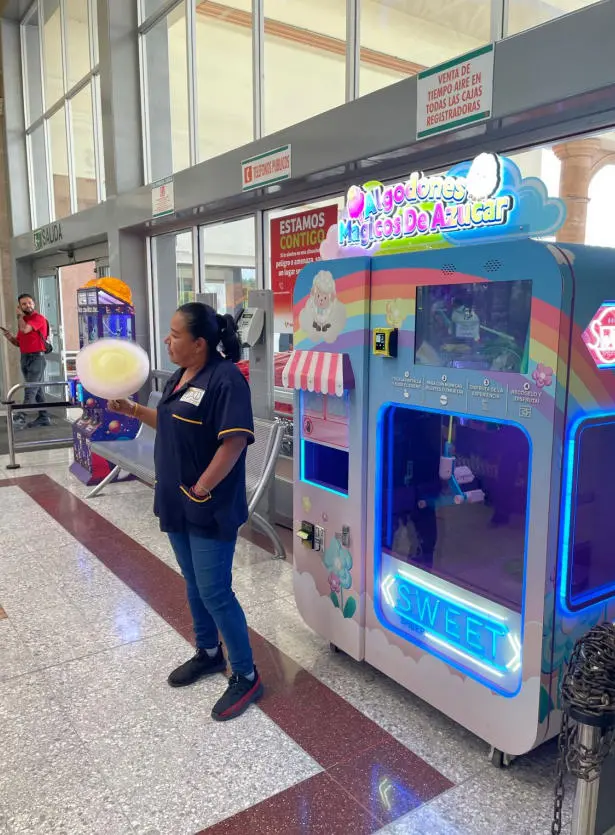
Differentiation in a Crowded Market: It’s in the Details
Your competitive edge often lies in the subtle capabilities of your kiosk. Discuss these advanced topics with potential wholesalers:
- Data Analytics: Can the machine provide granular sales data, peak time analysis, and inventory alerts?
- Marketing Integration: Support for running promotions, discount codes, or interactive campaigns on the touchscreen.
- Future-Proofing: Is the hardware capable of accepting new payment methods (e.g., CBDC, new digital wallets) via software update?
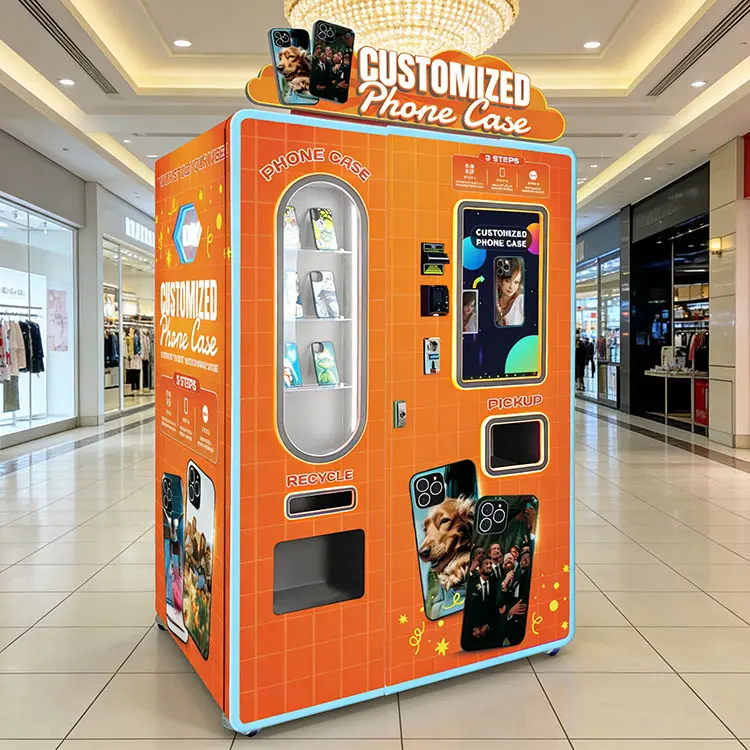
- Hybrid Models: Can a machine support multiple functions? The expertise behind a phone case machine maker involves precise robotics and software, a complexity that indicates a high engineering ceiling for other custom projects.
Common Pitfalls & How to Avoid Them
Misconception: “The lowest quote saves the most money.”
Reality: The lowest quote often reflects cheaper components, minimal testing, and thin support margins, leading to higher lifetime costs.
Misconception: “All wholesalers with a website are manufacturers.”
Reality: Many are trading companies. Ask for factory photos, videos, and request to speak directly with an R&D or project engineer. A true manufacturer like Wider Matrix will readily showcase their production and engineering process.
Misconception: “Customization has no limits.”
Reality: Engineering constraints exist. A good partner will explain *why* a certain request is difficult or costly, offering viable alternatives that achieve a similar goal.
Your Strategic Next Steps
Armed with this framework, transform your sourcing process from a price hunt to a partnership evaluation.
- Audit Your True Needs: Separate “must-have” custom features from “nice-to-have” ones.
- Prepare a Detailed RFQ (Request for Quotation): Include questions about support, parts lead times, and software update policies.
- Request a Live Demo: Ask for a video call to see a machine in operation, ideally performing the specific function you need.
- Ask for References: Request contact information for clients in a similar market or who use a similar machine model.
- Start with a Pilot Order: Before committing to a large volume, order a single unit or small batch to validate quality, support, and operational reality.
Choosing a custom vending kiosk wholesaler is a strategic business decision with lasting impact. By focusing on engineering depth, transparent total-cost models, and a proven track record of global support, you position your venture not just for a successful launch, but for sustainable, scalable growth. The goal is to find a partner whose success is intrinsically linked to your own.
1. What is the typical lead time for a wholesale order of custom vending kiosks?
For standard models, lead time is usually 15–30 days after deposit. For fully customized or OEM/ODM projects, production and shipping can take 45–90 days depending on the complexity of modifications and current factory workload. Reliable wholesalers provide clear timelines in writing.
2. Do custom vending kiosks require special technical skills to operate and maintain?
No advanced technical skills are required for daily operation. Most modern machines are designed for straightforward restocking, cleaning, and basic troubleshooting. Good wholesalers provide comprehensive video tutorials, user manuals, and remote training to help new operators get comfortable quickly.
3. Can I source consumables (like phone case blanks or sugar) from third-party suppliers?
It depends on the machine. Some wholesalers use proprietary components that only work with their system, while others support open consumables. Always clarify compatibility and long-term supply chain options before purchase to avoid being locked into expensive exclusive supplies.
4. What payment terms are commonly offered by reputable custom vending kiosk wholesalers?
Typical terms include 30% deposit and 70% balance before shipment. Some established manufacturers also accept Letter of Credit (L/C), installment plans for large orders, or escrow services to protect both buyer and seller during international transactions.
5. How do I verify that a custom vending kiosk wholesaler is a real manufacturer rather than a trading company?
Request a factory tour (virtual or in-person), ask for production videos, R&D team details, and ISO or other factory certifications. A genuine manufacturer will happily share their production facility information and engineering background, while trading companies often cannot provide these details transparently.
Comments
No comments yet. Be the first to comment!