




Dreaming of launching your own pizzeria in Canada? It’s an exciting venture, but understanding the financial commitment is the crucial first step. The cost to open a pizza shop in Canada can vary dramatically, from a modest independent storefront to a major franchise operation. This comprehensive guide will break down the key expenses, from initial investment to ongoing operational costs, and explore innovative alternatives like automated solutions that are changing the food service landscape.
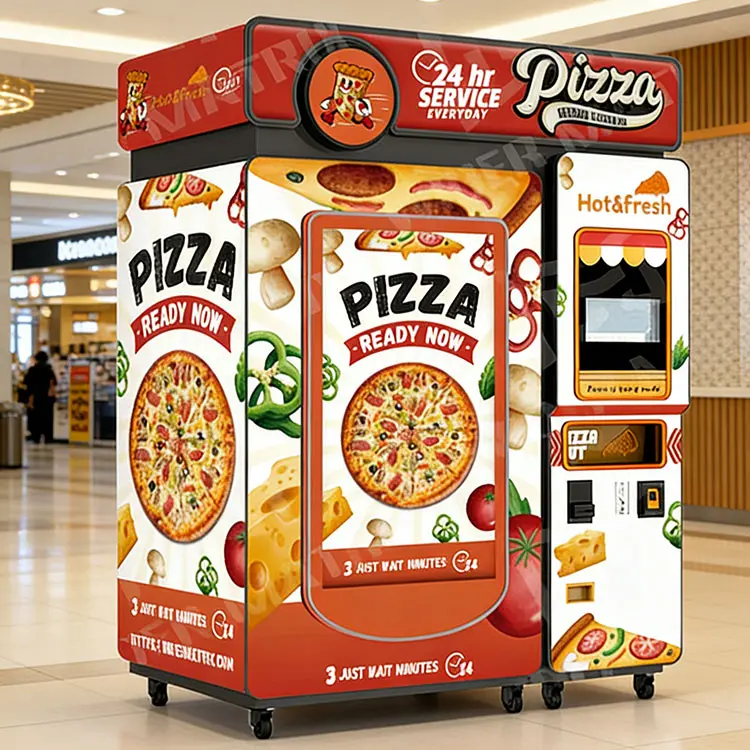
The Total Investment Range: From Modest to Major
So, what’s the bottom line? Based on market analysis, the total cost to open a pizza shop in Canada typically falls between $100,000 to over $500,000. For a well-known franchise like Pizza Hut, the initial investment can range from approximately $412,000 to over $2 million. For an independent shop, you might launch a smaller operation for $100,000 – $250,000. This wide range depends on several critical factors we’ll explore below.
Detailed Cost Breakdown for a Pizza Shop
Let’s dissect the major expense categories you’ll need to budget for. Think of this as your financial blueprint.
1. Location & Leasehold Improvements
This is often your largest fixed cost. A prime location with high foot traffic commands a premium but can drive significant sales. Costs include:
- Security Deposit & First/Last Month’s Rent: Can range from $5,000 to $30,000+ depending on location and size.
- Leasehold Improvements (Build-Out): Modifying the space for a kitchen, dining area, and washrooms. This can cost $50,000 to $200,000+. This includes plumbing, electrical, HVAC, flooring, and decor.
- Signage: Exterior and interior signage can cost $3,000 – $15,000.
2. Equipment & Kitchen Setup
Your kitchen is the heart of the operation. Essential equipment includes:
- Commercial Pizza Ovens (Conveyor or Deck): $10,000 – $40,000
- Dough Mixers and Prep Tables: $5,000 – $15,000
- Refrigeration and Freezers: $8,000 – $20,000
- POS System, Phones, and Technology: $3,000 – $10,000
- Smallwares (Utensils, Pans, etc.): $2,000 – $5,000
Total Equipment Cost: Approximately $30,000 – $90,000. You can save by purchasing quality used equipment.
3. Initial Inventory & Supplies
You’ll need to stock up before opening day. Budget for:
- Initial food inventory (flour, cheese, sauce, toppings): $3,000 – $8,000
- Packaging (boxes, bags, napkins): $1,000 – $3,000
- Cleaning and sanitation supplies: $500 – $1,500
4. Licenses, Permits, and Legal Fees
Operating legally in Canada requires several approvals:
- Business Registration & Name Search
- Municipal Business License
- Food Service Establishment Permit (Health Department)
- GST/HST Registration
- Liquor License (if applicable) – this can be complex and costly.
- Legal and accounting fees for setup: $2,000 – $7,000
5. Marketing & Pre-Opening Costs
Building buzz is essential. Allocate funds for:
- Website development and initial SEO: $2,000 – $10,000
- Menu design and printing
- Grand opening promotions and advertising
- Social media setup and initial ad spend
6. Working Capital & Operating Reserves
This is critical. You need cash to cover expenses (rent, payroll, utilities) for the first 3-6 months before the business becomes profitable. A safe reserve is $30,000 to $80,000.
Franchise vs. Independent: A Cost Comparison
| Cost Factor | Franchise (e.g., Pizza Hut, Domino’s) | Independent Shop |
|---|---|---|
| Initial Franchise Fee | $25,000 – $50,000+ | $0 |
| Total Initial Investment | $400,000 – $2,000,000+ | $100,000 – $500,000 |
| Ongoing Royalty Fees | 4-8% of gross sales | $0 |
| Marketing/Ad Fund Fees | 2-4% of gross sales | You control the budget |
| Brand Recognition & Support | High – proven systems, training, and national marketing. | You must build it from scratch. |
| Operational Freedom | Low – must follow franchise system strictly. | High – complete control over menu, suppliers, etc. |
An Innovative Alternative: The Automated Pizza Kiosk
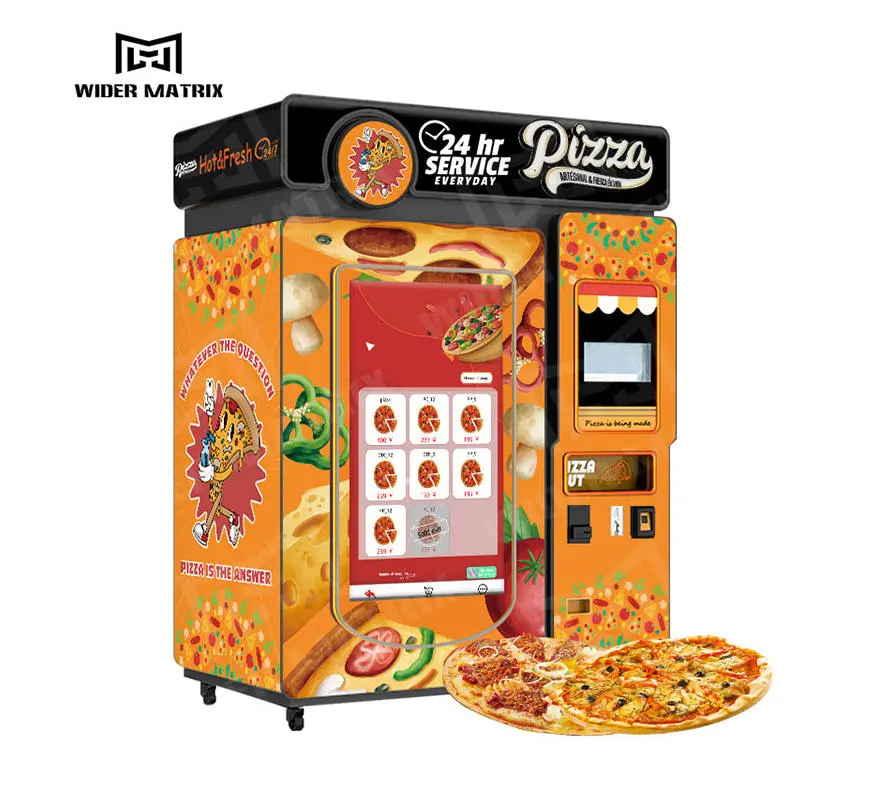
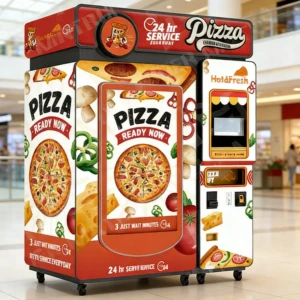
For entrepreneurs looking at a lower-entry, high-tech model, automated pizza vending machines present a fascinating opportunity. These units, like the advanced WM660 Self-service Pizza Vending Machine, can serve freshly heated pizza 24/7 with minimal staffing.
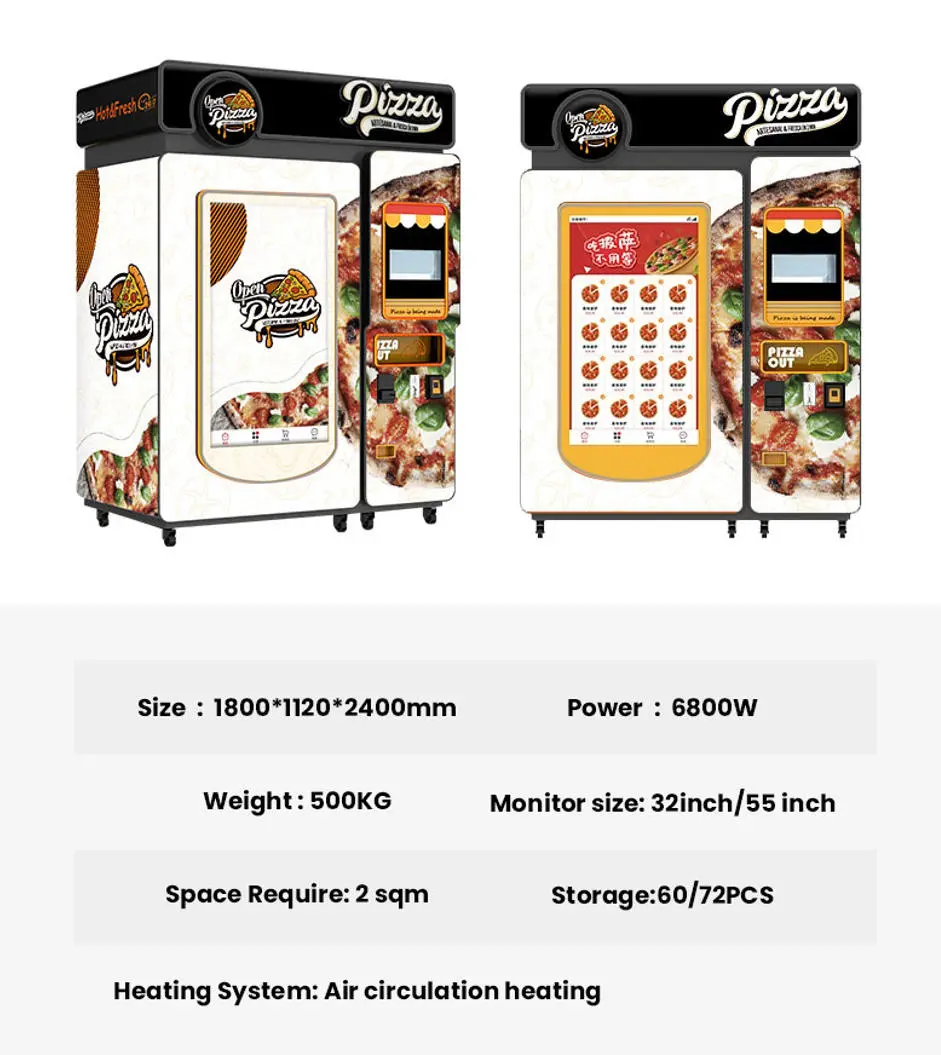
- Lower Initial Cost: The capital outlay is significantly less than a full restaurant. For instance, an advanced model like the WM660, which can hold up to 60 pizzas, is available at a promotional price of US$7,800 – a substantial saving from its original price of US$12,800.
- Reduced Overhead: No need for a large kitchen, dining area, or a big staff. This slashes costs related to leasehold improvements, utilities, and payroll.
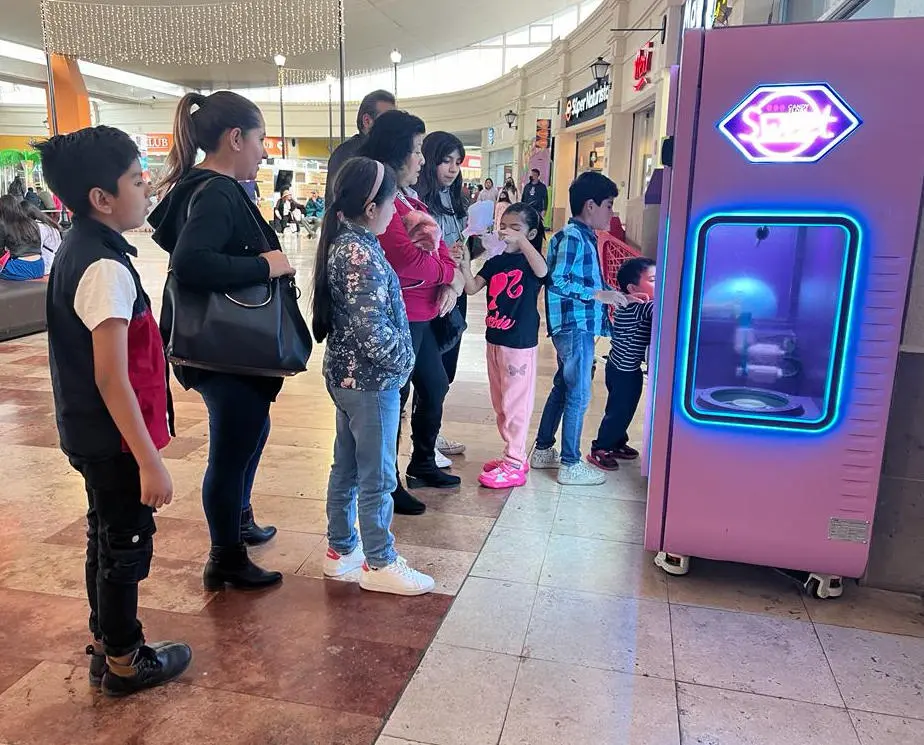
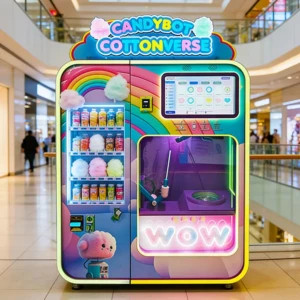
- Flexible Location: Can be placed in universities, office building lobbies, transportation hubs, or alongside other entertainment options like a fully automatic cotton candy vending machine WM980 in an arcade.
Companies like Wider Matrix are at the forefront of this automation trend. As a technology-driven company with exports to over 130 countries, including Canada, they specialize in creating smart, customized vending solutions. This approach represents a modern, scalable way to enter the food service market. For more insights on automated food business profitability, you can explore guides like How Much Can You Make with a Cotton Candy Machine?.
Ongoing Operational Costs to Consider
Your expenses don’t stop after opening. Monthly costs include:
- Food & Paper Cost (COGS): Typically 28-35% of sales.
- Labor: 25-30% of sales (including payroll taxes).
- Rent: 5-10% of sales.
- Utilities: 3-5% of sales.
- Marketing: 3-6% of sales.
- Loan Repayments: If you financed your startup.
Frequently Asked Questions (FAQs)
1. What is the most expensive part of opening a pizza shop?
Leasehold improvements (building out the space) and commercial kitchen equipment are typically the two largest upfront capital expenses.
2. Can I open a pizza shop with less than $100,000 in Canada?
It’s challenging for a traditional sit-down/take-out shop. However, options like a delivery-only “ghost kitchen” (with no dining area) or a food truck/trailer specializing in pizza could potentially start in the $50,000 – $80,000 range.
3. How profitable is a pizza shop in Canada?
A well-run independent pizza shop can see pre-tax profit margins of 7-15%. Franchises may have similar net margins after paying royalties and fees. High sales volume is key to profitability.
4. How long does it take for a pizza shop to become profitable?
Most food service businesses take 1-3 years to become sustainably profitable. Having adequate working capital to cover the initial loss-making period is essential.
5. What are some ways to reduce startup costs?
Consider buying quality used equipment, negotiating a tenant improvement allowance with your landlord, starting with a streamlined menu, and exploring alternative models like automated kiosks or partnering with an existing kitchen.
6. Are automated pizza machines like the WM660 a viable business in Canada?
Yes, they are gaining traction. They offer a lower-risk entry point with 24/7 service capability. Success depends heavily on strategic placement in high-foot-traffic locations. Companies with global supply chain experience, like Wider Matrix (gz) Technology Co., Ltd., design these machines to meet international standards (CE, UKCA, etc.), making them suitable for the Canadian market. For the latest on such innovations, check their Updates page.
7. What funding options are available in Canada?
Options include personal savings, bank business loans (often requiring a solid business plan and personal collateral), government grants/loans (e.g., BDC, Canada Small Business Financing Program), and seeking investors.
Related Topics
- Is a Cotton Candy Machine a Good Investment?
- Starting a Phone Case Customization Business
- Latest Trends in Retail Automation
- About Advanced Vending Solutions
- Consulting for Food & Retail Business Ideas
Conclusion
Opening a pizza shop in Canada is a significant financial undertaking, with costs ranging from a six-figure sum for an independent operation to multi-millions for a prime franchise location. Success requires meticulous planning, a detailed understanding of all cost components, and a robust source of funding. As you evaluate your options, remember that innovation is reshaping the industry. Exploring technology-driven models, such as automated vending solutions from experienced providers, can offer a compelling, lower-capital pathway into the lucrative food market. Whether you choose a traditional restaurant or a modern automated kiosk, thorough research and a solid business plan are your recipes for success.


Comments
No comments yet. Be the first to comment!