




You’re not just looking for a vending machine. You’re evaluating a potential business partner—a piece of technology that needs to attract customers, operate reliably, and generate a return on your investment. In today’s automated retail landscape, the touch-screen vending machine manufacturer you choose is the single most critical decision you’ll make. It determines not just the hardware you receive, but the long-term viability of your venture. This guide cuts through the noise, focusing on the strategic considerations that separate a profitable, sustainable operation from a costly misstep.
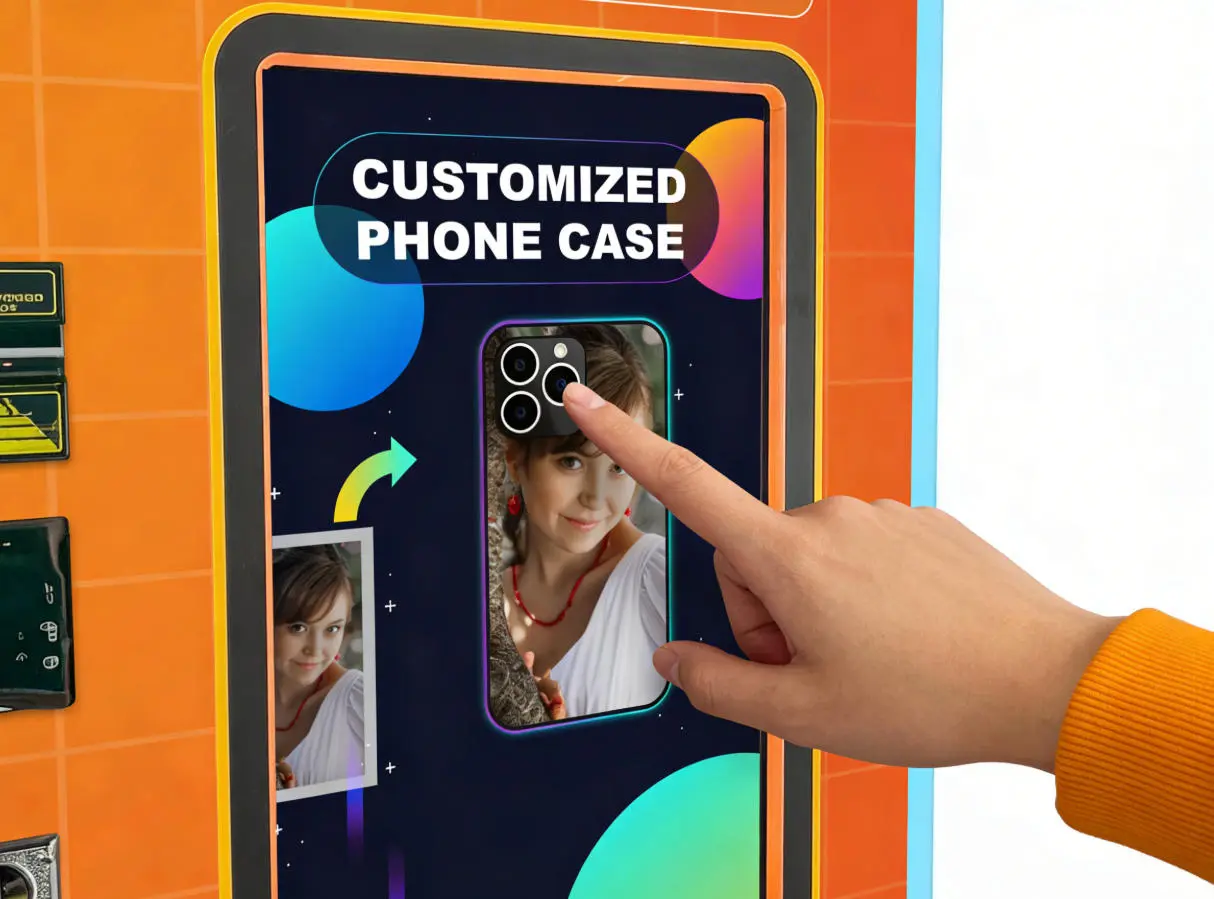
Beyond the Screen: What a True Manufacturer Brings to the Table
A high-resolution touch screen is merely the entry point. The real value lies in the integration of hardware, software, and support that turns a screen into a powerful retail tool. A sophisticated manufacturer focuses on several core pillars:
- The Software Ecosystem: This is the brain of the operation. Look for cloud-based management platforms that allow you to monitor sales in real-time, adjust pricing remotely, track inventory levels, and receive maintenance alerts. This directly addresses operational complexity by giving you control from anywhere.
- Hardware Reliability & Adaptability: The machine must withstand high-traffic environments. Beyond durability, modular designs are key. Can the same chassis be adapted for different products—from phone cases to cotton candy—with interchangeable modules? This flexibility mitigates risk by allowing you to pivot your product offering.
- Payment System Integration: A modern machine must accept a wide array of payments: cash, credit/debit cards, mobile wallets (Apple Pay, Google Pay), and even QR-based systems popular in many markets. The more options, the higher the conversion rate.
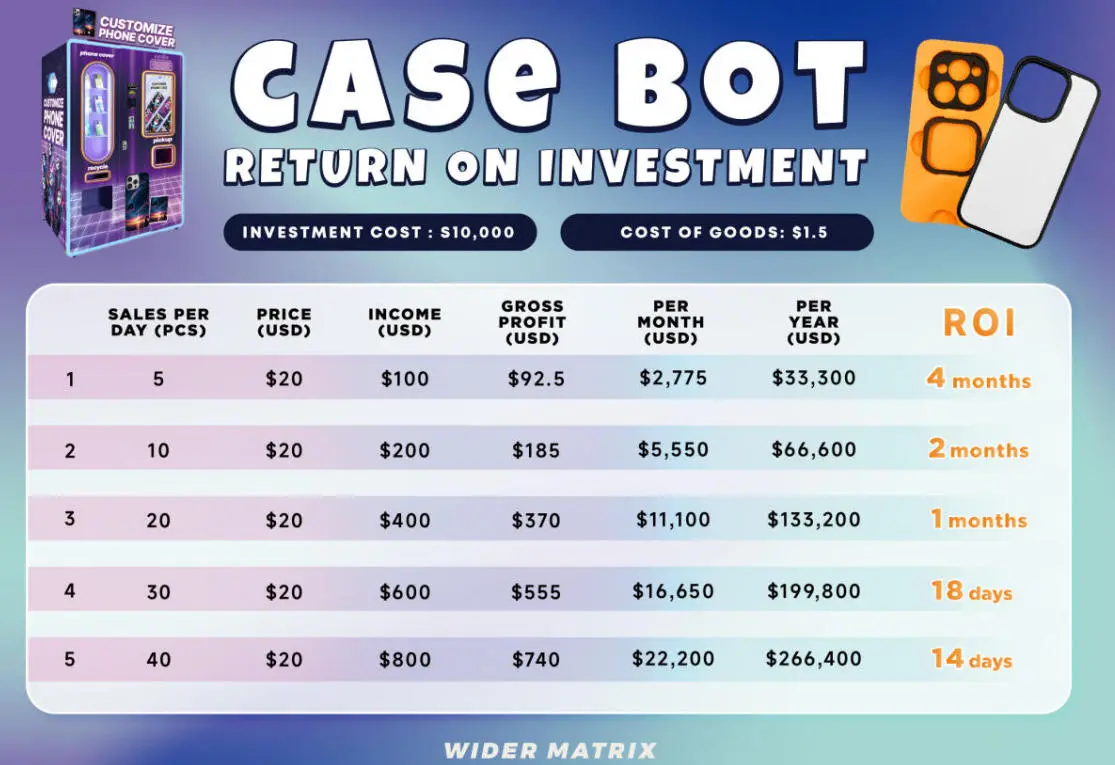
Decoding Profitability: The ROI of a Smart Machine
Profitability isn’t just about markup. It’s about maximizing revenue per location while minimizing costs and downtime. Advanced touch-screen vending machines contribute directly to this equation in ways old machines cannot.
Revenue Enhancement Features:
- Upselling & Cross-Selling: The screen can suggest add-ons (“Add a screen protector to your custom phone case?”) or showcase premium items with engaging visuals.
- Dynamic Pricing & Promotions: Run happy hour specials, flash sales, or bundle deals directly from your management portal to stimulate demand during slow periods.
- Data-Driven Product Selection: Use sales data from the machine’s software to understand exactly what sells best in each specific location, allowing for hyper-localized inventory.
Cost & Risk Mitigation:
- Predictive Maintenance Alerts: Sensors can warn of potential issues (e.g., cooling system stress, low ingredient levels) before they cause a machine to fail, preventing lost sales.
- Remote Diagnostics: A quality manufacturer can often diagnose software issues remotely, solving problems without a costly service visit.
- Theft Deterrence: Integrated security cameras, secure cashboxes, and transaction logs create a more secure environment.
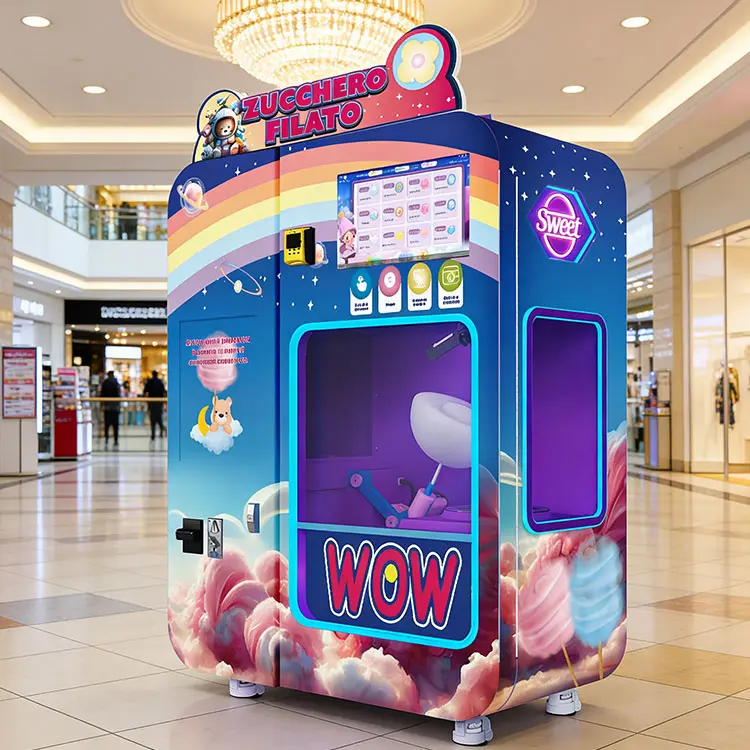
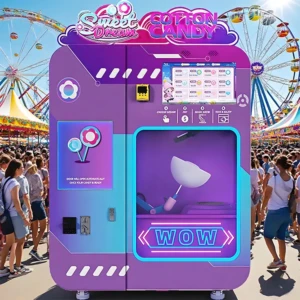
For a concrete example, consider the cotton candy vending niche. A standard machine sells a product. A smart, fully automatic cotton candy vending machine like the WM980 becomes an attraction. Its automated process is a show, and its touch screen can play tutorial videos, offer flavor combinations, and even run a loyalty program. This transforms a simple purchase into an experience, commanding a higher price point and repeat business. Articles like “How Much Can You Make with a Cotton Candy Machine?” delve deeper into these specific profit calculations.
The Critical Factor Most Buyers Underestimate: After-Sales Support
This is where the true trustworthiness of a touch-screen vending machine manufacturer is tested. A machine will eventually need service. The quality and speed of the response will determine your ongoing operational costs and revenue stability.
Key questions to ask any manufacturer:
- What is the warranty structure? Does it cover both parts and labor? For how long?
- How is technical support handled? Is there 24/7 remote support? What are the response time guarantees?
- What is the global parts network like? For companies like Wider Matrix, which exports to 130+ countries, having a logistics network for spare parts is non-negotiable. It ensures you’re not waiting weeks for a component to ship from a single factory.
- Do they offer comprehensive training? This includes not just machine operation, but also basic troubleshooting for your on-site staff.
Navigating the Selection Process: From Customization to Commodity
The vending machine market serves vastly different needs. Your choice should align with your business model.
| Your Goal | Recommended Machine Type | Key Considerations |
|---|---|---|
| High-Margin Customization (e.g., custom phone cases, engraved gifts) | Fully Interactive Customization Machines | Focus on software for design, high-quality printing hardware, and a large product library. The ultimate guide to phone case machine makers highlights the importance of the design interface and print durability. |
| High-Volume Food & Beverage (e.g., popcorn, ice cream, pizza) | Automated Fresh Food Machines | Prioritize food safety certifications, refrigeration reliability, easy-cleaning components, and ingredient consistency. Hygiene is a competitive advantage. |
| Novelty & Experience-Driven Sales (e.g., cotton candy, mini puzzles) | Entertainment-Focused Automated Machines | The machine’s operation *is* the marketing. Look for robust mechanisms, engaging visual displays, and reliability under constant use. The spectacle drives the premium price. |
Common Questions & Misconceptions
“A touch screen is just a fancy add-on that will break.”
Reality: Industrial-grade touch screens used by reputable manufacturers are designed for millions of touches. The failure point is rarely the screen itself if it’s properly specified. The greater risk is unproven software or poor internal component integration.
“I can save money by sourcing the cheapest machine.”
Reality: In vending, the initial purchase price is a small fraction of the total cost of ownership. A cheaper machine with higher downtime, inefficient service, and poor energy consumption will cost you far more in lost sales and repair bills over 3-5 years. Your investment is in reliable revenue generation, not just metal and plastic.
“All manufacturers are basically the same.”
Reality: The gap between a basic assembler and a true technology integrator is vast. Look for evidence of R&D investment, a portfolio of patented technology, and a history of iterating on their designs based on field data. A company with 8+ years in automation and thousands of machines in the field, like Wider Matrix, has inevitably solved problems that newer entrants haven’t yet encountered.
What is the typical lifespan of a commercial touch-screen vending machine?
With proper maintenance, a well-built commercial touch-screen vending machine from a reputable manufacturer can last 7 to 10 years. The touchscreen and payment systems usually remain reliable for 5–8 years, while core mechanical components may need replacement earlier depending on daily usage volume.
How much does it cost to maintain a touch-screen vending machine annually?
Annual maintenance costs typically range from $100 to $1,000+ per machine. This includes routine cleaning, spare parts (print heads, sensors, or motors), software updates, and occasional technician visits. Machines with strong remote diagnostics tend to have lower long-term maintenance expenses.
Are touch-screen vending machines difficult to install and set up?
Most modern machines are designed for relatively straightforward installation. Setup usually takes 2–4 hours and involves positioning the machine, connecting power and internet, loading initial inventory, and performing calibration. Reputable manufacturers provide detailed guides, video tutorials, and sometimes remote or on-site support for first-time operators.
Can one touch-screen vending machine sell multiple types of products?
Yes. Many advanced machines feature modular designs that allow operators to switch between different product categories — such as phone cases, cotton candy, snacks, or small gifts — by changing internal modules and updating the software. This flexibility helps reduce risk and adapt to changing market demands.
Do touch-screen vending machines require a constant internet connection?
A stable internet connection is highly recommended for full functionality. It enables real-time sales monitoring, remote updates, inventory alerts, dynamic pricing, and predictive maintenance. While basic vending functions may work offline, you will lose critical management and optimization features without internet.
What security features should I look for in a touch-screen vending machine?
Look for built-in security cameras, tamper-proof locks, secure cash compartments (for cash-accepting models), encrypted payment processing, and activity logging. Anti-vandalism construction and remote alarm notifications are also important for machines placed in public locations.
How energy-efficient are modern touch-screen vending machines?
Modern machines are significantly more energy-efficient than older models. Average power consumption ranges from 100W in standby mode to 500–800W during active operation. Many manufacturers now use LED lighting and energy-saving modes to keep daily electricity costs low, typically between $1.50 and $4 per day.
Can I brand or customize the exterior of my touch-screen vending machine?
Yes. Most manufacturers offer custom vinyl wrapping, full-color printing, or branded panel options. Custom branding helps the machine stand out, reinforces your business identity, and can improve customer attraction in competitive high-traffic locations.
What training and support do manufacturers usually provide to new operators?
Reputable manufacturers provide comprehensive onboarding that includes operation manuals, video tutorials, remote training sessions, and basic troubleshooting guides. Some also offer advanced training on software management, inventory optimization, and marketing strategies for the machine.
How do I know if a touch-screen vending machine manufacturer is trustworthy?
Look for clear signs of trustworthiness: 8+ years of experience in automation, verifiable global deployments (thousands of machines), transparent warranty terms, accessible spare parts network, customer references, and a professional support team. Companies that invest in R&D and offer cloud-based management tools demonstrate long-term commitment to operators.
The Future is Integrated and Intelligent
The next evolution of touch-screen vending is already taking shape: integration with broader retail ecosystems. Imagine a machine that recognizes a loyal customer via a mobile app and suggests their usual order, or one that interfaces with a venue’s event schedule to promote relevant products. The manufacturer’s ability to provide APIs and support such integrations will become a key differentiator.
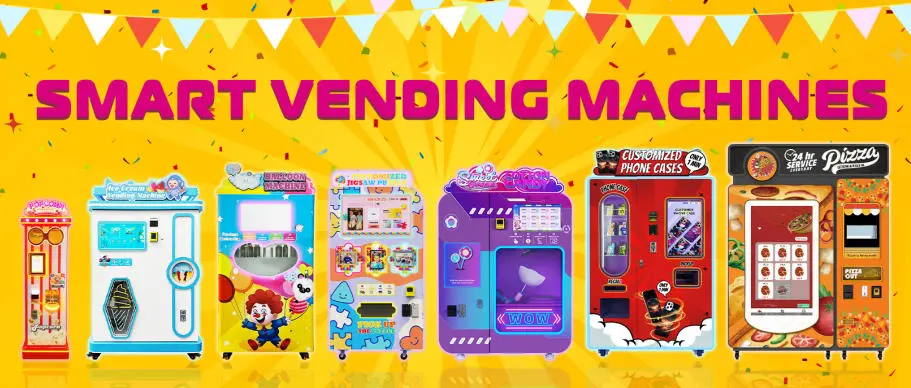
Your choice of a touch-screen vending machine manufacturer is a strategic business decision. It requires looking beyond the glossy catalog image to evaluate the software intelligence, the support infrastructure, and the company’s commitment to your long-term success. By prioritizing these factors—reliability, smart features, and unparalleled support—you invest not in a machine, but in a resilient and profitable automated retail business.
Ready to evaluate specific solutions for your concept? Begin by exploring a diverse range of proven machines and their capabilities to see how different technologies align with your vision for profitability and scale.

Comments
No comments yet. Be the first to comment!