



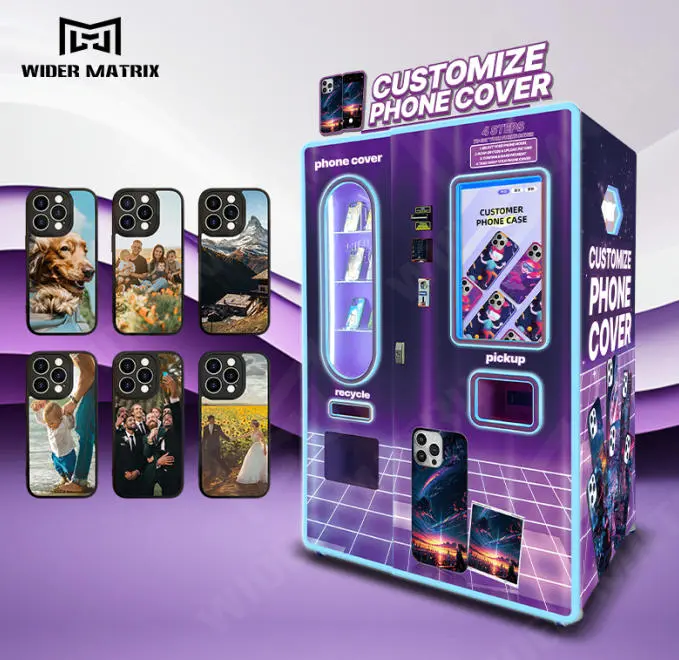
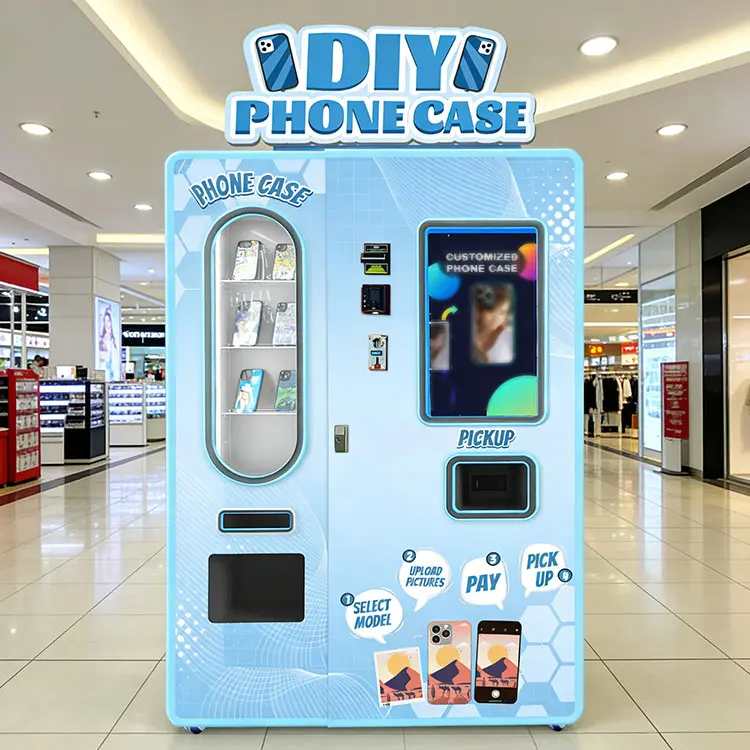
The Biggest Mistake People Make When Buying a Custom Phone Case (And How to Avoid It)
Service Support
- Support for small batch customization
- Fast delivery worldwide
- 12-month warranty service
- Online technical support
Let’s start with a truth bomb: most people searching for an “original photo printing phone case” are looking for the wrong thing. They’re focused on the end product—a cool, personalized case—without understanding the ecosystem that creates it. This leads to disappointment, wasted money, and missed opportunities, whether you’re a consumer or a business owner.
The real value isn’t just in the case itself; it’s in the accessibility, quality, and business model behind its creation. As someone who has analyzed hundreds of custom product deployments, I’ve seen the same pattern: excitement about personalization, followed by frustration with slow shipping, poor print quality, or, for entrepreneurs, a machine that’s more headache than profit center.
This article isn’t another generic product list. We’re going to walk through the three critical decision stages—research, evaluation, and purchase—from the perspective of an experienced operator. We’ll debunk myths, highlight the real questions you should be asking, and give you a framework to make a choice you won’t regret. Whether you want a single case or are exploring a profitable business selling phone cases, the principles are the same.
Stage 1: Research – Looking Beyond the “Wow” Factor
This is where most mistakes happen. People get captivated by slick marketing videos of a machine magically printing a case. They don’t ask how it works in the real world. Your research should move past features and into fundamentals.
Understanding the Two Paths: Consumer vs. Business
First, clarify your goal. Are you a consumer wanting a one-off custom case, or are you an entrepreneur/business looking to offer this service? The considerations diverge dramatically.
- For Consumers: Your research is about vendor reliability. Look for reviews on print durability, color accuracy, and shipping times. The promise of an “original photo” case means nothing if it fades in a month.
- For Businesses: Your research is about operational viability. It’s not about the case; it’s about the machine that makes it. You’re buying a business-in-a-box, and you need to evaluate it as such.
The Core Concerns You Must Investigate
Based on feedback from thousands of operators, these four concerns determine success or failure. Don’t just read a supplier’s brochure; demand proof on these points.
1. Ease of Operation & Daily Reality: Is this a plug-and-play dream or a technical nightmare? A quality system should require minimal daily intervention. Ask: What’s the daily maintenance routine? How long does restocking take? Is the software intuitive, or do you need an IT degree? Companies with real experience, like Wider Matrix, design their phone case vending machines based on feedback from operators in over 130 countries, focusing on streamlining these daily tasks.
2. Trustworthiness & Avoiding Scams: The vending and kiosk space has its share of hollow promises. How do you separate real manufacturers from resellers or scams?
- Demand Verifiable Customer Cases: A real company will connect you with existing operators, not just show stock photos.
- Insist on Factory Transparency: Can you visit the production facility? Wider Matrix, for example, invites potential partners to their facility to see the R&D and manufacturing process firsthand—a sign of a legitimate operation.
- Check Certifications: Look for international standards like CE, UKCA, and RoHS. These aren’t just stickers; they indicate compliance with safety and quality regulations.
Stage 2: Evaluation – Comparing Apples to Apples
Once you’ve identified a few serious contenders, it’s time for deep comparison. This is where you move from “can they do it?” to “how well do they do it, and at what true cost?”
Profitability & ROI: The Bottom Line
This is the make-or-break question: Can this really make money? Generic “high profit margin” claims are useless. You need a realistic model.
- Calculate Your Break-Even: You need machine cost, case blank cost, location fee, and expected sales volume. For instance, if a machine represents an investment of $6,500 and you sell cases for $20 with a blank cost of $1.30, your gross profit per case is $18.70. You’d need to sell roughly 348 cases to break even on the hardware, not accounting for location fees or electricity.
- Scenario Analysis: Compare a slow mall kiosk (5 cases/day) vs. a busy airport spot (20 cases/day). The ROI timeline changes from months to weeks.
- Consumables Cost & Supply: A stable, affordable supply chain for the blank phone cases is critical. Disruption here halts your business. Providers with integrated supply chains offer significant peace of mind.
After-Sales Support: Your Long-Term Safety Net
The machine will need service. The question is how painful and costly it will be. This is where many low-cost suppliers fail spectacularly.
When evaluating, get specific answers:
- Warranty: Is it 1 year or 2? What does it actually cover? (Parts? Labor? On-site travel?)
- Response Time: “We have support” is not enough. What is the SLA? 24-hour email response? 48-hour parts dispatch?
- Parts Availability: Are common wear-and-tear parts (print heads, rollers) in stock and easily shippable?
- Technical Access: Is there remote diagnostics? Can a technician guide you through a fix via video call?
A company’s longevity is a good indicator. A firm like Wider Matrix, with a founder in automation since 2016 and a track record of 3,000+ exported machines, has built the support infrastructure necessary for global operations.
The Technology & User Experience Deep Dive
Finally, evaluate the actual customer-facing process. A cumbersome interface kills impulse buys.
- Software: Is the diy phone case design tool intuitive? Does it work with various photo sources (social media, cloud, USB)?
- Production Speed: “Under 5 minutes” is standard, but “under 90-300 seconds” creates a faster queue and higher throughput.
- Payment Flexibility: Cash, credit/debit, mobile pay (Apple Pay/Google Pay), and even QR code systems are essential. The ability to pay with a phone is increasingly a baseline expectation.
Stage 3: Purchase & Deployment – Turning Investment into Income
You’ve done your homework and chosen a partner. Now, the focus shifts to execution. This phase is about minimizing startup friction and maximizing your chances of success from day one.
Negotiating the Deal & Understanding Total Cost
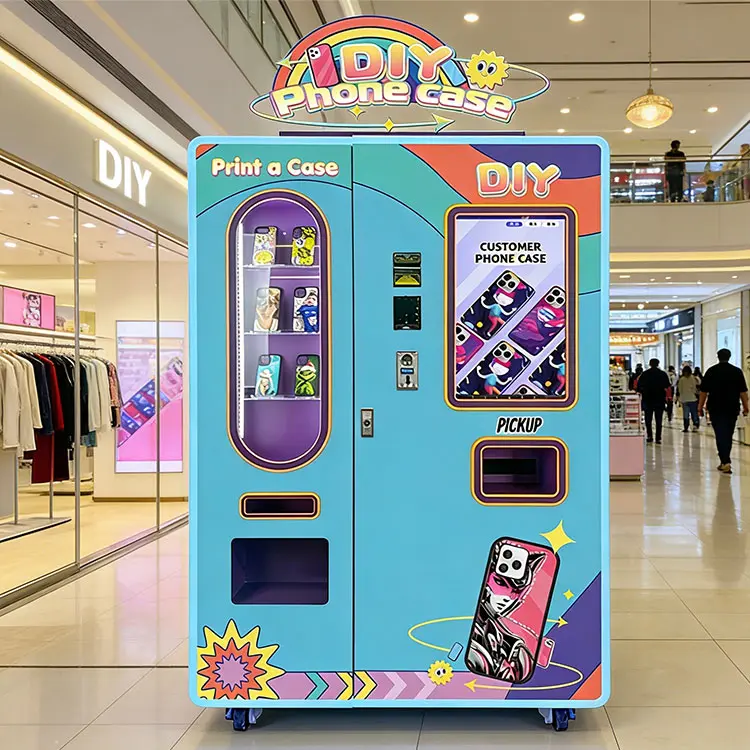
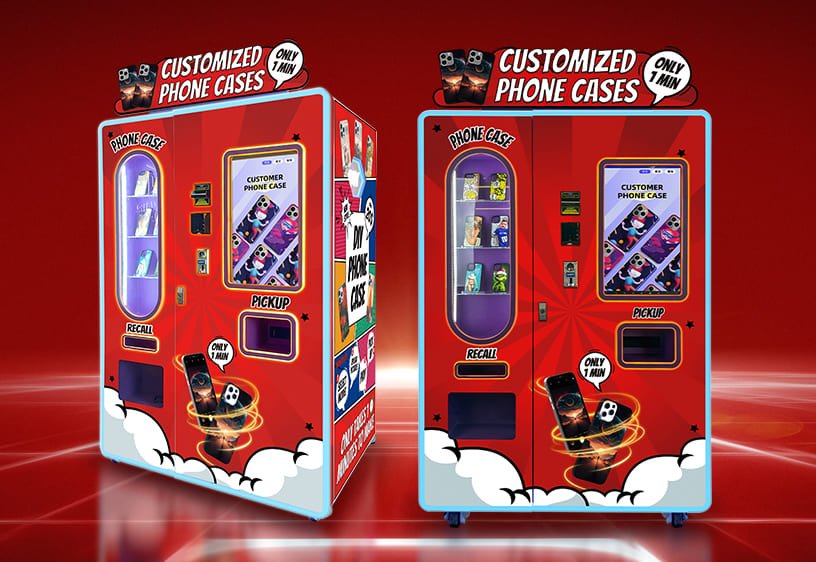
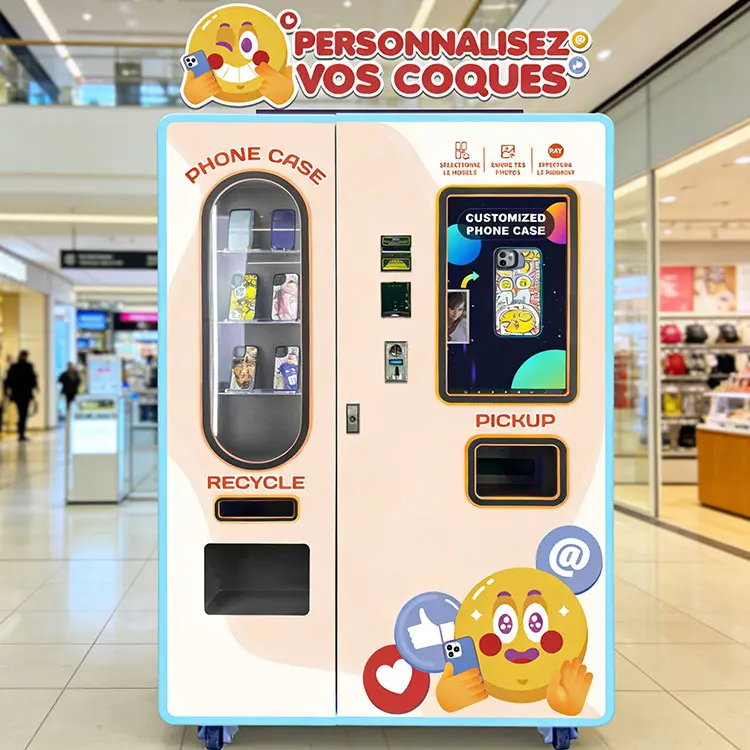
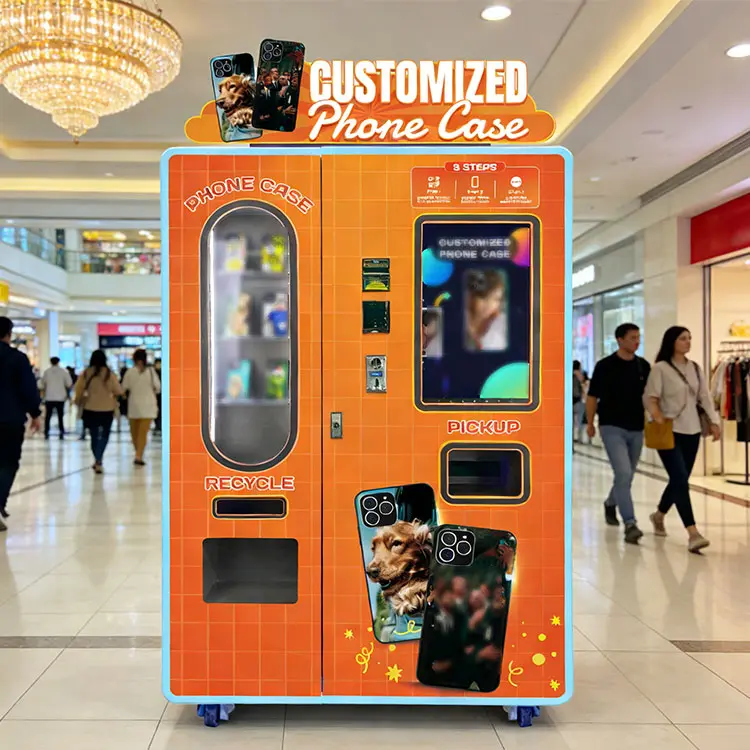
The machine’s sticker price is just the beginning. Be clear on what’s included. A fully automatic customize phone case vending machine priced attractively might not include shipping, installation, or initial training. When discussing pricing, frame it around the total package value. For example, a machine priced at $6,499 as a limited-time promotional offer might include comprehensive onboarding and a longer warranty, representing a better long-term value than a cheaper machine with bare-bones support.
Always ask for a detailed breakdown:
| Cost Component | What to Look For |
|---|---|
| Machine Price | Is this a promotional price? What’s the standard list price for comparison? |
| Shipping & Insurance | Door-to-door delivery? Who handles customs clearance? |
| Installation & Training | On-site or remote? How many hours of training are included? |
| Initial Consumables | Are the first batch of blank cases included? At what cost? |
| Warranty & Support | Clearly defined terms in writing. |
Location, Location, Operation
The best machine in a poor location will fail. Work with your supplier to analyze potential spots. They should have data on what works. Consider foot traffic, dwell time (do people wait around?), and demographic fit. A family entertainment center is perfect for cell phone case vending machine offerings alongside other attractions.
Then, plan the operation:
- Restocking Schedule: Based on your sales forecast, how often will you need to refill blank cases and supplies?
- Cash Collection: How secure and easy is the process? Does the machine provide digital sales reports to reconcile with cash?
- Preventive Maintenance: Establish a simple weekly checklist (clean sensors, check printer alignment) to prevent major issues.
Launching & Marketing Your Service
Don’t just plug it in and hope. Create a launch plan.
- Soft Launch: Run the machine for friends/family to iron out kinks.
- Signage: Clear, compelling graphics that explain “Your Photo, Your Case, in 60 Seconds!”
- Promotional Pricing: Offer a launch discount to generate initial buzz and get those first few cases out in the wild as marketing.
- Social Media Integration: Encourage users to share their creation. A hashtag can build organic visibility.
For larger operations, this is where scalability comes in. If successful, you might look into bulk phone case machines for a multi-unit rollout.
Related Topics for Further Reading
- Phone Case Machine Maker: The Ultimate Guide to Manufacturing & Customization Equipment
- The Ultimate Guide to iPhone Case Vending Machines: Innovation Meets Convenience
- Fully Automatic Customize Phone Case Vending Machine
- The Complete Guide to the DIY Phone Case Business Model
- Exploring Wider Matrix Vending Machines: A Full Portfolio Overview
Conclusion: From Personalization to Profitability
The journey to an “original photo printing phone case” reveals a much larger landscape. For the consumer, it’s a lesson in valuing quality and immediacy over the lowest online price. For the entrepreneur, it’s a blueprint for evaluating a tangible business opportunity in the growing experience economy.
Success hinges on the framework we’ve outlined: rigorous research focused on operator concerns, apples-to-apples evaluation of ROI and support, and strategic execution of the purchase and deployment. By shifting your focus from the product to the system that delivers it, you make informed decisions that lead to satisfaction, whether that’s a unique case in your hand or a profitable kiosk in a mall.
Companies that have thrived in this space, such as Wider Matrix, have done so by addressing these fundamental concerns head-on—providing not just hardware, but verifiable track records, robust global support, and a focus on operator profitability. As you move forward, let this structured, skeptical, and savvy approach guide you beyond the marketing hype and toward a genuinely valuable outcome.
Make a Confident Decision with Zero Pressure
Investing in vending equipment is a significant decision. You need facts, not sales pitches.
Wider Matrix has supported 3,000+ entrepreneurs worldwide since 2016. Here’s how we reduce your risk:
- Verifiable Track Record – we’ll connect you with existing operators you can contact directly
- Transparent Warranty Terms – 1-year coverage with clear documentation
- Factory Transparency – schedule a visit to see our production and quality control
- Flexible Support – from single machines to full turnkey operations
No obligation. No pressure. Just expert guidance to help you decide if this is right for you. Start at widermatrix.com.

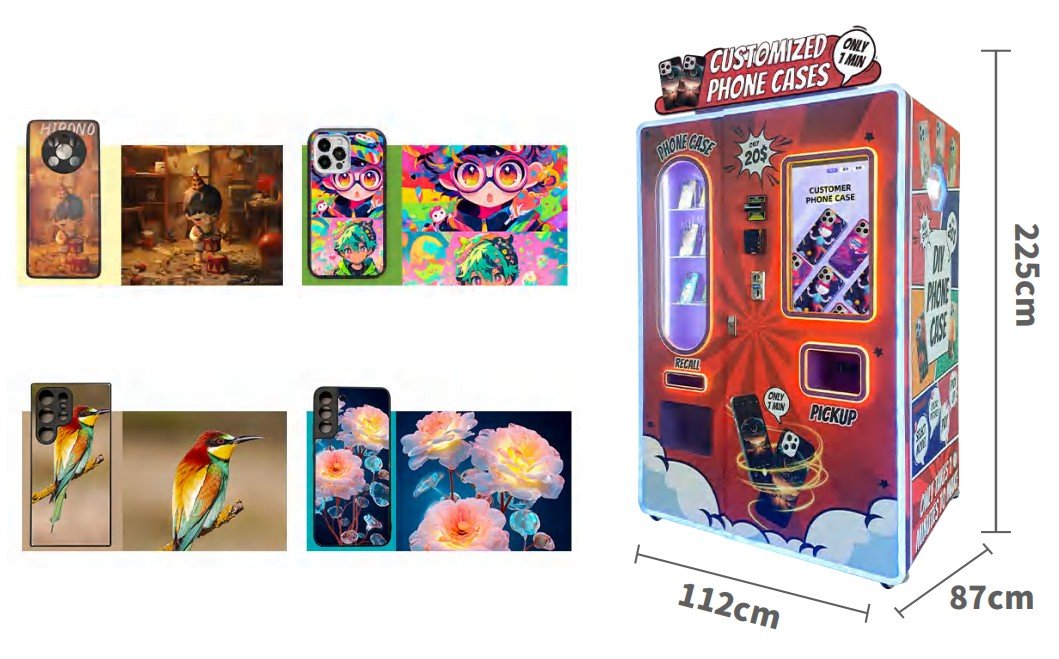
Specifications
| Model | WM880 |
| Device Dimensions | 128cm*87cm*230cm |
| Device Weight | 220KG |
| Power | 220W |
| Voltage | 220V/110V (Optional) |
| Payment Methods Supported | Coin/Cash/Credit Card/NFC/WeChat/Alipay |
| Printing Technology | 6-color UV printing |
| Printing Resolution | 1440DPI |
| Printing Speed | 2-3 minutes/piece |
| Supported Phone Models | 96 mainstream models |
| Phone Case Storage Capacity | 300-500 pieces |
| Display Screen | 27-inch touch display, supports video ad rotation |
| Remote Management | Supports cloud monitoring and management |
Product Certificates
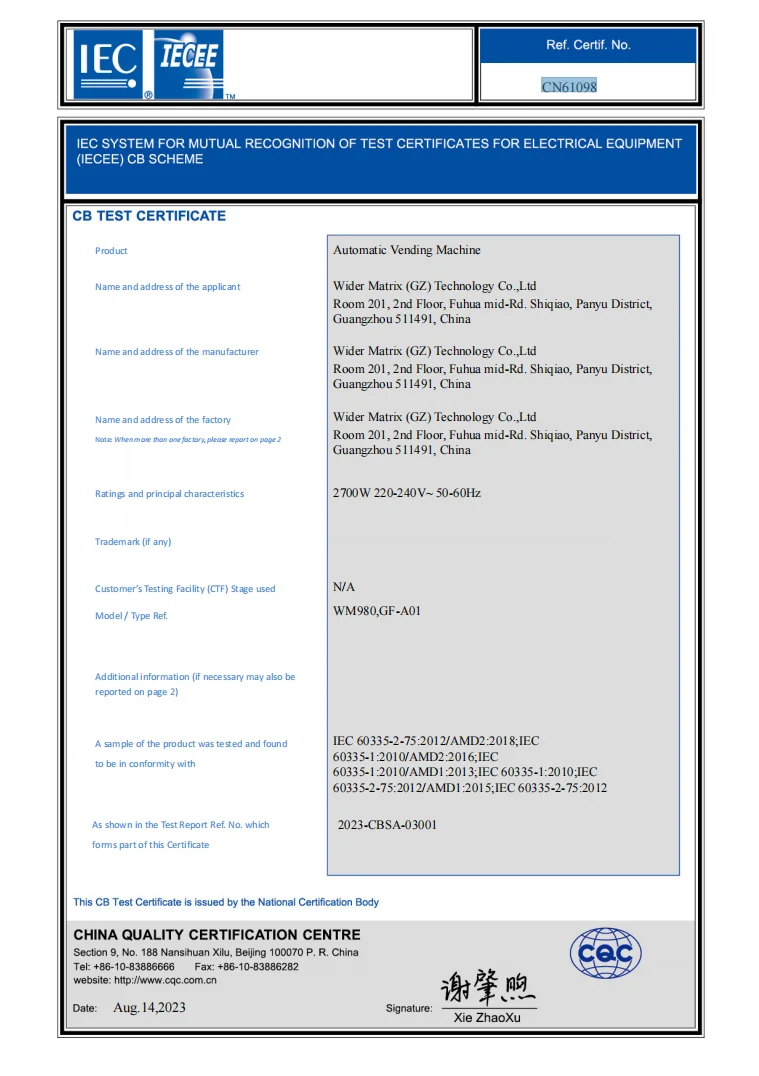
CB
CN61098
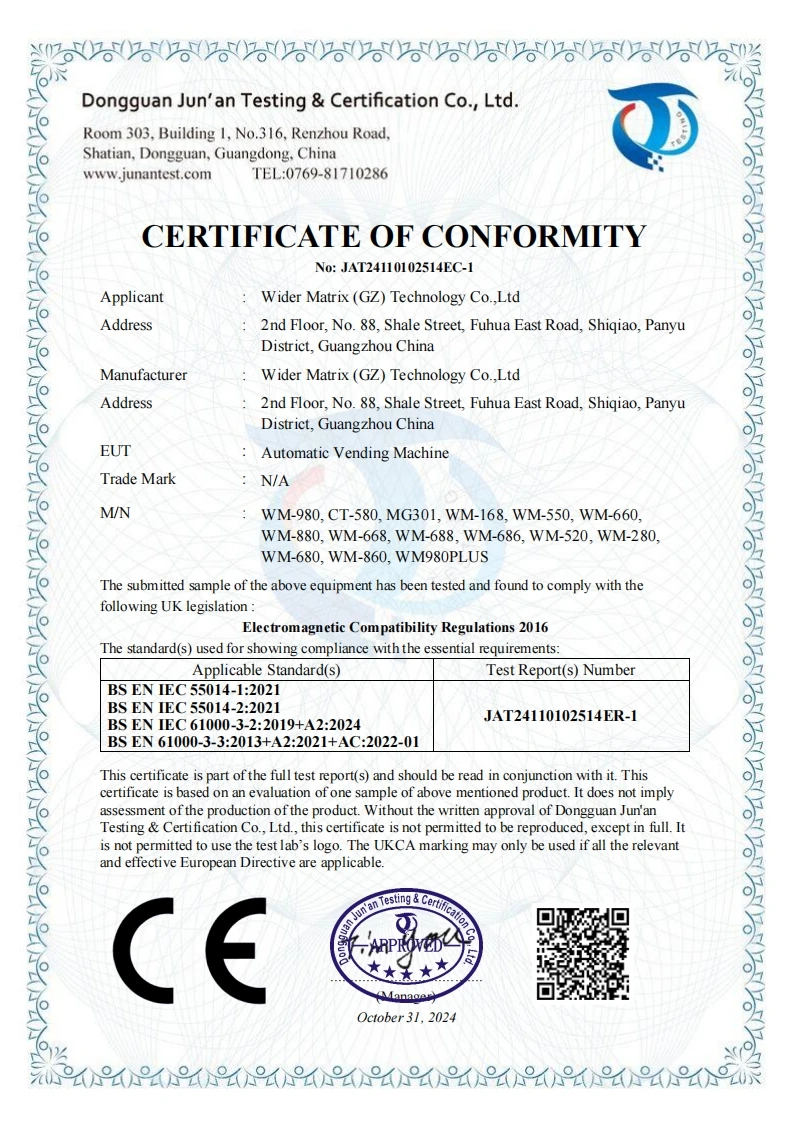
UKCA
JAT24110102514136
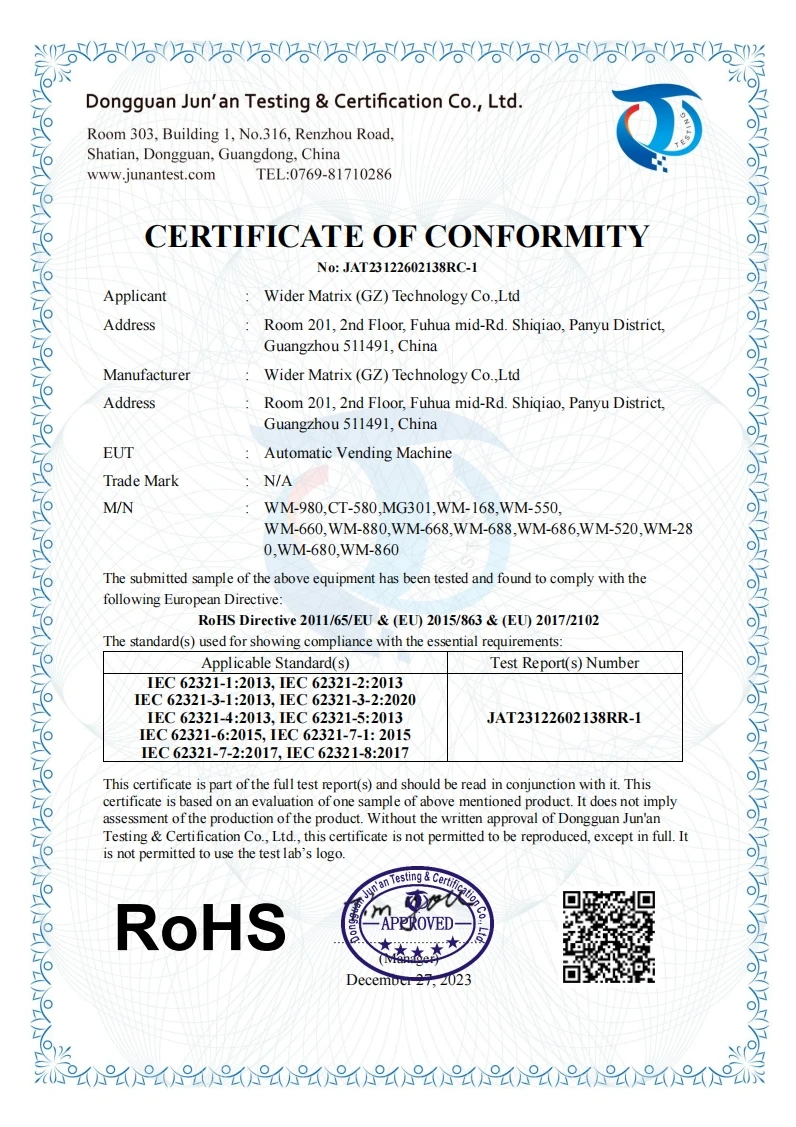
RoHS
JAT23122602137123
Company Introduction
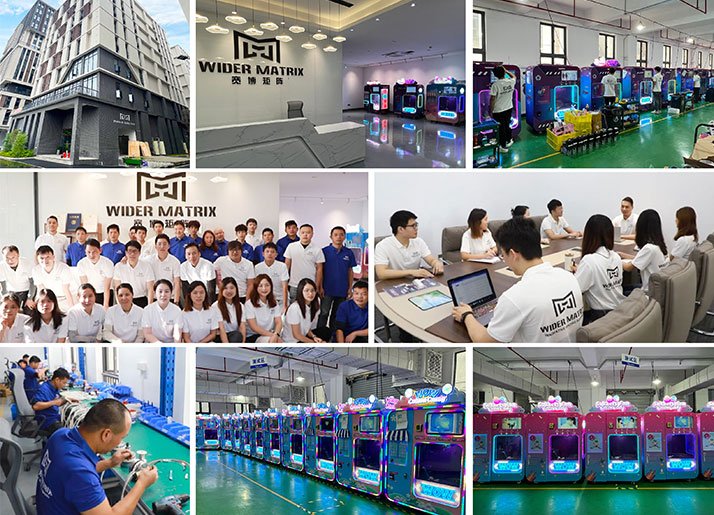
Wider Matrix (Guangzhou) Technology Co., Ltd. is a scientific and technological enterprise that attaches importance to R&D and user experience, We started to research and develop vending machines in 2016, and achieved a leading position in the field of unattended vending machines.
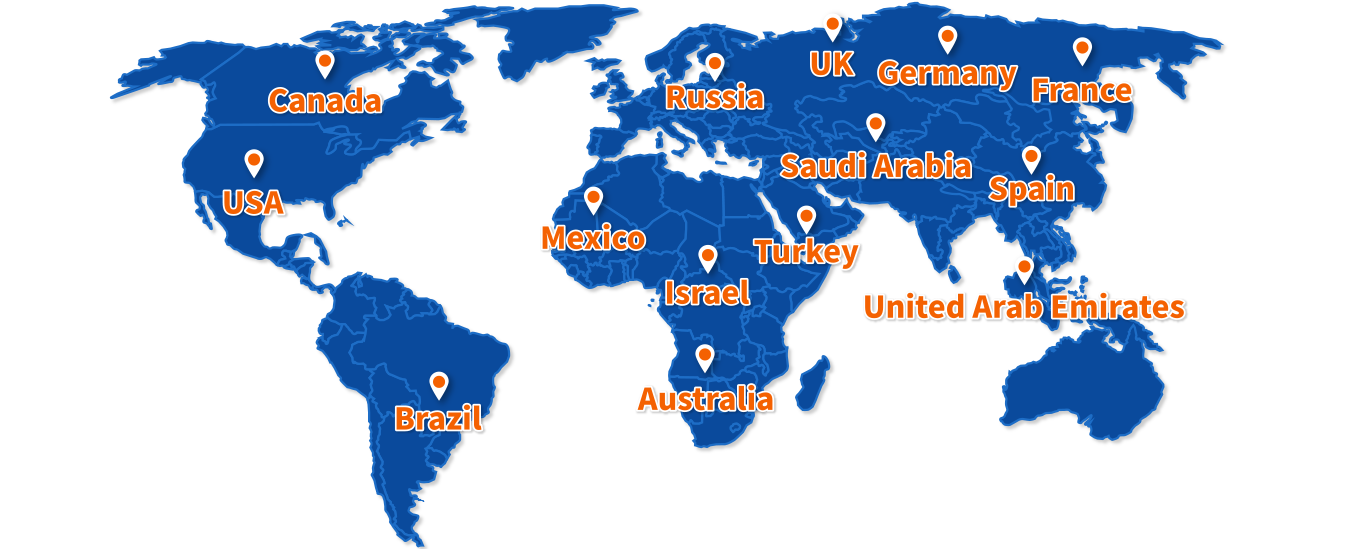
In 2019, we manufactured the first automatic cotton candy vending machine. After testing in domestic market, refining our product for years, fixing the issues you might run into while operating, the performance of our machines are stable enough and reach the standard for export finally. Till now, our machine has been exported to more than 130 countries such as the United States,Canada,Europe, Southeast Asia, Australia and Israel.
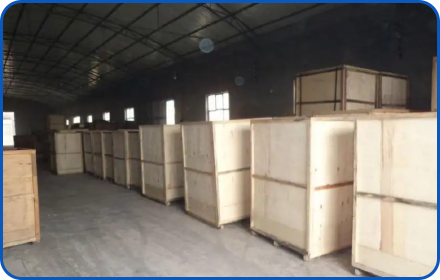
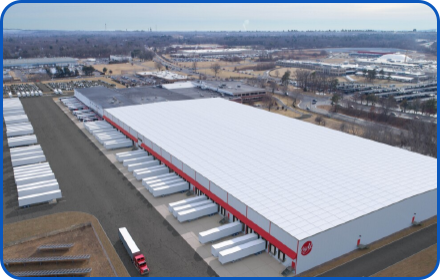
We set up overseas warehouses in the United States, Canada, Britain and Israel to provide customers with consumables and accessories support. All machines support remote control, which has the advantages of easy operation, convenient maintenance and high operating efficiency. After our cotton candy vending machines are delivered and put into use, they can bring you considerable benefits.
Every customer's success and satisfaction are the driving force for us to pursue innovation and climb the peak forever. In the future, we will uphold the business philosophy of customer first and quality first, and constantly create more good products for the market. Join us now and start your intelligent and innovative vending machine business!
Exclusive Services
Overseas Support Service
Local transfer warehouse support, ensuring your operational stability.
Custom Design
We offer machine appearance customization, branding, and large-scale custom packaging services.
Initial Tools & Spare Parts Kit
Machine comes with complementary tools and spare parts kit, including initial consumables package for early operations.
Functional Customization & Software Optimization
Custom functionality based on client needs, including hardware and software optimization updates.
Lifetime Technical Support & Updates
We provide lifetime technical support and software update services for all customers.
Frequently Asked Questions
Q1: How much does a phone case printing vending machine cost?
A: Prices vary based on automation level, features, and brand. You can find basic models starting from a few thousand dollars, while advanced, fully automated commercial units with robust support are typically in the $6,000 to $8,000 range. Always view this as a business investment; the cheapest option often carries hidden costs in poor reliability and non-existent support. Q2: What if the machine breaks down? How is repair handled? A: This is your most important question. Reputable suppliers offer warranties (1-2 years is standard) with clear terms. The best provide remote diagnostics and will ship replacement parts quickly, often with guided video support for minor fixes. Always ask for their average repair response time and if they have service partners in your region. Q3: Is this business really profitable? What's a realistic ROI? A: Profitability is highly location-dependent. In a high-traffic area with good visibility, operators can see a return on investment in 4-8 months. The key is volume. A machine selling 10-15 cases per day at a $15-$25 price point can generate significant gross profit after accounting for the low cost of blank cases (often around $1-$2 per unit). Q4: How can I verify a company's track record before buying? A: Go beyond their website. 1) Request customer references in a market similar to yours and actually call them. 2) Ask for a virtual or in-person factory tour to see their operation. 3) Check for international certifications (CE, UKCA). 4) Look at their company history. A firm like Wider Matrix, which has exported thousands of machines globally since 2016, has a verifiable track record you can investigate. Q5: Do I need a technical background to operate one? A: Not at all. Modern machines are designed for simplicity. The daily operation—restocking blanks, collecting cash, basic cleaning—requires no technical skill. Comprehensive training and clear manuals should be provided. The software for customers to design their case is usually very user-friendly, similar to a simple photo app. Q6: Can I use my own design software or blank cases? A: This depends on the machine. Most closed-system kiosks use proprietary software and specially formatted blank cases to ensure quality and reliability. Using third-party blanks can cause jams and print failures, voiding warranties. It's best to use the consumables and software designed for your specific machine. Q7: What's the future of this technology? A: The trend is toward greater integration, speed, and material variety. We're seeing the rise of the phone case printing vending machine as a hub for on-demand customization, potentially offering different case materials (like bamboo or recycled plastics) and even integrating with other instant custom products like puzzle vending machines in a retail entertainment space.
User Reviews
Widermatrix has been so great to work with especially Taylor. Taylor sends pictures and testimonials and data to help the decision process. Once decided the process is smooth and Taylor sends updates with pictures and videos of YOUR phone case vending machine along the way. Once it arrived the 24 hr tech support was patient with me as we worked hard to get it all dialed in. The claims are real, this automated phone case dispenser is half paid back on my initial invest just after 2 months! Kids and adults love these protective case kiosks.
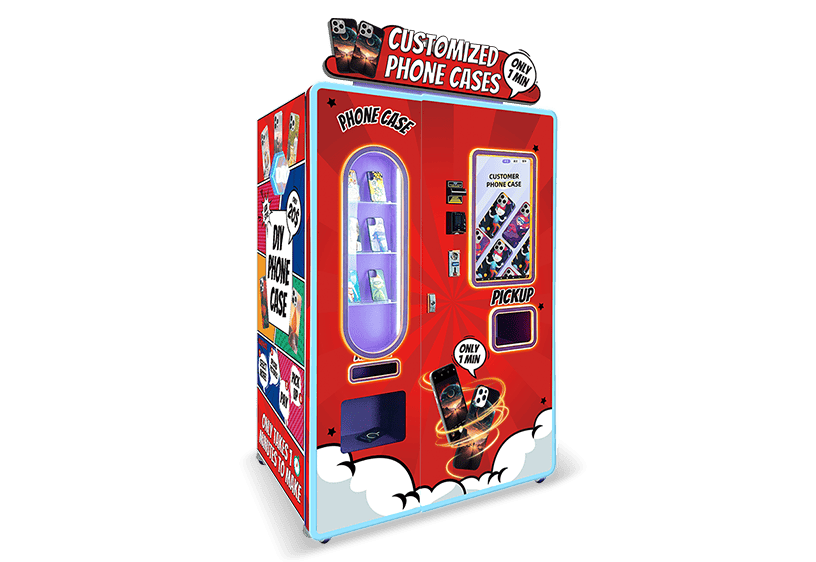
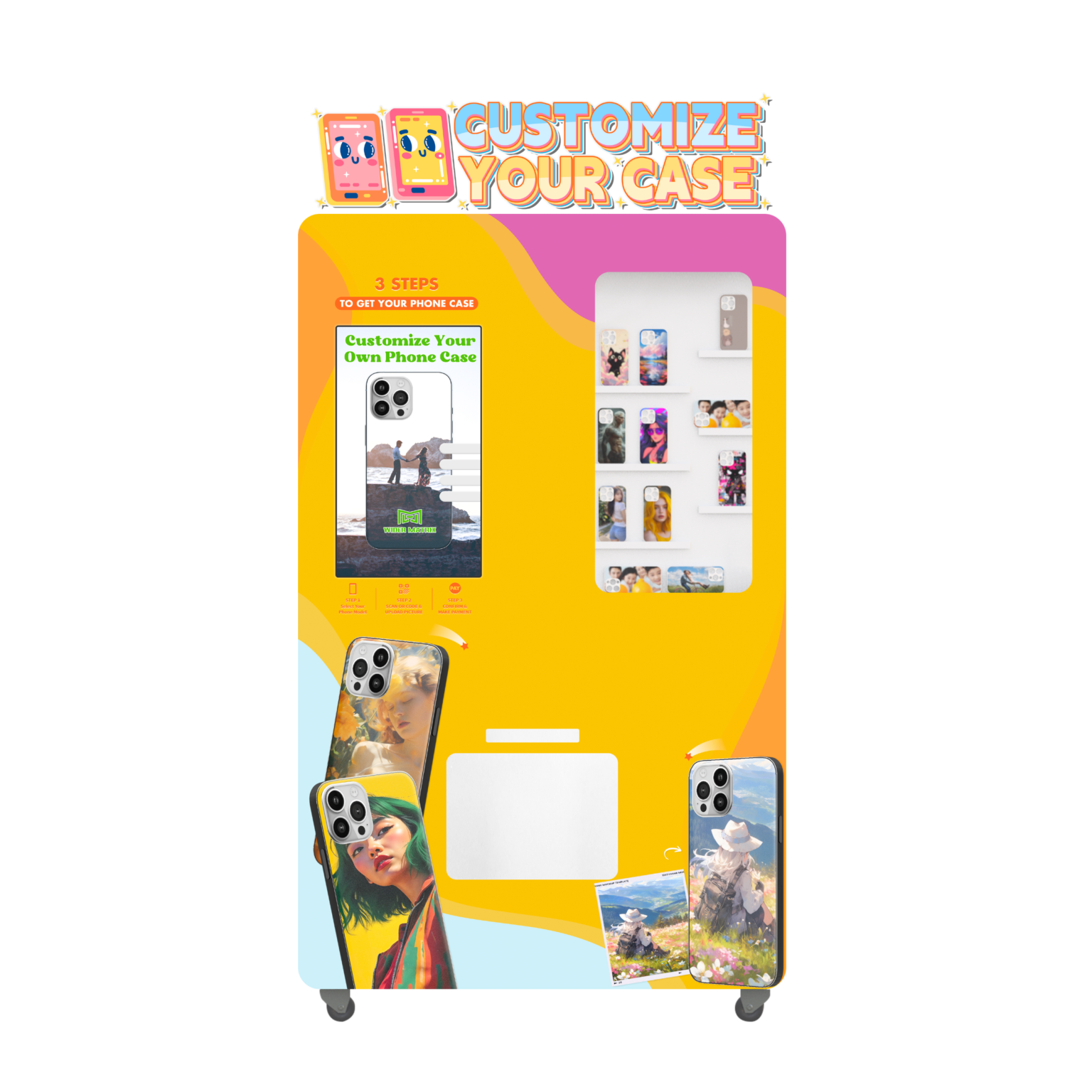
I bought two phone case vending machines, and they have been in operation for over three months and are very stable. The smartphone accessory kiosks have excellent reliability and require minimal maintenance.
This is my first time running a phone case vending machine business and it looks great. The automatic mobile accessory dispenser attracts many customers in my shopping mall location.