




Imagine this: You’ve just signed a prime contract to place vending machines in a chain of university campuses. The foot traffic is guaranteed, the demand for quick, hot food is undeniable. You find a supplier in China offering a “high-volume pizza vending machine” at a price that seems too good to be true. The specs look perfect on paper. Six months later, you’re dealing with frozen mechanisms during a winter rush, a payment system that’s incompatible locally, and a support line that goes silent after the wire transfer clears.
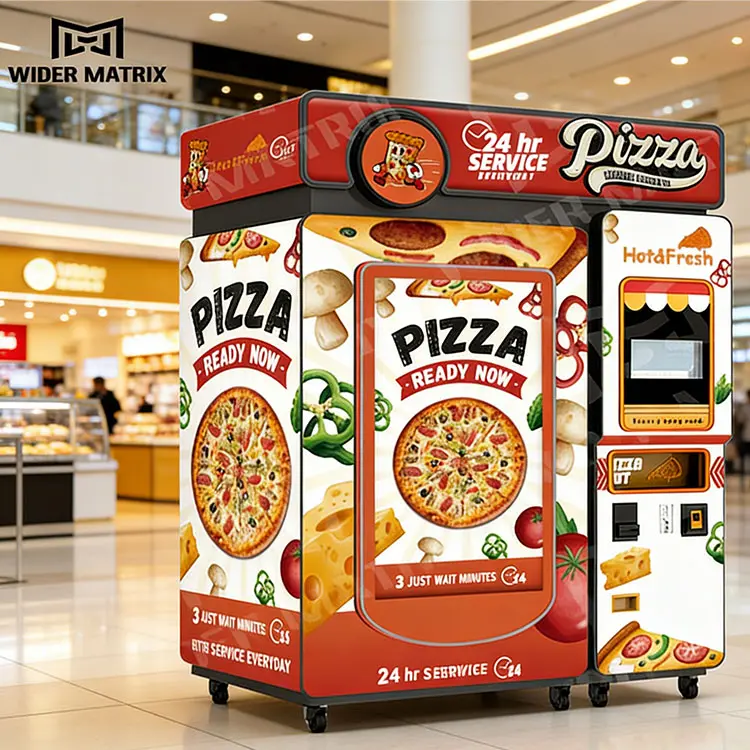
This scenario is more common than you think. The promise of importing high-volume pizza vending machines from China is immense—access to advanced technology at competitive prices. But the gap between that promise and a profitable, reliable operation on the ground is where most importers get burned. As someone who’s analyzed supply chains and spoken to hundreds of operators, I can tell you that success isn’t about finding the cheapest machine; it’s about identifying the right partner.
This guide cuts through the generic listings and Alibaba storefronts. We’ll move beyond simple price comparisons to a framework for evaluating suppliers, managing risk, and ensuring your investment delivers the consistent returns that a high-volume location demands. Let’s look at what really matters.
The High-Volume Reality Check: More Than Just a Hot Box
When we talk “high-volume” in vending, we’re discussing a machine that needs to perform under pressure. Think 60+ pizzas sold during a 2-hour lunch rush at an office park, or consistent service in a 24/7 transportation hub. The machine isn’t just a vendor; it’s a compact, automated kitchen that must work flawlessly, day in and day out. The import decision, therefore, hinges on a few non-negotiable pillars:
- Mechanical Endurance: Can the heating elements, conveyor systems, and refrigeration units withstand 50+ cycles daily without failure?
- Software Stability: Is the user interface intuitive? Does the remote monitoring system give you real-time data on stock, errors, and sales?
- Supply Chain Simplicity: Are the pizza ingredients (dough, sauce, toppings) standardized and easy to source locally, or are you locked into proprietary, expensive packs from the manufacturer?
- Environmental Tolerance: How does the machine handle humidity, dust, and temperature fluctuations in an unsupervised location?
Decoding the Supplier Landscape: Alibaba Listings vs. Real Partners
Scrolling through B2B platforms, you’ll see hundreds of nearly identical machines. The real differentiation happens behind the scenes. Here’s how to read between the lines.
The Trust Deficit: How to Vet a Manufacturer Seriously
This is the foremost concern for any importer. Anyone can set up a slick website. Verifying authenticity requires a proactive approach.
- Insist on a Live Video Factory Tour: Don’t settle for stock footage. A real-time walkthrough of the assembly line, quality control station, and testing area reveals volumes about their operation scale and standards.
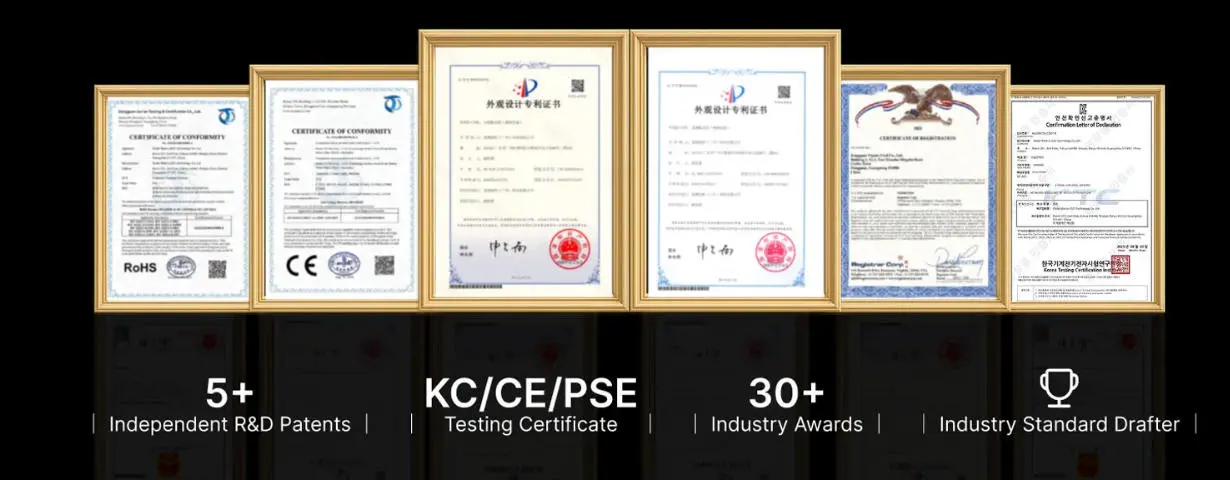
- Scrutinize Certifications: For food equipment, look beyond the basic CE mark. Inquire about food-grade material certifications, electrical safety standards specific to your country (e.g., UL for the USA, KC for Korea), and any hygiene-specific audits. This isn’t just paperwork; it’s a proxy for engineering rigor.
The Risk Management Playbook: Before You Wire Any Money
What’s your worst-case scenario? A container arrives with machines that don’t work. Mitigation is key.
- Pilot Programs & Trial Orders: Can you start with a single machine? The investment for a quality unit typically starts from $7,500 to $12,000. A supplier confident in their product may offer a trial with a clear return policy if the machine fails basic operational tests upon arrival.
- Payment Terms as a Trust Signal: A 100% upfront payment is a major red flag. Standard secure terms involve a deposit (30-50%) with the balance paid against a copy of the Bill of Lading or via secure escrow services like Alibaba Trade Assurance. This aligns interests.
The Competitive Edge: Where Price Meets Long-Term Value
Yes, price matters. But the true cost is Total Cost of Ownership (TCO) over 3-5 years. A cheaper machine that needs constant repair and has expensive, proprietary ingredient cartridges will bleed you dry.
| Evaluation Factor | Low-Cost / Generic Supplier | Value-Oriented / Partner Supplier |
|---|---|---|
| Upfront Investment | Lower (e.g., $5,000 – $7,000) | Higher (e.g., $7,800 – $12,000+) |
| Included Warranty | Often 6-12 months, parts only | Typically 2 years, covering parts and labor for key components |
| Ingredient Flexibility | Usually locked into proprietary packs | Often designed for standard, locally-sourced ingredient formats |
| Software & Support | Basic, static system; limited support | IoT-enabled for remote management; dedicated technical support |
| Long-Term TCO | High Risk (downtime, part scarcity) | Predictable (reliable, support-backed) |
For instance, you might find a machine priced at an attractive $7,800 that includes a robust remote monitoring system and a 1-year warranty. This represents a fundamentally different investment than a $5,500 unit with no connectivity and a 90-day warranty. The former is a business tool; the latter is a gamble.
The Lifeline: After-Sales Support That Actually Exists
This is the ultimate differentiator. The machine *will* need service. The question is how quickly and effectively it happens.
- Warranty with Teeth: A “1-year warranty” is meaningless without details. Does it include on-site labor or just ship-you-a-part? Who pays for the technician’s flight? Look for suppliers who offer a clear warranty document and, ideally, have a network of third-party service partners in major regions.
- Stable Parts Supply: Can you get a replacement heating element or circuit board in 2 weeks, not 2 months? Ask for a spare parts list and price catalog. A mature company maintains an inventory of critical components.
- Accessible Technical Support: Is support available in your time zone? Do they offer remote diagnostics via the machine’s IoT system? As a case in point, companies with a global footprint, like Wider Matrix, structure their support to handle issues across time zones, which is critical for minimizing downtime in a high-volume site.
Beyond Pizza: The Ecosystem of High-Margin Vending
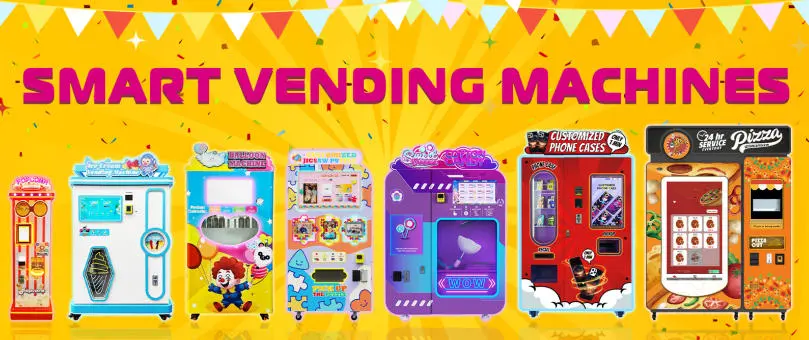
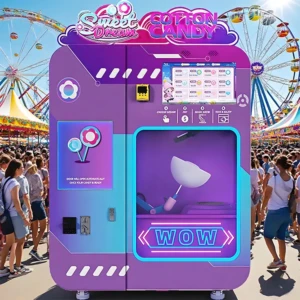
While pizza is a flagship item, diversifying your vending portfolio can mitigate risk and capture different customer impulses. The same due diligence principles apply. For example, the profitability of a fully automatic cotton candy machine in an entertainment venue is well-documented, just as a custom phone case vending machine can thrive in malls. The key is choosing a supplier platform that understands varied operational models, not just a single product. Exploring guides like what is the most profitable vending machine to own can provide valuable cross-industry context for your investment strategy.
Related Topics for Further Reading
- Commercial Cotton Candy Vending Machines: The Ultimate Guide
- The Ultimate Guide to iPhone Case Vending Machines
- Phone Case Printing Vending Machine: The Future of Customization
- Exploring Different Types of Vending Machines
- The Ultimate Guide to Cotton Candy Factory Vending Machines
Conclusion: Building a Business, Not Just Placing an Order
Importing a high-volume pizza vending machine from China is a significant logistical and financial undertaking. The difference between a headache and a revenue-generating asset lies in shifting your mindset from “buyer” to “partner.” It’s about evaluating the entire ecosystem around the machine—the supplier’s verifiable history, their support infrastructure, and the long-term viability of the business model they enable.
FAQ
What is the typical price range for a reliable high-volume pizza vending machine from China?
For a machine capable of true high-volume operation (60+ servings, robust construction, IoT features), expect an investment starting from $7,500 to $15,000, FOB China. The final landed cost will include shipping, insurance, duties, and potential local compliance modifications. Beware of prices significantly lower than this range; they often indicate compromises on components, software, or future support.
What if the machine arrives and doesn’t work? What are my recourse options?
This is a critical question. Before ordering, secure a written agreement detailing the acceptance testing criteria and the return/repair process for Dead-On-Arrival (DOA) units. Using secured payment terms (like escrow) that release funds only after you confirm operation is the strongest protection. Reputable suppliers will often resolve DOA issues by sending replacement parts or a whole unit at their cost.
How can I verify a Chinese supplier’s track record and avoid scams?
Go beyond the website. 1) Request and independently contact customer references in your region. 2) Conduct a live video tour of their factory and ask to see their quality control process. 3) Check for business licenses and industry certifications. 4) Search for the company name and founder on LinkedIn and industry forums. For example, verifying a claim like “3,000+ machines exported” involves asking for deployment case studies and checking independent reviews.
What does after-sales support realistically look like for an importer?
Realistic support includes: detailed English manuals and wiring diagrams, a library of troubleshooting videos, remote diagnostic access via the machine’s software, and a stocked inventory of common spare parts available for express shipment. For complex hardware issues, they should have a clear process—either dispatching a technician (costs defined) or guiding a local technician you hire. Timezone-aware email/chat support is a minimum.
Are there alternatives to a full upfront purchase?
Some established suppliers offer financing partnerships or leasing options, though this is less common for direct international imports. A more accessible alternative is to start with a smaller pilot order of 1-2 machines to validate the product and the relationship before committing to a larger volume purchase. This significantly de-risks the initial investment.
The market offers solutions across the spectrum, from commodity sellers to integrated technology partners. Companies that have navigated global exports for years, like Wider Matrix, exemplify the partner model, focusing on customizable solutions and cross-border support. Your goal is to find a supplier whose capabilities align with your operational ambitions and risk tolerance.
Do your due diligence, ask the hard questions about support and scalability, and always frame the purchase price within the context of total cost of ownership. With this approach, you can confidently tap into the innovation and efficiency of the Chinese manufacturing sector to build a profitable, automated food service operation.
Make a Confident Decision with Zero Pressure
Investing in vending equipment is a significant decision. You need facts, not sales pitches.
Wider Matrix has supported 3,000+ entrepreneurs worldwide since 2016. Here’s how we reduce your risk:
- Verifiable Track Record – we’ll connect you with existing operators you can contact directly
- Transparent Warranty Terms – 1-year coverage with clear documentation
- Factory Transparency – schedule a visit to see our production and quality control
- Flexible Support – from single machines to full turnkey operations
No obligation. No pressure. Just expert guidance to help you decide if this is right for you. Start at widermatrix.com.

Comments
No comments yet. Be the first to comment!