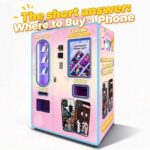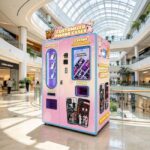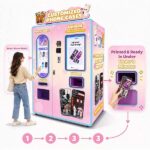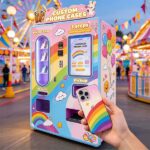



Cell phone case printing machine prices in the Philippines range from ₱15,000 for a basic heat press to over ₱350,000 for a fully automated vending kiosk. The real question isn’t just the sticker price—it’s understanding which type of machine fits your budget and business model. Are you a hobbyist looking to print a few cases for friends, or are you planning a serious business in a mall? Your answer determines whether you should spend ₱20,000 or ₱200,000. Let’s cut through the confusion and break down the real costs you’ll face in the Philippine market.
First, forget searching for one universal “phone case printing machine.” That’s like walking into a car dealership and asking for a “vehicle”—you could end up with a motorcycle or a bus. In the Philippines, you’re typically looking at three main technologies, each with wildly different price tags and purposes.
Your choice here is the single biggest factor in your total investment. Getting this wrong means wasting money on a machine that can’t handle your volume or disappointing customers with poor print quality.
💡 Key Takeaway: Before looking at prices, define your goal. A hobby needs a heat press. A print-on-demand shop needs a UV DTF. A passive income stream needs a vending kiosk.
The Real Price Breakdown (2026 Philippine Market)
Let’s translate those machine types into actual Philippine Peso figures. Prices fluctuate based on brand, import duties, and supplier markups, but here’s a realistic range you’ll encounter from local suppliers and online platforms like Shopee, Lazada, or direct imports.
| Machine Type | Average Price Range (PHP) | Best For | Key Consideration |
|---|---|---|---|
| Sublimation Heat Press Combo (Press + Vacuum) | ₱15,000 – ₱40,000 | Hobbyists, very small startups testing the market. | You’ll need a separate sublimation printer (add ₱20,000-₱50,000). Print quality depends heavily on your skill. |
| UV DTF Printer & Curing Station | ₱180,000 – ₱350,000+ | Established print shops, businesses focusing on high-volume custom orders. | Higher upfront cost but lower per-unit cost and superior print durability. Requires ventilation. |
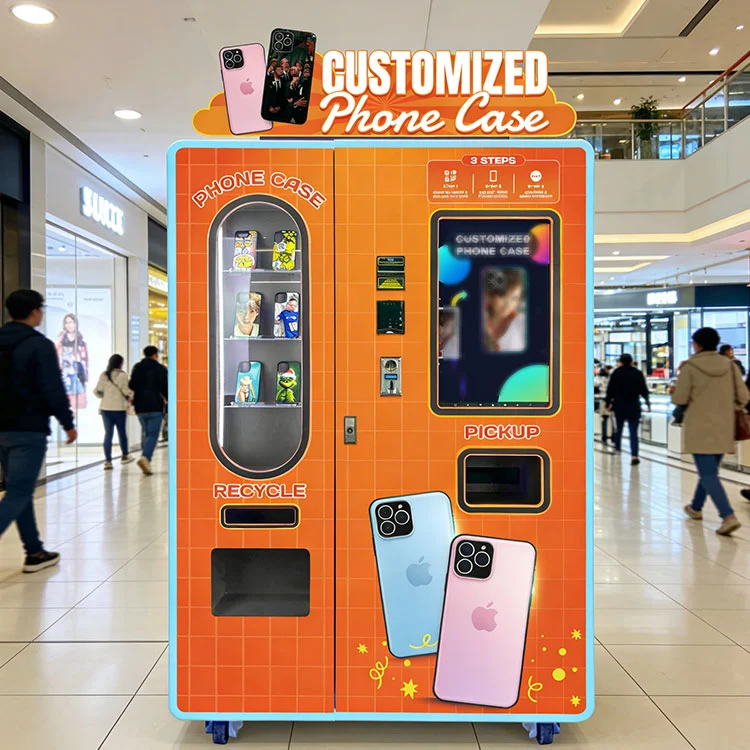
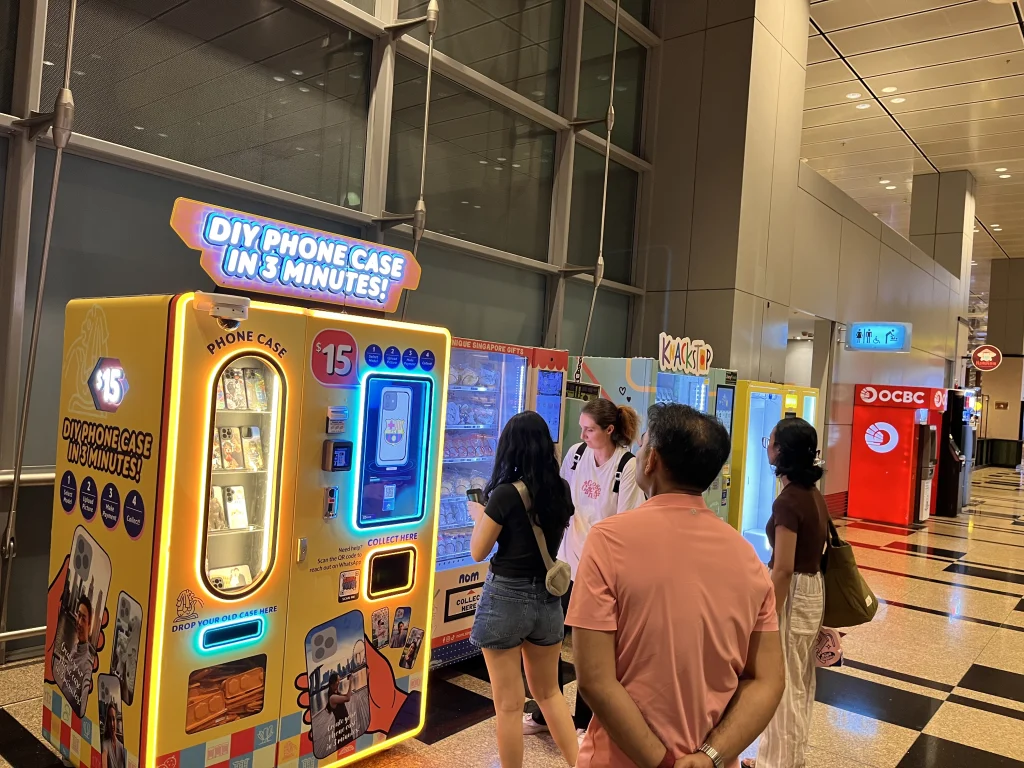
| Phone Case Vending Kiosk (Fully Automated) | ₱350,000 – ₱600,000+ | Entrepreneurs seeking passive income, placement in malls, airports, or high-foot-traffic areas. | Price includes hardware, software, and payment systems. For example, a model like the Wider Matrix WM880 represents this investment tier for a proven, commercial-grade unit. |
See the gap? It’s massive. That’s why so many beginners get overwhelmed. They see a ₱18,000 heat press online and think they’re ready to go, not realizing the hidden costs and limitations.
💡 Critical Info: The cheapest machine is almost never the cheapest solution. A low-quality heat press can lead to misprints, wasted materials, and angry customers. Factor in reliability.
The Hidden Costs Nobody Talks About
The machine price is just your ticket to the game. The real ongoing expenses are in the consumables and operations. If your budget is tight, these can sink your business before it starts.
When evaluating suppliers, especially for higher-end equipment like vending kiosks, their after-sales support is as important as the price. A company with a global track record often has more robust support systems. For instance, in our 8+ years specializing in automated retail, we’ve built a 24/7 technical support team because we know a machine earning zero revenue is a crisis for an owner.
Where to Buy and How to Choose a Supplier
You can buy from:
Speaking of certifications—don’t ignore them. For any electrical device, look for CE, RoHS, or KC marks. They’re not just stickers; they indicate the product meets basic international safety and environmental standards. It’s a basic filter for quality.
💡 Practical Advice: Always ask for a video of the exact machine model running. Request contact info for a previous customer in Southeast Asia. If they hesitate, walk away.
Is It Profitable? A Quick Philippine Reality Check
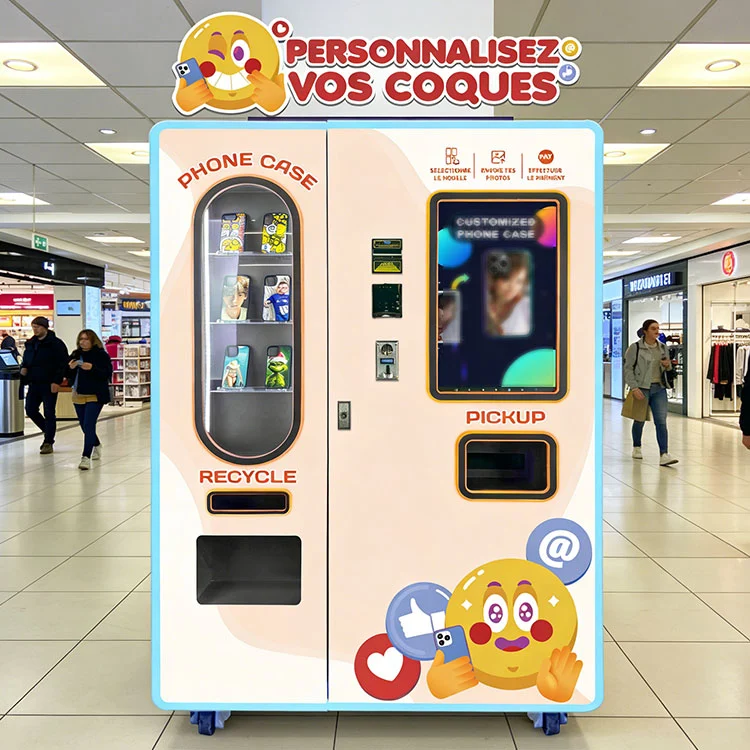
Let’s talk ROI, because that’s why you’re really here. With a vending kiosk model, the math can be compelling. Assume a retail price of ₱500 per custom case. Your cost per case (blank + ink) might be around ₱80-₱120. If you sell just 5 cases a day, that’s roughly ₱2,000 gross profit daily.
The challenge in the Philippines isn’t demand—it’s location, location, location. A machine in a sleepy corridor will fail. A machine in a popular mall or university can excel. Do your foot traffic research first. For a deeper dive into the numbers, a detailed ROI calculator can help you model different scenarios.
For smaller setups, profitability comes from marketing your custom printing service on Facebook and Instagram, tapping into the local love for personalization. The machine cost is lower, but you trade that for your active time in managing orders and production.
💡 Final Word: Start with a business plan, not a product page. Know your target customer, your location strategy, and your monthly expense budget. Then, the machine price becomes a calculated investment, not a blind purchase.
Frequently Asked Questions (FAQ)
Q1: What is the cheapest phone case printing machine I can get in the Philippines?
A basic manual heat press with a vacuum seal can be found for as low as ₱15,000-₱20,000 on local online platforms. Remember, this requires a separate sublimation printer and significant manual labor. It’s cheap for equipment but expensive in terms of your time.
Q2: Is a phone case printing business profitable in the Philippines?
Yes, but with conditions. The market for personalized items is strong. Profitability hinges on your location (high foot traffic is key), marketing, and controlling your material costs. A well-placed vending kiosk or an active social media print shop can do very well.
Q3: What’s the difference between sublimation and UV printing for phone cases?
Sublimation uses heat to dye the case’s coating; colors can be softer and it only works on light-colored, polymer-coated cases. UV printing cures ink directly onto the surface with UV light. It’s more durable, works on any color case, and is better for detailed designs, but the machine cost is much higher.
Q4: Can I import a machine directly from China to save money?
You can, and many do. However, you must account for shipping costs, import duties (12% VAT + possible tariffs), and the risk of no local warranty. Only go this route if you are confident in the supplier’s reputation and your ability to handle basic troubleshooting. A guide on choosing a reliable supplier is crucial here.
Q5: How much can I realistically make per month with a phone case vending machine?
It’s highly variable. In a prime mall location, selling 3-5 cases per day at a ₱400-₱500 profit per case can generate ₱36,000 – ₱75,000 in monthly gross profit. In a slower location, it could be a fraction of that. Always base projections on actual foot traffic counts.
Q6: Are there any Filipino brands of these machines?
Most machines are imported. However, there are several reputable Filipino companies that act as distributors, integrators, and service providers for international brands. They add value through local warranty, training, and readily available consumables.
Q7: What’s the biggest mistake beginners make when buying a machine?
They buy based on the lowest upfront price without considering total cost of ownership—especially maintenance, repair accessibility, and consumable costs. They also overestimate their location’s potential and underestimate the need for marketing, even for a vending machine.
Expert Quote
“The Philippine market for on-demand customization is ripe, but entrepreneurs often underestimate the operational complexity behind the machine. The biggest financial pitfall isn’t the initial machine price—it’s the cumulative cost of downtime, poor-quality consumables, and bad location contracts. A reliable machine from a supplier with verifiable international certifications and clear after-sales channels might command a 20-30% premium, but it protects your business from catastrophic failure. True cost is measured over years of operation, not just the purchase receipt.”
— Miguel Santos, Retail Automation Consultant & Former Mall Operations Manager
—