




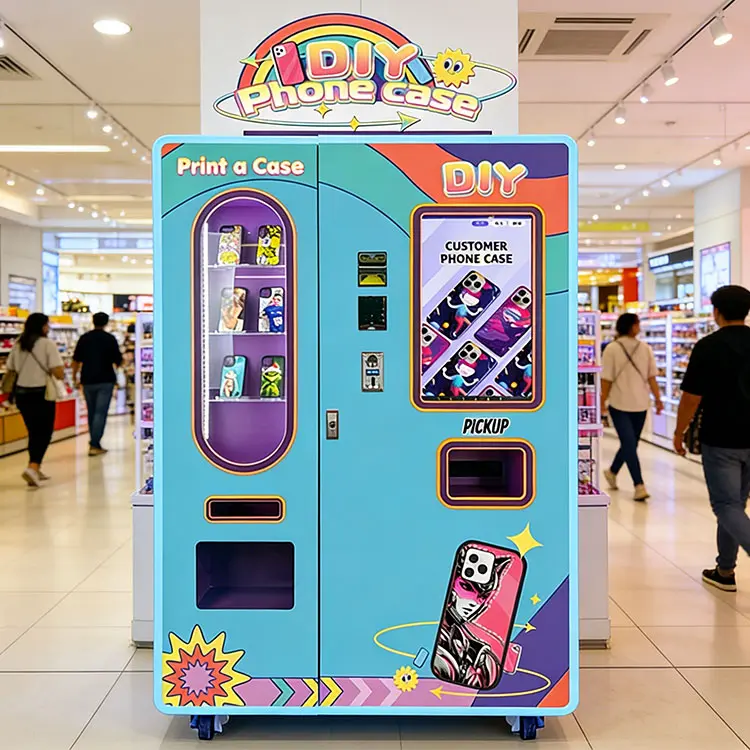
Automated Custom Phone Case Systems: Debunking the “Set It and Forget It” Myth
Service Support
- Support for small batch customization
- Fast delivery worldwide
- 12-month warranty service
- Online technical support
Let’s start with a common misconception: that an automated custom phone case system is a plug-and-play money machine. You buy it, place it in a busy spot, and watch the profits roll in with minimal effort. If you’re researching this business opportunity, you’ve likely encountered this oversimplified promise. The reality, as any seasoned operator will tell you, is more nuanced—and far more interesting. The true value isn’t in the automation alone, but in the strategic integration of technology, location, and operations. This article cuts through the hype. We’ll compare the core models, analyze the real factors for success, and provide a consultant’s framework for evaluating if this investment is right for you, focusing squarely on the four concerns that keep serious buyers up at night: competitive advantage, risk management, profitability, and after-sales support.
Understanding the Automated Custom Phone Case Ecosystem
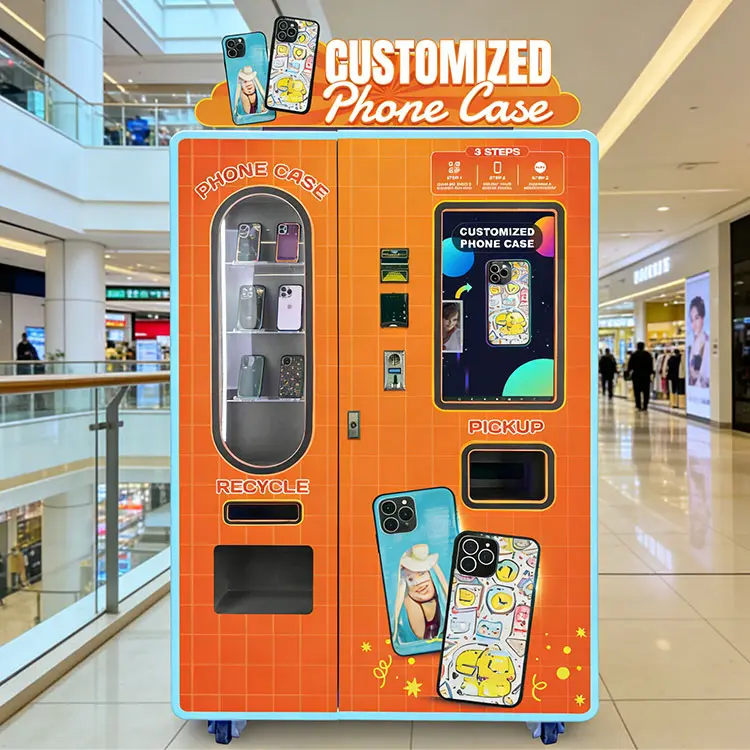
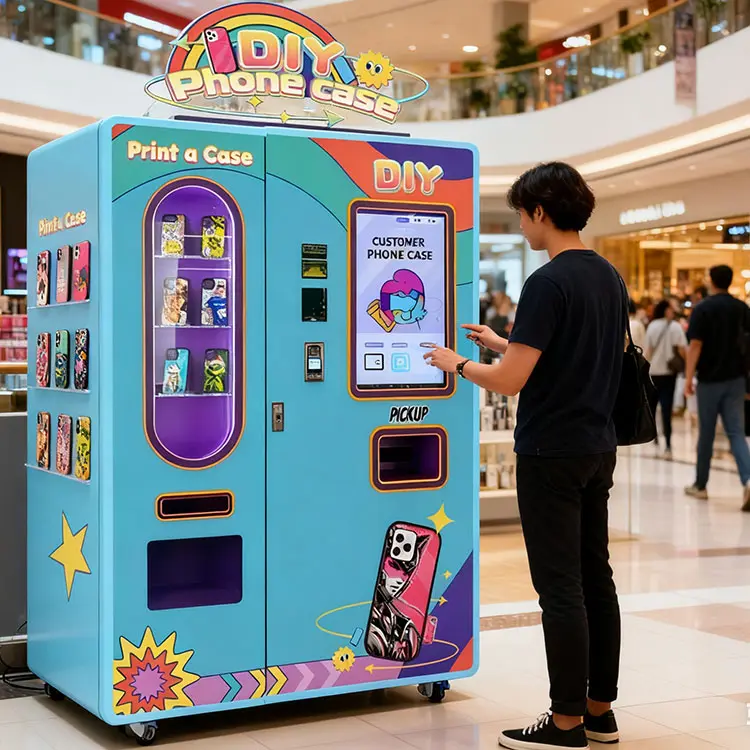
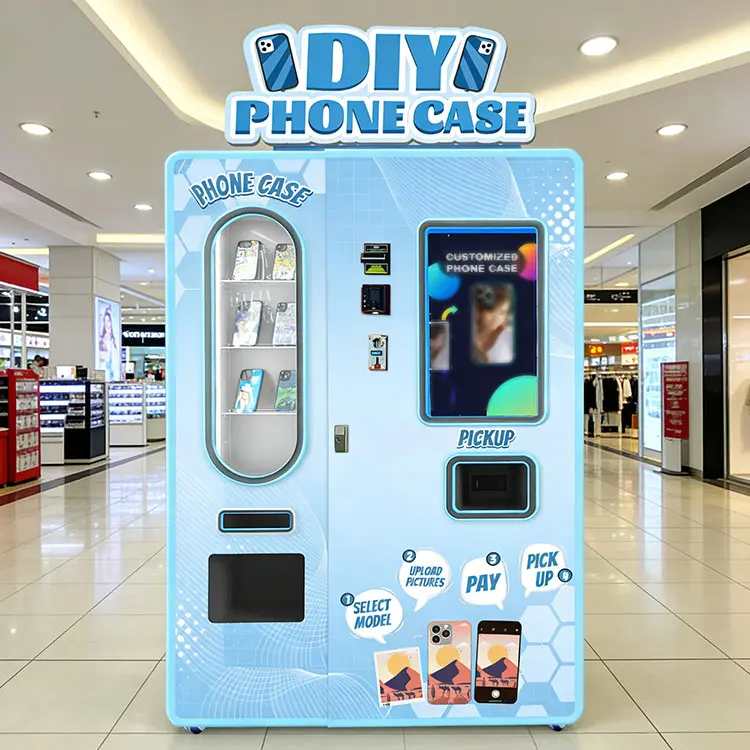
Before diving into comparisons, let’s define the landscape. An “automated custom phone case system” typically refers to a self-service kiosk or vending machine that allows customers to design and receive a personalized phone case on the spot. The process is usually driven by a touchscreen interface and involves selecting a case style, uploading or creating a design, and watching the machine print and/or assemble the final product. The appeal is clear: instant gratification, high personalization, and a potentially attractive profit margin.
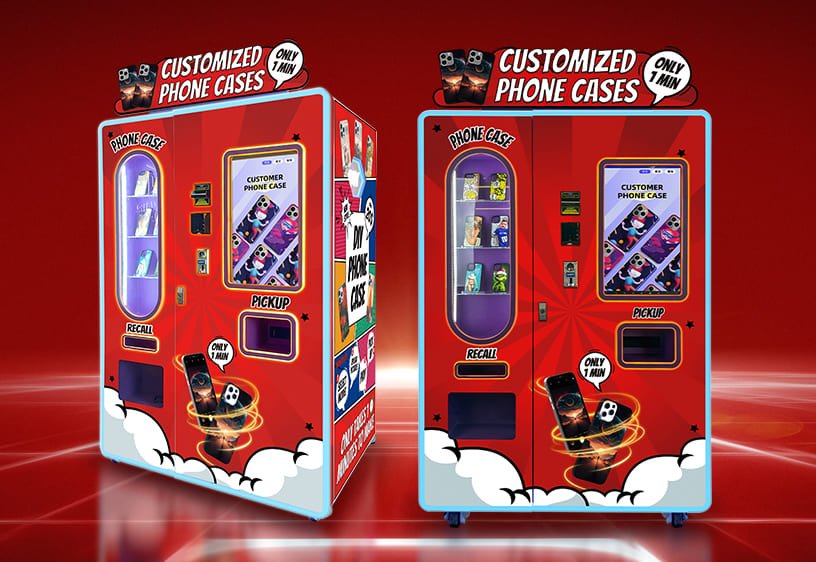
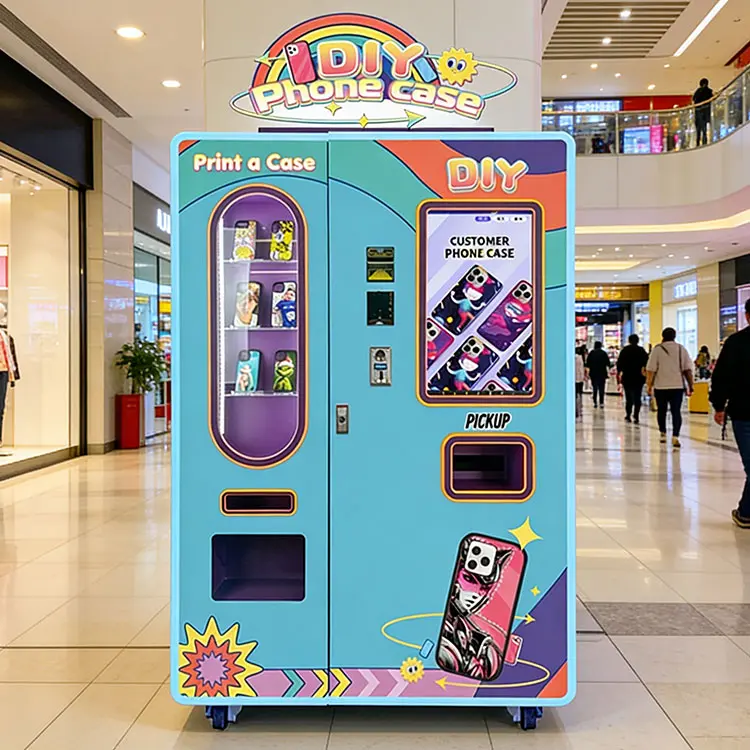
However, not all systems are created equal. The market ranges from compact, mall-friendly phone case vending machine units to larger, more industrial setups. Your first critical decision point lies in understanding which model aligns with your goals, capital, and operational capacity.
Model Comparison: Kiosk vs. Vending Machine vs. Hybrid
Here’s a breakdown of the primary operational models, which directly impacts your risk management and profitability strategy.
| Model Type | Typical Investment Range | Key Advantages | Potential Challenges | Best For |
|---|---|---|---|---|
| Compact Vending Machine | Mid-range investment; often starting from a few thousand dollars. | Small footprint, lower initial cost, simpler operation (pre-made cases). | Limited design complexity, inventory management of pre-printed cases. | Malls, airports, venues seeking impulse buys with faster transaction times. |
| Full Customization Kiosk | Higher initial investment. | True on-demand printing, unlimited design options, higher perceived value. | Longer transaction cycle, more complex maintenance, higher consumable cost. | High-traffic retail spaces, tourist areas, universities where personalization is key. |
| Hybrid Systems | Varies, often in the upper mid-range. | Balances speed and customization; can offer both pre-made and custom options. | Mechanical complexity, requires robust after-sales support. | Operators wanting to test multiple revenue streams from one location. |
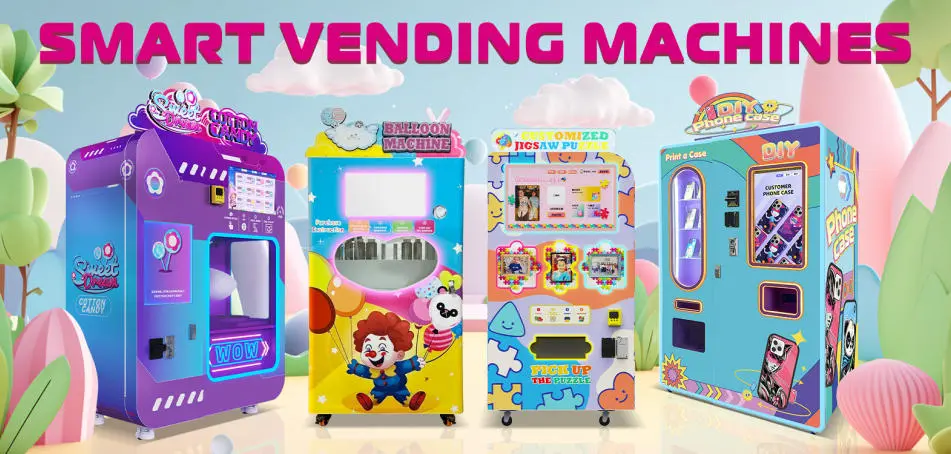
Core Analysis: The Four Pillars of a Sustainable Investment
Moving past the hardware, sustainable success hinges on how a solution addresses fundamental business concerns. Let’s analyze the automated phone case business through the lens of the four critical pillars.
1. Competitive Advantage: Beyond the Gimmick
Why would a customer choose your kiosk over ordering online or buying a cheap case at a store? The answer must be more than “it’s here.” Your competitive advantage is built on a combination of factors:
- Experience & Speed: The “while-you-wait” factor is powerful. A system that delivers a high-quality, custom case in 2-3 minutes offers an unbeatable experience compared to 2-day shipping.
- Software & UX: A clunky, slow touchscreen interface will kill sales. The design software must be intuitive, fun, and offer robust tools (filters, clip art, text). This is an area where providers differ significantly.
- Quality of Output: The final product must feel premium. This depends on the case blanks (are they name-brand compatible? Good grip?) and the print durability. A fading print after a month will destroy your reputation.
Companies that succeed here invest in the entire user journey. For instance, a provider like Wider Matrix focuses not just on the hardware but on the integrated software experience and the quality of consumables, having shipped thousands of units globally. Their approach underscores that the machine is just the delivery mechanism; the value is in the consistent, high-quality customer outcome.
2. Risk Management: Planning for the “What Ifs”
This is where many first-time investors get burned. You must have clear answers before purchasing.
- Worst-Case Scenario: The machine breaks down in a high-rent location. What is the supplier’s response time? Do they offer a loaner? A reputable supplier will have a documented service level agreement (SLA).
- Warranty & Support: A 1-year parts warranty is standard, but look for providers offering 2 years. Crucially, understand what’s included. Labor? On-site or return-to-depot? After-sales support is not an add-on; it’s a core part of the product.
- Payment & Trial Flexibility: Can you start with a pilot program or a short-term lease? Some established companies, based on their track record (like those with 3,000+ exports to 130 countries), may offer more flexible terms to de-risk your entry.
Asking for specific, verifiable customer references in a market similar to yours is one of the best risk management tactics you can employ.
3. Profitability & ROI: The Real Numbers
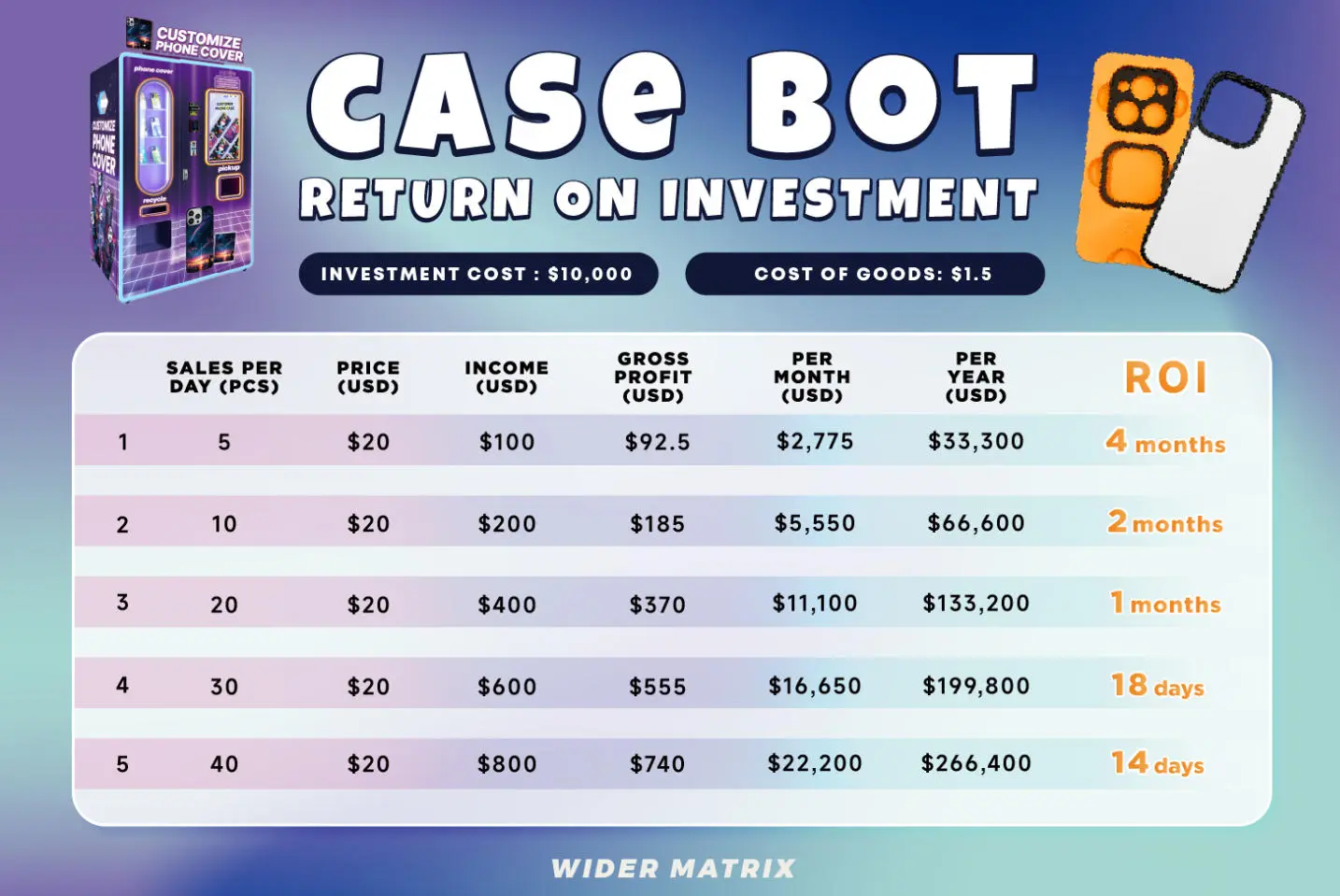
Let’s talk numbers. The promise of high margins is real, but your net profit depends on smart management. A typical profitability calculation must include:
- Cost Per Case: This includes the blank case and printing consumables. Sourcing matters. Blank cases can be sourced for as low as $1-$2 each in bulk, but quality varies. A provider with integrated supply chain management can ensure consistency and cost control.
- Price Point: Custom cases can sell for $20-$40, depending on the market and design complexity.
- Location Commission: High-traffic locations (malls, airports) often take 15-30% of sales revenue.
- Daily Volume: This is the biggest variable. A great location might see 5-10 sales per day, while an exceptional one could see 20+.
So, what’s the ROI? With an investment in a reliable machine system (let’s use a typical range of $6,000 – $10,000 for a capable unit), and assuming a net profit of $15 per case after all costs, you’d need to sell 400-667 cases to break even. At 5 sales per day, that’s an 80-130 day payback period. At 10 per day, it halves. This is why location analysis is everything. For deeper dives into business models, see our guide on How Profitable Is Selling Phone Cases?
4. After-Sales Support: The Lifeline of Your Business
Your machine will need maintenance. Print heads clog. Touchscreens glitch. The coin mechanism jams. When this happens at 2 PM on a Saturday, who do you call? Your supplier’s after-sales support structure is a direct insurance policy on your revenue.
- Response Time: Do they offer 24/7 remote support? What is the guaranteed on-site response time if remote fix fails?
- Parts Supply Chain: Are common wear-and-tear parts (print modules, rollers) kept in stock and available for quick shipment? A global company with a history of exports is more likely to have regional parts depots.
- Training & Knowledge Base: Do they provide comprehensive training and an online portal for troubleshooting? Empowering you to fix simple issues is a sign of a good partner.
Strategic Recommendations: Building Your Action Plan
Based on this analysis, here is a consultant’s recommended framework for moving forward.
Step 1: Validate the Location Before the Machine
Do not buy a machine hoping to find a location. Secure a letter of intent from a prime location first. Understand their foot traffic, demographic, and commission requirements. This single step mitigates more risk than any warranty.
Step 2: Vet Suppliers on Support, Not Just Price
When you request quotes, shift the conversation. Ask:
- “Can you connect me with two operators in my country/region?”
- “What is your process for a critical machine failure? Walk me through the steps and timelines.”
- “What is the cost and lead time for your most commonly replaced part?”
The answers will tell you more than any brochure. A company like Wider Matrix, for example, leverages its experience since 2016 and global deployment to structure its support networks, which is a tangible advantage for an operator.
Step 3: Start Simple and Scale
Consider beginning with a robust, user-friendly model like a Phone Case Printing Vending Machine that balances capability with operational simplicity. Master one location before expanding. Use the data from your first machine to make informed decisions about your second.
Related Topics for Further Reading
To deepen your understanding of the vending and customization business, consider these related guides:
- The Ultimate Guide to iPhone Case Vending Machines
- Phone Case Machine Maker: The Ultimate Guide to Equipment
- Bulk Phone Case Machines: Guide for Large-Scale Production
- Exploring the DIY Phone Case Phenomenon
- The Role of Mobile Payment in Modern Vending
Conclusion: Automation is a Tool, Strategy is the Key
An automated custom phone case system is a powerful tool for capturing the growing demand for personalized, on-demand products. However, its success is not automatic. It requires a strategic approach that prioritizes an exceptional customer experience, a prime location, and—most importantly—a partnership with a supplier whose competitive advantage is built on reliable technology and unparalleled after-sales support.
By focusing on the four pillars—addressing risk management with clear warranties and support plans, calculating a realistic ROI based on solid location data, and choosing a partner that provides a true competitive advantage—you move from being a hopeful buyer to an informed operator. Companies with a documented global footprint, such as Wider Matrix, exemplify the scale and stability that can underpin a successful venture, but your due diligence is the final critical component. The opportunity is real, but it belongs to those who plan beyond the purchase.
Make a Confident Decision with Zero Pressure
Investing in vending equipment is a significant decision. You need facts, not sales pitches.
Wider Matrix has supported 3,000+ entrepreneurs worldwide since 2016. Here’s how we reduce your risk:
- Verifiable Track Record – we’ll connect you with existing operators you can contact directly
- Transparent Warranty Terms – 2-year coverage with clear documentation
- Factory Transparency – schedule a visit to see our production and quality control
- Flexible Support – from single machines to full turnkey operations
No obligation. No pressure. Just expert guidance to help you decide if this is right for you. Start at widermatrix.com.

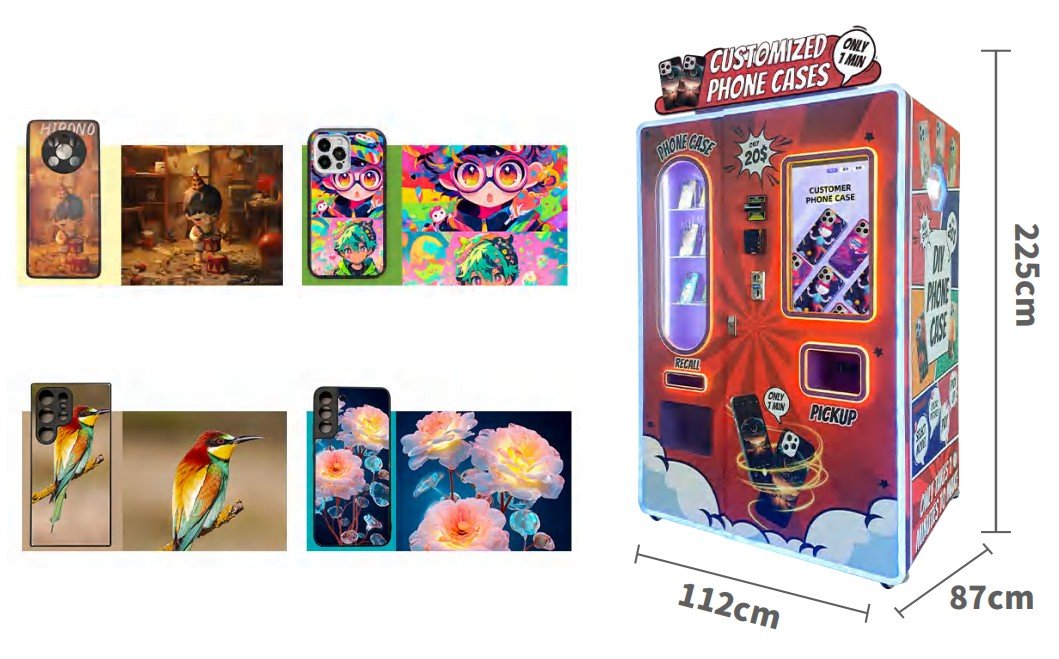
Specifications
| Model | WM880 |
| Device Dimensions | 128cm*87cm*230cm |
| Device Weight | 220KG |
| Power | 220W |
| Voltage | 220V/110V (Optional) |
| Payment Methods Supported | Coin/Cash/Credit Card/NFC/WeChat/Alipay |
| Printing Technology | 6-color UV printing |
| Printing Resolution | 1440DPI |
| Printing Speed | 2-3 minutes/piece |
| Supported Phone Models | 96 mainstream models |
| Phone Case Storage Capacity | 300-500 pieces |
| Display Screen | 27-inch touch display, supports video ad rotation |
| Remote Management | Supports cloud monitoring and management |
Product Certificates
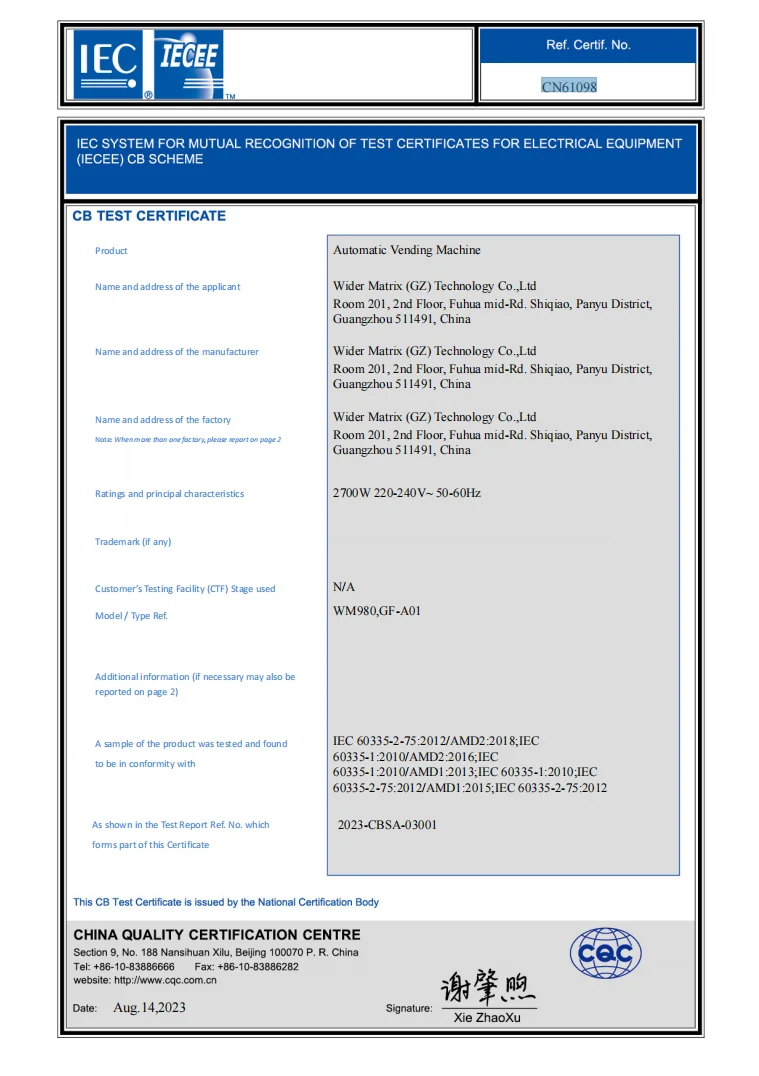
CB
CN61098
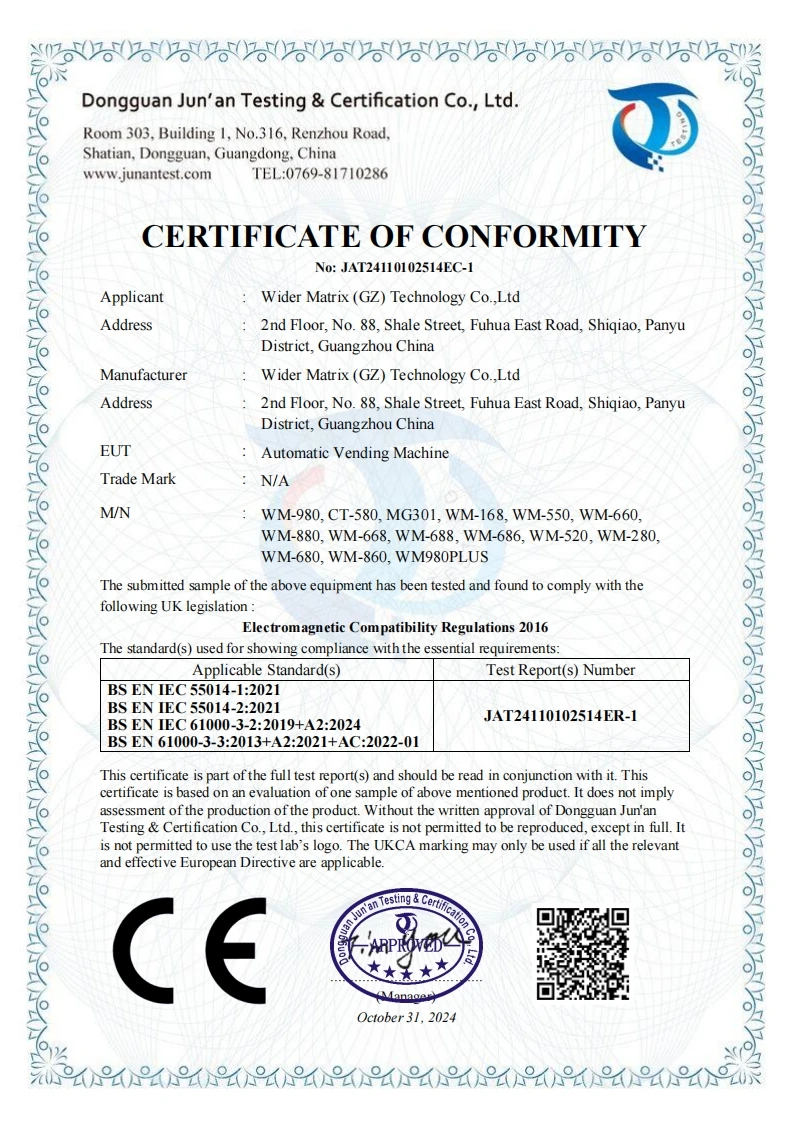
UKCA
JAT24110102514136
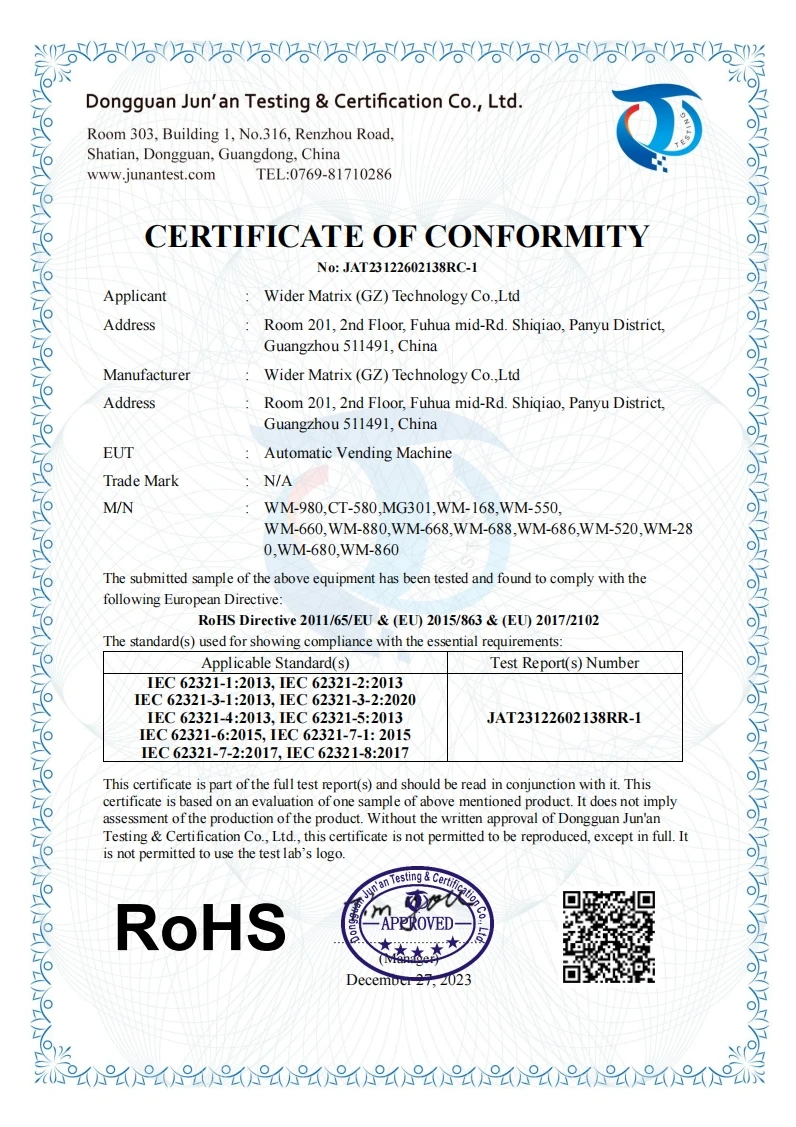
RoHS
JAT23122602137123
Company Introduction
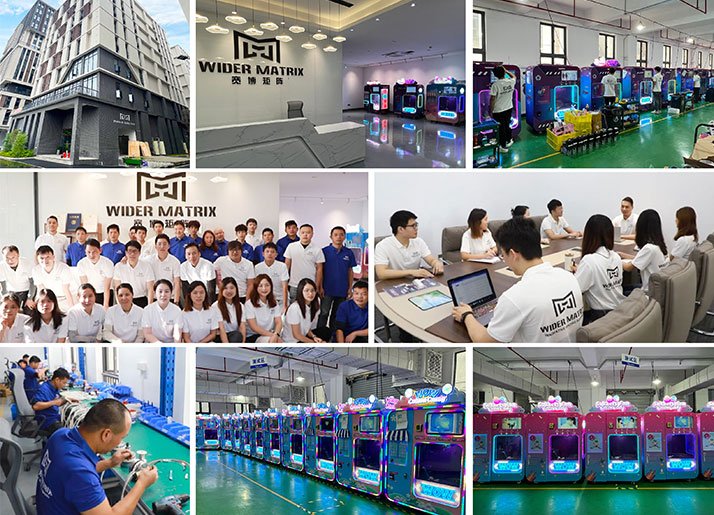
Wider Matrix (Guangzhou) Technology Co., Ltd. is a scientific and technological enterprise that attaches importance to R&D and user experience, We started to research and develop vending machines in 2016, and achieved a leading position in the field of unattended vending machines.
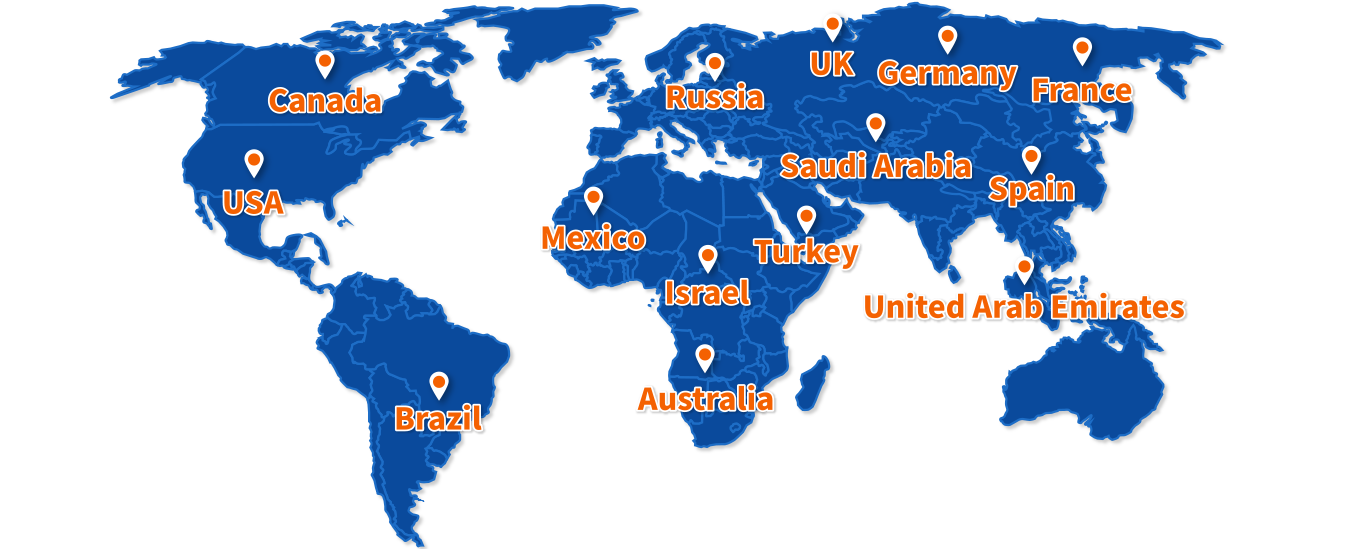
In 2019, we manufactured the first automatic cotton candy vending machine. After testing in domestic market, refining our product for years, fixing the issues you might run into while operating, the performance of our machines are stable enough and reach the standard for export finally. Till now, our machine has been exported to more than 130 countries such as the United States,Canada,Europe, Southeast Asia, Australia and Israel.
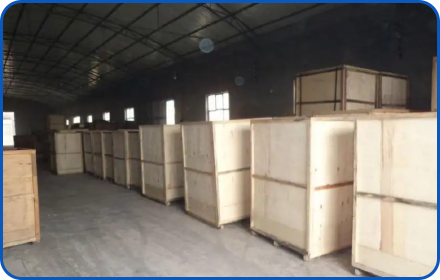
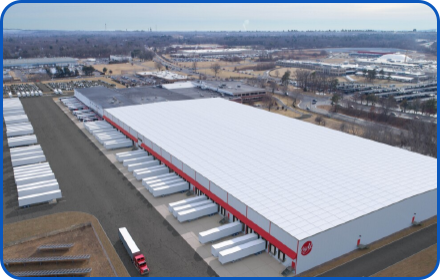
We set up overseas warehouses in the United States, Canada, Britain and Israel to provide customers with consumables and accessories support. All machines support remote control, which has the advantages of easy operation, convenient maintenance and high operating efficiency. After our cotton candy vending machines are delivered and put into use, they can bring you considerable benefits.
Every customer's success and satisfaction are the driving force for us to pursue innovation and climb the peak forever. In the future, we will uphold the business philosophy of customer first and quality first, and constantly create more good products for the market. Join us now and start your intelligent and innovative vending machine business!
Exclusive Services
Overseas Support Service
Local transfer warehouse support, ensuring your operational stability.
Custom Design
We offer machine appearance customization, branding, and large-scale custom packaging services.
Initial Tools & Spare Parts Kit
Machine comes with complementary tools and spare parts kit, including initial consumables package for early operations.
Functional Customization & Software Optimization
Custom functionality based on client needs, including hardware and software optimization updates.
Lifetime Technical Support & Updates
We provide lifetime technical support and software update services for all customers.
Frequently Asked Questions
1. How much does an automated custom phone case system cost?
Prices vary widely based on capability, size, and brand. You can find basic units starting in the $4,000 - $6,000 range, while full-featured, high-capacity kiosks with advanced software can range from $8,000 to $15,000. Always factor in shipping, installation, and an initial stock of consumables into your total startup investment.
2. What is the typical warranty, and what does it cover?
A standard warranty is 1 year for parts. More comprehensive coverage from established providers may extend to 2 years for key components. Crucially, understand if it includes labor for repairs or is "parts only," and whether service is on-site or requires you to ship the machine back. This is a core part of your risk assessment.3. Can I really make money with this? What's a realistic ROI timeline?
Yes, but it's not passive. Profitability hinges on location, marketing, and operations. A realistic break-even point for a well-placed machine is often between 6 to 12 months. This assumes consistent sales volume and good margin management. You can explore more detailed models in our analysis on phone case profitability.4. What if the machine breaks down? How quickly can it be fixed?
This depends entirely on your supplier. Before buying, ask for their specific support protocol. Do they offer remote diagnostics? What is their average on-site response time in your country? A reliable supplier will have clear answers and potentially regional service partners to minimize your downtime.5. Do I need technical skills to operate and maintain it?
Day-to-day operation requires minimal technical skill—mainly refilling case and ink/print media stocks, and basic cleaning. However, understanding basic troubleshooting (e.g., clearing paper jams, restarting the software) is essential. Quality suppliers provide thorough training and clear manuals for common issues.6. How can I verify a supplier's track record, like Wider Matrix's claims of 3,000+ machines?
Ask for verifiable evidence. A credible company should be able to provide: 1) Customer testimonials or case studies (with permission to contact), 2) Evidence of international certifications (CE, UKCA, etc.) on their machines, 3) Details of their factory or manufacturing partners, and 4) A clear history on their website and corporate registration. You can also ask to speak to a project manager who can detail their export history.7. Are there flexible payment options or trial programs?
Some suppliers offer financing, leasing, or rent-to-own programs to lower the barrier to entry. Pilot or trial programs are less common due to the machinery's cost but may be negotiable, especially with a proven operator or for a multi-unit order. Always inquire directly about financial flexibility.User Reviews
Widermatrix has been so great to work with especially Taylor. Taylor sends pictures and testimonials and data to help the decision process. Once decided the process is smooth and Taylor sends updates with pictures and videos of YOUR phone case vending machine along the way. Once it arrived the 24 hr tech support was patient with me as we worked hard to get it all dialed in. The claims are real, this automated phone case dispenser is half paid back on my initial invest just after 2 months! Kids and adults love these protective case kiosks.
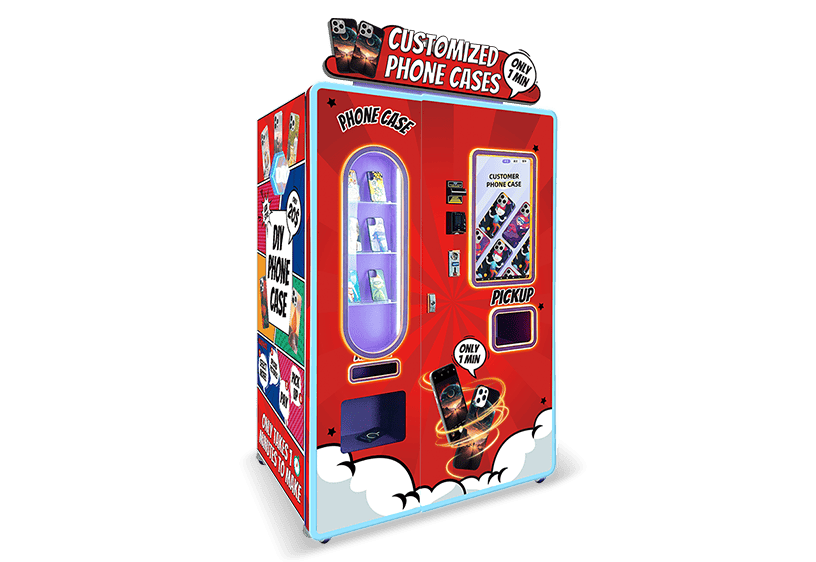
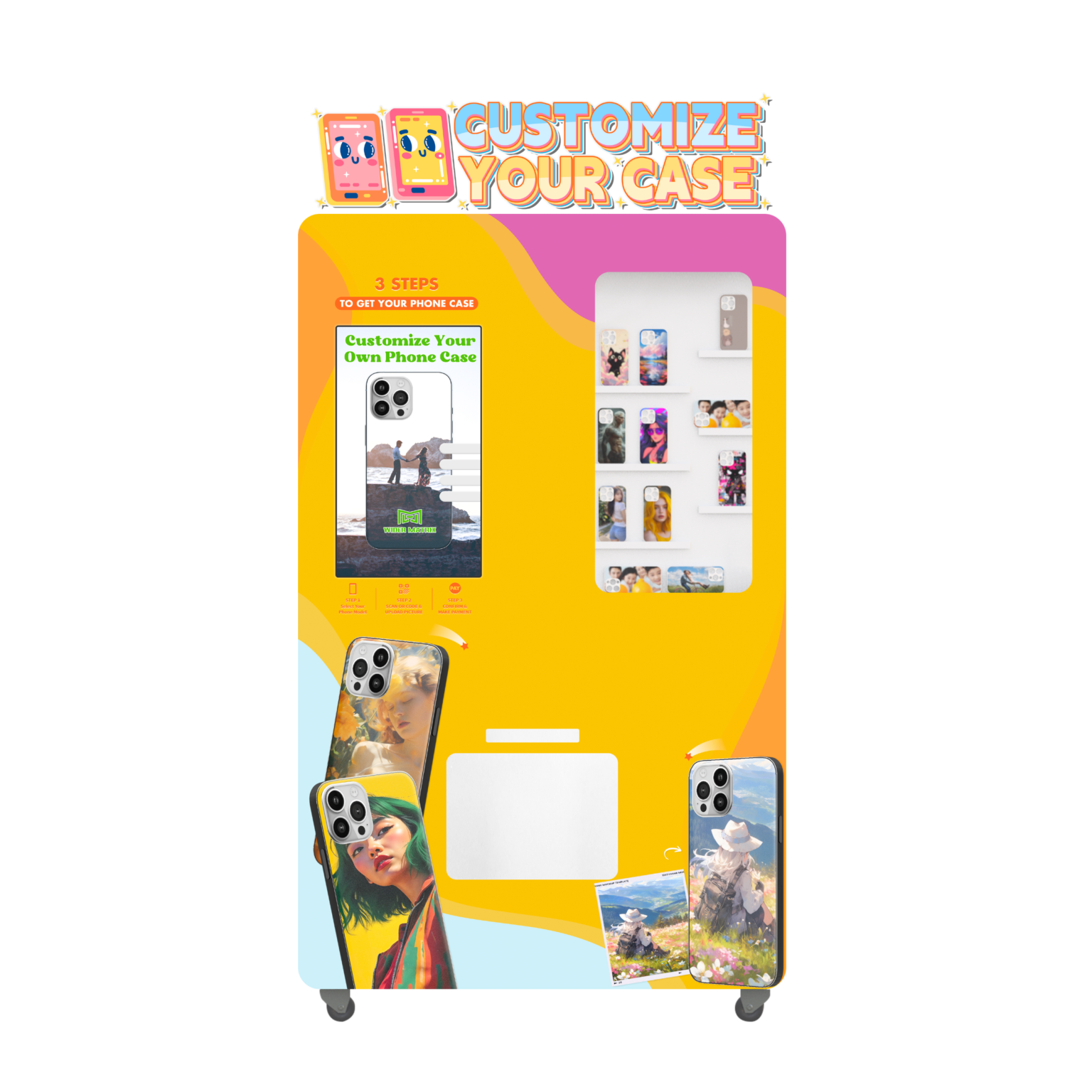
I bought two phone case vending machines, and they have been in operation for over three months and are very stable. The smartphone accessory kiosks have excellent reliability and require minimal maintenance.
This is my first time running a phone case vending machine business and it looks great. The automatic mobile accessory dispenser attracts many customers in my shopping mall location.