




You’ve seen vending machines for sodas, snacks, and even electronics. But when a craving for a cold, creamy treat strikes, you might wonder: are there vending machines for ice cream? The answer is a resounding yes, and they represent one of the most exciting and profitable frontiers in automated retail. This comprehensive guide goes beyond a simple “yes” to explore the technology, business potential, and critical factors you must consider before investing in this sweet venture. We’ll address the real questions entrepreneurs have about profitability, risk, and operational ease, providing the insights needed to make a confident decision.
Beyond the Novelty: The Technology of Ice Cream Vending
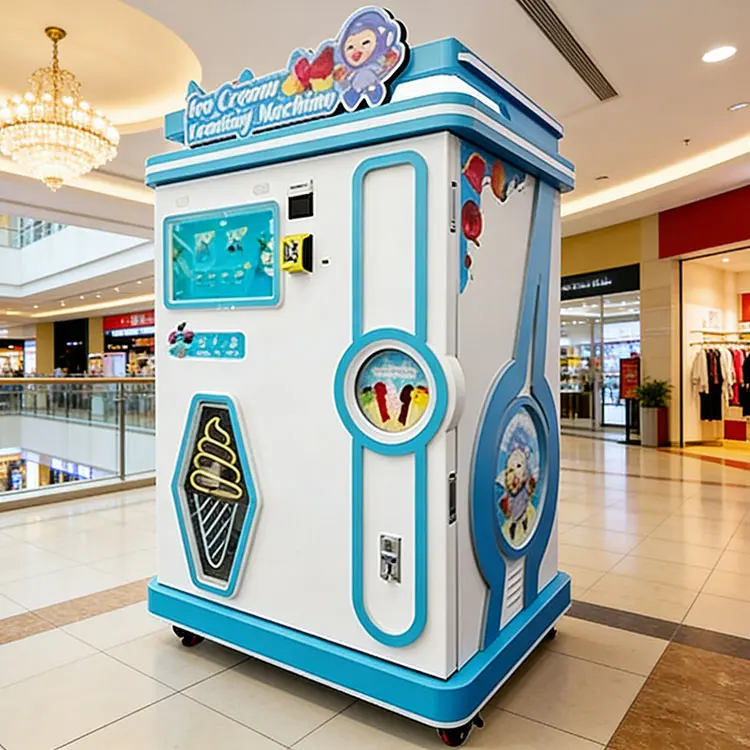
Today’s ice cream vending machines are sophisticated pieces of equipment, far removed from simple refrigerated boxes. They are designed to preserve product quality and deliver a consistent customer experience. Key technological features include:
- Advanced Refrigeration Systems: Maintaining a consistent, ultra-low temperature (typically -18°C to -22°C) is non-negotiable. High-end machines use cascade refrigeration or advanced compressors with precise digital thermostats to prevent freeze-thaw cycles that ruin texture.
- Robotic Retrieval Mechanisms: Upon payment, a robotic arm or elevator system gently retrieves the selected item from its spiral or column, ensuring the product is delivered undamaged.
- Integrated Payment & IoT: Modern machines accept cash, credit/debit cards, and mobile payments (Apple Pay, Google Pay). More importantly, they are IoT-enabled, allowing owners to monitor sales, inventory levels, temperature, and machine health in real-time from a smartphone.
- Attractive Visual Merchandising: Glass-fronted designs with internal lighting and digital menu boards showcase the products, turning the machine itself into an irresistible point-of-sale display.
The Investment Breakdown: Profitability & ROI (Core Concern 1)
This is the foremost question for any potential buyer. An ice cream vending machine can be highly profitable, but success depends on several variables.
Key Revenue Factors
- Location: This is the #1 determinant of success. Prime spots include university campuses, hospital lobbies, busy transit stations, large office complexes, shopping malls, and tourist attractions.
- Product Mix & Margin: A typical pre-packaged ice cream bar costs the operator $1.00-$1.50 and sells for $3.00-$4.50, yielding a 65-75% gross margin. Offering premium brands or unique items can command even higher prices.
- Foot Traffic & Seasonality: While summer is peak season, a well-placed machine in an indoor, climate-controlled location can generate sales year-round.
Realistic ROI Calculation
Let’s consider a mid-range, high-quality machine. For example, the WM550+ Refrigerated Ice Cream Vending Machine from Wider Matrix, an upgrade model with advanced features, is available at a promotional price of US$6,799 (originally US$8,700).
Sample Monthly Scenario (Good Location):
- Average Daily Sales: 15 items
- Average Sale Price: $3.50
- Monthly Revenue: 15 x $3.50 x 30 days = $1,575
- Cost of Goods Sold (~60% Margin): ~$630
- Gross Profit: ~$945
- Fixed Costs (Location Fee, Electricity): ~$200
- Net Monthly Profit: ~$745
In this scenario, the initial investment in the machine could be recouped in approximately 9-10 months. After that, the majority of revenue becomes profit. Machines in exceptional locations can achieve breakeven much faster.
Mitigating Risk: Trust, Verification & After-Sales (Core Concerns 2 & 3)
The fear of being scammed or left with a broken machine is a major barrier. A reputable supplier directly addresses these fears with transparency and robust support.
Building Trust Through Verification
When evaluating a supplier like Wider Matrix, look for these trust signals:
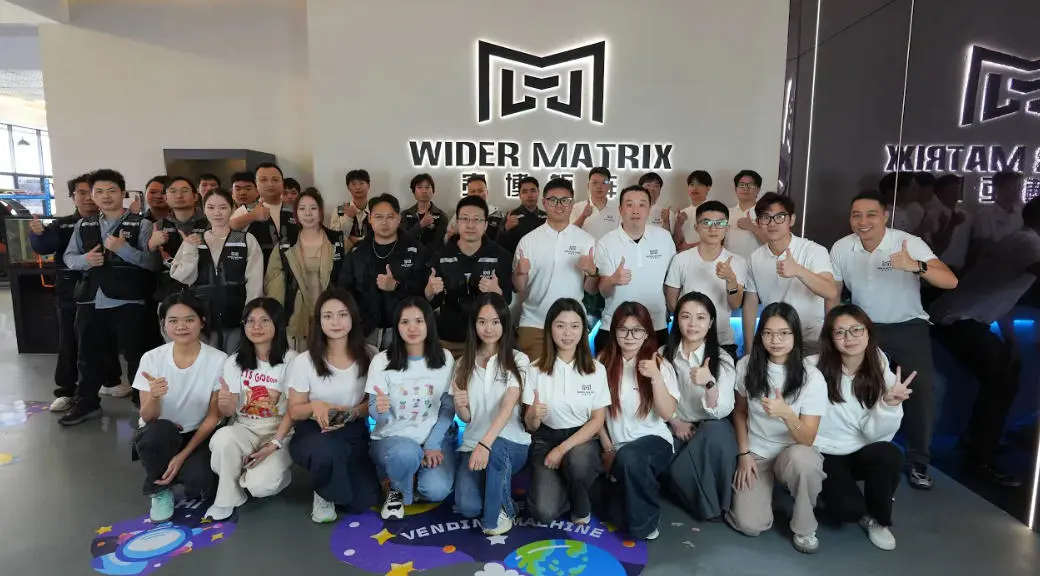
- Global Track Record: Companies with verifiable export history inspire confidence. For instance, Wider Matrix has exported over 3,000 machines to 130+ countries, including the US, Canada, and EU.
- Real Customer References & Case Studies: Reputable companies can connect you with existing operators. Ask for case studies or even contact information for clients in a similar market.
- Factory Transparency: The willingness to offer a factory tour (in-person or virtual) demonstrates confidence in their manufacturing processes and quality control.
- International Certifications: Look for machines certified to standards like CE, UKCA, RoHS, and KC. These are not just stickers; they indicate compliance with safety, environmental, and electrical regulations.
The Critical Safety Net: After-Sales Support
What happens on Day 91 when a component fails? The warranty and support structure is as important as the machine price.
- Comprehensive Warranty: Seek a minimum of 12-24 months on parts. Some suppliers offer extended warranties.
- Technical Support Access: Is support available via phone, email, and remote diagnostics? What are the response time guarantees?
- Parts Availability & Logistics: Ensure the supplier maintains a stable inventory of common spare parts and can ship them efficiently to your country. A global network of service partners is a huge plus.
- Software Updates & Training: The best suppliers provide operational training and regular, free software updates for the machine’s management system.
Operational Simplicity & Competitive Edge (Core Concerns 4 & 5)
You don’t need to be an engineer to run a successful vending route. Modern machines are built for operator convenience.
Ease of Operation
- Restocking: Typically a simple process of opening a secure door, loading products onto spirals, and updating the inventory count on the touchscreen.
- Cash Collection & Reporting: Digital systems provide precise sales reports, and cashless payments reduce the need for frequent cash collection and counting.
- Remote Management: IoT capabilities allow you to check stock levels, sales data, and temperature alerts from anywhere, enabling proactive restocking and maintenance.
Choosing the Right Machine: A Feature Comparison
Not all ice cream vending machines are created equal. Here’s what sets a professional machine apart from a basic model:
| Feature | Basic/Low-Cost Machine | Professional-Grade Machine (e.g., Wider Matrix WM550+) |
|---|---|---|
| Refrigeration System | Standard compressor, less precise temperature control. | Advanced, energy-efficient cascade system with digital precision control and backup alarms. |
| Construction & Security | Lighter gauge metal, basic locks. | Heavy-duty stainless steel, robust locking systems, and anti-theft mechanisms. |
| Technology & IoT | Basic payment, limited or no remote monitoring. | Full IoT integration, multi-payment support, real-time remote management dashboard. |
| After-Sales Support | Limited warranty, slow or unclear support channels. | Comprehensive 2-year warranty, dedicated technical support, global service network. |
| Scalability | Standalone unit. | Can be integrated into a larger network management platform, ideal for multi-machine operators. |
While the upfront cost of a professional machine like the WM550+ (promotionally priced at US$6,799) is higher than a basic unit, the long-term reliability, lower energy costs, and reduced downtime provide a significantly better total cost of ownership and protect your investment.
Diversifying Your Vending Portfolio
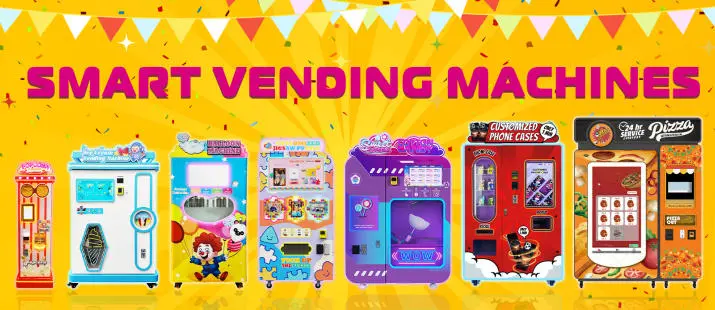
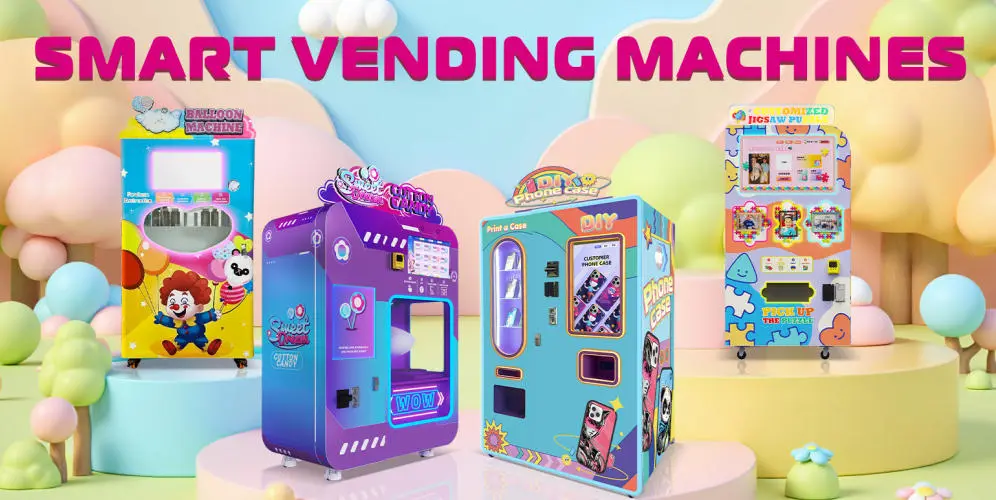
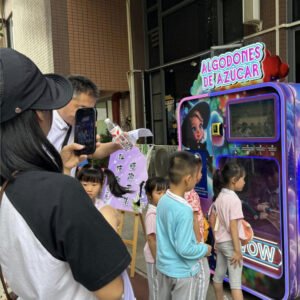
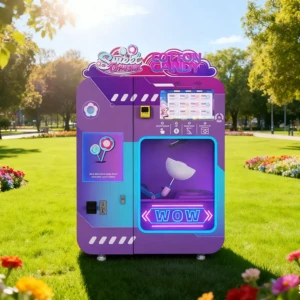
Ice cream is a fantastic product, but seasonal demand can be a factor. Many successful operators diversify with complementary vending machines. For example, a cotton candy vending machine offers a high-margin, visually captivating treat that performs well year-round indoors. Similarly, a phone case vending machine caters to a completely different, high-demand need for on-the-spot customization. Exploring a mix of food and non-food options can stabilize and increase your overall revenue stream.
Frequently Asked Questions (FAQs)
1. How cold do ice cream vending machines get?
Professional ice cream vending machines are designed to maintain temperatures between -18°C and -22°C (-0.4°F to -7.6°F), which is the standard for storing hard ice cream products and ensuring they remain perfectly frozen.
2. Can I put any brand of ice cream in a vending machine?
Yes, generally you can stock any commercially packaged ice cream product (bars, sandwiches, cups) that fits the machine’s dimensions. This allows you to choose high-margin or popular local brands to maximize sales.
3. What are the biggest challenges of running an ice cream vending machine?
The primary challenges are securing a high-foot-traffic location with power access, managing potential seasonal dips in sales (mitigated by indoor placement), and ensuring reliable equipment to avoid costly downtime and product spoilage. This is why partnering with a reputable supplier with strong after-sales is critical.
4. How does a company like Wider Matrix help mitigate the risks for a first-time buyer?
Companies with extensive experience, like Wider Matrix, address core concerns directly. They provide verifiable global customer references, offer comprehensive warranties (often 2 years), maintain a stable parts supply chain certified to international standards, and deliver full training and remote IoT management tools. This turn-key support significantly de-risks the investment for a new operator.
5. How much electricity does an ice cream vending machine use?
Energy consumption varies by model and ambient temperature. Modern, energy-efficient machines like those using advanced compressor systems can cost between $30-$70 per month to run, depending on local electricity rates. This is a key factor in the operational cost calculation.
6. Are there financing or leasing options available?
Many established suppliers and third-party financial partners offer financing or leasing plans. This allows you to preserve capital and pay for the machine from the revenue it generates. Always inquire about available options to improve your cash flow.
Related Topics
- Commercial Cotton Candy Vending Machines
- iPhone Case Vending Machines
- Jigsaw Puzzle Market Trends
- Phone Case Printing Vending Machines
- Guide to Cotton Candy Factory Vending Machines
Conclusion
So, are there vending machines for ice cream? Absolutely. They are a proven, profitable, and growing segment of the automated retail industry. The journey from curiosity to a successful operation hinges on informed decision-making: choosing the right machine for durability and features, securing a prime location, and, most importantly, selecting a supplier that acts as a true partner. A partner that provides not just a machine, but the transparency, robust after-sales support, and operational tools needed to build a resilient and profitable business. Companies like Wider Matrix, with their global footprint and focus on integrated hardware and software solutions, exemplify this partner approach, directly addressing the core concerns of profitability, trust, and long-term operational ease.
Ready to Explore Your Ice Cream Vending Opportunity?
You’ve now seen the potential and understand the key factors that separate a successful investment from a costly mistake. The next step is to get personalized information for your specific goals and market.
At Wider Matrix, we’ve partnered with over 3,000 entrepreneurs and businesses across 130+ countries. Our team of experts is ready to help you move forward with confidence by providing:
- A Free, Customized ROI Analysis tailored to your target location and product mix.
- Access to Real Customer References so you can hear directly from operators.
- Detailed Product Specifications & Pricing for our range of reliable Wider Matrix vending machines, including the high-performance ice cream models.
- Comprehensive Support Details outlining our warranty, parts supply, and technical support structure.
Take the next step with no obligation. Visit our website at https://widermatrix.com/ to explore our products or contact us directly to request your free consultation and ROI estimate. Let’s discuss how you can turn the question “are there vending machines for ice cream?” into your own sweet success story.
Comments
No comments yet. Be the first to comment!