




Imagine a piping hot, fresh pizza, ready in minutes, available 24/7 without a human chef in sight. This is the reality brought by pizza vending machines, a fascinating innovation that has captured global attention, particularly in tech-forward markets like Japan. If you’re a business owner, investor, or simply curious about this auto mated food revolution, the burning question is: How much is a pizza vending machine in Japan? This comprehensive guide dives deep into the costs, business models, and key considerations, providing you with the insights needed to evaluate this unique opportunity.

Understanding the Pizza Vending Machine Market in Japan
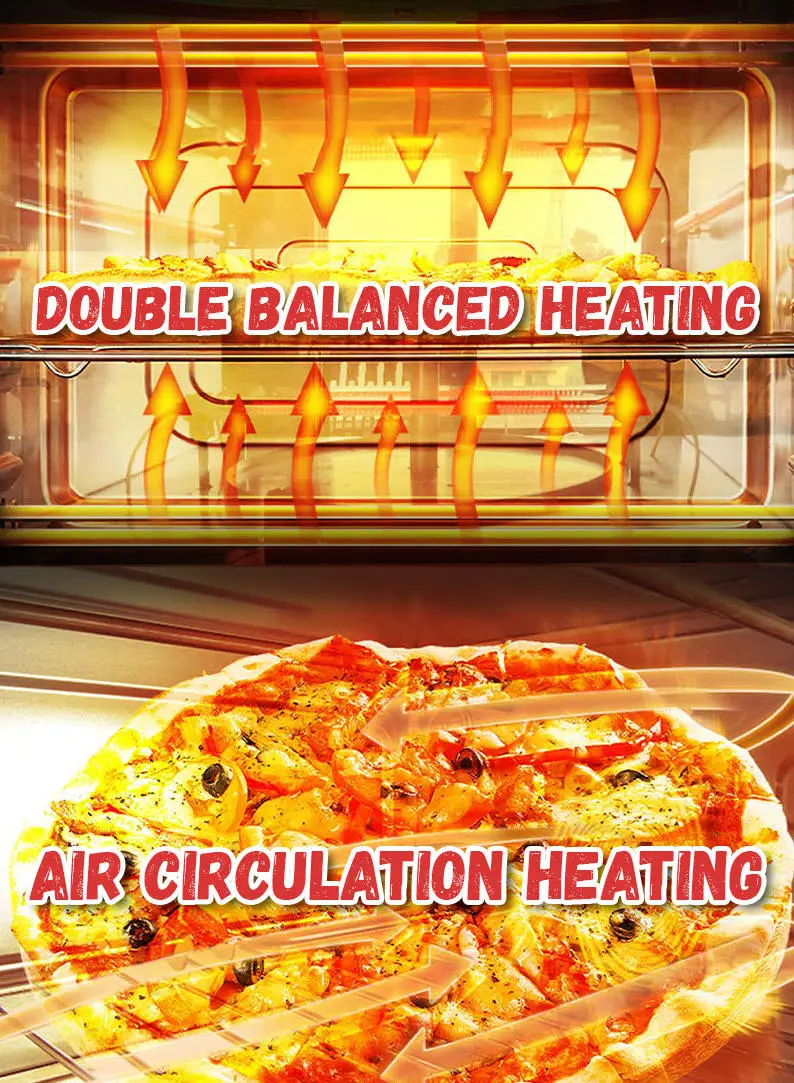
Japan, a leader in vending machine culture with over 4 million units nationwide, has been a natural testing ground for automated pizza services. These machines typically work by storing pre-made, refrigerated pizzas, which are then heated to perfection in an integrated oven upon purchase. The appeal lies in their ability to serve fresh, hot food in locations with space constraints or during off-hours, such as university campuses, office parks, and transportation hubs.
Breaking Down the Cost: Purchase Price vs. Operational Investment
The price of a pizza vending machine is not a single figure but a spectrum influenced by capacity, technology, and brand. Based on market analysis, we can categorize the investment into two main areas.
1. Machine Purchase Price
For a commercial-grade pizza vending machine capable of holding 50-80 pizzas, the price range is significant. Importing a high-quality machine from a specialized manufacturer often represents the best value.
- Entry-Level/Basic Models: These can start from around $8,500 to $12,000. They may have smaller capacities or fewer technological integrations.
- Mid-Range/Standard Commercial Models: This is the most common range for fully-featured machines. Prices typically fall between $12,000 and $20,000.
- High-End/Advanced Models: Machines with larger capacities, sophisticated IoT for remote monitoring, premium payment systems, or custom branding can cost $25,000 or more.
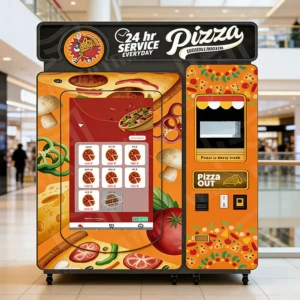
For instance, a leading manufacturer like Wider Matrix offers its advanced WM660 Self-service Pizza Vending Machine. While the market price for such a capable unit can be upwards of $12,800, they frequently run promotional offers. You might find this model available for a limited-time promotional price of around $7,800, representing substantial savings for a machine that can hold up to 60 pizzas and features full automation from payment to dispensing.
2. Additional Startup & Operational Costs
Beyond the machine itself, a successful deployment requires budgeting for several other critical expenses:
- Shipping and Import Duties to Japan: This can add 15-30%+ to the machine cost, depending on origin and logistics.
- Installation & Site Preparation: Costs for electrical work, potential plumbing, and securing the location.
- Initial Inventory: Purchasing the first batch of frozen or refrigerated pizzas.
- Ongoing Consumables: Pizza boxes, napkins, and cleaning supplies.
- Regular Maintenance: Scheduled servicing to ensure the oven and refrigeration units run smoothly.
- Location Rental Fees: A prime spot in a busy Tokyo district will command a much higher fee than a suburban location.
Profitability Analysis: Is a Pizza Vending Machine a Good Investment?
To understand the cost, you must evaluate the potential return. Let’s run a simplified scenario for a machine in a decent Japanese location.
| Cost/Revenue Item | Estimated Monthly Amount (in JPY/USD) |
|---|---|
| Average Pizza Selling Price | 1,200 JPY (approx. $8.00) |
| Cost per Pizza (Food Cost) | 400 JPY (approx. $2.70) |
| Gross Profit per Pizza | 800 JPY (approx. $5.30) |
| Break-Even Sales (for a $15,000 machine over 24 months) | ~47 pizzas per month* |
| Potential Sales in a Good Location | 150-300+ pizzas per month |
*Calculation simplified, excluding operational costs like rent and electricity for illustration. A realistic business plan must include all fixed and variable costs.
The model shows promise, especially in high-foot-traffic areas. The key to profitability lies in strategic placement, reliable operation, and a quality product. For a broader look at automated food ventures, explore our analysis on How Much Can You Make with a Cotton Candy Machine? A 2025 Profit Guide.
Key Considerations Before Buying a Pizza Vending Machine for Japan
- Consumer Taste Preferences: Japanese consumers have specific flavor preferences (e.g., Mayo, seafood, teriyaki). Your pizza supplier must accommodate this.
- Space Constraints: Japanese urban areas have limited space. Measure your intended location precisely.
- Payment Systems: The machine must support Suica/Pasmo, other IC cards, and QR code payments like PayPay, which are ubiquitous in Japan.
- Regulations & Certifications: Ensure the machine has necessary electrical (PSE mark) and food safety certifications for import and operation.
- Reliable Supplier: Partner with a manufacturer known for quality and support. A company with a global track record, like Wider Matrix (gz) Technology Co., Ltd., which has exported thousands of machines worldwide, can provide crucial peace of mind with certified machines and experienced supply chain support.
Exploring Wider Matrix’s Automated Food Solutions
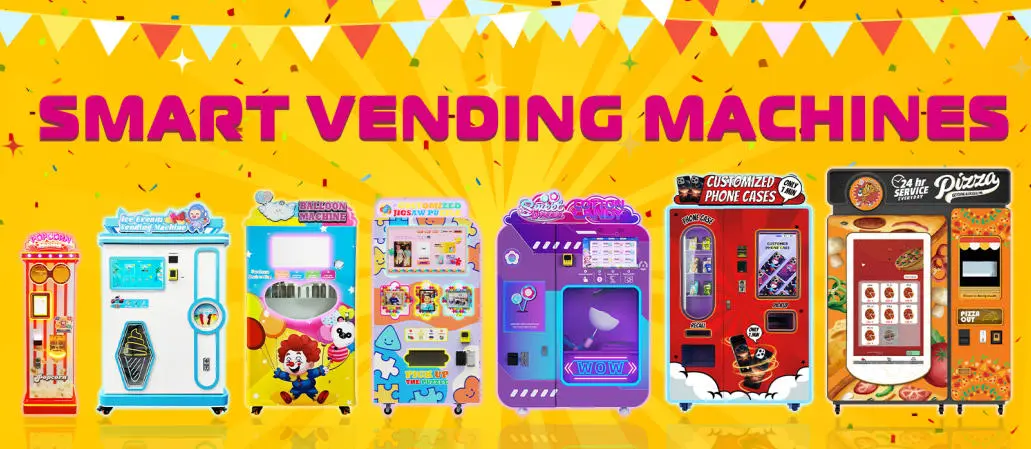
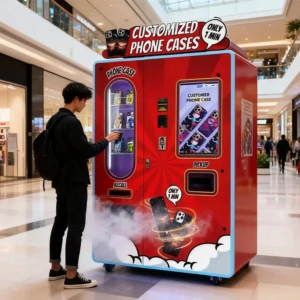
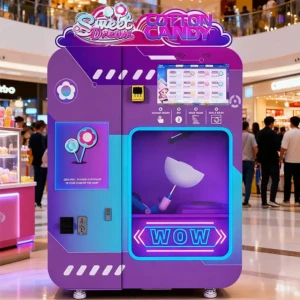
While the pizza vending machine is a standout product, diversifying your automated retail portfolio can mitigate risk and capture different customer segments. Wider Matrix specializes in a range of innovative vending machines. For example, their Fully automatic cotton candy vending machine WM980 creates a visual spectacle that drives sales, while their Cell Phone Case Vending Machine taps into the high-margin, instant customization trend. Assessing the profitability of a cotton candy machine alongside a pizza unit could reveal a powerful combination for an entertainment venue.
Frequently Asked Questions (FAQs)
1. What is the typical price range for a commercial pizza vending machine in Japan?
After accounting for import costs, a commercial machine suitable for the Japanese market typically requires an investment between ¥1.5 million to ¥3 million JPY ($10,000 to $20,000 USD). This varies based on features, capacity, and manufacturer.
2. Are there any cheap or used pizza vending machines available?
While used machines occasionally appear, they carry significant risk. The complex heating and refrigeration systems are prone to wear. A malfunctioning machine means lost revenue and high repair costs. Investing in a new, reliable machine from a reputable supplier with a warranty is generally the safer financial decision.
3. How much profit can I expect from one machine?
Profit is highly location-dependent. A well-placed machine in a busy train station or university might sell 10-15 pizzas daily, generating a healthy gross profit. However, you must subtract all fixed costs (rent, machine lease/amortization, utilities) and variable costs (pizza ingredients, boxes) to determine net profit.
4. What are the biggest operational challenges?
The main challenges are: 1) Maintaining consistent pizza quality, 2) Ensuring reliable machine operation with minimal downtime, and 3) Managing inventory and restocking efficiently to avoid selling out or wasting product.
5. Does Wider Matrix provide support for machines installed in Japan?
Yes, as a global exporter to over 130 countries, Wider Matrix provides remote technical support, comprehensive documentation, and can guide partners on local service options. Their machines are built to international standards, facilitating compliance. For the latest on their support services, check their Updates page or Contact them directly.
6. How long does it take for the machine to prepare a pizza?
Most modern machines heat a pre-made pizza in 2 to 4 minutes. This is a key selling point for customers seeking a quick, hot meal.
7. What kind of location is best for a pizza vending machine in Japan?
Ideal locations have high foot traffic, limited late-night food options, and a captive audience. Think: university campuses, office building lobbies, 24-hour gyms, highway service areas, and industrial parks.
Related Topics
- Phone Case Machine Maker: The Ultimate Guide
- Latest Upgrade! in Vending Technology
- Ice Cream Vending Machine Cost
- Automated Food Retail Trends in Asia
- About Wider Matrix Technology
Conclusion
So, how much is a pizza vending machine in Japan? The answer encompasses an initial investment of roughly $10,000 to $20,000+, plus ongoing operational costs. Its success hinges not just on the price tag, but on meticulous planning: securing a prime location, understanding local tastes, ensuring operational reliability, and providing a quality product. For entrepreneurs looking to enter this innovative field, partnering with an experienced and technologically adept manufacturer is a critical first step. Companies like Wider Matrix offer not just the hardware, but the expertise gained from deploying Wider Matrix vending machines globally, providing a solid foundation for your automated food service venture in Japan’s dynamic market.
Comments
No comments yet. Be the first to comment!