



Is launching a vending machine business still a viable path to financial independence in 2025? With the global vending machine market projected to reach unprecedented growth, the answer is a resounding yes—but success requires a modern approach. The traditional image of snack and soda machines has been revolutionized by smart technology, IoT connectivity, and innovative product offerings. This comprehensive guide explores everything you need to know about starting and scaling a profitable vending machine business in today’s competitive landscape, from initial investment to advanced scaling strategies.
Why Start a Vending Machine Business in 2025?
The vending industry has transformed dramatically in recent years, making 2025 an ideal time to enter this business. Unlike many traditional businesses, vending offers multiple advantages that align perfectly with current economic trends:
- 24/7 passive income potential with minimal staffing requirements
- Low overhead costs compared to brick-and-mortar retail
- Scalable business model that can start small and expand gradually
- Recession-resistant with essential and impulse purchase products
- Technological advancements enabling remote management and data analytics
Choosing Your Vending Niche: Beyond Traditional Snacks
Success in the modern vending industry often comes from specialization. While traditional snack and beverage machines remain profitable, innovative niches offer higher margins and less competition. Here are the most promising vending categories for 2025:
High-Tech Customization Machines
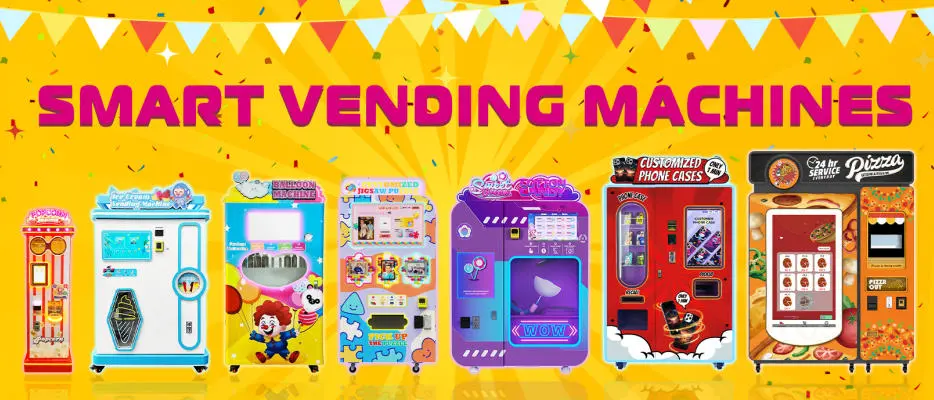
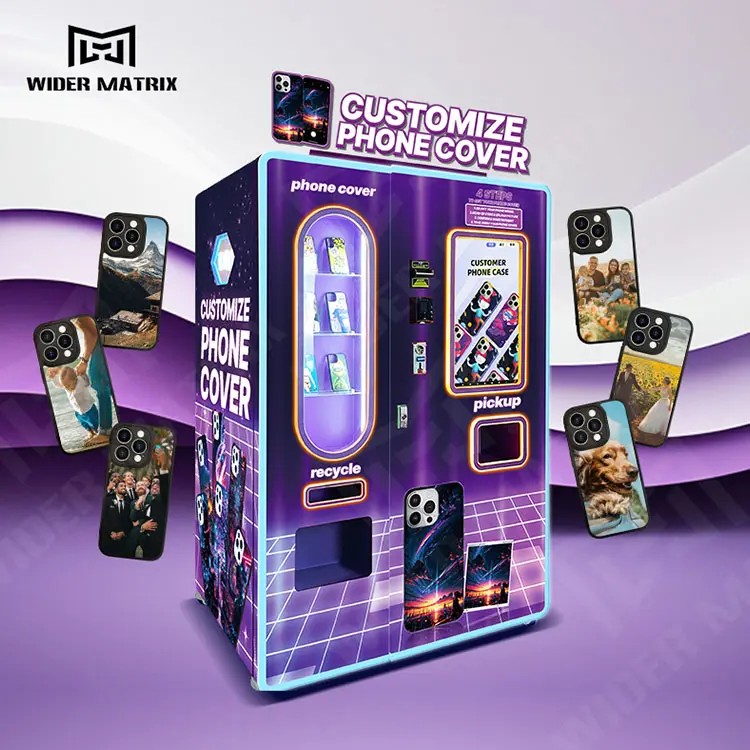
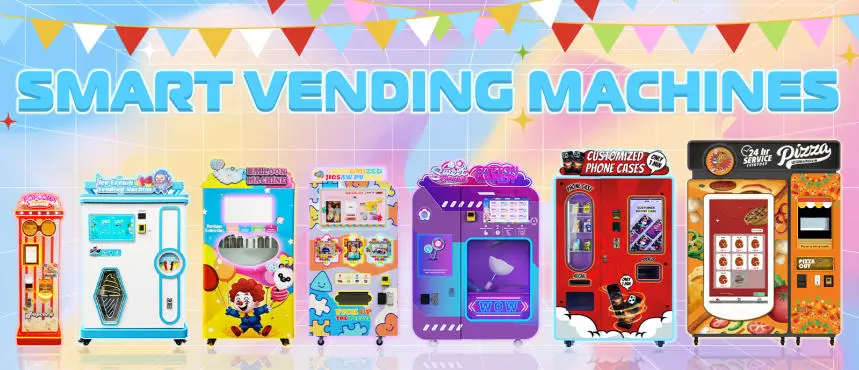
Personalization is a massive trend across consumer goods. Machines that offer customized products on-demand can command premium prices. The Cell Phone Case Vending Machine exemplifies this trend, allowing customers to create personalized phone protection within minutes. These machines typically generate higher profit margins than traditional vending due to the perceived value of customization.
Specialty Food and Beverage Machines
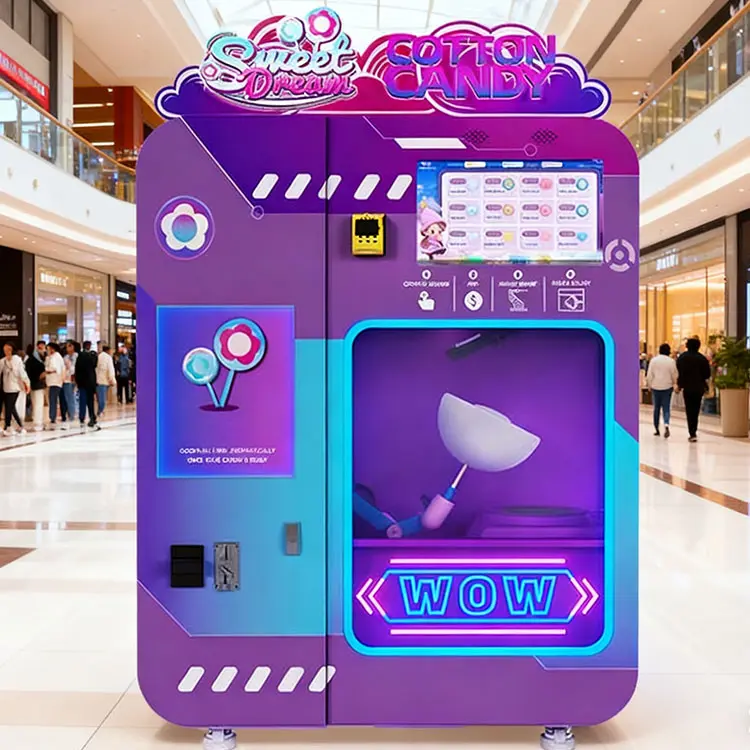
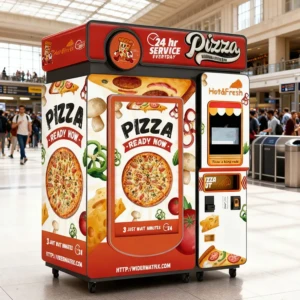
Freshly prepared food vending represents one of the fastest-growing segments. Advanced machines can now produce restaurant-quality items automatically. The Fully automatic cotton candy vending machine WM980 creates colorful, fresh cotton candy in 60-90 seconds, attracting customers of all ages in high-traffic locations. Similarly, pizza vending machines and freshly brewed coffee machines are gaining popularity in urban areas and campuses.
Financial Planning: Costs, Revenue, and ROI
Understanding the financial aspects is crucial for any vending business. Your investment will vary significantly based on machine type, location quality, and product selection.
Initial Investment Breakdown
| Expense Category | Low-End Estimate | High-End Estimate | Notes |
|---|---|---|---|
| Vending Machine(s) | $1,800 – $4,000 | $5,000 – $8,000 | Varies by machine type and features |
| Initial Inventory | $200 – $500 | $800 – $1,500 | Depends on product cost and machine capacity |
| Location Fees/Commissions | $0 – $100/month | $200 – $500/month | Prime locations often require commission |
| Business Licensing & Insurance | $100 – $300 | $500 – $1,000 | Varies by state and local regulations |
| Transportation Equipment | $0 (use personal vehicle) | $300 – $800 | For multiple machines or bulky products |
Vending Machine Pricing and Value Analysis
When selecting equipment, consider both initial cost and long-term reliability. For instance, the WM980 plus Smart Cotton Candy Vending Machine is available at a promotional price of US$4,999.00 (originally US$6,700), representing significant savings while offering advanced features like remote monitoring and multiple flavor options. Similarly, the WM880 Smart Phone Case Vending Machine is currently priced at US$6,000.00 (down from US$8,100), making it an accessible entry point into the high-margin customization market.
For entrepreneurs interested in frozen treats, the WM550 Refrigerated Ice Cream Vending Machine offers exceptional value at US$5,799.00 (reduced from US$7,700), featuring advanced cooling systems and temperature monitoring. These promotional prices make 2025 an ideal time to invest in vending equipment before potential price increases.
Finding and Securing Profitable Locations
Location is the single most important factor in vending success. The right location can make an average machine highly profitable, while a poor location will struggle regardless of product quality.
- High-Traffic Areas: Airports, shopping malls, hospitals, and universities
- Captive Audiences: Offices, factories, schools, and waiting areas
- Complementary Businesses: Movie theaters, arcades, sports venues
- Strategic Partnerships: Co-locate with businesses that attract your target customers
When approaching potential locations, emphasize the benefits to the property owner: added convenience for their customers/employees, potential revenue sharing, and no additional staffing requirements. Be prepared to offer 5-15% of gross sales as commission for premium locations.
Operational Considerations for 2025
Modern vending operations have evolved significantly from the traditional cash-only model. Today’s successful operators leverage technology and data to optimize their business.
Technology Integration
Modern vending machines should include:
- Cashless payment systems (credit/debit cards, mobile payments)
- Remote monitoring capabilities for inventory and performance
- Data analytics to track sales patterns and optimize product mix
- Telemetry systems for maintenance alerts and technical issues
Inventory Management
Effective inventory management balances several factors:
- Product turnover rates at each location
- Seasonal variations in demand
- Perishable product shelf life
- Optimal restocking schedules to minimize trips while avoiding stockouts
For consumables, buying in bulk can significantly reduce costs. For example, phone cases for vending machines are available at wholesale prices as low as US$1.30 each (compared to retail value of US$2.20), dramatically improving profit margins when purchased in quantity.
Scaling Your Vending Business
Once you’ve established a profitable single-machine operation, consider these expansion strategies:
- Geographic Diversification: Place machines in different areas to mitigate location-specific risks
- Product Diversification: Add complementary machine types to existing locations
- Route Acquisition: Purchase existing vending routes from retiring operators
- Franchising: Develop a replicable business model for others to operate
Companies like Wider Matrix support scaling efforts with comprehensive solutions including vending machines for various applications, technical support, and supply chain management for consumables.
Frequently Asked Questions
How much can I realistically make from a single vending machine?
Earnings vary dramatically based on location, product, and pricing. A well-placed traditional snack machine might generate $50-150 weekly profit, while specialized machines in premium locations can exceed $300-500 weekly. High-margin specialty machines like cotton candy or phone case vendors often achieve higher per-unit profits.
How many vending machines do I need for a full-time income?
Most operators need 5-10 well-placed machines to replace a full-time income. However, this depends entirely on each machine’s profitability. A single high-performing machine in an exceptional location might generate substantial income, while multiple average-performing machines would be needed otherwise.
What are the biggest challenges in the vending business?
Key challenges include securing prime locations (which often require commission payments), machine maintenance and repairs, inventory management, and dealing with theft or vandalism. Modern machines with remote monitoring can mitigate many of these issues.
Is vending still profitable with rising inflation?
Yes, vending can be surprisingly resilient to inflation. Operators can adjust prices relatively easily compared to traditional retail, and vended products often represent small-ticket impulse purchases that consumers continue to make even during economic uncertainty.
What technical skills do I need for vending machine operation?
Basic technical aptitude is helpful but not essential. Modern machines are increasingly user-friendly, and most suppliers offer training and support. Companies like Wider Matrix provide comprehensive technical support and contact options for their equipment.
How do Wider Matrix vending machines compare to competitors?
Wider Matrix specializes in innovative vending solutions with advanced features like IoT connectivity, remote management, and high-quality construction. Their machines are certified to international standards and have been deployed in over 130 countries, demonstrating global reliability. The company focuses on both hardware excellence and ongoing software updates to ensure long-term performance.
What payment systems should modern vending machines accept?
In 2025, cashless payments are essential. Machines should accept credit/debit cards, mobile payments (Apple Pay, Google Pay), and potentially contactless options. Some locations may still benefit from cash acceptance, but cashless transactions typically represent 70-80% of vending sales today.
How often do I need to service my vending machines?
Service frequency depends on machine type and usage. Traditional snack machines might need servicing every 2-4 weeks for restocking, while specialized food machines may require more frequent attention. Modern machines with remote monitoring can alert you to issues before they become problems.
Related Topics
- How Much Can You Make with a Cotton Candy Machine? A 2025 Profit Guide
- Is a Cotton Candy Machine a Good Investment? A 2025 Profitability Guide
- Phone Case Machine Maker: The Ultimate Guide to Manufacturing & Customization Equipment
- Latest Upgrade!
- Wider Matrix vending machines
Conclusion
Starting a vending machine business in 2025 represents a unique opportunity to build a scalable, technology-driven enterprise with relatively low entry barriers. The key to success lies in selecting the right niche, securing premium locations, leveraging modern technology, and providing products that meet evolving consumer demands. While traditional snack and beverage vending remains viable, innovative categories like customization machines and specialty foods offer higher margins and less competition.
Companies like Wider Matrix have democratized access to advanced vending technology, making professional-grade equipment accessible to entrepreneurs at competitive price points. With proper planning, strategic location selection, and attention to operational details, a vending business can generate substantial passive income and serve as a platform for significant expansion. The vending industry continues to evolve, and 2025 may be the perfect time to position yourself at the forefront of this transformation.




Comments
No comments yet. Be the first to comment!