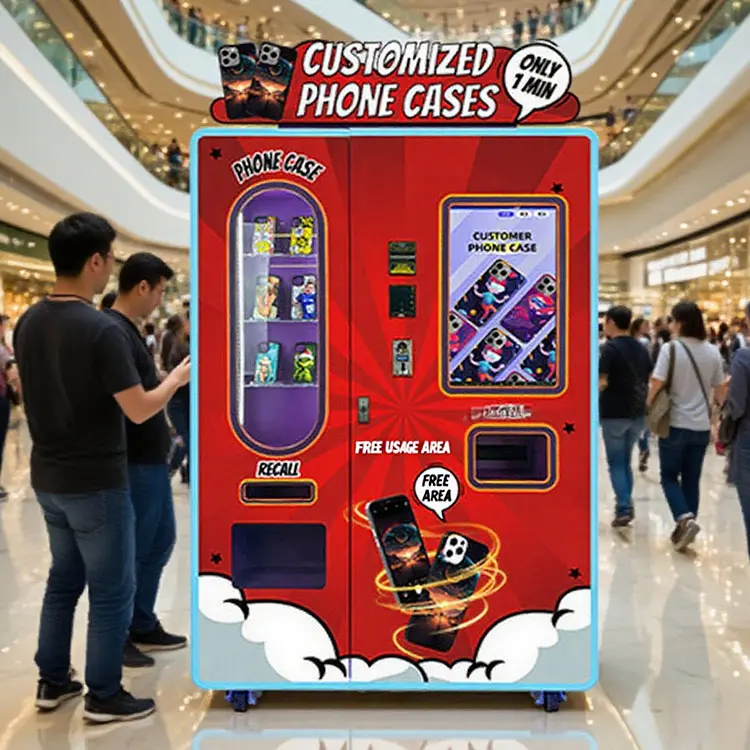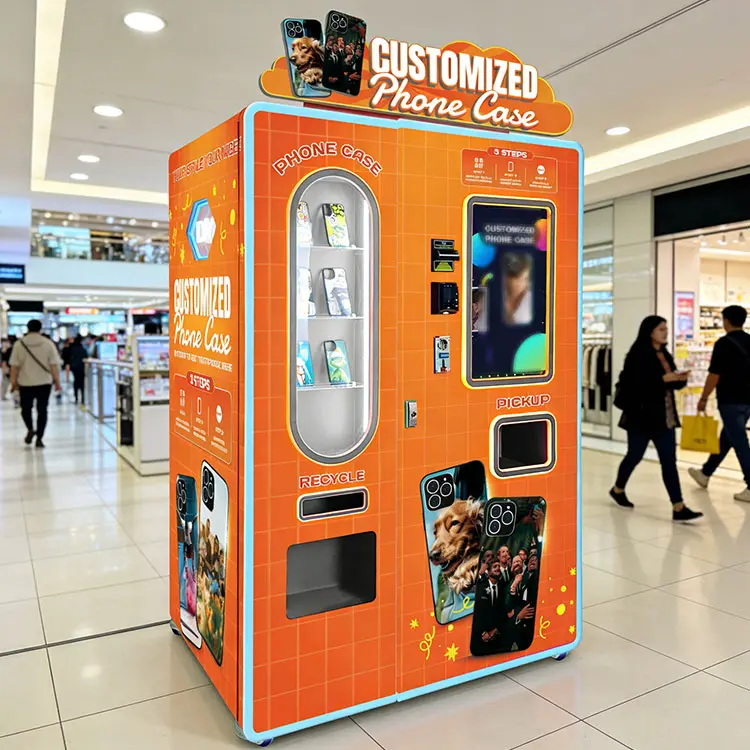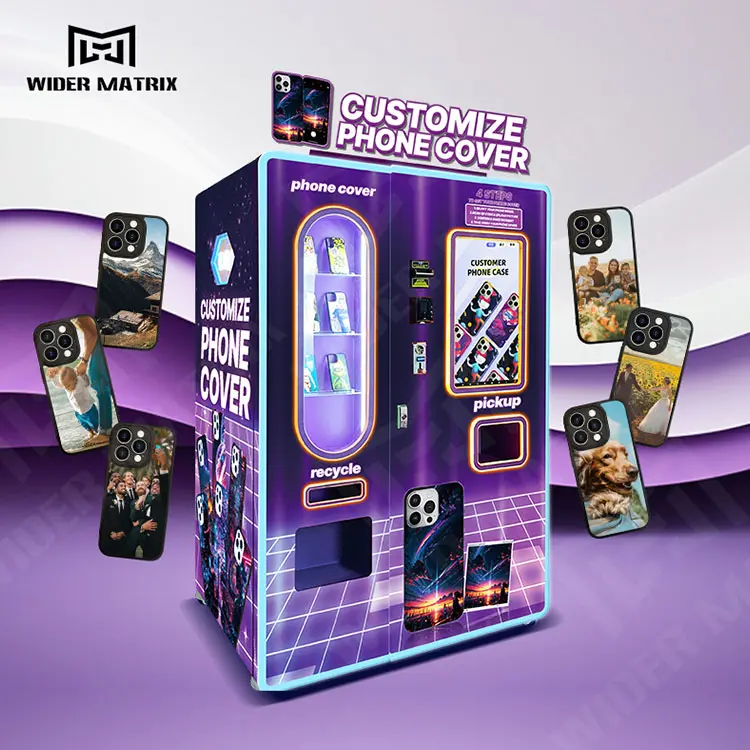



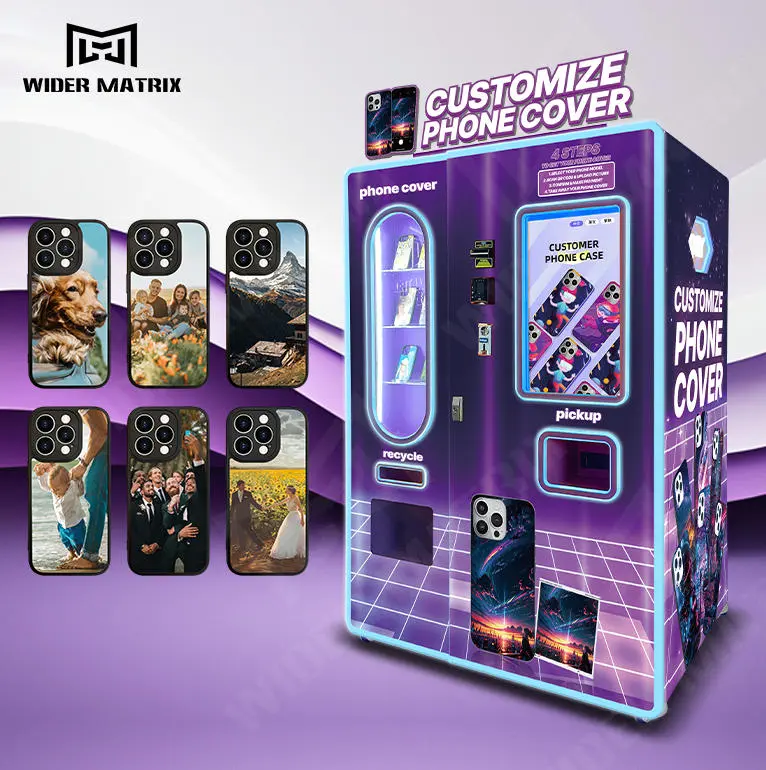
Phone Case Vending Machine Success Stories – Real Profit Case Studies 2026
Service Support
- Support for small batch customization
- Fast delivery worldwide
- 12-month warranty service
- Online technical support
“My phone case vending machine nets $1,200 a month in pure profit. It paid for itself in under 14 weeks.” This isn’t a hypothetical claim from a sales brochure; it’s the real-world result from Sarah, an operator in a Midwest shopping mall. If you’re searching for “phone case vending machine success stories,” you’re likely an aspiring entrepreneur looking past the hype for tangible proof. You want to know if this business model truly works, what the real numbers look like, and the unvarnished challenges behind the success. This article delivers exactly that: a deep dive into verified case studies, longitudinal financial data, and the common threads that separate profitable operators from those who struggle. We move beyond generic guides to provide the documented reality you need to make an informed decision.
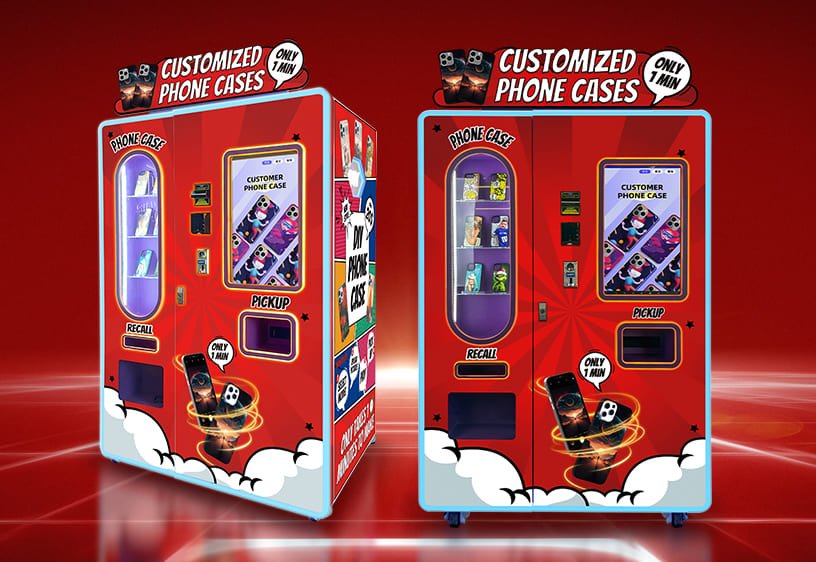
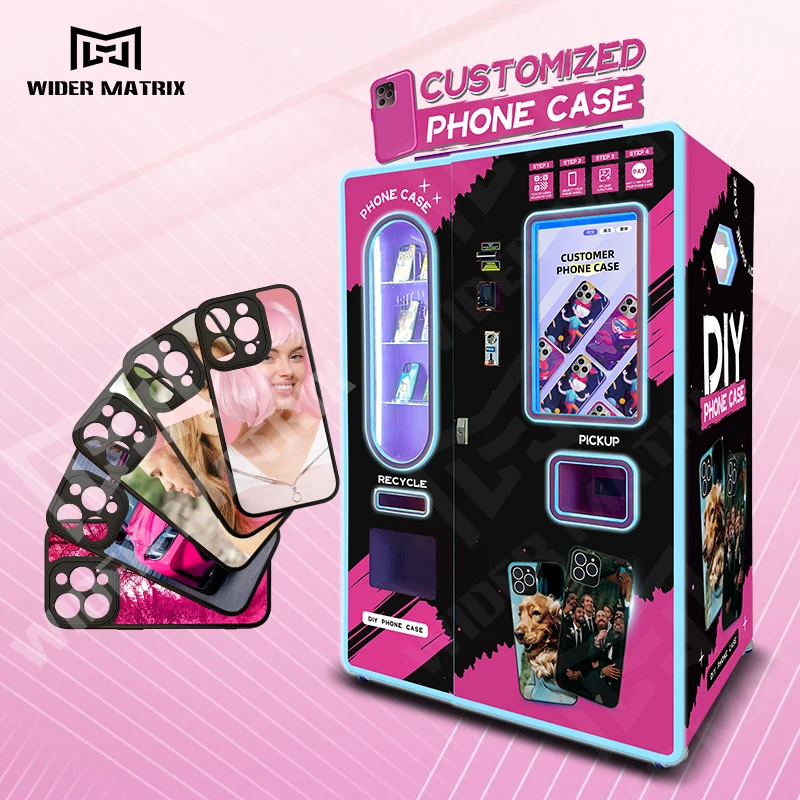
Let’s start with a comprehensive profile. We interviewed “Mike,” who operates a Wider Matrix WM880 Smart Phone Case Vending Machine in a high-traffic California airport terminal. His story is a masterclass in unit economics and operational refinement.
The Location & Rationale: Mike targeted an airport for its captive audience, high disposable income, and constant foot traffic. His machine is positioned post-security near charging stations and flight information screens—a spot where travelers have time, need phone accessories, and seek souvenirs. This strategic placement, a key factor in airport vending success, was non-negotiable.
Startup Costs & Setup: His initial investment was transparent:
- Machine Cost: $6,499 (WM880 model)
- Shipping & Installation: $850
- Initial Inventory (500 cases): $650
- Location Agreement/Commission: $200/month
- Total Startup Capital: ~$8,200
The Month-by-Month Revenue Journey: Mike shared his anonymized P&L spreadsheet. The first month was slow ($450 revenue) as he optimized the on-screen prompts. By month three, with better graphics and a “Create Your Souvenir” marketing angle, revenue hit $2,800. Seasonality was clear: summer and holiday months spiked to $3,500+, while January dipped to $2,200.
Net Profit Analysis: After 12 months, here’s the breakdown:
- Total Gross Revenue: $34,200
- Cost of Goods Sold (Cases & Ink): $4,500
- Location Commission: $2,400
- Machine Payment Processing Fees: ~$1,200
- Net Profit (Before Machine Cost): $26,100
- Months to Full ROI: 2-3.8 months
Mike’s key insight: “The machine is just a tool. Your profit is dictated by your location’s psychology and your ability to market an experience, not just a product.”
A Spectrum of Success: Different Models, Same Principles
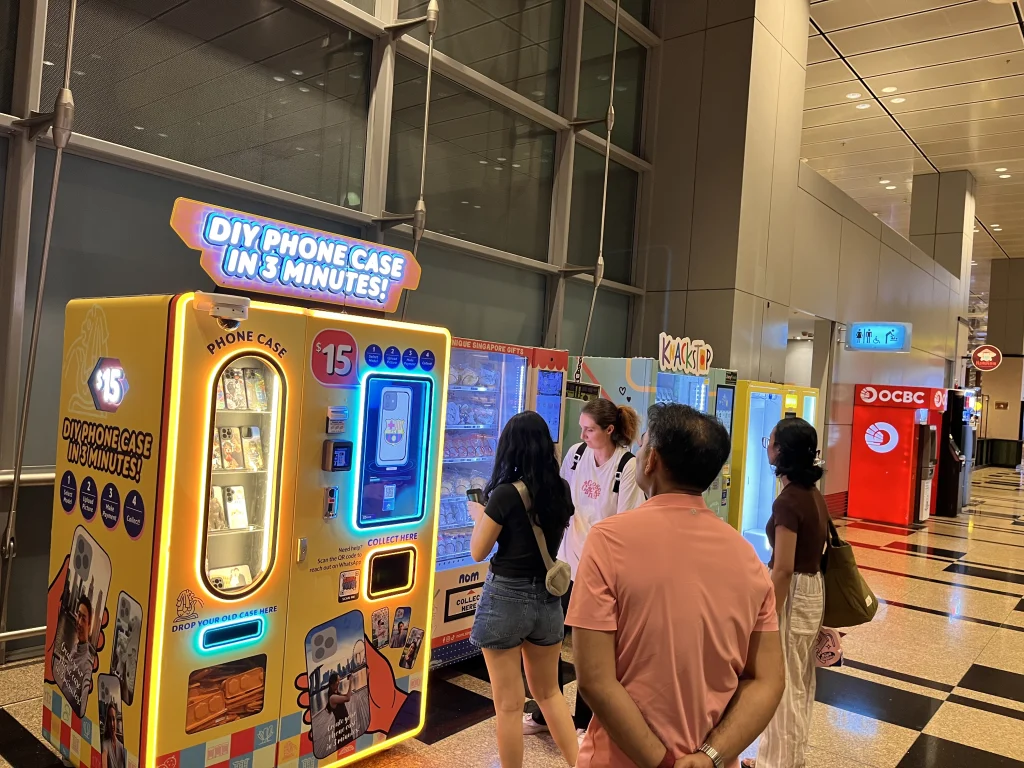
Success isn’t a monolith. Here are condensed profiles of other profitable models.
The University Library Kiosk: Jenna placed a machine in a large university library. Her success hinged on customization for students—uploading club logos, graduation year designs, and meme templates. She runs promotions during finals week and orientation. Her average is 2-3 sales per hour during peak library hours, with a strong campus vending strategy focused on social sharing.
The Salon/Barbershop Partnership: David didn’t pay for a mall spot. Instead, he partnered with a trendy salon, offering the owner 15% of revenue for floor space. Clients waiting for appointments browse designs and create personalized cases. It’s a perfect demographic match—people investing in their appearance, often with 20-45 minutes of idle time. His machine costs were lower, and his partnership eliminated fixed location fees, creating a highly efficient model.
The Mall Pop-Up Innovator: Lisa doesn’t have a permanent location. She rents short-term kiosk space in different malls during peak seasons (Back-to-School, Christmas). She uses a portable, sleek machine and markets heavily on social media to drive traffic to her “limited-time customization studio.” This model requires more hustle but offers higher margins and avoids long-term lease commitments.
The Common Threads: What Every Profitable Operator Does
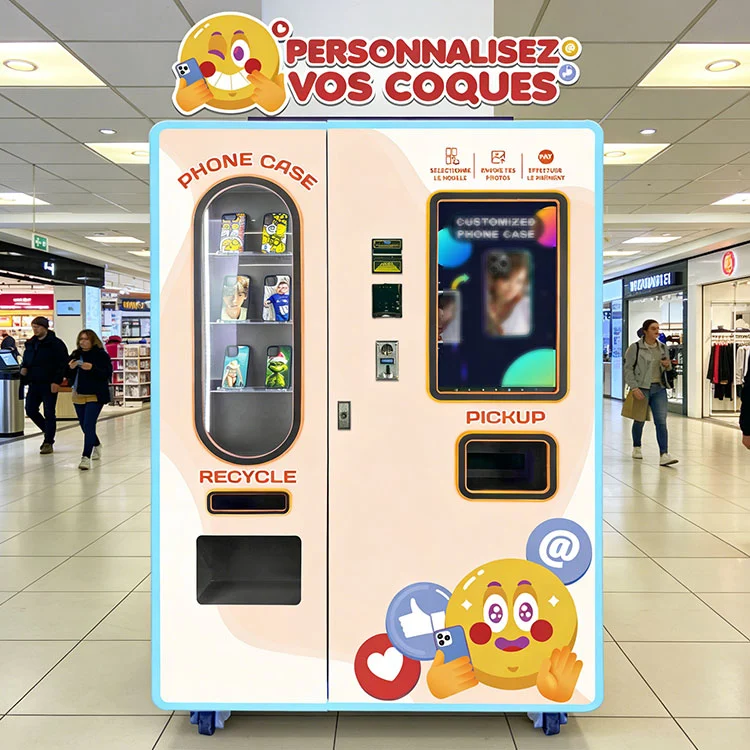
Analyzing these and other stories reveals non-negotiable patterns for success.
Location Selection is a Science, Not a Guess: Every successful story emphasized location analytics. They looked at:
- Dwell Time: Airports, salons, and libraries win because people are waiting.
- Demographic Intent: Malls and campuses have users seeking self-expression.
- Impulse Purchase Potential: High foot traffic near food courts or entertainment zones.
Marketing Tactics That Actually Work: The machines don’t sell themselves. Successful operators use:
- Social Proof: Displaying a live feed of recently created designs on the machine’s screen.
- UGC Campaigns: Creating a unique hashtag and offering a discount for customers who post their new case.
- Strategic Partnerships: Like David’s salon deal, or partnering with a phone repair stall in a mall.
Operational Efficiency Tips: The “easy” business has details. Top performers:
- Schedule Refills Proactively: They track best-selling phone models and refill accordingly, never running out of iPhone or Samsung Galaxy cases.
- Leverage Remote Monitoring: Using the machine’s IoT system to get real-time alerts for paper jams, low ink, or payment errors, often resolving issues before losing a sale.
- Optimize the Menu: They regularly update the design templates based on seasonal trends and local events (e.g., adding local sports team logos).
Realistic Expectations: The Pitfalls and How to Avoid Them
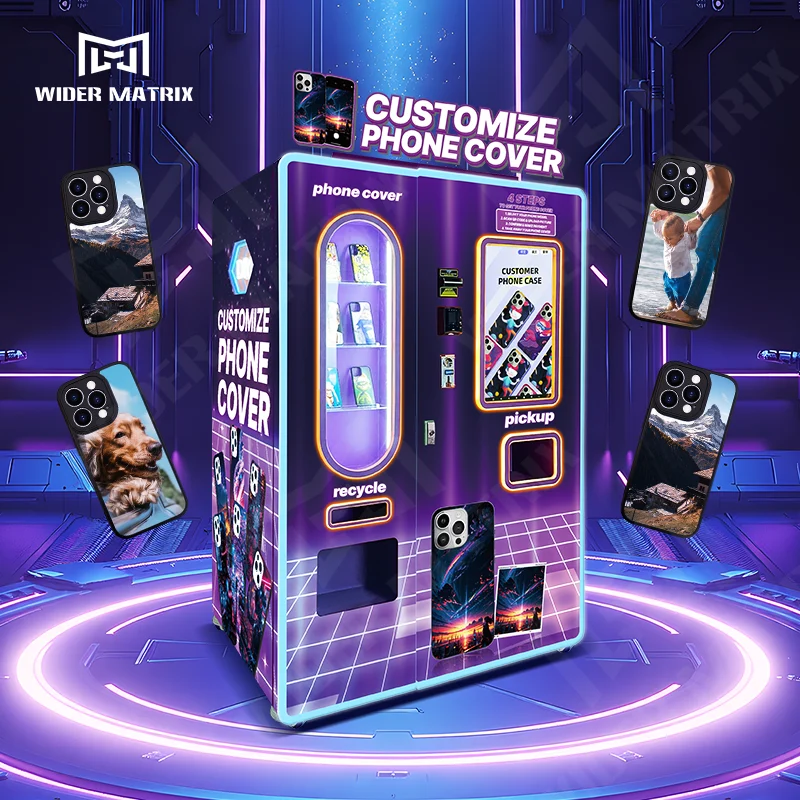
For every success, there’s a story of a machine gathering dust. The main pitfalls are predictable and avoidable.
The “Set It and Forget It” Fallacy: This is the #1 reason for failure. A vending machine is an active retail business. It requires marketing, inventory management, and customer engagement. One operator learned this after placing a machine in a low-traffic corridor of an office building without any promotion; it took 6 months to recoup the first month’s location fee.
Underestimating the “Kiosk Fee” Negotiation: Prime locations cost money. Unsuccessful operators often choose cheap, invisible spots. Successful ones budget for and negotiate fair kiosk or commission fees (typically 10-20% of sales) as a cost of accessing high-quality traffic. Understanding mall profitability dynamics is crucial here.
Ignoring Technical Readiness: A machine that frequently jams or goes offline kills trust. The successful operators we spoke with emphasized choosing reliable equipment with strong support. They valued features like the WM880’s “AI Operating Assistant” for consumable alerts and chose suppliers offering robust warranties—like the industry-standard 1-year warranty and lifetime technical support—to minimize downtime.
The Proven Path: Your Blueprint for Success
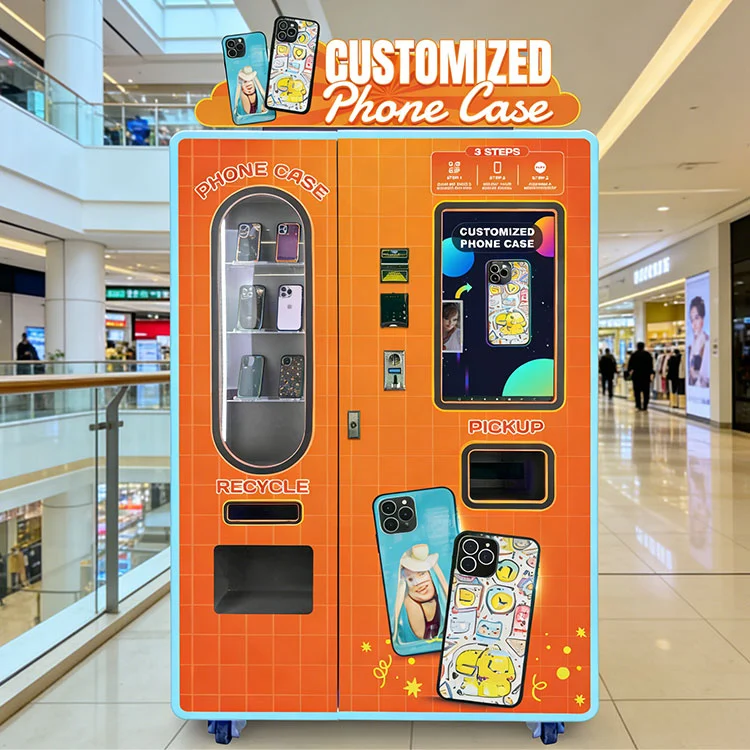
The success stories are united by a clear process: Research → Strategic Investment → Active Management. First, validate your location with real foot traffic counts and dwell time analysis. Second, invest in reliable technology from a proven manufacturer; consider that leading suppliers like Wider Matrix have over 8 years of industry experience and have deployed 3,000+ machines globally. Third, treat it as a marketing-centric business, not passive income. Use the machine’s data analytics to refine your offering constantly.
The financial model is compelling. With a quality machine producing cases for $1.30-$2.35 and selling them for $15-$30, the gross margins are substantial. When paired with a strategic location yielding 30-50 sales daily, the path to recovering a ~$6,500 machine investment in a matter of weeks, as seen in our case studies, is well-documented.
Your Next Step: From Research to Reality
You’ve moved beyond theory and seen the real numbers, challenges, and strategies that define success in this business. The difference between a story of profit and a story of frustration comes down to informed preparation and decisive action.
If this deep dive has confirmed your interest, the logical next step is to personalize the data. We encourage you to move from general research to specific planning. Request a customized ROI projection based on your target location and demographic. Our team can provide a detailed breakdown of potential costs, revenue scenarios, and location assessment criteria based on 8+ years of industry data from 130+ countries.
Alternatively, if you’re focused on the technical and operational side, access our free deployment checklist and case study library. This resource compiles the exact planning documents, site survey forms, and operational playbooks used by the successful operators profiled in this article. It’s designed to help you systematically avoid common pitfalls and emulate proven strategies.
To receive either of these tailored resources, or to schedule a brief consultation to discuss your specific market, please reach out. Let’s transform these success stories into your own.

Specifications
| Model | WM880 |
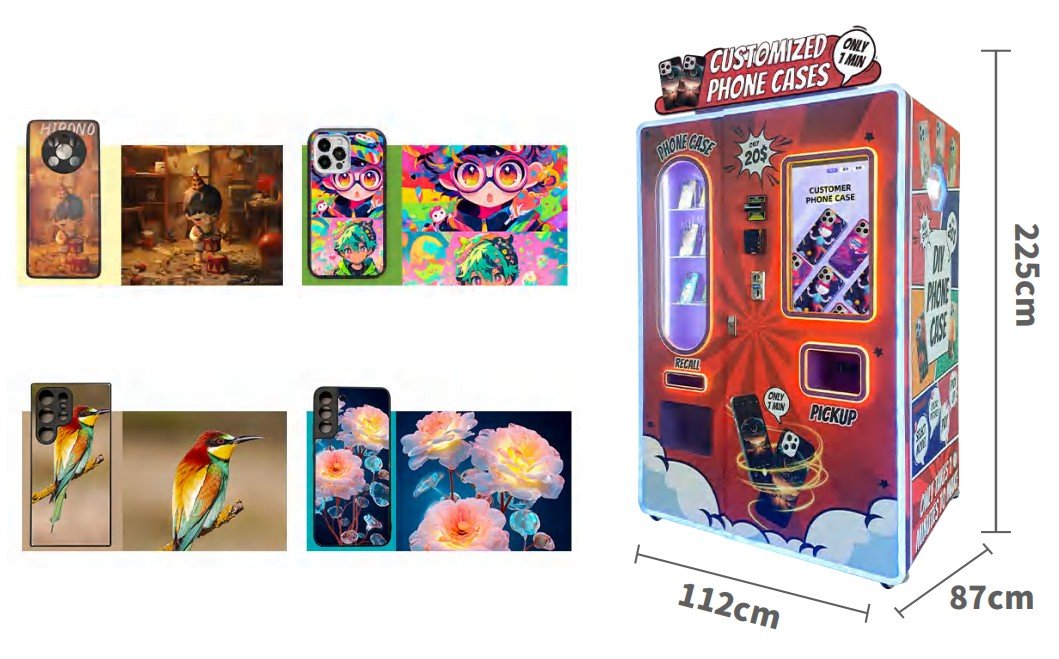
| Device Dimensions | 128cm*87cm*230cm |
| Device Weight | 220KG |
| Power | 220W |
| Voltage | 220V/110V (Optional) |
| Payment Methods Supported | Coin/Cash/Credit Card/NFC/WeChat/Alipay |
| Printing Technology | 6-color UV printing |
| Printing Resolution | 1440DPI |
| Printing Speed | 2-3 minutes/piece |
| Supported Phone Models | 96 mainstream models |
| Phone Case Storage Capacity | 300-500 pieces |
| Display Screen | 27-inch touch display, supports video ad rotation |
| Remote Management | Supports cloud monitoring and management |
Product Certificates
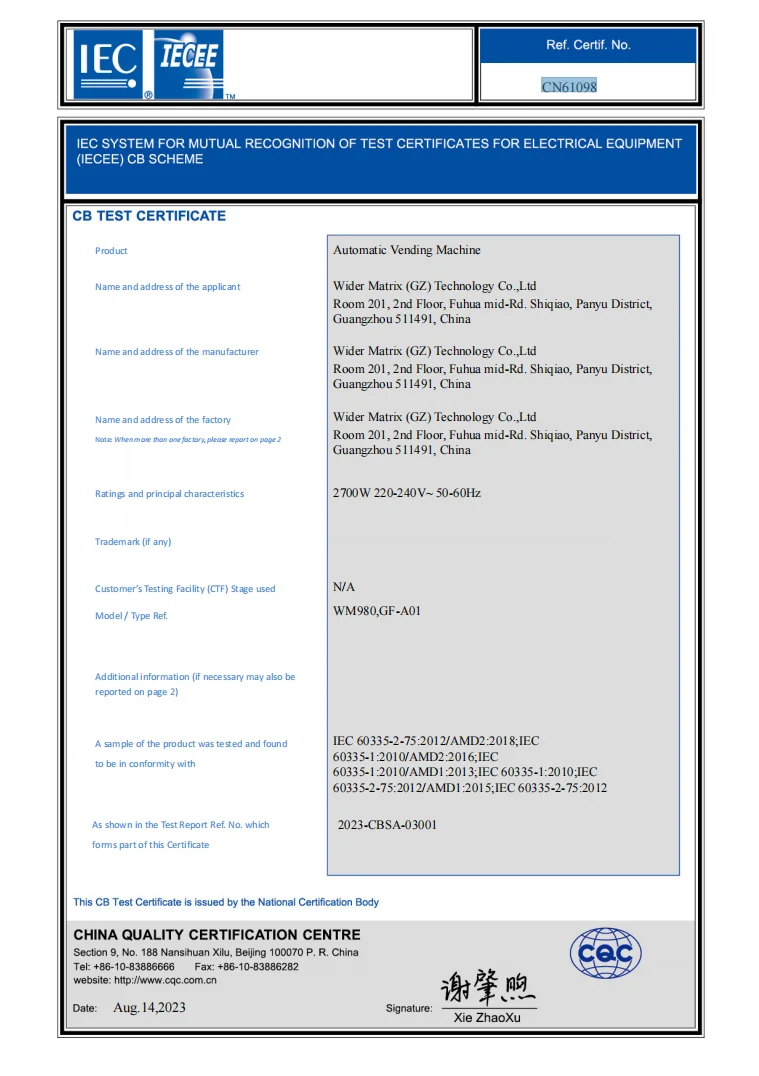
CB
CN61098
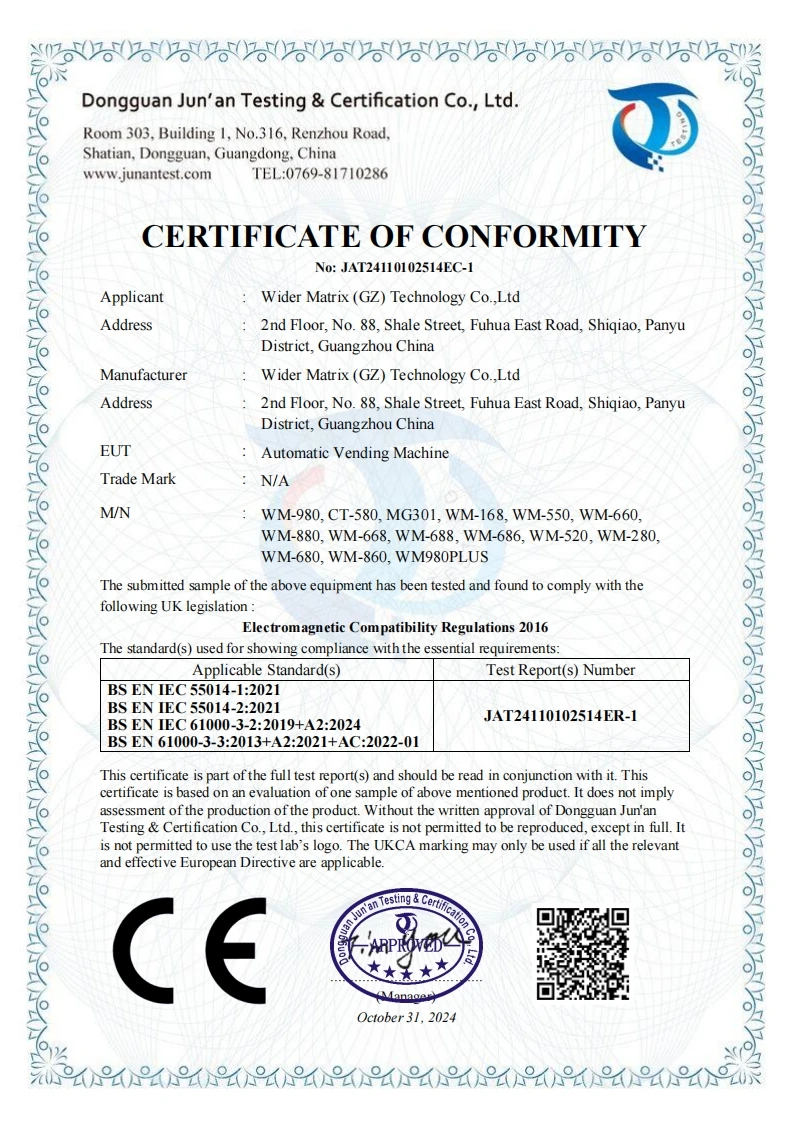
UKCA
JAT24110102514136
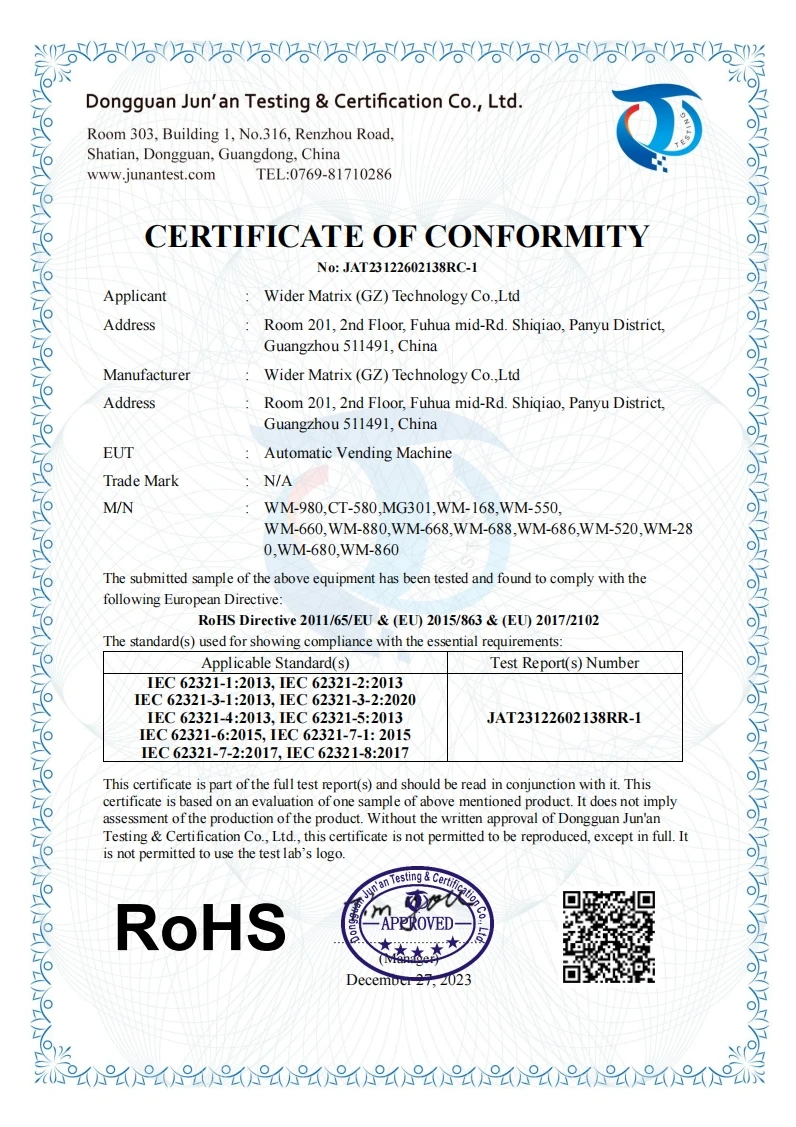
RoHS
JAT23122602137123
Company Introduction
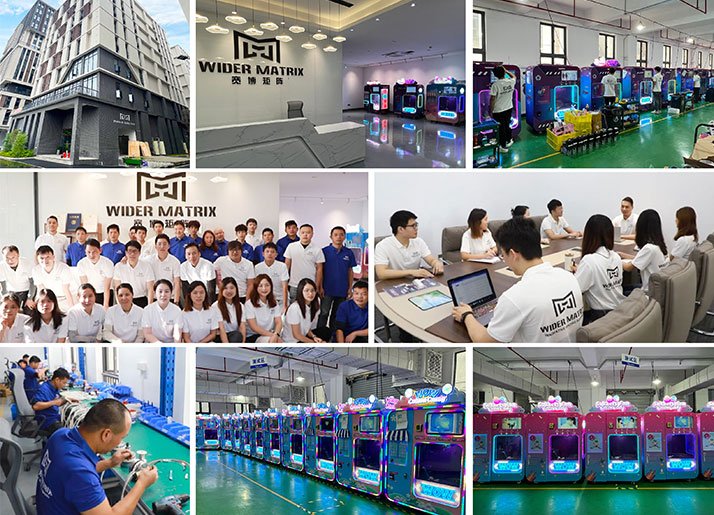
Wider Matrix (Guangzhou) Technology Co., Ltd. is a scientific and technological enterprise that attaches importance to R&D and user experience, We started to research and develop vending machines in 2016, and achieved a leading position in the field of unattended vending machines.
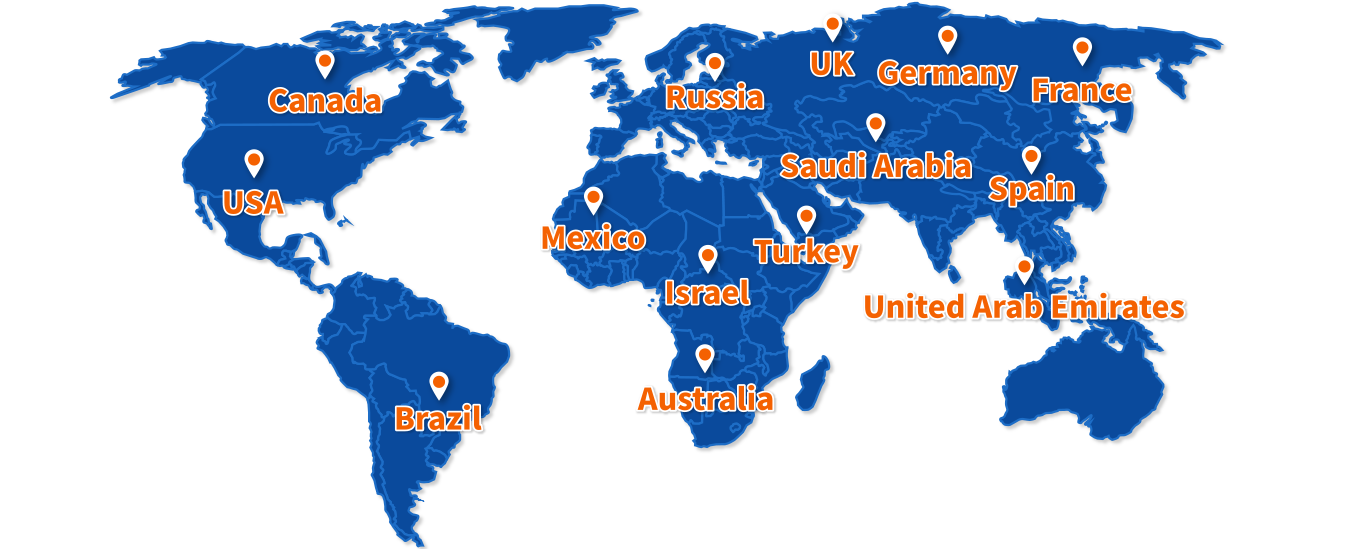
In 2019, we manufactured the first automatic cotton candy vending machine. After testing in domestic market, refining our product for years, fixing the issues you might run into while operating, the performance of our machines are stable enough and reach the standard for export finally. Till now, our machine has been exported to more than 130 countries such as the United States,Canada,Europe, Southeast Asia, Australia and Israel.
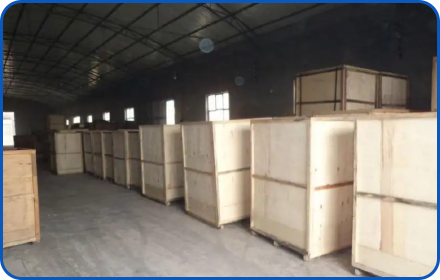
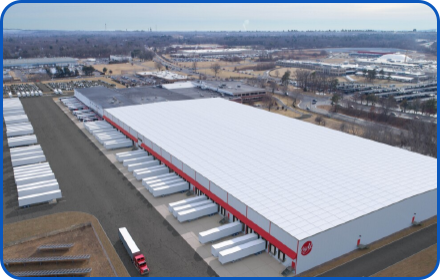
We set up overseas warehouses in the United States, Canada, Britain and Israel to provide customers with consumables and accessories support. All machines support remote control, which has the advantages of easy operation, convenient maintenance and high operating efficiency. After our cotton candy vending machines are delivered and put into use, they can bring you considerable benefits.
Every customer's success and satisfaction are the driving force for us to pursue innovation and climb the peak forever. In the future, we will uphold the business philosophy of customer first and quality first, and constantly create more good products for the market. Join us now and start your intelligent and innovative vending machine business!
Exclusive Services
Overseas Support Service
Local transfer warehouse support, ensuring your operational stability.
Custom Design
We offer machine appearance customization, branding, and large-scale custom packaging services.
Initial Tools & Spare Parts Kit
Machine comes with complementary tools and spare parts kit, including initial consumables package for early operations.
Functional Customization & Software Optimization
Custom functionality based on client needs, including hardware and software optimization updates.
Lifetime Technical Support & Updates
We provide lifetime technical support and software update services for all customers.
Frequently Asked Questions
Q: How much profit can I really make with a phone case vending machine?
A: Profit is highly location-dependent. Based on the case studies above and broader industry data from thousands of deployments, successful operators in prime locations (airports, top-tier malls) report net profits of $800-$2,000+ per month per machine. A typical scenario involves selling 30-50 cases daily at a $15+ price point, with a unit cost of around $1.35, leading to strong margins that can see the machine pay for itself in a few months.
Q: What are the biggest hidden costs?
A: Beyond the machine price, budget for: location commission/kiosk rent (10-25% of sales), credit card processing fees (2-4%), ongoing consumables (case blanks, ink cartridges), potential maintenance, and marketing/promotional costs to drive initial traffic. A comprehensive cost and ROI guide can help you model this accurately.Q: How do I find and secure a good location?
A: Start by identifying venues with high dwell time (waiting areas). Then, contact the property management or leasing office. Prepare a professional proposal highlighting how your machine enhances customer experience, generates foot traffic, and includes a revenue-sharing offer. Be persistent and be ready to negotiate terms.Q: Are these machines reliable? What happens if it breaks?
A: Reliability varies by manufacturer. Investing in a machine from a company with a proven track record is critical. Look for robust technical specifications, remote diagnostic capabilities, and clear warranty terms. For instance, standard offerings in the industry include a 1-year warranty and lifetime technical support, with replacement parts shipped promptly to minimize downtime.Q: How quickly can I get a return on my investment (ROI)?
A: As the case studies show, a well-executed deployment in a strong location can achieve ROI in 14-20 weeks. Slower locations may take 6-9 months. Your speed to ROI depends entirely on your average daily sales volume, which is a direct function of location quality and your marketing efforts. Using an ROI calculator with realistic inputs is essential.Q: What phone models should I stock?
A: Focus on the latest and most popular iPhone and Samsung Galaxy models, as they represent the vast majority of the market. Use your machine's sales data (or industry reports) to track best-sellers and adjust your inventory mix every 1-2 months. Most machines hold 40+ model options.Q: Is the market for custom phone cases already saturated?
A: The market for generic cases is saturated. The opportunity lies in on-demand, personalized cases. The vending model offers a unique, experiential purchase that online retailers or pre-printed store shelves cannot match. It taps into the consumer desire for instant, unique customization.User Reviews
Widermatrix has been so great to work with especially Taylor. Taylor sends pictures and testimonials and data to help the decision process. Once decided the process is smooth and Taylor sends updates with pictures and videos of YOUR phone case vending machine along the way. Once it arrived the 24 hr tech support was patient with me as we worked hard to get it all dialed in. The claims are real, this automated phone case dispenser is half paid back on my initial invest just after 2 months! Kids and adults love these protective case kiosks.
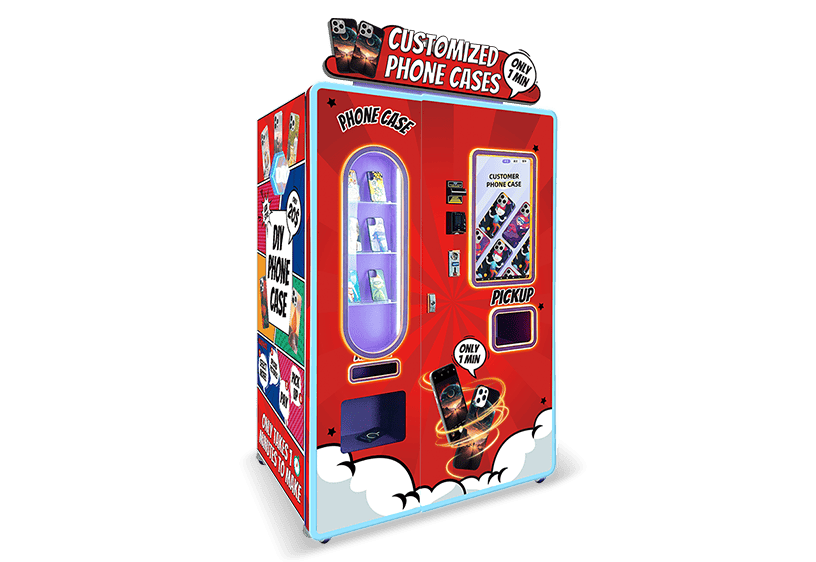
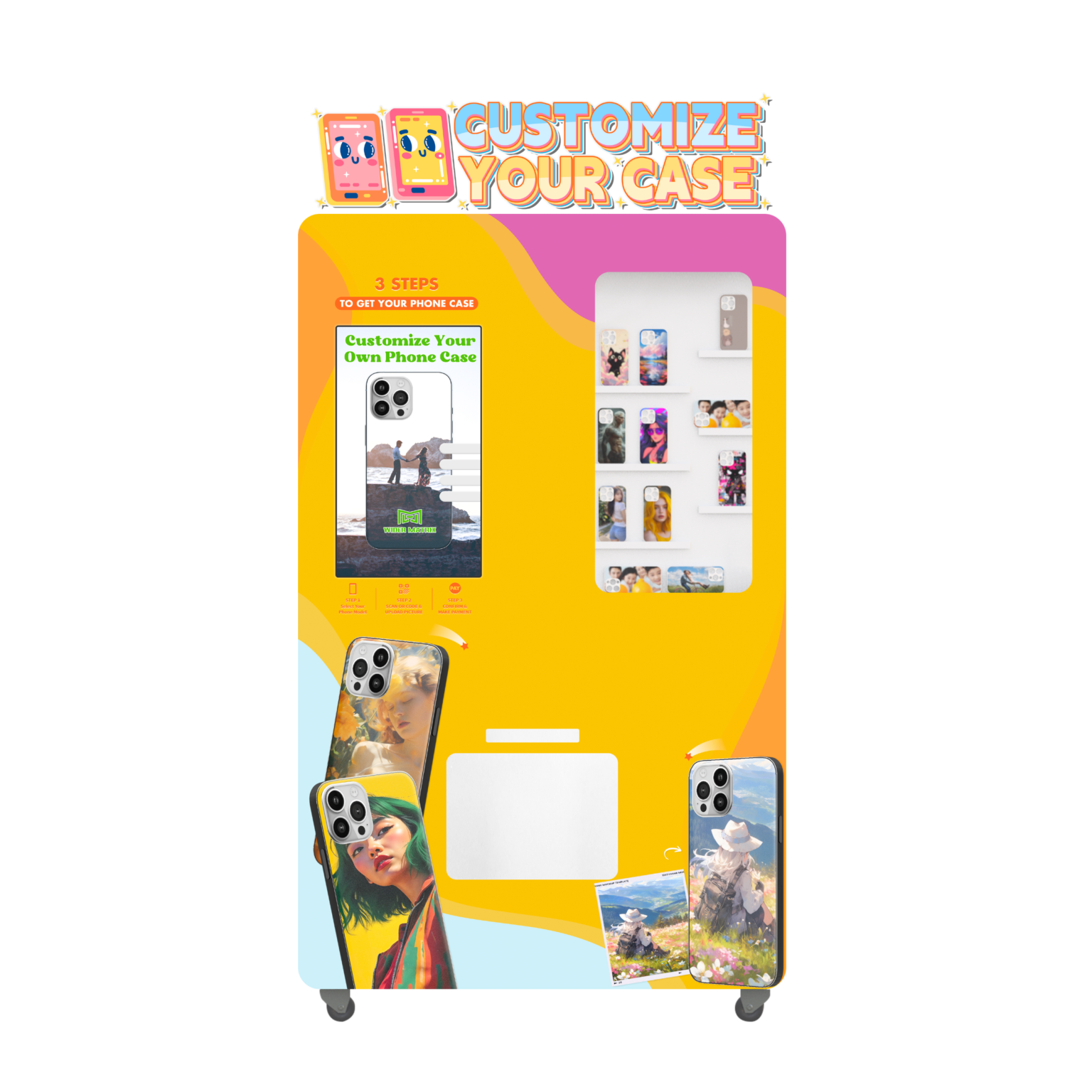
I bought two phone case vending machines, and they have been in operation for over three months and are very stable. The smartphone accessory kiosks have excellent reliability and require minimal maintenance.
This is my first time running a phone case vending machine business and it looks great. The automatic mobile accessory dispenser attracts many customers in my shopping mall location.