



Are soda (or “pop”) machines profitable? The short answer is yes, but the real question is how profitable and what determines success. As a business venture, traditional soda vending can be a steady source of income, but its profitability is highly dependent on location, operational costs, and modern consumer trends. In 2026, the landscape has evolved; while classic machines still generate cash flow, the highest profit margins are increasingly found in smart, specialized vending that offers unique products like freshly made cotton candy, custom phone cases, or gourmet ice cream. This guide will break down the real numbers, from the average $200-$500 monthly profit of a well-placed soda machine to the 93.8%-97% margins possible with next-generation equipment, giving you a data-driven framework to evaluate this business opportunity.
A traditional soda vending machine in a good location can be profitable, typically generating between $200 and $500 in monthly net profit. However, this requires careful management of upfront costs, product margins, and location fees. The return on investment (ROI) for a basic machine can take 12-24 months. For entrepreneurs seeking faster returns and higher margins, the modern vending industry has shifted toward high-margin, specialized smart machines. These units, which produce goods on-demand, often see ROI periods measured in weeks or a few months due to significantly lower per-unit costs and premium retail pricing.
Breaking Down the Numbers: Soda Machine Profit Potentials
Profitability isn’t a single number; it’s a range defined by traffic. Let’s look at three common scenarios for a standard soda machine selling cans at $2.00 each, with a product cost of $0.75 per can.
| Location Type | Estimated Daily Sales | Gross Monthly Revenue | Monthly Net Profit | Key Characteristics |
|---|---|---|---|---|
| Low-Traffic (Small Office, Warehouse) | 5-10 cans | $300 – $600 | $75 – $150 | Stable but limited customer base; low or no location commission. |
| Medium-Traffic (Gym, Laundromat, Community Center) | 15-25 cans | $900 – $1,500 | $225 – $375 | Good foot traffic; may involve 10-15% commission to location owner. |
| High-Traffic (Transport Hub, Large Factory, University) | 30-50+ cans | $1,800 – $3,000+ | $450 – $750+ | Very competitive placement; often requires 20-25% commission and higher upfront cost. |
Net Profit estimate accounts for product cost and a 15% average location commission. It does not include initial machine cost, maintenance, or other hidden fees discussed below.
This table reveals the core challenge: soda has a relatively low profit margin (often 50-60% before expenses). To increase profitability, operators must either achieve very high volume or reduce the cost of goods sold (COGS). This is where innovative vending models create a major advantage. For a deeper dive into overall industry profitability, see our comprehensive analysis in Are Vending Machines Profitable? The Ultimate 2026 Business Guide.
The Real Cost of a Pop Machine Business
Many profitability analyses fail due to hidden costs. A complete financial picture includes both initial investment and ongoing operational expenses.
Machine Cost & Investment
A refurbished traditional soda machine can cost $1,500-$3,000. A new, basic model starts around $3,500-$5,000. Smart machines with advanced features (cashless payments, telemetry) are more expensive upfront but can justify the cost through higher sales and operational efficiency. For example, a state-of-the-art cotton candy machine has an official price of US$4,999 (MSRP US$6,700), representing a significant but targeted investment for a specific high-margin niche.
Product & Restocking Costs
This is your largest recurring expense. For soda, COGS is typically 35-40% of your retail price. Restocking involves fuel, time, and labor. Efficient route planning is crucial for profitability when managing multiple machines.
Location Commissions
This is the price of a prime spot. Commissions range from 0% in charitable or low-traffic locations to 25% or more in premier spots like airports or stadiums. This cost comes directly off your top-line revenue.
Hidden Fees & Maintenance
These are the silent profit killers:
- Permit & Licensing Fees: Vary by city and state. A general business license may cost $50-$100, while health department permits for food-adjacent items can be more.
- Insurance: General liability insurance is essential and can cost $500-$1,000 annually.
- Machine Maintenance & Repairs: Budget 5-10% of annual revenue for service calls, parts, and vandalism repair.
- Payment Processing Fees: Cashless systems are essential but charge 2-4% per transaction.
- Electricity: A refrigeration-based soda machine can add $20-$50 to the monthly utility bill of your host location, which they may ask you to cover.
The #1 Factor: How to Find a Profitable Location
Location is not just important; it’s everything. A mediocre machine in a fantastic location will outperform a fantastic machine in a poor location every time. Use this actionable methodology:
- Analyze Foot Traffic & Dwell Time: Seek places where people are waiting or have limited alternatives. Think laundromats, auto repair shops, hospital waiting areas, and apartment complex lobbies. High foot traffic with short dwell time (e.g., subway platforms) is less ideal than moderate traffic with longer dwell time (e.g., bowling alleys).
- Understand Your Customer Avatar: A soda machine in a gym targets people seeking hydration, possibly with sports drinks. The same machine in a factory break room targets workers seeking a caffeine or sugar fix during a short break. Tailor your product mix to the avatar.
- Secure the Agreement Professionally: Approach the location owner with a proposal. Highlight the convenience for their customers/staff and present the commission as “found money” for them. Start with a trial period (e.g., 90 days) to prove the concept. Always get a simple contract in writing detailing commission, responsibilities, and lease terms.
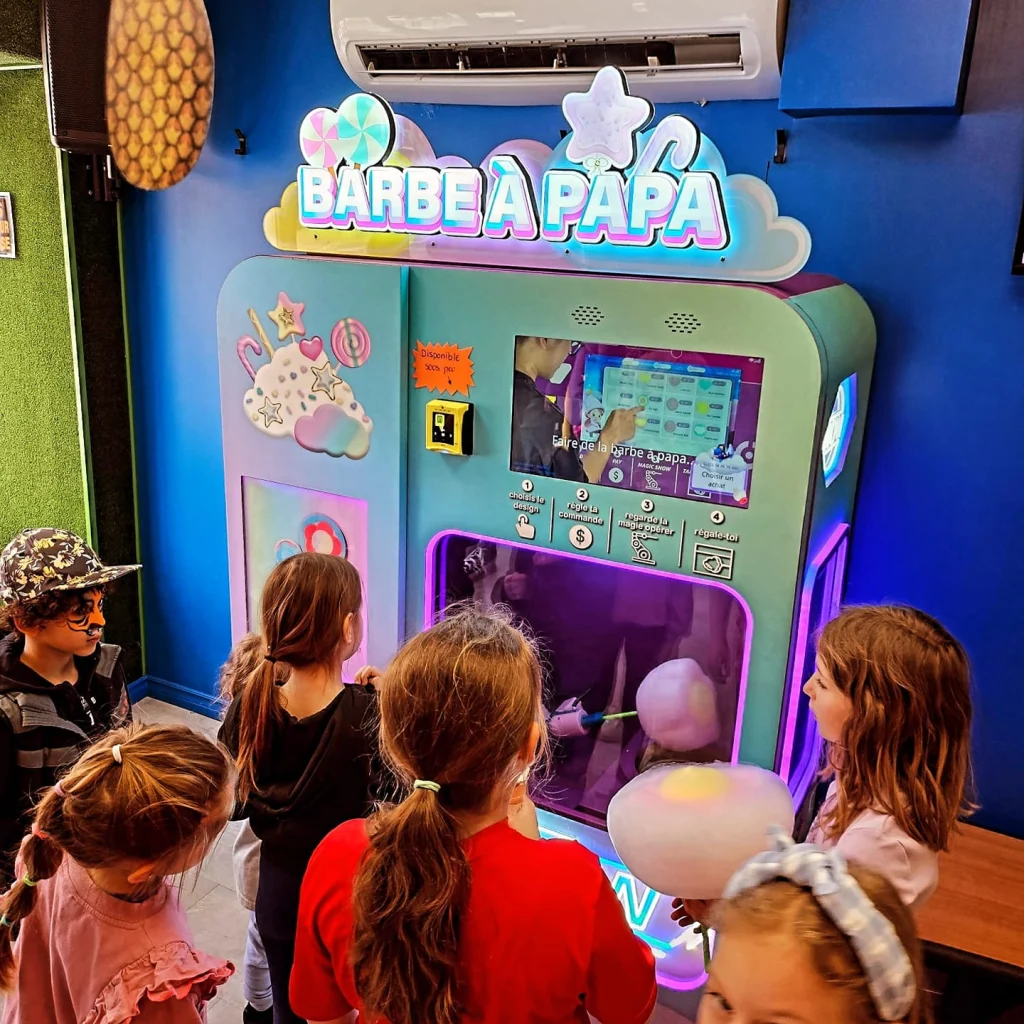
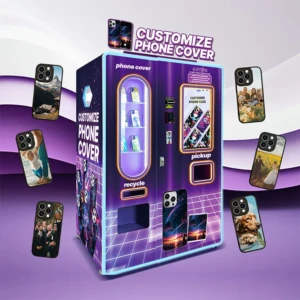
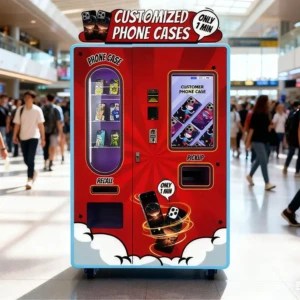
- Consider Modern Venues for Modern Machines: For high-margin smart vending, locations shift toward entertainment and leisure venues. A custom phone case machine thrives in malls, movie theaters, and tourist attractions where consumers seek a personalized souvenir. Our data shows successful deployments of the WM880 Phone Case Machine in these venues typically see 30-50 daily sales.
Soda Machines vs. Snack & Combo Machines: A Profit Comparison
Diversifying your product offering is a key strategy. Here’s how different machine types compare from a financial perspective.
| Machine Type | Typical Item Price | Average Profit Margin | Key Advantage | Key Challenge |
|---|---|---|---|---|
| Traditional Soda | $2.00 – $3.00 | 50-65% | High consumption frequency; consistent demand. | Low margin; heavy product; refrigeration costs. |
| Snack Machine | $1.50 – $2.50 | 60-75% | Higher margin than soda; complements beverage sales. | Product expiration (shorter shelf life). |
| Combo (Snack & Drink) | N/A | 55-70% | One-stop shop; increases average transaction value. | Higher machine cost; more complex restocking. |
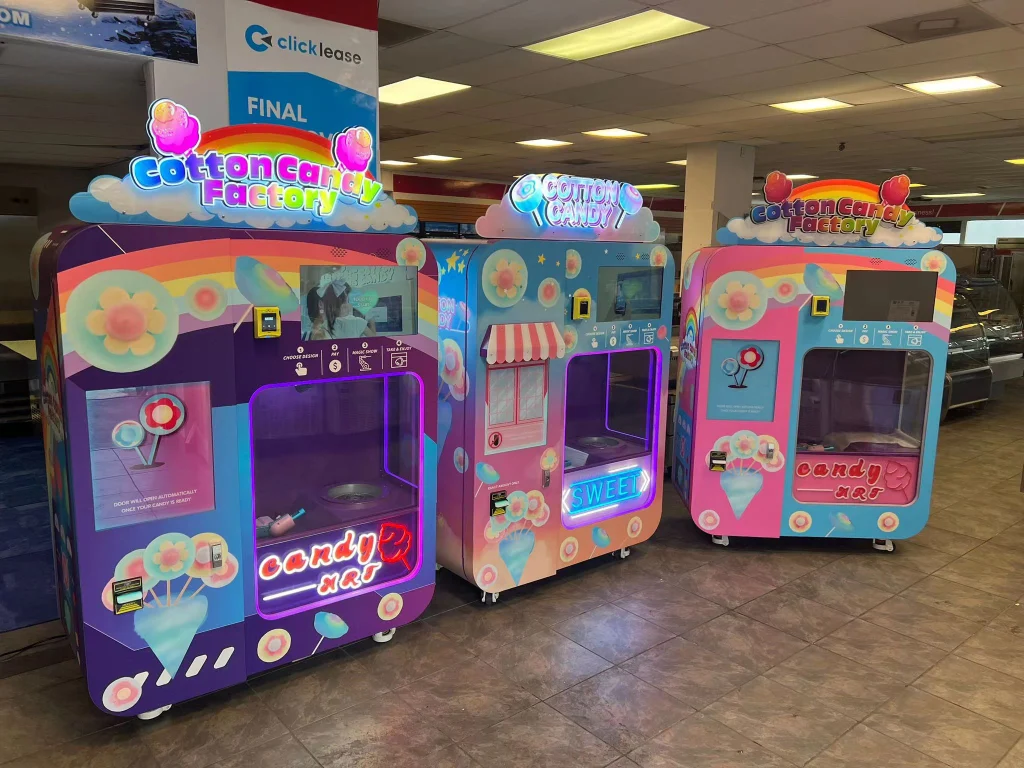
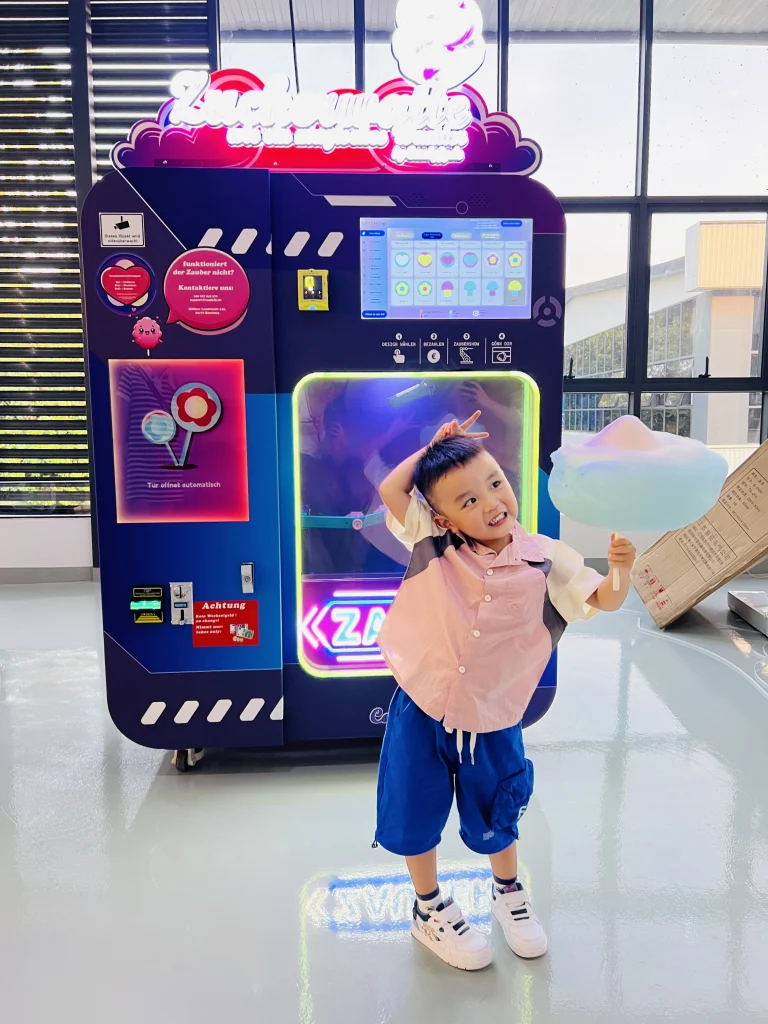
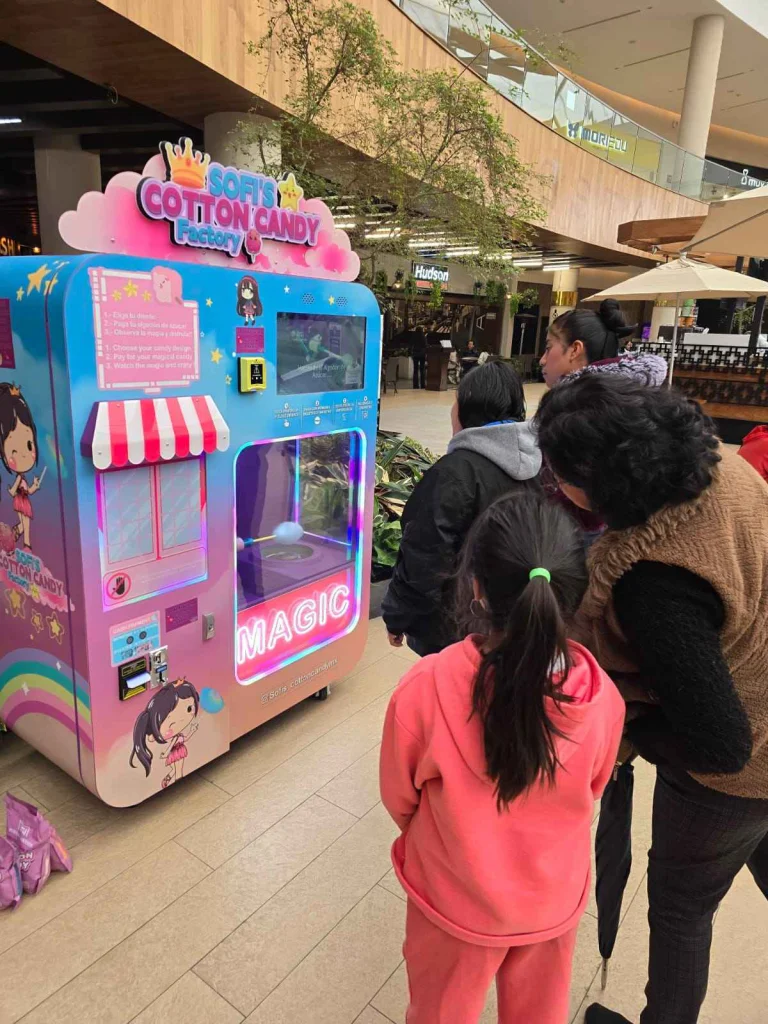
| Specialty Smart Machine (e.g., Cotton Candy) | $5.00 – $10.00 | 93.8%-97% | Extreme margin; unique product drives impulse buys. | Higher upfront investment; requires specific venue. |
Margin calculated as (Retail Price – Product Cost) / Retail Price. Does not include location commission or other operational costs.
The data is clear: while traditional machines offer stability, the profit margin leap into specialty vending is substantial. A cotton candy machine, for instance, has a production cost of about $0.31 per unit. When sold for $5, that’s a 94% margin before expenses, fundamentally changing the ROI calculus. For a focused look at another high-margin category, explore Is a Cotton Candy Vending Machine Profitable? A Comprehensive Guide.
Common Pitfalls & How to Avoid Them
Learning from others’ mistakes is the cheapest way to succeed.
- Pitfall 1: Underestimating Location Scouting. Don’t just take any available spot. Use the methodology above. A poor location is the number one reason for business failure.
- Pitfall 2: Ignoring Machine Reliability. Downtime is lost revenue. Invest in quality equipment with reliable technical support. For example, choosing a smart machine from an established provider with 24/7 support and a 1-year warranty mitigates this risk significantly.
- Pitfall 3: Poor Inventory Management. Running out of best-selling items or letting perishables expire kills profit. Use machines with remote inventory monitoring or establish a strict restocking schedule.
- Pitfall 4: Neglecting Modern Payments. Over 70% of vending transactions are now cashless. If your machine only takes coins, you are leaving most of your potential sales on the table.
Pitfall 5: Going It Alone Without Research. The vending industry has nuances. Leverage resources, connect with other operators, and thoroughly research models like How Profitable Is Owning a Vending Machine? A 2026 ROI Guide to build a solid foundation.
Frequently Asked Questions (FAQ)
Q: What is the typical monthly profit for a soda machine?
A typical soda machine in a decent location nets between $200 and $500 per month after product costs and location commission. Exceptional high-traffic locations can exceed $750, while poor placements may struggle to break $100. Profit is a function of sales volume minus all operational costs.
Q: How long does it take to get a return on investment (ROI)?
For a traditional soda machine costing $3,000 and netting $300/month, the simple payback period is about 10 months. However, accounting for all hidden costs, a 12-18 month ROI is more realistic. In contrast, high-margin smart vending machines can achieve ROI much faster. For instance, operators of phone case or cotton candy machines often report recovering their initial investment in a matter of weeks to a few months due to the dramatically higher per-item profit.
Q: Are permits and licenses difficult to get?
Requirements vary widely by municipality and state. Generally, you need a standard business license. If your machine dispenses any food items (including chips or candy), you may need a health department permit. Placing a machine on public property requires additional approvals. Always check with your city clerk’s office and state department of revenue first.
Q: Is a soda machine business a good passive income stream?
It is semi-passive. While it doesn’t require active daily management, it is not “set and forget.” You must regularly restock, collect cash, perform maintenance, and manage location relationships. Plan for 5-10 hours of work per month, per machine, depending on location and sales volume.
Q: What’s better: buying a new or used vending machine?
It depends on capital and expertise. A used machine is cheaper upfront ($1,500-$3,000) but may have higher maintenance costs and lack modern features like cashless payments. A new machine ($3,500+) is more reliable, often has a warranty, and includes modern tech that can increase sales. For smart, specialized machines, purchasing new from a reputable manufacturer with strong support is highly recommended to ensure reliability and access to software updates.
Q: How do I find locations for my machines?
Start locally and leverage your network. Approach small business owners you know. Offer a clean, well-maintained machine and a fair commission (10-15% is a common starting point). Present it as a value-added service for their customers or employees. For smart entertainment-style machines, target managers at malls, movie theaters, family entertainment centers, and tourist spots.
Q: What are the biggest hidden costs?
The most commonly overlooked costs are: (1) Payment processing fees for credit/debit cards (2-4%), (2) Machine repair and preventative maintenance, (3) Fuel and time for restocking routes, (4) Insurance, and (5) Potential utility cost contributions to the host location for refrigerated machines.
Ready to Explore Your Vending Business Potential?
The question of profitability ultimately hinges on your strategy, location, and choice of equipment. While traditional soda vending offers a proven, if competitive, path, the highest-growth opportunities in 2026 lie in innovative, high-margin smart vending solutions that meet modern consumer demands for experience and customization.
If you’re serious about evaluating this business, we recommend moving from general research to specific planning. Request a Personalized ROI Analysis. Our team, drawing on data from over 3,000 machine deployments across 130+ countries, can provide a customized financial model based on your target location, venue type, and investment level. We’ll help you compare different machine types—from traditional snack to smart cotton candy or phone case units—with transparent cost breakdowns and realistic profit projections.
Next Step: To receive a detailed comparison guide and a tailored ROI calculation, simply share your primary market of interest and potential venue types. Our technical advisors will prepare a confidential, no-obligation proposal to help you make an informed decision.
In conclusion, pop machines can be profitable, but they are no longer the only—or often the most profitable—game in town. By understanding the complete financial picture, prioritizing location above all else, and seriously considering the superior margins of next-generation smart vending, you can build a resilient and lucrative business in this evolving industry.
Comments
No comments yet. Be the first to comment!