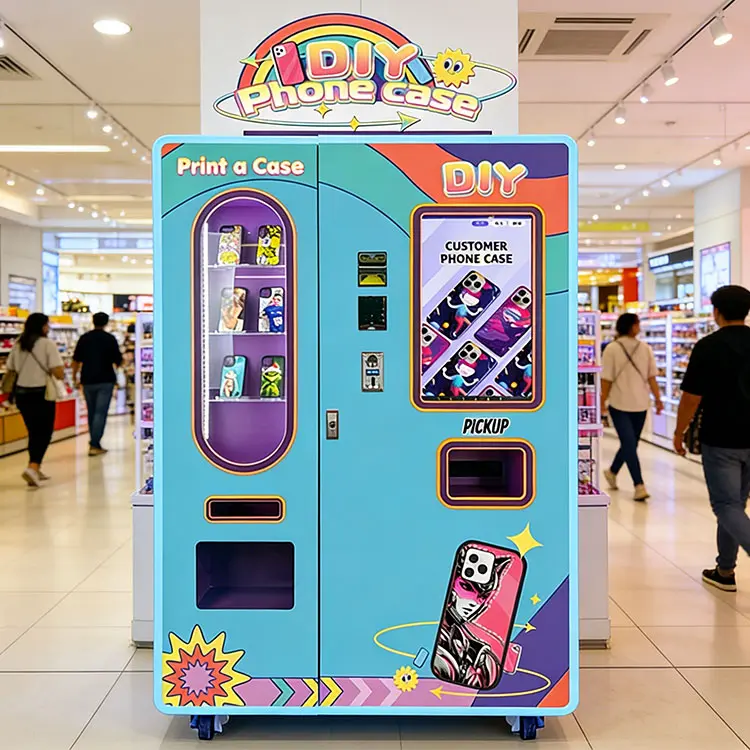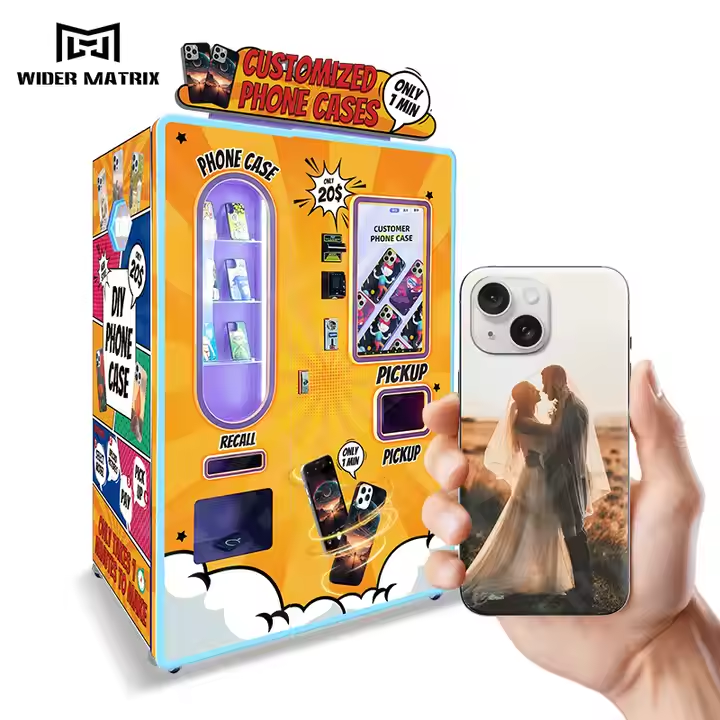




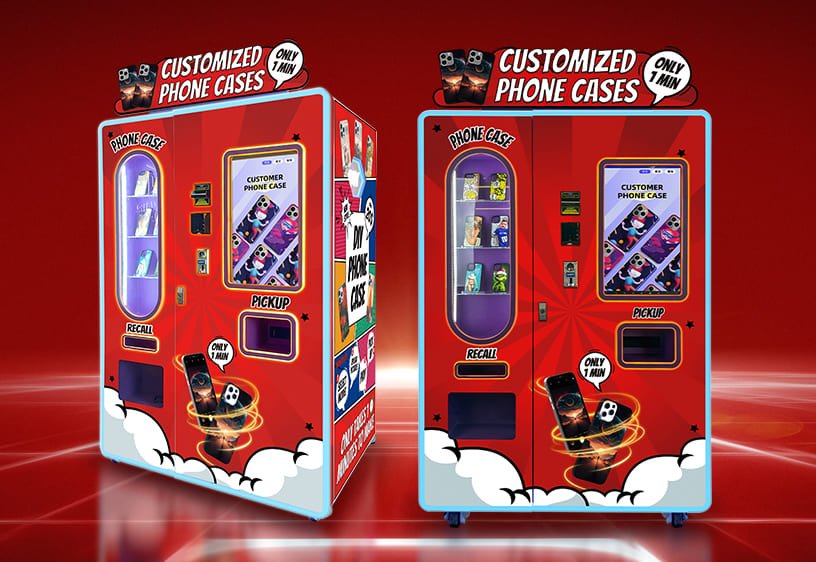
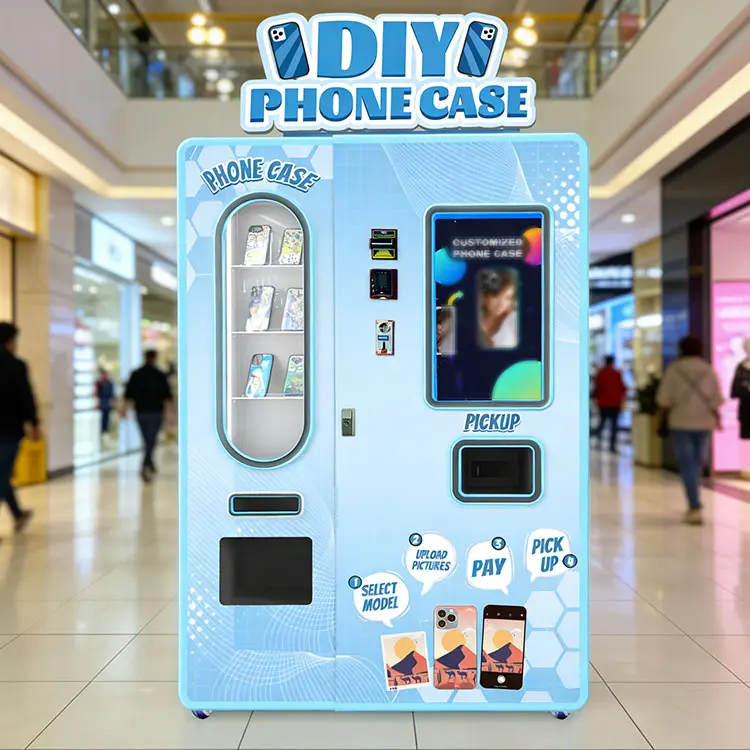
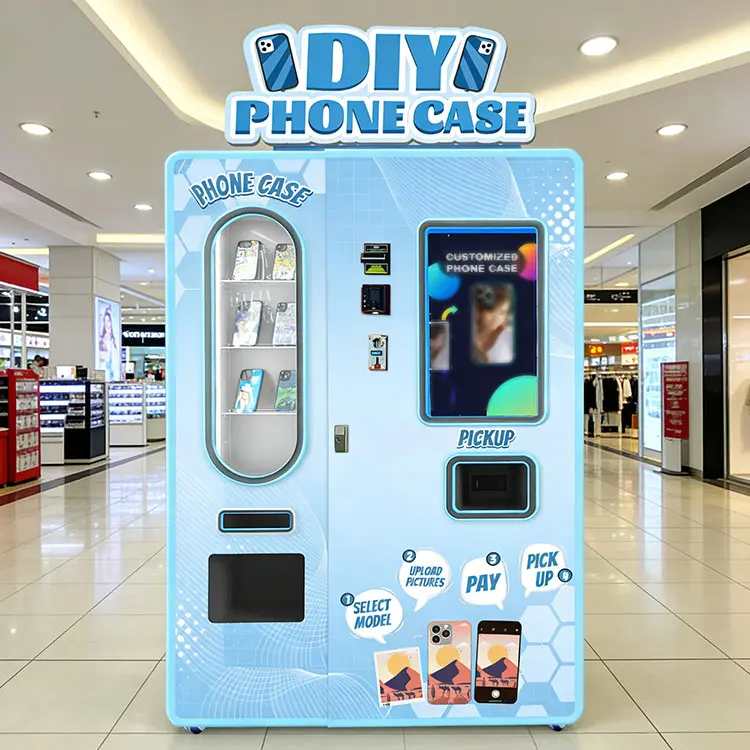


Máquinas expendedoras de impresión de caso de teléfono OEM: una guía del comprador para el empresario escéptico
Servicio de asistencia
- Soporte para la personalización de pequeños lotes
- Entrega rápida en todo el mundo
- 12 meses de garantía
- Asistencia técnica en línea
What if you could place a small, automated kiosk in a busy mall that prints custom-designed phone cases on demand, generating revenue 24/7 with minimal staffing? The vision is compelling. But as you start searching for an “OEM phone case printing vending machine factory,” you’re immediately bombarded with glossy marketing claims, suspiciously low prices, and factory websites that all look the same. How do you separate the legitimate manufacturers from the resellers and outright scams? This guide is written from the perspective of a skeptical buyer advocate. We’ll cut through the hype, question every claim, and walk you through the research, evaluation, and purchase stages to ensure your investment is sound.
Stage 1: The Research Phase – Asking the Right Questions
Before you even look at a spec sheet, you need to ground your research in reality. The flashy demo videos are designed to sell dreams. Your job is to interrogate the business case.
Is This Actually Profitable, or Just a Novelty?
Let’s be brutally honest: a vending machine is a capital expenditure. It needs to earn its keep. When evaluating profitability for a máquina expendedora de fundas de teléfono, don’t rely on the factory’s “projected ROI” spreadsheet. Instead, build your own model based on these real-world factors:
- Foot Traffic vs. Conversion Rate: A location with 10,000 daily visitors might only see a 0.5% conversion for an impulse item like this. That’s 50 sales. Is that enough?
- Average Selling Price (ASP) vs. Cost of Goods Sold (COGS): If you sell a case for $20 and your blank case costs $1.30 (a typical wholesale price for bulk TPU/PC cases), your gross margin is strong. But you must factor in the machine’s payment processing fees, location commission (often 15-30%), and maintenance.
- Uptime is Everything: A machine that’s broken or out of stock for a week destroys your monthly revenue. This is where the quality of the OEM factory and their after-sales support becomes a direct profit center.
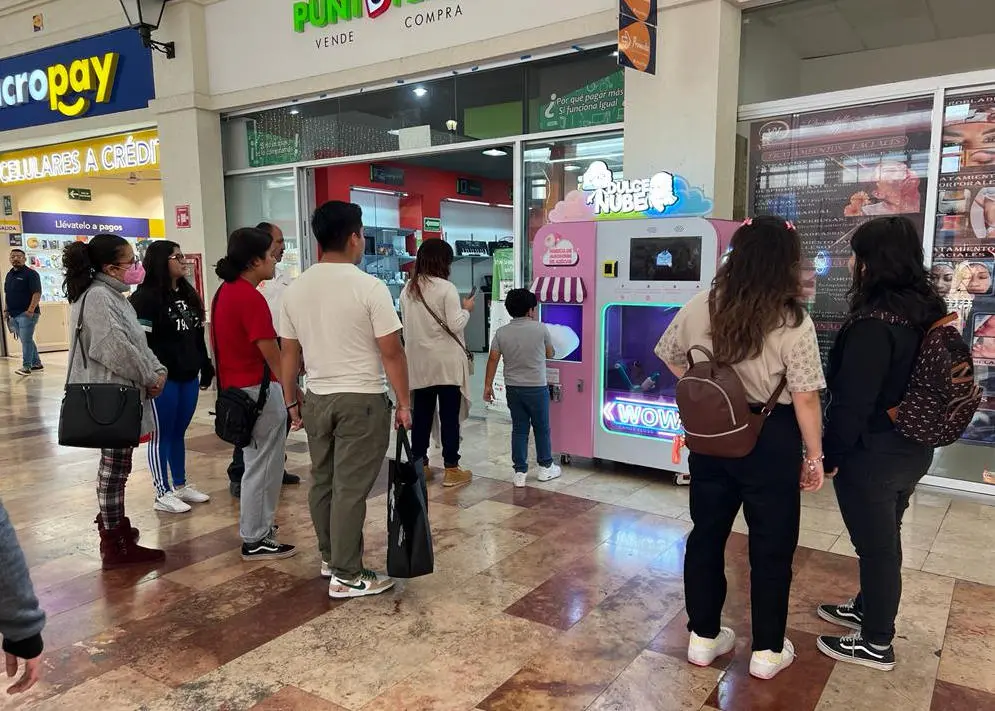
For comparison, other automated retail models like máquinas expendedoras comerciales de algodón de azúcar o máquinas de algodón de azúcar totalmente automáticas have different cost and revenue structures, but the principle of calculating true net profit remains the same.
Verifying Trustworthiness: Beyond the Factory Website
Anyone can build a professional-looking website. Your first task is to verify the entity behind it. A legitimate OEM factory should be able to provide evidence, not just promises.
- Dem anda de refer encias rea les y conta c tables : Ask for 2-3 customers in your region or a similar market (e.g., if you’re in Europe, ask for European clients). Contact them yourself. Ask about their experience with delivery, setup, and crucially, after-sales support.
- Insist on a Factory Tour: Whether virtual (live video walkthrough) or in-person, you need to see the production line, quality control, and R&D department. A company that hesitates here is a red flag.
- Verifique las certificaciones rigurosamente: “CE” and “RoHS” are common. Ask for the certification documents and verify their authenticity online if possible. These are basic hygiene factors for exporting to many countries.
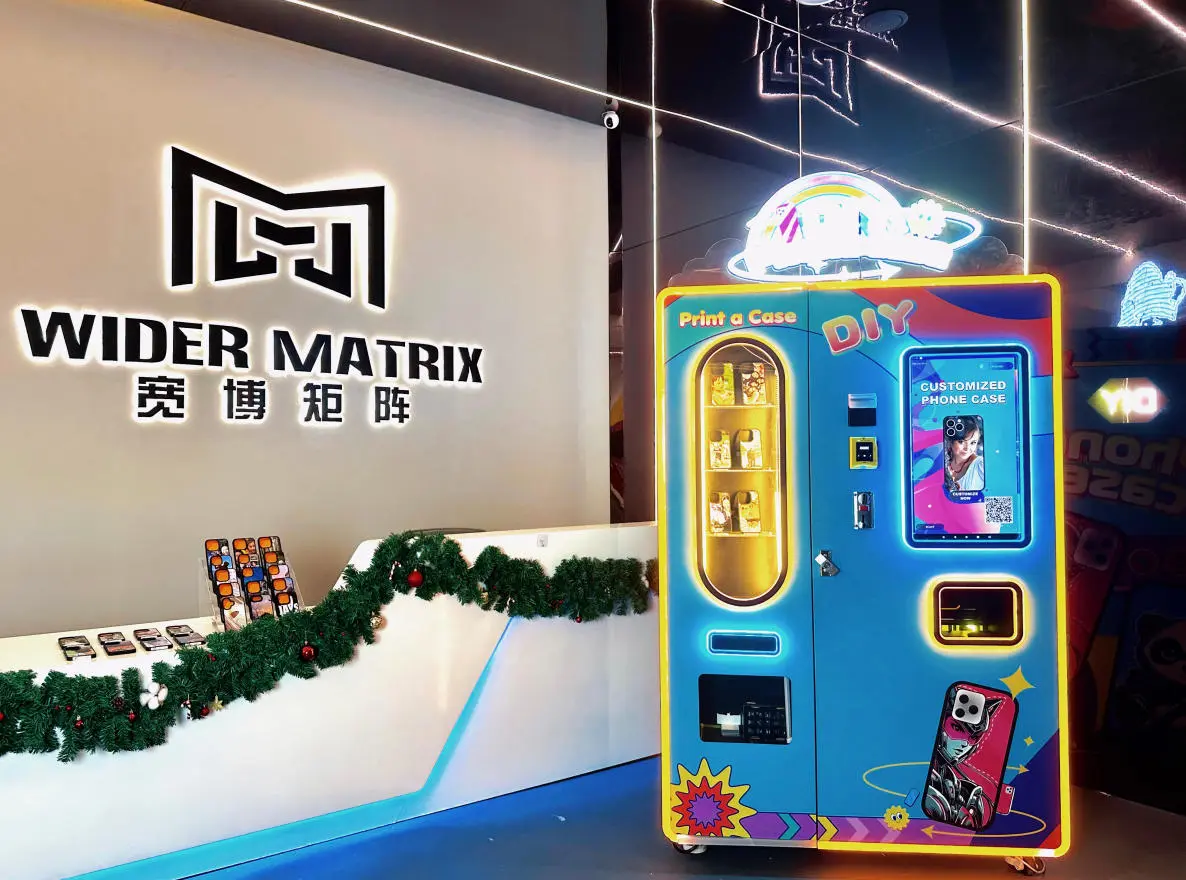
For instance, a company like Matriz más amplia cites having exported over 3,000 machines to 130+ countries since 2016. While impressive, a savvy buyer would ask for specific customer case studies in, say, shopping malls in the Middle East or universities in North America to verify that track record in a relevant context.
Etapa 2: Fase de Evaluación - Comparando manzanas con manzanas
Once you’ve shortlisted a few potentially credible factories, it’s time to dive into the technical and commercial details. This is where most buyers get lost in feature lists. We’ll focus on differentiation that matters.
Hardware & Software: The Core of Your Operation
The machine must be a workhorse. Look beyond the shiny exterior.
- Printing Technology & Durability: Is it UV printing, dye-sublimation, or another method? What is the printhead’s expected lifespan, and what is the cost and lead time for replacement? A factory should provide this data.
- Software & User Interface (UI): The customer-facing UI must be idiot-proof. The backend software for you, the operator, should allow remote monitoring of stock, cash balance, error logs, and even restarting the machine. Ask for a demo login to test it.
- Payment Integration: Does it support the payment methods your customers use? Credit/debit cards, mobile wallets (Apple Pay, Google Pay), and cash? Ensure the integration is stable and the transaction fees are clear.
The Make-or-Break Factor: After-Sales Support Structure
This is the single most important differentiator between a good partner and a nightmare. Question their support model deeply.
- Garantía: “2-year warranty” is a common claim. But what does it cover? Parts only? Labor? On-site service or “return to factory”? Who pays for shipping? Get it in writing.
- Accesibilidad de soporte técnico: Is it 24/7? What are the channels (phone, WhatsApp, email)? What is the guaranteed response time for a critical error that halts operations?
- Cadena de suministro de piezas: If a critical board fails, how quickly can you get a replacement? A factory with a stable supply chain will have key parts in stock or can source them rapidly. Ask for a list of common spare parts and their prices.
Consider the long-term relationship. You’re not just buying a machine; you’re buying into a support ecosystem for the next 5-7 years. A factory that also produces other machines, like fabricantes de máquinas de fundas de teléfono or various máquinas expendedoras, often has more robust systems due to scale.
Understanding OEM/ODM and True Customization
You’re searching for an “OEM factory” for a reason—you likely want some level of customization.
- OEM (Original Equipment Manufacturer): You provide the design/specifications, they manufacture it. Do they have the engineering capability to adapt their base model to your needs?
- ODM (Original Design Manufacturer): They provide existing designs you can brand as your own. What is their minimum order quantity (MOQ) for this? Is it 1 unit or 50?
- Realistic Customization: Can they modify the cabinet size, color, UI language, or payment module? What are the costs and lead time implications for each change?
Stage 3: The Purchase & Deployment Decision
You’ve done your homework. Now it’s time to talk numbers and logistics. Frame the conversation around total cost of ownership, not just the sticker price.
Investment Analysis: Price, Value, and Hidden Costs
Let’s talk about the investment. A professional-grade máquina expendedora totalmente automática de fundas de teléfono personalizadas is a sophisticated piece of equipment. While you’ll see a wide range of prices online, a typical investment for a reliable machine from an established factory can start from the $6,000 – $8,500 range. Crucially, you must understand what that price includes.
When you receive a quote, scrutinize it for:
- Ex-Works (EXW) vs. CIF/DDP: Does the price include shipping to your nearest port (CIF) or all the way to your location with duties paid (DDP)? An EXW price is just the beginning; shipping, insurance, and import duties can add 20-40%.
- What’s in the Box: Does it include an initial stock of blank cases (and at what cost per unit)? Essential tools? A spare parts kit? Comprehensive documentation?
- Software Licensing: Is the management software a one-time purchase, a subscription, or free? Are future updates included?
For example, a factory might offer a machine at a promotional price of $6,499, positioned against a higher “original” price to indicate value. The key question is: at that price point, what level of warranty, support, and build quality are you getting compared to a machine priced at $8,000? The cheaper machine is not a “savings” if it leads to $3,000 in downtime and repair costs in the first year.
Navigating Logistics and Installation
The factory’s job isn’t done when the machine leaves their dock. A professional partner will guide you through the process.
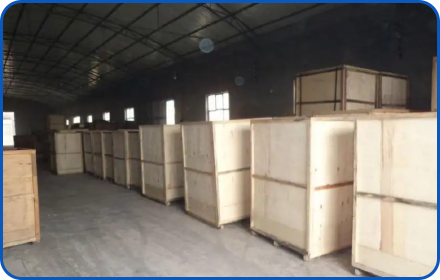
- Pre-Shipment Testing: Insist on a video of your actual unit undergoing a full functional test before it’s crated.
- Installation Support: Do they provide detailed installation manuals, video guides, or even remote video assistance for setup? For larger orders, will they send a technician?
- Operator Training: How will you learn to refill it, clear jams, perform basic maintenance, and use the backend software? This is often overlooked but critical for smooth operation.
Conclusion: From Skeptic to Informed Buyer
The journey to finding the right OEM phone case printing vending machine factory is one of diligent verification and asking uncomfortable questions. By structuring your search around the stages of research, evaluation, and purchase, you move from being a target for marketing to an informed partner in a business transaction. Remember, the goal isn’t to find the absolute cheapest machine; it’s to find the most reliable partner that will ensure your investment generates returns for years to come.
Companies that have navigated global markets, like Matriz más amplia, demonstrate that scale and experience can translate into more stable supply chains and support systems—key factors for your operational peace of mind. Whether you choose them or another qualified factory, let the principles of verified trustworthiness, clear after-sales terms, and realistic profitability modeling guide your final decision.
Ready to Explore Your Options?
You’ve done the research. You know what questions to ask. Now it’s time to get specific answers for YOUR situation.
Whether you’re considering your first machine or expanding an existing operation, Wider Matrix can provide:
- Custom Profitability Analysis – tailored to your location and target market
- Referencias reales de clientes – speak with operators in similar markets
- Especificaciones técnicas – detailed documentation for informed comparison
- Flexible Consultation – by phone, video call, or in-person visit
Da el siguiente paso: Visit our website or contact our team directly. We’re here to answer questions, not push products.
Further Reading
To deepen your understanding of the automated retail space, consider these related topics:
- Teléfono Caso Máquina Maker: La Guía Definitiva
- ¿Es una máquina de caramelo de algodón una buena inversión? Una guía para 2025
- La guía definitiva de las máquinas expendedoras de algodón de azúcar
- Máquina expendedora de impresión de caso de teléfono: el futuro de la personalización
- Explore Wider Matrix’s Full Range of Vending Solutions

Especificaciones
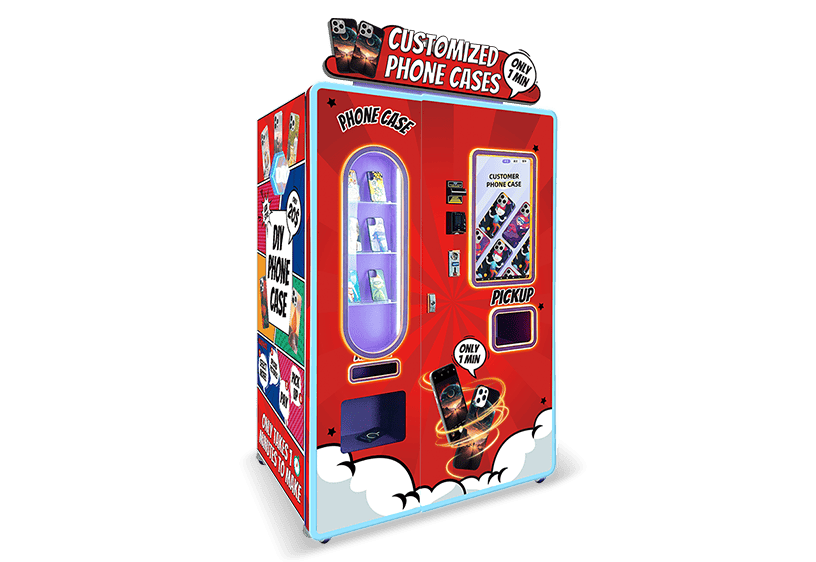
| Modelo | WM880 |
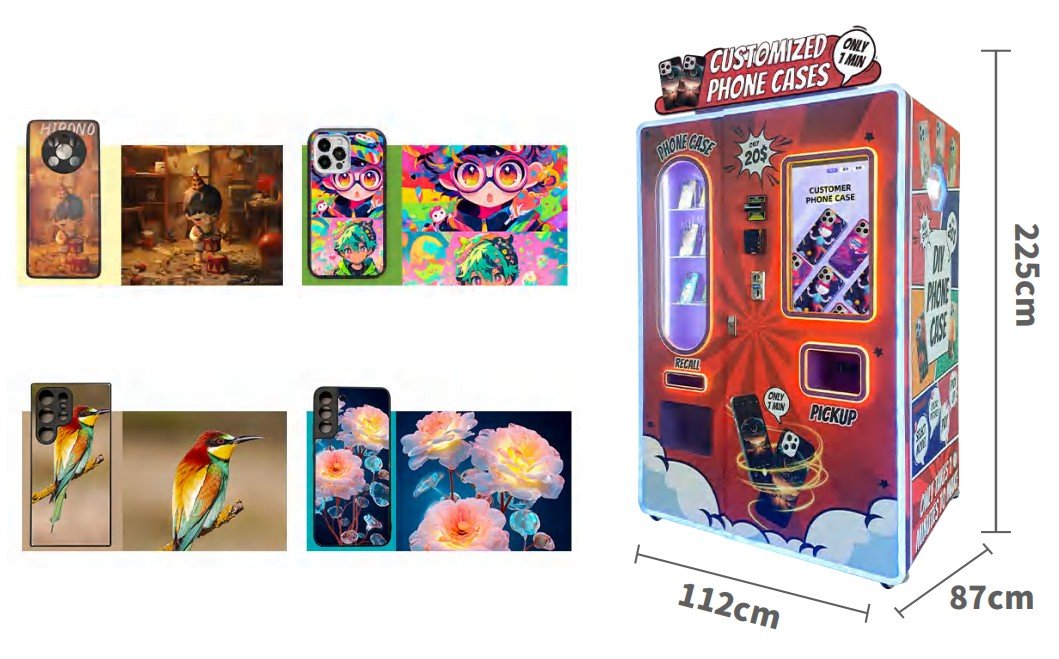
| Dimensiones del dispositivo | 128cm*87cm*230cm |
| Peso del dispositivo | 220KG |
| Potencia | 220W |
| Tensión | 220V/110V (Opcional) |
| Métodos de pago admitidos | Monedas/Efectivo/Tarjeta de crédito/NFC/WeChat/Alipay |
| Tecnología de impresión | Impresión UV a 6 colores |
| Resolución de impresión | 1440DPI |
| Velocidad de impresión | 2-3 minutos/pieza |
| Modelos de teléfono compatibles | 96 modelos principales |
| Capacidad de almacenamiento de la funda del teléfono | 300-500 piezas |
| Pantalla de visualización | Pantalla táctil de 27 pulgadas, admite rotación de anuncios en vídeo |
| Gestión remota | Admite la supervisión y gestión de la nube |
Certificados de producto
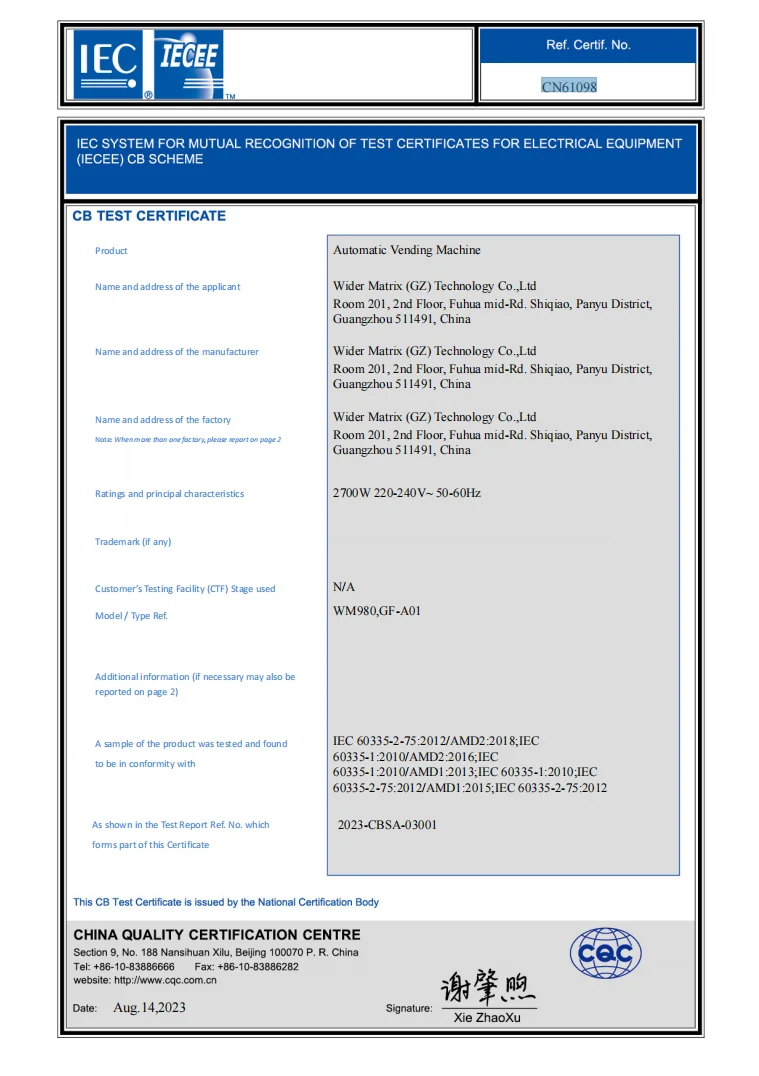
CB
CN61098
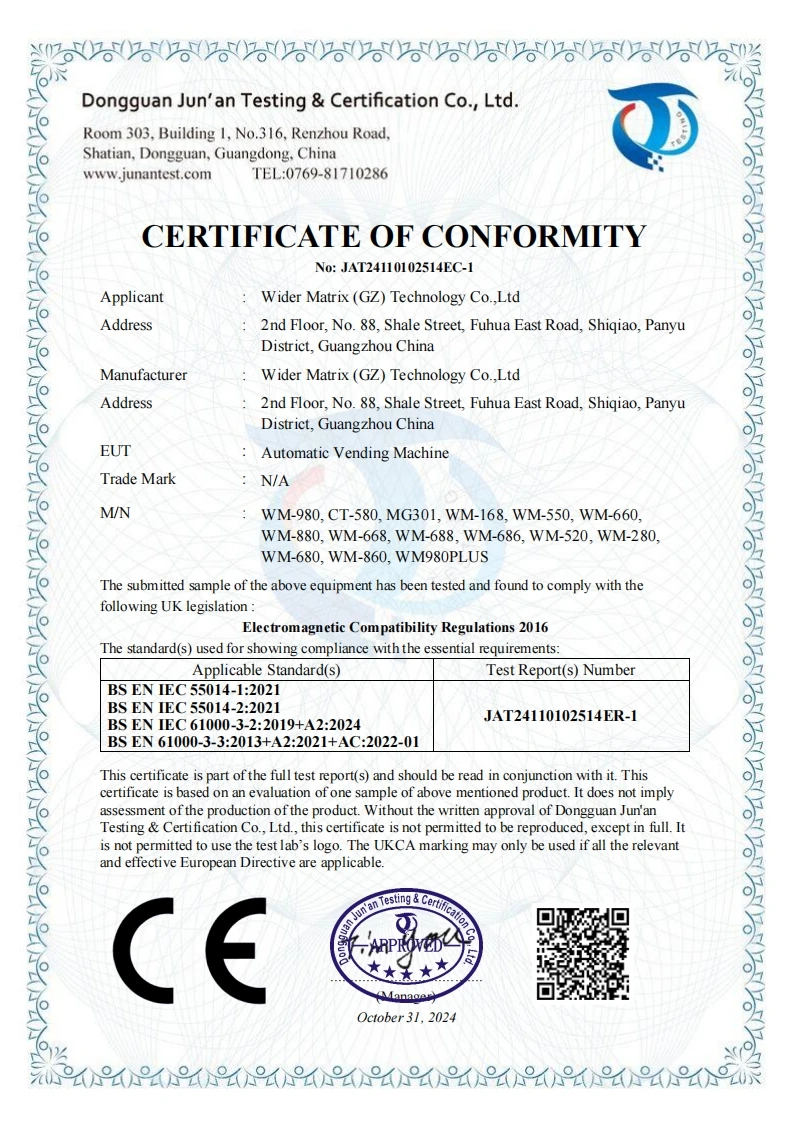
UKCA
JAT24110102514136
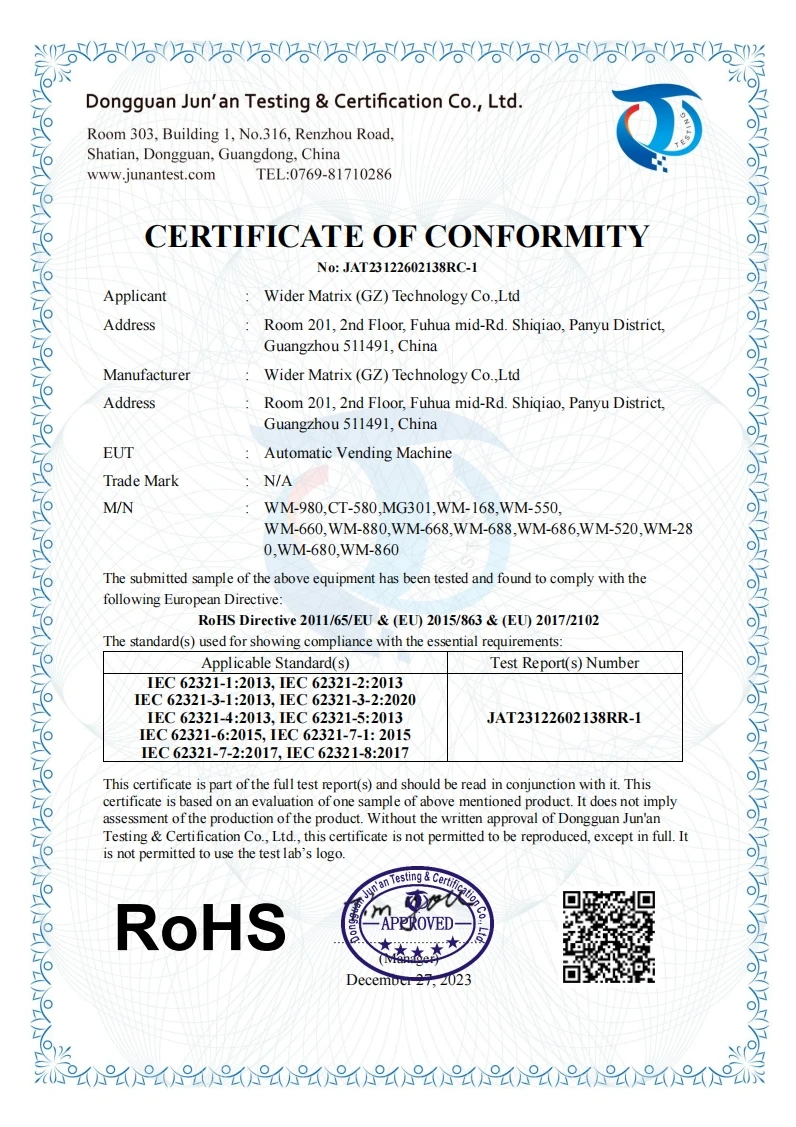
RoHS
JAT23122602137123
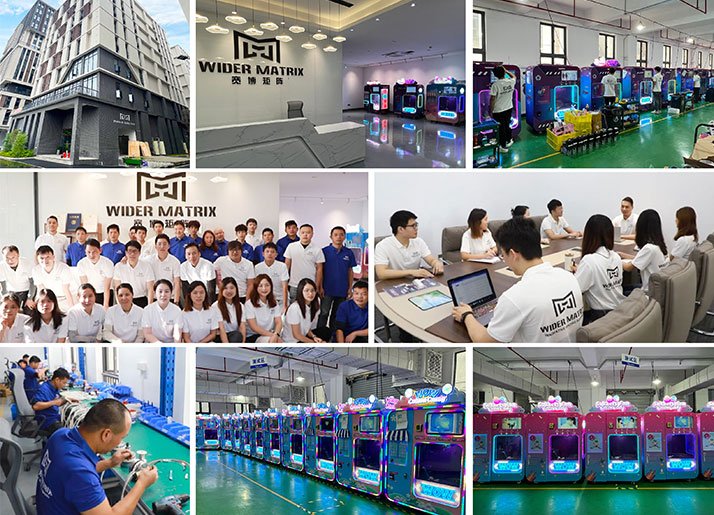
Presentación de la empresa
Wider Matrix (Guangzhou) Technology Co., Ltd. es una empresa científica y tecnológica que concede importancia a la I+D y a la experiencia del usuario, Comenzamos a investigar y desarrollar máquinas expendedoras en 2016, y alcanzamos una posición de liderazgo en el campo de las máquinas expendedoras desatendidas.
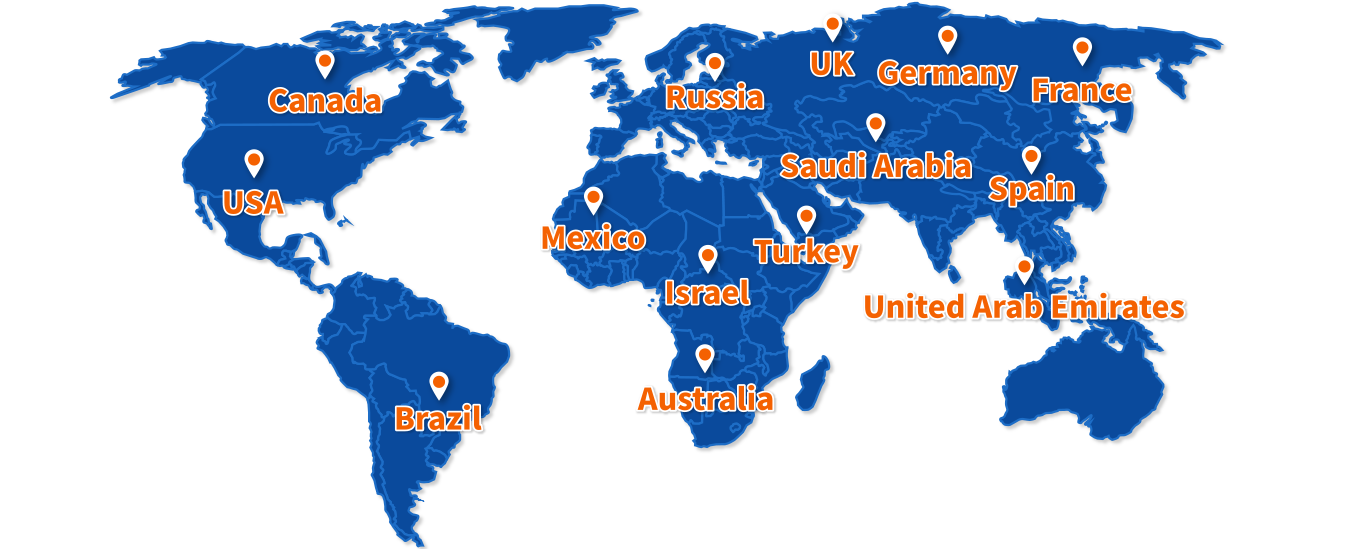
En 2019, fabricamos la primera máquina expendedora automática de algodón de azúcar. Después de las pruebas en el mercado nacional, el perfeccionamiento de nuestro producto durante años, la fijación de los problemas que podría encontrarse durante la operación, el rendimiento de nuestras máquinas son lo suficientemente estables y alcanzar el estándar para la exportación finalmente. Hasta ahora, nuestra máquina se ha exportado a más de 130 países como Estados Unidos, Canadá, Europa, Sudeste Asiático, Australia e Israel.
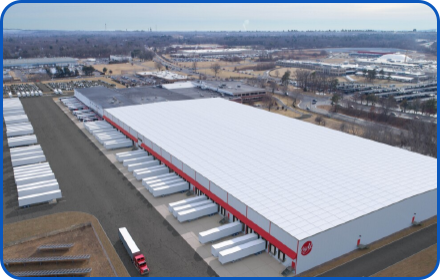
Hemos establecido almacenes en el extranjero, en Estados Unidos, Canadá, Gran Bretaña e Israel, para ofrecer a los clientes asistencia en materia de consumibles y accesorios. Todas las máquinas soportan control remoto, que tiene las ventajas de fácil operación, mantenimiento conveniente y alta eficiencia de operación. Después de que nuestras máquinas expendedoras de algodón de azúcar son entregadas y puestas en uso, pueden traerle beneficios considerables.
El éxito y la satisfacción de cada cliente son la fuerza motriz que nos impulsa a perseguir la innovación y escalar la cima para siempre. En el futuro, mantendremos la filosofía empresarial de que el cliente es lo primero y la calidad lo primero, y crearemos constantemente más productos buenos para el mercado. Únase a nosotros y comience su negocio de máquinas expendedoras inteligentes e innovadoras.
Servicios exclusivos
Servicio de asistencia en el extranjero
Asistencia de almacén de transferencia local, que garantiza su estabilidad operativa.
Diseño a medida
Ofrecemos servicios de personalización del aspecto de las máquinas, branding y envasado personalizado a gran escala.
Kit inicial de herramientas y piezas de repuesto
La máquina se suministra con herramientas complementarias y kit de piezas de repuesto, incluido un paquete inicial de consumibles para las primeras operaciones.
Personalización funcional y optimización del software
Funcionalidad personalizada basada en las necesidades del cliente, incluidas actualizaciones de optimización de hardware y software.
Soporte técnico y actualizaciones de por vida
Ofrecemos asistencia técnica de por vida y servicios de actualización de software para todos los clientes.
Preguntas frecuentes
1. How much can I realistically make with a phone case printing vending machine?
There's no universal answer, as it depends entirely on location, foot traffic, and marketing. However, you can model it. Assume a good location yields 2-5 sales per hour during peak times. With an average sale of $20 and a COGS of $1.30-$2.00 per case, your daily gross profit can range from $150 to $400+ in a high-traffic mall. Deduct location commission (if any) and payment processing fees to find your net. Resources like profit guides for similar vending concepts follow the same modeling logic. 2. What if the machine breaks down? What's the repair process? This is a core concern. A reputable factory will have a clear protocol: 1) Remote diagnostics via the machine's software to identify the issue. 2) If it's a software glitch, they can often fix it remotely. 3) If a part needs replacing, they should ship it to you promptly with clear installation instructions. 4) For complex issues, they should have a network of local technicians or provide guidance on finding one. Always ask for the average parts shipping time to your country. 3. Why should I choose an OEM factory over a cheaper reseller or "trading company"? Resellers add a markup and, more importantly, act as a middleman that can slow down communication and technical support. With an OEM factory, you have direct access to the engineers who built the machine. This means faster troubleshooting, clearer answers on customization, and often better pricing on parts and future machines. The trade-off is that factories may have higher MOQs or less hand-holding than a local reseller. 4. Can I see one of your machines operating before I buy? Any trustworthy supplier should be able to connect you with an existing customer, preferably in a similar market to yours. If they cannot or will not, consider it a significant red flag. Alternatively, ask if they have a showroom or demo unit at their factory that you can see via video call. 5. How can I verify a company's track record, like Wider Matrix's claim of 3,000+ machines exported? Ask for specific evidence. This can include: detailed case studies with client names (they may blur contact details but should provide the story), video testimonials from operators, a list of countries they export to, or even references to their machines in third-party news or trade show reports. A long-established company (e.g., operating since 2016) will have a digital paper trail of reviews and industry presence that a new entity won't.
Opiniones de usuarios
Ha sido un placer trabajar con Widermatrix, especialmente con Taylor. Taylor envía fotos y testimonios y datos para ayudar en el proceso de decisión. Una vez decidido el proceso es suave y Taylor envía actualizaciones con fotos y videos de su máquina expendedora caso del teléfono a lo largo del camino. Una vez que llegó el soporte técnico de 24 horas fue paciente conmigo, ya que trabajó duro para conseguir todo marcado pulg Las afirmaciones son reales, este dispensador automático de fundas de teléfono ha amortizado la mitad de mi inversión inicial ¡sólo después de 2 meses! A niños y adultos les encantan estos quioscos de fundas protectoras.
Compré dos máquinas expendedoras de fundas para teléfonos y llevan funcionando más de tres meses y son muy estables. Los quioscos de accesorios para smartphones tienen una fiabilidad excelente y requieren un mantenimiento mínimo.
Es la primera vez que dirijo un negocio de máquinas expendedoras de fundas para móviles y me parece estupendo. El dispensador automático de accesorios para móviles atrae a muchos clientes en mi centro comercial.