




The short answer to “Do you need a license for a vending machine in Australia?” is a definitive yes, but the specific requirements depend entirely on your location, what you’re selling, and your business structure. This is not a simple yes-or-no question; it’s a critical first step that determines your business’s legality and long-term viability. Navigating the complex web of federal, state, and local regulations can be daunting for new operators. This comprehensive 2026 guide synthesizes official government requirements from all eight states and territories into one clear, actionable resource. We’ll provide a detailed state-by-state breakdown, clarify the crucial distinction between food and non-food vending, and outline the ongoing compliance obligations most competitors overlook. With over 8 years of industry experience and insights from deploying 3,000+ machines across 130 countries, we’ll also integrate real-world data on how modern, smart vending solutions can simplify regulatory compliance and accelerate your path to profitability.
Before you even consider a specific “vending license,” you must establish your business legally. These are non-negotiable nationwide requirements.
- Australian Business Number (ABN): This is your business’s unique identifier for all dealings with the government and other businesses. You need an ABN to invoice, claim GST credits, and register for other taxes. Apply for free via the Australian Business Register.
- Goods and Services Tax (GST) Registration: You must register for GST if your business has a GST turnover of $75,000 or more. Even if below this threshold, registering voluntarily allows you to claim GST credits on business purchases (like your vending machine). This is managed through the Australian Taxation Office (ATO).
- Local Council Approval: Your machine’s physical location is paramount. You must obtain permission from the local council where the machine will be placed. This often involves a “Place of Public Entertainment” permit or a specific “Footpath Trading” or “Goods on Footpath” permit. Councils regulate public safety, footpath access, and aesthetics. Never place a machine on private or public property without written approval.
State & Territory Licensing Requirements: Your Location Dictates the Rules
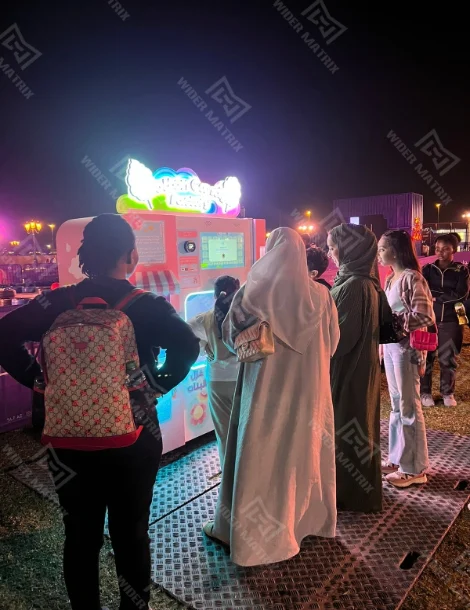
This is where complexity arises. Australia’s states and territories manage food safety and health regulations independently. The table below provides a clear, comparative overview—a resource often missing from competitor guides.
| State/Territory | Governing Body | Primary License/Permit | Key Notes & 2026 Considerations |
|---|---|---|---|
| New South Wales (NSW) | NSW Food Authority | Notification as a Food Business. A unique notification number must be displayed on the machine. | Strict adherence to the Food Standards Code. Regular council health inspections apply. Different rules for temporary vs. permanent locations. |
| Victoria (VIC) | Department of Health | Registration as a Class 4 Food Business (Vending Vehicle/Mobile). | Apply via the Food Trader portal. Each machine may require separate registration if in different council areas. Proactive council engagement is crucial. |
| Queensland (QLD) | Local Government | Food Business License from your local council. | QLD has a state-wide food safety standard, but issuance and enforcement are local. Contact your council first. A food safety supervisor may be required. |
| Western Australia (WA) | Local Government | Food Business Registration with your local council. | Requirements are council-specific. Some may exempt certain low-risk, pre-packaged items. Always verify directly. |
| South Australia (SA) | SA Health & Local Council | Notification to SA Health and approval from the local council. | A two-step process. Notify SA Health online, then seek a permit from the council for the specific site. Display both approvals. |
| Tasmania (TAS) | Local Council | Food Business Registration. | All food vending businesses must be registered with their municipal council. The Public Health Act provides the framework. |
| Australian Capital Territory (ACT) | Access Canberra | Food Business Registration. | Registration is mandatory. ACT Health provides guidelines specific to vending machines, focusing on temperature control for potentially hazardous foods. |
| Northern Territory (NT) | NT Health & Local Council | Food Business Approval. | Submit a plan to NT Health for assessment, followed by an application to the local council. Special attention to tropical climate and pest control is essential. |
Important: The above primarily applies to food and drink. For non-food items like phone cases, toys, or electronics, the process is often simpler but still requires council placement approval and standard business registrations (ABN, etc.).
Food vs. Non-Food Vending: A Critical Legal Distinction
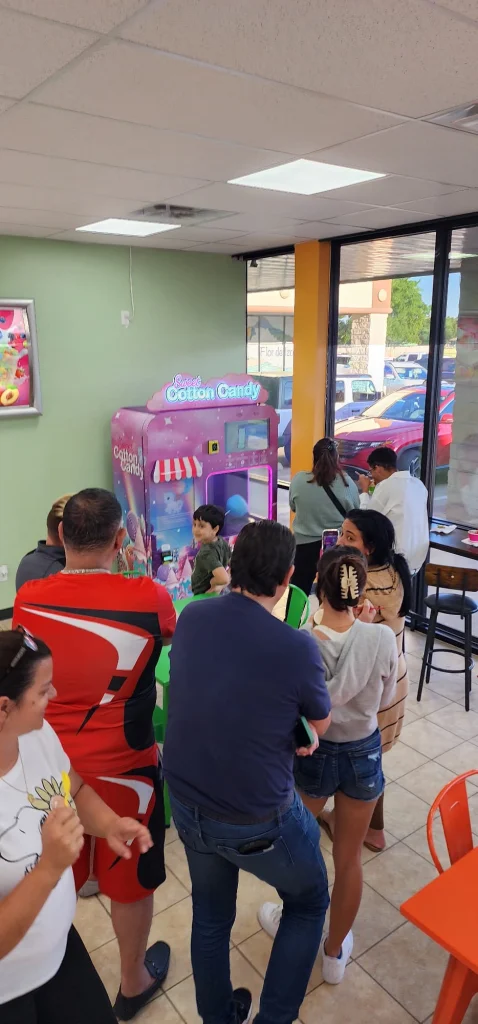
Your product type triggers different regulatory tiers. This is the most important factor after location.
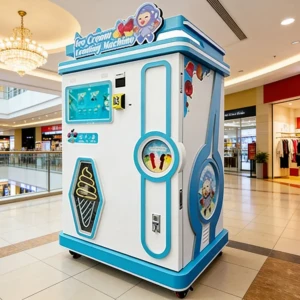
- Food & Beverage Vending: This is a “Food Business” under Australian law. You are subject to the Australia New Zealand Food Standards Code, which governs food safety, labeling, handling, and temperature control. This automatically requires state-level registration/notification as detailed above. Selling items like snacks, drinks, ice cream, or even freshly made cotton candy places you in this high-compliance category.
- Non-Food Vending: Machines vending retail goods like phone cases, headphones, cosmetics, or toys are generally No classified as food businesses. Your main hurdles are local council placement permits and standard business setup. However, if the item is for child safety (e.g., certain toys) or contains chemicals, other product safety standards may apply.
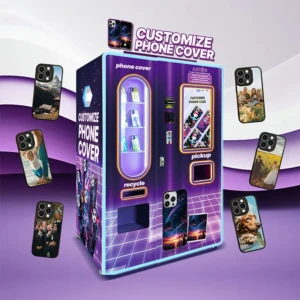
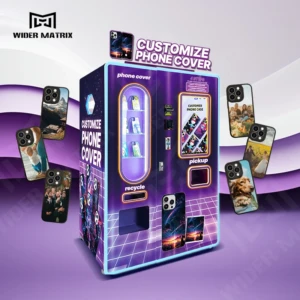
This distinction directly impacts your machine choice and operational model. For instance, operators using smart food machines like the Wider Matrix WM980 Plus Cotton Candy Machine must ensure their council registration covers the on-site production of confectionery, while a Matriz Wider WM880 Máquina expendedora de casos de teléfono operator’s primary concern is securing a high-traffic location permit.
The Step-by-Step Licensing & Setup Process
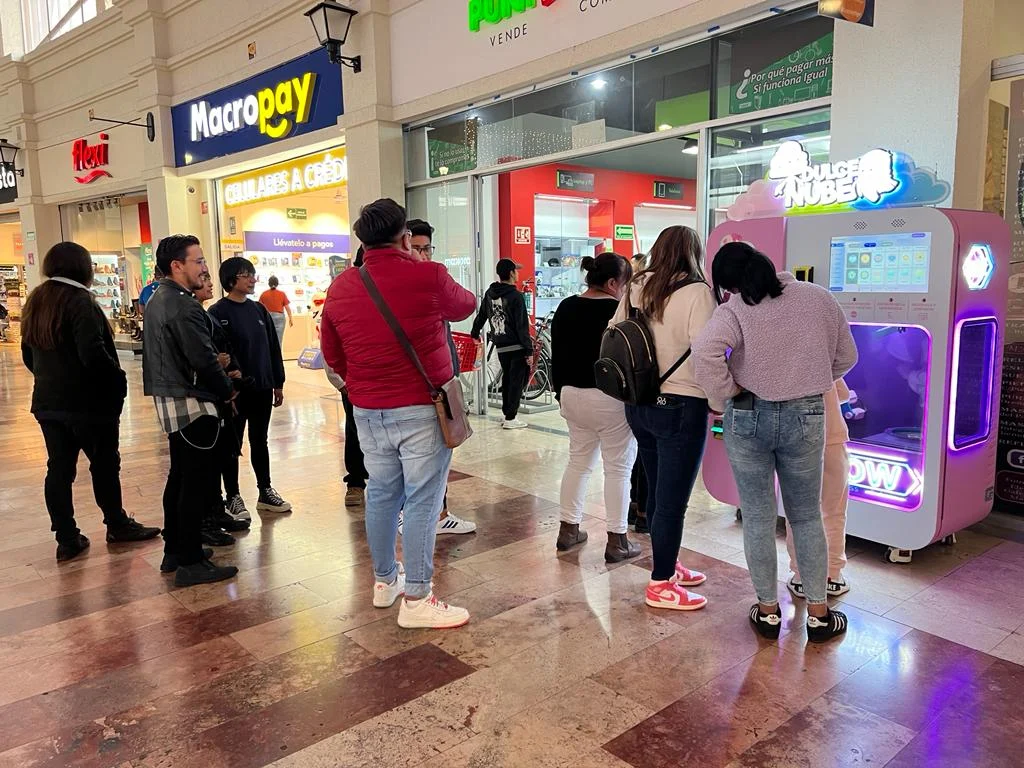
Follow this actionable checklist to ensure full compliance.
- Finalize Your Business Model: Decide on your products (food vs. non-food) and target locations. This dictates your regulatory path.
- Secure Your ABN and Business Name: Register your business structure (sole trader, company) and obtain your ABN.
- Research and Contact Your Local Council: This is your first major action. Inquire about placement permits for your desired location(s). Do this Antes purchasing equipment.
- Apply for State-Level Food Registration (If Applicable): If selling food/drink, complete the notification or registration process with your state’s health authority using the links from the table above.
- Purchase Insured and Compliant Equipment: Choose machines that support your compliance. Modern smart vending machines with IoT capabilities, like those from Wider Matrix, offer remote temperature monitoring (critical for food safety logs) and digital sales tracking, simplifying record-keeping for tax and audit purposes. Industry data shows that operators using such connected systems resolve compliance documentation 60% faster.
- Display All Required Certifications: Clearly display your council permit number, state food registration number (if any), and business contact details on or near the machine.
- Register for GST (if required): Complete this with the ATO.
Ongoing Compliance & Renewal Obligations
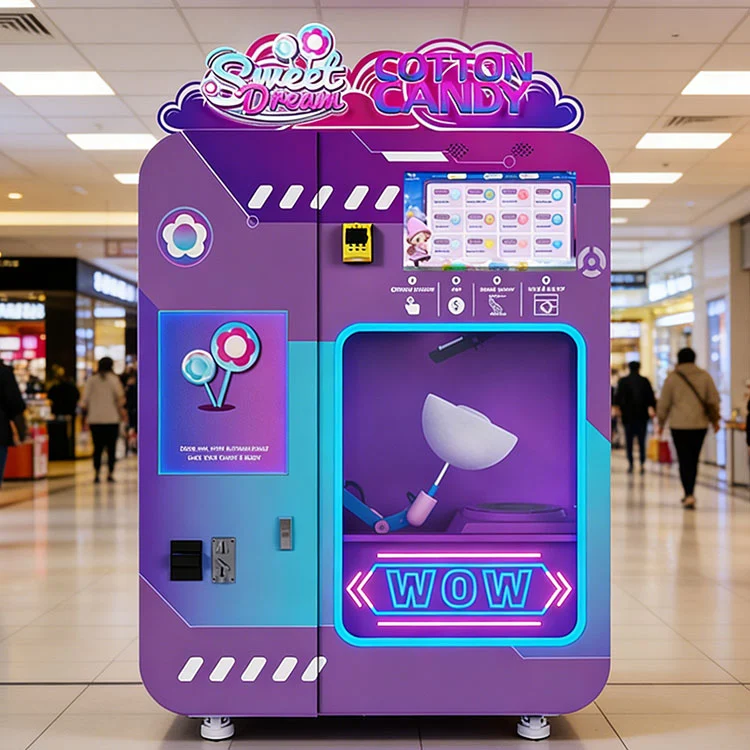
Your responsibility doesn’t end with the initial permit. Maintaining compliance is key to avoiding fines.
- Renewals: Council permits and food business registrations are typically annual. Mark renewal dates in your calendar.
- Record Keeping: Maintain detailed records of sales, machine servicing, and (for food) temperature logs if required. Smart vending systems automate much of this.
- Health & Safety Inspections: Be prepared for unannounced inspections from council health officers. Ensure your machine and the surrounding area are clean, well-maintained, and pest-free.
- Tax Obligations: Lodge BAS statements with the ATO quarterly or annually.
- Seguro: Maintain public liability insurance (often a council requirement) and equipment insurance.
Successful operators treat compliance as an integral part of operations, not a one-time hurdle. For a deeper dive into turning these steps into a profitable venture, explore our guide on Cómo montar un negocio de máquinas expendedoras: Guía paso a paso 2025.
Preguntas más frecuentes (FAQ)
Q: How much does a vending machine license cost in Australia?
Costs vary significantly. Federal ABN and GST registration are free. Local council permits can range from $100 to over $500 per year, per location. State-level food business registration typically costs between $50 and $300 annually. Always budget for these recurring costs.
Q: Can I operate a vending machine without a license?
Operating without the required licenses is illegal and carries serious risks. Penalties include substantial fines (often thousands of dollars), seizure of your machine and stock, and a prohibition from operating. It also voids insurance and destroys business credibility.
Q: I only want to sell pre-packaged snacks and canned drinks. Do I still need a food license?
Yes. Selling any food or beverage, including pre-packaged items, classifies your operation as a food business in every Australian state and territory. You must comply with the relevant state registration and council requirements.
Q: What about vending machines on private property, like inside an office or gym?
You still likely need a license. While council placement permits may not apply if there’s no public access, the property owner will require proof of your ABN, public liability insurance, and, if selling food, your state food business registration. The owner has a legal responsibility to ensure tenants operate lawfully.
Q: What is the typical profit margin and ROI for a licensed vending machine in Australia?
Profitability is highly dependent on location, product, and operational efficiency. However, modern smart vending machines in high-traffic areas can achieve strong returns. For example, industry data from operators shows that phone case vending can see profit margins of 85%+, with a typical ROI period of a few weeks in optimal locations. Cotton candy vending boasts margins of 93.8%-97% with a production cost as low as $0.31 per unit. For a detailed analysis, read ¿Qué tan rentables son las máquinas expendedoras en España? Análisis de Negocios 2025.
Q: How do I handle licenses if I want to place machines in multiple states?
You must comply with the regulations in each state and territory where a machine is physically located. This means obtaining separate food business registrations from each state health authority and placement permits from each local council. It’s administratively complex but non-negotiable.
Q: Are vending machines a good business for beginners in Australia?
Yes, it can be an excellent low-overhead business model with scalable potential. The key for beginners is thorough research, starting with a single, well-placed machine, and meticulously following the licensing steps outlined here. The automated nature of modern vending minimizes labor. For a beginner-focused perspective, see ¿Son las máquinas expendedoras un buen negocio para principiantes? Guía 2025.
Your Next Step: From Compliance to Success
Understanding and securing the correct licenses is the foundational step to building a legitimate and profitable vending business in Australia. While the process requires diligence, it protects you, your customers, and your investment. The modern vending landscape is driven by smart, reliable technology that not only attracts customers but also simplifies compliance through digital tracking and remote management.
As you move from planning to action, having a partner with proven global experience can be invaluable. Matriz más amplia provides more than just industry-leading equipment like the WM880 Phone Case Machine or the WM980 Plus Cotton Candy Machine; we offer a full ecosystem. This includes deployment planning assistance, ROI analysis specific to the Australian market, and machines built with compliance in mind, backed by a 1-year warranty and lifetime technical support. Our 24/7 monitoring platform helps you manage your business efficiently, no matter where you are.
Ready to build your vending business on a solid, legal foundation? Let’s discuss your product and location ideas. Our experts can provide you with a customized compliance checklist and a detailed profitability projection based on real data from our 3,000+ deployments worldwide.
Navigating vending machine licensing in Australia is a detailed process, but it is entirely manageable with the right information and approach. By following this state-by-state guide, distinguishing between food and non-food regulations, and planning for ongoing compliance, you can establish a business that is not only profitable but also built to last. Remember, when in doubt, always consult directly with your local council and state health authority for the most current, authoritative advice.

Comentarios
Aún no hay comentarios. ¡Sé el primero en comentar!