



عندما يسأل أحدهم ما هو نوع آلة البيع الأكثر ربحية؟, ، وعادةً ما يتوقعون إجابة من كلمة واحدة. والإجابة الصادقة هي أن الربحية تعتمد على ثلاثة عوامل: تكلفة المواد لكل وحدة، وسعر البيع بالتجزئة لكل وحدة، وحجم المبيعات اليومي. إذا حددت هذه الأرقام الثلاثة بشكل صحيح، فستسترد تكلفة الآلة بسرعة. أما إذا أخطأت في تحديدها، فستصبح الآلة مجرد ثقالة ورق باهظة الثمن.

أعمل مع مصفوفة أوسع, ، وهي شركة تصنيع آلات البيع في قوانغتشو تنتج ثمانية أنواع مختلفة من الآلات. وعلى مدار السنوات القليلة الماضية، قمت بجمع بيانات مبيعات حقيقية من المشغلين الذين يديرون هذه الآلات في مراكز التسوق وصالات الألعاب الرياضية ودور السينما ومحطات النقل في أكثر من 130 دولة. يقدم هذا المقال تحليلاً للأرقام الخاصة بكل نوع من أنواع الآلات حتى تتمكن من الإجابة عن ما هو نوع آلة البيع الأكثر ربحية؟ بالنسبة لحالتك المحددة، بدلاً من الاعتماد على كلام مندوب المبيعات.
إذا كنت ترغب في تخطي هذا الجزء، فإليك النسخة المختصرة: آلة بيع طابعات الأظافر تحقق أعلى هامش إجمالي لكل معاملة (80% أو أكثر)، وآلة البوبكورن تتمتع بأقل تكلفة دخول ($1,800)، أما آلة مشروبات البروتين فتحقق إيرادات أكثر استقرارًا في الموقع المناسب. لكن التفاصيل مهمة، لذا دعوني أستعرض كل منها بالتفصيل.
لماذا تُعد معظم المقالات التي تتناول “أكثر آلات البيع ربحية” عديمة الفائدة
معظم المقالات التي تجيب على ما هي آلة البيع التي تحقق أعلى ربح؟ تصنف أنواع الآلات دون أن تقدم لك أرقامًا فعلية للتكلفة. يقولون عبارات مثل “آلات الوجبات الخفيفة تحظى بشعبية” أو “آلات المشروبات تتمتع بطلب ثابت” ويكتفون بذلك. وهذا لا يخبرك بأي شيء. فآلة الوجبات الخفيفة التي تبيع رقائق البطاطس بهامش ربح يبلغ 30% لا تندرج في نفس فئة آلة حلوى القطن التي تبيع منتجها بهامش ربح يبلغ 90%. نوع المنتج هو الذي يحدد هامش الربح، وهامش الربح هو الذي يحدد فترة استرداد التكلفة.
تستمد البيانات الواردة في هذا المقال من خط إنتاج شركة Wider Matrix، مما يعني أن الأرقام تتعلق بهذه الآلات تحديدًا. وستختلف النتائج التي تحصل عليها بناءً على الموقع، وحجم الإقبال، ومدى كفاءة إدارتك للعملية. لكن هيكل التكلفة، وأسعار المواد، ونطاقات أسعار التجزئة هي أرقام حقيقية. فهي ليست تقديرات مستمدة من منشور على مدونة.
ما هي آلة البيع التي تحقق أعلى ربح؟ الترتيب حسب هامش الربح الإجمالي
فيما يلي الترتيب بناءً على هامش الربح الإجمالي لكل وحدة مباعة، باستخدام تكاليف المواد الاستهلاكية وأسعار التجزئة الواقعية التي قدمتها شركة Wider Matrix.
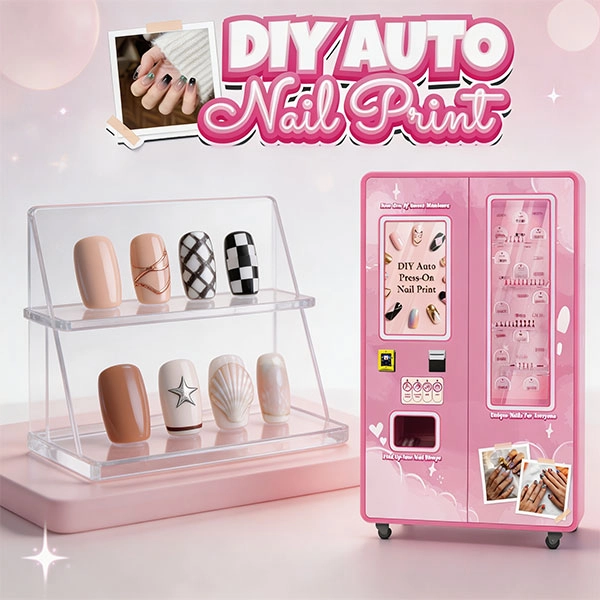
The آلة بيع طابعة الأظافر (WM860) تحتل المرتبة الأولى. تبلغ تكلفة المواد لكل زوج من الأظافر اللاصقة حوالي $1.50. ويتراوح سعر البيع بالتجزئة بين $8 و$15 لكل زوج. وهذا يمنحك هامش ربح إجمالي يبلغ 80% أو أكثر. وبمعدل 70 طلبًا يوميًا في موقع جيد داخل مركز تجاري، يصل الربح اليومي إلى $595. يصل الربح الشهري إلى $17,850، وتسترد الآلة تكلفتها في غضون 15 يومًا تقريبًا. لدى Wider Matrix حالة مسجلة في بانكوك حيث وصلت إحدى الآلات إلى 200 طلب يوميًا خلال حملة ترويجية في فترة العطلات، واستردت الاستثمار الكامل البالغ $5,800 في غضون 5 أيام.
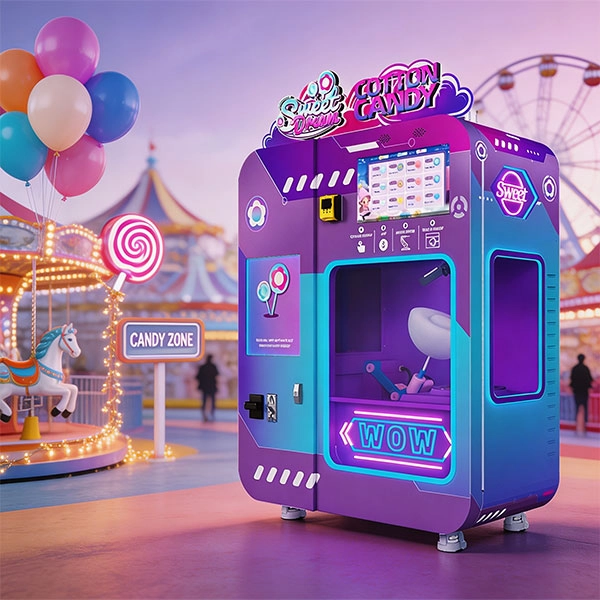
The آلة بيع حلوى القطن (WM980) يأتي في المرتبة الثانية. تستهلك كل حصة من حلوى القطن ما بين 28 إلى 30 جرامًا من السكر الخاص. تبلغ تكلفة كيس السكر سعة 2 كجم $3.25 عند شراء 96 كيسًا دفعة واحدة، مما يجعل تكلفة السكر لكل حصة حوالي 9 إلى 10 سنتات. تبلغ تكلفة العصا الورقية من 4 إلى 5 سنتات. وتضيف تكلفة الكهرباء ما بين 2 إلى 3 سنتات أخرى. ويبلغ إجمالي تكلفة المواد حوالي 16 إلى 18 سنتًا لكل قطعة حلوى. ويبلغ سعر البيع بالتجزئة من $3 إلى $5. وهذا يمثل هامش ربح يزيد عن 90% على كل عملية بيع. تبلغ تكلفة الآلة $4,800 للنموذج الأساسي، وبمعدل 30 عملية بيع يوميًا بسعر $4 لكل منها، فإنك تحقق ربحًا صافيًا قدره $115 يوميًا بعد خصم تكاليف المواد. وتستغرق فترة استرداد التكلفة حوالي 6 إلى 8 أسابيع.
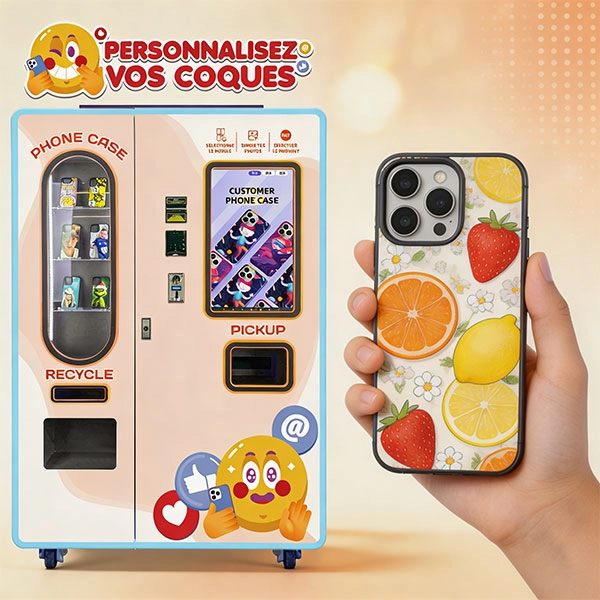
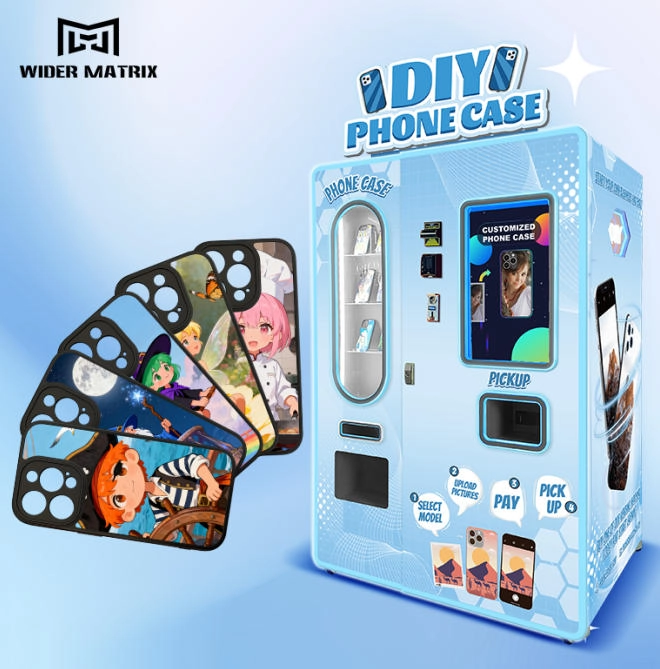
The آلة بيع أغطية الهواتف (WM880) تحتل المرتبة الثالثة. تبلغ تكلفة الجراب الفارغ المصنوع من مادة TPU+PC ما بين $1.10 و$1.30 بالجملة. وتضيف الحبر حوالي 15 إلى 20 سنتًا لكل طباعة. ويبلغ إجمالي تكلفة المواد لكل جراب حوالي $1.35. يتراوح سعر التجزئة لحافظة مطبوعة حسب الطلب بين $15 و$25. ويبلغ الهامش أيضًا حوالي 90%، لكن حجم المعاملات أقل من حلوى القطن لأن عدد الأشخاص الذين يشترون حافظات الهواتف أقل من الذين يشترون حلوى القطن. بمعدل 10 مبيعات يوميًا بسعر $20 لكل منها، يبلغ الربح اليومي بعد خصم تكلفة المواد حوالي $186. يبدأ سعر الجهاز من $4,999 لإصدار F1080 و$5,999 لإصدار i1600.
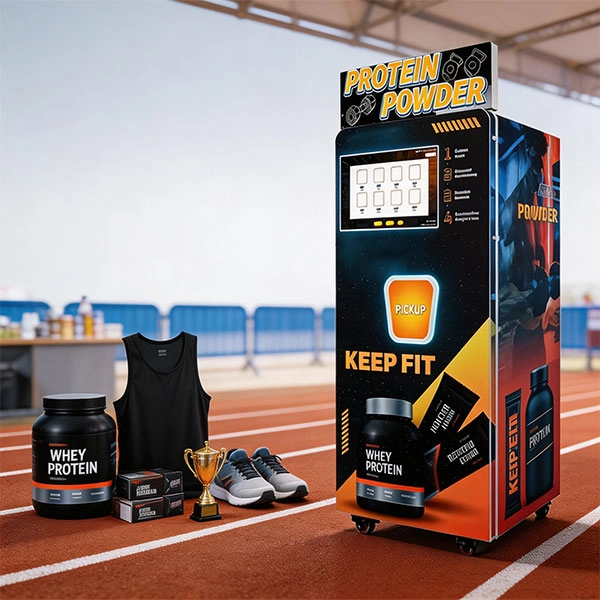
The آلة تحضير مشروبات البروتين (WM186) يحتل المرتبة الرابعة. تتراوح تكلفة المواد لكل كوب بين $0.80 و$1.50 حسب ماركة المسحوق وحجم الكوب. يتراوح سعر البيع بالتجزئة بين $3 و$8. ويتراوح هامش الربح الإجمالي بين 60% و75%. في صالة رياضية تجارية تضم 500 عضو أو أكثر، يمكن للآلة بيع 40 كوبًا أو أكثر يوميًا. تُظهر حالة حقيقية من صالة رياضية متوسطة الحجم في ميامي بيع 45 كوبًا يوميًا بسعر $5.50 لكل كوب، مما يحقق ربحًا يوميًا يبلغ $193 وأكثر من $5,800 شهريًا. يبلغ فترة استرداد تكلفة الجهاز البالغة $4,150 حوالي 3 أشهر في هذا السيناريو، أو أقل من شهر واحد في حالة ارتفاع حجم المبيعات.
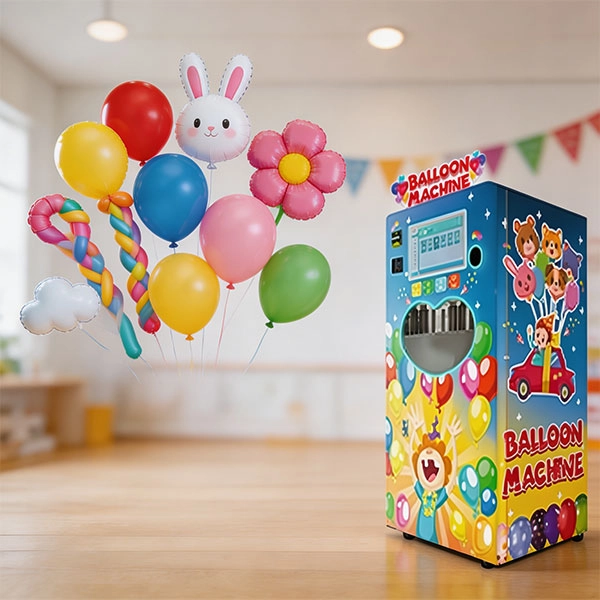
The آلة بيع البالونات (WM688) يحتل المرتبة الخامسة. يتراوح سعر البالون المزود بعصا بين $0.10 و$0.30 حسب الكمية المطلوبة. يتراوح سعر البيع بالتجزئة عادةً بين $2 و$5. ويبلغ هامش الربح 80% أو أكثر، لكن حجم المبيعات اليومي يعتمد بشكل كبير على عدد الزوار في المواقع التي تستهدف العائلات. عند بيع 20 قطعة يوميًا بسعر $3 للقطعة الواحدة، يبلغ الربح اليومي بعد خصم تكلفة المواد حوالي $54. تبلغ تكلفة الآلة $3,200، لذا يتم استرداد التكلفة في غضون 2 إلى 3 أشهر في الموقع المناسب.
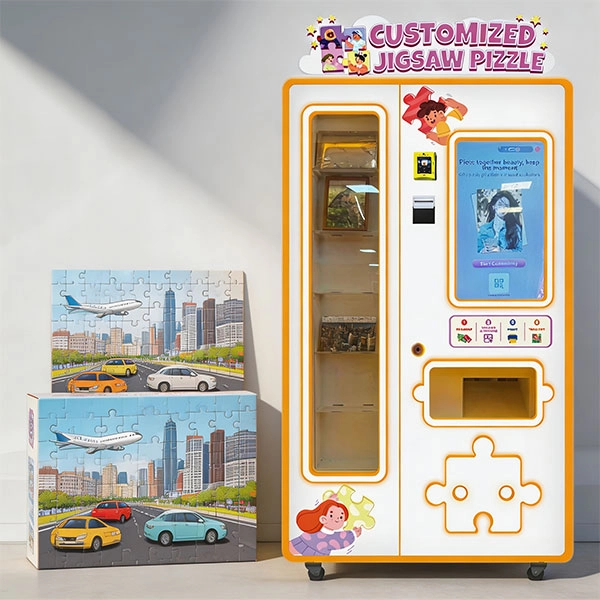
The آلة بيع أحجيات الصور المقطوعة (WM520+) تحتل المرتبة السادسة. يتراوح سعر قطعة الألغاز الورقية الفارغة بين $0.80 و$1.20. ويتراوح سعر إطار الصورة بين $1.20 و$1.80. تبلغ التكلفة الإجمالية للمواد لكل عملية بيع (اللغز بالإضافة إلى الإطار) حوالي $2 إلى $3. يتراوح سعر التجزئة بين $10 و$20. يتراوح الهامش بين 70% و85%. تبلغ تكلفة الآلة $5,500، وبمعدل 10 مبيعات يوميًا بسعر $15 لكل منها، يبلغ الربح اليومي بعد خصم تكلفة المواد حوالي $130. وتستغرق فترة استرداد التكلفة حوالي 6 إلى 8 أسابيع في موقع مزدحم.
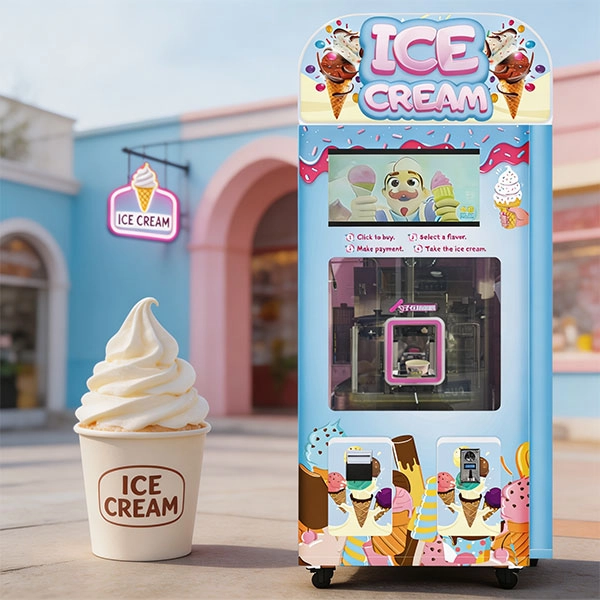
The آلة بيع الآيس كريم (WM550) يحتل المرتبة السابعة. يتراوح سعر الكوب الواحد بين $0.08 و$0.12. وتبلغ تكلفة الملعقة الواحدة $0.03. وتضيف قاعدة الآيس كريم والإضافات ما بين $0.15 و$0.25 لكل كوب، حسب الوصفة. تتراوح تكلفة المواد الإجمالية بين $0.30 و$0.40 لكل حصة. يتراوح سعر البيع بالتجزئة بين $3 و$6. يتراوح هامش الربح بين 85% و90%. تبلغ تكلفة الجهاز $4,400 للنموذج الصغير، و$5,799 إلى $6,799 للنماذج كاملة الحجم. بمعدل 30 كوبًا في اليوم بسعر $4 لكل كوب، يبلغ الربح اليومي بعد خصم تكلفة المواد حوالي $108. وتبلغ مدة استرداد التكلفة للطراز الصغير حوالي 6 أسابيع.
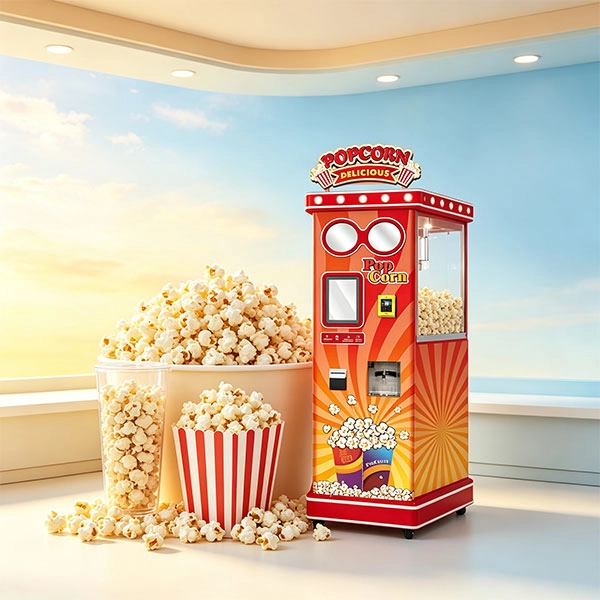
The آلة بيع الفشار (WM680) تحتل المرتبة الأخيرة من حيث هامش الربح لكل كوب، لكنها تحتل المرتبة الأولى من حيث تكلفة البدء. يتراوح سعر الكوب الواحد بين $0.10 و$0.12. وتضيف حبات الذرة بضعة سنتات. ويبلغ إجمالي تكلفة المواد لكل حصة حوالي $0.15. يتراوح سعر البيع بالتجزئة بين $2 و$4. ويبلغ الهامش 90% أو أكثر. تبلغ تكلفة الآلة $1,800 فقط، وهو أدنى سعر دخول في خط إنتاج Wider Matrix بأكمله. بمعدل 25 عملية بيع يوميًا بسعر $3 لكل منها، يبلغ الربح اليومي بعد خصم تكلفة المواد حوالي $71. يتم استرداد التكلفة في غضون 4 أسابيع تقريبًا، وهو أسرع وقت في المجموعة بالنسبة لموقع ذي حركة مرور منخفضة.
هل تُعد آلات البيع استثمارًا جيدًا في عام 2026؟
هل تُعد آلات البيع استثمارًا جيدًا في عام 2026؟ يُطرح هذا السؤال في كل محادثة تقريبًا أجريها مع المشترين الجدد. وتعتمد الإجابة على ما تقارن به هذا الاستثمار. فإذا قارنته بشراء امتياز تجاري، فإن آلة البيع تتفوق من حيث التكلفة والمرونة. أما إذا قارنته بصناديق المؤشرات، فإن مستوى المخاطرة يختلف، لكن العائد المحتمل يكون أعلى عندما تختار الآلة المناسبة والموقع المناسب.
تُظهر الأرقام الخاصة بخط إنتاج شركة Wider Matrix صورة واضحة. تتراوح تكاليف الدخول بين $1,800 لآلة صنع الفشار و$6,799 لآلة صنع الآيس كريم بثلاث نكهات. وتتراوح فترات استرداد التكلفة بين أقل من شهر واحد لآلة صنع مشروبات البروتين في صالة رياضية مزدحمة وحوالي 3 أشهر لنفس الآلة في مكان أقل ازدحامًا. يمكن أن تسترد آلة طباعة الأظافر تكلفتها في غضون 5 إلى 15 يومًا في المركز التجاري المناسب. هذه المدد الزمنية قصيرة لأن تكاليف المواد منخفضة مقارنة بأسعار البيع بالتجزئة، ولأن الآلات تعمل دون الحاجة إلى مراقبة.
ما يميز عام 2026 عن ما كان عليه الحال قبل خمس سنوات هو التكنولوجيا. فالآلات التي تصنعها شركة «وايدر ماتريكس» حاليًا مزودة بنظام إدارة سحابي عبر إنترنت الأشياء (IoT)، مما يعني أنه يمكنك مراقبة المبيعات والمخزون وحالة المعدات من هاتفك. يمكنك إطلاق العروض الترويجية عن بُعد، وإرسال التصاميم الجديدة لاسلكيًا، وتلقي تنبيهات عند تعطل أحد المكونات. وهذا يقلل من تكلفة العمالة اللازمة لتشغيل عدة آلات، ويجعل من الممكن عمليًّا أن يدير شخص واحد 10 وحدات أو أكثر. الـ دليل أعمال آلات البيع يغطي الموقع «Wider Matrix» الجانب التشغيلي بمزيد من التفصيل.
هناك أمر واحد لم يتغير: الموقع لا يزال أكثر أهمية من نوع الجهاز. فآلة صنع الفشار في دار سينما مزدحمة ستحقق أرباحًا تفوق أرباح آلة طباعة الأظافر في مركز تجاري مهجور. قبل أن تختار جهازًا، اختر الموقع أولاً. ثم قم بمطابقة الجهاز مع الجمهور الذي يمر من أمامه.
ما هي أكثر المنتجات مبيعًا في آلة البيع؟
ما هي أكثر المنتجات مبيعًا في آلة البيع؟ يعتمد حجم المبيعات على مستوى السعر، وجاذبية الشراء العفوي، وعدد الأشخاص الذين يمرون أمام الآلة يوميًا. وفيما يلي ما تظهره البيانات الواردة من مشغلي Wider Matrix.
تحظى حلوى القطن بشعبية كبيرة لأن سعرها منخفض ($3 إلى $5) وعملية إنتاجها مثيرة للاهتمام من الناحية البصرية. يتوقف الناس لمشاهدة الآلة وهي تقوم بتدوير السكر، وهذا يجذب المزيد من العملاء. في قاعة الطعام بمركز تجاري أو في منطقة سياحية، يُعد بيع 30 إلى 50 حصة يوميًا أمرًا واقعيًا. تنتج الآلة 36 نمطًا مختلفًا، وهذا التنوع البصري يجعل الناس يعودون مرة أخرى.
تحظى حبوب الفشار بإقبال كبير في دور السينما والمتنزهات الترفيهية ومحطات النقل. فسعرها منخفض ($2 إلى $4)، ورائحتها تجذب الناس، كما أن وقت إعدادها لا يتجاوز دقيقتين. تتسع آلة الفشار من Wider Matrix لـ 5.6 كجم من الذرة و140 كوبًا، لذا فهي قادرة على تلبية الطلب في أوقات الذروة دون الحاجة إلى إعادة التعبئة باستمرار.
تحظى مشروبات البروتين بإقبال كبير في الصالات الرياضية والمراكز الرياضية الجامعية ومرافق اللياقة البدنية التابعة للشركات. ويقل حجم المبيعات عن حلوى القطن أو الفشار (من 15 إلى 50 كوبًا يوميًا)، لكن سعر الكوب أعلى (من $3 إلى $8) وهامش الربح كبير. كما أن معدل تكرار الشراء مرتفع أيضًا لأن أعضاء الصالات الرياضية يكتسبون عادة شراء هذه المشروبات.
تُباع حافظات الهواتف بكميات معتدلة (من 8 إلى 15 حافظة يوميًا) ولكن بسعر مرتفع (من $15 إلى $25). وتُعد ميزة الطباعة المخصصة هي المحرك الرئيسي للمبيعات. فالناس على استعداد لدفع مبلغ إضافي مقابل حافظة تحمل صورتهم الخاصة، ولن يجدوا هذه التجربة على موقع أمازون.
تتميز خدمة طباعة الأظافر بأوسع نطاق من حيث الحجم. ففي مكان هادئ، يتراوح عدد الطلبات بين 10 و20 طلبًا يوميًا. أما في مركز تجاري مزدحم خلال فترة العطلات، فيصل عدد الطلبات إلى 200 طلب يوميًا. ويُعدّ وقت الخدمة الذي لا يتجاوز 5 دقائق، بالإضافة إلى الجاذبية البصرية لمشاهدة الذكاء الاصطناعي وهو يضع الأظافر ويطبع عليها في الحال، تجربة تجذب الزوار إلى المكان.
تُباع البالونات في الأماكن العائلية: مثل المتنزهات الترفيهية، ومراكز التسوق التي تضم متاجر للأطفال، وأماكن إقامة الفعاليات. ويتراوح عدد البالونات المباعة يوميًا بين 15 و30 بالونًا، ويتراوح سعرها بين $2 و$5. ويُعد المستودع الشفاف الذي يمكن للأطفال من خلاله مشاهدة عملية صنع البالونات عامل جذب كبيرًا.
يُباع الآيس كريم في مراكز التسوق والمتنزهات والمناطق السياحية. ويبلغ حجم المبيعات ما بين 20 إلى 40 كوبًا يوميًا في المواقع الجيدة. وتساهم مدة التوزيع التي تستغرق 15 ثانية وخيارات التخصيص (صوصات الفاكهة، والإضافات، ومزج النكهات المتعددة) في الحفاظ على انسيابية الطابور.
تُباع الألغاز في المناطق السياحية ومحلات الهدايا ومراكز التسوق. يتراوح حجم المبيعات بين 8 و15 قطعة يوميًا، ويتراوح السعر بين $10 و$20. وتُحوّل ميزة تحميل الصور بنفسك هذا المنتج إلى تذكار، مما يبرر ارتفاع سعره.
ما هي عيوب امتلاك آلة بيع؟
ما هي عيوب امتلاك آلة بيع؟ يُطرح عليّ هذا السؤال بمعدل أقل من السؤال المتعلق بالربحية، لكنه أكثر أهمية. فمعرفة الجوانب السلبية هي ما يميز المشغلين الناجحين عن أولئك الذين يستسلمون بعد ثلاثة أشهر.
أكبر عيب هو الصيانة. فكل آلة تتعطل في نهاية المطاف. قد يتعطل المحرك، أو يحدث خطأ في قراءة المستشعر، أو تنقطع اتصال وحدة الدفع بالإنترنت، أو يحدث انحشار داخل آلية التوزيع. وعندما يحدث ذلك، تتوقف الآلة عن جني الأموال حتى يتم إصلاحها. وإذا لم تتمكن من الوصول إلى الجهاز بسرعة، فستخسر إيرادات عدة أيام. تعالج Wider Matrix هذه المشكلة من خلال ميزة التشخيص الذاتي عبر إنترنت الأشياء (IoT) التي ترسل تنبيهات إلى هاتفك، بالإضافة إلى ضمان لمدة عام واحد مع دعم فني مدى الحياة؛ لكنك لا تزال بحاجة إلى شخص على أرض الواقع لإجراء الإصلاحات المادية.
العيب الثاني هو مخاطر الموقع. لا تحقق الآلة أرباحًا إلا بقدر عدد المارة في محيطها. فإذا فقد مركز التسوق أحد المستأجرين الرئيسيين، أو إذا أدى مشروع إنشاء طريق إلى إغلاق الوصول إلى موقعك، أو إذا افتتح منافس آلة مماثلة في الجوار، فقد تنخفض إيراداتك بين عشية وضحاها. ولا تملك أي سيطرة على هذه العوامل. الـ دليل وضع آلات البيع يتناول هذا المقال استراتيجية اختيار الموقع بالتفصيل، لكن باختصار: احرص أولاً على إبرام عقد إيجار قصير الأجل، وأثبت جدوى الفكرة، ثم تفاوض على شروط أطول أجلاً.
العيب الثالث هو إدارة المواد الاستهلاكية. فكل نوع من الآلات يحتاج إلى مواد إعادة التعبئة. فصناعة حلوى القطن تتطلب السكر والعصي. ويحتاج الآيس كريم إلى أكواب وملاعق وخليط الأساس. وتحتاج مشروبات البروتين إلى مسحوق وأكواب. وتحتاج حافظات الهواتف إلى حافظات فارغة وحبر. إذا نفدت المواد الاستهلاكية، تتوقف الآلة عن البيع. توفر شركة Wider Matrix المواد الاستهلاكية لجميع آلاتها، لكنك لا تزال بحاجة إلى التخطيط لعمليات إعادة التزويد والاحتفاظ بمخزون.
العيب الرابع هو رأس المال الأولي. تتراوح تكلفة الجهاز الواحد بين $1,800 و$6,799. وإذا كنت ترغب في إنشاء خط يضم 5 آلات، فستتكلفك التكلفة ما بين $9,000 و$34,000 قبل احتساب تكاليف الشحن والضرائب ومستهلكات الشهر الأول. وهذا مبلغ يمكن تحمله مقارنةً بالامتياز التجاري، لكنه يظل مبلغًا كبيرًا. ال دليل تكاليف آلات البيع يوضح الصورة الكاملة للاستثمار.
العيب الخامس هو تعقيد عملية معالجة المدفوعات. يوجد في كل بلد معالجات دفع مختلفة، ولا تعمل جميع الأجهزة مع كل هذه المعالجات بشكل تلقائي. تدعم أجهزة Wider Matrix البطاقات، وتقنية NFC، ورموز QR، وبروتوكول MDB، مما يغطي معظم معالجات الدفع العالمية، لكنك لا تزال بحاجة إلى إنشاء حساب تاجر ودفع رسوم معالجة تتراوح بين 2% و5% لكل معاملة.
كيفية اختيار الجهاز المناسب لحالتك
والآن بعد أن أصبحت الأرقام متوفرة، إليكم الطريقة التي سأتخذ بها قراري. السؤال هو ما هو نوع آلة البيع الأكثر ربحية؟ يختلف الجواب باختلاف المشغل، لأن الاختيار الصحيح يعتمد على موقعك وميزانيتك.
إذا كان لديك $2,000 أو أقل لبدء المشروع، فإن آلة صنع الفشار هي خيارك الأفضل. بسعر $1,800 للوحدة الواحدة، فهي أرخص خيار للبدء ضمن مجموعة منتجات Wider Matrix. تبلغ تكلفة المواد لكل حصة حوالي 15 سنتًا، ويتراوح سعر البيع بالتجزئة بين $2 و$4. ضعها في دار سينما أو كافيتريا مدرسية أو مجمع رياضي وستتمكن من استرداد استثمارك في غضون 4 أسابيع. الـ دليل آلات بيع الفشار يتناول التفاصيل التشغيلية.
إذا كان لديك صلة بأحد النوادي الرياضية، فإن آلة مخفوق البروتين بسعر $4,150 تُعد خيارًا لا يُضاهى. يتراوح هامش الربح بين 60% و75%، ومعدل تكرار الزبائن مرتفع، ويمكن لآلة واحدة في صالة رياضية تضم 500 عضو أن تدر $5,800 أو أكثر شهريًا. لدى شركة Wider Matrix حالة موثقة من ميامي حيث بلغت مبيعات إحدى الآلات 45 كوبًا يوميًا بسعر $5.50 لكل كوب. وقد استردت تلك الآلة تكلفتها في غضون 3 أشهر، وهي تحقق أرباحًا كل شهر منذ ذلك الحين.
إذا كان لديك إمكانية الوصول إلى مركز تجاري ومبلغ $5,800 للاستثمار، فإن طابعة الأظافر هي الآلة ذات الهامش الربحي الأعلى في المجموعة. وبهامش إجمالي يبلغ 80% أو أكثر ووقت خدمة لا يتجاوز 5 دقائق، فإنها تحقق أرباحًا تفوق أي نوع آخر من الآلات في كل معاملة. أظهرت دراسة الحالة في دبي ربحًا شهريًّا يبلغ $5,400 من آلة واحدة. أما دراسة الحالة الخاصة بعطلة بانكوك، فقد أظهرت 200 طلب يوميًّا. إذا تمكنت من الحصول على موقع كشك في مركز تجاري يتمتع بإقبال كبير من الزوار، فستسترد تكلفة هذه الآلة أسرع من أي جهاز آخر تنتجه شركة Wider Matrix.
إذا كنت تبحث عن آلة تجذب العائلات والأطفال، فإن آلة صناعة حلوى القطن بسعر $4,800 وآلة صنع البالونات بسعر $3,200 تعتبران خيارين ممتازين. تتميز آلة حلوى القطن بهامش ربح أعلى لكل عملية بيع (90% أو أكثر)، لكن آلة البالونات تتميز بتكلفة بدء تشغيل أقل. وكلاهما يجذب الحشود لأن عملية الإنتاج مرئية ومسلية.
إذا كنت تبحث عن آلة تخدم السياح أو زوار متاجر الهدايا، فإن آلة تصنيع أغطية الهواتف بسعر يتراوح بين $4,999 و$5,999 وآلة الألغاز بسعر $5,500 مصممتان كلاهما لطباعة الصور المخصصة. تتمتع آلة تصنيع أغطية الهواتف بإمكانيات حجم مبيعات أكبر لأن الجميع يمتلك هاتفًا. أما آلة تصنيع الألغاز، فهي تتميز بسعر أعلى لكل عملية بيع (يتراوح بين $10 و$20) ولكن بحجم مبيعات أقل.
إذا كنت تبحث عن آلة مناسبة للاستخدام في صالات الطعام والمناطق السياحية، فإن آلة صنع الآيس كريم التي يتراوح سعرها بين $4,400 و$6,799 هي الخيار الأمثل. فمدة التوزيع التي لا تتجاوز 15 ثانية وخيارات تخصيص النكهات تجعلها قادرة على منافسة محلات الآيس كريم التقليدية بتكلفة عمالة أقل بكثير.
دور شركة «وايدر ماتريكس» في اتخاذ قرارك
أنا أعمل في شركة «وايدر ماتريكس»، لذا لن أتظاهر بالحياد. لكن يمكنني أن أشرح لكم أهمية هذه الشركة عند اتخاذكم قرارًا بشأن الجهاز الذي ستشترونه.
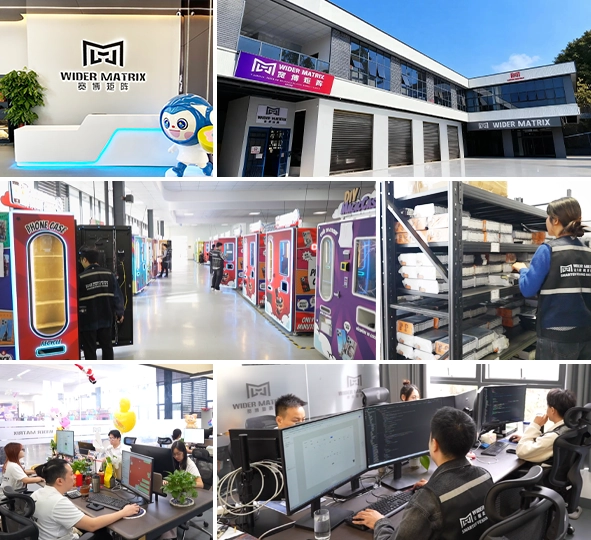
تقوم شركة ’وايدر ماتريكس» بتصنيع آلات البيع منذ عام 2016. ويضم مصنعها في قوانغتشو 50 مهندسًا أو أكثر، وقد شحنت الشركة ما يزيد عن 3,000 وحدة إلى 130 دولة أو أكثر. يتم تصنيع كل آلة من الآلات الموجودة في المجموعة واختبارها وشحنها من ذلك المصنع. ولا تقوم الشركة بإعادة بيع آلات مصانع أخرى. وهذا أمر مهم لأنه عندما تتعطل إحدى الآلات، فإنك تتصل بالأشخاص الذين صنعوها، وليس بوسيط يضطر إلى إحالة استفسارك إلى شخص لا يمكنه الوصول إليه.
تأتي كل آلة مع ضمان لمدة عام ودعم فني مدى الحياة. ويبلغ وقت الاستجابة 24 ساعة. يتيح لك نظام إدارة السحابة عبر إنترنت الأشياء (IoT) مراقبة المبيعات والمخزون وحالة الآلة من الهاتف أو الكمبيوتر. إذا انخفض مستوى المواد في الوعاء، تتلقى تنبيهًا. وفي حالة تعطل أحد المكونات، تقوم الآلة بإجراء تشخيص ذاتي وترسل التنبيه إليك وإلى فريق خدمة ما بعد البيع. الـ دليل مصنعي آلات البيع يتناول ما يجب البحث عنه في المورد.
كما توفر شركة «وايدر ماتريكس» المواد الاستهلاكية اللازمة لجميع أنواع الآلات. فالسكر، والعصي، والأكواب، والملاعق، والمسحوق، والحبر، والعلب الفارغة، والبالونات، وقطع الألغاز الفارغة، والإطارات، والأظافر اللاصقة — كلها متوفرة مباشرة من المصنع. وهذا يعني أنك لست مضطرًا إلى شراء المواد من طرف ثالث، ولا داعي للقلق بشأن مشكلات التوافق.
تدعم الشركة خدمات التخصيص وفقًا لنموذجي OEM و ODM. إذا كنت ترغب في وضع شعار علامتك التجارية على الجهاز، أو تخصيص الرسومات الخارجية، أو تحميل الوصفات والتصاميم الخاصة بك، فإن شركة Wider Matrix تتولى ذلك داخليًّا. تدعم الواجهة متعددة اللغات الإنجليزية والعربية والكورية والفرنسية والروسية ولغات أخرى، وهو أمر مهم إذا كنت تنوي نشر الجهاز خارج الولايات المتحدة.
خلاصة القول بشأن الربحية
إذن ما هو نوع آلة البيع الأكثر ربحية؟ ماذا عنك؟ إليك ملخص صادق يستند إلى البيانات المستمدة من مجموعة منتجات Wider Matrix.
للحصول على أعلى هامش ربح لكل معاملة: طابعة الأظافر التي تبلغ هامش ربحها الإجمالي 80% أو أكثر، مع فترة استرداد الاستثمار تتراوح بين 5 و15 يومًا في الموقع المناسب.
للحصول على أقل تكلفة بدء: آلة صنع الفشار بسعر $1,800، مع فترة استرداد التكلفة تبلغ 4 أسابيع في موقع جيد.
للحصول على إيرادات أكثر استقرارًا: آلة تحضير مشروبات البروتين في صالة الألعاب الرياضية، مع أرباح شهرية موثقة تبلغ $5,800 أو أكثر.
للحصول على أعلى هامش ربح لمنتج غذائي: آلة صنع حلوى القطن، التي تبلغ هامش ربحها 90% أو أكثر لكل عملية بيع، مع جاذبية بصرية قوية تحفز على الشراء العفوي.
بالنسبة لأماكن الترفيه والعائلات: آلة صنع البالونات بسعر $3,200 مع هامش ربح يبلغ 80% أو أكثر، وتتمتع بجاذبية كبيرة للأطفال.
بالنسبة لقطاع السياحة والهدايا التذكارية: آلة تصنيع أغطية الهواتف وآلة الألغاز، وكلاهما يقدمان خدمة طباعة الصور حسب الطلب بأسعار مرتفعة.
بالنسبة إلى صالات الطعام والمناطق السياحية: آلة الآيس كريم التي توزع الحصة في غضون 15 ثانية وتتميز بخيارات تخصيص متنوعة.
يمكن لأي جهاز من أجهزة مجموعة «Wider Matrix» أن يحقق أرباحًا إذا تم وضعه في الموقع المناسب. ولن يحقق أي منها أرباحًا إذا تم وضعه في الموقع غير المناسب. القرار الأهم الذي تتخذه ليس اختيار الجهاز الذي تشتريه، بل تحديد المكان الذي ستضعه فيه. اختر الموقع المناسب، واختار الجهاز الذي يتناسب مع الجمهور المستهدف، وستحقق أرباحًا جيدة.
إذا كنت ترغب في مناقشة حالتك الخاصة،, الاتصال Wider Matrix وأخبرهم بالمكان الذي تنوي وضع الجهاز فيه، ومقدار حركة المرور في ذلك الموقع، وميزانيتك. ستتلقى ردًا في غضون 24 ساعة يتضمن الأسعار والمواصفات وتوصية مخصصة وفقًا لظروفك الخاصة، بدلاً من عرض عام.
يمكنك أيضًا تصفح متجر مصفوفة واسعة لمقارنة جميع طرازات الأجهزة جنبًا إلى جنب، أو قراءة مدونة الشركة للاطلاع على دراسات الحالة والمقابلات مع المشغلين من المشترين الذين يستخدمون هذه الآلات منذ شهور أو سنوات.