



إذا كنت قد كتبت عبارة “البحث عن آلات بيع الآيس كريم المتوفرة حالياً وأسعارها ومورديها” في محرك بحث جوجل، فمن المحتمل أنك تقوم بأحد أمرين: إما أنك تقارن بين الطرازات المختلفة قبل شراء أول آلة لك، أو أنك مستعد لتوسيع نطاق توزيعك وترغب في معرفة الوضع الحالي للسوق. وكلا الموقفين منطقيان.
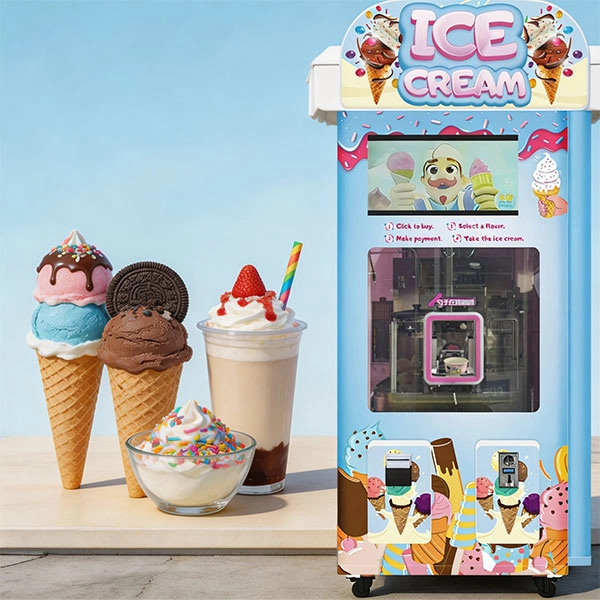
قضينا الأشهر القليلة الماضية في التحدث إلى مشغلي آلات بيع الآيس كريم، واختبار وحدات من موردين مختلفين، والتحقق من الأسعار الفعلية (وليس مجرد المماطلة التي تتم تحت مسمى “طلب عرض أسعار”). هذا المقال هو ما توصلنا إليه من معلومات. وهو يغطي الآلات التي يمكنك شراؤها فعليًّا في عام 2026، وتكلفتها، ومن يزودها، وما إذا كانت الأرقام منطقية.
كما نتطرق إلى الأسئلة التي يطرحها معظم المشترين بمجرد أن يبدأوا في البحث: كم عدد الآلات التي تحتاجها لتحقيق دخل مكون من ستة أرقام، وما إذا كان من الضروري تأسيس شركة ذات مسؤولية محدودة (LLC)، وكيفية التعرف على الآلة التي ستصمد مع مرور الوقت.
ما هي آلات بيع الآيس كريم المتوفرة حاليًا؟
شهدت تجارة بيع الآيس كريم تغيرات كبيرة خلال السنوات الثلاث الماضية. كان النموذج القديم عبارة عن صندوق تجميد يحتوي على حلوى معبأة مسبقًا. يقوم شخص ما بتزويدها بقطع «درامستيك» و«كلوندايك»، ويجمع النقود، ويعيد التزويد مرة واحدة في الأسبوع. ولا يزال هذا النموذج ساريًا. لكن الفئة الأحدث، وهي آلات تقديم الآيس كريم الناعم الأوتوماتيكية بالكامل، هي التي تحظى بمعظم الاهتمام حاليًا.
تقوم هذه الآلات بخلط وتوزيع الآيس كريم الطري الطازج عند الطلب. يقترب العميل، ويختار النكهة والإضافة المطلوبة عبر شاشة تعمل باللمس، ويدفع بواسطة بطاقة أو هاتفه، ثم يحصل على كوب في غضون 15 ثانية تقريبًا. بدون موظفين. بدون الحاجة إلى سكب الآيس كريم بالملعقة. وبدون آثار التجميد.
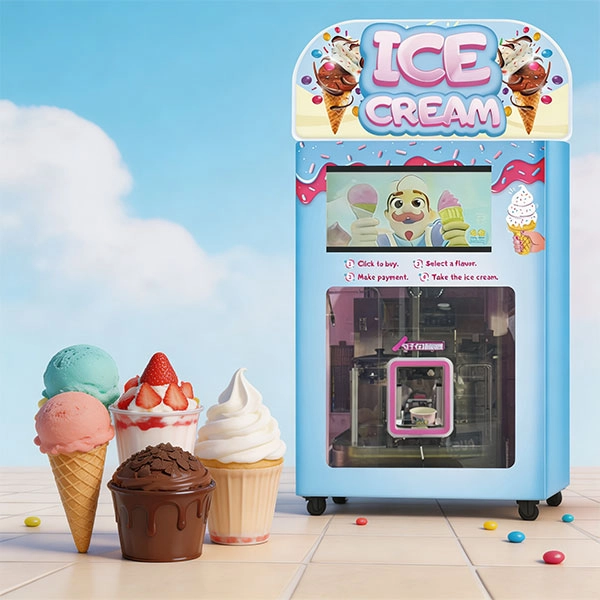
هناك ثلاثة أنواع رئيسية متوفرة في السوق اليوم:
آلات تقديم الآيس كريم الناعم الأوتوماتيكية بالكامل. هذه هي الطرازات الرائدة. فهي تحتفظ بخليط الآيس كريم السائل في خزان مبرد، وتقوم بتجميده وإدخال الهواء فيه عند الطلب، ثم تصبه في الكوب. وتدعم معظمها نكهات وإضافات متنوعة. تبدأ الأسعار من حوالي $5,000 وتصل إلى ما يزيد عن $15,000 حسب السعة والميزات.
آلات بيع المنتجات المجمدة المعبأة مسبقًا. هذه آلات تقليدية لبيع الوجبات الخفيفة المبردة، وقد تم تجهيزها خصيصًا لبيع الآيس كريم. تكلفتها الأولية أقل، وعادةً ما تتراوح بين $2,000 و$5,000، لكن الربح لكل وحدة أقل لأنك تعيد بيع منتج شخص آخر.
آلات صنع الآيس كريم المزودة بأذرع روبوتية. فئة متخصصة حيث يقوم ذراع آلي بسكب الآيس كريم الصلب من خزانة عرض. تبدو هذه الأجهزة مثيرة للإعجاب في مراكز التسوق أو المطارات. كما تتراوح تكلفتها بين $20,000 و$50,000، وتتطلب صيانة أكثر مما يرغب معظم المشغلين في تحمله.
بالنسبة لمعظم من يبدؤون العمل في هذا المجال، تُعد آلة تقديم الآيس كريم الناعم الأوتوماتيكية بالكامل الخيار الأمثل. فتكلفة الآلة معقولة، وهامش الربح لكل كوب مرتفع، كما أن عنصر الجدة يجذب العملاء. إذا كنت ترغب في الاطلاع على الطرازات الحالية، فقد نشرنا دليل أسعار آلات بيع الآيس كريم الجديدة الذي يعرض المواصفات جنبًا إلى جنب.
كم تبلغ تكلفة آلات بيع الآيس كريم؟
هذا هو السؤال. يظهر السؤال “كم تبلغ تكلفة آلات بيع الآيس كريم؟” في نتائج البحث لأن الإجابة ليست رقمًا واحدًا. فهناك نطاق سعري، ويعتمد المبلغ الذي ستدفعه ضمن هذا النطاق على الوظائف التي تريد أن تؤديها الآلة.
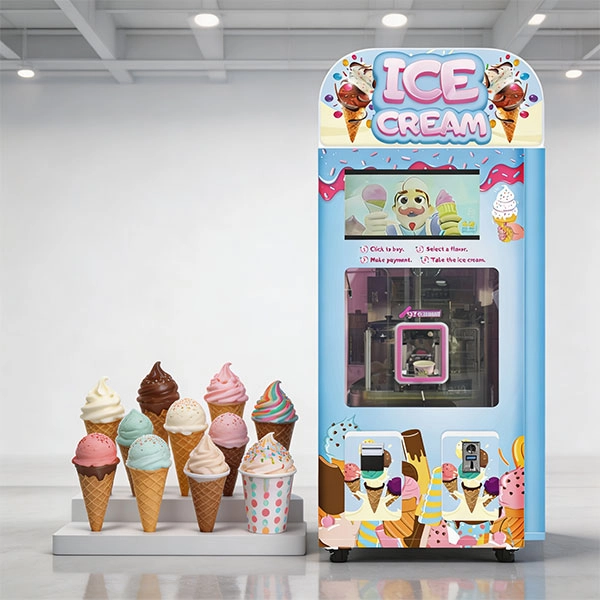
فيما يلي صورة السوق في عام 2026، استنادًا إلى عروض الأسعار الفعلية المقدمة من الموردين والأسعار المنشورة:
| نوع الجهاز | النطاق السعري (بالدولار الأمريكي) | ما ستحصل عليه |
|---|---|---|
| طرازات صغيرة الحجم / مدمجة تُوضع على سطح العمل | $3,000 - $5,000 | نكهة واحدة، سعة محدودة، طريقة دفع أساسية |
| متوسط الحجم، بنكهة واحدة | $5,500 – $7,000 | نكهة واحدة، إضافات متنوعة، شاشة تعمل باللمس، قارئ بطاقات |
| متوسط الحجم ومتعدد النكهات | $6,500 – $9,000 | نكهتان إلى ثلاث نكهات بالإضافة إلى مزيج المكونات والإضافات، ومجموعة كاملة من خيارات الدفع |
| تجاري كبير / عالي السعة | $10,000 – $18,000 | نكهات متنوعة، خزان كبير، مكونات متينة |
| ذراع آلية / فئة فاخرة | $20,000 – $50,000+ | التعبئة الآلية، واجهة العرض، عامل الجدة |
هذه الأسعار تشمل الجهاز فقط. وتُضاف إلى المبلغ الإجمالي تكاليف الشحن ورسوم الاستيراد (إذا كنت تشتري من الخارج) وتكاليف التركيب. فقد يصل سعر الجهاز الذي تبلغ قيمته $5,799 في الفاتورة إلى $6,800 أو أكثر بمجرد وصوله إلى موقعك وبدء تشغيله.
عليك أيضًا أن تأخذ في الحسبان المواد الاستهلاكية. تتراوح أسعار أكواب الآيس كريم بين $0.08 و$0.12 للواحدة عند الشراء بالجملة. أما الملاعق فتتراوح تكلفة كل منها بين $0.03 تقريبًا. وتختلف تكلفة خليط الآيس كريم نفسه باختلاف المورد، لكن التقدير التقريبي يتراوح بين $0.30 و$0.50 لكل حصة. إذا كنت تبيع الكوب بسعر $4.00، فإن تكلفتك لكل كوب تتراوح بين $0.50 و$0.70 تقريبًا. وهذا يترك هامش ربح إجمالي يتراوح بين $3.30 و$3.50 لكل كوب قبل دفع تكاليف الموقع والكهرباء والصيانة.
إذا كنت ترغب في التعمق أكثر في الأرقام، فإن دليل حول تكلفة آلات البيع يغطي الصورة الكاملة للاستثمار عبر أنواع الآلات المختلفة.
أين يمكن العثور على موردي آلات بيع الآيس كريم
ينقسم المشهد الخاص بالموردين إلى ثلاث مجموعات.
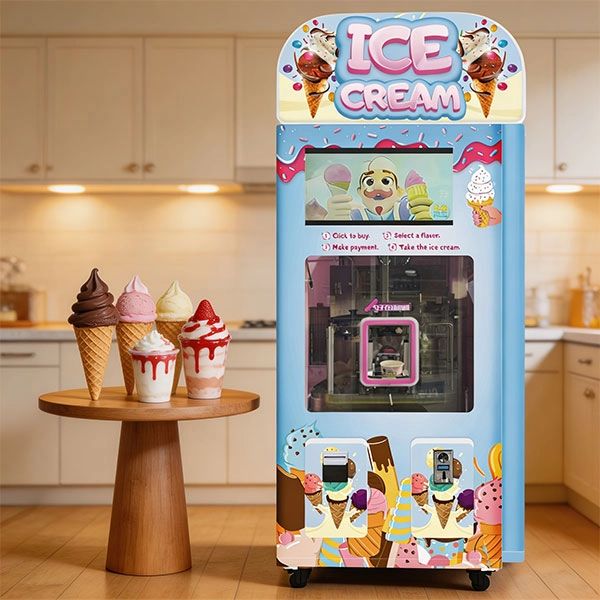
الموزعون المحليون (الولايات المتحدة/أوروبا). تشتري هذه الشركات الآلات من الشركات المصنعة، وتضيف هامش ربح عليها، وتقدم الدعم الفني المحلي. تدفع أنت مبلغاً أكبر، أحياناً ما يتراوح بين 30% و50% أكثر من السعر المباشر من المصنع، لكنك تحصل على خدمة أسرع، وقطع غيار محلية، وشخصاً يمكنك الاتصال به عندما تتعطل الآلة يوم السبت. ومن الأمثلة على ذلك Seaga وNaturals2Go والعديد من الموزعين الإقليميين.
مباشرةً من الشركات المصنعة (معظمها من الصين). إذا كنت متمكنًا من إدارة عملية الاستيراد، فإن الشراء مباشرةً من المصنع يتيح لك تجنب الوسطاء. تأتي معظم آلات الآيس كريم الأوتوماتيكية بالكامل المتوفرة في السوق من شركات تصنيع في الصين. وفارق السعر كبير. فالآلة التي يبيعها موزع أمريكي بسعر $12,000 قد تكلف $5,800 من المصنع. المقابل هو أنك ستتولى بنفسك أو من خلال فني محلي أمور الشحن والجمارك وأي مسائل تتعلق بالضمان.
مستعملة ومجددة. قد تجد أحيانًا آلات مستعملة على موقع eBay أو Facebook Marketplace أو من خلال شبكات مشغلي آلات البيع. السعر أقل، لكن آلات الآيس كريم أكثر تعقيدًا من آلات الوجبات الخفيفة. فقد تتحول الوحدة المستعملة التي تعاني من مشكلة في الضاغط أو انسداد في خط الخلط إلى مصدر خسارة مالية. ونحن نوصي عادةً بشراء آلة جديدة ما لم تكن على دراية بسجل صيانة الآلة.
لجميع من يتوردون البضائع من الخارج، قمنا بإعداد دليل حول آلات بيع الآيس كريم في الصين الذي يتناول ما يجب البحث عنه في المصنع، والأسئلة التي يجب طرحها، وكيفية تجنب الأخطاء الأكثر شيوعًا في عملية التوريد.
عند تقييم الموردين، هناك بعض العوامل التي تميز الموردين الجادين عن البقية. هل ينشرون أسعارًا حقيقية، أم أن كل شيء يتم من خلال مكالمة مبيعات؟ هل لديهم قائمة قطع الغيار ودليل الصيانة؟ هل يمكنهم تزويدك ببيانات مشغلي الآلات الحاليين الذين يستخدمون آلاتهم؟ إذا كانت الإجابة على أي من هذه الأسئلة «لا»، فاستمر في البحث. كما كتبنا أيضًا عن اختيار المورد المناسب لآلات البيع إذا كنت تريد قائمة مرجعية.
هل يعتبر امتلاك آلة بيع مشروعًا مربحًا في عام 2026؟
نعم، إذا تعاملت مع الأمر كعمل تجاري وليس كتجربة لتحقيق دخل إضافي.
تُعد صناعة مشغلي آلات البيع في الولايات المتحدة سوقًا تبلغ قيمتها عدة مليارات من الدولارات، وقد ظلت مستقرة لسنوات عديدة. فلا يزال الناس يشترون الوجبات الخفيفة والمشروبات من الآلات. والجزء المثير للاهتمام هو أن الآلات المتخصصة — مثل آلات الآيس كريم والأطعمة الطازجة والبيتزا والحلوى القطنية — تشهد نموًا أسرع من آلات الوجبات الخفيفة والمشروبات الغازية التقليدية. والسبب بسيط: كيس رقائق البطاطس من آلة البيع هو نفس الكيس الذي يمكنك شراؤه من محطة وقود. أما كوب الآيس كريم الطازج من الآلة فهو شيء لا يمكنك الحصول عليه في أي مكان آخر في المبنى.
فيما يلي صورة واقعية للأرباح التي يمكن أن تحققها آلة بيع الآيس كريم الواحدة في موقع جيد:
| البند | التقدير الشهري |
|---|---|
| الإيرادات (25 كوبًا في اليوم × $4.00 × 30 يومًا) | $3,000 |
| تكلفة البضائع (أكواب، ملاعق، خليط) | -$525 |
| لجنة المواقع (10%–20%) | -$450 |
| الكهرباء والصيانة | -$200 |
| صافي الربح الشهري (جهاز واحد) | ~$1,825 |
إن إنتاج 25 كوبًا في اليوم ليس بالأمر الصعب. فالآلة الموجودة في مركز تجاري مزدحم، أو مركز طلابي جامعي، أو كافيتريا مستشفى، أو مركز ترفيهي عائلي، يمكنها إنتاج ما بين 40 إلى 60 كوبًا في يوم جيد. أما الآلة الموجودة في مبنى مكاتب لا يشهد إقبالاً كبيراً، فقد تنتج 10 أكواب فقط. الموقع هو العامل الحاسم. وقد تناولنا هذا الموضوع بالتفصيل في مقالتنا حول أين توضع آلات البيع.
إذن نعم،, آلات البيع تدر أرباحًا عندما تختار الجهاز المناسب للمكان المناسب. أما الأشخاص الذين يخسرون أموالهم، فهم عادةً أولئك الذين يشترون جهازًا، ويضعونه في زاوية لا يمر بها أحد، وينتظرون أن يدر عليهم المال.
كم عدد آلات البيع التي تحتاجها لتوليد $100k؟
يُطرح هذا السؤال كثيرًا في منتديات آلات البيع وعلى موقع يوتيوب، وتختلف الإجابة وفقًا لمقدار أرباح كل آلة. لكن يمكننا إجراء الحسابات.
إذا كانت آلة آيس كريم واحدة تحقق ربحًا صافيًّا قدره $1,800 شهريًّا في موقع جيد، فإن ذلك يعادل $21,600 سنويًّا. ولتحقيق ربح سنوي قدره $100,000، ستحتاج إلى حوالي خمس آلات في مواقع متميزة.
إذا كانت أجهزتك موجودة في مواقع عادية وتحقق معدل $1,200 شهريًّا، فستحتاج إلى سبع أو ثماني أجهزة.
إذا تمكنت من الحصول على بضعة مواقع ذات حركة مرور عالية، وكان كل جهاز يحقق $2,500 شهريًّا، فستصل إلى هدفك بثلاثة أو أربعة أجهزة.
الأرقام واضحة ومباشرة. الجزء الصعب ليس الحسابات. بل يكمن في العثور على خمسة إلى ثمانية مواقع وتأمينها بحيث تنتج هذا الحجم من المبيعات باستمرار. فمعظم المشغلين الذين يحققون أرباحًا تبلغ $100k يفعلون ذلك من خلال مزيج من أنواع الآلات، وليس فقط آلات الآيس كريم. فقد يشغلون ثلاث آلات آيس كريم، وبعض آلات الوجبات الخفيفة، ووحدتين متخصصتين مثل آلات صنع حلوى القطن أو آلات طباعة أغطية الهواتف. و تكلفة الاستثمار في آلات البيع التكلفة اللازمة لبدء هذا المشروع كبيرة، وربما تتراوح بين $30,000 و$50,000 للآلات، بالإضافة إلى رأس المال العامل اللازم للمواد الاستهلاكية ورسوم الموقع؛ لكن فترة استرداد التكلفة معقولة إذا اخترت آلات ذات هوامش ربح عالية.
هناك أمر واحد يجب معرفته: الجهاز الأول هو الأصعب. فأنت ترتكب أخطاءً في اختيار الموقع، وتتعلم كيف يتصرف الجهاز في الظروف الجوية المختلفة، وتحدد جدول الصيانة. وبحلول الآلة الثالثة أو الرابعة، يكون لديك نظام محدد. والمشغلون الذين يتوسعون بأسرع وتيرة هم أولئك الذين يتعاملون مع الآلة الأولى باعتبارها استثمارًا تعليميًا، وليس فشلًا إذا كان أداؤها أقل من المتوقع خلال الأشهر القليلة الأولى.
هل تحتاج إلى شركة ذات مسؤولية محدودة (LLC) لتشغيل آلة بيع؟
من الناحية القانونية، لست بحاجة إلى شركة ذات مسؤولية محدودة (LLC) لتشغيل آلة بيع. يمكنك تشغيلها كصاحب مشروع فردي باسمك الخاص. وهناك الكثير من الأشخاص الذين يبدؤون بهذه الطريقة.
ولكن هناك سببًا يجعل معظم المشغلين الجادين يقومون بتأسيس شركة ذات مسؤولية محدودة (LLC) خلال السنة الأولى. فآلة البيع هي جهاز كهربائي ثقيل موجود في مكان عام. فإذا أصيب شخص ما، أو لو تسببت الآلة في تلف الأرضية، أو في حالة وجود مشكلة تتعلق بسلامة الأغذية، فستحتاج إلى حاجز قانوني يفصل بين أعمالك وأصولك الشخصية. وتوفر لك شركة ذات المسؤولية المحدودة (LLC) هذا الفصل.
كما أن شركة ذات مسؤولية محدودة (LLC) تجعل الأمور أكثر وضوحًا عند توقيع اتفاقيات المواقع. فمن المرجح أن يفضل مدير العقار توقيع عقد مع شركة “Coastal Vending LLC” بدلاً من “جون سميث”. فهذا يبدو أكثر احترافية، ويشير إلى أنك تتعامل مع هذا الأمر كعمل تجاري حقيقي.
يكلف تأسيس شركة ذات مسؤولية محدودة (LLC) بضع مئات من الدولارات في معظم الولايات، بالإضافة إلى رسوم التقرير السنوي. وتستغرق العملية حوالي ساعة عبر الإنترنت. ستحتاج أيضًا إلى رقم تعريف صاحب العمل (EIN) من مصلحة الضرائب الأمريكية (IRS)، وهو مجاني ويستغرق الحصول عليه عشر دقائق. إذا كنت تخطط لتوسيع نطاق عملك إلى ما يزيد عن جهاز أو جهازين، فقم بتأسيس شركة ذات مسؤولية محدودة في وقت مبكر. فمن الأسهل القيام بذلك في البداية بدلاً من إعادة الهيكلة لاحقًا.
للحصول على نظرة أوسع على الجانب التجاري، لدينا دليل شامل حول بدء مشروع تجاري لآلات البيع الذي يشرح بالتفصيل الخطوات القانونية والمالية والتشغيلية.
ما الذي يجب الانتباه إليه عند شراء آلة بيع الآيس كريم
ليست جميع الآلات مصنوعة بالطريقة نفسها. بعد التحدث إلى المشغلين وفحص الوحدات التي تم استخدامها ميدانيًّا لمدة عام أو أكثر، إليكم العوامل المهمة:
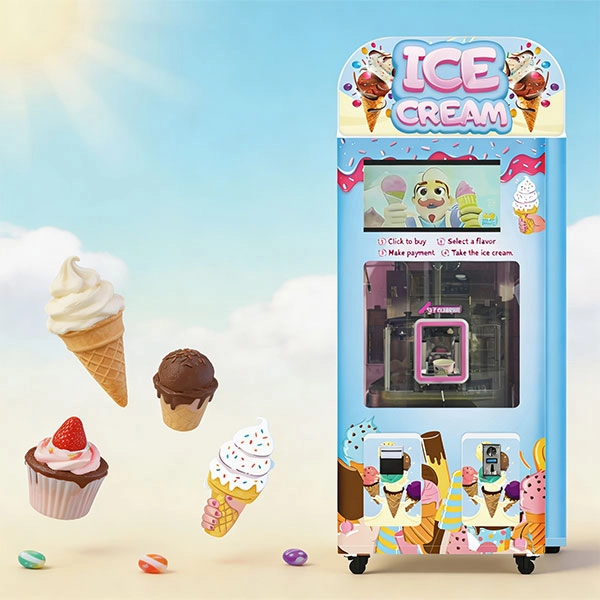
جودة التصنيع والمواد المستخدمة. يجب أن يكون هيكل الآلة مصنوعًا من الفولاذ، وليس من البلاستيك. كما يجب أن تكون المكونات الداخلية (الضاغط، ومحرك الخلط، ووحدة التوزيع) من النوع التجاري. فالآلة التي يبلغ وزنها 600 كجم، مقارنةً بتلك التي يبلغ وزنها 200 كجم، ليست مجرد آلة أثقل وزنًا فحسب، بل تحتوي أيضًا على كمية أكبر من المعدن، وضاغطًا أكبر حجمًا، ومكونات مصممة للعمل طوال اليوم. قد تبدو الآلات خفيفة الوزن خيارًا جذابًا من حيث سهولة النقل، لكنها عادةً ما تعني أجزاءً أصغر حجمًا وأقل متانة.
خيارات الدفع. إذا كانت الآلة تقبل العملات المعدنية فقط، فأنت تفوت فرصة كسب المزيد من المال. لم يعد معظم الناس يحملون النقود معهم. يجب أن تقبل الآلة بطاقات الائتمان، وتقنية NFC (Apple Pay، Google Pay)، ومن الأفضل أن تكون مزودة بجهاز لقبول العملات المعدنية والأوراق النقدية كخيار احتياطي. فكلما زادت طرق الدفع المتاحة، زاد عدد الأكواب التي تبيعها.
تنوع النكهات والإضافات. تعد الآلة ذات النكهة الواحدة أسهل في الصيانة، لكن الآلة متعددة النكهات المزودة بإضافات تثير اهتمامًا أكبر. فعندما يشاهد أحدهم الآلة وهي توزع الآيس كريم الشوكولاتة الناعمة مع صلصة الفراولة والرقائق الملونة، يتجمع حشد صغير من الناس. وهذا الحشد يؤدي إلى زيادة المبيعات. على سبيل المثال، تتعامل آلة «Wider Matrix WM550+» مع نكهتين بالإضافة إلى نكهة مختلطة وثلاثة أنواع من الإضافات، مما يمنح العملاء 27 تركيبة للاختيار من بينها.
السعة وتكرار إعادة التعبئة. يمكن للآلة المزودة بخزان سعة 28 لترًا إنتاج حوالي 300 كوب قبل أن تحتاج إلى إعادة التعبئة. إذا كان موقعك يستهلك 30 كوبًا في اليوم، فستحتاج إلى إعادة التعبئة مرة واحدة تقريبًا في الأسبوع. أما إذا كان يستهلك 60 كوبًا، فستحتاج إلى إعادة التعبئة مرتين في الأسبوع. احرص على مطابقة السعة مع الحجم المتوقع حتى لا تضطر إلى القيام برحلات غير ضرورية.
الشاشة والإعلان. شاشة اللمس مقاس 21.5 بوصة لا تقتصر وظيفتها على تقديم الطلبات فحسب. فعندما تكون الآلة في وضع السكون، يمكن للشاشة عرض إعلانات خاصة بالموقع أو الترويج للنكهات الموسمية. بل إن بعض المشغلين يبيعون مساحات إعلانية على الشاشة للشركات المحلية، مما يضيف مصدر دخل صغيرًا.
التنظيف والصيانة. تحتاج آلات الآيس كريم إلى التنظيف بانتظام. ويجب تعقيم خطوط الخلط وفوهة التوزيع والخزان الداخلي. اسأل المورد عن المدة التي تستغرقها دورة التنظيف الكاملة، وعما إذا كانت الآلة مزودة بوضع تنظيف آلي. فالآلة التي تستغرق 45 دقيقة للتنظيف ستسبب لك الإزعاج، أما تلك التي تستغرق 15 دقيقة فهي خيار عملي.
إذا كنت لا تزال تقارن بين الخيارات المتاحة، فلدينا دليل المشتري لآلات بيع الآيس كريم الذي يتناول كل نقطة من هذه النقاط بمزيد من التفصيل.
آلات بيع الآيس كريم من طراز «Wider Matrix»: المواصفات والأسعار
تعد شركة «وايدر ماتريكس» إحدى الشركات المصنعة التي تبيع منتجاتها مباشرةً إلى المشغلين. وتنتج الشركة ثلاثة طرازات من آلات صنع الآيس كريم، وتُعلن أسعارها للجمهور، وهو أمر غير معتاد في هذه الصناعة. فمعظم الموردين يخفون أسعارهم خلف نموذج اتصال. وفيما يلي تفاصيل مجموعة منتجاتها:
WM550 (نكهة واحدة). هذه هي الآلة الأوتوماتيكية بالكامل من الفئة المبتدئة. وهي تقدم نكهة واحدة من الآيس كريم الطري مع ثلاث صلصات فواكه وثلاث إضافات صغيرة، مما يوفر للعملاء تسع تركيبات مختلفة. تبلغ أبعاد الآلة 227 × 93 × 95 سم، ويزن وزنها 640 كجم، وتعمل بجهد 220 فولت وبقدرة 3,000 واط. وهي مزودة بشاشة لمس مقاس 21.5 بوصة، وخزان سعة 28 لترًا، وتقوم بتوزيع كوب واحد في غضون 15 ثانية. وتشمل طرق الدفع العملات المعدنية، والنقود، وبطاقات الائتمان، وتقنية NFC. ويبلغ سعر الوحدة الواحدة $5,799.
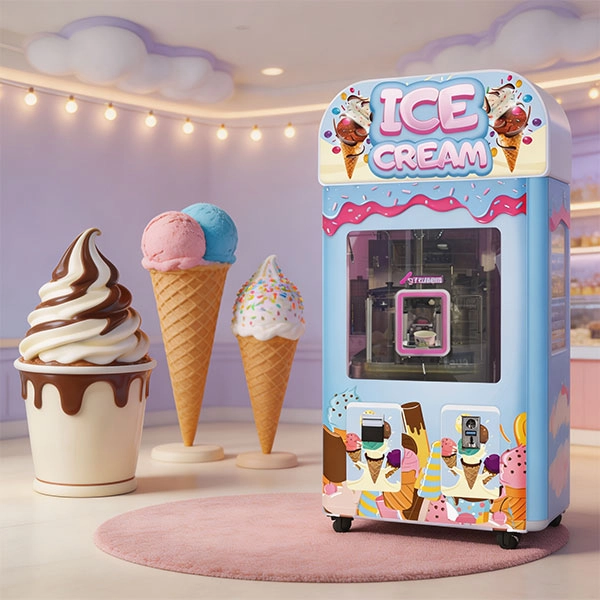
WM550+ (ثلاثة إصدارات). يتميز هذا الجهاز بنفس المكونات المادية لجهاز WM550، ولكنه يأتي مع نكهتين بالإضافة إلى نكهة مختلطة، وثلاث أنواع من صلصات الفاكهة، وثلاث أنواع من الإضافات. مما يوفر 27 تركيبة مختلفة. وهو الطراز الوحيد الذي تقدمه شركة Wider Matrix بتكوين متعدد النكهات. ويبلغ سعر الوحدة الواحدة $6,799.
آلة صغيرة لصنع الآيس كريم. نسخة مدمجة مناسبة للمساحات الضيقة. أبعادها 81 × 126 × 180 سم، ويزن حوالي 240 كجم. تحتوي على نكهة أساسية واحدة للحليب، وثلاث صلصات فواكه، واثنين من الإضافات (ستة تركيبات). يبلغ حجم الكوب الواحد 100 جرام، وتبلغ السعة القصوى 90 كوبًا. السعر هو $4,400 لوحدة واحدة إلى أربع وحدات.
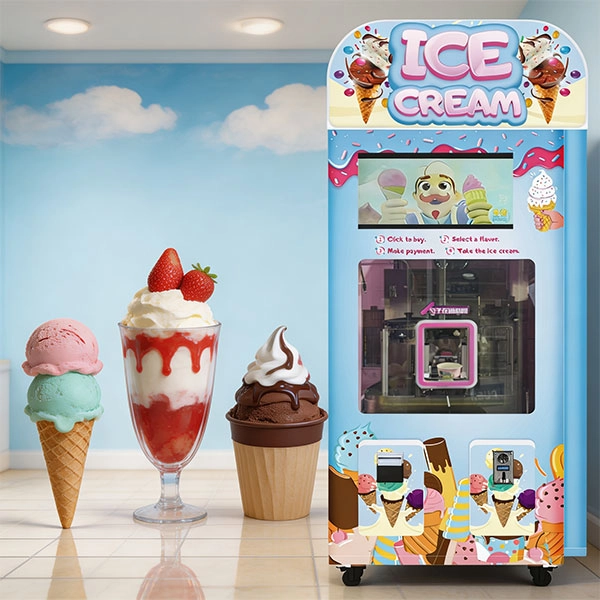
تستخدم النماذج الثلاثة جميعها نفس التكنولوجيا الأساسية: حيث تحتفظ الآلة بالمزيج السائل في خزان مبرد، وتقوم بتجميده وتزويده بالهواء عند الطلب، ثم توزعه عبر فوهة. وتقوم شاشة اللمس بإدارة عملية الطلب، بينما تعمل شاشة الإعلانات عندما تكون الآلة في وضع السكون.
تبيع شركة «وايدر ماتريكس» أيضًا المواد الاستهلاكية. يبلغ سعر الكوب القياسي للآيس كريم $0.12 للقطعة الواحدة للطلبات التي تبلغ 10,000 قطعة، وينخفض السعر إلى $0.10 عند 40,000 قطعة. تستخدم الآلة الصغيرة أكوابًا مختلفة مزودة بملعقة مدمجة في قاعها، ويبلغ سعر الواحدة منها $0.10 عند شراء ما بين 1,000 إلى 4,999 قطعة، و$0.08 عند شراء 5,000 قطعة أو أكثر. يبلغ سعر الملعقة الواحدة $0.03 في الصناديق التي تحتوي على 10,000 قطعة.
إذا كنت ترغب في مقارنة هذه المواصفات مع العلامات التجارية الأخرى، فإن موقعنا دليل ماركات آلات البيع تغطي الشركات الرائدة في جميع فئات الآلات.
كيف تبدأ في استخدام آلة بيع الآيس كريم
إذا كنت قد قرأت حتى هذه النقطة، فمن المرجح أنك جاد في شراء المنتج. وإليك تسلسلًا واقعيًّا، وليس خطة خيالية من ثلاث خطوات:
أولاً، حدد موقعًا قبل شراء الجهاز. توجه إلى الأماكن التي يقضي فيها الناس وقتهم واسألهم عما إذا كانوا مستعدين لاستضافة الجهاز. وتعد مراكز التسوق، ومتنزهات الترامبولين، وصالات البولينج، ونوادي الطلاب الجامعية، وردهات المستشفيات، ومراكز الترفيه العائلي من الخيارات البديهية. ستواجه الكثير من الرفض. وهذا أمر طبيعي. كل ما تحتاجه للبدء هو موافقة واحدة.
ثانياً، اختر آلة تتناسب مع الموقع. فالآلة الصغيرة في مكان مزدحم ستنفد منها المادة المخلوطة في غضون يومين، مما سيؤدي إلى إحباط العملاء. أما الآلة الكبيرة في مكان قليل الإقبال، فستبقى المادة المخلوطة في خزانها لفترة طويلة جدًّا. لذا، يجب مواءمة السعة مع الحجم المتوقع.
ثالثًا، ضع ميزانية للتكلفة الكاملة، وليس سعر الآلة فقط. فآلة WM550 بسعة $5,799 ستكلف ما يقارب $7,000 إلى $8,000 بمجرد دفع تكاليف الشحن ورسوم الاستيراد والتركيب، بالإضافة إلى الدفعة الأولى من الأكواب والمكونات. كما يجب أن تخصص بضعة آلاف من الدولارات لتغطية نفقات التشغيل خلال الأشهر القليلة الأولى، ريثما تبني الآلة قاعدة عملاء.
رابعًا، خطط لجدول الصيانة. يجب أن يقوم شخص ما بفحص الآلة وتنظيفها وإعادة تعبئة المزيج وتحصيل الأموال. إذا كنت ستقوم بذلك بنفسك، فضع هذا الوقت في الحسبان. قد تكون الآلة التي تبعد 30 دقيقة عن منزلك أمرًا يمكن تحمله، أما تلك التي تبعد ساعتين فستستهلك عطلات نهاية الأسبوع الخاصة بك.
خامساً، قم بتتبع كل شيء منذ اليوم الأول. كم عدد الأكواب يومياً. ما هي النكهات الأكثر مبيعاً. ما هي أوقات الذروة خلال اليوم. ما هي كمية المزيج التي تستخدمها في كل دفعة. المشغلون الذين يحققون النمو هم أولئك الذين يعرفون أرقامهم جيداً. أما أولئك الذين يعتمدون على التخمين، فهم الذين يبيعون آلاتهم على «فيسبوك ماركت بليس» بعد عام واحد.
إذا كنت ترغب في التحدث إلى أحد موظفي شركة Wider Matrix بشأن الأسعار أو الشحن أو النموذج الأنسب لحالتك، فإن صفحة التواصل يحتوي على نموذج وتفاصيل اتصال مباشرة. ووفقًا لتجربتنا، فإنهم يردون في غضون يوم عمل واحد.
لمزيد من المعلومات حول الجانب التجاري لقطاع آلات البيع، لدينا مكتبة متنامية من المقالات. الـ دليل لبدء مشروعك الخاص في مجال آلات البيع يغطي العملية بأكملها بدءًا من الفكرة وصولاً إلى تحقيق الإيرادات الأولى. إذا كنت تركز على الأرقام،, مدى ربحية آلة البيع يقسم بيانات المشغلين الفعلية حسب أنواع الآلات.