
هل تفكر في وضع ماكينة بيع في كندا؟ قد تتساءل عما إذا كنت بحاجة إلى ترخيص - خاصة وأن القواعد تختلف حسب المقاطعة والبلدية. الإجابة المختصرة هي: نعم، تحتاج دائماً تقريباً إلى شكل من أشكال الترخيص أو التصريح التجاري، ولكن ذلك يعتمد على موقعك ونوع الماكينة.
في كندا، لوائح ماكينات البيع ليست موحدة. في حين أنه لا يوجد ترخيص فيدرالي واحد يغطي جميع ماكينات البيع، إلا أن معظم المدن تتطلب ترخيصاً عاماً للأعمال، والعديد منها يتطلب تصريحاً خاصاً لماكينات البيع. بالنسبة للماكينات التي تبيع الأطعمة أو المشروبات، فإن التصاريح الصحية وعمليات التفتيش إلزامية. أيضاً، يجب أن تستوفي الماكينات معايير السلامة مثل شهادة CSA. دعنا نوضح ما تحتاج إليه خطوة بخطوة.
الرخصة التجارية العامة
يحتاج كل مشغل لماكينات البيع في كندا إلى رخصة عمل أساسية من البلدية التي توجد بها الماكينة. هذا الترخيص يسجل عمليتك ويضمن لك دفع الضرائب المطبقة. وتتراوح الرسوم من $50 إلى $500 سنوياً حسب المدينة. على سبيل المثال، تتقاضى تورنتو حوالي $300 سنوياً مقابل ترخيص عمل ماكينات البيع، بينما قد تتقاضى المدن الأصغر حجماً رسوماً أقل.
تصاريح المقاطعات والبلديات
تفوض العديد من المقاطعات تنظيم ماكينات البيع للحكومات المحلية. قد تحتاج إلى “تصريح خاص بماكينة البيع” أو “رخصة بائع متجول” إذا كانت ماكينتك في الممتلكات العامة (مثل الأرصفة والحدائق العامة). في الممتلكات الخاصة (مثل مراكز التسوق والمكاتب)، عادةً ما يكون إذن مالك العقار كافياً، ولكنك لا تزال بحاجة إلى ترخيص تجاري. تحقق من اللوائح الداخلية لمدينتك - فبعضها يتطلب تصاريح منفصلة لكل ماكينة.
التصاريح الصحية لماكينات الأغذية والمشروبات
إذا كانت ماكينة البيع الخاصة بك تبيع أي طعام أو مشروب - بما في ذلك غزل البنات أو الآيس كريم أو الوجبات الخفيفة المعبأة - فيجب عليك الامتثال للوائح الصحية الإقليمية. وهذا يعني عادةً الحصول على تصريح خدمة طعام، والخضوع لفحص صحي، واتباع إرشادات الصرف الصحي (على سبيل المثال، التنظيف المنتظم، وسجلات درجات الحرارة). على سبيل المثال، في أونتاريو، يتطلب قانون حماية الصحة وتعزيزها في أونتاريو من المشغلين التسجيل لدى وحدة الصحة العامة المحلية واجتياز فحص سنوي. يجب أن تكون الآلات مصممة لسهولة التنظيف والوقاية من الآفات.
شهادة السلامة (CSA/UL)
يجب أن تكون جميع ماكينات البيع التي تُباع في كندا حاصلة على شهادة CSA (جمعية المعايير الكندية) أو شهادة معادلة (مثل UL) لضمان السلامة الكهربائية. هذه ليست رخصة تتقدم بطلب للحصول عليها - إنها شهادة تقدمها الشركة المصنعة. عند شراء ماكينة مثل ماكينة بيع حلوى القطن الذكية WM980 Plus WM980 Plus من Wider Matrix، تأكد من أنها حاصلة على شهادة CSA. فبدون ذلك، قد ترفض شركات التأمين التغطية، وقد تتعرض لخطر الغرامات.
التسجيل الضريبي (ضريبة السلع والخدمات/ضريبة السلع والخدمات)
إذا كان عملك في مجال ماكينات البيع يربح أكثر من $30,000 في السنة، فيجب عليك التسجيل في ضريبة السلع والخدمات/ضريبة السلع والخدمات لدى وكالة الإيرادات الكندية (CRA). حتى إذا كنت تكسب أقل من ذلك، فإن التسجيل الطوعي يتيح لك المطالبة بإعفاءات ضريبة المدخلات على المشتريات مثل الآلات والمستلزمات. ستحتاج أيضًا إلى فرض معدل الضريبة الصحيح بناءً على مقاطعتك (على سبيل المثال، 5% ضريبة السلع والخدمات في ألبرتا، و13% ضريبة السلع والخدمات في أونتاريو).
اعتبارات خاصة لماكينات حلوى القطن
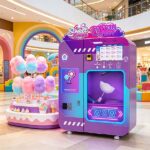
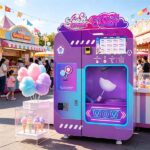
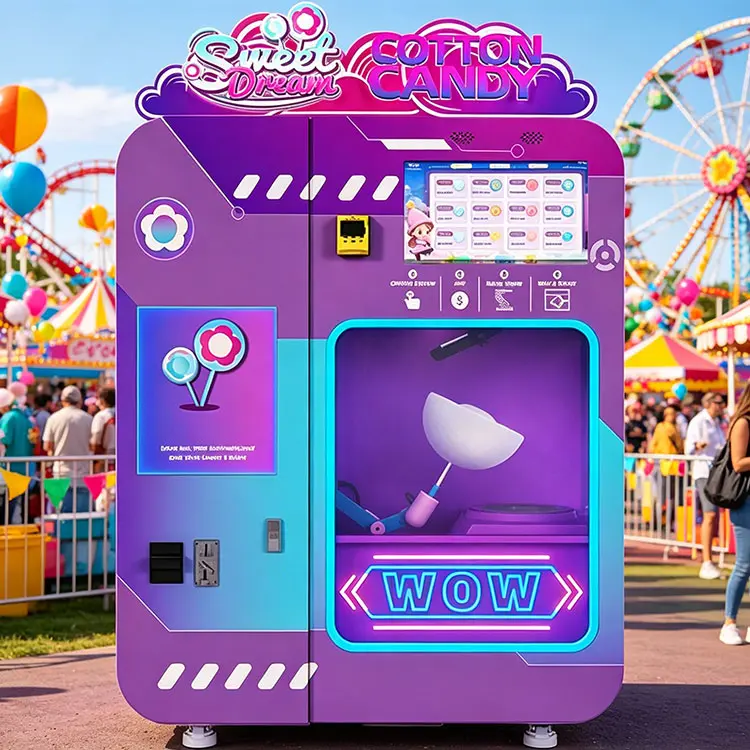
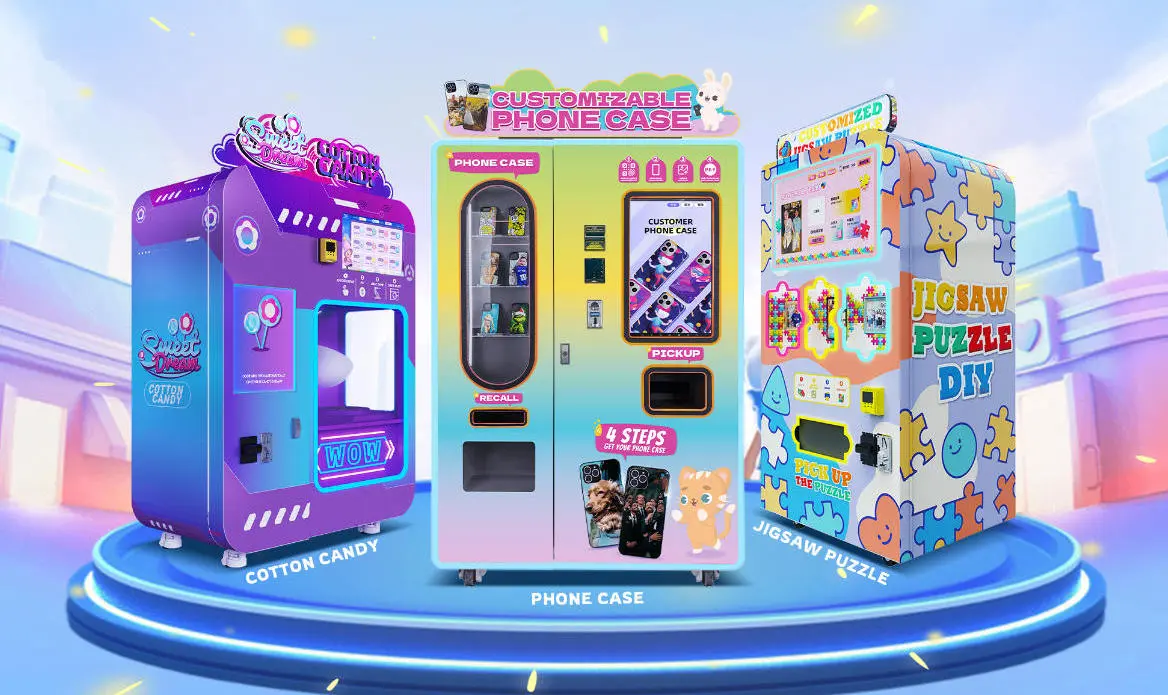
تُعتبر ماكينات بيع حلوى القطن، مثل Wider Matrix WM980 Plus، ماكينات لتحضير الطعام. بالإضافة إلى تصريح صحي، قد تحتاج إلى رخصة “بائع أغذية منخفضة المخاطر”. تبلغ تكلفة الإنتاج لكل حلوى $0.31 تيرابايت0.31 فقط، وتتراوح أسعار التجزئة من $5 إلى $10، مما يحقق هامش ربح يتراوح بين 93.81 تيرابايت و971 تيرابايت و971 تيرابايت. ومع ذلك، سيتحقق المفتشون الصحيون من أن الماكينة تستخدم سكرًا معتمدًا وأن الحجرة محكمة الإغلاق وصحية. للاطلاع على دليل كامل عن التراخيص الخاصة بغزل البنات انظر مقالتنا: ما هي الرخصة التي تحتاجها لبيع حلوى القطن؟ دليل كامل.
ونظراً لأن ماكينات غزل البنات تعمل آلياً وتنتج أغذية، فإنها تخضع لقانون الغذاء والدواء الكندي. يجب على المشغلين التأكد من أن المكونات (السكر والعيدان) من مصادر معتمدة. يتم توريد أكياس السكر الخاصة بنا من مستودعات في الولايات المتحدة الأمريكية وكندا وإسرائيل والمملكة المتحدة، وهي تفي بجميع المعايير.
التأمين
على الرغم من أن التأمين ضد المسؤولية ليس ترخيصاً، إلا أنه يوصى بشدة (وغالباً ما يطلبه أصحاب العقارات). عادةً ما تكلف بوليصة التأمين $200-$600 سنوياً وتغطي الإصابات أو الأضرار التي تلحق بالممتلكات. على سبيل المثال، إذا تعرض طفل للأذى بسبب آلة، فإن التأمين يحميك من الدعاوى القضائية.
قائمة المراجعة خطوة بخطوة
- سجّل شركتك (ملكية فردية أو تأسيس شركة).
- الحصول على رخصة عمل بلدية (وتصريح بيع إذا لزم الأمر).
- تقدم بطلب للحصول على تصريح خدمة الطعام (في حالة بيع الطعام/المشروبات).
- تأكد من أن ماكينتك حاصلة على شهادة CSA/UL.
- سجِّل في ضريبة السلع والخدمات/ضريبة السلع والخدمات إذا تجاوزت الإيرادات $30,000.
- احصل على تأمين ضد المسؤولية.
- تحقق من اللوائح المحلية لمعرفة القيود المحددة (على سبيل المثال، التنسيب بالقرب من المدارس).
لمزيد من الخطوات التفصيلية حول بدء عمل تجاري لماكينات البيع، اقرأ دليلنا: كيفية بدء عمل تجاري لماكينات بيع الحلوى | 2026 دليل خطوة بخطوة.
المزالق الشائعة لتجنبها
- بافتراض وجود ترخيص واحد يغطي جميع المواقع - فلكل بلدية قواعدها الخاصة بها.
- إهمال الفحوصات الصحية - قد يؤدي إلى إغلاقك.
- استخدام آلات غير معتمدة - قد لا يغطي التأمين الحوادث.
- نسيان تجديد التصاريح سنوياً.
ثالثا - الاستنتاج
يتطلب تشغيل ماكينة بيع في كندا العديد من التراخيص والتصاريح، ولكن العملية سهلة ومباشرة إذا قمت بالبحث عن المتطلبات المحلية. ابدأ بالتحقق من مكتب تراخيص الأعمال في مدينتك وهيئة الصحة في المقاطعة. مع الامتثال المناسب، يمكن أن يكون البيع مشروعاً مربحاً - خاصة الآلات ذات الهامش المرتفع مثل بائعي حلوى القطن. للحصول على تفاصيل التكلفة الكاملة، انظر سعر ماكينة بيع حلوى القطن في كندا - 2026 دليل التكلفة والأرباح.
الأسئلة المتكررة
هل أحتاج إلى ترخيص لماكينة بيع في أونتاريو؟
نعم، أنت بحاجة إلى رخصة عمل من البلدية التي توجد بها الماكينة، وإذا كنت تبيع الطعام، فأنت بحاجة إلى تصريح صحي من وحدة الصحة العامة المحلية. في تورونتو، على سبيل المثال، يمكنك التقدم بطلب للحصول على “رخصة تجارية لماكينات البيع” ودفع رسوم سنوية.
هل يمكنني وضع ماكينة بيع على الرصيف في كندا؟
بشكل عام، تتطلب الممتلكات غير العامة الحصول على تصريح بيع في الشوارع، والذي نادراً ما يتم إصداره للماكينات غير المراقبة. يضع معظم المشغلين الماكينات في الممتلكات الخاصة بإذن من المالك.
ما هي التصاريح الصحية التي أحتاجها لماكينة بيع غزل البنات؟
تحتاج إلى تصريح خدمة طعام أو ترخيص بائع طعام منخفض المخاطر، بالإضافة إلى فحص صحي. يجب أن تكون الماكينة معتمدة بأنها آمنة للطعام. تعرف على المزيد في دليلنا: ما هي الرخصة التي تحتاجها لبيع حلوى القطن؟.
هل شهادة CSA إلزامية لماكينات البيع في كندا؟
نعم. يجب أن تكون جميع المعدات الكهربائية المباعة في كندا حاصلة على شهادة CSA أو ما يعادلها. وهذا شرط من شروط السلامة، وليس ترخيصًا تحصل عليه - فهو يأتي مع الماكينة.
كم تبلغ تكلفة الرخصة التجارية لماكينة البيع؟
عادةً من $50 إلى $500 سنوياً، حسب المدينة. تفرض بعض المدن رسومًا على كل ماكينة؛ بينما تفرض مدن أخرى رسومًا ثابتة على عدد غير محدود من الماكينات.
هل أحتاج إلى فرض ضريبة على مبيعات ماكينات البيع؟
نعم، يجب عليك فرض ضريبة السلع والخدمات/ضريبة السلع والخدمات على أساس مقاطعتك. إذا كانت إيراداتك السنوية أقل من $30,000،000، فإن التسجيل اختياري ولكن يوصى به للمطالبة بإعفاءات ضريبة المدخلات.
هل يمكنني تشغيل ماكينة بيع بدون رخصة تجارية؟
لا، يمكن أن يؤدي العمل بدون ترخيص إلى فرض غرامات ومصادرة الماكينات واتخاذ إجراءات قانونية. تحقق دائماً من اللوائح المحلية أولاً.