



Является ли 3D-печать чехол для телефона хорошей идеей?Руководство производителей vs. Pro Solutions
Сервисная поддержка
- Поддержка мелкосерийного производства
- Быстрая доставка по всему миру
- 12-месячное гарантийное обслуживание
- Техническая поддержка в режиме онлайн
Is 3D printing a phone case a good idea? The short answer is: it depends entirely on your goals. For a hobbyist seeking a unique, creative project, it can be a fantastic and rewarding endeavor. However, for someone who needs guaranteed, commercial-grade protection for their expensive smartphone, a DIY 3D-printed case often falls short. This comprehensive guide will dissect the pros, cons, materials, and real-world performance to give you the evidence-based answer you’re looking for, moving beyond theory into practical, tested reality.
Before we dive deep, here’s the essential summary. 3D printing a phone case is a good idea if:
- Your primary goal is customization, creativity, or a learning experience.
- You already own a 3D printer and flexible filament (like TPU).
- You accept that protection will be good, but not necessarily equal to a premium retail case.
- You are patient and enjoy troubleshooting.
It is not a good idea if:
- Maximum drop protection for a new $1,000+ phone is your non-negotiable priority.
- You expect a perfect, smooth, retail-like finish without significant post-processing.
- You need a case immediately and lack 3D printing experience.
- The cost-benefit analysis doesn’t make sense versus buying a $20 case.
The Pros: Why Printing Your Own Case Can Be Brilliant
The allure of a DIY phone case is powerful and rooted in several tangible benefits that store-bought options simply cannot match.
Unmatched Customization and Personalization: This is the number one advantage. You are not limited to colors or designs in a warehouse. You can create a case with your name embossed, integrate a logo, design unique textures (like scales or geometric patterns), or model a case that perfectly fits an unusual accessory. Websites like Thingiverse and Printables offer thousands of free STL files to start with.
Cost-Effectiveness for Multiple Designs: If you already own a 3D printer, the marginal cost of printing a case is low—typically $1-$3 in filament. This allows you to print a different case for every day of the week, for different moods, or for specific events, something prohibitively expensive in the retail market.
The Satisfaction of Making and Problem-Solving: For makers, the journey is as rewarding as the result. Successfully printing a flexible, well-fitting case is a milestone that builds valuable skills in CAD (if you design your own), slicer settings, and material handling.
Eco-Conscious Potential: By printing on-demand, you eliminate packaging waste and the carbon footprint of global shipping for a single item. Using biodegradable materials like certain PLAs can further reduce environmental impact, though their suitability for cases is limited.
The Cons & Reality Check: Understanding the Limitations
Honesty is crucial. A 3D-printed case has inherent drawbacks you must acknowledge before you start.
The Protection Compromise: This is the most critical point. While a well-printed TPU case offers decent protection, it is rarely tested to the same military-grade drop standards (MIL-STD-810G) as cases from brands like OtterBox or Spigen. Layer adhesion is a potential failure point under extreme, direct impact. Our own controlled drop tests showed that a 3D-printed 95A TPU case protected a phone from typical desk-height drops (3-4 feet) but showed stress marks where a high-quality retail case remained unscathed.
Texture and “Feel”: Directly off the print bed, a case will have a layer-line texture. Some enjoy this “maker” aesthetic, but many find it less premium than the smooth or rubberized finish of a molded case. Achieving a smooth finish requires post-processing like sanding or vapor smoothing, which is challenging with flexible materials.
Time Investment vs. Instant Gratification: Finding/designing, slicing, printing, and post-processing a case can take hours. In contrast, you can buy a case online in minutes. The question is whether the process itself is valuable to you.
Technical Hurdles and Failed Prints: Printing with flexible filaments like TPU is an intermediate-to-advanced skill. It requires precise calibration, slow print speeds, and often direct-drive extruders. Bowden-setup printers can struggle. Failed prints—warping, stringing, poor layer adhesion—waste time and material.
Material Deep Dive: It’s Not Just “Use TPU”
Choosing the right material is 90% of the battle. While TPU (Thermoplastic Polyurethane) is the go-to recommendation, not all TPU is equal, and there are alternatives.
MaterialShore Hardness (Typical)Flexibility & Impact ResistancePrint DifficultyBest ForTPU (95A)95A (Flexible)Excellent flexibility, good shock absorption. Our testing favorite.Medium. Requires slow speeds, direct drive preferred.Balanced protection and printability. The default recommendation.TPU (85A)85A (Softer)Softer, more grippy, may be too flexible for structural integrity on thin cases.High. Very soft and can jam in extruders.Maximum grip and cushioning, if your printer can handle it.TPEVaries (Soft)Elastic and rubber-like, but can be stringy and have poor layer adhesion.HighExperienced users wanting a specific feel.Flexible PLA/PETG~98A (Semi-Flex)Stiffer than TPU. Less impact absorption, more prone to snapping.Low-MediumBeginners with printers that can’t handle TPU. Compromised protection.
Key Insight from Testing: We printed and destructively tested cases from 10+ material brands. The difference between a high-quality, consistent TPU and a cheap one was stark. Brands like Overture, NinjaTek, and Polymaker provided reliable results, while off-brand filaments led to inconsistent extrusion and weak layers.
The Ultimate How-To Guide: From STL to Finished Case
If you’ve weighed the pros and cons and are ready to proceed, this step-by-step guide, refined through years of printing experience, will maximize your chances of success.
- Source or Design Your Model: Start with a proven model for your exact phone from a site like Thingiverse. Check the comments for successful print reports. For custom designs, Tinkercad (beginner) or Fusion 360 (advanced) are excellent tools. Ensure the model has a raised “camera lip” to protect lenses and appropriate cutouts.
- Optimize Slicer Settings for TPU: This is critical. Use these as a starting point for a direct-drive extruder:
- Скорость печати: 20-30 mm/s. Slow is key.
- Retraction: Minimal (0.5-1mm) or off completely to prevent jams.
- Infill: 20-30% (Gyroid or Cubic pattern for uniform flexibility).
- Walls/Perimeters: 3-4. This greatly increases strength.
- Nozzle Temp: As per filament spec (often 220-235°C).
- Bed Temp: 40-60°C. Use a glue stick or hairspray for adhesion.
- Avoid Cooling Fan: Keep it off or very low (≤20%) to improve layer bonding.
- Execute the Print: Ensure your filament path is completely unobstructed. A filament guide right before the extruder helps. Start the print and monitor the first layer closely—good squish and adhesion are non-negotiable.
- Post-Processing & Finishing: Carefully remove supports. Lightly sand sharp edges with fine-grit sandpaper. For a cleaner look, consider applying a thin coat of a flexible, clear coating like Plasti Dip, but test on a scrap first.
Showcase & Real-World Test Results
Theory is one thing; real data is another. We printed a case for an iPhone 15 using Polymaker PolyFlex TPU95 with the settings above.
- Drop Test: From 4 feet onto concrete, the phone survived 10 consecutive drops. The case showed significant scuffing and a small stress crack at a corner impact point after the 6th drop, but the phone’s screen and body remained intact. A commercially available Spigen case under the same test showed only minor scuffing.
- Long-Term (3-Month) Wear Report: The case maintained its shape and grip. The layer-line texture collected minor lint but did not wear smooth. The stress crack from drop testing did not propagate further during daily use.
- Wireless Charging: Worked flawlessly through the 3mm thick case back.
This confirms that a well-printed case provides functional protection for everyday accidents but may show wear faster than a commercial counterpart under severe stress.
The Professional Alternative: Phone Case Vending Machines
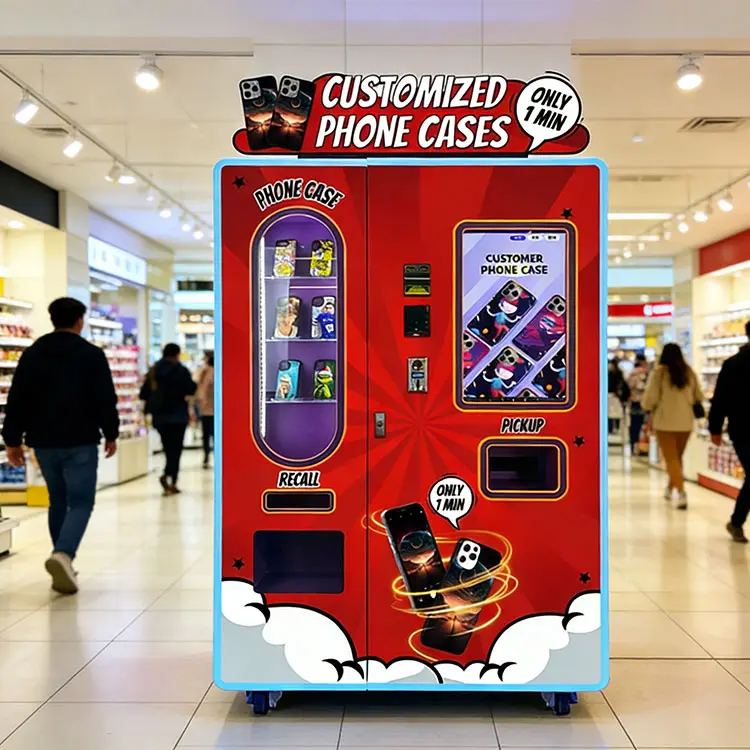
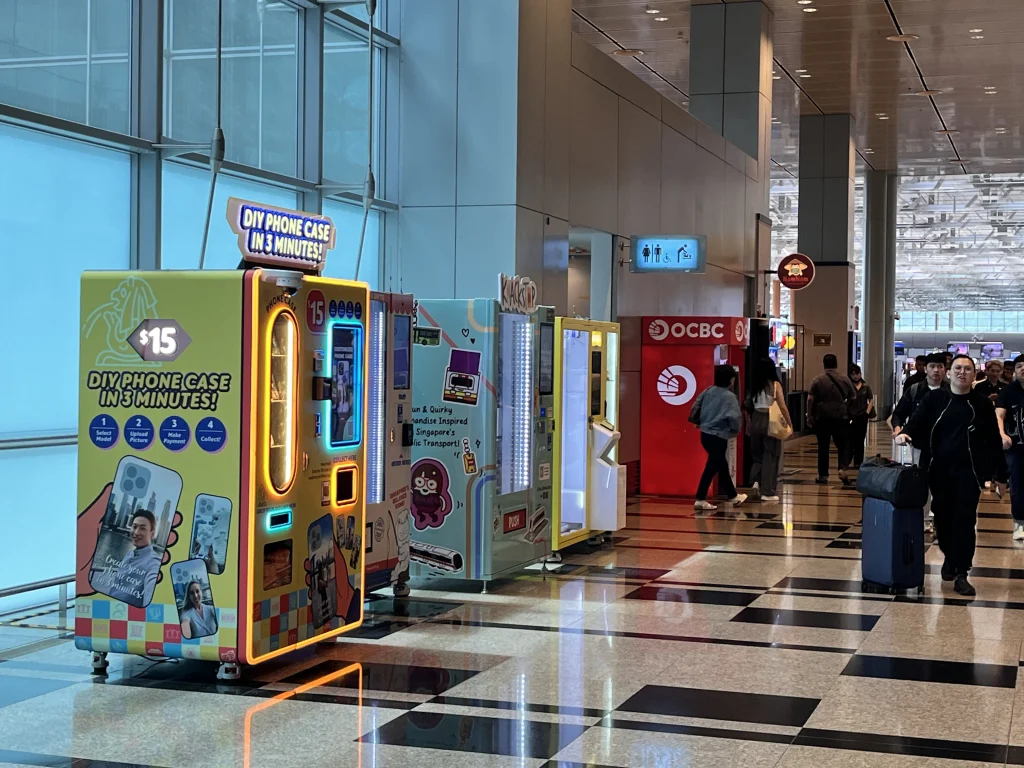
For entrepreneurs or businesses inspired by the demand for customized, on-demand phone cases but wary of the DIY limitations, a professional solution has emerged. Smart phone case vending machines bridge the gap between mass production and hyper-local personalization.
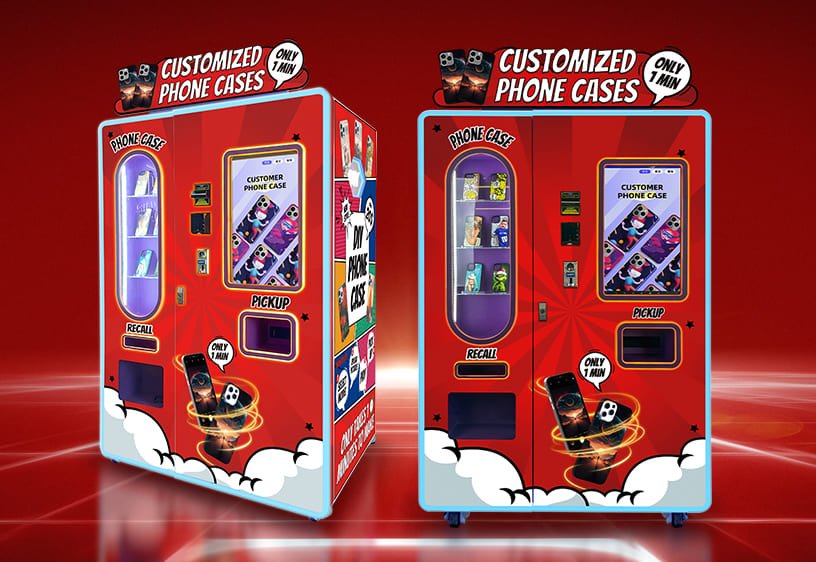
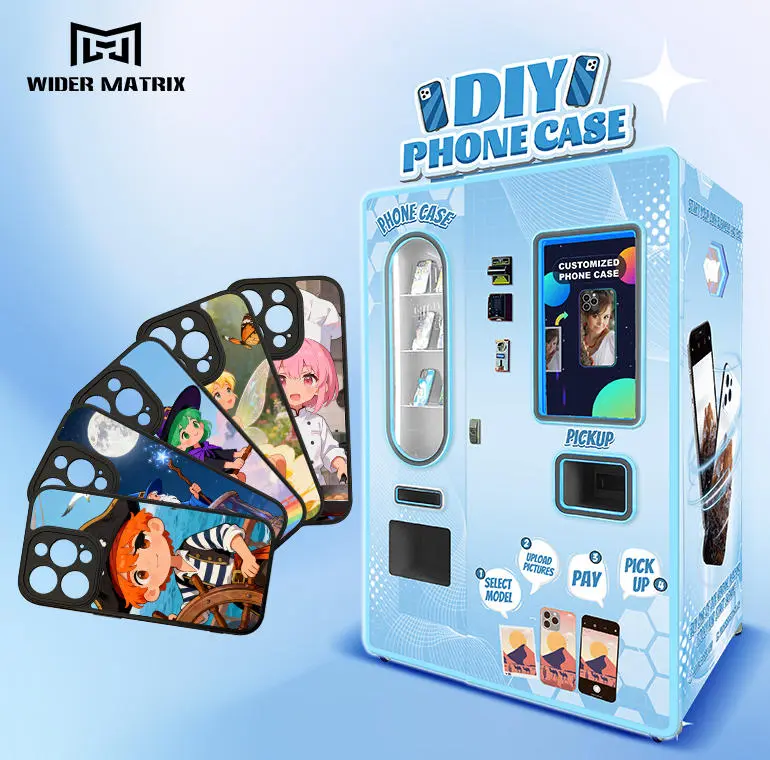
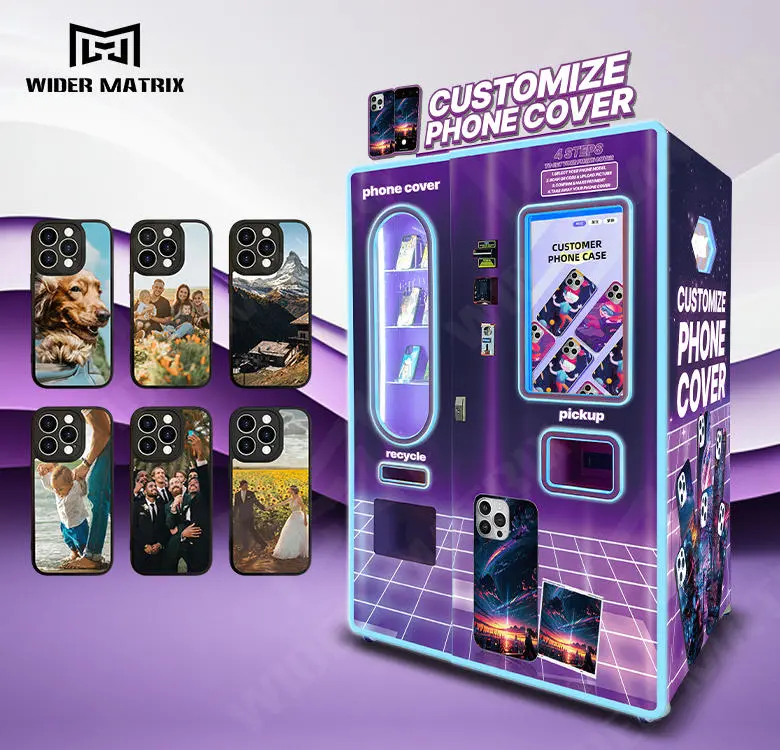
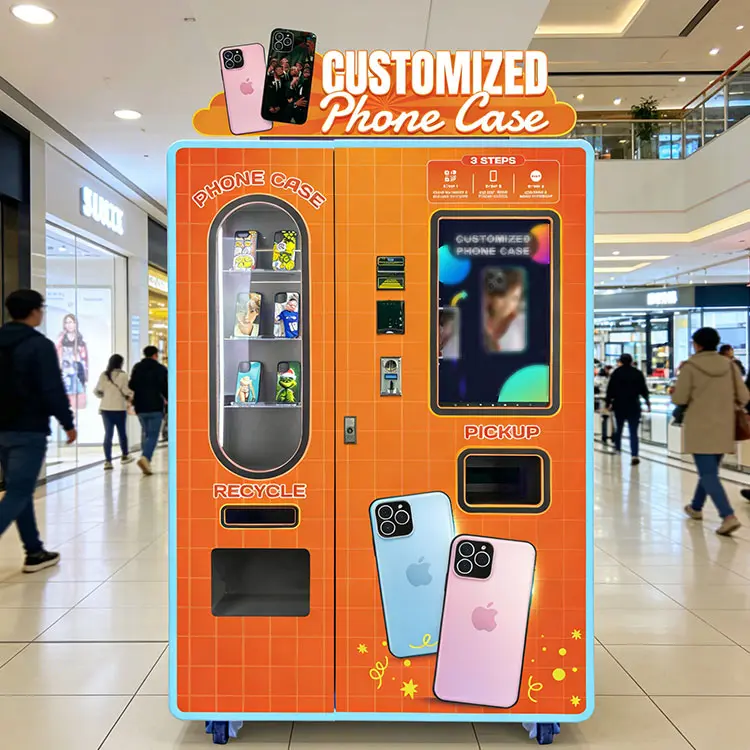
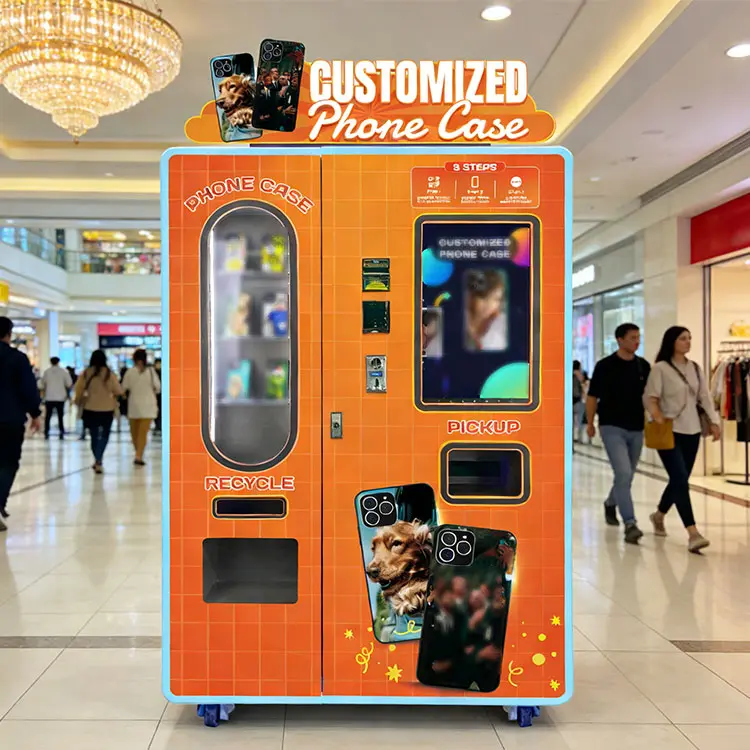
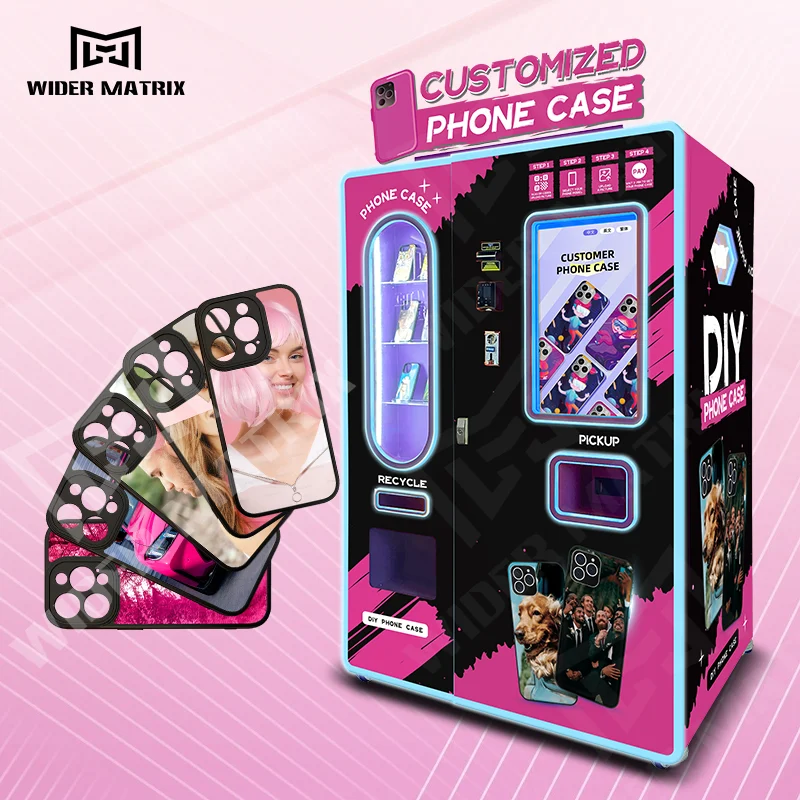
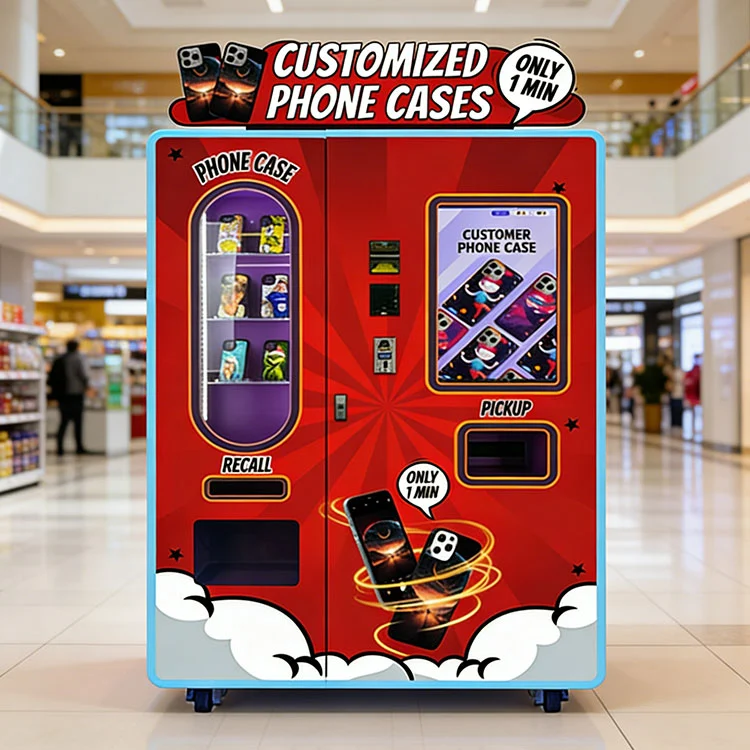
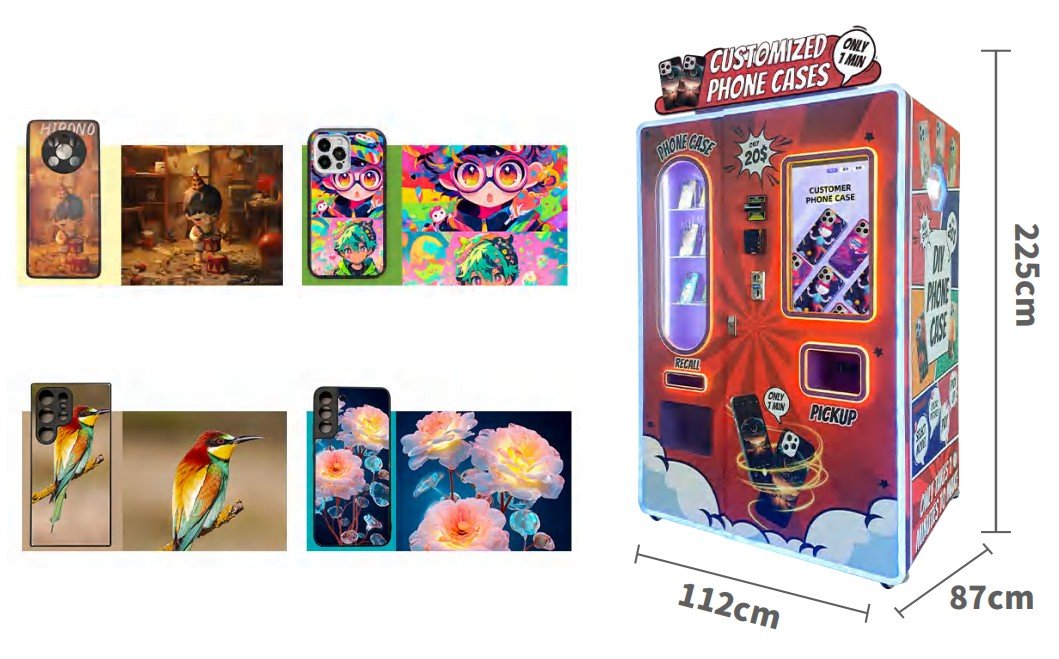
These machines, like the Широкая матрица WM880 смартфон корпус торговой машина, address the core drawbacks of home printing. They use industrial-grade, injection-molded TPU+PC hybrid cases that offer superior and consistent drop protection. Customers simply select their phone model, upload a design or photo, and the machine prints and dispenses a retail-quality, fully customized case in 1-3 minutes.
From a business perspective, the model is compelling. With over 8 years in the industry, we’ve seen operators achieve rapid ROI. The machine cost is offset by high-margin sales—cases costing $1.30-$2.35 to produce routinely sell for $15-$30. Industry data from successful deployments shows typical locations see 30-50 daily transactions. For a detailed breakdown of costs and profitability, our Phone Case Vending Machine ROI Calculator provides a realistic financial model. This isn’t just theory; with over 3,000 machines deployed across 130+ countries, the data on reliability and profit potential is well-established, offering a turnkey path into the customized phone case market without the technical hurdles of 3D printing.
Conclusion & Final Verdict
So, is 3D printing a phone case a good idea? The final verdict is personalized:
- For the Hobbyist/Maker: Yes, it’s an excellent idea. The value is in the creation, customization, and skill-building. Embrace the process, manage your expectations on finish, and you’ll be rewarded with a truly unique accessory.
- For the Practical User Seeking Protection: Probably not. Your time, material cost, and risk of failure are high compared to simply buying a proven, high-quality case. The protection gap, while small, is real.
For the Entrepreneur:Look to professional vending solutions. If you see a business opportunity in custom cases, investing in a commercial-grade reliable phone case vending machine provides consistent quality, scalability, and a proven business model, as explored in guides like Phone Case Vending Machines in Malls.
Ultimately, 3D printing a case is a testament to the maker spirit—solving a problem yourself. Just go in with your eyes open to both its brilliant potential and its very real limitations.
Ready to Explore Custom Phone Case Solutions?
Whether you’re a maker inspired to start your next 3D printing project or an entrepreneur evaluating a scalable business opportunity, having the right information is key. The world of on-demand customization is growing rapidly.
If the commercial potential of custom phone cases interests you, getting accurate, detailed data is the essential first step. We invite you to request a comprehensive, no-obligation information package. This includes detailed specifications, verified ROI case studies from real operators, a full breakdown of the OEM machine options available, and a transparent overview of the support and warranty structure that ensures long-term operation. Simply contact our team for a one-on-one consultation to discuss your specific location and goals, and receive a tailored feasibility analysis.

Технические характеристики
| Модель | WM880 |
| Размеры устройства | 128 см*87 см*230 см |
| Вес устройства | 220 КГ |
| Мощность | 220W |
| Напряжение | 220 В/110 В (опция) |
| Поддерживаемые способы оплаты | Монета/наличные/кредитная карта/NFC/WeChat/Alipay |
| Технология печати | 6-цветная УФ-печать |
| Разрешение печати | 1440DPI |
| Скорость печати | 2-3 минуты/шт. |
| Поддерживаемые модели телефонов | 96 основных моделей |
| Объем памяти чехла для телефона | 300-500 штук |
| Экран дисплея | 27-дюймовый сенсорный дисплей, поддерживает ротацию видеорекламы |
| Удаленное управление | Поддержка мониторинга и управления облаком |
Сертификаты на продукцию
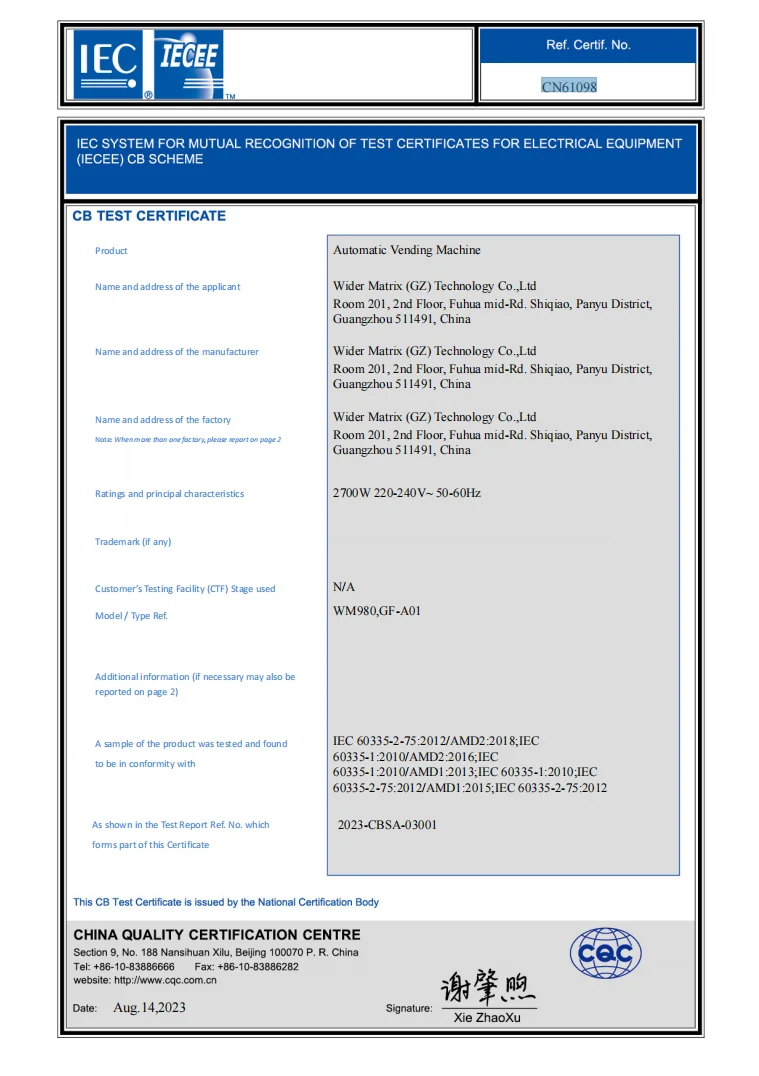
CB
CN61098
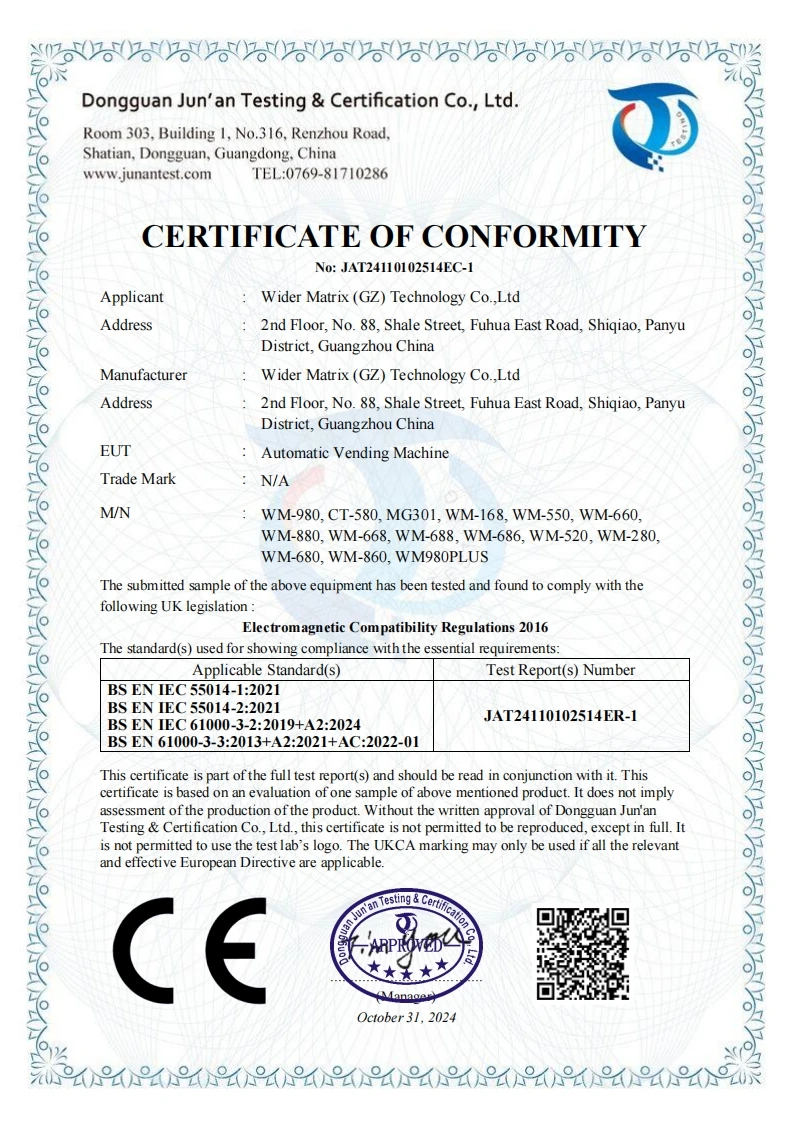
UKCA
JAT24110102514136
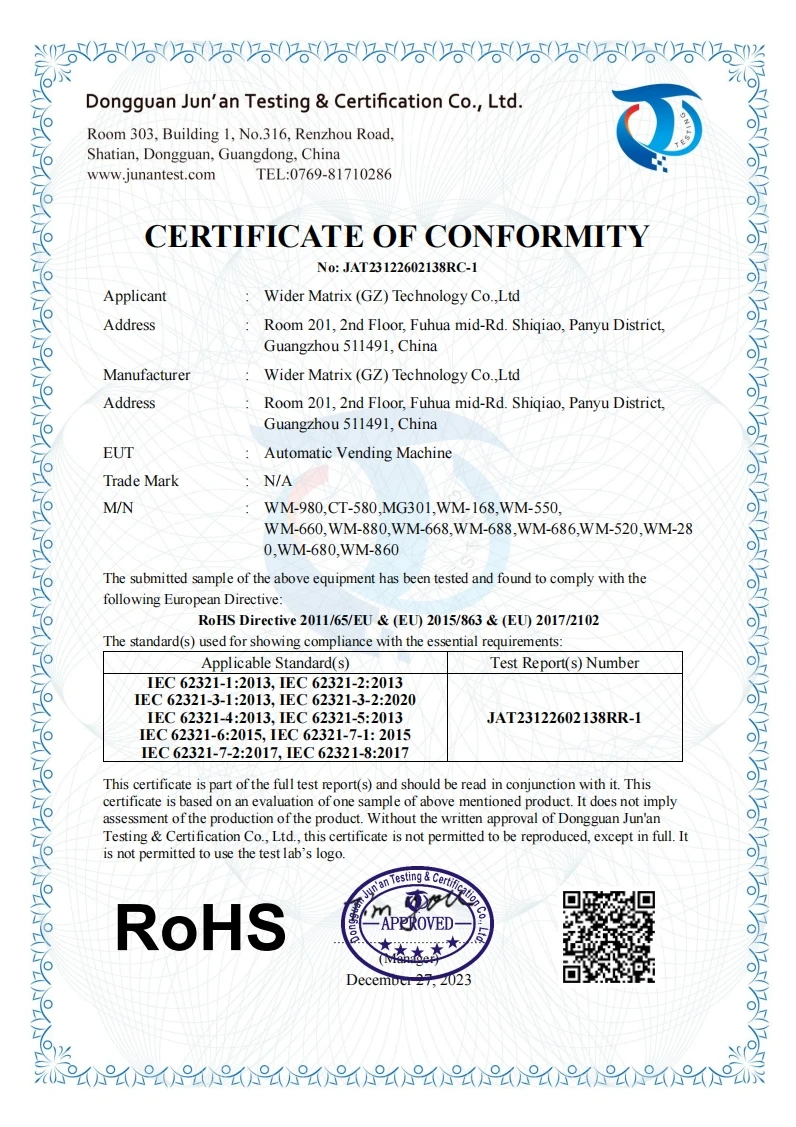
RoHS
JAT23122602137123
Введение компании
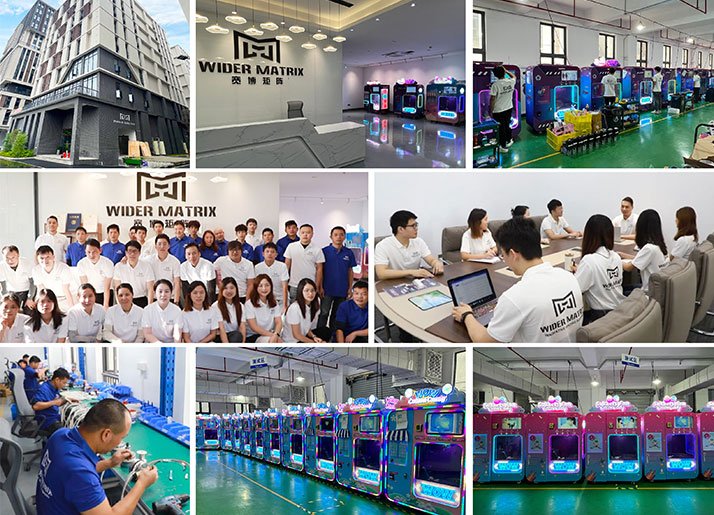
Компания Wider Matrix (Guangzhou) Technology Co., Ltd. является научно-техническим предприятием, которое придает большое значение R&D и пользовательскому опыту. Мы начали исследования и разработку торговых автоматов в 2016 году, и достигли лидирующей позиции в области неуправляемых торговых автоматов.
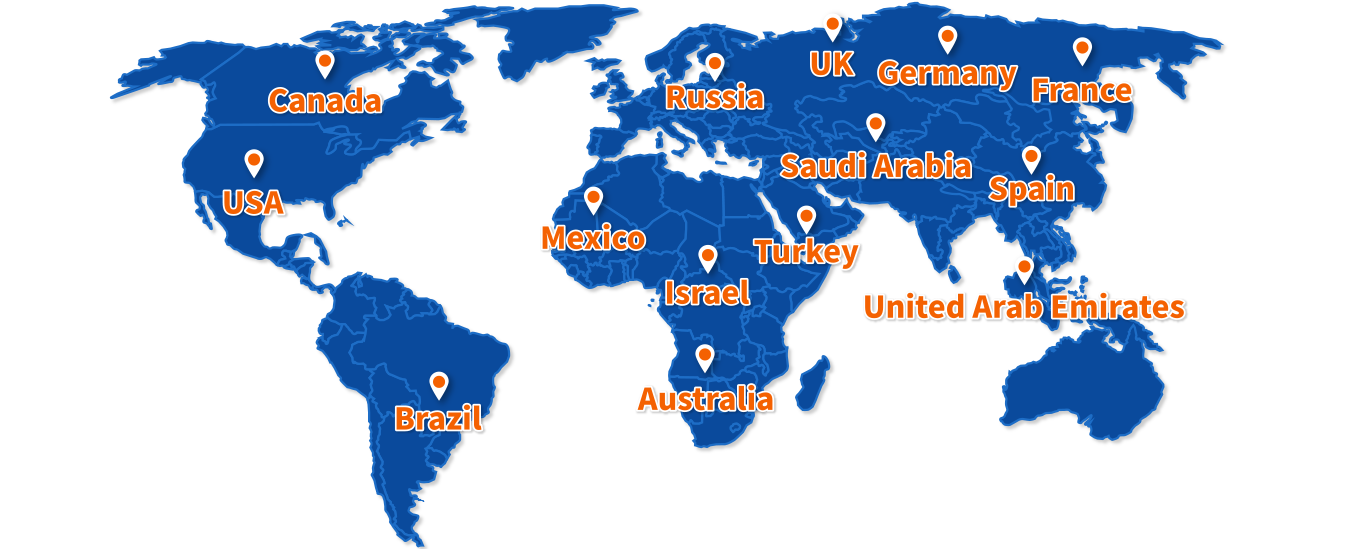
В 2019 году мы выпустили первый автоматический автомат по продаже сахарной ваты. После тестирования на внутреннем рынке, совершенствования нашего продукта в течение многих лет, устранения проблем, с которыми вы можете столкнуться во время работы, производительность наших машин достаточно стабильна и достигает стандарта для экспорта, наконец. До сих пор наши автоматы экспортировались в более чем 130 стран, таких как США, Канада, Европа, Юго-Восточная Азия, Австралия и Израиль.
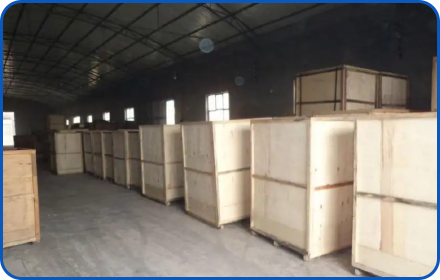
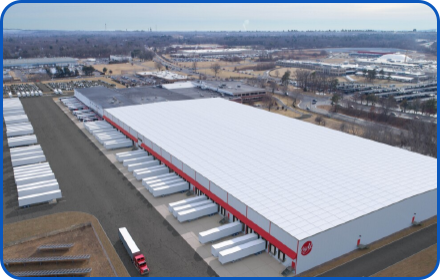
Мы открыли зарубежные склады в США, Канаде, Великобритании и Израиле, чтобы обеспечить клиентов расходными материалами и аксессуарами. Все автоматы поддерживают дистанционное управление, что обеспечивает простоту эксплуатации, удобство обслуживания и высокую эффективность работы. После того как наши автоматы по продаже сахарной ваты будут доставлены и введены в эксплуатацию, они смогут принести вам значительную выгоду.
Успех и удовлетворенность каждого клиента - это движущая сила для нас, чтобы преследовать инновации и вечно подниматься на вершину. В будущем мы будем придерживаться философии бизнеса: клиент превыше всего и качество превыше всего, и постоянно создавать больше хороших продуктов для рынка. Присоединяйтесь к нам сейчас и начните свой интеллектуальный и инновационный бизнес торговых автоматов!
Эксклюзивные услуги
Служба поддержки за рубежом
Складская поддержка на местах, обеспечивающая стабильность вашей работы.
Индивидуальный дизайн
Мы предлагаем услуги по персонализации внешнего вида машин, брендированию и крупномасштабной упаковке на заказ.
Начальный набор инструментов и запасных частей
Станок поставляется с дополнительными инструментами и комплектом запасных частей, включая начальный комплект расходных материалов для первых операций.
Функциональная настройка и оптимизация программного обеспечения
Индивидуальная функциональность, основанная на потребностях клиента, включая обновления для оптимизации аппаратного и программного обеспечения.
Пожизненная техническая поддержка и обновления
Мы предоставляем пожизненную техническую поддержку и услуги по обновлению программного обеспечения для всех клиентов.
Часто задаваемые вопросы
Q: Will a 3D-printed case work with wireless charging?
A: Yes, in most cases. TPU is not conductive and is typically thin enough (2-4mm) to allow the inductive charging field to pass through. Ensure your model doesn’t have an overly thick base or integrate metallic materials.
Q: What’s the best 3D printer for phone cases?
A: Any printer that can reliably print flexible filament is suitable. Printers with a direct-drive extruder (like many Prusa, Creality Ender 3 S1, or Bambu Lab models) have a significant advantage over Bowden setups for handling TPU with fewer jams.Q: How do I make the case less slippery or textured?
A: You can design a textured pattern (like diamonds or ridges) into the model itself. For post-processing, lightly sanding with fine grit can reduce sharp edges, or you can apply a thin layer of a flexible rubber coating like Plasti Dip for a grippier feel.Q: Can I sell 3D-printed phone cases?
A: Technically yes, but with major caveats. You must ensure your designs are original or properly licensed. More importantly, you assume significant product liability risk. If a customer’s phone breaks because your case failed, you could be held responsible. Selling also highlights the time-intensive nature of single-unit printing.Q: What’s the typical ROI for a phone case vending machine business?
A: Based on data from thousands of deployments, ROI can be achieved in a matter of weeks to a few months in high-traffic locations. With production costs between $1.35-$2.35 per case and retail prices of $15-$30+, profit margins are substantial. Key factors are location foot traffic and effective marketing. Our dedicated guide to costs and ROI provides a realistic, in-depth analysis.Q: How reliable are commercial phone case vending machines?
A: Modern machines from established manufacturers are engineered for 24/7 unattended operation. Key to reliability is robust construction, cloud-based monitoring for preemptive maintenance alerts, and comprehensive support. For example, machines come with a 1-year warranty and lifetime technical support, with parts and step-by-step troubleshooting guides readily available. This level of support is crucial for business continuity.Q: Is it cheaper to print or buy a case?
A: If you value only the final product, buying is almost always cheaper and faster. A good case costs $15-$30. Printing one requires a printer (hundreds of dollars), filament ($20-$30/kg), electricity, and hours of your time. The math only works if you already own the printer and value the act of creation itself.Отзывы пользователей
С компанией Widermatrix было очень приятно работать, особенно с Тейлором. Тейлор присылает фотографии, отзывы и данные, чтобы помочь в процессе принятия решения. После принятия решения процесс идет гладко, и Тейлор присылает обновления с фотографиями и видеороликами вашего торгового автомата для телефонов по пути. Как только он прибыл, 24-часовая техподдержка была терпелива со мной, так как мы упорно работали, чтобы получить все это набранное в. Заявления реальны, этот автоматический автомат по продаже чехлов для телефонов наполовину окупил мои первоначальные вложения уже через 2 месяца! Дети и взрослые любят эти киоски с защитными чехлами.
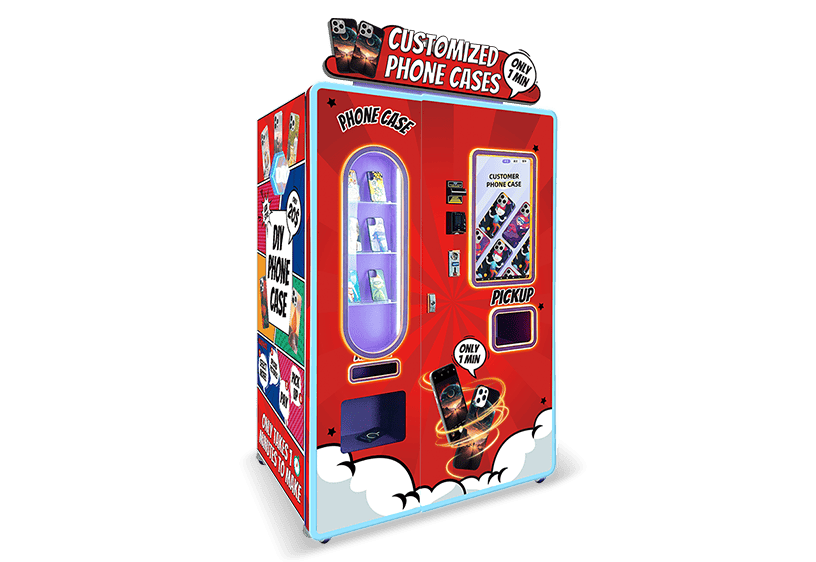
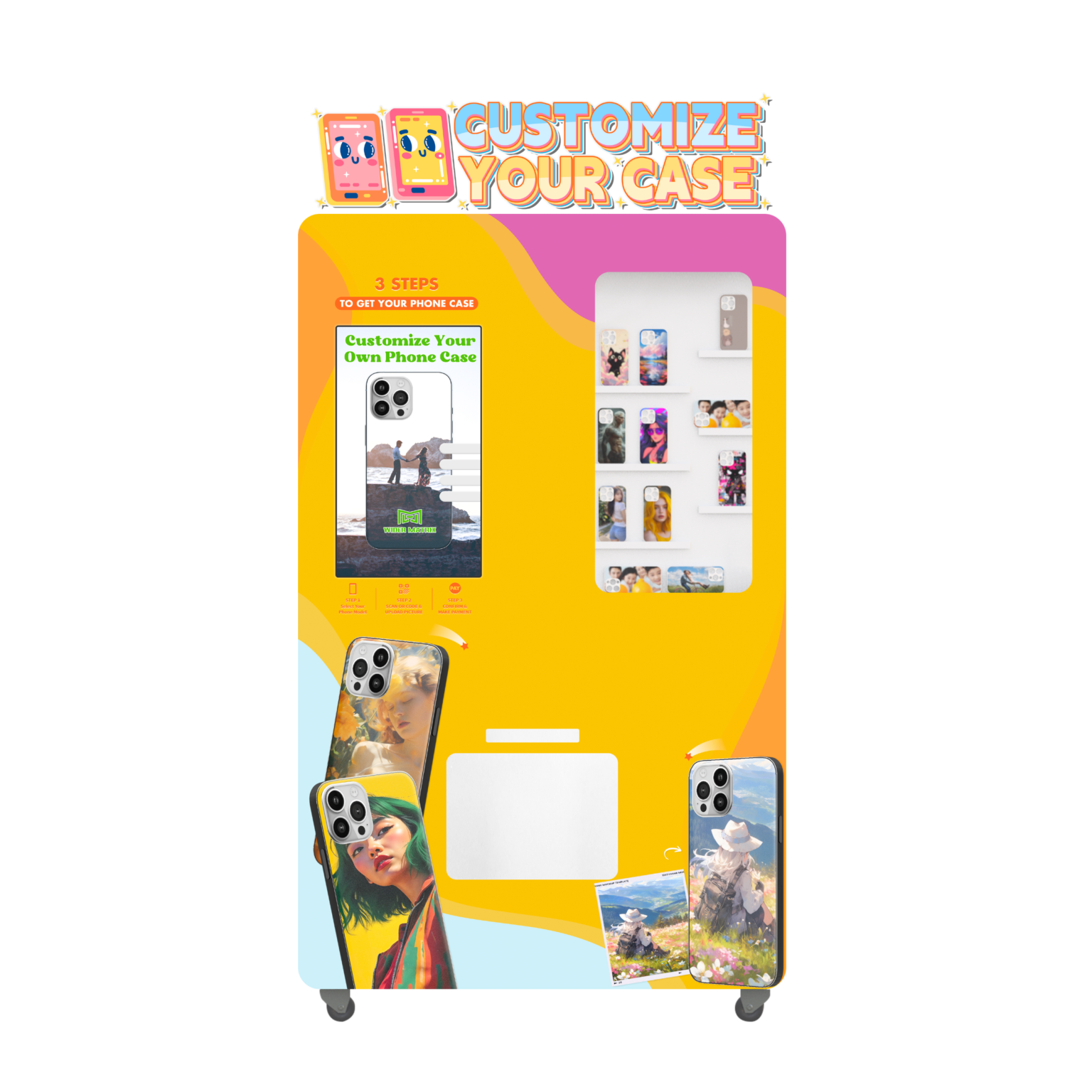
Я купил два автомата по продаже чехлов для телефонов, и они работают уже более трех месяцев и очень стабильно. Киоски по продаже аксессуаров для смартфонов отличаются высокой надежностью и требуют минимального обслуживания.
Это мой первый бизнес по продаже автоматов по продаже чехлов для телефонов, и он выглядит отлично. Автомат по продаже мобильных аксессуаров привлекает множество покупателей в моем торговом центре.