

إذا كنت تتساءل “ما هي الشركات التي تصنع آلات البيع”، فمن المحتمل أنك لا تقوم بمجرد تصفح ويكيبيديا. فأنت تبحث عن شراء آلة — ربما تكون الأولى لك — وتريد أن تعرف من الذي يصنع الأجهزة فعليًا، ومن الذي يكتفي بوضع شعار على وحدة ذات علامة بيضاء، ومن الذي يمكنك الوثوق به عندما تتعطل الآلة في الساعة الثانية صباحًا في ممر أحد مراكز التسوق. لقد كنت في كلا جانبي هذا السؤال: كمهندس ساعد في تصميم هذه الآلات، وكشخص سافر جواً لتركيبها في أماكن مختلفة من ليما إلى كوالالمبور. دعني أقدم لك الصورة الحقيقية، وليس مجرد قائمة مستمدة من دليل.
عالمان متباينان في صناعة آلات البيع
يوجد بشكل أساسي نوعان من الشركات في هذا المجال. النوع الأول هو الشركات المصنعة التقليدية — وهي الشركات التي تعمل في تصنيع الصناديق الفولاذية منذ عقود. ومن الأمثلة على ذلك شركات مثل «كرين ميرشاندايزينغ سيستمز» و«ويترن جروب (USI)» و«رويال فيندورز». وهي تصنع آلات متينة وتقليدية. فكر في آلات الوجبات الخفيفة الحلزونية، والآلات ذات الواجهة الزجاجية، وآلات بيع المشروبات المعلبة. إنها مصنوعة بقوة الدبابات، كما أنها باهظة الثمن. قد يتراوح سعر آلة الوجبات الخفيفة الجديدة من Crane بين $6,000 و$10,000. وهي ما تراه في كل غرفة استراحة بالمكاتب في أمريكا.
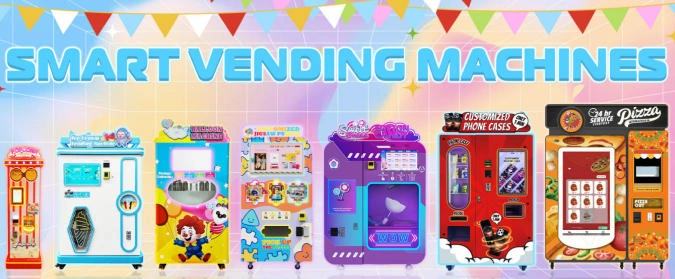
أما المجموعة الثانية فتضم الشركات الوافدة حديثًا — ومعظمها من آسيا — التي تركز على الآلات الذكية والمتخصصة. وهذا هو الاتجاه الذي يسير فيه السوق. فشركات مثل Wider Matrix (نحن)، وJofemar، وSielaff تعمل على تصنيع آلات لا تقتصر وظيفتها على مجرد إخراج قطعة حلوى. فهي تصنع طابعات لأغلفة الهواتف، وآلات توزيع حلوى القطن، وآلات آيس كريم لا تتجمد (بالمناسبة، لقد حللنا هذه المشكلة)، ووحدات بيع البيتزا التي تطهو الفطيرة فعليًا في أقل من ثلاث دقائق. تم تصميم هذه الآلات باستخدام تقنيات إنترنت الأشياء (IoT) من الألف إلى الياء: شبكات 4G LTE، وواي فاي، وإدارة المخزون عبر السحابة، وتحديثات البرامج الثابتة عبر الهواء (OTA). آلة البيع التي كان يستخدمها جدك لا تفعل كل ذلك.
ما تحتاج فعلاً إلى معرفته عند اختيار شركة تصنيع
وها هي الحقيقة الصريحة: الشركة المصنعة للآلة أقل أهمية من سجل أداء الآلة في حالة الاستخدام الخاصة بك. لقد رأيت مشغلين يشترون آلة رخيصة من مصنع مجهول على موقع «أليبابا»، ورأيتهم يشترون وحدة فاخرة من طراز $12,000 من علامة تجارية أوروبية. وكلاهما تعطل عند وضعهما في موقع خارجي شديد الرطوبة في جنوب شرق آسيا. لم تكن المشكلة تكمن في الشركة المصنعة، بل في أن أياً من الآلتين لم تُصمم لتلك البيئة.
لذا قبل أن تسأل “ما هي الشركات التي تصنع آلات البيع؟”، اسأل نفسك: ما الذي أبيعه، وأين سأضع الآلة، وما هي خطتي البديلة في حال تعطلها؟ لأنها ستتعطل بالتأكيد. فكل آلة تتعطل في نهاية المطاف. والفرق يكمن في ما إذا كان لدى الشركة المصنعة فريق دعم يرد على الهاتف في منتصف الليل حسب توقيتك.
قادة المنطقة في عام 2026
| المنطقة | أهم الشركات المصنعة | التخصص |
|---|---|---|
| أمريكا الشمالية | كرين، USI (ويترن)، رويال فيندورز، AMS | وجبات خفيفة/مشروبات تقليدية، مخصصة للاستخدام المكثف، وموثوقية عالية |
| Europe Europe | جوفيمار، سيلاف، أزكويين، بيانكي | آلات القهوة، الأطعمة الطازجة، التصميم الراقي |
| آسيا | وايدر ماتريكس، فوجي إلكتريك، ساندن | الآلات الذكية، طابعات أغطية الهواتف، حلوى القطن، البيتزا، الآيس كريم |
| أمريكا اللاتينية | مافريك، فيندوماتيك (شركات تجميع محلية) | وحدات بسيطة وفعالة من حيث التكلفة، ومعظمها تم تغيير علامتها التجارية |
يُعد هذا الجدول نقطة انطلاق. لكن إليك ما سأركز عليه حقًّا: وجود الشركة المصنعة في بلدك. فإذا كان لديها موزع أو شريك خدمة قريب، فستحصل على قطع الغيار بشكل أسرع. أما إذا لم يكن لديها ذلك، فستضطر إلى الانتظار لمدة أسبوعين للحصول على قارئ بطاقات بديل. لقد قمنا بشحن الأجهزة إلى أكثر من 130 دولة، وتعلمنا أن الخدمات اللوجستية تمثل نصف المعركة. فالجهاز الذي يظل عالقًا في الجمارك لمدة شهر لا يدر عليك أي أرباح.
صعود الشركات المتخصصة في تصنيع آلات البيع
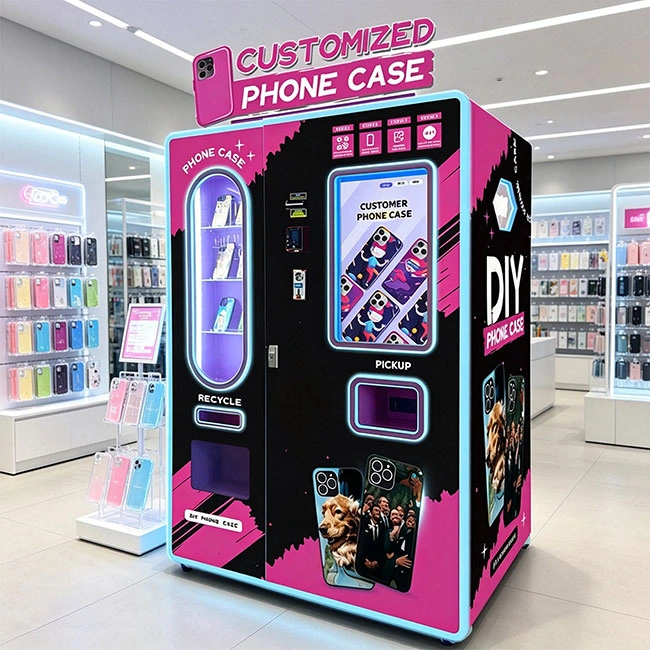
دعوني أضرب لكم مثالاً ملموساً. كان هناك عميل في أوساكا يرغب في الحصول على آلة بيع أغطية الهواتف في منطقة تسوق مزدحمة. وكان قد جرب آلة عادية من أحد المصنعين المحليين، لكنها لم تكن قادرة على توفير الدقة المطلوبة للطباعة على أغطية TPU المنحنية. فقد كان المحاذاة غير دقيقة، وكانت المطبوعات ملطخة، مما تسبب له في خسارة مالية. فجاء إلينا. قمنا بشحن حالة الهاتف آلة بيع أوساكا: دليلك النهائي للتخصيص عند الطلب الوحدة — طراز WM880 i1600u1 — التي تستخدم رؤوس طباعة من إيبسون مخصصة للاستخدام الصناعي. وقد ظلت تلك الآلة تعمل 16 ساعة يوميًا لمدة ثمانية أشهر. ولم تظهر أي مشكلات في المحاذاة. ما الفرق؟ لقد صممنا تلك الآلة من الصفر خصيصًا لهذا الاستخدام المحدد. ولم نقم بتعديل آلة بيع الوجبات الخفيفة لتركيب طابعة عليها.
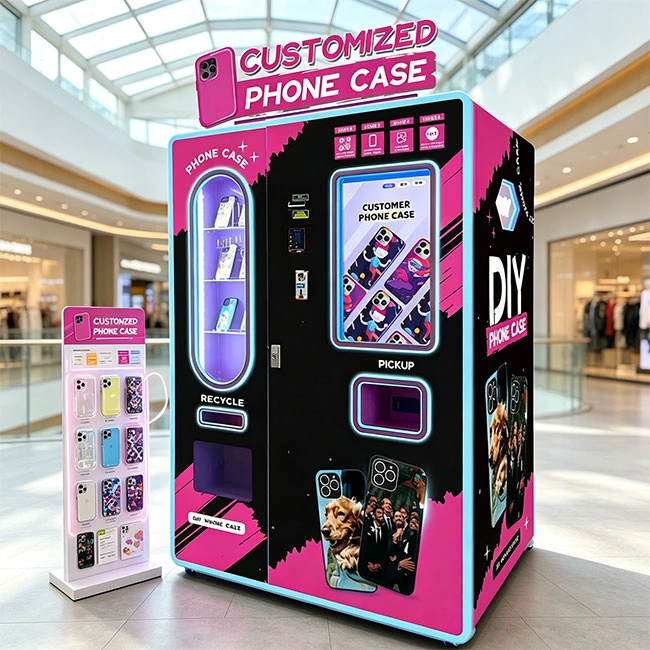
هذا هو الاتجاه الذي تسير فيه الصناعة. فقد أصبحت آلات البيع متعددة الأغراض سلعة عادية. أما الآلات المتخصصة — التي يتمتع المصنع فيها بخبرة عميقة في المجال — فهي مصدر الربح الحقيقي. إذا كنت تبحث عن آلات لصنع حلوى القطن أو الآيس كريم أو البيتزا أو أغطية الهواتف، فأنت بحاجة إلى مصنع يعيش ويتنفس هذا المنتج. لا تشترِ آلة حلوى القطن من شركة تصنع في الغالب آلات بيع المشروبات. فالتحكم الحراري مختلف تمامًا. لدينا ماكينات البيع الإسبانية: دليل شامل للابتكار والفرص يتناول المقال كيفية تحول المشغلين الأوروبيين إلى هذه الوحدات المتخصصة نظراً لأن هوامش الربح فيها أفضل.
كيفية تقييم شركة تصنيع آلات البيع
لقد زرت أكثر من 30 مصنعًا في الصين وحدها. وإليكم ما يميز المصنعين الحقيقيين عن شركات التجميع:
- ولديهم فريق البحث والتطوير الخاص بهم. ليس مجرد مهندسين يقومون بتعديل التصاميم الحالية، بل أشخاص يكتبون البرامج الثابتة، ويصممون لوحات الدوائر الإلكترونية، ويختبرون الآلات في غرف الاختبار البيئية. لدينا أكثر من 5 براءات اختراع. وهذا ليس تفاخرًا — بل دليل على أننا نصنع، ولا نكتفي بالنسخ.
- يمكنهم أن يطلعوك على خط الإنتاج. المصنع الحقيقي هو الذي تبلغ مساحته 20,000 متر مربع، وليس مجرد مستودع يضم 50 آلة. أما مصنعنا فيضم أكثر من 200 موظف وأكثر من 50 آلة متطورة. ويمكنك مشاهدة خط التجميع خلال مكالمة فيديو.
- وهي توفر خيارات التخصيص. إذا كانوا يبيعون الطرازات القياسية فقط، فهم مجرد موزعين. أما المصنع الحقيقي، فسيقوم بطلاء الجهاز بلون علامتك التجارية، ووضع شعارك على الشاشة، وإعداد خادم AWS مخصص لبياناتك. نحن نقدم خدمات OEM/ODM للعملاء في الولايات المتحدة وأوروبا والشرق الأوسط.
- لديهم شهادات. CE، UKCA، RoHS، KC، PSE، ISO 9001، BRC، Kosher، HALAL، FDA — هذه ليست مجرد ملصقات. إنها تعني أن الجهاز قد خضع لاختبارات السلامة والامتثال في أسواق مختلفة. إذا كنت تبيع منتجاتك في الاتحاد الأوروبي ولم تكن الآلة حاصلة على شهادة CE، فأنت تتحمل مخاطرة كبيرة.
هناك أمر أكرر قوله دائمًا للمشغلين: لا تنخدعوا بالسعر المنخفض. قد تبدو آلة صنع حلوى القطن من طراز $3,000 صفقة مربحة، ولكن إذا تعطل محرك الدوران بعد 200 دورة، فستكون خسارتك خلال فترة التوقف عن العمل أكبر مما وفرته. لدينا اختيار الشركة المصنعة لآلة البيع المناسبة: دليل 2025 النهائي يتناول هذا الموضوع بمزيد من التفصيل — ويستحق القراءة قبل التوقيع على أي أمر شراء.
لماذا نصمم الآلات بطريقة مختلفة
لن أتظاهر بأن جميع الشركات المصنعة متشابهة. لقد أنشأنا «Wider Matrix» لأننا لاحظنا وجود فجوة في السوق. فالشركات المصنعة التقليدية لم تكن تبتكر بالسرعة الكافية، في حين أن الشركات الناشئة الجديدة لم تتمكن من التوسع. أردنا تصنيع آلات ذكية من حيث التصميم، وليس كإضافة لاحقة. كل آلة نبيعها مزودة بشاشة لمس مقاس 27 بوصة، وشبكة 4G LTE، وواي فاي، ونظام تتبع المخزون التلقائي. يمكنك الاطلاع على مستويات المخزون في الوقت الفعلي من هاتفك. يمكنك إرسال تحديث للبرمجيات الثابتة إلى 100 آلة في آن واحد. هذه ليست رفاهية — بل هي ضرورة إذا كنت تدير مشروعًا حديثًا لبيع المنتجات الآلي.
ونظرًا لأننا نصنع على نطاق واسع — 20,000 متر مربع، وأكثر من 3,000 آلة موزعة في جميع أنحاء العالم — فإننا نحافظ على انخفاض التكاليف دون التهاون في الجودة. أسعار الوحدات الفردية لدينا تنافسية. يبدأ سعر آلة بيع أغطية الهواتف من $5,299. ويبدأ سعر آلة صنع حلوى القطن من $4,400. أما آلة الآيس كريم فيبدأ سعرها من $5,799. هذه أسعار حقيقية، وليست عروضًا خادعة. ولكن إذا كنت تشتري 50 وحدة،, اتصل بفريقنا للحصول على عرض أسعار مخصص مع خصومات على الكميات الكبيرة—يمكننا تحقيق المزيد في مجال التسعير على نطاق واسع.
الأخطاء الشائعة التي يرتكبها المشغلون في تعاملهم مع الشركات المصنعة
لقد رأيت نفس الأنماط تتكرر مرارًا وتكرارًا. دعني أجنبك هذا العناء:
- الشراء دون التحقق من توافق الجهد الكهربائي. لن تعمل الآلة المصممة للعمل بجهد 220 فولت على جهد 110 فولت دون محول. نحن نتأكد دائمًا من الجهد الكهربائي قبل الشحن. لكن ليس كل الشركات المصنعة تفعل ذلك.
- تجاهل تكامل أنظمة الدفع. يجب أن تدعم أجهزتك طرق الدفع المحلية. ففي اليابان، تتمثل هذه الطرق في بطاقات IC. أما في الولايات المتحدة، فهي بطاقات الائتمان المزودة بتقنية NFC. وفي أمريكا اللاتينية، تتمثل في النقد ورموز QR. تأكد من أن الشركة المصنعة تدعم أنظمة الدفع التي تحتاجها. نحن نتعاون مع شركات Nayax وICT وITL ومزودي أجهزة التحقق من صحة العملات المعدنية — ويمكننا تهيئة الأجهزة قبل الشحن.
- عدم التخطيط لأعمال الصيانة. تحتاج كل آلة إلى التنظيف والمعايرة واستبدال الأجزاء. فطابعة أغطية الهواتف تحتاج إلى مجموعات حبر جديدة كل 1,000–2,000 عملية طباعة. أما آلة صنع حلوى القطن، فتحتاج إلى تنظيف رأس الدوران يوميًا. وإذا لم تكن لديك خطة صيانة، فستتعطل الآلة. نحن نقدم إرشادات بالفيديو ودعمًا فنيًّا على مدار الساعة طوال أيام الأسبوع. لكن لا يزال عليك القيام بهذا العمل بنفسك.
أحد المشغلين الذين عملت معهم في سنغافورة اشترى آلة بيع أغطية الهواتف من شركة تصنيع أخرى. عملت الآلة لمدة أسبوعين، ثم انسد رأس الطباعة. ولم ترد الشركة المصنعة على رسائل البريد الإلكتروني. فانتهى به الأمر إلى شراء آلة بيع الهاتف حالة سنغافورة: دليلك النهائي للتخصيص عند الطلب من جانبنا. قمنا بشحنها في غضون ثلاثة أيام، ووفرنا له فنيًّا عبر مكالمة فيديو ليقوم بإرشاده خطوة بخطوة خلال عملية الإعداد. هذا هو الفرق الذي يُحدثه الدعم الفني.
ماذا عن الأسماء الكبيرة؟
سترى مقالات تذكر نفس الشركات العشر مرارًا وتكرارًا: Crane، وUSI، وRoyal Vendors، وDixie Narco، وVendo، وSanden، وFuji Electric، وJofemar، وAzkoyen، وSielaff. جميعها شركات شرعية. ولكن إليك الأمر: معظمها لا تصنع النوع من الآلات التي ستقود النمو في عام 2026. فهي تصنع آلات الوجبات الخفيفة والمشروبات التقليدية. وسوق هذه الآلات قد بلغ مرحلة النضج — حيث الهوامش منخفضة والمنافسة عالية. النمو يكمن في الآلات المتخصصة: أغطية الهواتف، حلوى القطن، الآيس كريم، البيتزا، مشروبات البروتين، فن الأظافر. هناك تبلغ هوامش الربح 40-60%، وليس 10-15%.
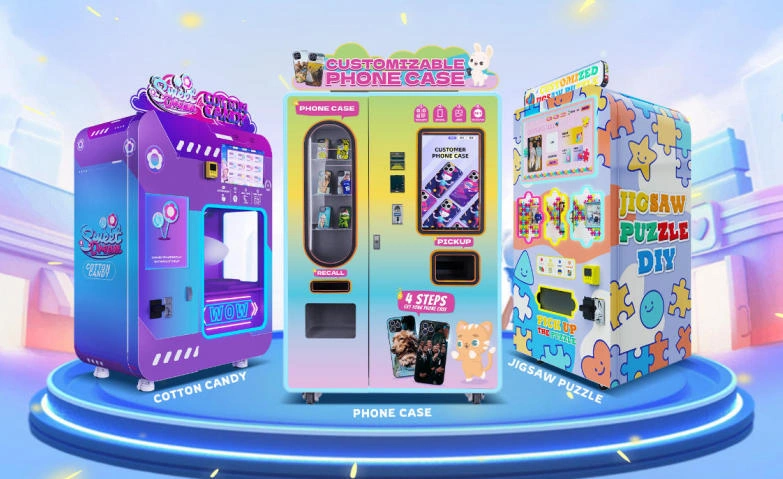
إذا كنت تريد آلة مشروبات غازية تقليدية، فاختر شركة «رويال فيندورز». وإذا كنت تريد آلة لبيع الوجبات الخفيفة، فإن شركة «كرين» خيار جيد. ولكن إذا كنت تريد جهازًا قادرًا على طباعة غطاء هاتف مخصص في غضون 90 ثانية أو تحضير حلوى القطن الطازجة عند الطلب، فأنت بحاجة إلى شركة مصنعة متخصصة في هذا المجال. وهنا يأتي دور آلات البيع الذكية «Wider Matrix» هنا يأتي دوره.
نصائح أخيرة قبل الشراء
السؤال “ما هي الشركات التي تصنع آلات البيع؟” هو السؤال الأول الصحيح. لكن السؤال الحقيقي هو: أي شركة مصنعة يمكنها مساعدتي في بناء مشروع تجاري مربح؟ وهذا يعني النظر في التكلفة الإجمالية لامتلاك الآلة، والبنية التحتية للدعم التي توفرها الشركة المصنعة، ومدى ملاءمة الآلة لموقعك والمنتج الذي تبيعه.
نحن نعمل في هذا المجال منذ عام 2016. وقد قمنا بشحن منتجاتنا إلى أكثر من 130 دولة. وقد اكتشفنا ما ينجح وما لا ينجح. إذا كنت جادًا في بدء أو توسيع مشروع تجاري في مجال آلات البيع،, تواصل معنا عبر موقع widermatrix.com—سنساعدك في اختيار الجهاز المناسب، وتهيئته ليتناسب مع سوقك، ونقدم لك الدعم الذي تحتاجه لتحقيق النجاح. لا ضغوط، بل مجرد نصائح صادقة من أشخاص لديهم خبرة في هذا المجال.
FAQs
ما هي أكبر الشركات المصنعة لآلات البيع في العالم؟
أكبر الشركات من حيث الحجم هي “كرين ميرشاندايزينغ سيستمز” (الولايات المتحدة)، و“ويترن جروب” (USI)، و«فوجي إلكتريك» (اليابان). لكن مصطلح «الأكبر» لا يعني بالضرورة «الأفضل بالنسبة لك». إذا كنت بحاجة إلى آلة متخصصة، فغالبًا ما يكون المصنع المتوسط الحجم الذي يتمتع بخبرة عميقة في تلك الفئة هو الخيار الأفضل.
هل يمكن الاعتماد على الشركات الصينية المصنعة لآلات البيع؟
بعضها كذلك، وبعضها ليس كذلك. المفتاح هو زيارة المصنع (أو مشاهدة جولة بالفيديو)، والتحقق من الشهادات، والتحدث إلى العملاء الحاليين. لقد بنينا سمعتنا على الجودة — شهادات CE و UKCA و RoHS و FDA، وأكثر من 3,000 آلة تم نشرها في جميع أنحاء العالم. ولكن هناك أيضًا مصانع تقوم بتجميع آلات رخيصة باستخدام مكونات رديئة. لذا، قم بإجراء التحريات اللازمة.
كيف يمكنني العثور على شركة مصنعة لآلات البيع التي توفر خدمة التخصيص؟
ابحث عن الشركات التي تقدم خدمات OEM/ODM بشكل صريح. نحن نقدم خدمات تخصيص كاملة: تصميم واجهة المستخدم، ووضع العلامة التجارية على الهيكل الخارجي، ونشر الخوادم المخصصة، وتكامل أنظمة الدفع. لا تقدم معظم الشركات المصنعة التقليدية هذه الخدمات — فهي تبيع النماذج القياسية فقط.
ما هي الشهادات التي يجب أن تحصل عليها آلة البيع؟
يعتمد ذلك على السوق الذي تتعامل معه. بالنسبة لأوروبا: CE، UKCA. بالنسبة لكوريا: KC. بالنسبة لليابان: PSE. بالنسبة للولايات المتحدة: UL أو ETL (على الرغم من أنها ليست مطلوبة دائمًا، إلا أنها ممارسة جيدة). ابحث أيضًا عن شهادة ISO 9001 (إدارة الجودة) وشهادات سلامة الأغذية مثل BRC أو Kosher أو HALAL إذا كنت تبيع منتجات غذائية.
كم تبلغ تكلفة آلة البيع من الشركة المصنعة؟
تتفاوت الأسعار بشكل كبير. آلة بيع الوجبات الخفيفة الأساسية من إحدى الشركات المصنعة التقليدية: $4,000–$10,000. آلة بيع أغطية الهواتف الذكية من شركتنا: $5,299–$6,979. آلة صنع حلوى القطن: $4,400–$5,299. آلة صنع الآيس كريم: $5,799–$6,799. تحصل الطلبات بالجملة على خصومات على الكمية — اتصل بنا للحصول على عرض أسعار مخصص.
هل يمكنني شراء آلة بيع مباشرةً من الشركة المصنعة؟
نعم، هناك العديد من الشركات المصنعة التي تبيع منتجاتها مباشرةً، ونحن من بينها. الشراء المباشر يزيل دور الوسيط، ويمنحك أسعارًا أفضل، ويضمن حصولك على الدعم المناسب. فقط تأكد من أن الشركة المصنعة تمتلك بنية تحتية عالمية للشحن والدعم — وإلا فستكون وحدك إذا حدثت أي مشكلة.