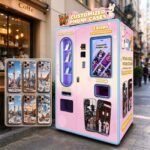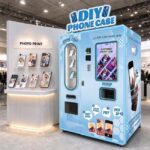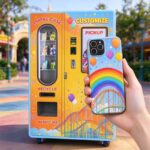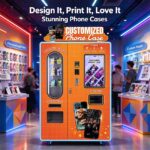



يُستخدم مصطلح “روبوت” بشكل فضفاض في مجال آلات البيع. فالآلة التي توزع كيسًا من رقائق البطاطس تُعتبر من الناحية الفنية آلية، لكن لا أحد يطلق عليها اسم «روبوت». عندما تبحث عن «نظام آلات بيع أغطية الهواتف الذكية الآلية»، فأنت على الأرجح تبحث عن شيء أكثر تحديدًا: آلة تأخذ تصميمًا مخصصًا، وتطبعه على غطاء الهاتف، وتسلمه دون أن يلمس أي شخص أي شيء. هذه فئة مختلفة، ولا تنطبق عليها سوى بعض الآلات المتوفرة في السوق.
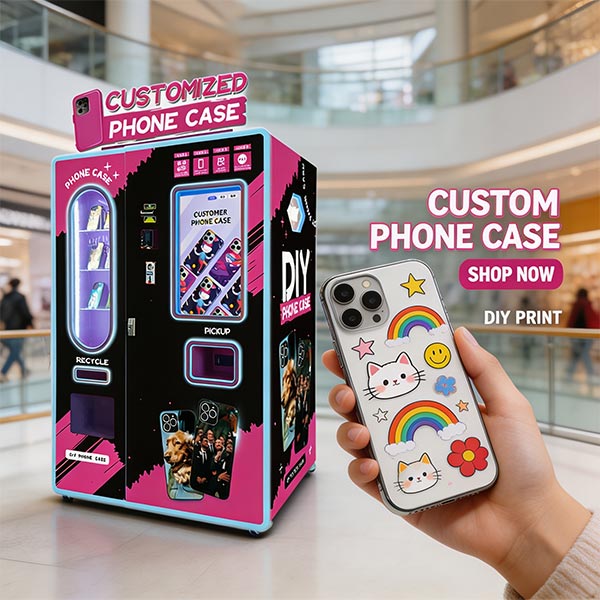
تقوم شركة Wider Matrix بتصنيع جهاز WM880 المخصص لهذه الفئة. قبل أن تقارن الأسعار أو تحجز عرضًا توضيحيًّا، من المفيد أن تعرف ما الذي يميز نظام آلة بيع أغطية الهواتف الروبوتية الحقيقي عن الكشك العادي المزود بطابعة مثبتة عليه. تتناول هذه المقالة الفروق بينهما، وأجزاء النظام، وتكلفة تشغيله بالكامل.
ثلاثة مستويات من “التشغيل التلقائي” في آلات بيع حافظات الهواتف
ينبع معظم الالتباس في هذا السوق من كلمة «أوتوماتيكي»، التي تحمل معاني مختلفة لدى البائعين المختلفين.
المستوى الأول هو آلة بيع تبيع علبًا مطبوعة مسبقًا. تختار علبة، تدفع ثمنها، فتخرج إليك. ولا يتطلب الأمر أي عملية طباعة. هذه العلب رخيصة الثمن، وأحيانًا تقل قيمتها عن $2,000، وهي لا تمثل ما يقصده أي شخص بعبارة «نظام روبوتي».
المستوى الثاني هو كشك يحتوي على طابعة تعمل بالأشعة فوق البنفسجية. تقوم هذه الطابعة بطباعة أغلفة مخصصة، لكن يتعين على الشخص تزويدها بالمواد، ومحاذاة الغلاف يدويًّا، وإزالة الانسدادات، ومراقبة مستويات الحبر. وهي تعمل، لكنها ليست آلية بالكامل بأي معنى حقيقي. توجد العديد من الآلات منخفضة التكلفة في السوق ضمن هذا المستوى، ولا يزال البائعون يصفونها بأنها آلية.
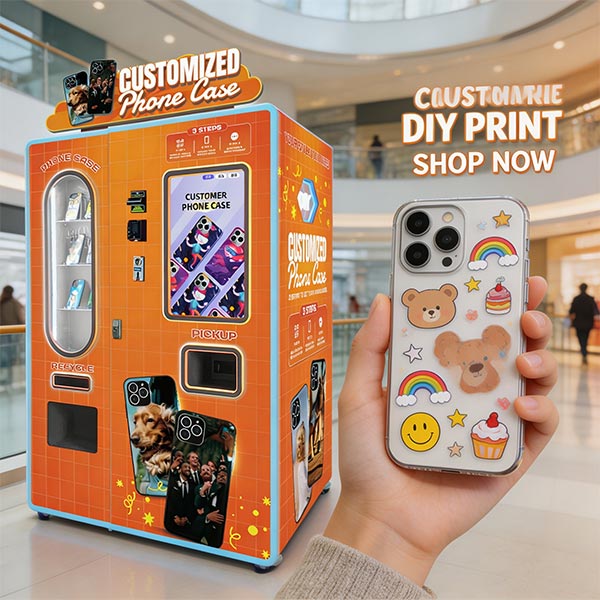
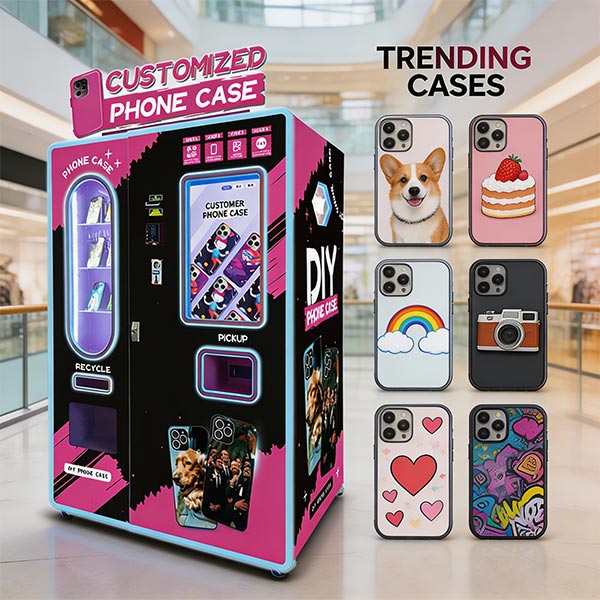
المستوى الثالث هو المكان الذي توجد فيه آلة WM880. تخزن الآلة ما بين 1,020 و1,025 حافظة هاتف بداخلها، وتطبع عند الطلب باستخدام نظام تحديد المواقع المدعوم بالذكاء الاصطناعي، وتتعرف على مستويات المخزون، وترسل تقارير عن كل شيء إلى لوحة تحكم عن بُعد. وهذا هو نظام آلة بيع حافظات الهواتف الآلية بالمعنى الحقيقي للمصطلح.
ما الذي يجعل جهاز WM880 نظامًا وليس مجرد آلة؟
يعني وجود نظام أن الأجزاء تتواصل مع بعضها البعض. ويحتوي جهاز WM880 على بعض الأجزاء المتحركة التي تقوم بذلك بالضبط.
تستخدم مرحلة الطباعة رؤوس طباعة من إيبسون بثلاثة تكوينات. يوفر الطراز الأساسي F1080-A1 تفاصيل صور واضحة. أما الطراز i1600-U1 فيطبع بسرعة أكبر بثلاث مرات، ويستمر عمره التشغيلي لفترة أطول بنحو أربعة أضعاف، ويزيد الوضوح إلى الضعف. ويُعد الطراز i3200-U1HD مسار ترقية دون خسارة، لذا يمكنك البدء بالطراز i1600 والترقية لاحقًا دون الحاجة إلى شراء هيكل جديد. بالنسبة للشركة التي ستستخدم الجهاز يوميًا، فإن الفرق في السرعة بين الطراز F1080 والطراز i1600 هو الفرق بين انتظار العميل لمدة دقيقتين مقابل ست دقائق.
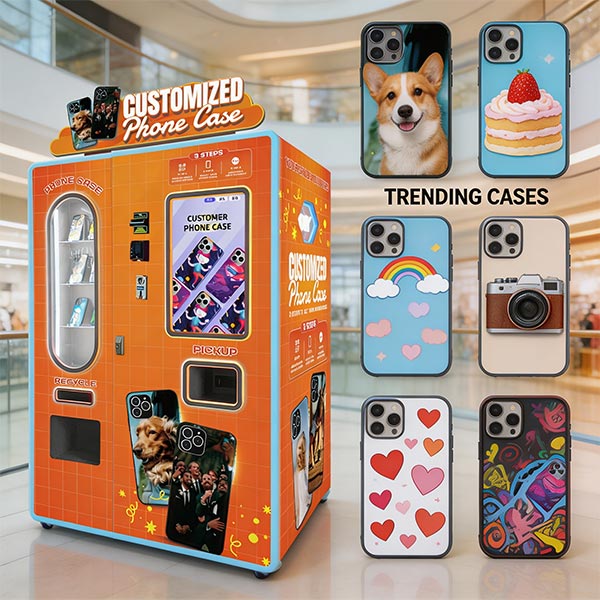
يظهر دور “الروبوت” في عملية تحديد موضع الطباعة. يستخدم جهاز WM880 تقنية التعرف البصري المدعومة بالذكاء الاصطناعي لتحديد موضع كل غلاف فارغ قبل الطباعة، مما يعني عدم وجود حواف بيضاء وعدم الحاجة إلى المحاذاة اليدوية. وتضيف وحدة تحديد المخزون الاختيارية كاميرا تتعقب الفتحات التي لا تزال تحتوي على أغلفة، بحيث لا يتم إعادة تعبئة سوى الفتحات الفارغة فعليًّا.
نظام الإدارة الذكي هو الجزء الذي ستستخدمه أكثر من غيره. يعمل هذا النظام على أجهزة الكمبيوتر الشخصية والهواتف المحمولة، ويوفر لك حالة الجهاز في الوقت الفعلي، وتنبيهات الطابعة، وفحوصات الاتصال، والرسوم البيانية للإيرادات اليومية والأسبوعية، وسجل الطلبات، وإعدادات العروض الترويجية. يمكنك ضبط قواعد الخصم، والنوافذ الزمنية، وحدود الكمية دون الحاجة إلى الذهاب إلى الجهاز. كما يدعم التطبيق عملات ولغات واجهة متعددة، وهو أمر مهم إذا كنت تعمل في أكثر من سوق واحد.
ما الذي يفعله النظام في غيابك
الهدف الأساسي من هذه الفئة هو التشغيل التلقائي. وإليك المهام التي يقوم بها جهاز WM880 بمفرده.
يقوم العميل بمسح رمز الاستجابة السريعة (QR) الموجود على الشاشة، ويختار طراز هاتفه من القائمة، ويحمّل صورة، ثم يدفع باستخدام العملات المعدنية أو النقود أو البطاقة أو تقنية NFC أو رمز الاستجابة السريعة (QR). تقوم الآلة بطباعة الغطاء، ويغادر العميل حاملاً إياه في غضون دقيقتين تقريبًا. لا يقوم أحد بتجديد المخزون في منتصف النهار في معظم المواقع، لأن أكثر من 1,000 غطاء مخزّن يكفي لتغطية فترة طويلة من المبيعات. يُعلمك التطبيق عن بُعد عندما تكون هناك حاجة فعلية إلى إعادة التزويد، بدلاً من ترك الأمر للتخمين.
هناك قيود تشغيلية فعلية يجدر معرفتها. يبلغ وزن الجهاز 380 كجم ويستهلك 410 واط، لذا فهو يحتاج إلى أرضية متينة ومأخذ كهربائي قياسي يتراوح بين 110 فولت و220 فولت. تبلغ سعة الحبر 2,000 مل، وأسعار المواد الاستهلاكية يمكن توقعها: تبلغ تكلفة العلب القياسية المصنوعة من مادة TPU + PC $1.30 لكل علبة عند شراء 1,000 قطعة، وتنخفض إلى $1.10 عند شراء 8,000 قطعة، بينما تبلغ تكلفة مجموعة الحبر الصلب UV ذات الألوان الأربعة $100. هذه الأرقام مستقرة بما يكفي لتخطيط مشروع تجاري بناءً عليها.
حيث يحقق نظام آلة بيع أغطية الهواتف الآلية أرباحًا
لا يهم الآلة المكان الذي توضع فيه، لكن الأمر يهم الشركة. فالمتاجر التي تشهد إقبالاً كبيراً، والمناطق السياحية، ومراكز النقل هي الخيارات المعتادة، و ماكينة بيع حافظة الهاتف الذكي يتناول المقال منطق التوزيع بمزيد من التفصيل.
ما يهم أكثر من نوع المكان هو ما إذا كان لدى الأشخاص الموجودين فيه الوقت للتوقف. فالشخص الذي يسرع نحو بوابة ما لن يصمم حقيبة، أما الشخص الذي ينتظر فيلمًا أو قطارًا أو صديقًا فسيفعل ذلك. ويحقق المشغلون الذين يضعون جهاز WM880 في مكان يتمتع بوقت مكوث أطول أرقامًا أفضل بكثير من أولئك الذين يركزون على عدد الزوار فقط. الـ آلة بيع أغطية الهواتف الذكية ذاتية الخدمة يتناول الدليل كيفية تعامل شركة «وايدر ماتريكس» مع الجانب التشغيلي لهذا النموذج.
كم تبلغ تكلفة النظام، بصراحة؟
يبدأ سعر طراز WM880 F1080 من $4,999 لوحدة واحدة إلى ثلاث وحدات. يبلغ سعر الإصدار القياسي من طراز i1600 $5,999. وتضيف ترقية طراز i3200 $680، بينما تضيف كاميرا تحديد المخزون الاختيارية $200. ولا يشمل أي من هذه الأسعار تكاليف الشحن أو إيجار الموقع أو العلب والحبر التي ستشتريها لاحقًا.
تكمن الجدوى الاقتصادية لهذا النموذج في التكلفة لكل قطعة. فمع تكلفة القوالب الفارغة البالغة $1.30 وسعر بيع يتراوح عادةً بين $15 و$20، يكون الهامش الربحي قبل احتساب تكاليف الموقع والكهرباء مرتفعًا. وتعتبر تكلفة الكهرباء ضئيلة لأن الآلة تستهلك 410 واط فقط. أما التكاليف المتكررة الفعلية فهي العلب والحبر والإيجار، وجميعها يمكن التنبؤ بها. ولإلقاء نظرة أعمق على جانب الشراء، فإن سعر آلة طباعة أغطية الهواتف يوضح هذا التحليل التكلفة الحقيقية لنظام جاهز للاستخدام التجاري.
هل هذا هو الوقت المناسب لشراء واحدة؟
إذا كنت تقارن بين أنظمة آلات بيع أغطية الهواتف الروبوتية، فإن الفروق المهمة هي سرعة الطباعة، وإدارة المخزون، ومدى التحكم عن بُعد المتاح. ويستوفي الطراز WM880 هذه المعايير، و ماكينة طباعة أغلفة الهاتف بالذكاء الاصطناعي يوضح هذا العرض العام أسباب استمرار نمو قطاع الأتمتة.
تُعد الشهادات مهمة إذا كنت تقوم بالاستيراد. ويحمل الطراز WM880 شهادات CE وRoHS وISO وCCC وPSE، والتي تغطي الاتحاد الأوروبي ومعظم دول آسيا وأمريكا الشمالية. كما تمتلك شركة Wider Matrix العديد من براءات الاختراع في مجال البحث والتطوير الخاصة بهذا النظام، وهو أمر يستحق التحقق منه عندما لا يتمكن المورد من إبراز أي وثائق على الإطلاق.
قبل أن تتخذ قرارك، حدد ما إذا كنت ستشتري طابعة في صندوق أم نظامًا فعليًّا يعمل دون تدخل منك. الفارق في السعر حقيقي، لكن الفارق في مقدار الوقت الذي تستغرقه الآلة من أسبوعك حقيقي أيضًا.
FAQs
ما هو نظام آلة بيع أغطية الهواتف الروبوتية؟
نظام آلة بيع أغطية الهواتف الذكية الآلية هو كشك يعمل دون حارس يقوم بطباعة أغطية الهواتف المخصصة حسب الطلب باستخدام تقنية تحديد موضع الطباعة آليًّا، ويخزن أكثر من 1,000 غطاء داخليًّا، ويقدم تقارير عن المبيعات وحالة الجهاز عن بُعد. ويُعد جهاز Wider Matrix WM880 مثالاً على هذه الفئة.
كم تبلغ تكلفة آلة بيع أغطية الهواتف الروبوتية؟
يبدأ سعر جهاز Wider Matrix WM880 من $4,999 للإصدار F1080 و$5,999 للإصدار i1600. تبلغ تكلفة ترقية رأس الطباعة i3200 $680، بينما تبلغ تكلفة الكاميرا الاختيارية لتعريف المخزون $200. وتُضاف إلى ذلك تكاليف الشحن وإيجار الموقع والحاويات والحبر.
هل تطبع الآلة في غياب أي شخص؟
نعم. يقوم العميل بمسح رمز QR ضوئيًا، واختيار طراز هاتفه، وتحميل صورة، ثم الدفع، فتقوم الآلة بطباعة الغطاء وتسليمه في غضون دقيقتين تقريبًا. تعمل آلة WM880 دون الحاجة إلى مراقبة، وتُعلمك عن بُعد عند الحاجة إلى إعادة التعبئة.
ما هي طرازات الهواتف التي يدعمها جهاز WM880؟
يتوافق طراز WM880 مع جميع العلامات التجارية الكبرى، بما في ذلك أجهزة آبل iPhone 16 وiPhone 15 وiPhone 11، بالإضافة إلى أجهزة سامسونج وGoogle Pixel وشاومي وهواوي وأوبو. وتُصنع الحافظات الشفافة من مادة TPU + PC مع حماية اختيارية للعدسة.
هل يمكنني التحكم في الجهاز من هاتفي؟
نعم. يعمل نظام الإدارة الذكي WM880 على أجهزة الكمبيوتر الشخصية والهواتف المحمولة، حيث يعرض حالة الجهاز في الوقت الفعلي، وكشوف الإيرادات، وسجل الطلبات، وإنذارات الطابعة، وإعدادات العروض الترويجية. كما يدعم العملات ولغات الواجهة المتعددة.
ما هي الشهادات التي حصل عليها جهاز WM880؟
يحمل جهاز WM880 شهادات CE وRoHS وISO وCCC وPSE، التي تغطي أسواق الاتحاد الأوروبي وآسيا وأمريكا الشمالية. كما تمتلك شركة Wider Matrix العديد من براءات الاختراع المستقلة في مجال البحث والتطوير الخاصة بهذا النظام.
ما الفرق بين آلة بيع أغطية الهواتف ونظام الروبوتات؟
تبيع آلة البيع الأساسية أغطية الهواتف المطبوعة مسبقًا أو تقوم بالطباعة مع الضبط اليدوي للموضع. أما نظام آلة البيع الآلية لأغطية الهواتف فيعتمد على تحديد موضع الطباعة بمساعدة الذكاء الاصطناعي، والتعرف التلقائي على المخزون، والإدارة عن بُعد، مما يتيح له العمل دون الحاجة إلى تدخل بشري لتغذية الأغطية أو ضبط موضعها.