


يمكن أن يتراوح سعر ماكينة طباعة أغلفة الهواتف ثلاثية الأبعاد من $300 لمجموعة أدوات أساسية تصنعها بنفسك إلى أكثر من $50,000 لخط إنتاج صناعي مؤتمت بالكامل. هذه هي الإجابة المختصرة، ولكن السؤال الحقيقي الذي تطرحه هو على الأرجح: “ما الذي يجب أن I في الواقع؟” التكلفة ليست مجرد ملصق على علبة، بل هي معادلة معقدة تتضمن التكنولوجيا والحجم والنفقات التشغيلية الخفية. دعنا نختصر هذه الضوضاء ونحلل ما تشتريه بالفعل.
أولاً، عليك أن تعرف أنك لا تتسوق فقط لنوع واحد من الآلات. فمصطلح “طباعة أغلفة الهواتف ثلاثية الأبعاد” يغطي في الواقع ثلاث تقنيات متميزة، والخلط بينها هو أسرع طريقة لإهدار ميزانيتك.
الطباعة بالأشعة فوق البنفسجية المسطحة: هذا على الأرجح ما تتخيله. فهي تطبع تصميمات نابضة بالحياة وبالألوان الكاملة مباشرةً على حافظة هاتف فارغة باستخدام أحبار قابلة للمعالجة بالأشعة فوق البنفسجية. إنها مثالية للأعمال المخصصة حسب الطلب. تبدأ الأسعار من حوالي $3,000 لطابعة لائقة بحجم A3 ويمكنها الارتفاع عن $20,000 للنماذج عالية السرعة ومتعددة الرؤوس مع التغذية الآلية. الجودة رائعة، ولكن تكلفة كل علبة أعلى بسبب الحبر والمعالجة المسبقة.
الطباعة بالتسامي: هنا، تقوم بطباعة تصميم على ورق نقل خاص، ثم تستخدم مكبس حراري لتحويل الحبر إلى علبة مغلفة. تكاليف بدء التشغيل أقل - يمكنك الحصول على طابعة جيدة ومكبس بأقل من $2,500. إنها رائعة للإنتاج على دفعات من نفس التصميم. ومع ذلك، فهي تعمل فقط على العلب ذات الألوان الفاتحة والمغلفة بالبوليستر، مما يحد من نطاق منتجاتك.
الطباعة ثلاثية الأبعاد الحقيقية (FDM/Resin): هذا يبني العلبة طبقة تلو الأخرى من الخيوط أو الراتنج. في حين أنها تتيح تخصيصاً هيكلياً مذهلاً (فكّر في وجود نوافذ منبثقة مدمجة أو قوام فريد)، إلا أنها بطيئة للغاية بالنسبة للمبيعات لوحدة واحدة. تكلف الطابعة القادرة $500-$3,000, ولكن وقت الطباعة الذي يستغرق من ساعتين إلى 4 ساعات لكل علبة يجعلها غير عملية لأي شيء باستثناء النماذج الأولية أو الدفعات الحرفية المتخصصة للغاية.
💡 الوجبات السريعة الرئيسية: لا تبحث عن ماكينة حتى تقرر التكنولوجيا. إن نموذج عملك (المخصص مقابل السائب، وأنواع الحالات المعروضة) هو الذي يملي عليك التقنية، والتي تملي عليك بعد ذلك النطاق السعري.
تفاصيل السعر الحقيقي من الهاوي إلى المصنع
انسَ الرقم الفردي. عليك أن ترى الأقواس. إليك صورة أوضح لما ستحصل عليه من استثمارك.
| آلة طبقة | التكلفة التقديرية للماكينة | المواصفات الرئيسية | أفضل من أجل | تنبيه التكلفة الخفية |
|---|---|---|---|---|
| طقم الأدوات اليدوية/المبتدئين | $300 - $1,500 | مساحة بناء صغيرة ورأس طباعة أساسي وبرنامج محدود. | الهواة، واختبار السوق، والحجم المنخفض للغاية. | معدل فشل مرتفع، وسرعة بطيئة، وتحديثات مكلفة. |
| المستهلكين/الأعمال التجارية الصغيرة | $3,000 - $10,000 | مقاس A3/A3+، 2-4 رؤوس طباعة، برنامج RIP، سرعة مناسبة. | أكشاك مراكز التسوق، والمتاجر عبر الإنترنت، ومتاجر التجزئة الصغيرة. | تكاليف الحبر ($100-$200/L)، عقود الصيانة. |
| تجاري/صناعي | $15,000 - $50,000+ | تنسيقات كبيرة، أكثر من 6 رؤوس، تغذية/معالجة آلية، نقطة في البوصة عالية الوضوح. | تنفيذ كميات كبيرة من المنتجات ذات العلامات التجارية البيضاء. | مشغل متخصص، واستهلاك عالي للطاقة، واحتياجات المنشأة. |
هل ترى القفزة؟ جهاز $5000 ليس مجرد جهاز “أفضل” من جهاز $1000، بل هو في نطاق عمل مختلف. إن النطاق الاستهلاكي للمحترفين هو المكان الذي تستقر فيه معظم الشركات الصغيرة الجادة، حيث تقدم توازناً بين الجودة والسرعة والموثوقية.
التكاليف التي لا يتحدث عنها أحد (فخ التكلفة الإجمالية للملكية)
سعر الماكينة هو مجرد رسوم الدخول. إن التكلفة الإجمالية للملكية (TCO) هي ما يحقق لك الربحية أو يحطمها. لقد رأيت شركات تفشل لأنها وضعت ميزانية للأجهزة فقط.
- الحبر/الحبر/الحبر: هذه هي أكبر تكلفة مستمرة. يمكن أن تكلف أحبار الأشعة فوق البنفسجية $100-$300 لكل لتر. قد يستخدم التصميم المعقد ذو التغطية الكاملة $0.50-$1.00 من الحبر لكل علبة. حبر التسامي أرخص، ولكن لديك تكلفة ورق النقل أيضًا.
- حالات فارغة: تتفاوت الجودة بشكل كبير. قد تكلف حافظة TPU جيدة $1.30-$2.50 بالجملة. الرخيصة منها تبدو رخيصة وتضر بعلامتك التجارية.
- البرامج و RIPS: البرامج المجانية محدودة. يمكن أن تكون البرامج الاحترافية لمعالجة الصور النقطية (RIP) لإدارة الألوان والطباعة $500-$2,000 رسوم لمرة واحدة أو اشتراك سنوي ضخم.
- الصيانة ووقت التوقف عن العمل: انسداد رؤوس الطباعة. مصابيح الأشعة فوق البنفسجية تفقد فعاليتها. الميزانية $500-$2,000 سنوياً لقطع الغيار والخدمة، أو احتساب الإيرادات المفقودة خلال فترة التعطل.
- العمل والفضاء: حتى لو كنت وحدك، فإن وقتك له قيمة. تحتاج الماكينة إلى مساحة نظيفة ومستقرة في درجة الحرارة مع تهوية جيدة - وهذا عامل مهم في تكاليف الإيجار أو المرافق.
💡 نصيحة عملية: قبل الشراء، ضع نموذجًا لعملك. احسب التكلفة لكل علبة (الحبر + الفراغ + الكهرباء) واعرف عدد العلب التي تحتاج إلى بيعها فقط لتغطية تكاليف التشغيل, حتى قبل لمس سعر شراء الماكينة.
بديل أكثر ذكاءً: حل البيع المتكامل
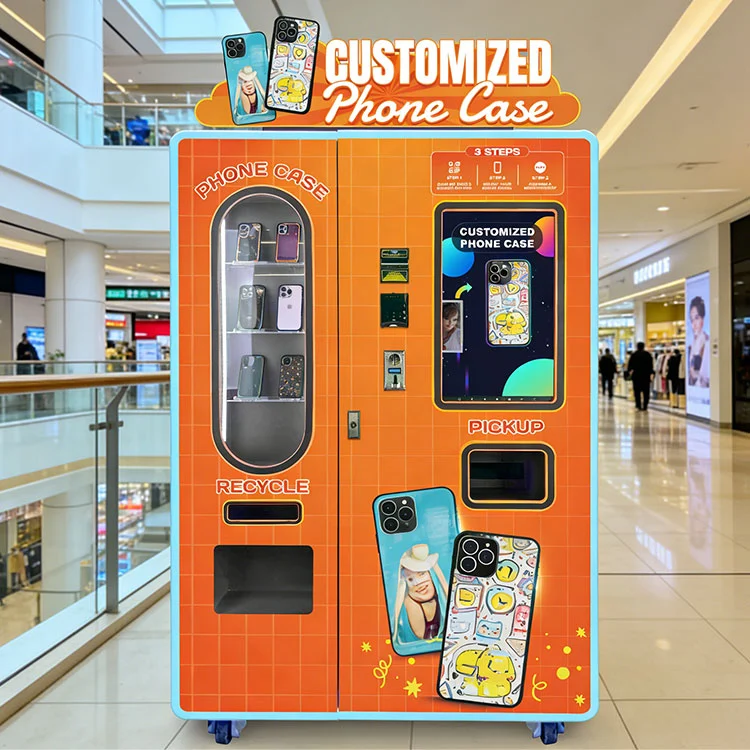
إليك نقلة في المنظور. ماذا لو لم تكن “الماكينة” مجرد طابعة، بل واجهة متجر كاملة مدرة للدخل؟ هنا يتطور الحديث من تكلفة التصنيع إلى الاستثمار في الأعمال التجارية.
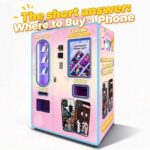
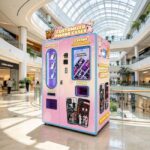
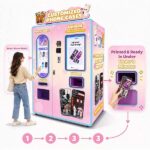
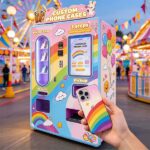
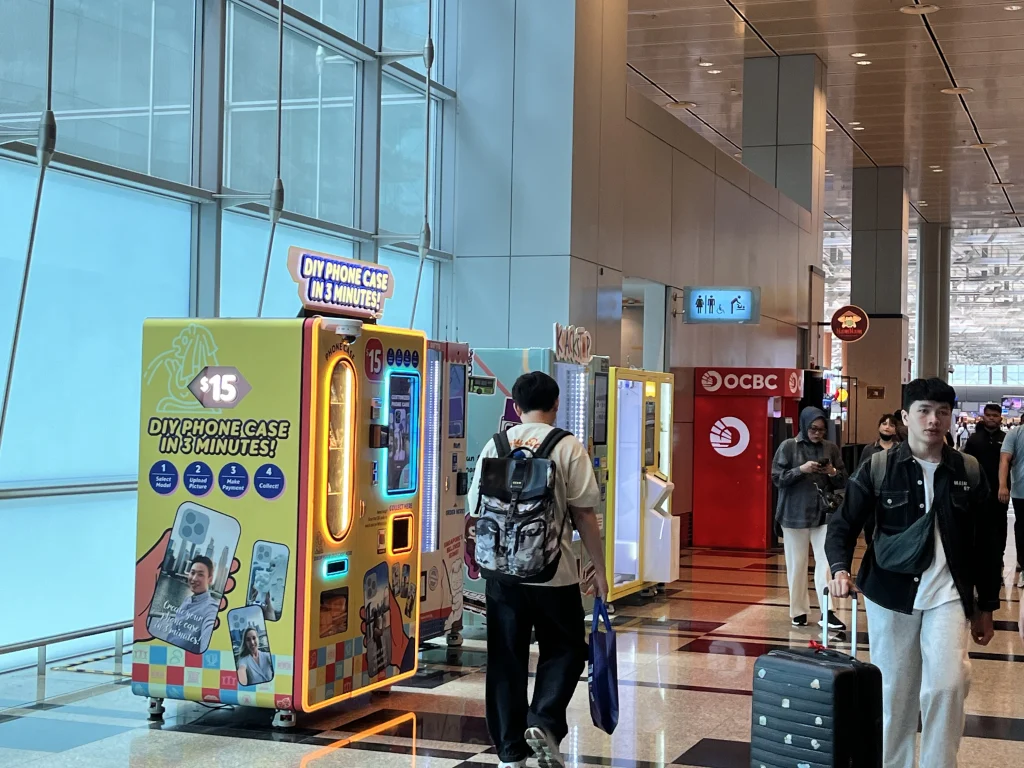
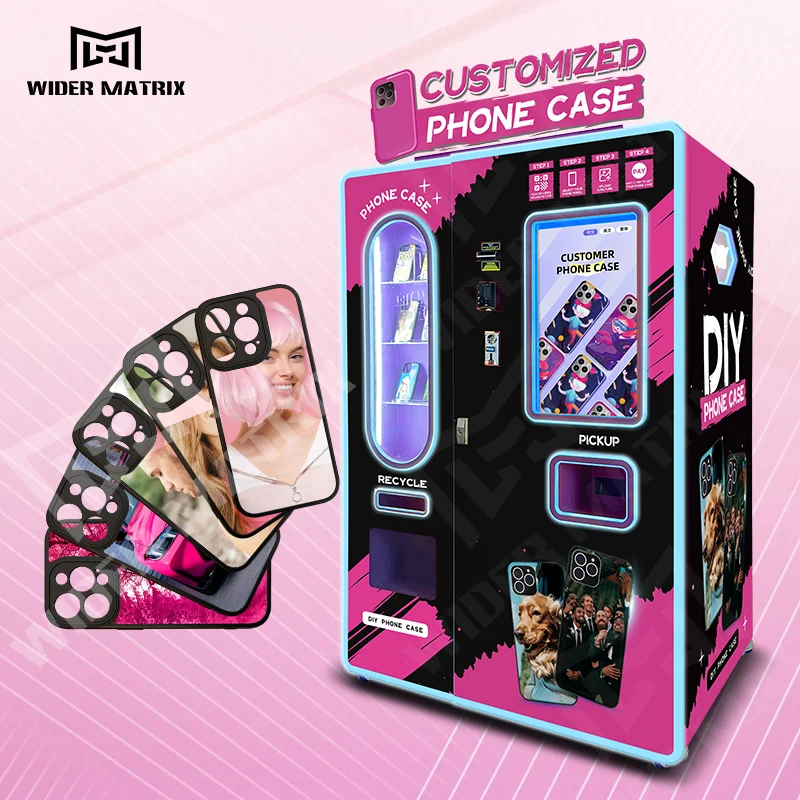
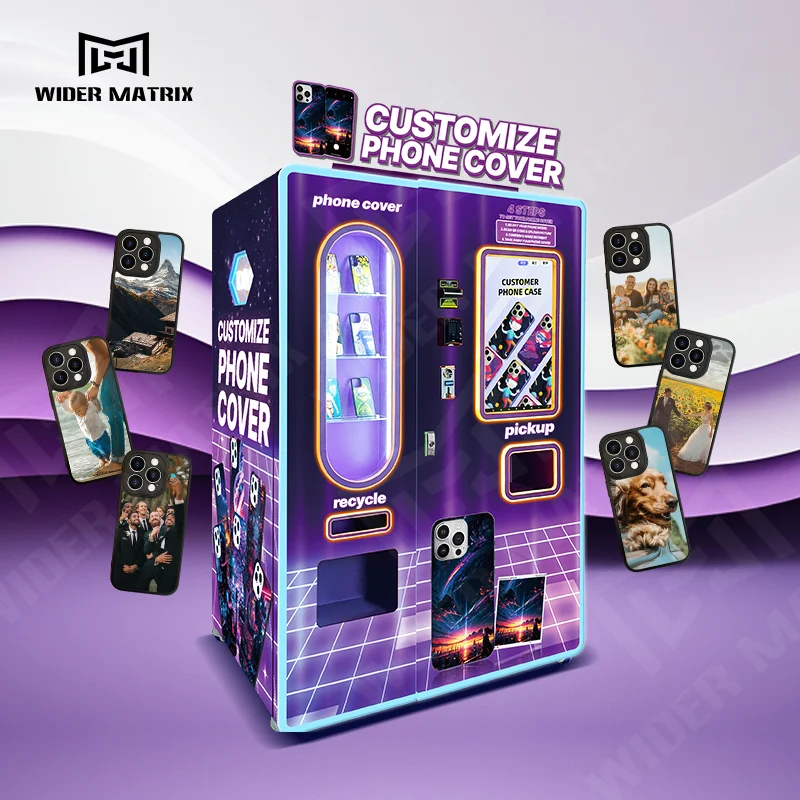
بدلاً من شراء طابعة ثم التفكير في المبيعات والتسويق ومساحة البيع بالتجزئة، يمكنك الاستثمار في طابعة جاهزة ماكينة بيع حافظة الهاتف الذكي. هذه وحدات بيع بالتجزئة مؤتمتة بالكامل مزودة بطابعة أشعة فوق بنفسجية مدمجة.
على سبيل المثال، يدمج حل مثل حلنا طابعة مسطحة عالية الجودة تعمل بالأشعة فوق البنفسجية وإدارة المخزون وأنظمة الدفع وحاوية آمنة في وحدة واحدة. تبدأ النقطة السعرية لنظام البيع من الدرجة التجارية من $6,000-$8,000. لماذا تفكر في هذا؟ لأنك تشتري نموذج عمل، وليس مجرد أداة. فهو يتعامل مع معاملة العميل بالكامل على مدار الساعة طوال أيام الأسبوع، من اختيار التصميم إلى الدفع إلى الإنتاج. يتغير حساب عائد الاستثمار بالكامل - أنت الآن تنظر إلى الربح لكل موقع، وليس فقط الربح لكل علبة مطبوعة. للحصول على تفصيل مفصل لهذا النموذج، يمكنك الاطلاع على دليل الاستثمار في تكاليف ماكينة البيع موردًا مفيدًا.
كيفية الشراء بحكمة: التنقل بين الموردين وعروض الأسعار
بمجرد أن تعرف ميزانيتك وتقنياتك، من أين تشتري؟ المشهد مليء بالمزالق.
- علي بابا/المصادر العالمية: ستجد أوسع نطاق سعري هنا، من $2,000 إلى $20,000. قم بفحص الموردين. اطلب مقاطع فيديو للماكينة وهي قيد التشغيل، واطلب قائمة بأسعار قطع الغيار، وتأكد من ترخيص البرامج. احصل دوماً على عينة مطبوعة يتم شحنها إليك-إنها الطريقة الوحيدة للتحقق من الجودة.
- الشركات المصنعة المتخصصة: تركز شركات مثل Neixo أو Aeoon على هذا المجال. الأسعار أعلى ولكن كذلك الدعم والتوثيق قبل البيع. وغالباً ما توفر شروط ضمان أفضل.
- الموزعون المحليون: توقع زيادة 30-50% عن أسعار Alibaba، لكنك ستحصل على دعم ضمان محلي وقطع غيار أسرع وشخص تتصل به عند حدوث أي مشكلة. قد يستحق هذا كل قرش.
عندما تحصل على عروض الأسعار، قارن بين أكثر من السعر. قارن بين الضمان (سنة واحدة قياسية، وسنتان رائعتان)، وشروط الدفع (إيداع 30% أمر طبيعي)، ووقت التسليم، وما هو التدريب المتضمن. ودائمًا، تحقق دائمًا من الشهادات. في عملياتنا الخاصة منذ عام 2016، تعلمنا أن المنتجات المعتمدة للمعايير الدولية مثل CE و UKCA و RoHS ليست مجرد ملصقات - إنها وكيل لجودة التصنيع والامتثال للسلامة، مما يؤثر بشكل مباشر على الموثوقية على المدى الطويل وراحة بالك.
💡 معلومات حرجة: الماكينة الأرخص هي الأغلى ثمنًا دائمًا تقريبًا. ضع في الحسبان تكلفة أسبوعين من وقت التعطل، واستبدال رأس الطباعة $800، وفقدان العملاء. الموثوقية لها ثمن، وعادة ما يستحق الدفع.
الأسئلة الشائعة: الإجابة على أسئلتك الملحة
السؤال 1: هل يمكنني استخدام طابعة ثلاثية الأبعاد عادية (مثل طابعة Ender 3) لصنع أغطية هواتف للبيع؟
من الناحية الفنية، نعم. عمليًا، لا. إن وقت الطباعة (أكثر من 3 ساعات لكل علبة)، والحاجة إلى معالجة مكثفة بعد الطباعة (الصنفرة، التنعيم)، والنتيجة الهشة نسبيًا مقارنةً بالعلب المصبوبة بحقن TPU، تجعلها غير قابلة للتطبيق في الأعمال التجارية. إنها أداة نماذج أولية رائعة، وليست ماكينة إنتاج.
س2: هل يوجد جهاز جيد متعدد الإمكانات أقل من $1,000؟
للحصول على جودة تجارية حقيقية جاهزة للاستخدام؟ لا. الماكينات في هذا النطاق هي عبارة عن أطقم طابعات DIY أو طابعات أساسية جدًا تتطلب ترقيعًا تقنيًا كبيرًا ومعايرة مستمرة، وستكون معدلات فشلها عالية. إنها للتعلم وليس للكسب.
س3: ما هي التكلفة المعتادة لطباعة علبة مخصصة واحدة؟
بالنسبة للطباعة بالأشعة فوق البنفسجية، عادةً ما تتراوح تكلفة المواد (العلبة الفارغة + الحبر) بين $1.50 و $3.00, حسب جودة العلبة وتغطية الحبر. هذا لا يشمل استهلاك الماكينة أو العمالة أو النفقات العامة. يجب أن يكون سعر التجزئة الخاص بك 4-5 أضعاف هذه التكلفة لتحقيق الربح.
س4: كيف أعرف ما إذا كان المورد على علي بابا موثوقًا به؟
تحقق من سجل معاملاتهم وحالة “المورد الذهبي”. راسلهم بأسئلة فنية محددة - الإجابات البطيئة أو الغامضة هي علامة حمراء. اطلب معلومات الاتصال بالمشترين السابقين في بلدك. استخدم ضمان التجارة. ومرة أخرى, ادفع $50 لعينة مادية.
السؤال 5: ما الأكثر أهمية، DPI أم نوع رأس الطباعة؟
كلاهما مهم، ولكن بالنسبة لحالات الهاتف، فإن الاتساق هو الأهم. ستنتج الطابعة المزودة برؤوس طباعة كهرضغطية مستقرة من الدرجة الصناعية (مثل إبسون أو كونيكا مينولتا) بدقة 1200 نقطة في البوصة نتائج مذهلة أكثر موثوقية من طابعة أرخص ذات رؤوس طباعة كهرضغطية أعلى ولكن رؤوس حرارية تسد بسهولة.
س6: هل يجب أن أشتري ماكينة مستعملة؟
يمكن أن تكون طريقة رائعة لتوفير 40-60%، ولكن تعامل معها مثل شراء سيارة مستعملة. يجب أن تراها تطبع شخصياً أو عبر الفيديو المباشر. اسأل عن إجمالي عدد نيران رأس الطباعة (مثل عدد الأميال) وسجل الخدمة. كن مستعدًا لاستبدال المواد المستهلكة باهظة الثمن مثل مصابيح الأشعة فوق البنفسجية والمخمدات على الفور.
س 7: ماذا عن حافظة الهاتف البيع ماكينة؟ كيف يقارن هذا السعر؟
أنت تنتقل من أداة إنتاجية بحتة إلى حل تجاري كامل للبيع بالتجزئة. كما ذكرنا، من الدرجة التجارية أنظمة حافظة الهاتف المخصصة الآلية في صيغة البيع تبدأ من حوالي $6,299 للوحدة الكاملة الجاهزة للنشر. السعر أعلى لأنه يشمل الطابعة والخزانة الآمنة والبرمجيات ونظام الدفع، وغالباً ما يكون البناء أكثر قوة للاستخدام العام. نموذج العائد على الاستثمار مختلف وغالباً ما يكون أسرع، لأنه قناة مباشرة إلى المستهلك.
اقتباس الخبراء
“إن الهوس بـ ‘سعر الماكينة’ مقدمًا هو الخطأ الأكثر شيوعًا الذي أراه مع الوافدين الجدد. في صناعة الطباعة والبيع بالتجزئة الآلي، تكمن التكلفة الحقيقية في وقت التشغيل، وهدر المواد، وعدم رضا العملاء بسبب رداءة الجودة. ستوفر لك الماكينة التي تكلف 20% أكثر ولكنها تتمتع بموثوقية مثبتة ووثائق واضحة ودعم فني يمكن الوصول إليه 100% من الصداع وتحمي سمعة علامتك التجارية. ضع دائماً ميزانية لإجمالي النظام البيئي، وليس فقط الأجهزة. ابحث عن الموردين الذين يفهمون نموذج عملك، وليس فقط أولئك الذين يبيعون صندوقًا.”
- مايكل تشين، استشاري عمليات أول لأتمتة البيع بالتجزئة