



Starting a vending machine business is one of the most accessible and potentially lucrative entry points into entrepreneurship for beginners. If you’re asking “how do you start a vending machine business for beginners?”, the core answer is a methodical, step-by-step process that begins with research, moves through careful planning and legal setup, and culminates in securing equipment and your first location. This guide is designed to cut through the noise, address your specific anxieties about capital and logistics, and provide a realistic, actionable roadmap from idea to launch, complete with real-world numbers and strategies that acknowledge this is often a side hustle pursued alongside a full-time job.
Before diving into the steps, let’s align expectations. A common myth is that vending requires a massive upfront investment. Reality: you can start with a single, strategically chosen machine. Another myth is that it’s passive income requiring no work. Reality: it’s a flexible, low-touch business, but it demands consistent effort in restocking, maintenance, and relationship management. The true appeal lies in its scalability, cash-based transactions, and the ability to start small—often with an investment of a few thousand dollars. Success hinges not on a huge budget, but on smart planning and execution.
Your 5-Point Quick-Start Checklist
Feeling overwhelmed? Here’s your immediate action plan:
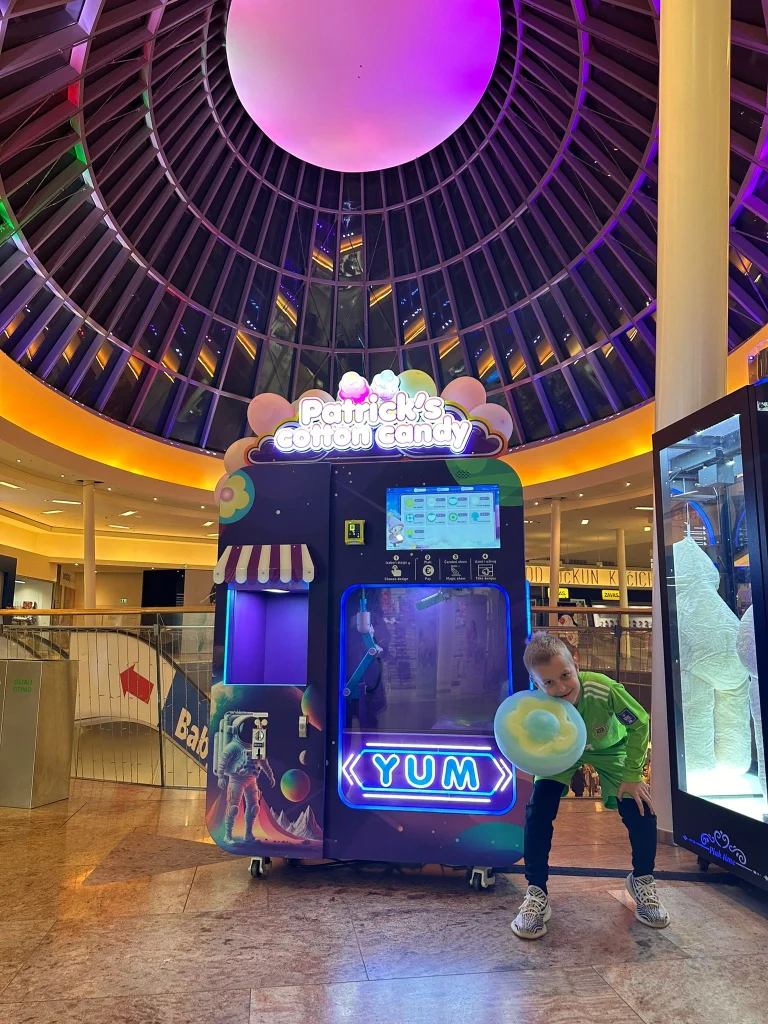
- Validate Your Niche: Decide between snacks/drinks, specialized items (like phone cases or cotton candy), or bulk vending (gumballs, toys).
- Set a Realistic Budget: Determine your total startup capital, including a buffer for unexpected costs.
- Choose Your Business Structure: Register as a Sole Proprietorship or LLC for liability protection.
- Source Your First Machine: Research new vs. used equipment from reputable suppliers.
- قم بتأمين موقعك الأول: Identify one high-traffic spot and pitch the owner.
Now, let’s expand each of these into a comprehensive, step-by-step guide.
Step 1: Research, Planning & Niche Selection
Your first step is strategic research. Don’t just buy a machine; identify a profitable opportunity.
- Local Market Analysis: Visit locations like office buildings, hospitals, laundromats, and colleges. What machines are already there? What’s missing? Talk to people. Is there demand for healthy snacks, fresh food, or unique products like custom phone cases?
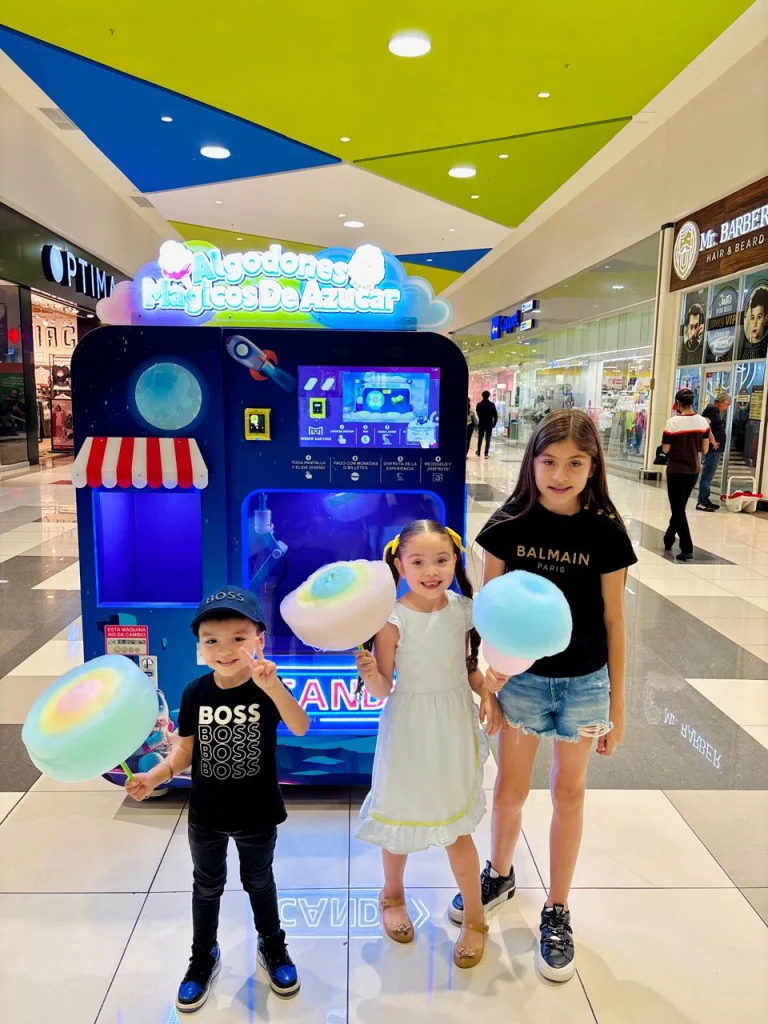
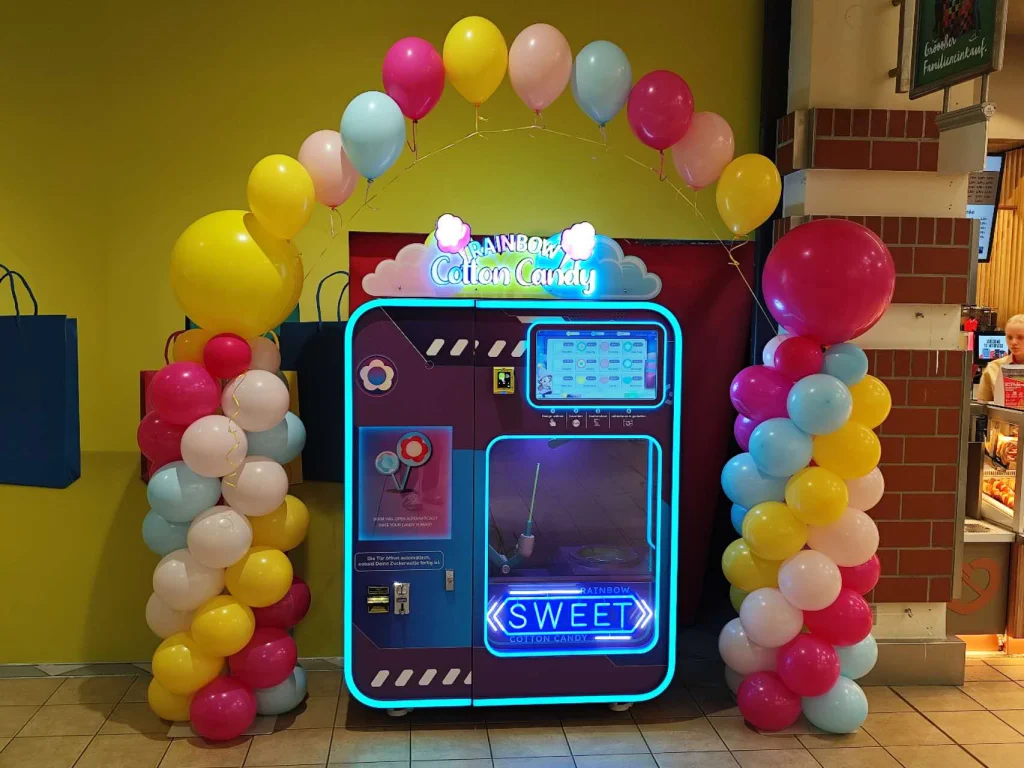
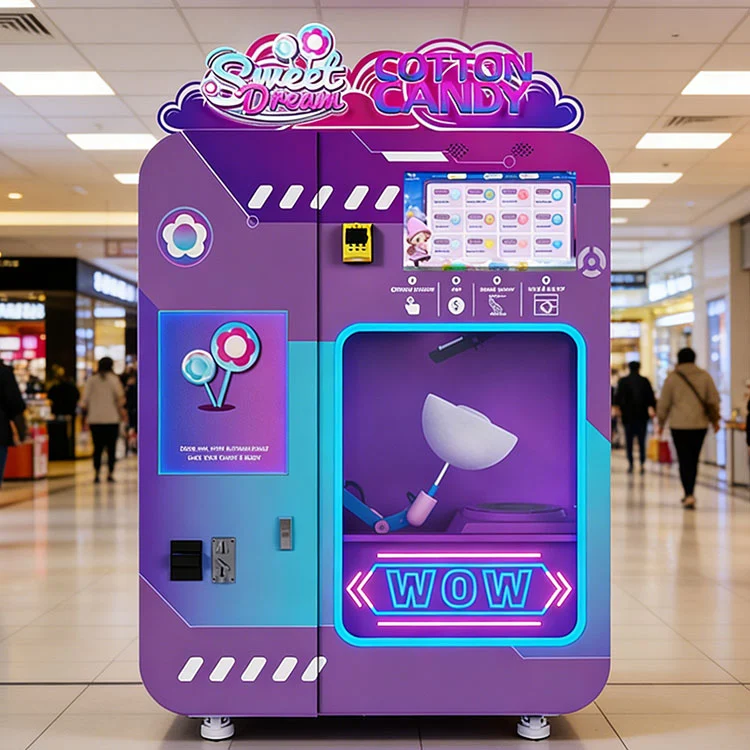
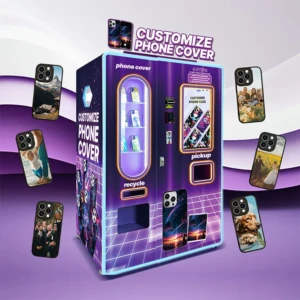
- Niche Selection: This is critical. Traditional snack vending is competitive but has steady demand. Specialized vending (often called “smart vending”) is a growing segment with higher potential margins. For example, a phone case vending machine allows for personalized designs, commanding retail prices of $15-$30. Similarly, a cotton candy machine can produce a unit for about $0.31 and sell it for $5-$10, representing a 93.8%-97% profit margin. Industry data from leading manufacturers like Wider Matrix, with over 8 years of experience and 3,000+ machines deployed globally, shows that these specialized machines can achieve ROI in a matter of weeks in the right location.
- Competitor Mapping: Document all vending operators in your target area. Note their machine types, pricing, and the apparent condition of their equipment.
Step 2: The Numbers – Building Your Financial Model
A realistic budget is your blueprint. Here’s a breakdown of startup and ongoing costs. Use this as a template for your own interactive spreadsheet.
| فئة التكاليف | Low-End Estimate (Used Equipment) | Mid-Range Estimate (New Smart Machine) | Notes & Tips |
|---|---|---|---|
| Machine Purchase | $1,500 – $3,000 | $4,000 – $8,000 | e.g., A new smart cotton candy machine (MSRP $6,700) may have a promotional price of $4,999. |
| المخزون الأولي | $200 – $500 | $300 – $800 | Depends on product cost and machine capacity. |
| Business Formation & Licenses | $100 - $500 | $100 - $500 | Varies greatly by state and city. |
| Location Security Deposit/Commission | $0 – $500 | $0 – $500 | Often a percentage of sales (10-25%) instead of a fee. |
| Transportation & Installation | $200 – $600 | Included / $300 | Some suppliers include delivery. |
| Miscellaneous & Buffer | $300 | $500 | For tools, cleaning supplies, marketing materials. |
| Estimated Total Startup Cost | $2,300 – $5,400 | $5,200 – $10,600 | You can start with one machine at the lower end. |
Ongoing Monthly Costs:
- Inventory Restocking: Variable, based on sales.
- Fuel & Transportation: $50-$150.
- Commission to Location: 10-25% of gross sales.
- Machine Payment (if financed): $100-$300.
- Business Insurance: $30-$100.
**Funding:** Options include personal savings, SBA microloans, or equipment financing through the vendor. For a deeper dive into starting with limited funds, explore our guide on how to start a vending machine business with low investment.
Step 3: Legal Foundation & Compliance
Protect yourself and operate legally. This step is non-negotiable.
- اختيار هيكل الأعمال: A Limited Liability Company (LLC) is highly recommended. It separates your personal assets from your business liabilities. A Sole Proprietorship is simpler but offers no protection.
- Register Your Business: File formation documents with your state’s Secretary of State and obtain an Employer Identification Number (EIN) from the IRS, even if you have no employees.
- Obtain Licenses and Permits:
- General Business License: From your city or county.
- Sales Tax Permit/Vendor’s License: Crucial for collecting and remitting sales tax. This is state-specific. You must register with your state’s Department of Revenue.
- Food Handler’s Permit: If vending any food or beverages, you (or your employee) will likely need this from the local health department.
- Get Insured: General Liability insurance is essential. It protects you if someone claims injury from your product or machine.
Step 4: Sourcing Your Equipment
This is where your niche choice becomes real. The decision between new and used is major.
- الآلات الجديدة: Offer reliability, modern features (like cashless payments, remote monitoring), full warranty (typically 1 year), and the latest technology. For example, modern smart machines feature IoT for real-time inventory tracking and cloud management. The upfront cost is higher, but operational headaches are lower.
- الآلات المستعملة: Can slash initial costs. Caution is key. Inspect thoroughly for rust, compressor health (on refrigerated units), and bill validator/coin mech function. Test it before buying.
* **Supplier Vetting:** Whether new or used, research the supplier. Look for companies with proven track records, clear warranty terms (like lifetime technical support), and positive operator testimonials. A reputable supplier is a long-term partner. For a comprehensive look at building your company the right way, see how to create a vending machine company.
Step 5: The Art of Securing Prime Locations
Your location is your most important asset. A great machine in a poor location will fail.
- Prospecting: Think beyond foot traffic; think about “captive audiences.” Ideal spots include: manufacturing plants, office parks with 50+ employees, hospitals, car dealerships, hotels, and laundromats.
- The Pitch: Prepare a simple, benefit-oriented script. Focus on what you offer the location owner:
- A free amenity for their employees/customers.
- A share of the profits (commission).
- Zero work for them—you handle everything.
- A modern, clean machine that enhances their space.
- The Agreement: Get a simple contract in writing. Key terms should include: length of agreement (1-2 years with renewal option), commission rate (typically 10-25%), responsibilities for electricity and machine placement, and termination clauses.
Step 6: Operations, Maintenance & Scaling
The launch is just the beginning. Here’s the “day-in-the-life” reality.
- Restocking Routine: Plan a consistent route. Efficient operators service multiple machines in one geographic trip. Track inventory meticulously to know what sells.
- الص يان ة الأ ساس ية : Clean the machine interior and exterior regularly. Keep the bill validator and coin mechanism free of dust. Most modern machines will alert you via remote monitoring to issues like jams or temperature fluctuations.
- Customer Service: Place a clear contact label on your machine. Respond promptly to refund requests or malfunction reports. Happy location managers are your best advocates for contract renewals.
* **Scaling:** Once your first machine is profitable, reinvest profits to purchase your second. Systematize your processes. Consider hiring a part-time route driver when the time is right. For advanced strategies, our نصائح الأعمال آلة البيع resource offers valuable insights.
A Real-World “First Month” Case Study
Meet “Alex,” a beginner who started with one smart phone case vending machine.
- Week 1-2: Alex secured a location in a large suburban mall (15% commission deal). The machine was delivered and installed by the supplier. Initial inventory cost: $1,500 for 1,000 cases.
- Week 3-4: After a slow start, sales picked up to an average of 35 cases per day on weekends, 15 on weekdays. The machine’s ability to print custom designs in 1-3 minutes was a hit. Gross revenue in the first full month: ~$1,800. After commission, inventory cost, and estimated expenses, net profit was approximately $700.
- Key Takeaway: Alex’s success was due to a high-traffic location, a unique product with high perceived value, and choosing reliable equipment with remote monitoring to track sales in real-time.
الأسئلة الشائعة (FAQ)
Q: How much money can I really make with a vending machine?
A: Profit varies wildly based on location, product, and price. A single well-placed snack machine might net $50-$200 per month. Specialized machines often perform better. For instance, field data from phone case vending shows typical locations can see 30-50 daily transactions with high margins, potentially netting $1,000-$3,000+ monthly per machine. For a detailed analysis, read are vending machines profitable?.
Q: Is this a good business to run alongside my full-time job?
A: Absolutely. This is one of its biggest advantages. Servicing routes can often be done during evenings or weekends. Modern machines with remote monitoring let you check inventory and sales from your phone, minimizing unnecessary trips. Many operators start it as a side hustle.
Q: What are the biggest risks or challenges?
A: The main risks are poor location choice, machine vandalism/theft, and equipment breakdown. You mitigate these by: thoroughly vetting locations, placing machines in secure, well-lit areas with cameras, and purchasing reliable equipment with a strong warranty (e.g., 1-year parts, lifetime technical support).
Q: Do I need to handle food licenses for snacks and drinks?
A: Yes, in most jurisdictions. If your machine dispenses any food or beverage items (including candy, chips, soda, or fresh items), you will likely need a food handler’s permit from your local health department. Regulations for pre-packaged snacks are less stringent than for perishable foods.
Q: How do I accept credit card payments?
A: Most new machines come equipped with or have an option for a cashless payment system (card reader). You can also retrofit older machines with devices like Nayax or Cantaloupe. These systems increase sales (often by 20-50%) but charge a processing fee per transaction (typically 3-5%).
Q: What’s a typical ROI timeline for a beginner?
A: With a moderate investment of $5,000-$8,000, a well-run machine in a good location can often pay back its initial investment in 6 to 18 months. Specialized machines with higher margins, like cotton candy or custom phone case units, have reported ROI periods as short as a few weeks to a few months in optimal, high-traffic venues.
Q: How do I find out about my state’s specific license requirements?
A: The best single source is your state’s official website, usually under the “Secretary of State” for business registration and the “Department of Revenue” or “Taxation” for sales tax permits. The U.S. Small Business Administration (SBA) website also has state-by-state guides.
Next Steps: From Reading to Doing
You now have a comprehensive, step-by-step blueprint. The gap between knowledge and action is where most dreams stall. Your next move is to commit to one actionable task from Step 1, such as spending a Saturday afternoon scouting 10 potential locations in your area. This business rewards those who execute consistently.
To move forward with confidence, especially when selecting your equipment—the cornerstone of your operation—it’s crucial to partner with a provider that offers not just a product, but a proven solution. Based on over 8 years of industry experience supporting operators in 130+ countries, we recommend focusing on reliability, support, and clear ROI data. For instance, our smart vending solutions come with comprehensive 24/7 technical support, detailed ROI calculation reports tailored to your target location, and remote management software to simplify operations. If you’re ready to evaluate specific models against your business plan, we invite you to request a personalized consultation and proposal to get real numbers for your venture.
تعليقات
لا تعليقات بعد.كن أول من يعلق!