


Are automated nail art machines the future of manicures, or just a passing tech trend? If you’re searching for “automated nail art machine,” you’re likely exploring a fascinating new category of beauty technology that promises perfect, intricate designs at the push of a button. This comprehensive guide cuts through the hype to answer your core questions: what are they, how do they work, and most importantly, is investing in one worth it for you as a home user or salon owner? We’ll provide an unbiased, expert analysis of the technology, compare leading models, and deliver the critical real-world insights—like true costs, limitations, and ROI—that other reviews often miss.
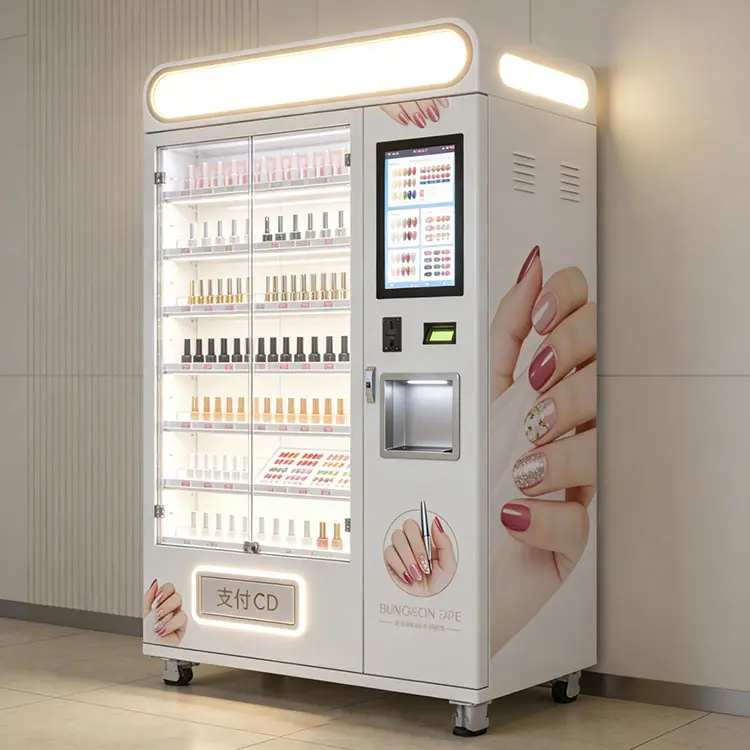
At their core, these machines automate the application of nail polish and designs. There are two primary technologies dominating the market. The first is the AI-Powered Nail Printer. This device works similarly to a desktop printer: you place your finger under a scanner, select or upload a design on a touchscreen, and the machine prints the image directly onto your nail using specialized, fast-drying ink. The second type is the Robotic Painting Arm. This more complex system uses a robotic arm with a precision brush to physically apply polish from standard bottles, capable of creating gradients, French tips, and simple patterns by following digital instructions. Both types represent a significant leap from traditional vending concepts, focusing on high-value customization. For a broader look at how automation is transforming retail services, explore our guide on self-service photo printing kiosks, which operate on a similar principle of user-driven customization.
Key Considerations Before You Buy: Home vs. Salon
Your needs vary drastically depending on whether you’re a consumer or a business. For Home Users, key considerations are space, ease of use, and cost of consumables. A compact printer might be ideal. For Salon Owners, the calculus shifts to client throughput, service diversification, and return on investment. A machine must be fast, reliable, and able to justify its price tag by attracting new clients or allowing premium pricing. Consider your Budget carefully; consumer models start around $300, while professional-grade equipment can exceed $5,000. Finally, assess your Desired Art Complexity. Printers excel at photorealistic images and complex graphics, while robotic painters are better for elegant polish-based art. Understanding your core need is the first step, much like evaluating the potential of a آلة بيع الأظافر in a specific market.
In-Depth Product Comparison: Models, Specs & Best For
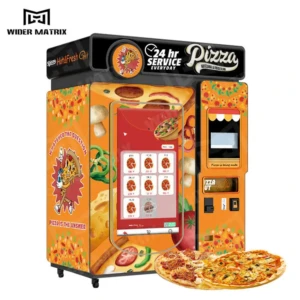
To make an informed decision, you need a clear, side-by-side comparison. The market includes direct-to-consumer brands like Nimble, service-based models like Clockwork’s “robot manicure” stations, and industrial machines from manufacturers like Wider Matrix designed for high-volume unattended retail. Here is a breakdown of key models and their ideal use cases.
| Model / Type | Key Specs & Features | Estimated Price | أفضل من أجل | إ يج اب يات | الع نا صر الس لب ية |
|---|---|---|---|---|---|
| Nimble (AI Printer) | Home device, uses design pods, app connectivity. | $300 – $600 | Home enthusiasts, simple patterns. | Affordable, compact, easy for beginners. | Limited design complexity, ongoing pod cost. |
| Clockwork (Robotic Service) | In-store service kiosk, full manicure with robotic arm. | Service Fee Model | Consumers seeking a tech-experience manicure. | No upfront cost for user, professional finish. | Only available at partner locations. |
| Professional Nail Printer | Salon-grade, high DPI printing, UV curing, polish database. | $3,000 – $8,000 | Salons adding premium design services. | Highest quality prints, fast, large design library. | High upfront cost, requires training. |
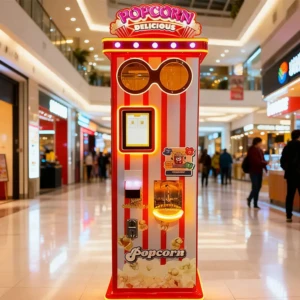
| Unattended Retail Kiosk | All-in-one vending + printing, IoT monitoring, payment systems. | $5,000 – $15,000+ | Entrepreneurs & high-traffic retail locations. | 24/7 revenue, fully automated, high profit margin potential. | Largest investment, needs prime placement. |
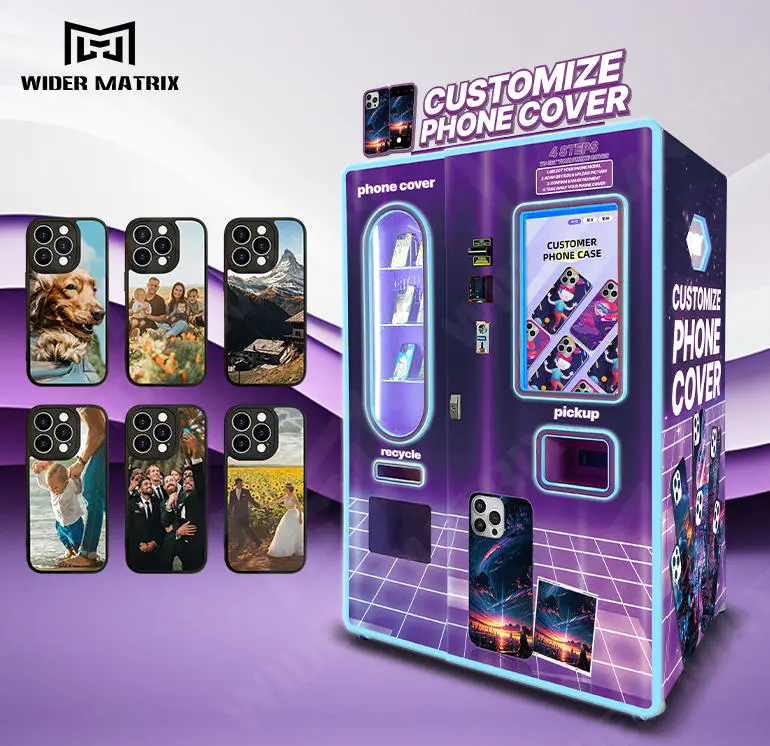
This investment spectrum mirrors other automated retail sectors. For instance, a top-tier مخصص الهاتف حالة آلة البيع represents a similar capital outlay but targets a different customization niche with proven high-margin returns.
The Real-World Experience: Setup, Costs, and Limitations
Beyond the specs, practical experience is crucial. The Setup & Learning Curve for a salon-grade machine can take several days for staff to master alignment and software. Maintenance & Ongoing Costs are a critical, often underestimated factor. Printers require proprietary ink cartridges or film, which can cost $50-$150 per month for an active salon. Robotic arms need regular cleaning and calibration. The polish for these systems can also be specialized and costly.
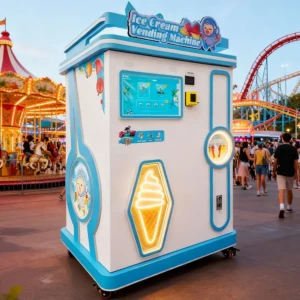
Most importantly, understand the Limitations. These machines often struggle with very short, bitten, or highly curved nail beds. The range of art styles, while impressive, may not match the freehand creativity of a master nail artist for ultra-complex 3D designs. Durability is another question; consumer-grade devices may not withstand daily commercial use. This honest assessment of operational reality is what separates a good investment from a costly mistake, a principle we apply to all automated retail, from آلات بيع الآيس كريم to nail tech.
The Business Case: ROI for Salons and Entrepreneurs
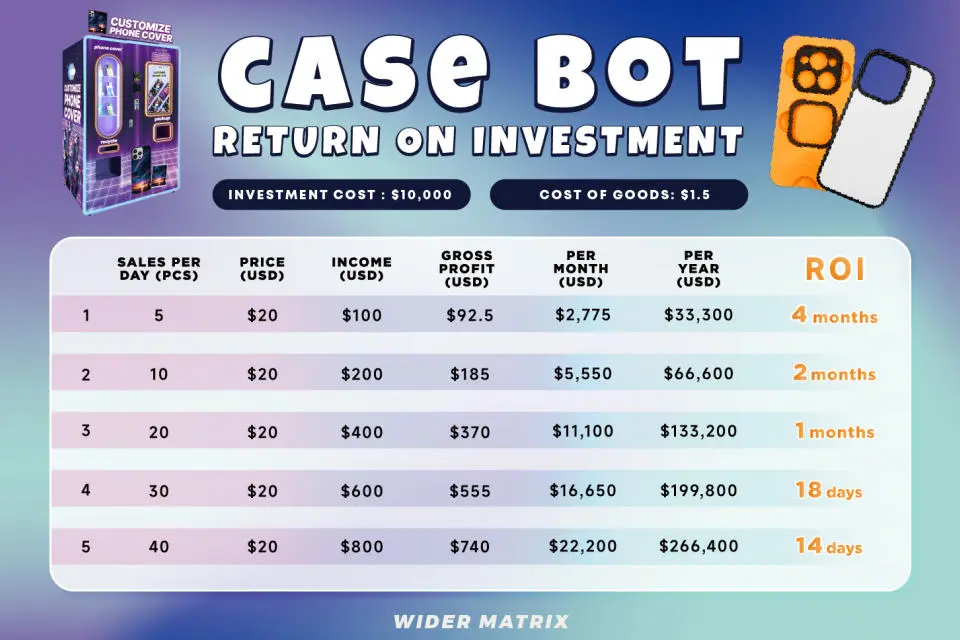
For professionals, this is a business decision. Let’s analyze the Return on Investment (ROI). A salon charging a $15 premium for a machine-made design on a $40 manicure needs to perform roughly 130-200 additional premium services to recoup a $6,000 machine investment, excluding consumables. The value proposition lies in faster service (a print takes 1-2 minutes vs. 10-15 for hand-painted art), attracting tech-savvy clients, and upselling. For the unattended kiosk model in a mall, the math is different. If a kiosk charges $20 per print and operates with a 90% profit margin (similar to high-margin vending models), it could pay for itself in a few months with consistent traffic. Industry data from other automated customization sectors, like phone case vending which sees 30-50 daily sales in good locations, provides a useful benchmark. For a detailed framework on calculating this, review our phone case vending machine ROI calculator.
Future Trends in Automated Nail Technology
The technology is rapidly evolving. We expect integration of AI Design Generators, where clients can describe a design (“ocean sunset”) and AI creates it instantly. Hybrid Machines that combine printing and robotic painting for textured effects are on the horizon. Furthermore, connectivity will improve, with machines offering real-time inventory tracking of polishes and inks via IoT, much like the cloud management systems in today’s most advanced smart vending machines. The line between a professional salon service and a sophisticated retail product will continue to blur.
الأسئلة الشائعة (FAQ)
Q: How long does an automated nail design take?
An AI printer can complete a complex, full-color design on all ten nails in 10-15 minutes, including positioning and curing time. A robotic painter may take slightly longer, comparable to a meticulous hand-painted job but with perfect consistency.
Q: Are the inks and polishes used by these machines safe?
Reputable machines use UV-cured gel polishes or inks that are standard in the nail industry. They require curing under a UV/LED lamp, which is the same process used in salons worldwide. Always check for FDA-compliant or relevant regional health and safety certifications for the consumables.
Q: Can these machines work on natural nails, or do I need extensions/gels?
They work best on a smooth, hard surface. This typically means a base coat of regular polish or, more commonly, a cured gel base coat. They can work on natural nails if they are sufficiently long and even, but a gel base provides the ideal canvas for adhesion and vibrancy.
Q: What is the typical maintenance required?
Maintenance varies. Printers require regular printhead cleaning to prevent clogging and periodic replacement of ink tanks or film. Robotic arms need their brushes cleaned and movement mechanisms checked for polish buildup. Professional models often include automated cleaning cycles.
Q: What’s the realistic ROI for a salon owner?
ROI depends on your client volume and pricing. If you can add a $10-$20 premium for machine art and perform 5-10 such services daily, a $5,000 machine could pay for itself in 4-6 months. The real value may also be in attracting new clients and reducing the time highly-paid artists spend on simple patterns.
Q: How durable are the designs? Do they chip easily?
Designs printed with proper UV-cured ink on a prepared gel base are extremely durable and chip-resistant, often lasting as long as a standard gel manicure (2-3 weeks). The durability is comparable to, and sometimes exceeds, that of traditional nail art.
Q: Can I use my own nail polish with these machines?
Generally, no. AI printers require proprietary ink cartridges or film. Robotic painting arms are typically calibrated to work with specific polish brands that have the correct viscosity. Using unauthorized products can damage the machine and void warranties.
Q: What kind of training is needed to operate one?
Consumer devices are designed for simplicity. Professional salon machines require formal training, usually provided by the manufacturer or distributor, covering software operation, nail positioning, maintenance, and troubleshooting. This ensures optimal results and machine longevity.
Get Your Personalized Automated Nail Machine Analysis
Navigating the world of automated nail technology requires careful analysis tailored to your specific goals. Whether you’re a salon owner calculating ROI or an entrepreneur scouting retail opportunities, generic advice isn’t enough.
Request a free, detailed comparison and ROI report. Provide a few details about your intended use (home, salon, retail kiosk) and budget. Our team, with insights drawn from deploying over 3,000 automated retail machines globally, will send you a customized analysis within 24 hours. This includes a model comparison chart, a breakdown of ongoing consumable costs, and a realistic profitability projection based on your local market.
Schedule a one-on-one technical consultation. Have specific questions about integration, space requirements, or technical specs? Leave your contact information to schedule a call with our solutions team. We offer unbiased guidance on deployment planning, machine selection, and the operational realities of running an automated beauty service, backed by 8+ years of industry experience.
By submitting your inquiry, you agree to receive relevant pricing, promotional information, and your personalized report. You can unsubscribe from communications at any time. We respect your privacy and limit contact frequency.


تعليقات
لا تعليقات بعد.كن أول من يعلق!